
Picture this: you grab your keys, slip on your shoes, and glance back at your dog. Their eyes are wide. They’re already panting. Before you’ve even touched the door handle, that familiar wave of guilt washes over you. Sound familiar?
If it does, you’re far from alone. Research suggests that roughly eight out of ten dogs find it genuinely hard to cope when left alone, yet nearly half of them show no obvious signs, making it easy for owners to miss what’s really happening. This is not a small problem, and it certainly isn’t your fault. Separation anxiety is one of the most misunderstood and heartbreaking things a dog can experience. The good news? With the right approach, real progress is possible. Let’s dive in.
What Is Separation Anxiety, Really? (It’s More Than Just Bad Behavior)
Let’s be real, a lot of people still think their dog chews the couch or barks for hours out of spite. That couldn’t be further from the truth. Separation anxiety is a stress response a dog exhibits when they are away from the person or people they’re bonded to, and experts compare the experience to a full-blown human panic attack.
Every time a dog with separation anxiety is left alone, their body is flooded with the same stress hormones a panicking human experiences. Think about how terrifying that sounds. It’s not mischief. It’s survival mode.
Separation anxiety is a serious condition that goes well beyond the occasional mournful whimper when you leave or a shredded sock waiting for you upon your return. Unlike a little mischief when your dog is left alone, it is the result of legitimate stress.
Dogs with separation anxiety often show signs of excessive attachment, following their owners around at home, and some will begin to whine, pace, pant, or even freeze as their owner’s departure becomes imminent. So if your dog shadows your every move, that clingy behaviour is a clue worth paying attention to.
Know the Signs: What Your Dog Is Trying to Tell You
Honestly, dogs are brilliant communicators. The problem is we don’t always know what we’re looking at. Separation anxiety can result in a whole spectrum of behaviours including trembling, salivating, excessive vocalization, overgrooming, loss of bladder control despite successful potty training, or even destruction of your home.
Dogs with separation anxiety vocalize, become destructive, or eliminate beginning either as their owners prepare to leave or shortly after departure, with destructive activity often focused on owner possessions or at exit doors. Sound familiar? Chewed door frames and scratched windows are classic distress signals, not random acts of chaos.
Some dogs suffer silently, standing and panting for hours without their owner ever knowing. That’s an important reminder to set up a camera when you leave. You might be shocked by what you see. Other visible stress signs to watch for include dilated pupils, panting, yawning, salivating, trembling, and pacing.
The Power of Desensitization: Teaching Your Dog That “Goodbye” Isn’t Forever
The most successful treatment for canine separation-related problems is behaviour modification that focuses on systematic desensitization and counterconditioning, which can be supplemented with medication in the initial stages. Think of it like exposure therapy, but gentler and treat-powered.
During separation anxiety training, you leave the room for just a moment and return before your dog has a chance to become anxious, and the dog must remain below their stress threshold throughout the entire process. Tiny steps. Literally seconds at first. It sounds almost too simple, but it works.
Your dog may pick up on telltale departure cues like you putting on your coat or picking up your keys, and one treatment approach is to teach your dog that those cues don’t always mean you’re leaving. Try grabbing your keys and then sitting back down on the sofa. Do it ten times a day. You’re rewriting the story those cues tell your dog.
You’ll need to spend significant time building up to 40-minute absences because most of your dog’s anxious responses will occur within the first 40 minutes of being alone. Patience here isn’t just a virtue. It’s the whole strategy.
Exercise, Enrichment, and Creating a Safe Haven
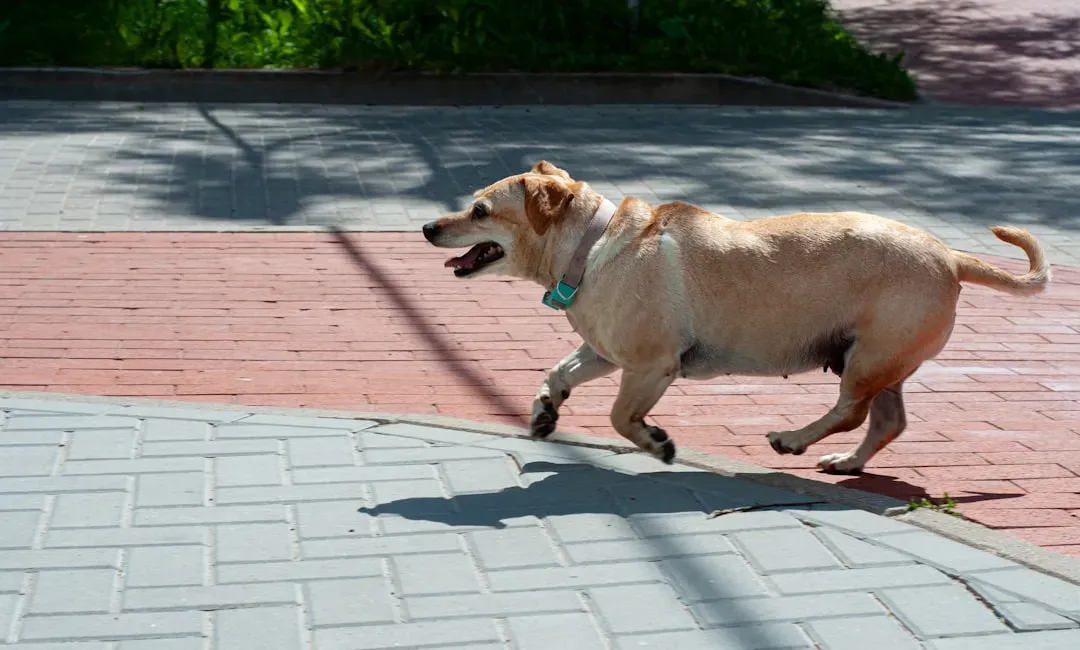
Tiring out your dog physically and mentally is one of the best tools you have for treating separation anxiety. Taking your dog on a long walk with new routes and plenty of sniffing, followed by puzzle toys or long-lasting treats, before you leave can make a real difference. A tired dog is a calmer dog. Full stop.
Making your dog’s day more predictable genuinely helps calm an anxious pet. Establishing a daily routine so your dog knows when to expect a walk, meals, play, and alone time gives them something to rely on. Think of routine as an emotional anchor for your dog, the way a reliable schedule soothes an anxious child.
Dogs with anxiety need a safe zone, a happy place that is both relaxing and distracting. This could be a bathroom, a bedroom, or a crate if your dog is already happily crate trained. Do not place an anxious dog in a crate they dislike, as this could worsen their anxiety.
Toys can also help your dog learn to associate alone time with something they enjoy, especially when combined with food. Stuffing a hollow rubber chew toy with something tasty like peanut butter, banana, or canned dog food is a genuinely effective approach.
When to Call in the Professionals (and What Help Looks Like)
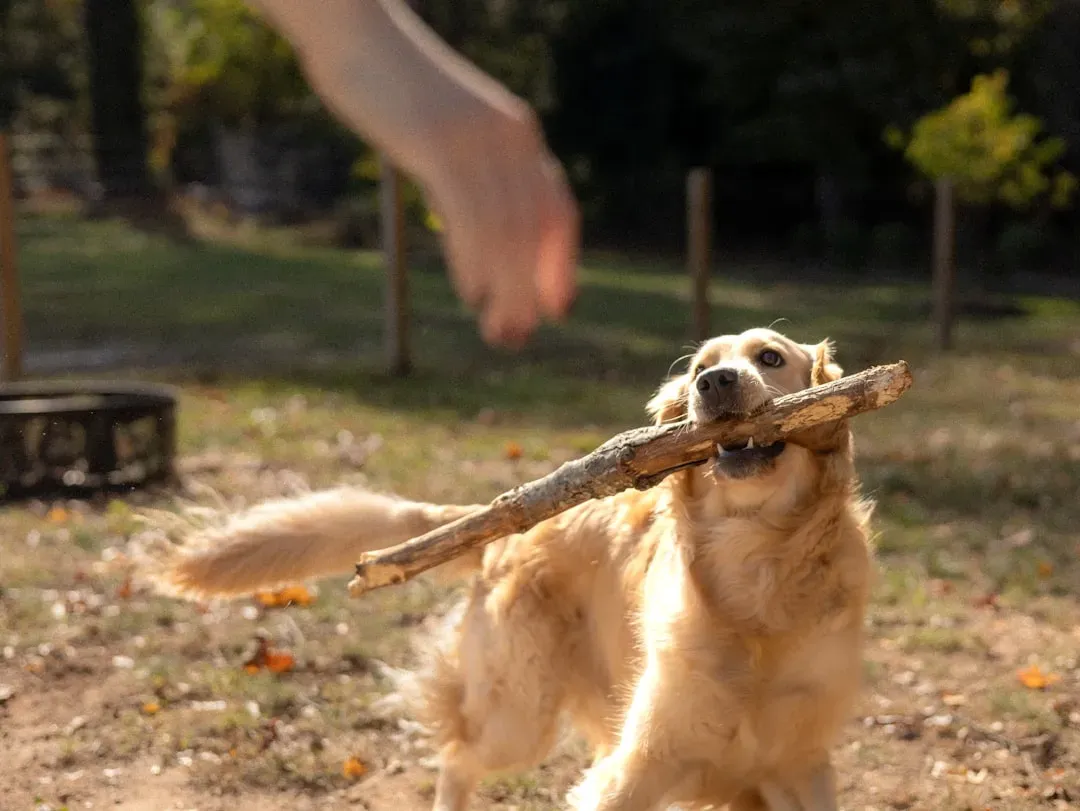
Here’s the thing: sometimes love and patience alone aren’t quite enough. Helping a dog get past separation anxiety takes time and there is no such thing as a quick fix. Because treating it is a complex process, pet parents should look for a trainer or behaviourist with a background in addressing the behaviour, such as a certified separation anxiety trainer or a veterinary behaviourist.
Two pharmacological interventions, clomipramine and fluoxetine, are approved in the United States for the treatment of canine separation anxiety. These are antidepressant drugs also used in humans to treat depression and anxiety. It’s hard to say for sure if medication is right for every dog, but for severe cases, it can be genuinely life-changing.
Medication is used as an adjunct to training in all cases, with the goal of decreasing overall anxiety levels so that training becomes more successful. Natural products like CBD or valerian might also offer some relief, or at least smooth the way during a training program, though you should always consult your vet before giving your dog any over-the-counter products.
Never punish your dog for separation anxiety behaviours. Punishment is not effective for treating separation anxiety and can instead increase anxiety, because this condition isn’t the result of disobedience or lack of training. Please, never scold your dog for what happened while you were gone. They simply cannot connect your reaction to their earlier behaviour.
A Closing Thought for Every Dog Parent Who Feels Helpless
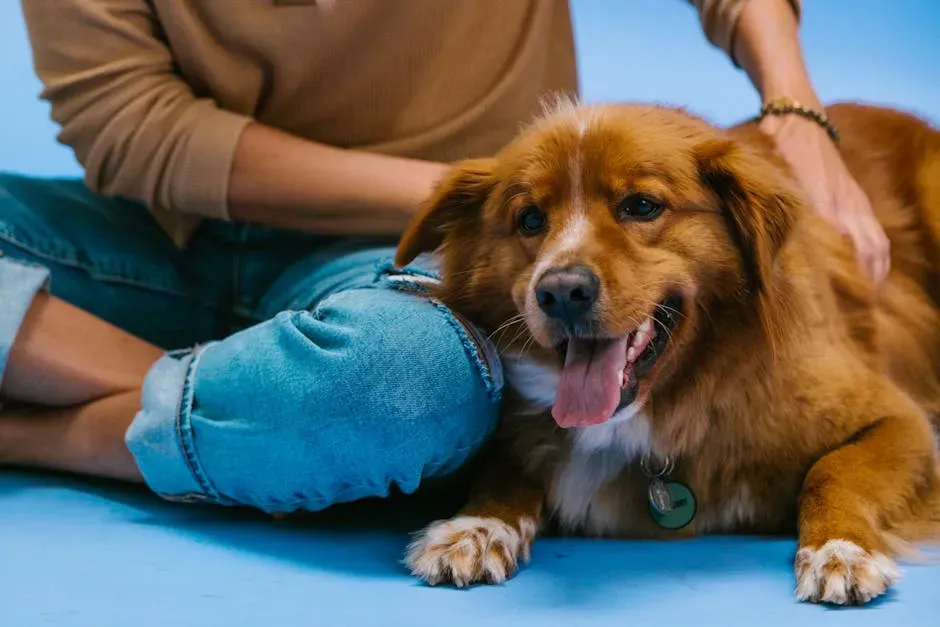
If you’ve read this far, it tells me everything I need to know about you as a dog parent. You care deeply. That already puts you miles ahead. Separation anxiety has a high rate of treatment success, and with patience and a positive attitude, you may be able to reduce your dog’s suffering and put separation anxiety behind you both.
Treating separation anxiety can take months, and although many dogs with separation anxiety can go on to live stress-free lives, the behaviours may resurface during times of transition. So stay consistent, stay compassionate, and keep showing up for your dog even when progress feels invisible.
Your dog doesn’t know the word “forever,” but they know you come back. Every single time you return, you’re building that trust. One small step, one treat, one calm goodbye at a time. So, what will you try first? Share your experience in the comments and let’s support each other through this journey together.


