
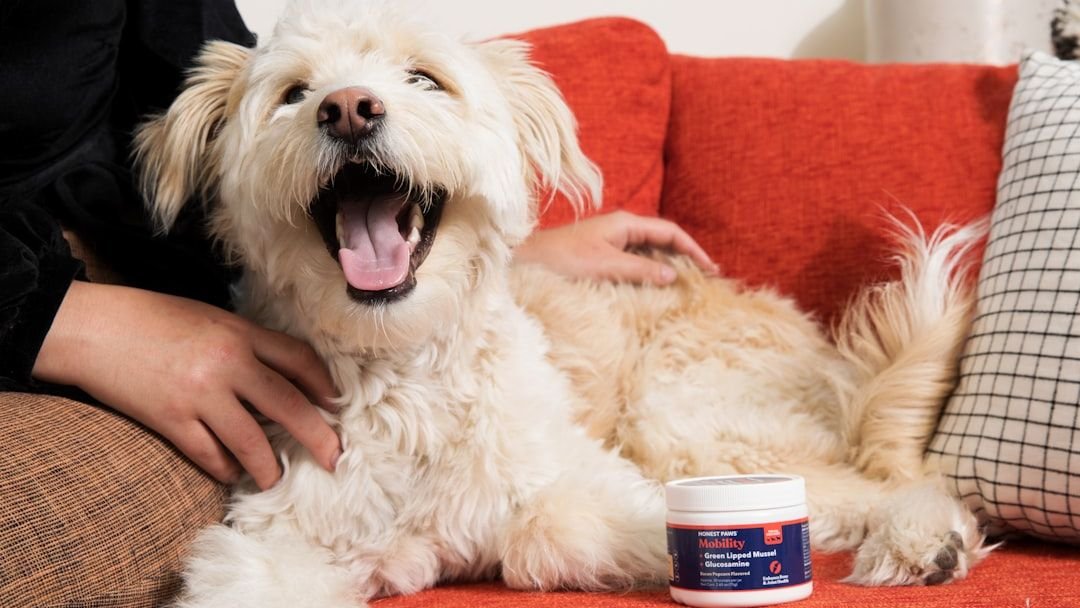
Picture this: your dog locks eyes with you, tilts their head, and unleashes that soft, insistent whine that tugs right at your heartstrings. It’s not random noise – it’s their way of reaching out, sharing something important in a language we’ve mostly forgotten how to speak fluently.
I’ve spent years watching pups communicate, and trust me, those whines hold secrets about their world. Ready to become fluent? Let’s uncover what they’re really saying, one whine at a time.[1][2]
The Attention-Seeking Whine

Your dog stares up at you, whining softly while pawing your leg – classic plea for pets or playtime. This whine often comes with a wagging tail and relaxed ears, signaling they’re just bored or craving connection. Ignore it briefly to avoid reinforcing the habit, then reward quiet behavior with attention.
Here’s the thing: puppies do this most, but adults pick it up if we respond every time. Build a routine with walks and toys to keep them fulfilled. You’ll notice fewer whines when their needs feel met proactively.[2]
The Anxious Whine of Separation
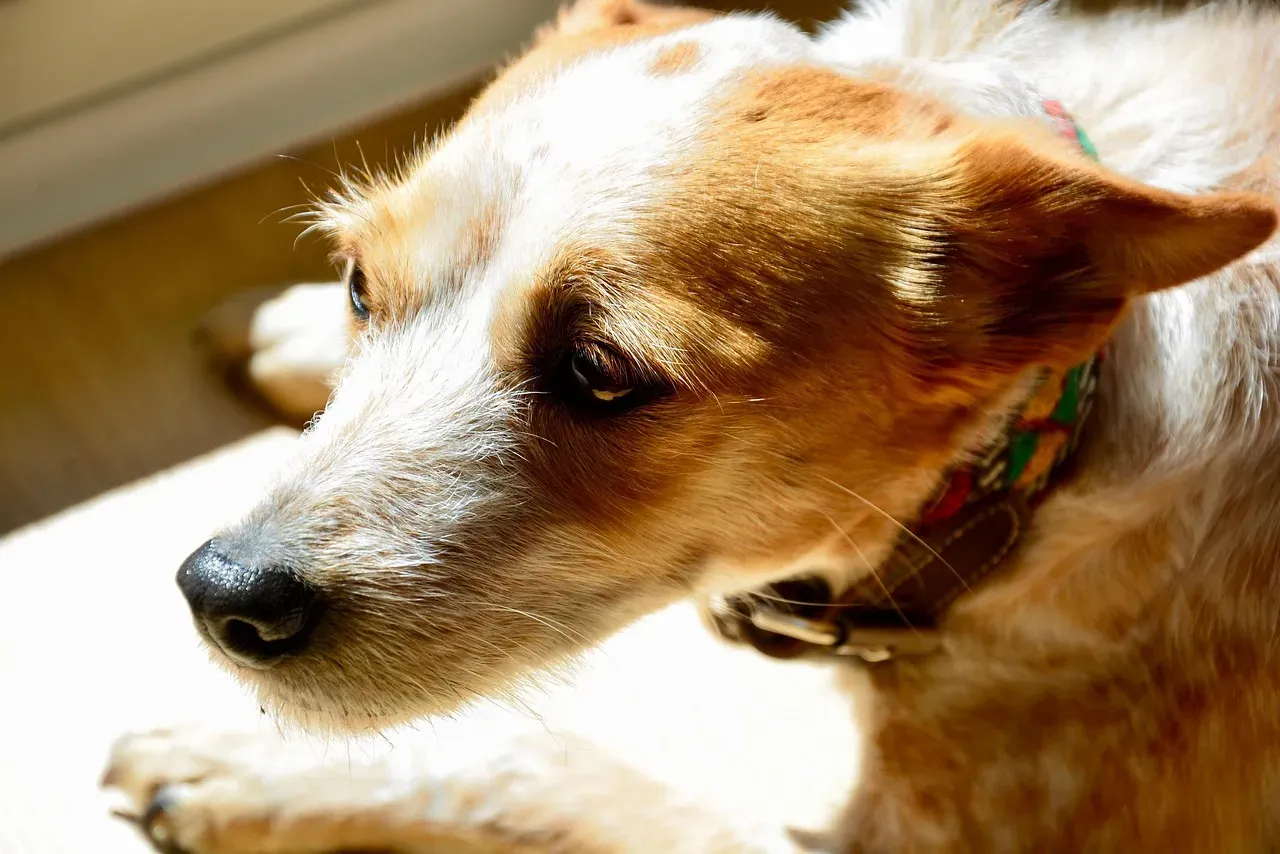
That rising-pitch whine as you grab your keys? It’s separation anxiety kicking in, often paired with pacing, panting, or trembling. Dogs hate being alone, especially if left too long, turning your departure into heartbreak for them.[3][4]
Start small: practice short absences with a stuffed Kong to ease them in. Crate training helps too, making alone time positive. If it persists with destructive chewing, chat with a vet – stress can mimic bigger issues.
Pain Whines That Demand a Check-Up
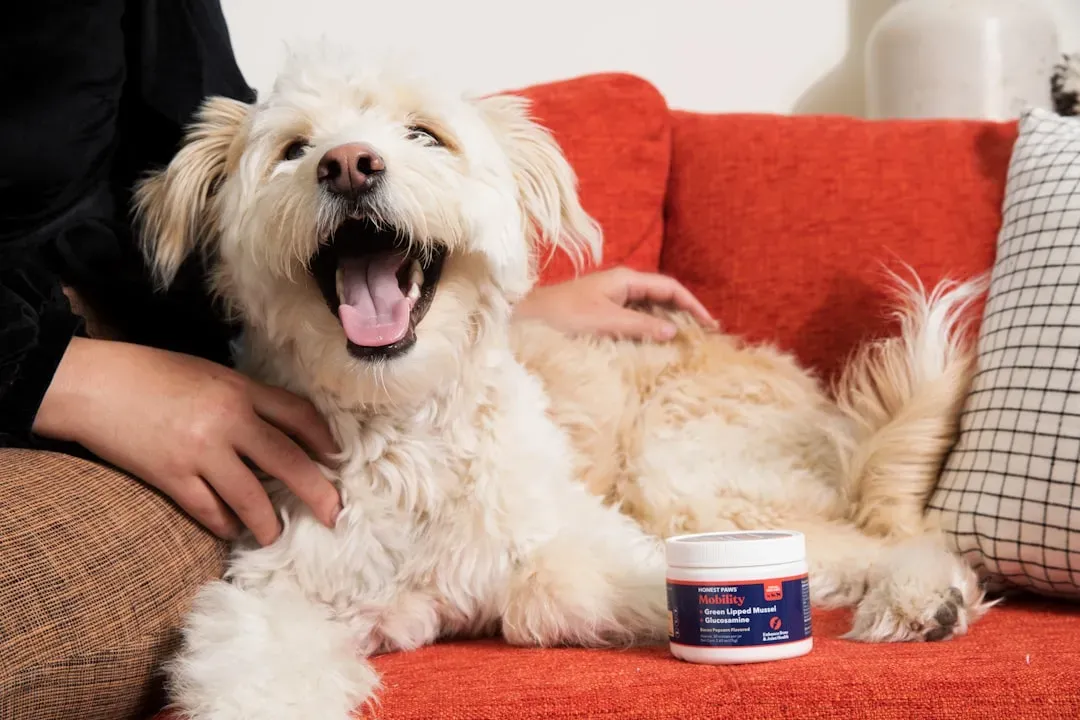
A sharp, repetitive whine when your dog shifts position or avoids stairs screams discomfort, like arthritis or an injury. Watch for limping, guarding a limb, or sudden flinching – these aren’t bids for treats but cries for help.[1]
Never brush it off; a quick vet visit rules out joint woes or tummy troubles. Pain meds or ramps can transform their mobility overnight. Early spotting keeps your buddy comfy and active longer.
Excited Whines Bursting with Joy
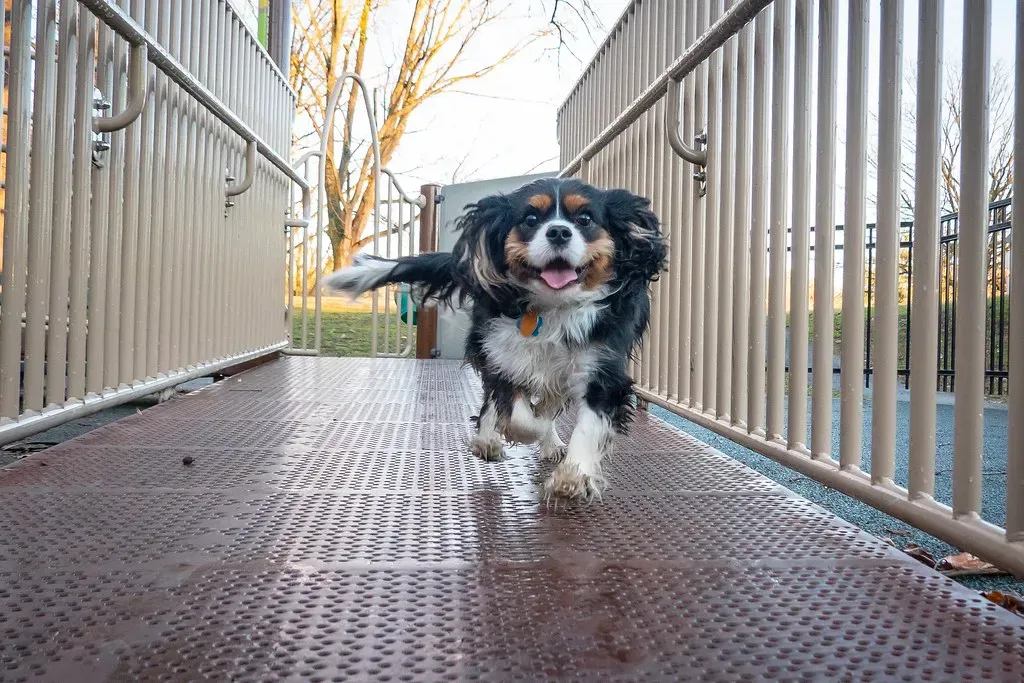
High-pitched, quick whines with a helicopter tail wag? Pure excitement, like when you dangle the leash or guests arrive. Their whole body wiggles – ears perked, mouth open in a grin – showing happiness overload.
Channel it with games or training sessions to burn that energy. It’s adorable, but teaching a “settle” cue prevents chaos at the door. Embrace these as love notes from your thrilled pup.[5]
Submissive Whines Saying “I’m Sorry”
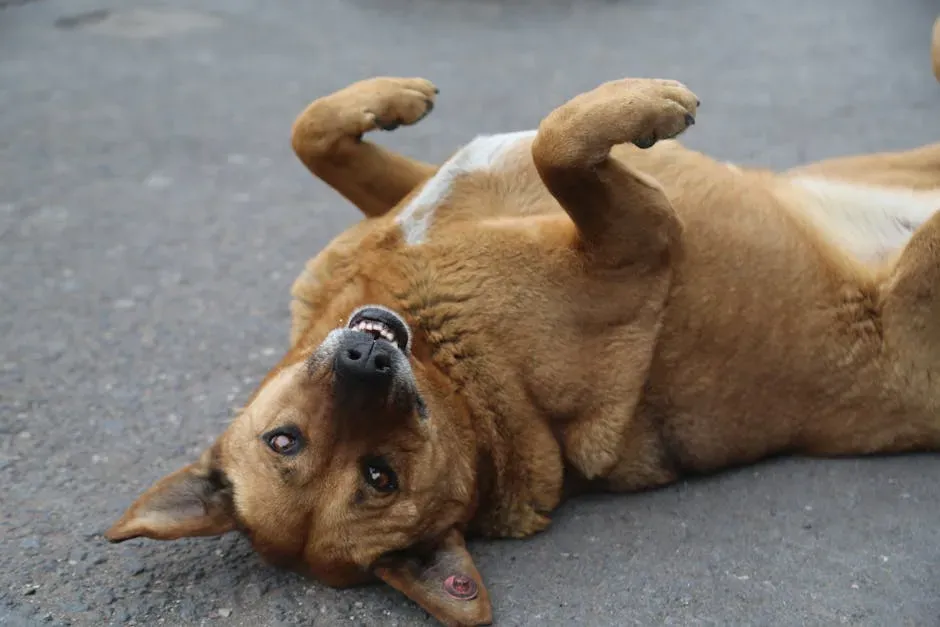
Low, soft whines with tucked tail and averted gaze mean submission, often after mischief like snagging a sock. It’s their polite “oops,” avoiding conflict with you or another dog.[2]
Respond calmly – no scolding, which amps fear. Redirect with a toy and praise good choices. Consistent boundaries build confidence, turning whines into proud silence.
Listen Closer, Bond Deeper
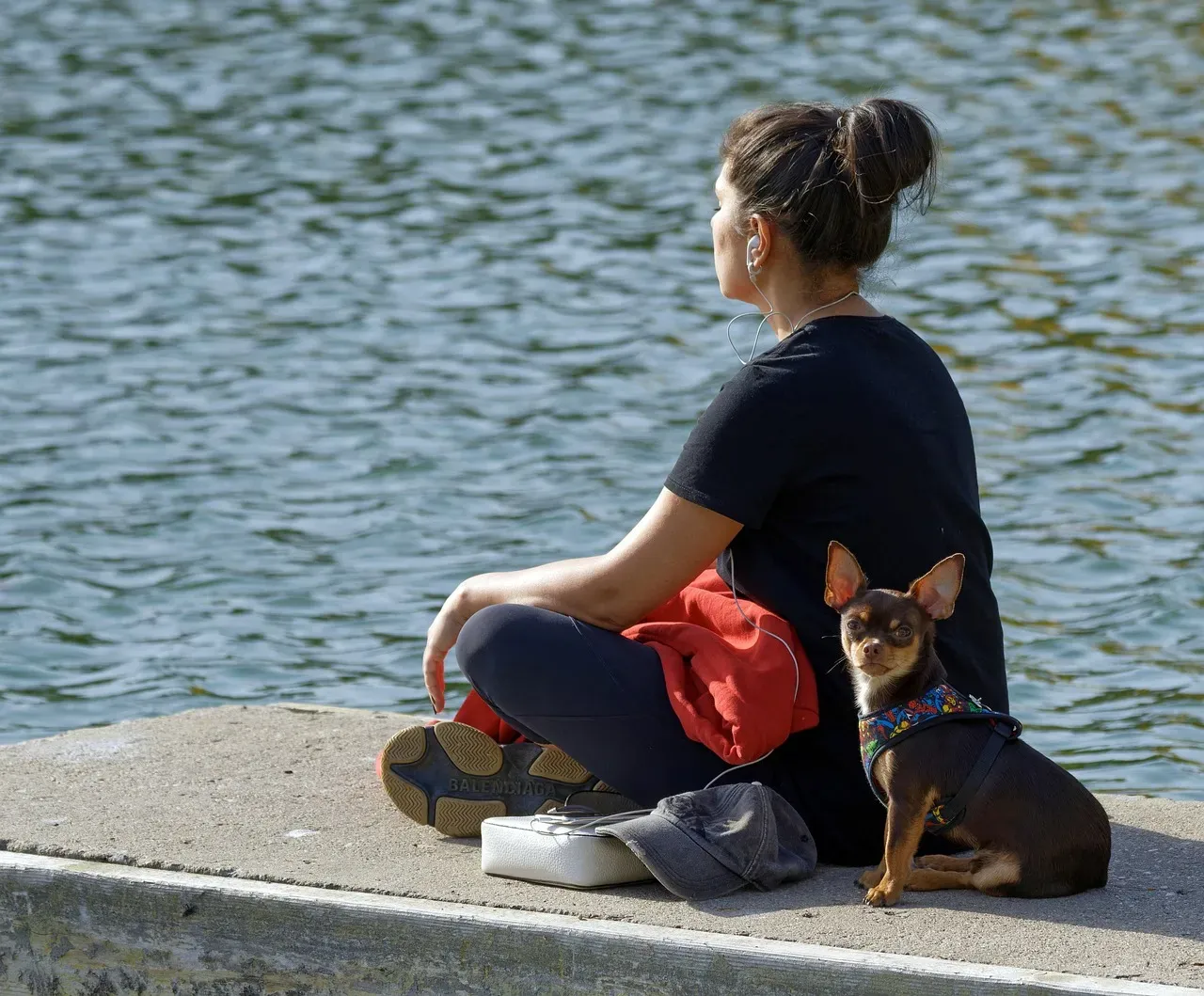
Decoding whines strengthens that unbreakable trust between you and your dog – they feel heard, you feel connected. Mix body language with context for the full story, always ruling out health first.
Next whine, pause and observe. What secrets will your pup share today? Share your stories below – I’d love to hear how you’re tuning in.[1]


