
You walk through the front door after a long day, and your dog goes absolutely wild with joy – tail spinning like a propeller, whole body wiggling, maybe a few happy yips thrown in. Now imagine your partner walks in ten minutes later and gets… a polite glance and a tail wag. Sound familiar? If you’ve ever lived with a dog who clearly has a “favourite person,” you know exactly how funny, flattering, and occasionally heartbreaking that can feel.
The truth is, your dog isn’t being rude or playing favourites out of spite. There’s a fascinating mix of science, emotion, behaviour, and even scent behind why your dog gravitates to one family member like a magnet. It’s more complex than just who fills the food bowl, I promise. Let’s dive in.
The Science of Canine Attachment: It’s Deeper Than You Think
Psychologists believe that the relationship between human and canine is a bidirectional attachment bond, which closely resembles the typical human caretaker-infant relationship. That’s not just a poetic metaphor. It means your dog is hardwired to attach to people in ways that are emotionally real and psychologically significant.
Attachment theory, which forms the basis of the human-dog bond, is built on the same foundational science used to explain how infants bond with caregivers, offering genuine insight into how dogs become attached to specific people. Think of it like a toddler who runs to mum when scared but happily plays with dad when everything feels safe. Dogs do the same thing.
The dog-owner relationship mirrors the human caregiver-infant relationship, with dogs displaying similar behaviours such as approaching, following, clinging, and vocalising toward the people they feel most attached to. Once you understand that, your dog’s “favouritism” starts to look a lot more like love and a lot less like mischief.
The Early Bonding Window: Why Puppyhood Shapes Everything
Here’s something that honestly blew my mind when I first learned it. The first six months of a dog’s life represent the most crucial period for determining future bonding patterns, and during this key socialisation window, puppies’ brains are incredibly receptive to new experiences, with dogs who receive consistent care from one person during this period often developing their strongest bonds with that individual.
One significant reason dogs show favouritism is tied to early socialisation periods and the relationships formed during that time, with research suggesting that interactions during these critical developmental stages can shape a dog’s future preferences. It’s nature and nurture doing a complicated little dance together.
Puppies primarily exposed to one gender, age group, or personality type may find it more challenging to bond with different types of people as adults. For example, a puppy raised mostly around men might initially be hesitant to form strong bonds with women, though proper continued socialisation can overcome these early limitations. The good news? These patterns aren’t set in stone forever.
Reading the Room: How Your Energy and Body Language Speak to Your Dog
Let’s be real. Your dog is watching you far more carefully than you’re watching them. Dogs are experts at reading micro-behaviours, noticing the energy you bring into a room, and if you constantly shower them with affection but struggle to enforce boundaries, your dog will see you as a friend, not a leader.
Dogs are exceptionally attuned to body language and can pick up on subtle cues that people might not even realise they’re giving, with calm and gentle gestures making a dog feel safe and understood, and even something as simple as crouching down to a dog’s level being more inviting than towering over them. Think about how different a tall, fast-moving person feels compared to someone who kneels quietly and offers a hand.
Dogs are highly attuned to emotions and energy levels, looking to their humans for cues about how to react to the environment, and a calm, consistent demeanour helps them feel safe and secure, which can strengthen your bond. Honestly, it’s almost like dogs are tiny emotional barometers. They feel what you feel.
Consistency, Positive Associations, and the Power of Routine
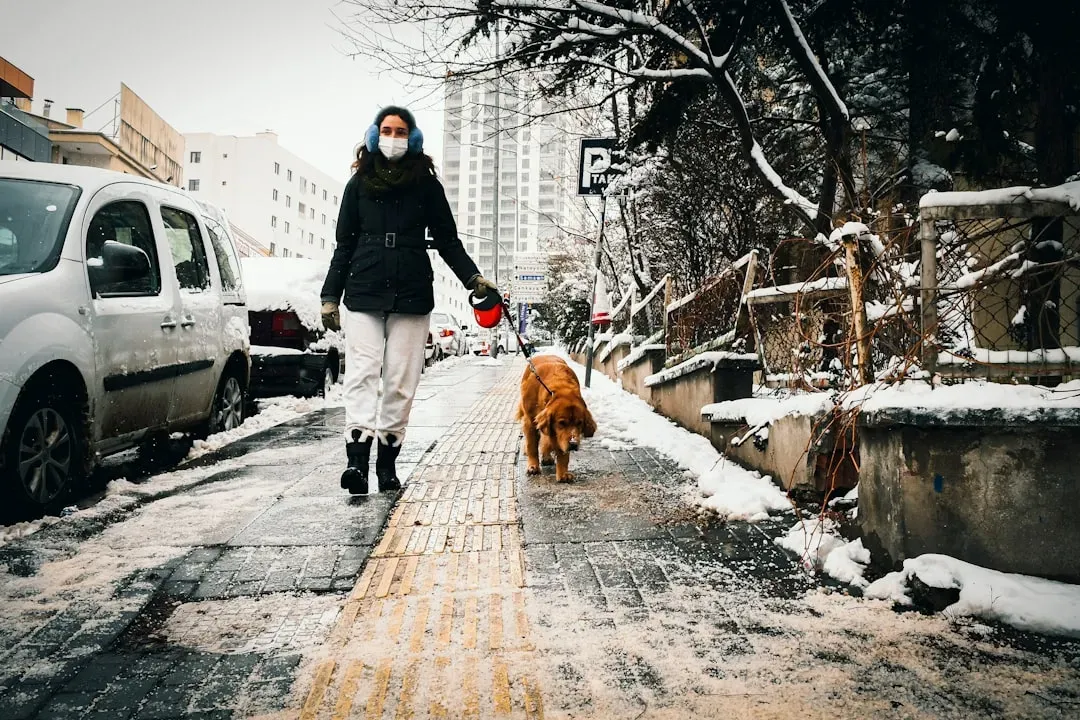
Think about this for a second. You know how you feel about the person who always brings snacks? Your dog works on the exact same principle, just amplified by a thousand. Most dogs tend to bond to the person who gives them the most attention, and in a family with two parents and two kids, the dog may favour the parent who fills their bowl every morning and takes them for a walk every evening.
Reinforcement through repetitive positive experiences strengthens a dog’s preference for certain people, with activities like daily walks, regular feeding, and playtime all contributing to this bond, as over time dogs associate these pleasant routines with specific individuals. Routine is deeply comforting to dogs. It’s like a trust fund they build up every single day.
If a dog seems to favour one family member over another, positive reinforcement techniques can help balance the relationship, with both adults in the household participating in feeding, walking, and playing to help the dog associate everyone with positive experiences and resources. Spreading out those daily care duties really does make a difference.
Personality Matching: When Your Dog Just “Gets” You
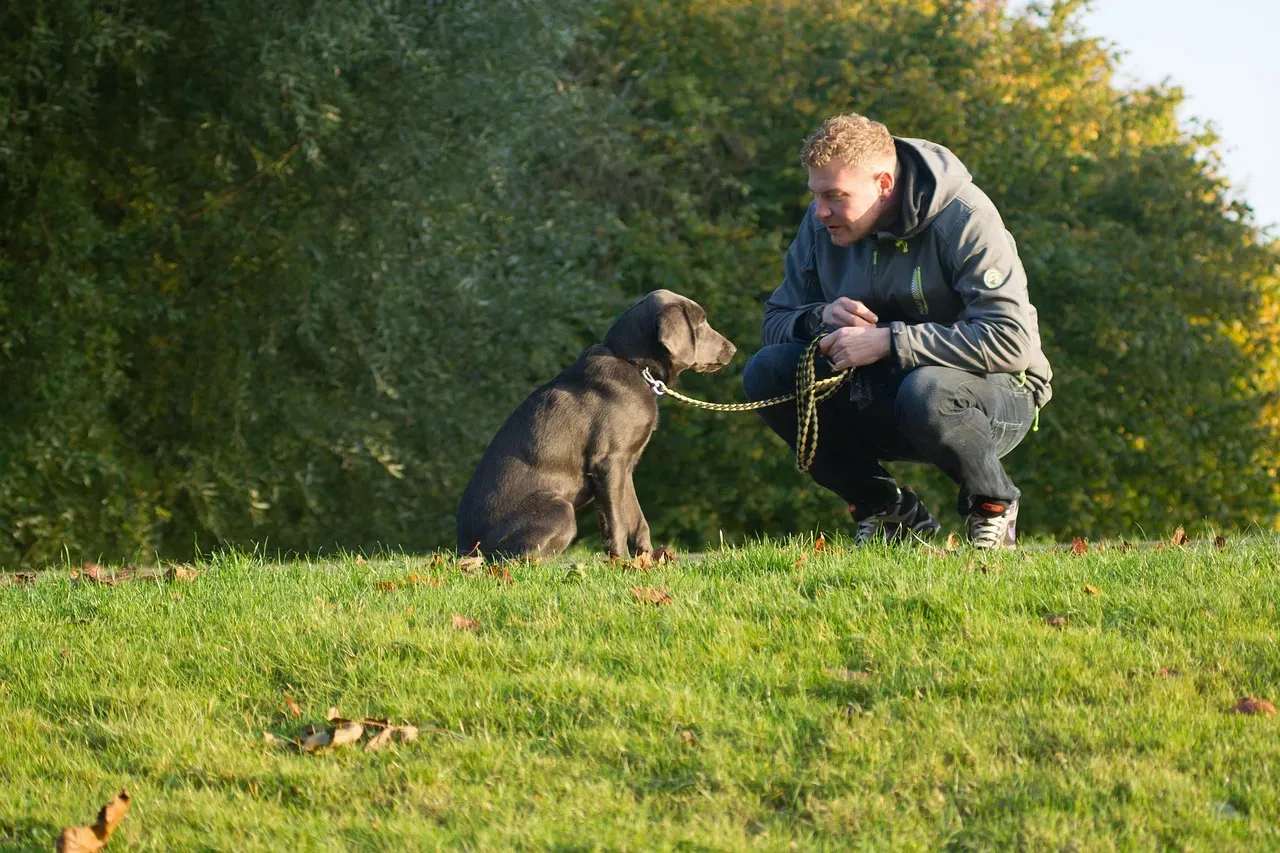
I think this is the most beautiful part of the whole story. The saying “like attracts like” applies to dogs and people, and dogs often choose a favourite person who matches their own energy level and personality. It’s a little like finding your best friend in the school cafeteria. Something just clicks.
Just like humans, dogs resonate with those who match their energy levels, with a high-energy dog gravitating toward someone who enjoys outdoor activities while a calmer dog might prefer someone who provides gentle affection, making the favourite person often the one whose lifestyle aligns most closely with their temperament. It’s compatibility, pure and simple.
Dogs can love and trust multiple people, and their preference for one individual simply reflects a stronger bond based on experiences and interactions, not a lack of affection for others. So if your dog prefers your teenager over you right now, don’t take it personally. They still love you. They just happen to have a running-around-the-garden bestie at the moment.
Conclusion: Your Dog Is Not Playing Favourites – They’re Playing Fair
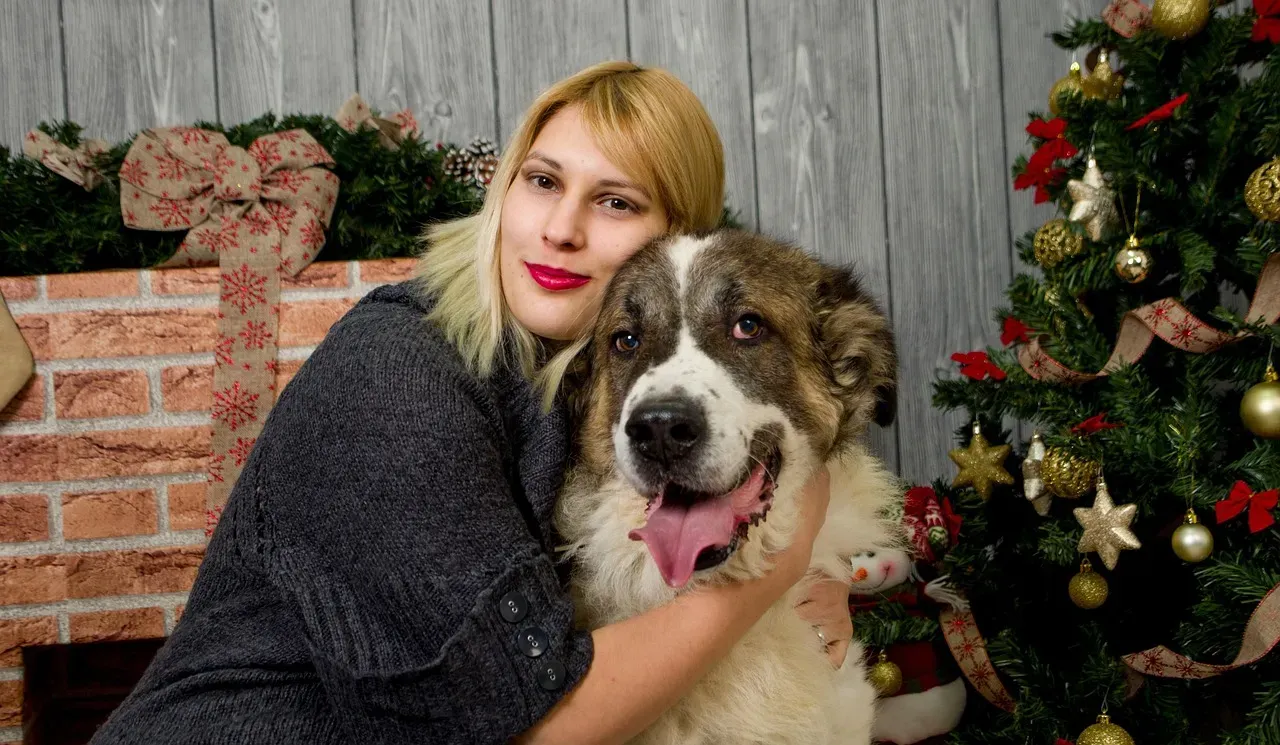
When your dog chooses a favourite family member, they’re not being disloyal or unkind. They’re doing something remarkably sophisticated: they’re using memory, emotion, scent, habit, personality, and early experience to build a bond that feels safe and joyful to them.
The wonderful thing is, none of this is fixed. This isn’t set in stone. You can change the way your dog views you by changing the way you interact with them. More consistent routines, calmer energy, shared walks, and patient training sessions can shift any relationship over time.
Extreme single-person fixation can lead to separation anxiety and behavioural problems when that person is unavailable, and while having a primary favourite is normal, encouraging bonds with multiple household members creates a more stable, emotionally healthy environment for your dog. So it’s worth the whole family getting involved.
Every wag, every quiet lean against your leg, every time your dog chooses the chair closest to you – those are votes of trust. The question worth sitting with is simply this: what kind of relationship are you building, one small moment at a time? What do you think? We’d love to hear your story in the comments below.


