
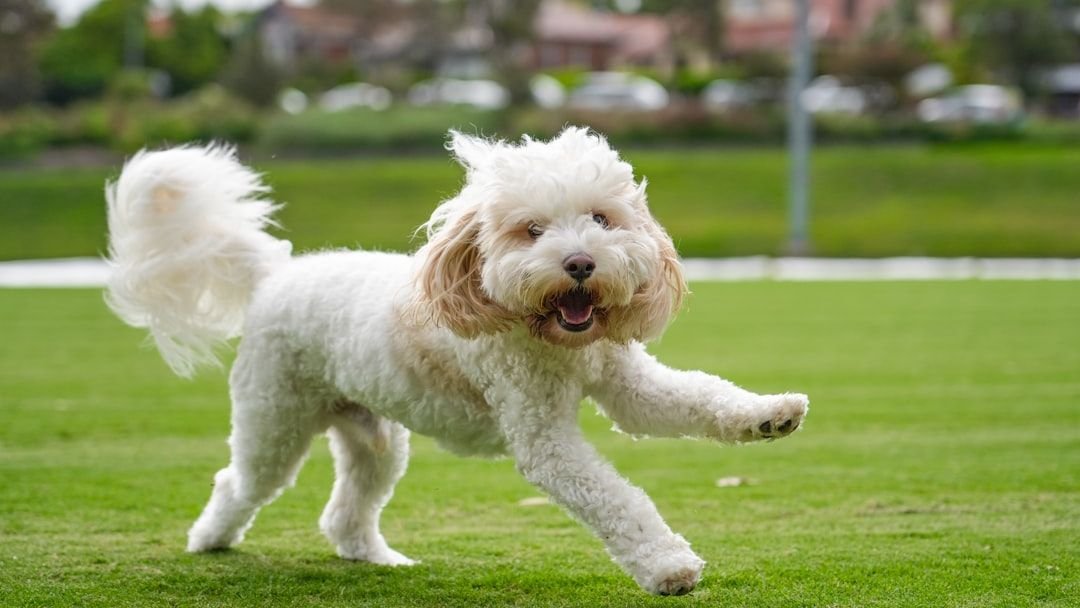
Your dog can’t tap you on the shoulder and say, “Hey, I really need a run today.” They can’t leave a note on the fridge or send you a text. What they can do is speak to you through behavior, body language, and subtle physical changes that are so easy to miss in the middle of a busy week. And honestly, most dog owners miss these signals every single day, not because they don’t care, but because life gets in the way.
Dogs need so many things to stay healthy in body and mind, from the right food to the right socialization. The only problem is they won’t leave a note to let you know when they need something. They’ll tell you in other ways. The trick is learning to listen. Once you do, everything changes. Let’s dive in.
The Chaos Artist: When Your Dog Starts Destroying Things
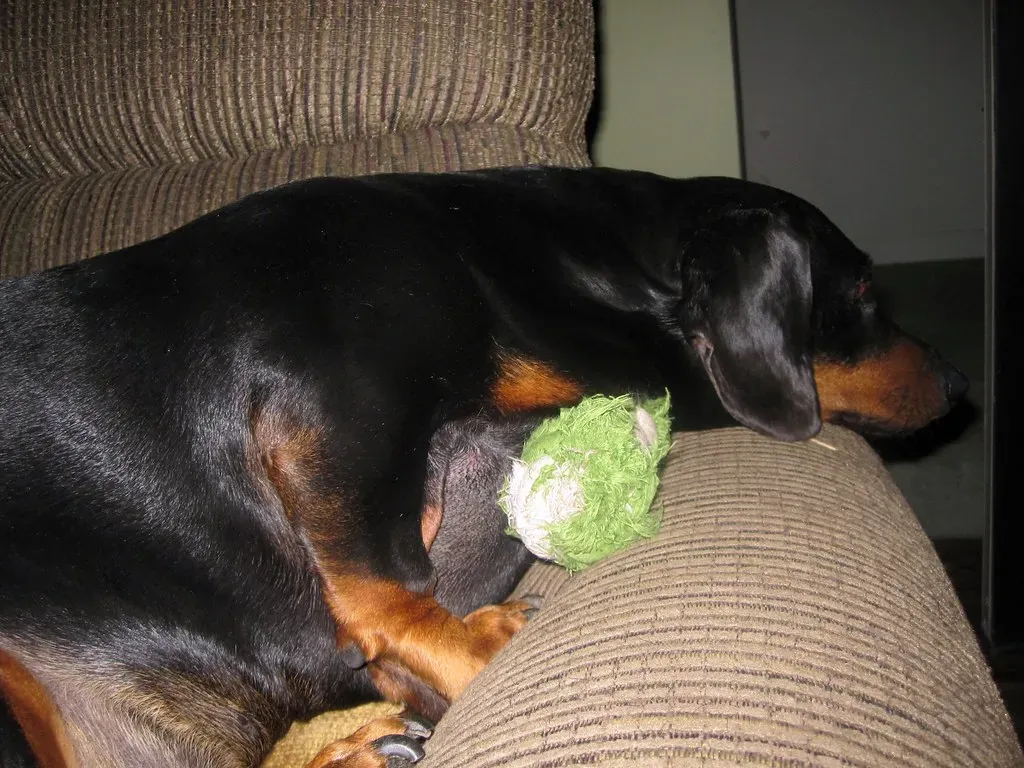
Picture this. You come home after a long day, and your favorite throw pillow is now confetti. Your shoe has been remodeled. The trash can has been artistically rearranged across the kitchen floor. Sound familiar? Here’s the thing, this isn’t your dog being “bad.” This is your dog sending you a message.
A bored dog will find ways to entertain themselves if they don’t have a healthy outlet for their energy. This lack of physical stimulation often causes them to create their own fun, like chewing furniture, digging holes, or tearing up your belongings. Think of it like a toddler left alone with crayons and white walls. It’s not malice. It’s pure, unspent energy looking for an exit.
If you notice your dog biting, chewing, scratching or tearing things around the house, or if they break their toys in record time, it is highly likely that your dog is trying to drain contained energy. This can actually be dangerous for them, as they could suffer a gastrointestinal obstruction by accidentally swallowing chewed objects. So next time you find a destroyed cushion, resist the urge to scold. Instead, ask yourself when they last had a proper, satisfying run.
Letting your pup release that pent-up energy with a brisk run, a long walk with lots of sniff breaks, or a good game of Frisbee at least once a day may be the only treatment needed. Simple, practical, and honestly kind of beautiful in how effective it is.
The Midnight Zoomies and Restless Days: Energy That Won’t Quit
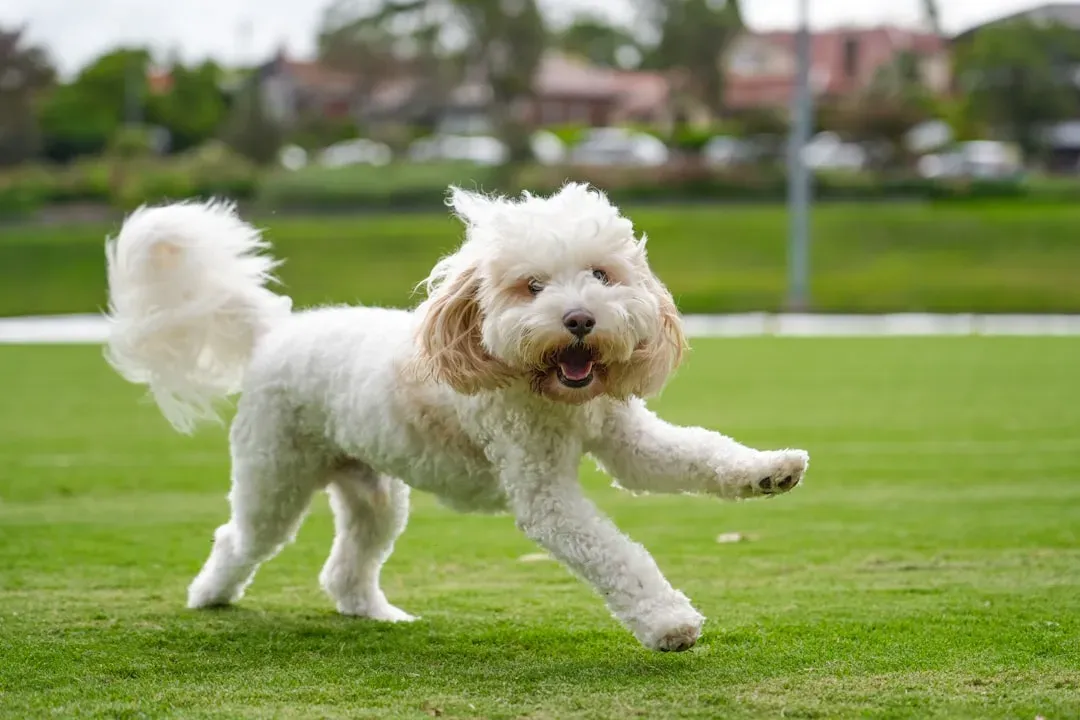
You know that wild, frenetic sprinting your dog sometimes does, usually at the most inconvenient time possible, like 11 PM when you’ve just settled into bed? That’s not random silliness. That’s a cry for movement.
Another way dogs drain energy they’re not burning through exercise is by running or playing excessively around the house. These bursts of energy can become really noisy at 3 AM when owners are trying to sleep. Sudden episodes of running, jumping, vocalizing, or playing by themselves are a clear sign that a dog needs to exercise more.
A dog that frequently paces back and forth or appears to be “on edge” indoors is often signaling the need for more movement. Imagine being cooped up in a room all day with nothing to do. You’d start bouncing off the walls too. Dogs that don’t get enough physical activity can become anxious or stressed, and this constant inability to settle down is a key indicator that your pet needs more exercise.
The solution isn’t always a two-hour hike. Sometimes an extra twenty minutes of focused play, a sniff-heavy walk around the neighborhood, or a game of fetch in the backyard is all it takes to quiet that restless spirit at night.
The Sad Eyes and Withdrawn Pup: When Lethargy Is a Cry for Help

This one surprises people. We tend to associate “too little exercise” with hyperactivity. But the opposite can be equally true, and honestly, it’s more heartbreaking to witness.
Some dogs become very withdrawn and depressed when they are lacking mental and physical stimulation. These dogs are more reluctant to engage with their human family and might need to get outside and moving to become more involved. However, this can also be a sign of illness, so consult your veterinarian if you are seeing this symptom.
All dogs need sleep, but sleeping too much can be a sign of an underlying issue. Underexercised, bored dogs may sleep far more than they need. Without anything to do, your dog may just start spending more time with their eyes closed. It’s a bit like how humans binge-watch TV when they’re stuck in a rut. The body shuts down when there’s nothing meaningful to do.
If your dog becomes more reclusive or shows less interest in activities they usually enjoy, this could be a sign they’re not getting enough physical exercise. Pets, much like humans, can experience mood changes when they’re not physically active. If your once-playful pup is spending more time staring at walls than wagging their tail, more movement in their day might be the most powerful medicine.
The Vocal Alarm System: Barking, Whining, and Making Noise for No “Reason”

Does your dog bark at literally everything lately? The mail carrier, a leaf blowing past the window, a distant sound three blocks away? Let’s be real, it can drive you to the edge. Yet before you reach for frustration, consider what might actually be going on.
One effect of not exercising your dog enough is increased vocalization. Whining and barking are common ways dogs communicate that they’re frustrated, restless, or want something. Your pup may also be on higher alert if their needs aren’t met, making them more likely to react to every trigger.
During exercise, your pet is not just letting off physical energy but also mental and emotional energy. A long walk or run allows their minds the enrichment a healthy dog needs and can stop them from inventing other ways to stay engaged, like unnecessary barking. Think of exercise as a pressure valve, and excessive vocalization as the steam that builds when that valve stays shut.
Studies show that an under-exercised dog is more likely to feel stressed, especially in unfamiliar or overstimulating environments. Symptoms of anxiety may include trembling, excessive licking, barking, or trying to escape. Over time, anxiety can take a toll on your dog’s overall health and make it harder for them to feel safe and secure. More walks. More adventures. Quieter evenings. It really can be that connected.
The Body Doesn’t Lie: Physical Signs You Might Be Overlooking
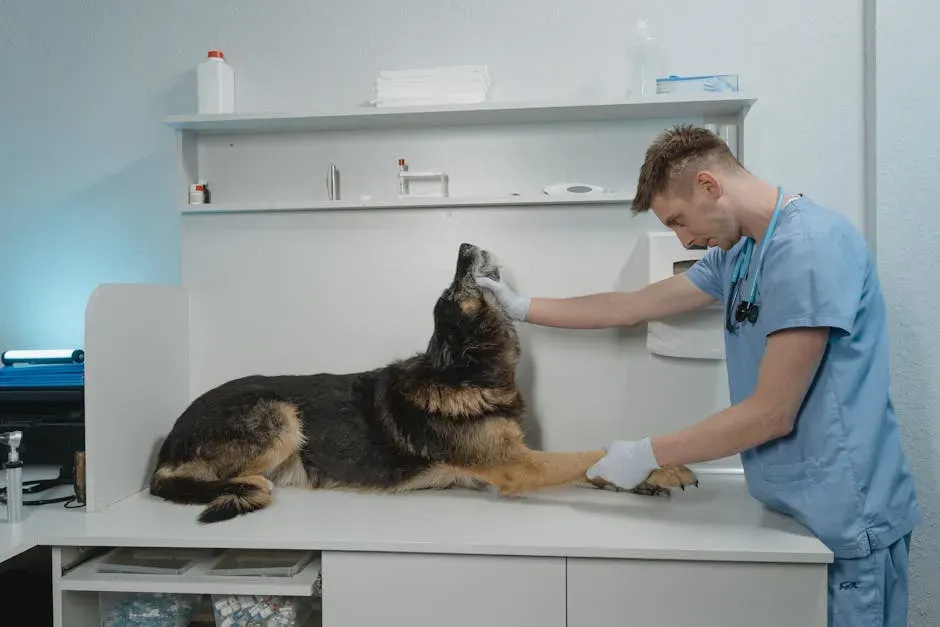
We’ve talked a lot about behavior, but your dog’s body is also sending signals that are just as important, if not more so. These are the ones that tend to sneak up quietly over weeks and months until one day you realize something feels off.
Weight gain is more a physical sign than a behavioral one, and it appears after weeks or months of inadequate exercise. Even if your dog’s behavior is not obviously energetic, their physique doesn’t lie. If ignored, a dog might become obese and suffer from metabolic, pancreatic, gastrointestinal, locomotive, or cardiovascular diseases.
Dogs who don’t move enough can become stiff or sore. Without regular activity, muscles weaken and joints become tighter, especially in older dogs. This discomfort may make your dog less likely to move, creating a cycle of inactivity that can potentially lead to pain if left unaddressed. It’s a slow, quiet spiral that’s so much easier to prevent than to reverse.
Gentle, consistent exercise can improve flexibility, strengthen muscles, and reduce stiffness. It also supports joint health by promoting circulation and mobility, so even senior dogs benefit from daily movement. You don’t need to train for a marathon together. A mindful, regular routine, even short daily walks, can make a world of difference for your dog’s physical health.
Conclusion: Your Dog Is Always Talking. Are You Listening?

Here’s what I find truly moving about dogs. They never stop trying to communicate with us. Every zoomie, every chewed shoe, every mournful gaze from the corner of the room, it’s all a conversation. Behavioral shifts and small physical changes are often the first clues that your dog is craving more activity.
Understanding your dog’s exercise needs is essential for their long-term health and behavior. Not all dogs are built the same, and their exercise requirements depend on a variety of factors such as age, breed, size, and energy level. There’s no one-size-fits-all answer. However, the willingness to pay close attention to your dog’s signals is always the right starting point.
When increasing your dog’s exercise, start slowly. Jumping immediately into longer walks or intense play can lead to sprains, tears, or overheating, especially if your dog hasn’t been active in a while. Small, consistent changes compound into enormous improvements over time, for both of you.
Your dog chose you. They rely on you to hear what they can’t say out loud. Now that you know the signs, you have everything you need to answer back with action, with an extra walk, a game of fetch, or simply more time outside together. What would your dog say if they could speak right now?


