
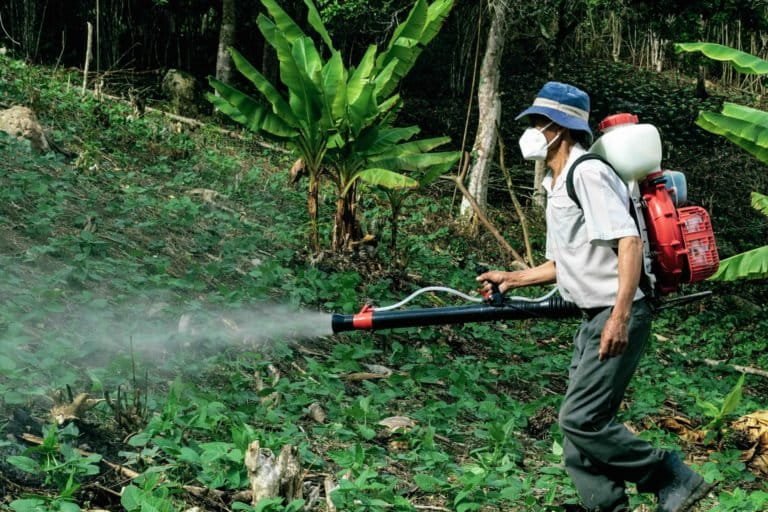
Countries around the world pledged in 2022 to cut pesticide threats to biodiversity in half by the end of the decade, but a new study shows toxicity levels rising sharply in most places.[1][2]
A Lone Success Amid Widespread Failure
Researchers analyzed pesticide data from 2013 to 2019 across 65 nations, covering nearly 80% of global cropland, and found only Chile projecting to meet the United Nations target of a 50% risk reduction by 2030. The study, published in Science, measured total applied toxicity, or TAT, which weights pesticide volumes by their harm to non-target species.[2] This metric revealed increases for six of eight species groups, including a 42.9% rise for insects and 30.8% for soil organisms.[3]
Lead author Jakob Wolfram called it a “stark warning” that toxicities continue climbing in many regions, especially for vital pollinators and aquatic life. Projections based on these trends indicate the global goal remains out of reach without urgent shifts in farming practices. Europe bucked the pattern thanks to neonicotinoid bans since 2013, while China’s zero-growth policy yielded declines. Still, most nations, including powerhouses like the United States and Brazil, moved backward.
Key Drivers of Rising Toxicity
Four countries – the United States, Brazil, China, and India – accounted for 53% to 68% of worldwide TAT during the study period.[2] Fruits, vegetables, maize, soybeans, cereals, and rice drove 76% to 83% of the total, highlighting how major crops amplify risks. Remarkably, just 20 pesticides per species group generated over 90% of national TAT, pinpointing leverage for targeted bans or swaps.
Africa, India, Russia, Thailand, Denmark, Ecuador, and Guatemala saw pronounced upticks, often from intensified agriculture and more potent formulas like pyrethroids. Insecticides led the surge, doubling global pesticide applications to 4 million tons yearly since the 1990s. These patterns underscore how even stable usage volumes mask growing ecological strain when deadlier chemicals dominate.
Wildlife Under Siege: Species-Specific Impacts
The analysis spanned eight groups central to ecosystems: aquatic invertebrates, fish, pollinators like bees, soil organisms, terrestrial arthropods, and plants alongside vertebrates. Insects faced the steepest climb at nearly 43%, threatening food chains and pollination services. Fish and soil dwellers followed, with TAT gains eroding soil health and water quality.
| Species Group | TAT Change (2013-2019) |
|---|---|
| Insects | +42.9% |
| Soil Organisms | +30.8% |
| Fish | Increased |
| Aquatic Plants | Decreased |
| Terrestrial Vertebrates | Decreased |
Aquatic plants and land vertebrates posted rare drops, yet overall biodiversity pressures mounted. Sub-lethal effects, like weakened immunity in bees, often evade detection but compound losses over time.
Charting a Course to Compliance
Authors urged transitions to lower-toxicity alternatives, organic expansion, and reliable national reporting on active ingredients. China, Japan, and Venezuela showed promise with downward TAT but require acceleration. Policymakers could prioritize the dozen high-impact chemicals driving most harm, easing burdens on producers while safeguarding yields.
Ralf Schulz, a co-leader, emphasized TAT’s value: it translates masses into real-world risks, guiding data-driven reforms. Without such steps, ecosystems face deepening impairment, rippling to food security and human health.
- Global TAT rose for most species, countering the 50% reduction pledge from COP15.
- US, Brazil, China, and India dominate risks; Chile stands alone on target.
- Targeted action on 20 key pesticides per group could unlock progress.
As the 2030 deadline looms, this research demands bold agricultural overhauls to protect vanishing wildlife. What steps should your country take next? Share your thoughts in the comments.


