
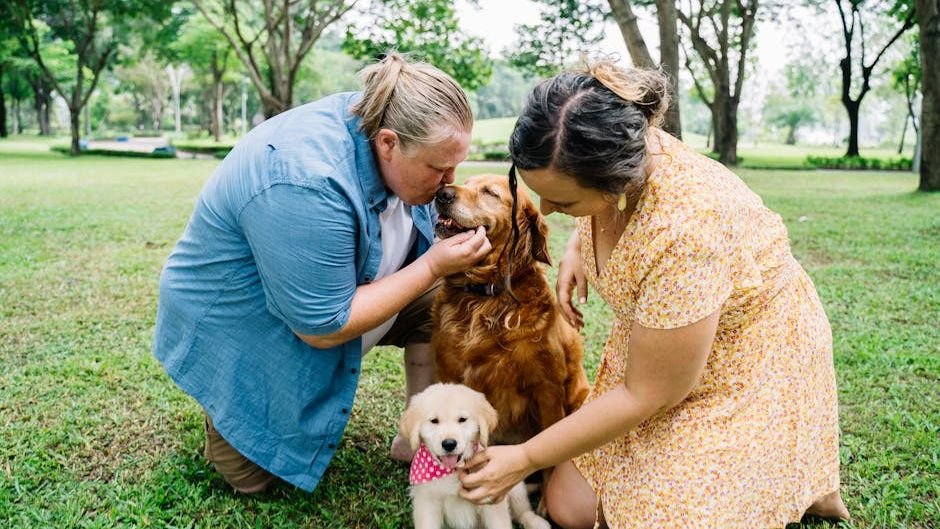
Picture this: you’re settled on the sofa after a long day, your dog trots over, does a little spin, and then plants themselves firmly with their back facing you. No eye contact. Just a fluffy rear end pointed straight in your direction. You might laugh, feel a little puzzled, or quietly wonder, “Did I do something wrong?”
Here’s the thing – you almost certainly didn’t. In fact, that cheeky little move your dog just pulled might be one of the most touching things they’ve ever done. Dog body language is wonderfully layered, and a dog sitting with their back to you is far more meaningful than it looks. So let’s dive in and decode what your pup is really trying to tell you.
It’s Actually a Huge Compliment: The Trust Signal Explained
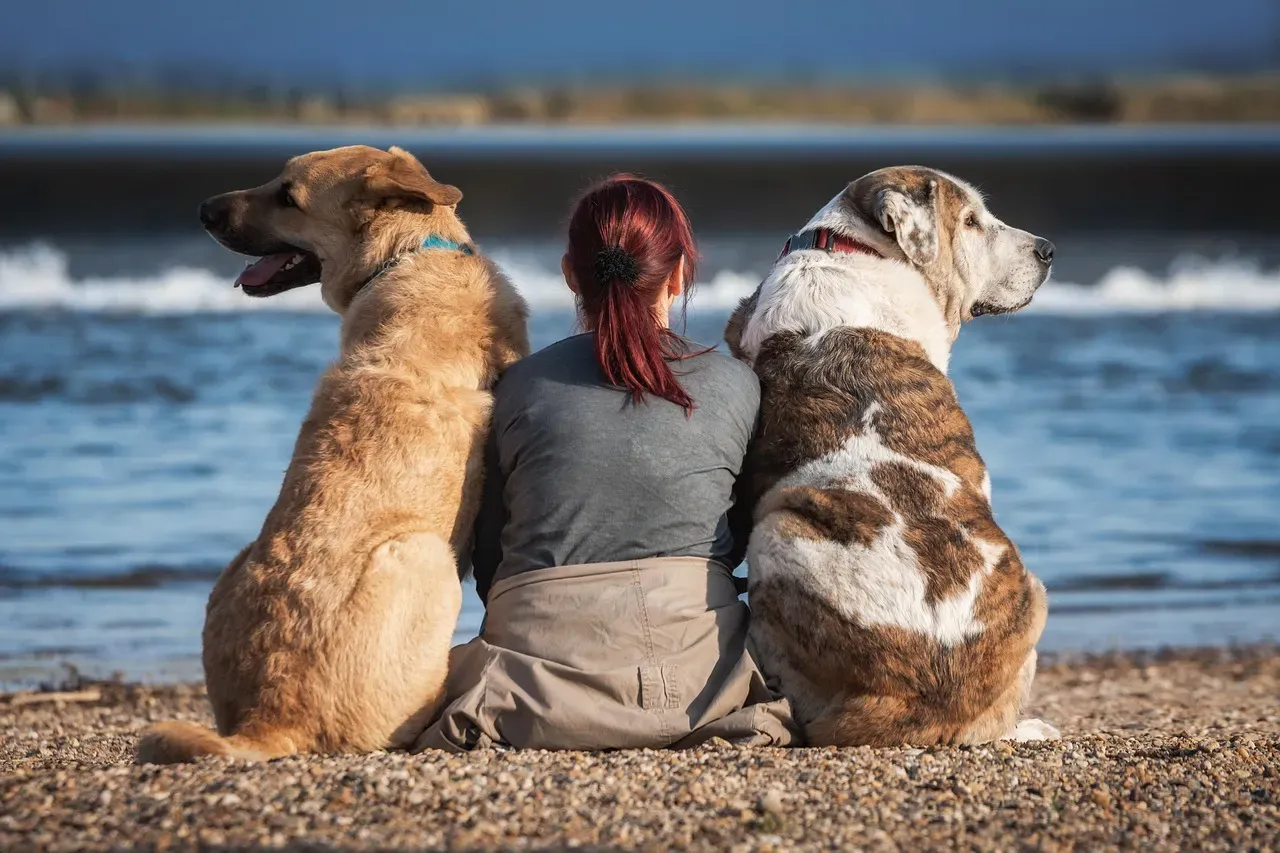
When a dog sits with their back to you, they’re demonstrating one of the highest forms of trust possible in canine body language. This position puts them in a naturally vulnerable state, meaning they can’t directly observe your movements or protect their vital areas. Think of it like turning your back in a crowded room. You’d only do that around someone you truly felt safe with.
This behavior is particularly significant because in the wild, dogs would never expose their backs to potential threats. Your pet’s willingness to sit facing away from you indicates they view you as a trusted family member rather than a potential danger. That’s not a cold shoulder – that’s a love letter written in dog.
When a dog exposes their belly or turns their back to you, they’re showing ultimate trust because these positions make them vulnerable. This behavior indicates they feel completely safe in your presence. So the next time your dog performs the classic “back turn,” take a quiet moment to appreciate it. You’ve clearly earned something special.
Your Dog Is Standing Guard: The Protective Instinct at Work
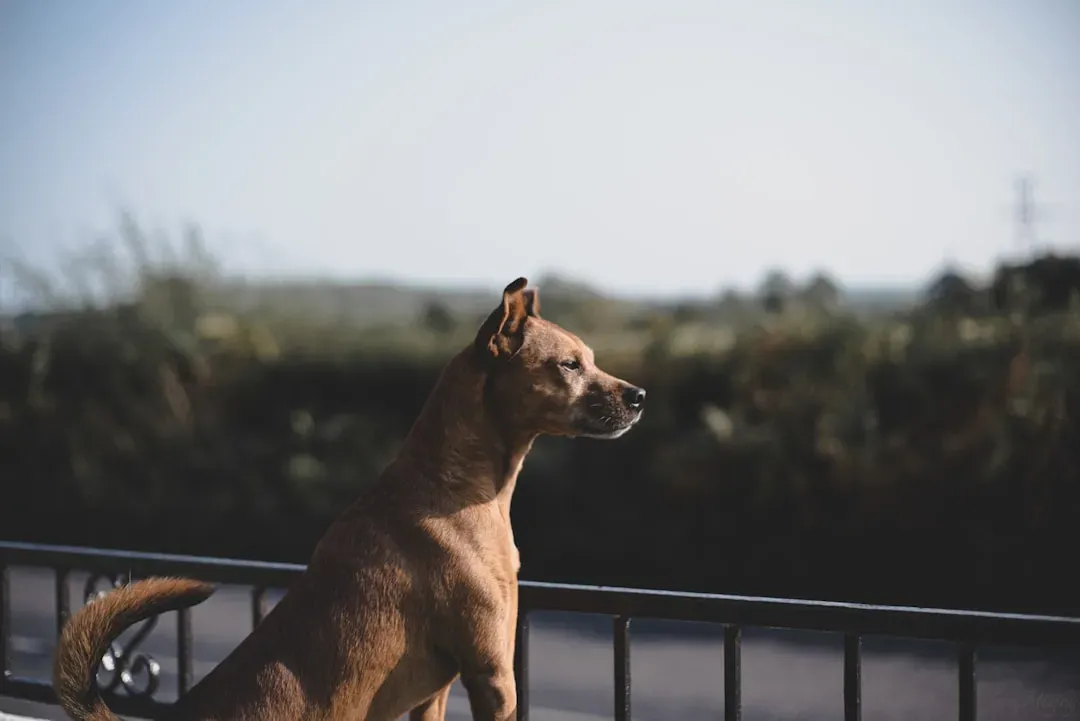
Dogs are naturally protective of their pack members, and in your home, you’re part of their pack. When your dog sits facing away from you, they’re often positioning themselves strategically to watch for potential threats while trusting you to guard their back. It’s a team effort, really – a division of labor between two beings who deeply trust each other.
Some dogs sit like this to instinctively guard their owner. They position themselves with their back to you so they can observe the surroundings and detect potential dangers. This is especially common in breeds that were developed for guarding or protective roles. If you have a German Shepherd, Rottweiler, or Doberman doing this, it’s practically in their DNA.
Many dogs survey their surroundings, which can involve having their back to you. Whether that means they want to protect you or not really depends on your individual pet. So read your dog as a whole, not just the one behavior in isolation. Context always matters.
Reading the Room: What the Rest of Their Body Is Telling You
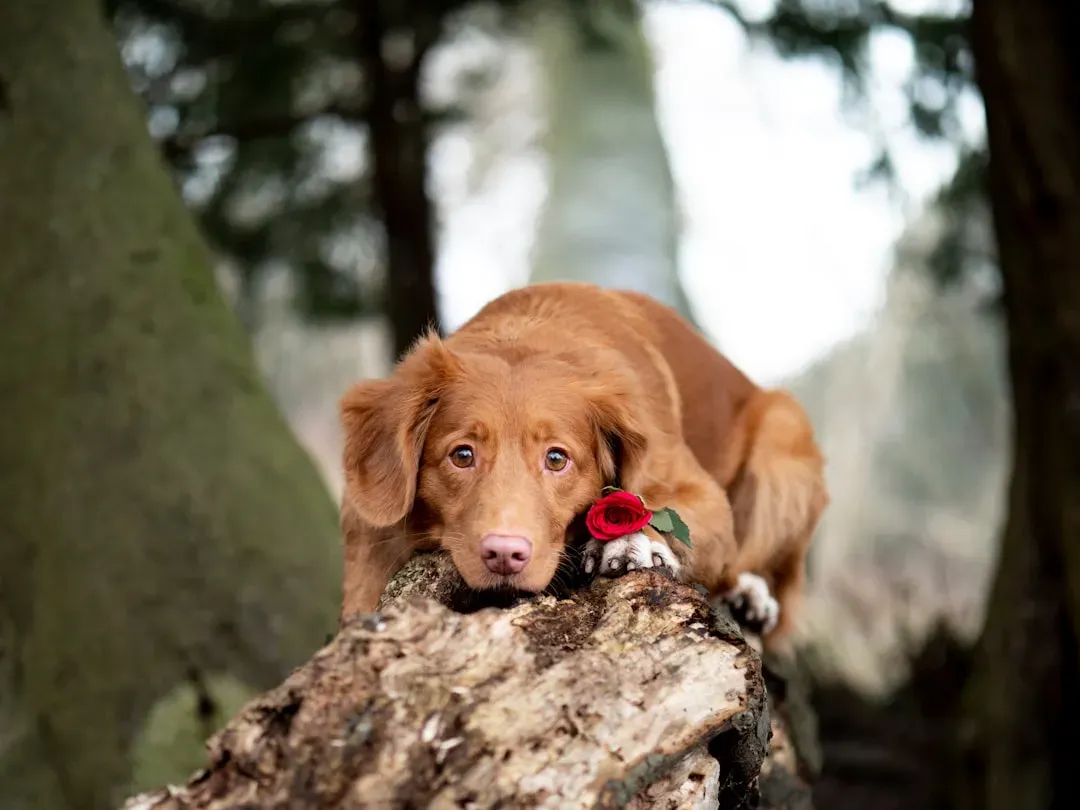
A relaxed body posture, soft ears, and calm breathing indicate trust. Signs of anxiety include tense muscles, rigid posture, or frequent looking back at you. Happy dogs will often lean into you slightly when sitting with their back turned. That gentle lean is basically your dog saying, “I know you’re there, and I’m glad you are.”
No dog body language signals act alone. They’re all part of a package. So when you read a dog’s communication, look at every signal the dog is using, from tail height to eye shape. A wagging tail combined with a relaxed posture while facing away? Pure contentment. A stiff body with a tightly tucked tail? That’s worth a second look.
When a dog sits facing away with its back toward you, it can indicate trust, seeking comfort, or a desire for attention. This posture is generally non-aggressive and may be a calming signal. So before you overthink it, check the full picture. Chances are good your dog is simply cozy and comfortable with your company.
Social Bonding and the Need to Just Be Near You
Dogs often show affection in subtle ways. Sitting close to someone or leaning their back against them is a nonverbal way of strengthening their bond. Sometimes, it simply means, “I like being near you.” Honestly, I think we overcomplicate this. Dogs don’t need to stare adoringly into your eyes to love you deeply.
Dogs often seek proximity to people because they are social animals and form attachments to people, no matter which way they are facing. The direction of their nose matters less than the fact that they chose to be with you at all. Out of everywhere in the house, they picked your spot. That’s everything.
For rescue dogs or those with traumatic backgrounds, developing this trusting behavior can take months or years. If your previously standoffish rescue dog begins sitting on you with their back turned, it often represents a significant breakthrough in building trust. If you have a rescue and you’re seeing this behavior for the first time, let yourself feel that. It’s a milestone worth celebrating.
When Should You Be Concerned? Signs to Watch For
If this behavior changes suddenly, consult a vet to rule out discomfort or pain. A dog that abruptly shifts the way they position themselves around you, especially if combined with lethargy, appetite changes, or other new behaviors, may be communicating something physical rather than emotional. Trust your gut as a pet parent.
You should not correct a dog sitting with their back to you. Sitting with their back to you is a positive sign of trust and bonding. Correcting it could damage your dog’s confidence and trust in you. Forcing your dog to turn and face you when they’ve chosen this peaceful, trusting posture is a bit like turning away a hug. It can quietly erode something tender between you.
Trust isn’t automatically given – it needs to be earned and maintained through consistent positive interactions. Focus on creating predictable routines, using positive reinforcement training methods, and respecting your dog’s boundaries during care activities like grooming or nail trimming. Building trust is an ongoing act of love, not a one-time achievement. Show up for your dog every single day, and they’ll keep showing you their back in the most beautiful way possible.
Conclusion: That Turned Back Is a Gift
It’s funny, isn’t it? The behavior that looks like indifference or even a brush-off turns out to be one of the purest expressions of love and safety a dog can offer. Your dog isn’t ignoring you when they sit with their back to you. They’re trusting you with their most vulnerable side.
Pay attention to the full picture – the posture, the breathing, the little lean. Learn their language, because they’ve been learning yours all along. Your dog is “talking” to you all the time. If you learn what your dog is saying, you will develop a deeper bond of trust and respect.
So here’s something worth sitting with: your dog chose you as their safe place in the entire world. Does it get any better than that? Tell us in the comments – has your dog ever given you the back-turn? We’d love to hear your story.


