
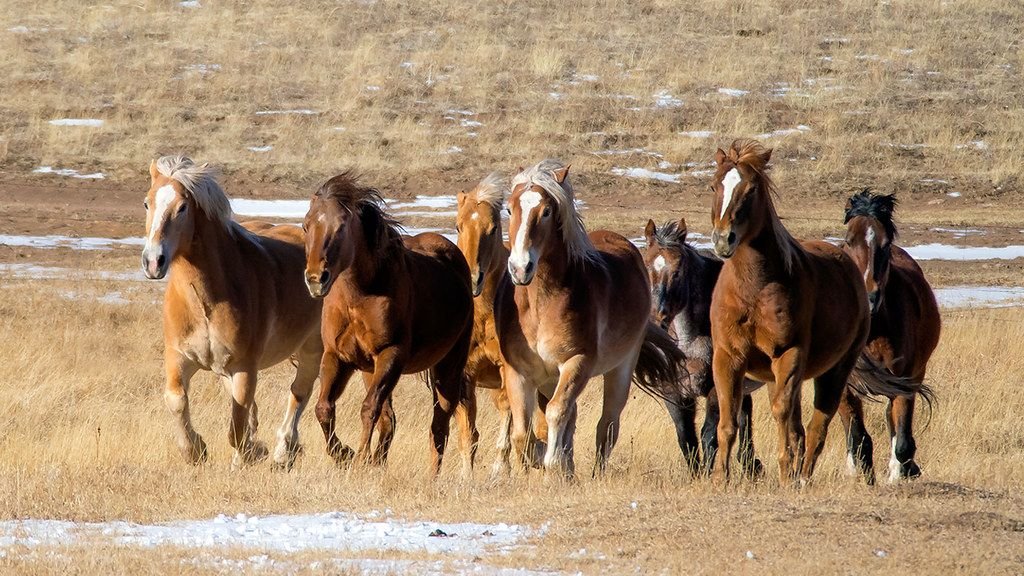
Something deeply disturbing is unfolding deep in the forests of eastern Arizona. One by one, wild horses, animals that have roamed these lands for generations, are turning up dead with bullet wounds. It is not a poaching incident involving a single animal. It is not an isolated act of recklessness. This is a pattern, and it is accelerating.
The story begins in late January 2026 and has only grown darker since. For the people who love these horses, whether they watch them through a camera lens on a quiet morning or spend countless hours in the forest tracking their movements, the news keeps getting harder to absorb. Let’s dive in.
A Second Wave of Killings Shocks the Forest
On March 3, 2026, forest officials announced that four wild horses were found dead on the Black Mesa Ranger District, south of Heber-Overgaard. This discovery came on top of the nine horses already killed in late January, bringing the total death toll to 13 in just a matter of weeks.
The Forest Service confirmed that the four additional horses had also been found with bullet wounds, and officials are considering the two incidents related. Both are now under investigation by the Navajo County Sheriff’s Office.
Necropsies confirmed that every single horse had bullet wounds. Following the examinations, the carcasses were buried. There is something deeply haunting about that detail. These animals were shot, examined, and buried in the very forest where they had roamed freely. No fanfare, no justice, just quiet graves in the trees.
Who Are These Horses, and Why Does It Matter?
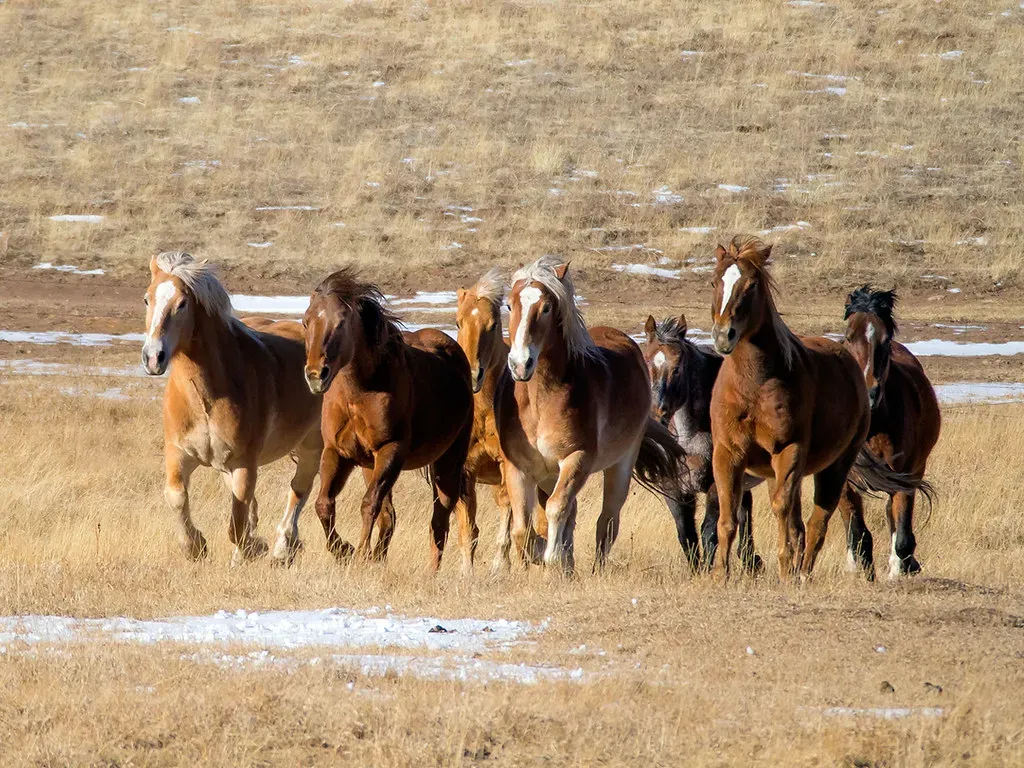
The Heber Wild Horse Territory encompasses approximately 20,000 acres near Heber-Overgaard in Navajo County, Arizona. While smaller than many Herd Management Areas overseen by the Bureau of Land Management, it is home to a long-established and culturally significant population of wild horses.
The wild horses near Heber are federally protected from sale or slaughter, and theirs is the only wild horse herd in Arizona with a dedicated territory on national forest land. That makes this place rare, irreplaceable even. Think of it like a one-of-a-kind nature reserve, except someone keeps sneaking in with a rifle.
For a herd of this size, the loss of nine animals is already significant. Small, geographically isolated herds like this face unique vulnerability, and beyond natural challenges such as drought, predation, and harsh winters, human-caused losses can have outsized impacts. Losing 13 horses in a matter of weeks is not just tragic on an emotional level. It is a genuine ecological crisis for one of Arizona’s most distinctive wild populations.
The Legal Gray Zone That Leaves Many Horses Vulnerable
The Forest Service has said the killed horses are considered feral and are not protected under federal law. Only some horses in the area fall under the protections of the Wild and Free-Roaming Horses and Burros Act of 1971, and Apache-Sitgreaves Forest Service representatives confirmed that the horses that were shot are classified as feral.
Honestly, this legal distinction feels like a bureaucratic sleight of hand. These animals have lived in the Apache-Sitgreaves forest for generations. The wild horses are described as an integral part of the forest that draws visitors from across Arizona and nationwide. Yet on paper, some of them are treated as little more than stray livestock.
Today, estimates suggest fewer than 500 wild horses remain across the entire state of Arizona. With numbers that thin already, the shooting of 13 horses is not a footnote. It is a catastrophe. When populations drop too low, recovering genetic health becomes increasingly difficult, making intentional killings not only tragic but potentially destabilizing for the herd’s future.
The Reward, The Investigation, and a Call to the Public
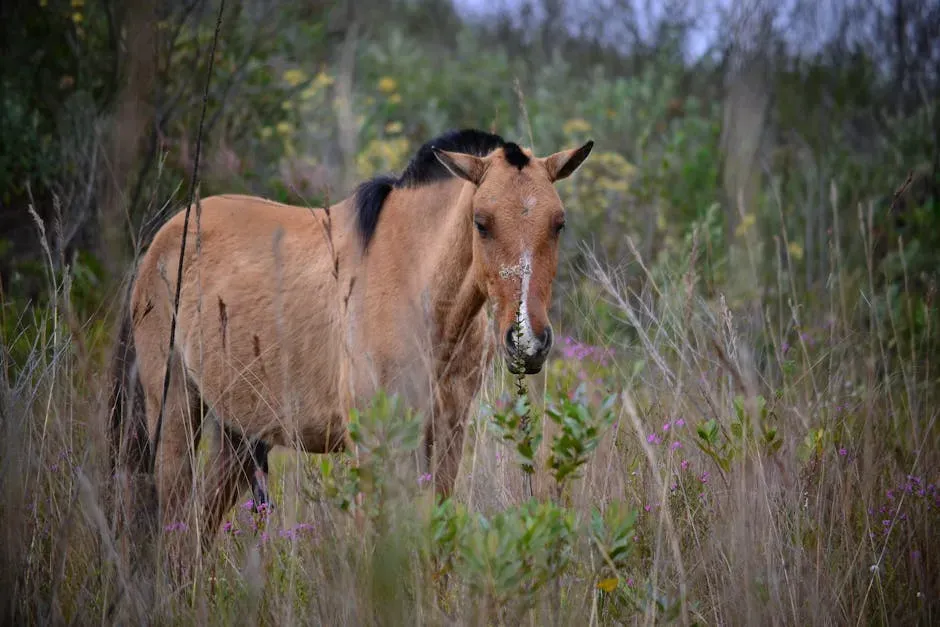
A $5,000 reward is being offered for information leading to the arrest and conviction of those responsible for the deaths. The U.S. Forest Service is urging anyone with information to contact the Navajo County Sheriff’s Office tip line at 928-524-9908. That number is worth remembering if you spend any time near these forests.
Local advocate Betty Nixon noted that law enforcement presence in the forest has increased as a result of the shootings. Nixon confirmed she is adding another $5,000 to the reward, with expectations that the total amount could increase further. When community members start reaching into their own pockets, that tells you everything about how seriously locals are taking this.
This is not the first time officials have discovered horses apparently shot to death in the area. This is part of a gruesome trend that has stymied authorities and left some advocates fuming over how agencies classify and treat wild horses. The fact that it keeps happening, and convictions remain elusive, is infuriating to anyone paying attention.
A Final Thought Worth Sitting With
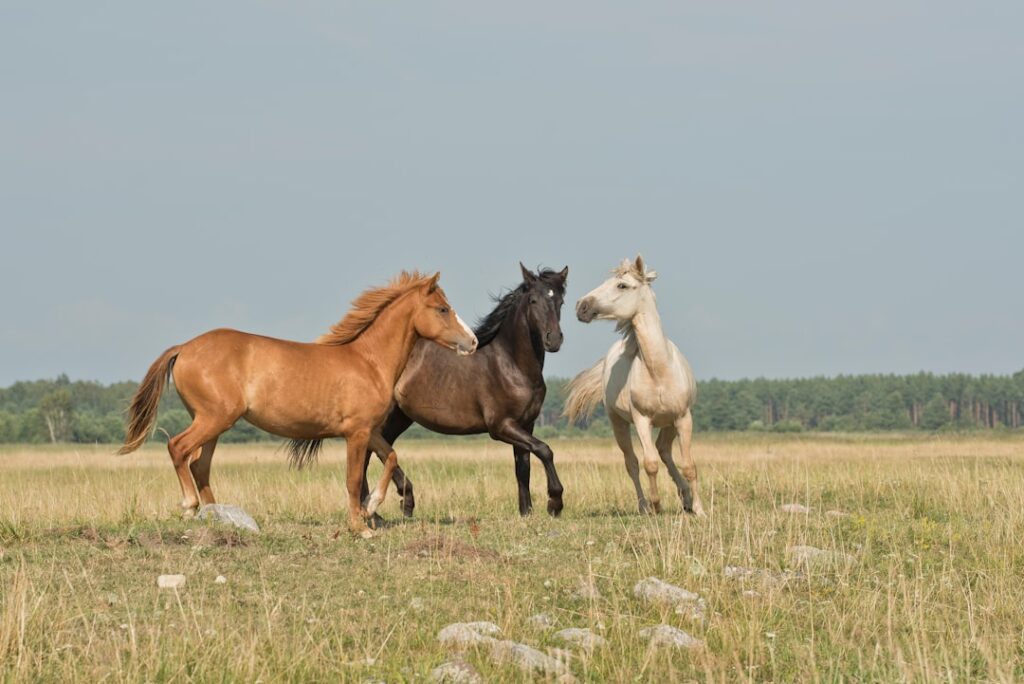
Thirteen horses. Shot dead in one of Arizona’s most celebrated national forests over the course of just a few weeks. These were not trophy animals, not livestock with a monetary value attached to them in someone’s ledger. They were wild, free, and part of a living piece of American natural history.
If you know something, say something. The Navajo County Sheriff’s Office tip line is 928-524-9908. These horses cannot speak for themselves, but the people who share their forest can. What will it take before someone finally does?


