
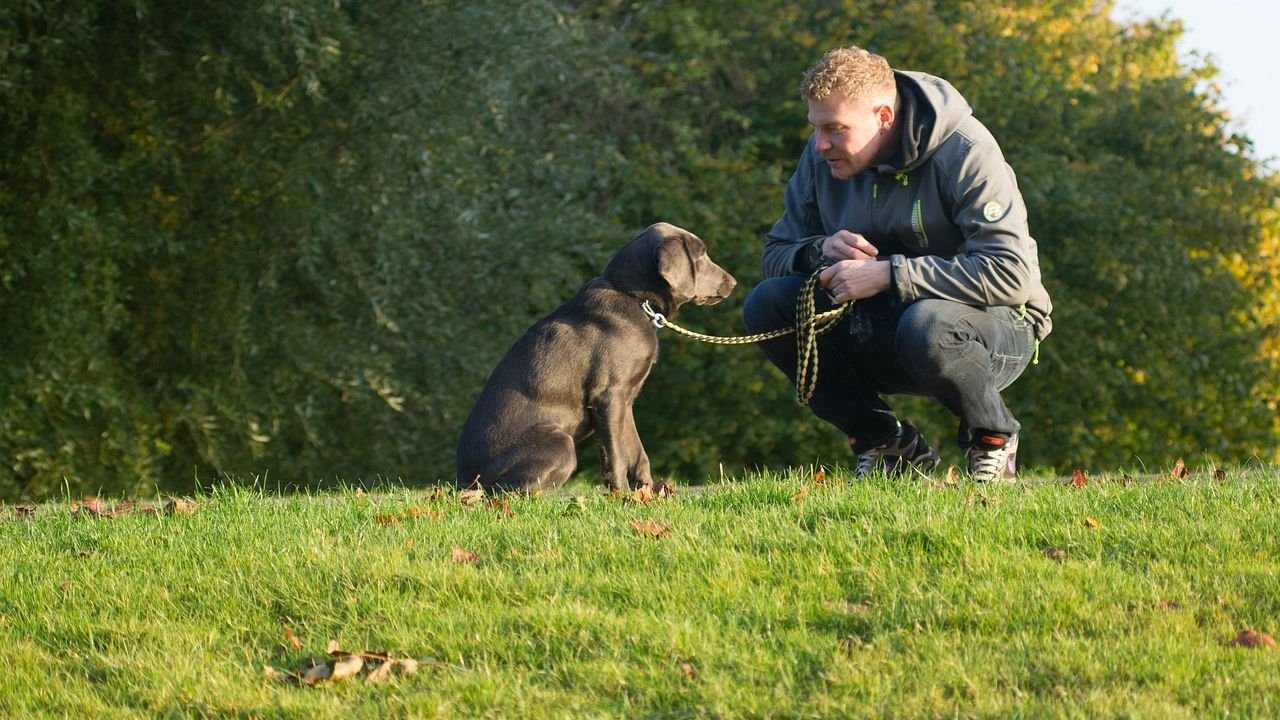
Here’s something that might stop you in your tracks. You’ve done everything “right.” You bought the right treats, watched the YouTube tutorials, maybe even enrolled in a puppy class. Still, your dog pulls on the leash, ignores your “sit,” or jumps on every single guest who walks through the door. Sound familiar?
Most dog owners quietly wonder if their dog is just too stubborn, too wild, or simply untrainable. But here’s the real twist: the problem is rarely the dog. The magic, the mess, and the breakthroughs in dog training often come down to one surprising factor – you. Let’s dive into why your energy, habits, and mindset shape your dog more than any treat or trick ever could.
Your Dog Is Reading You Like a Book
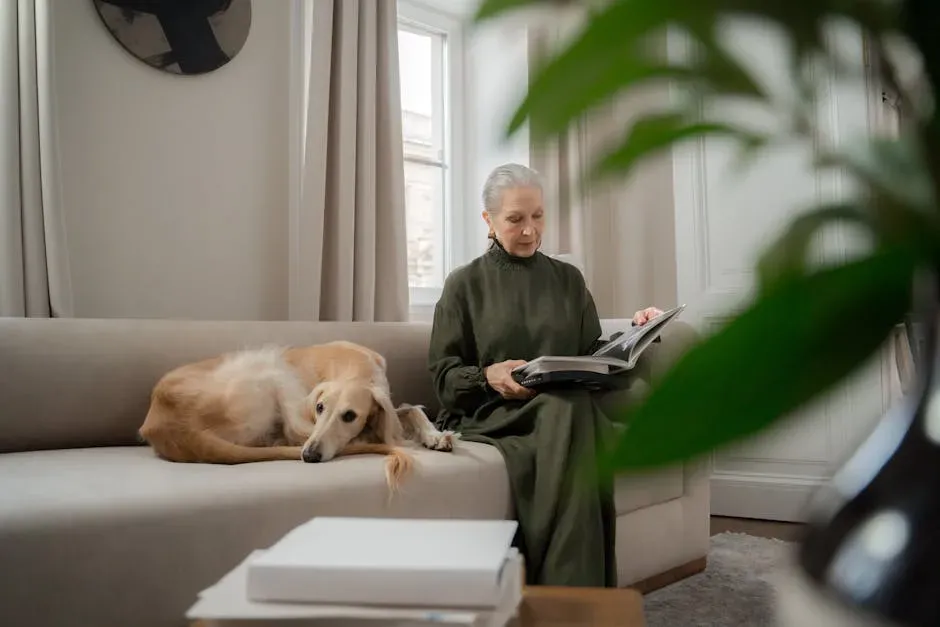
Dogs are highly attuned to human emotions, and research shows that pets often mirror their owners’ stress levels, replicating anxiety or tension in their own behavior. Think about that for a second. That restless, anxious pup pacing the floor? There’s a real chance they picked it up from you.
Honestly, it’s both humbling and fascinating. Your dog doesn’t understand your words nearly as well as they understand your vibe. They sense the tension in your shoulders, the irritation in your voice, the hesitation in your hands.
This means that before training a dog, humans must learn to regulate their own emotional states. Calm, patient handlers produce calm, confident dogs. It’s less about the command you give and more about the emotional space you create around it.
As dog owners and trainers, one of the most impactful things we can do is understand how dogs think and why they behave the way they do. By diving into the fundamentals of dog psychology, we can build stronger relationships with our canine companions and address behaviors more effectively. And that journey starts squarely with self-awareness.
Consistency Is Your Superpower (or Your Kryptonite)
Let’s be real, this is where most of us fall apart. We’re strict about the “no jumping” rule on Monday, but we let it slide on Friday because we’ve had a long day. And guess what? Your dog notices every single time.
Consistency can help prevent problem dog behaviors such as barking or jumping. These are often caused by your dog’s confusion about the rules or their reaction to your unpredictability. Your dog isn’t being defiant. They’re being logical. They’re just playing the odds with an inconsistent rule-giver.
Consistency forms the foundation of trust between a dog and its owner. When a dog receives consistent cues and commands, it learns to trust the predictability of its environment. This trust is essential for effective communication and cooperation. Think of it like being a reliable friend. Dogs, just like people, thrive around those they can count on.
Everyone in the household needs to be using the same hand signals, commands and using similar positive reinforcement or corrections. If one family member says “down” and one says “off,” the dogs will be confused. That mixed message is the silent training killer in so many homes.
Your Emotions Are Contagious – and So Is Your Frustration
We’ve all been there. It’s the tenth time you’ve asked for a “sit” and your dog is staring at you like you’re speaking Martian. The frustration builds, your voice tightens, and suddenly training has gone completely sideways. Sound painfully familiar?
If you are frustrated, had a bad day at work, not feeling well or just have no tolerance, do not train your dog with that mental attitude. It will rub off on your dog and neither of you will have a good experience. This is one of the most honest pieces of advice any trainer can give you.
Training a dog requires clarity, consistency, and emotional regulation. If the human is inconsistent, impatient, or unclear, the dog will struggle to learn. Put simply, a shaky signal produces a shaky result. Your dog can only be as clear as the communication you offer them.
When trainers exhibit patience, they create an environment of calm and stability where dogs can thrive without fear of harsh judgment or unpredictability. This serene approach allows dogs to learn at their own pace, reducing anxiety and building confidence. Patience isn’t passive. It’s one of the most active, powerful things you can bring to a training session.
The Words You Use Matter Less Than You Think
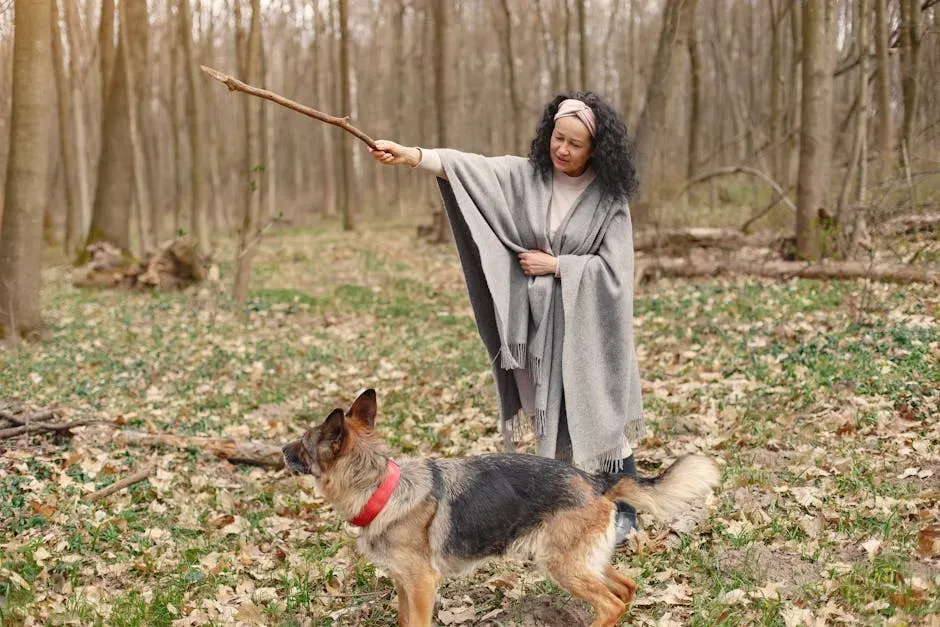
Here’s the thing many dog lovers overlook. We obsess over commands – “sit,” “stay,” “heel,” “come” – and forget that our dogs are not processing language the way we do. A dog doesn’t understand the word “sit.” They understand the pattern of sounds, gestures, and rewards that you’ve attached to it over time.
When a dog doesn’t listen, distraction, unclear commands, or a lack of reinforcement could be the real culprits. It’s rarely about the dog being stubborn. It’s almost always about the signal being muddled or the reinforcement being delayed or absent.
The criterion of a behavior is a clear definition of it that people can easily agree on. It makes clear exactly what the dog is expected to do. Think about how often you’ve changed the word, the gesture, or the expectation without even realizing it. That’s not fair to your dog, even if it’s completely human.
Owners who were patient with their dog performed much better at teaching the dog a novel task. Owners who were inconsistent with their dogs, and sometimes let them get away with things that were meant to be forbidden, had less obedient dogs. Science backs this up clearly – your behavior shapes their behavior, not the other way around.
Training Is Really About Building a Relationship
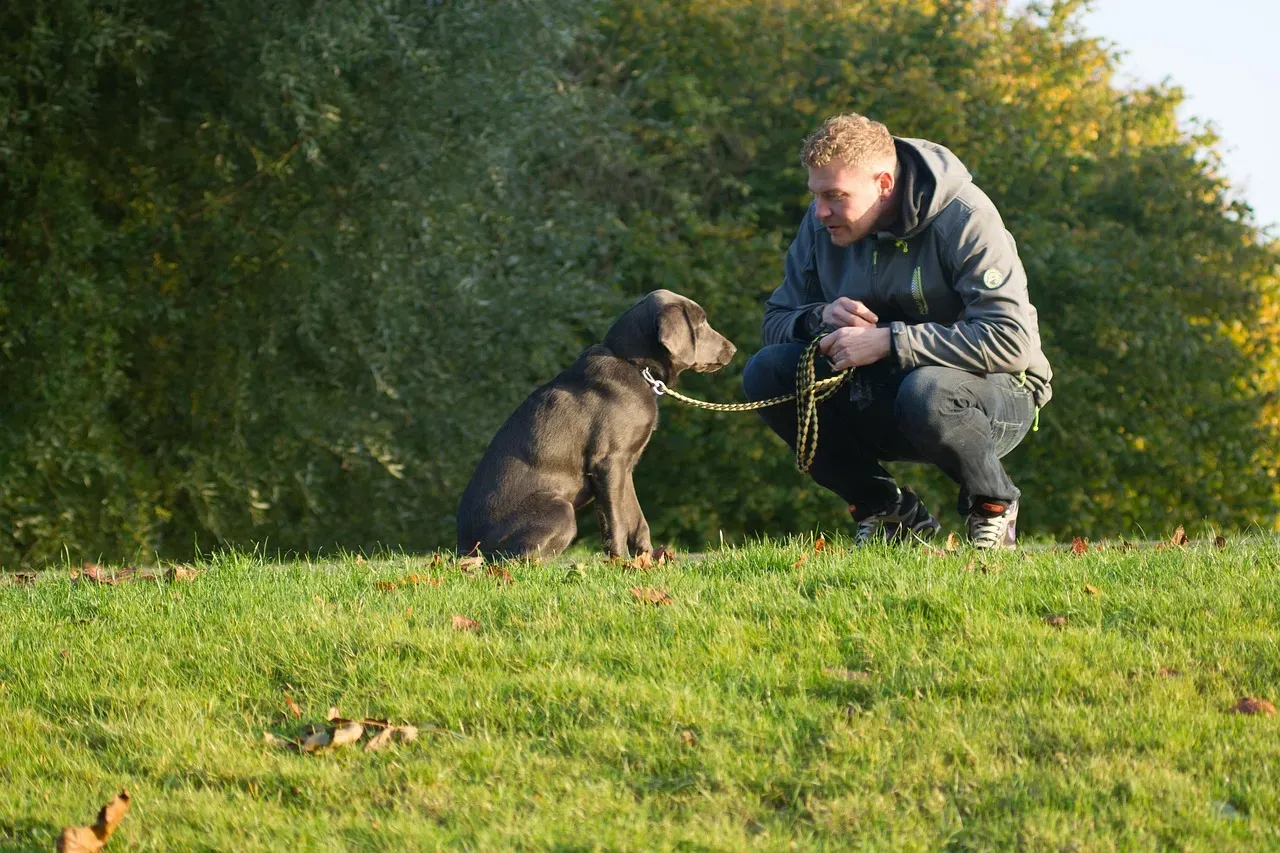
Strip away all the techniques, the clickers, the treat bags, and the training videos. At the very core of it, dog training is a relationship. It’s a daily conversation between two very different species trying their best to understand each other. That’s actually kind of beautiful when you think about it.
Training is not just about teaching commands – it’s about strengthening the bond between human and dog. When humans prepare themselves first, they create an environment of trust and respect. This bond is reinforced through consistent routines, clear communication, and emotional stability.
The crucial difference between “traditional dog training” and dog psychology or behaviorism is that the former centers on working on the dog, while the latter focuses on working with the dog. That one word – with instead of on – changes everything about how you show up for your pup.
Consistency and patience in dog training aren’t just about obedience; they cultivate a profound bond between you and your furry companion. Through these virtues, you establish trust, respect, and understanding, fostering a harmonious relationship built on mutual love and respect. So when you invest in becoming a better trainer, you’re really investing in becoming a better companion.
Conclusion: The Dog You Want Starts With the Human You Choose to Become
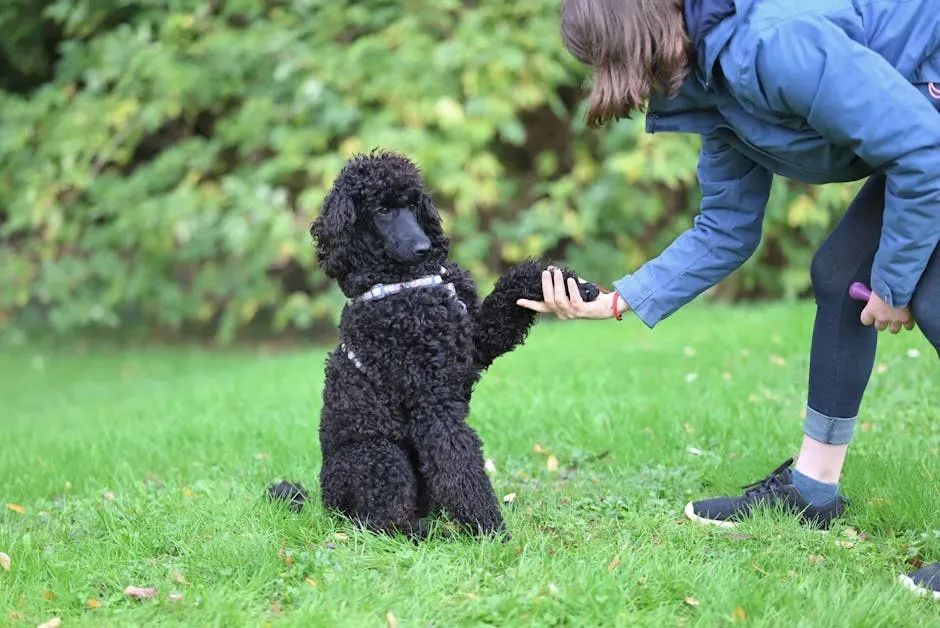
It might feel a little uncomfortable to sit with the idea that your dog’s behavior is, in large part, a reflection of yours. But honestly, that’s also the most hopeful truth in all of dog training. Because you can’t control everything about your dog’s breed, history, or temperament. You absolutely can control yourself.
You can show up calmer. More consistent. More patient. You can decide to be the kind of leader your dog can genuinely trust and relax around. One mantra that rings true time and time again is “progress, not perfection.” That applies to your dog, yes – but it applies to you even more.
The most well-behaved dogs in the world didn’t get that way because they were born perfect. They got that way because someone loved them enough to grow alongside them. So, what kind of dog person are you ready to become? The answer to that question is where every training journey truly begins.


