

Your dog is talking to you right now. Not with words, obviously, but with every flick of an ear, every subtle shift of the tail, every barely-there lip lick. The wild thing is, most of us only catch maybe a fraction of what they’re actually saying. We notice the big stuff – the tail-wagging, the growling, the jumping – but the quieter signals? Those tend to slip right past us, and honestly, that’s where the real conversation lives.
There is an entire language happening between you and your dog, moment to moment, day after day. Learning it doesn’t just deepen your bond; it can genuinely change how you care for your pup. So let’s dive in, because what you’re about to discover might just surprise you.
The Eyes Have It: What Your Dog’s Gaze Is Really Saying

Think about the last time your dog gazed up at you with those soft, deep eyes. That moment wasn’t just adorable – it was science at work. Research published in Science showed that gazing behavior from dogs increased urinary oxytocin concentrations in owners, which in turn facilitated owners’ affiliation and increased oxytocin concentration in the dogs themselves. Essentially, that warm fuzzy feeling you get when your dog looks at you? Your dog is feeling it too.
Scientists found that dogs have a specific muscle around their eyes, not present in wolves, that allows them to make expressive “puppy eyes,” an adaptation that may have been crucial in their successful bond with humans. This is no accident. Over thousands of years of domestication, dogs literally evolved new facial tools specifically to connect with us. Let that sink in for a moment.
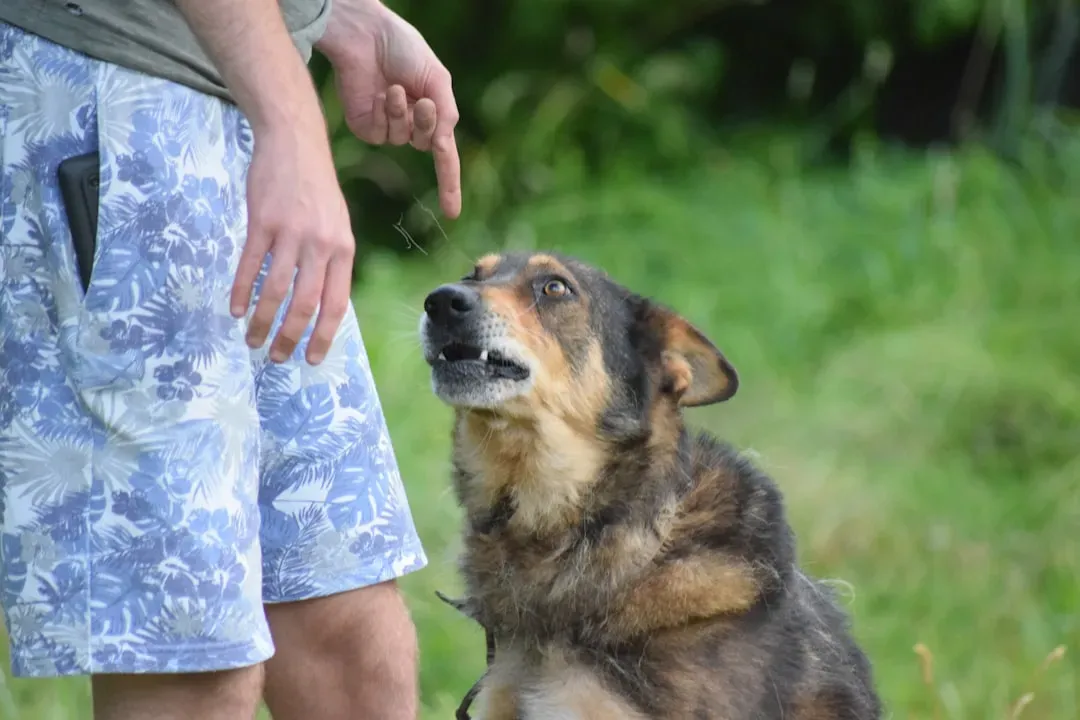
Here’s the thing though – not all eye contact is warm and fuzzy. Known as “whale eye,” when a dog shows the whites of their eyes, it’s a signal that they’re feeling anxious or stressed – you might see it when you pat your dog on the head, or when they’re afraid someone will steal a bone or toy. It’s basically your dog’s way of saying, “I’m not comfortable right now,” and it deserves to be respected, not pushed through.
Soft gazes show affection and trust, while intense stares can signal threat or discomfort. So the next time your dog gives you that long, relaxed look while you’re both on the couch, feel free to gaze right back. You’re quite literally bonding on a hormonal level. Pretty amazing, right?
The Truth About Tail Wagging (It’s Not What You Think)

Here’s something that surprises almost everyone. A wagging tail does not automatically mean a happy dog. I know, I know. Tail-wagging seems like an obvious signal, but all a wagging tail really means is that the dog is emotionally aroused. It could be excitement, but it could also be frustration or something worse. Context is everything here.
To interpret a dog’s emotions and intentions, you need to look at the speed and direction of the wag, as well as the position of the tail – basically, the faster the wag, the more aroused the dog. Think of those wide, sweeping, whole-body wags when you come home after a long day. That’s pure joy. A tight, quick, stiff wag? That’s a very different story.
A dog will bias the direction of its tail wag to the right when presented with a positive stimulus such as its owner, and to the left when presented with a negative stimulus, such as a dominant, unfamiliar dog. This right-versus-left detail is genuinely fascinating, and it’s something most people have never even heard of. Think of it like an emotional compass hidden right at the base of your dog’s spine.
Relaxed dogs show signs like circular tail wags, eye squinting, and leaning on their owners, indicating happiness, while signs of discomfort include a tucked tail, tense lips, and whale eye. Put those pieces together and you’re reading your dog like a book.
Calming Signals: The Polite Language Dogs Use Every Single Day
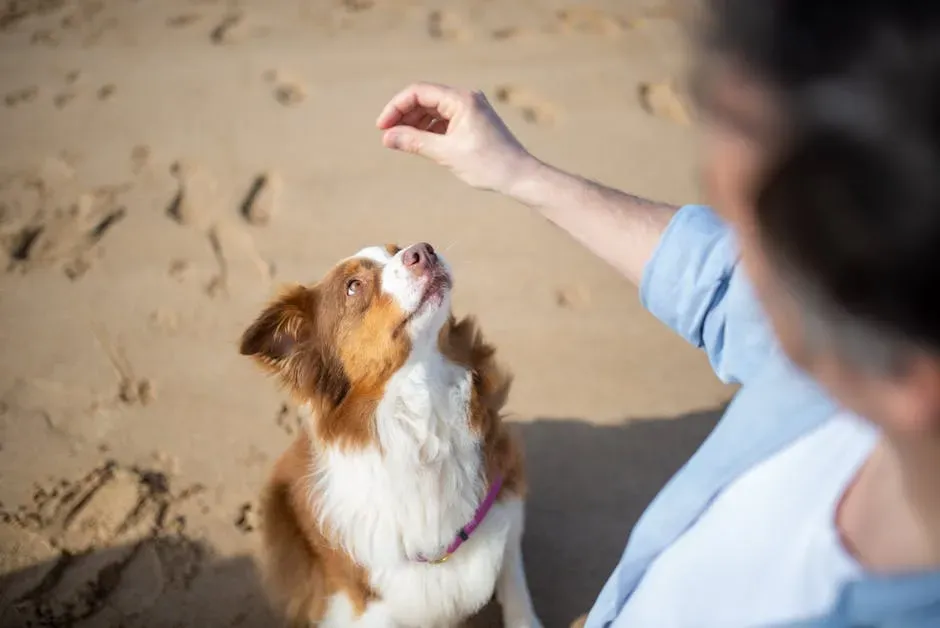
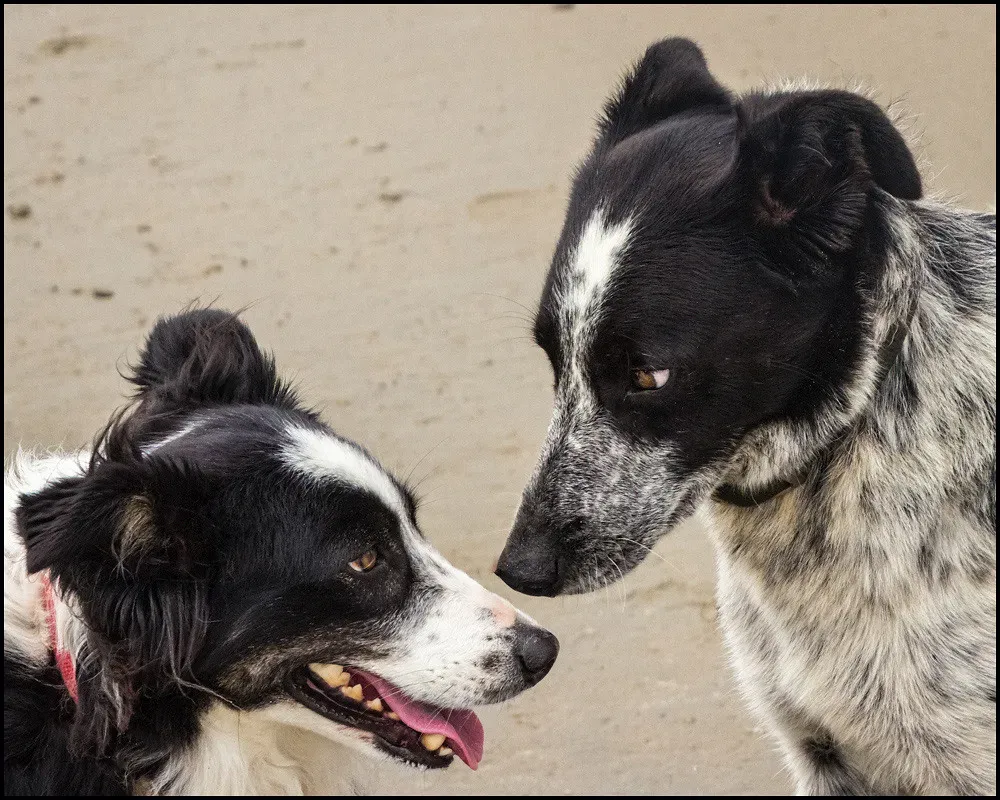
The term “calming signals” was conceived by Norwegian dog trainer and canine ethologist Turid Rugaas to describe patterns of behavior used by dogs when interacting in environments that cause heightened stress, or when conveying their desires and intentions. These are gentle, almost invisible gestures that most owners walk right past without a second glance. Learning to see them is genuinely life-changing for your relationship with your dog.
Lip licking is one of the most frequent stress signals dogs display, and it’s often misinterpreted as the dog simply being hungry. What it actually looks like is a quick tongue flick, often so fast you might miss it. This is different from the slower, more deliberate licking after eating or drinking. It’s a calming signal dogs use to self-soothe when they’re feeling anxious – their way of saying “I’m uncomfortable with this situation.”
Stress-induced yawning is different from a tired yawn. It often occurs in situations where the dog is clearly not tired and serves as a displacement behavior to cope with tension. Yawning can indicate anxiety, anticipation of something stressful, or an attempt to calm themselves or others. Some dogs yawn when they’re conflicted about a situation – wanting to do something but feeling nervous about it.
If you can help your dog become more comfortable by “listening” to their calming signals, you can sometimes avoid your dog having to use intensified body language – such as barking and lunging – to show their escalated discomfort and fear. Think of calming signals as the earliest, kindest warning system your dog has. Catching them early is always better than dealing with the fallout of missing them entirely.
Reading Ears, Posture, and the Subtle Signals We Miss Most
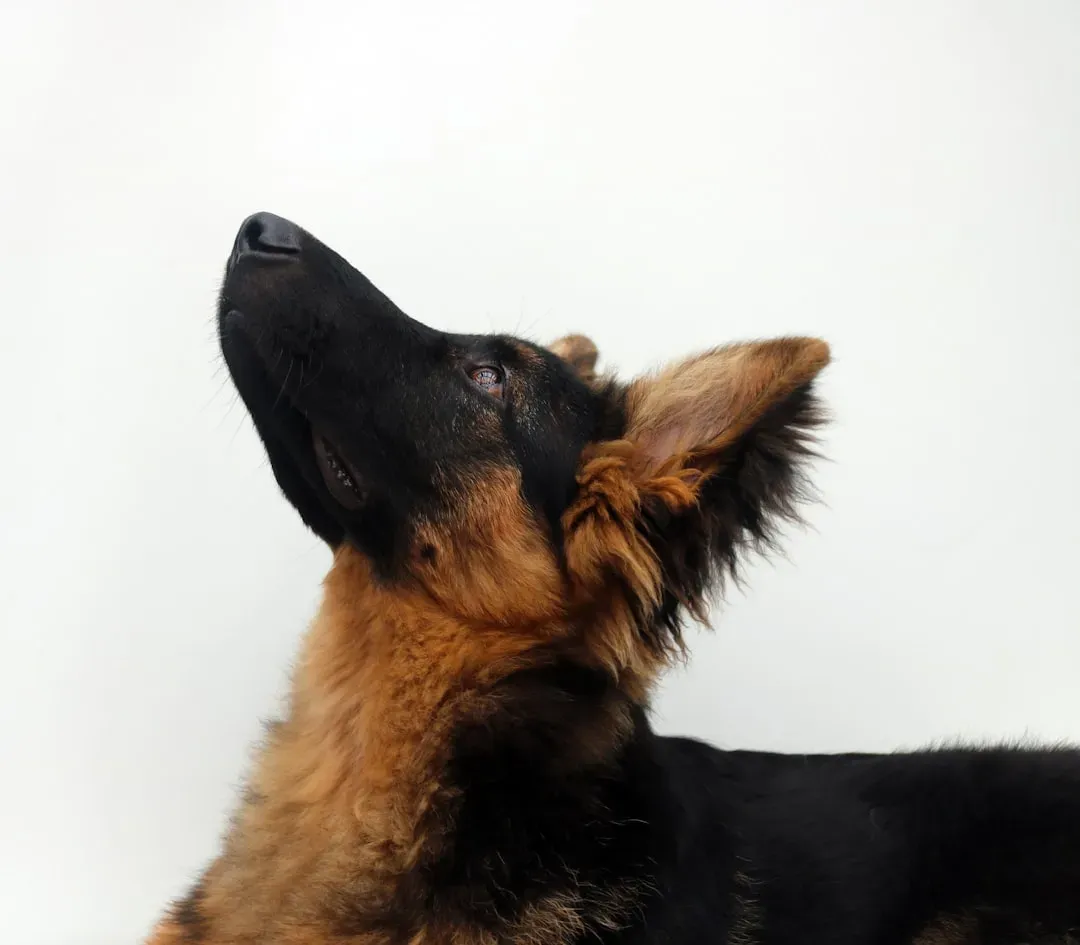
Dogs communicate through body language, vocalizations, and postures, and there is particular emphasis to be placed on behaviors such as ear posture, pawing, and tail movements – all of which are important in interpreting stress, aggression, and affection. Ears are especially telling, and they’re often overlooked simply because we don’t think to look there.
Ear position is a reliable indicator of emotional state, though the exact position varies by breed due to differences in ear structure. Ears pulled back against the head or to the sides are sometimes called “airplane ears.” In dogs with erect ears, they may flatten completely, while in dogs with floppy ears, look for backward movement and tension at the base. Ears held back typically indicate fear, anxiety, or appeasement.
Posture tells an equally rich story. Some dogs roll over as a submissive gesture when they feel uncertain or overwhelmed, particularly around unfamiliar people or in new environments. A dog showing its belly out of stress will look tense, with a stiff body, a tight mouth, a tucked tail, and eyes that avoid yours. So no, not every belly-up dog is asking for a rub. Reading the whole body together matters enormously.
All canine body postures are momentary and may change rapidly, and each individual body signal must be taken in context and evaluated in light of the “big picture” of the dog’s overall behavior in the moment. It’s a bit like reading a sentence – one word alone doesn’t tell you much, but put them all together and the meaning becomes crystal clear.
When Signals Become Health Signs: What Your Dog’s Body Language Might Be Telling the Vet
Here’s something not enough owners talk about. Sometimes, subtle behavioral shifts aren’t just about emotions – they’re early warnings of physical pain. Pain is a multidimensional process that elicits behavioral changes aimed at preventing further damage and promoting healing. These changes include restrictions on movement and activity, and additionally, changes in ear and tail position have been associated with pain perception in several domestic species.
Changes in behavior such as lethargy or decreased appetite may signal health issues, warranting veterinary attention. Honestly, I think this is one of the most important things dog owners can learn. A dog that suddenly seems “off” or unusually quiet might not just be having a bad day. Their body language could be the only language they have to say, “Something hurts.”
Dogs often show stress through subtler signs, such as excessive licking, sudden silence or barking, withdrawal from social interactions, changes in appetite, and irregular bathroom habits. If you know your dog’s baseline, you’ll catch these deviations faster. It’s important to know your dog’s baseline, because every animal is different. Some naturally pant more, some hold their tails lower, and some yawn often. The more time you spend observing your dog in relaxed, comfortable situations, the easier it becomes to spot the signals that mean something is “off.”
Prevention starts with attention. If you notice persistent signs of stress or anxiety in your dog, seeking guidance and support from a professional dog trainer or behaviorist is highly recommended. They can provide expert advice tailored to your dog’s unique needs and help create a plan to address any underlying issues. Your observations as an owner are genuinely powerful diagnostic tools – never underestimate them.
Conclusion: Becoming Fluent in Dog
Learning your dog’s silent language is one of the most generous gifts you can give to your relationship with them. It takes patience, it takes slowing down, and it takes a willingness to really watch and listen. Your dog has never stopped communicating with you – they’re talking in every wag, every ear flick, every glance in your direction.
Your dog is “talking” to you all the time. If you learn what your dog is saying, you will develop a deeper bond of trust and respect, and your newfound understanding of your dog’s emotional state can help you predict their behavior and prevent problems before they arise. That is not a small thing. That’s everything.
The more you understand, the more you can advocate for your dog in the moments that truly matter – at the vet, at the dog park, in the middle of a family gathering when six hands are reaching toward a face that’s quietly showing whale eye. Your dog is always “talking” to you with their body. Yawns, tail wags, and ear position all tell a story. By watching closely and thinking about the situation, you can tell if your dog is tired, happy, or stressed.
So here’s the question worth sitting with: now that you know what to look for, what do you think your dog has been trying to tell you all along? We’d love to hear your thoughts in the comments below.


