
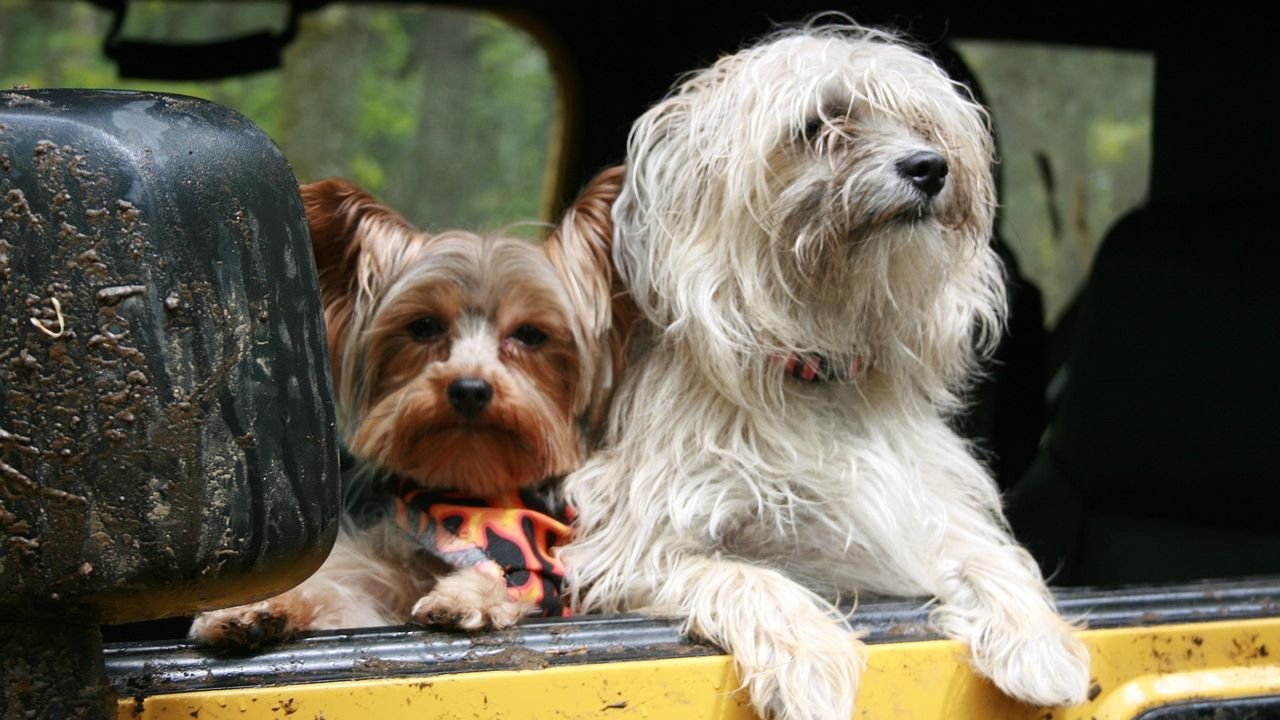
Picture this: you pick up your car keys, and your dog launches off the couch like a rocket. Tail spinning, paws skidding on the floor, nose aimed directly at the door. You haven’t said a word. You barely moved. Yet somehow, they already know. It’s one of the most delightfully mysterious things about our dogs, and honestly, I never get tired of watching it.
There’s something deeply joyful about sharing a car ride with your dog. The wind in their ears, the happy panting, the way they press their nose to the window crack like it’s the most thrilling thing in the world. So what’s really going on inside that furry little head? Let’s dive in.
It’s a Full-On Sensory Adventure (And Their Nose Knows It)
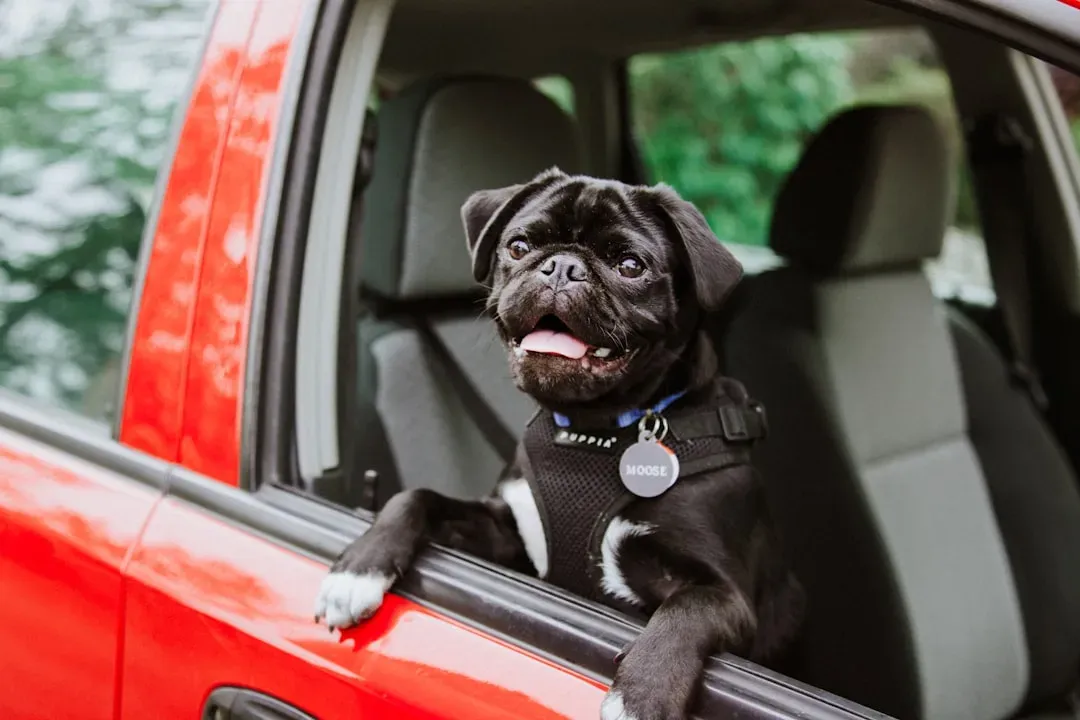
Here’s the thing most people miss: a car ride isn’t just fun for your dog, it’s an information overload in the best possible way. Your dog’s nose has up to 300 million olfactory receptors, and the part of their brain that processes scent is roughly 40 times larger than ours. Think about what that means when the window cracks open on a highway.
With hundreds of millions of scent receptors, dogs experience a car ride as a thrilling olfactory adventure, with every second bringing a swirl of new smells, from food at restaurants to traces of other animals, fresh-cut grass, or even scents left by other dogs. This constant change in aroma keeps them engaged and excited.
It’s like handing us a brand-new Netflix series, a live concert, and a gourmet meal all at once. Dog behaviorist Stanley Coren describes it perfectly: cracking a window gives a dog “a kaleidoscopic view of the world through his nose.” That image alone should make you want to roll the window down every single time.
Their Wild Instincts Are Secretly Behind the Wheel
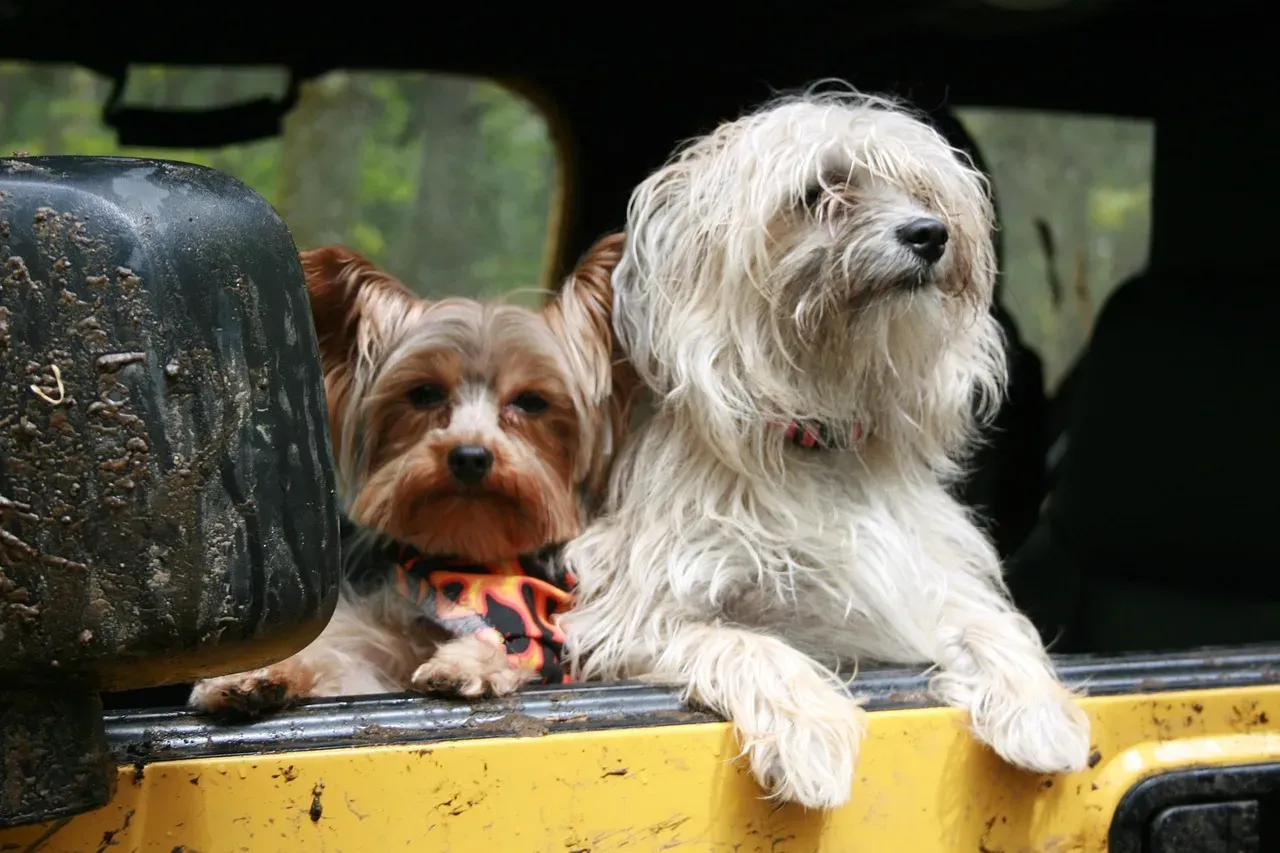
I know it sounds a little wild, but your peaceful Sunday drive might actually feel like a hunt to your dog. Many dog behaviorists believe that car rides tap directly into a dog’s instinct to hunt. The movement of the car, combined with the sights and smells of the outside world, stimulates their predatory instincts, and as they see squirrels darting across the road or birds flying overhead, they may feel a rush of excitement akin to a hunter on the prowl.
When wolves hunt, they combine their energy through what’s known as “physical synchronization,” moving together as a unit in turns and circles. A ride in your car gives your dog access to that same feeling, since you’re moving in the same direction, at the same speed, together.
Combined with a sensation that feels almost like weightlessness, this gives your dog a natural, euphoric high. As the car speeds along, your dog feels as though they are chasing the objects outside, triggering their deep, instinctual desire to hunt. No wonder they can’t contain themselves.
It’s Also About You (More Than You Think)
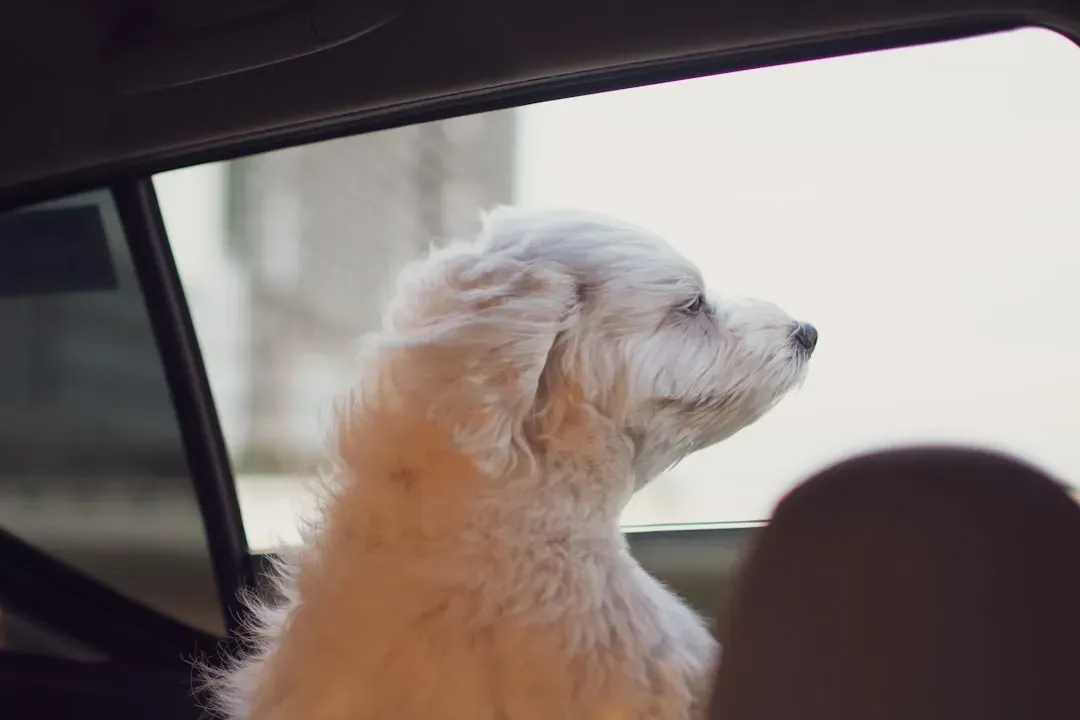
Honestly, this is the part that gets me every time. It’s not just the smells or the speed. A big reason your dog loves the car is simply because you’re there, and they don’t have to share you with anything else.
On a car ride, the whole pack stays together. No one is running off to another room or disappearing out the door. Your dog can see you, smell you, and be close to you, while still getting all kinds of sensory stimulation they wouldn’t get at home. In a sense, you are a pack on an adventure together, just the way it would be in the wild.
For many dogs, the car isn’t just a vehicle; it’s a rolling piece of home. Familiar items like blankets or toys make the space feel secure, and when you’re there too, it becomes a mobile den where your dog feels comfortable and protected. The car is basically their happy place on wheels.
When the Joy Isn’t There: Spotting Stress and Anxiety
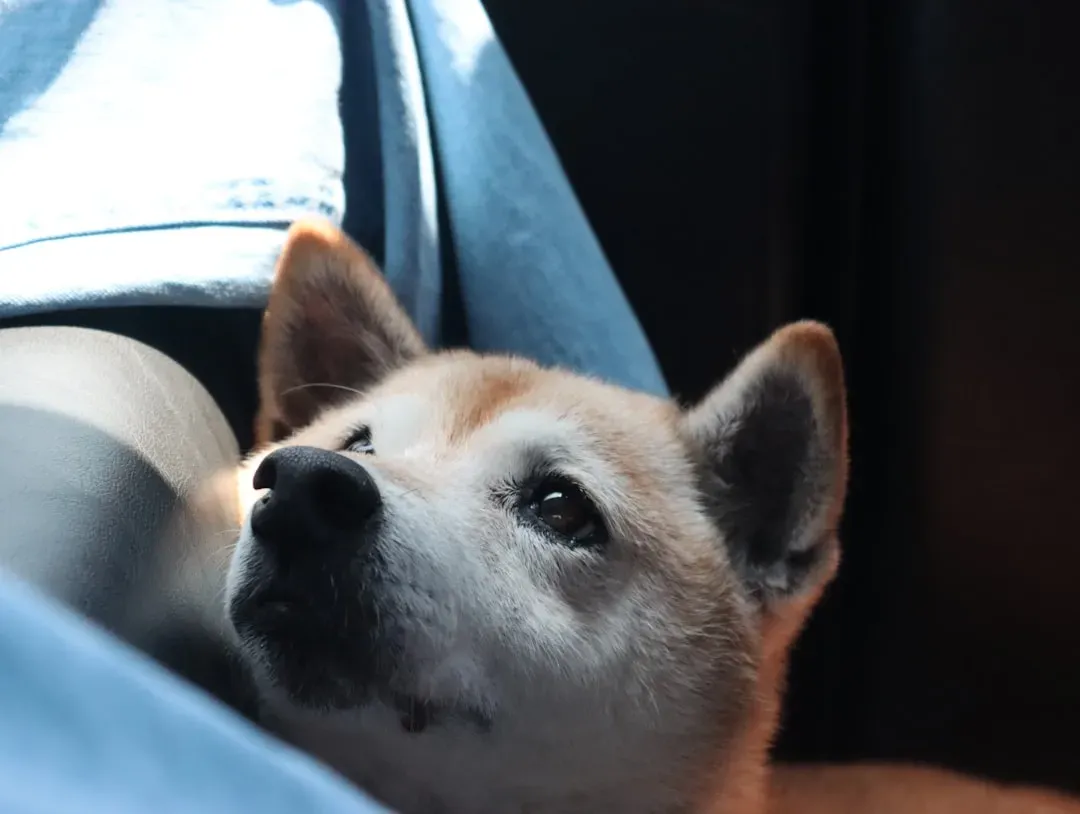
Let’s be real, not every dog bounds into the backseat with a smile. In fact, studies have found that around roughly more than a quarter of pet owners report that their dogs have negative responses when traveling in a vehicle. If your dog is in that group, it doesn’t mean they’re broken or dramatic. It means they need a little extra patience.
You’d quickly know if your dog is stressed in the car by watching for signs such as excessive panting, drooling, and whining, rather than relaxed, happy body language. Motion sickness is also real, especially in younger dogs. Feeding your dog a large meal right before travel can lead to motion sickness, so it’s best to stick to smaller snacks during the journey.
To help an anxious dog, try gradual desensitization: start with brief, calm sessions in the parked car, use positive reinforcement like treats and soothing words, bring along favorite toys or blankets for comfort, and then progress slowly to short drives, building positive associations over time. Take it slow. Rushing it only makes things worse.
The Safety Rules Every Dog Parent Needs to Know
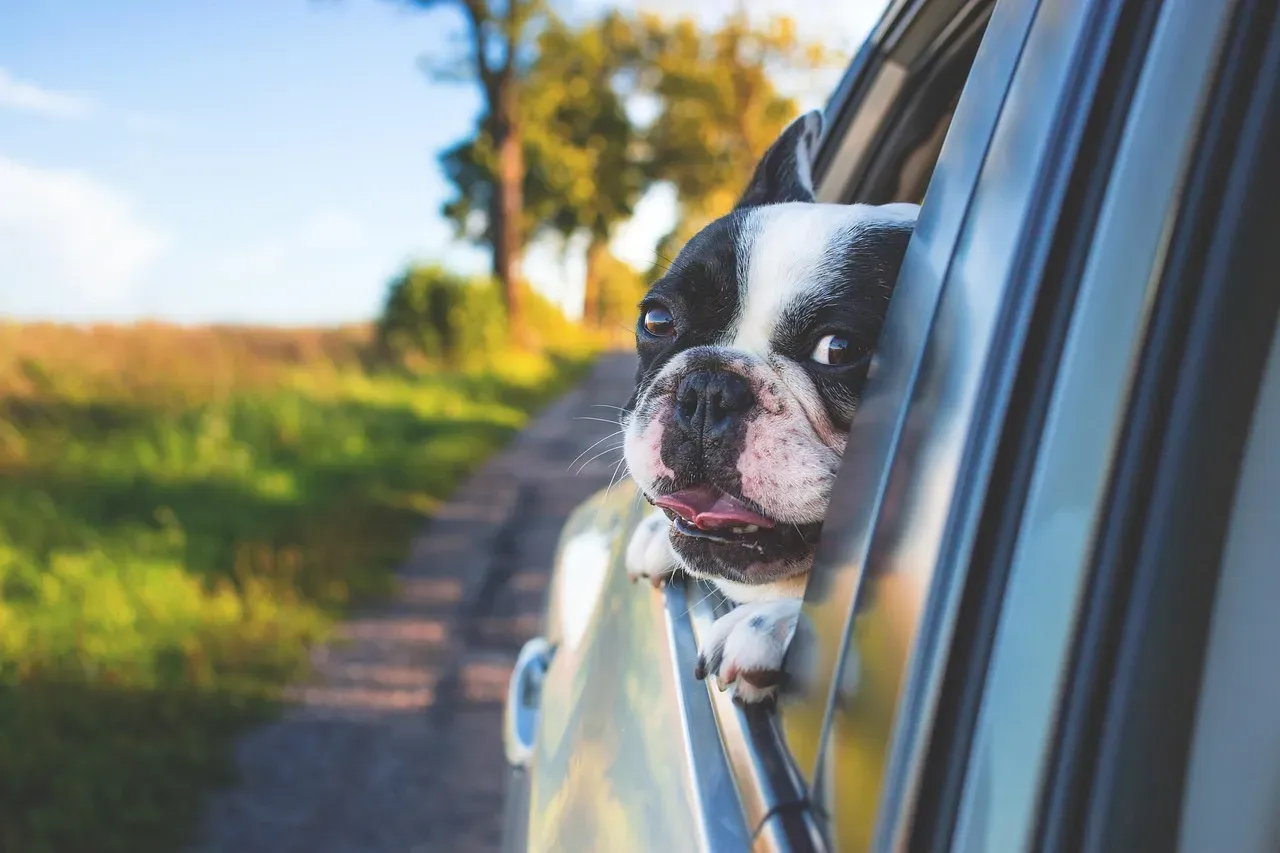
Now for the part that really matters, and the part a lot of us skip over. Safety in the car isn’t optional. It’s love in action.
According to the pet advocacy group BarkBuckleUp, a 60-pound dog in a car traveling 35 mph can become a force equivalent to 2,700 pounds in an accident. This can cause serious injuries not only to the dog but to all other passengers as well. That’s a sobering number, and one every dog parent should know.
A 2019 study by Volvo Car USA and The Harris Poll found that driving with an unrestrained dog more than doubles your risk of distracted driving. The best approach is to use a harness, crate, or carrier when transporting a pet in the car. Not every travel harness is crash certified, so if safety is your priority, look for certifications from groups like the Center for Pet Safety.
The backseat is always the safest place for your dog, as keeping them there minimizes the risk of injury from airbags and allows for a more controlled environment. Small dogs do well in booster seats, larger dogs benefit most from a properly fitted harness, and anxious dogs of any size often feel safer in a secured crate. One rule that should never be broken: never leave dogs unattended in a parked car, as heat can be fatal.
Conclusion: The Ride Is Worth Getting Right
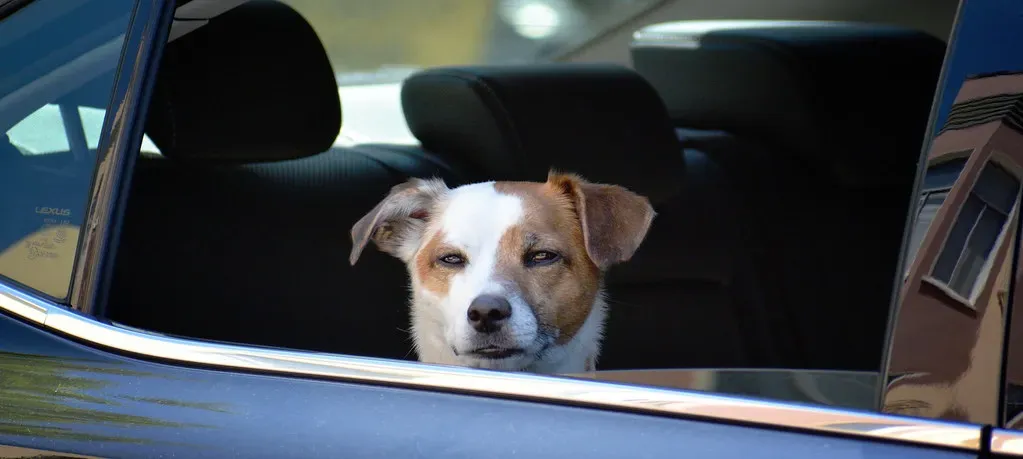
Your dog’s enthusiasm for car rides is one of the most joyful, science-backed, instinct-driven expressions of who they are. It’s curiosity, pack loyalty, adventure, and pure love for you, all rolled into one tail-wagging moment by the door.
Understanding why they love it so much makes it easier to give them more of it, safely and joyfully. Get the right harness. Learn your dog’s stress signals. Crack the window just enough. Bring their favorite blanket. These aren’t big asks, but they make a world of difference to the creature who thinks every car ride with you is the greatest adventure of their life.
So next time your dog goes absolutely wild the moment you grab those keys, smile. You’re not just their human. You’re their navigator, their pack leader, and their favorite destination all in one. What could be better than that?


