
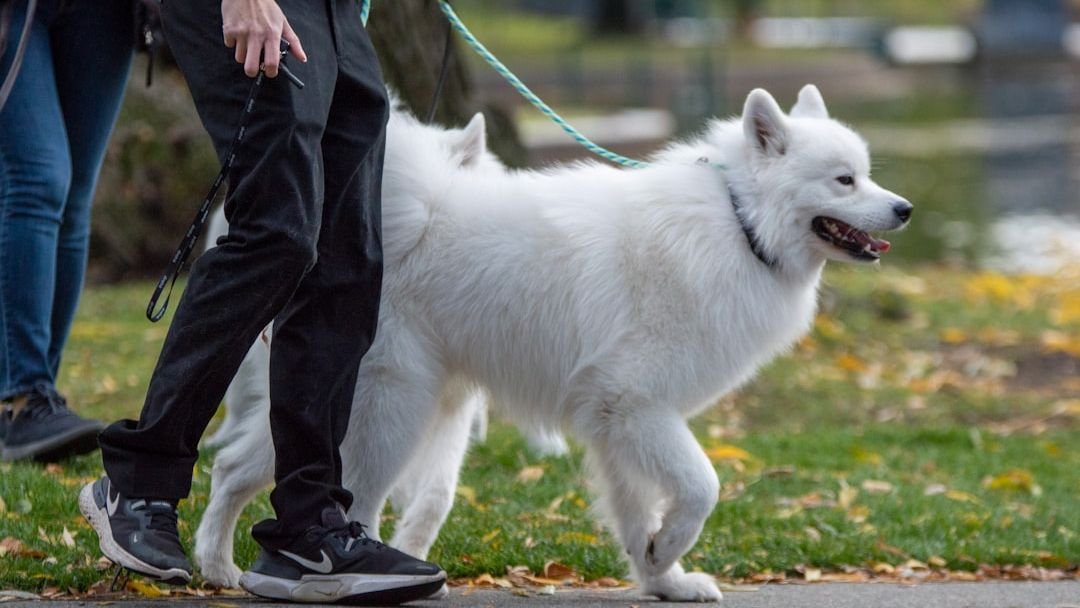
Picture this: it’s 7 a.m., you’ve got coffee in hand, and your dog is already bouncing off the walls, chewing the couch cushion like it owes him money. Sound familiar? Most dog owners chalk this up to breed, personality, or just “that’s how he is.” Honestly? Most of the time, that’s not even close to the real story.
The truth is, a calm dog rarely happens by accident. There’s one daily habit that quietly shapes everything – your dog’s mood, behavior, sleep, and even how well they bond with you. It’s simple, accessible, and you can start today. Curious? Let’s dive in.
Why a Daily Walk Is the Foundation of a Calm Dog

Let’s be real – the humble daily walk is wildly underestimated. It’s not just a bathroom break on a leash. Dogs thrive on structure and predictability, and routine helps them feel secure, reduces anxiety, and creates a foundation for consistent training and better behavior. That morning walk isn’t a luxury. It’s medicine.
Consistency in exercise routines plays a key role in shaping behavior. Dogs that don’t get regular, scheduled activity are more likely to show signs of frustration, restlessness, and destructive behavior. On the other hand, those who know when their next walk or play session is coming are generally more relaxed and focused the rest of the day. Think of it like a toddler with no schedule – chaos is basically guaranteed.
Research consistently shows that regular physical activity serves as a powerful natural aggression reducer, transforming reactive dogs into calmer, more balanced companions. That dog growling at strangers? He might simply be under-walked, under-stimulated, and overwhelmed. The walk is where you start fixing that.
Just like people, dogs sleep better when they’ve had enough activity. Regular play and walks help regulate rest cycles. Timing also matters. A morning walk can set a calm tone for the day, while evening play can help burn off energy before bedtime. Structure in the morning ripples outward into the whole day.
What’s Actually Happening in Your Dog’s Brain on a Walk

Here’s the thing most people don’t realize: a walk doesn’t just burn energy. It rewires your dog from the inside out. Physical activity triggers a cascade of beneficial neurochemical reactions that directly impact mood, stress levels, and aggressive tendencies, creating a natural pathway to calmer behavior. We’re literally talking about brain chemistry shifting in real time.
Physical exercise triggers the release of a protein called the brain-derived neurotrophic factor (BDNF), which is one of the molecules that results in the growth of new brain cells. I know it sounds crazy, but a walk is essentially a brain workout for your dog. New neural pathways. Better emotional regulation. More capacity to stay calm under pressure.
When your dog is in a high emotional state, it can affect how your dog’s brain is operating, which then affects their behavior or response to stress events. When a dog is stressed, the brain produces more stress-related hormones like cortisol and adrenaline, which in turn causes your dog to respond using their emotional brain instead of their logical brain. Daily walks help keep that emotional brain quiet.
The Magic of Letting Your Dog Sniff (Stop Rushing Them)

We’ve all done it – yanked the leash because the dog stopped to sniff a fire hydrant for the third time. Guilty as charged. Turns out, that sniff was doing something incredible. Dogs have up to 300 million scent receptors, depending on the breed, which makes sniffing an essential activity. By encouraging sniffing walks for dogs, you’re providing them with mental enrichment that helps them process the world. It’s not dawdling. It’s downloading.
Sniffing activates many parts of a dog’s brain, releasing the pleasure hormone dopamine and promoting rest, thereby helping to reduce stress. That dopamine hit? It’s the same kind of reward loop we feel when we scroll through good news or take a warm shower. Pure, natural calm.
Sniffing activates their brain, reduces boredom and anxiety, and helps them stay engaged, making even short walks more satisfying. So even if you only have 15 minutes, a slow sniff-heavy walk can be far more calming than a brisk mile with a tight leash and no nose time.
Studies also show sniffing can decrease a dog’s heart rate, further lowering anxiety. A lower heart rate. More dopamine. Reduced cortisol. That’s three physiological wins from simply letting your dog pause and sniff a tree. Who knew nature built in such a simple off switch?
What Happens to Dogs Who Miss Their Daily Walk

Your dog has some basic needs: exercise, rest, appropriate outlets for natural dog behavior, and mental stimulation. A structured daily routine neatly ticks all those boxes. When dogs don’t get these needs met, that’s when problems start – like destructive behavior or hyperactivity. Miss a day here and there, and your dog manages. Miss days consistently, and you’ll notice the slow creep of chaos.
Those are clinical terms referring to very specific behavioral disorders that are relatively uncommon in dogs. In reality, most “hyper” dogs are just under-exercised. I think this is one of the most important truths in dog care – and it’s almost always overlooked. Before blaming the breed or calling the trainer, ask yourself honestly: is this dog getting a real walk every single day?
Common destructive behaviors remain frequent in animals left alone without exercise or stimulation for long periods of time. Chewed furniture, excessive barking, frantic energy when you return home – these are symptoms of unmet needs, not character flaws.
How to Build a Walk Routine That Actually Works

Starting is simpler than you think. The saying “a tired puppy is a happy puppy” rings true, yet most dogs are unfortunately under-exercised. A healthy young dog should get at least two to three twenty-minute brisk walks daily. That’s your baseline. Two sessions. Twenty minutes each. That’s genuinely achievable for most people.
Couple physical activity with mental games like feeding from a food-dispensing toy, search and find games, or training sessions, which can sometimes tire a dog more than physical exercise. Mix it up. Variety keeps walks engaging for your dog and, honestly, for you too. Try a new route once a week. Let your dog lead the way on a slow sniff walk every few days.
If multiple family members are involved in your dog’s care, agree on consistent cues, timing, and rules. This reduces confusion and speeds up learning. The goal isn’t perfection – it’s predictability. Even small, consistent efforts make a big difference in your dog’s confidence, behavior, and responsiveness. Consistency beats intensity every single time.
Dogs use daily cues – such as changes in daylight, your body language, and patterns of household activity – to predict what will happen next. Your dog will learn to anticipate what will happen when those cues follow a regular pattern, which will stabilize their emotions and lessen their reactivity. Put on your shoes at the same time each morning, grab the leash the same way, and watch your dog transform into a creature of beautiful, settled anticipation.
A Calm Dog Is a Gift You Give Both of You
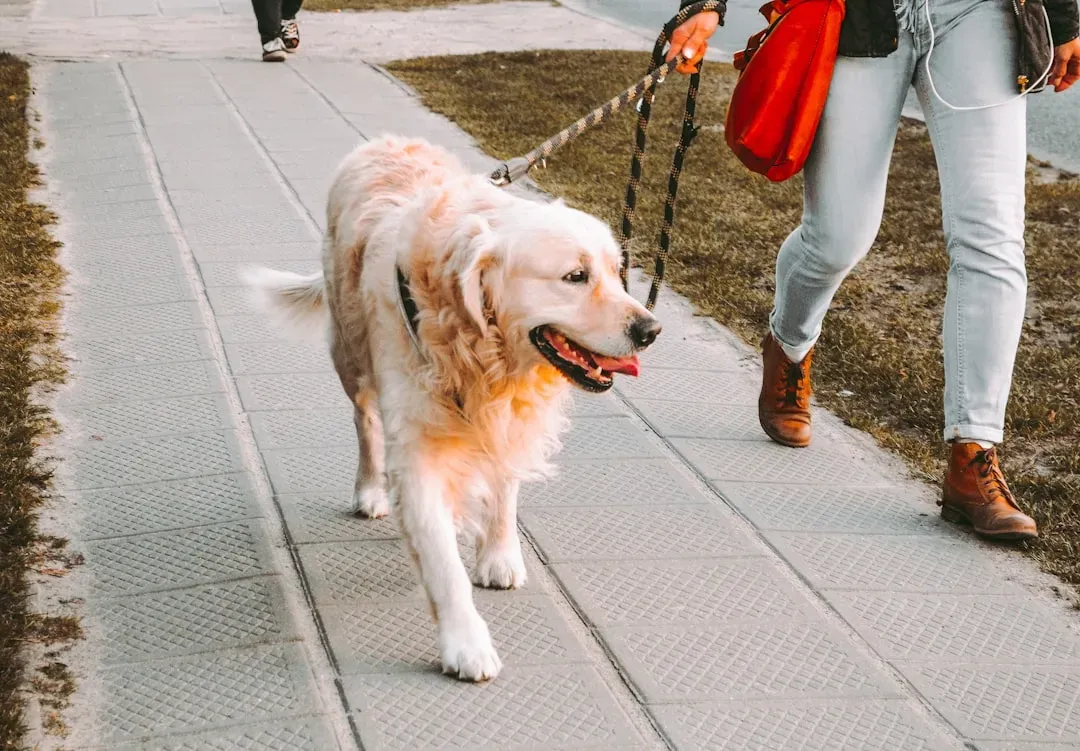
Here’s the heartwarming part of all this: when you build this daily habit, your dog isn’t the only one who benefits. Walking a dog can improve mood and reduce symptoms of depression and anxiety, and research shows that spending time with a dog can reduce output of the stress hormone cortisol. You are literally calming each other down, every single morning, one leash click at a time.
There’s something deeply moving about that if you stop to think about it. A dog who feels safe, stimulated, and seen is a dog who gives you back peace, loyalty, and a whole lot of couch snuggles. Studies have shown that dog owners are far more likely to meet their daily exercise requirements, and exercising every day is great for the animal as well. It will deepen the connection between you, eradicate most behavior problems in dogs, and keep your pet fit and healthy.
The secret was never a magic collar, a fancy gadget, or an expensive training program. It was always this: a leash, a consistent time, and the willingness to show up for your dog every single day. So grab that leash tomorrow morning, slow down at every lamppost, and let your dog sniff the whole world in. They deserve it – and honestly, so do you.
What would change for you and your dog if you committed to one consistent daily walk starting tomorrow? Share your thoughts in the comments – we’d love to hear your story.


