
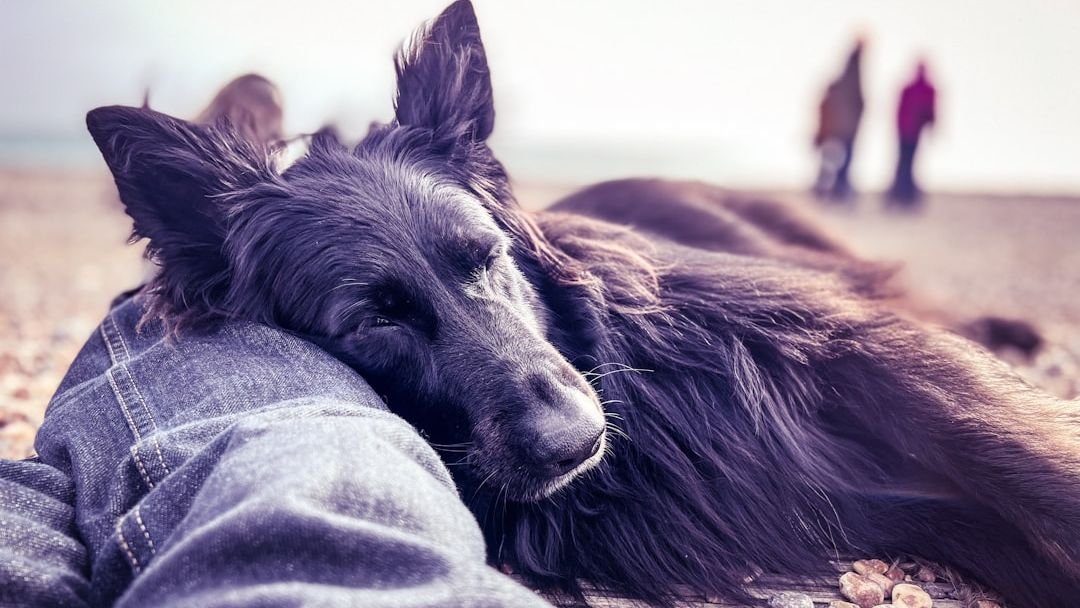
Nobody warns you about the moment a once-fearful dog finally chooses you. Not a dramatic movie scene, but something quieter – they inch across the room, rest their chin on your knee, and just breathe. That small, earned gesture can mean more than a thousand enthusiastic tail wags from a dog who trusts everyone on sight.
Somewhere along the way, “difficult” dogs got a bad reputation. Reactive, shy, anxious, or traumatized dogs are often the last ones adopted and the first ones returned. Honestly, that breaks my heart a little. Because what most people don’t realize is that these dogs, the ones who need a little more patience and a lot more love, tend to give back something truly extraordinary. Let’s dive in.
What Does ‘Difficult’ Actually Mean? (It Might Surprise You)
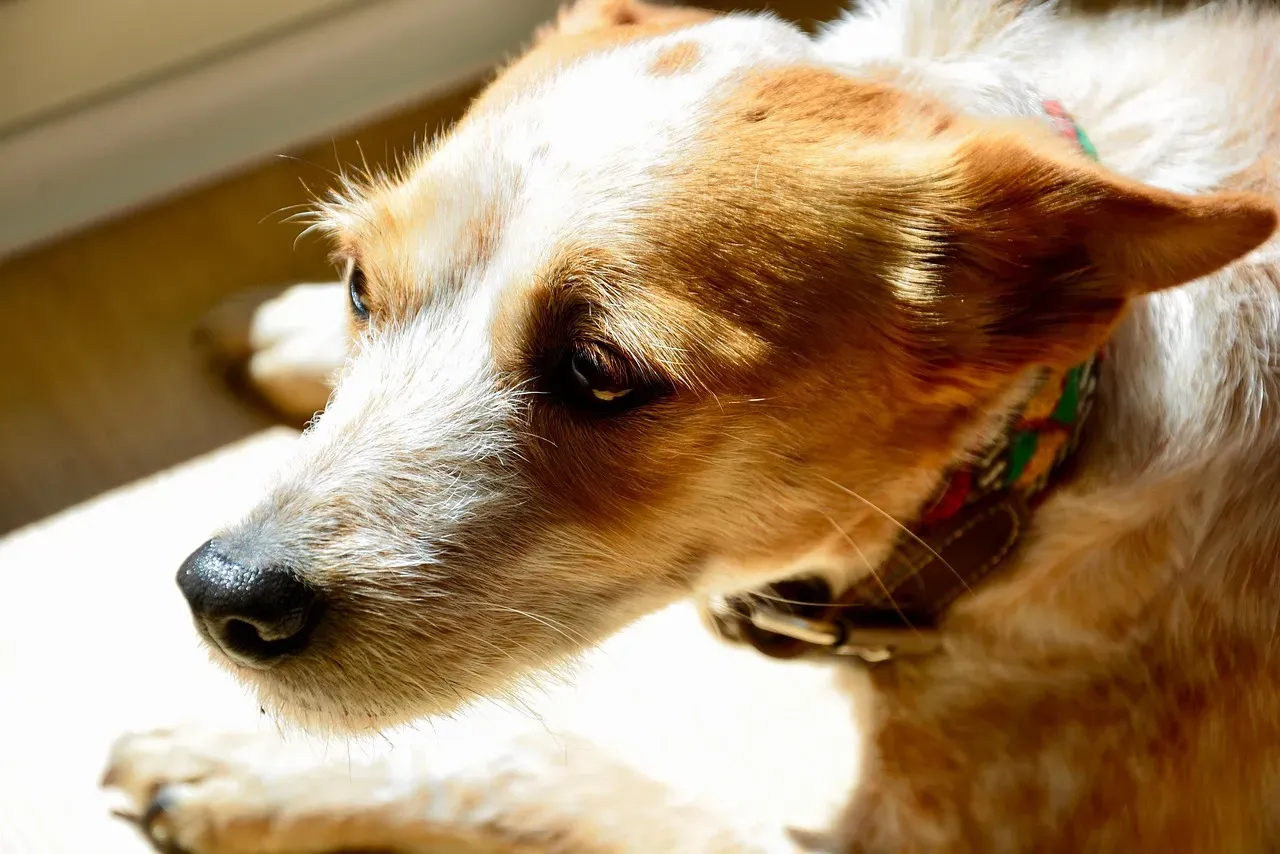
Let’s be real: the word “difficult” gets thrown around way too casually in the world of dog adoption. Reactivity in dogs can stem from genetic predisposition, past negative experiences, lack of socialization, or their environment. A barking, growling, or lunging dog might appear purely aggressive, but reactivity is typically either a fear-based response or related to frustration and excitement. In other words, your dog isn’t being bad. They’re scared.
Some dogs are naturally timid or shy, just like some people, while others may not have had a chance to learn to trust people while they were young. If you adopt one of these dogs, the work to build a relationship of trust could be a long and hard one, but the experience can be one of the most rewarding of your life. That right there is the truth no adoption brochure quite captures.
Fear and anxiety in dogs can come from genetic factors, a lack of socialization as puppies, bad experiences, and medical issues. Sometimes, even if the dog guardian has done everything right, they can still end up with a fearful dog. So before you ever feel guilty or defeated, know this: it is not always your fault, and it rarely has anything to do with how much you love them.
Reading Your Dog’s Body Language Is a Game-Changer
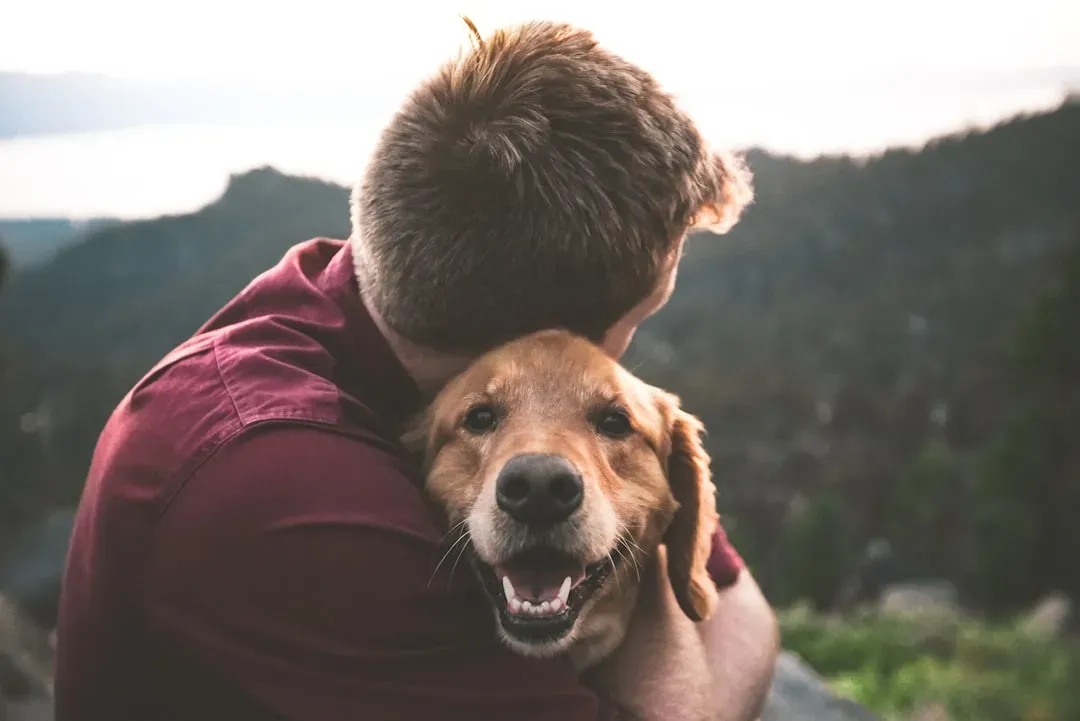
Here’s the thing most new adopters miss – your dog is talking to you constantly. Dogs communicate primarily through body language and behavior. A scared or stressed dog may lower their head, pant, lean away, flatten their ears against their head, lick their lips, show the whites of their eyes, tuck their tail, or lift their paw. If your dog is showing these signs, give them space.
Think of it like this: if a friend showed up to a party and immediately started hugging strangers and making loud eye contact, you’d think it was a lot. Dogs feel the same way. When we meet another person, we look them in the eyes and often offer a handshake or a hug. However, these behaviors can be intimidating or seen as a challenge in dog language. The most dog-friendly way to interact with an unfamiliar dog is to allow them to come to you when they choose, avoid direct eye contact, and avoid looming over them.
Shy or worried dogs will often engage in what are called avoidance behaviors – things a dog will do to indicate to the person or dog that they are uncomfortable and want to avoid interaction or confrontation. These include turning their head, licking their lips, and averting their eyes. Once you see these signals, you cannot unsee them. And honestly, that knowledge transforms everything.
The Decompression Phase: Patience Is Your Superpower
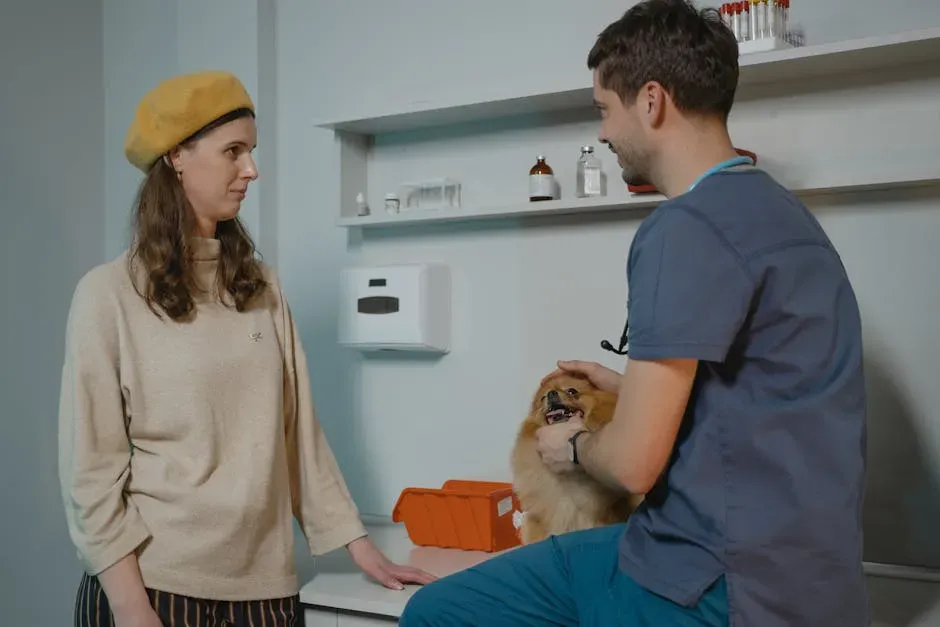
Adopting a difficult dog is not a sprint. It is a slow, beautiful marathon. A new environment can be a scary place. Your new dog may be feeling overwhelmed or may try to test boundaries to settle into their new home. Creating a healthy relationship means giving them space to learn the ropes. Think of it as letting someone find their footing in an unfamiliar country before asking them to give a speech.
Establishing a consistent daily routine helps reduce anxiety by providing predictability. Regular feeding times, walks, play sessions, and bedtime routines can make your dog feel more secure. I know it sounds simple, but routine is genuinely one of the most powerful tools you have. It tells your dog: this world is safe, and good things happen here regularly.
The best possible strategy is to let the dog go at their own pace. Any kind of pressure or coercion to make contact usually makes things worse. Let the dog hide if they need to, investigate things, and come to you when they feel ready. That first time they come to you on their own terms? Worth every moment of waiting.
Training a Difficult Dog: What Actually Works

The only way to bring about true behavioral change in a reactive dog is with science-backed, positive reinforcement training. The goal is to shift your dog’s association with the trigger by pairing it with something positive, usually food. It’s not magic, but it genuinely works – and watching a once-panicked dog stay calm near their trigger for the first time feels incredible.
All dogs benefit from positive reinforcement training, but reserved dogs in particular require the confidence boost that comes with this science-backed methodology. Avoid using any training methods that employ harsh verbal or physical corrections, especially those involving tools such as choke, electric, or prong collars. Training should always be a fun, positive experience for your dog.
The best thing for a fearful dog is to expose them to what frightens them, but at a milder intensity and combined with a fun or positive association. A dog who is afraid of children might start to feel more comfortable if they regularly see children, but at a distance where they don’t feel too worried. Gradually closing that distance, on your dog’s terms, is how breakthroughs happen.
Consider your dog’s health: sudden or escalating reactivity may mean that a dog is dealing with undiagnosed health issues, such as pain or reduced vision. Always rule out a medical cause first. Pain changes everything, and a vet check is never a waste of time.
The Loyalty That Makes It All Worth It
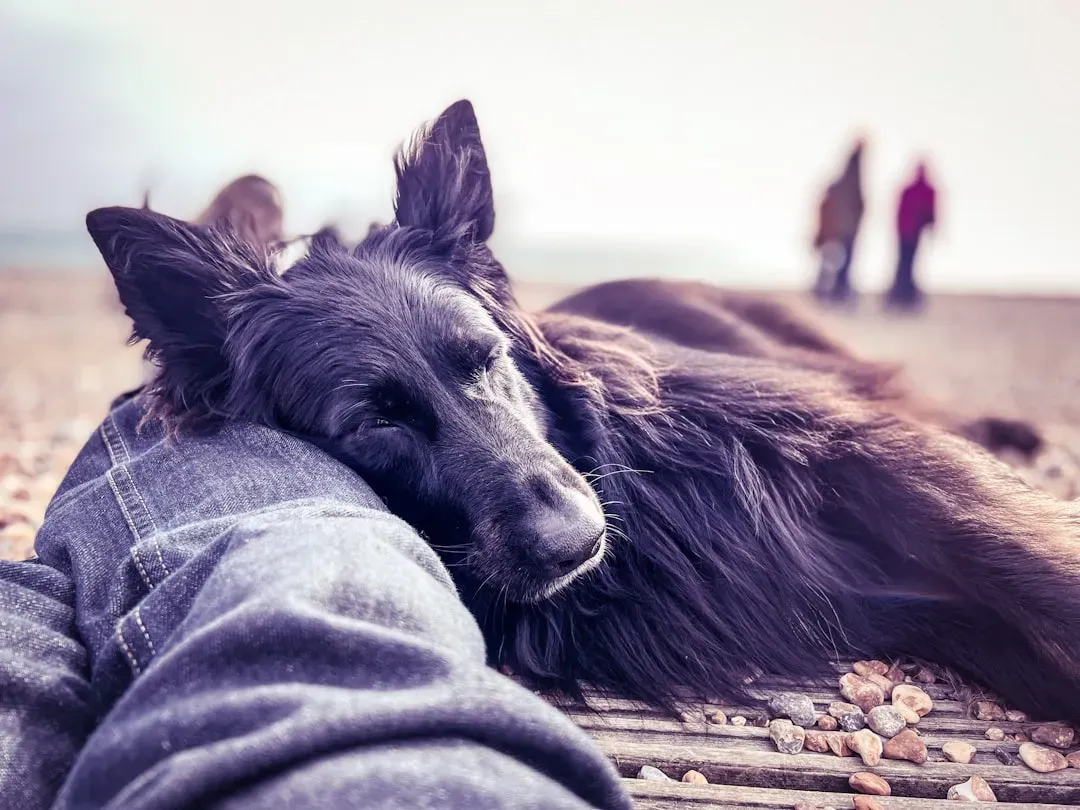
Now for the part nobody tells you enough about. The love and attachment of a dog are often pure, and dogs may continue to love their humans despite potentially difficult circumstances. When a difficult dog finally feels safe with you, the bond that forms is unlike anything else. It is deep, deliberate, and deeply earned on both sides.
The simple act of petting a dog releases oxytocin, a hormone associated with relaxation and bonding, fostering emotional resilience in humans. That is science confirming what every rescue dog owner already knows in their bones. To your loyal dog, your family is their pack and they have adopted you as their own. Loyalty in a pack is crucial.
Research even shows that when a dog observed a stranger refuse to help their guardian, and that stranger then offered the dog a treat, the dog was more likely to choose the treat from the kind or neutral stranger and ignored the one who wouldn’t help their guardian. That is not just instinct. That is loyalty operating at a level that honestly puts some humans to shame.
Conclusion: Choose the Dog That Chooses You Back
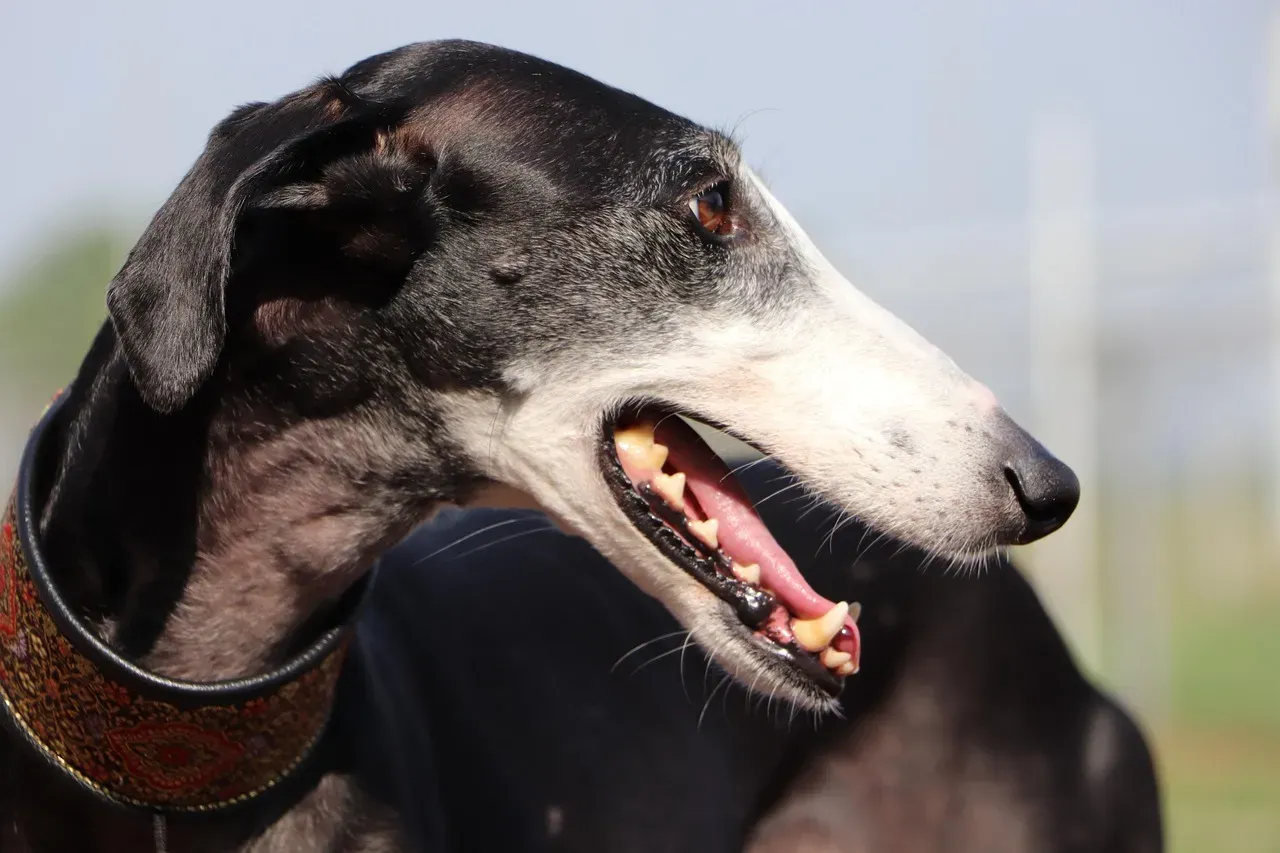
Difficult dogs are not broken dogs. They are dogs with histories, sensitivities, and an enormous capacity for trust – trust that they have simply not yet extended to the world. When they extend it to you, there is nothing quite like it.
By adopting an anxious dog, you’re giving a home to a pet who might otherwise struggle to find one. This act of kindness can be deeply fulfilling, because you’ve made a significant positive impact on their life. The road may take longer. There will be setbacks. There will be days you question yourself.
Still, the morning your once-trembling dog rolls over for a belly rub, or your reactive pup walks calmly past a trigger that used to send them into a spiral – that is a moment you carry with you forever. In the hands of a patient and caring owner, a shy dog can be a great companion and can make gains in confidence over time. Choose patience. Choose empathy. Choose the dog in the back of the shelter who hasn’t chosen anyone yet. They might just be waiting for you.
What do you think – have you ever adopted a “difficult” dog and been completely surprised by what you got in return? Share your story in the comments. We’d love to hear it.


