
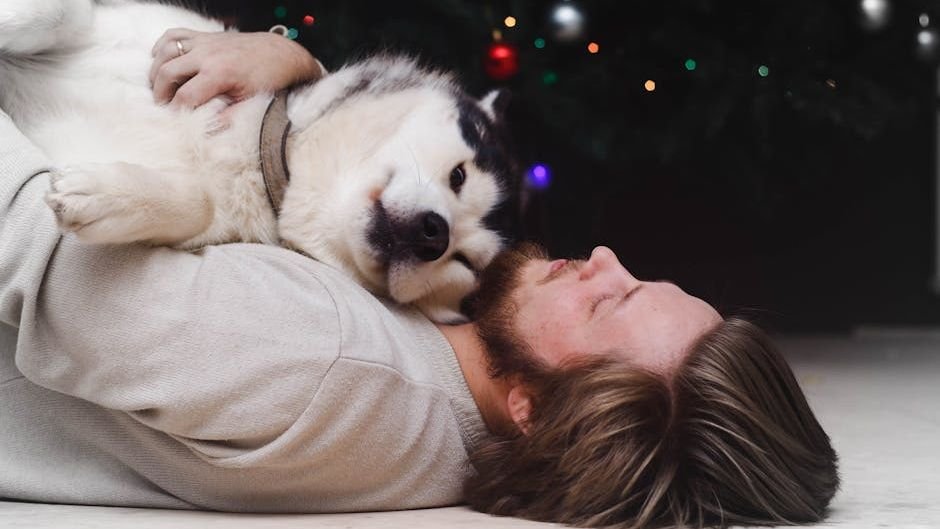
Picture this: It’s midnight, you’re finally drifting off to sleep, and then you feel it. A warm, furry weight pressing against your leg. A paw draped across your arm. Maybe even a snout resting directly on your chest. Sound familiar? If you share your life with a dog, chances are you’ve experienced this – probably every single night.
Here’s the thing, though. Most of us smile, shift slightly to make room, and think nothing more of it. But that simple act of your dog needing ? It’s one of the most meaningful things they’ll ever do. It’s not random. It’s not just about stealing the blankets. There’s real science, real emotion, and real instinct packed into that little nudge. Let’s dive into what your dog is truly trying to tell you.
It Goes Back to the Wild: The Pack Instinct Runs Deep
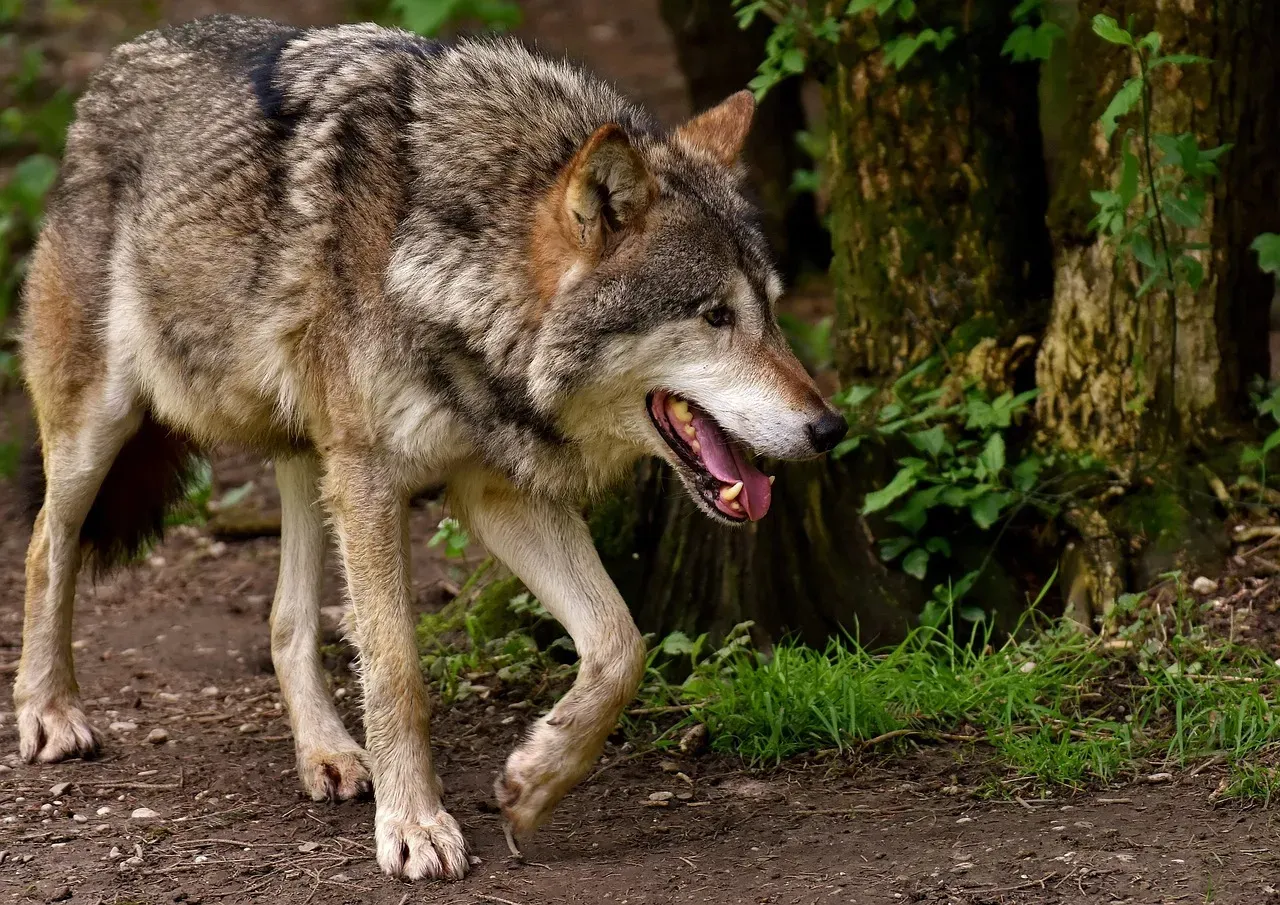
Forget everything you think you know about dogs being “just pets.” At their core, they are pack animals with thousands of years of instinct wired into their DNA. Dogs are descendants of wolves, which are highly social pack animals. In the wild, wolves sleep close together to regulate body temperature, foster social bonds, and offer protection. That’s not ancient history for your dog. That’s Tuesday night.
Your dog sees you as part of its pack and wants to remain close, even in sleep. This close contact reinforces their feeling of safety and companionship. Think of it like this: you are their tribe, their crew, their whole world. Sleeping apart from you would feel as strange to them as you sleeping in a field alone would feel to us.
This may be explained by dogs’ natural instincts to shelter together, coming from what we know about wolves and wild dogs. Cozying up in dens was a way to guarantee a certain level of protection, security, and warmth. It provides them with a reliable place to lay their head and sense safety. So the next time your dog presses up against you at 2 AM, know that they’re following an ancient, deeply powerful urge. You’re their den.
It’s Love, Pure and Simple: The Emotional Bond Behind the Behavior
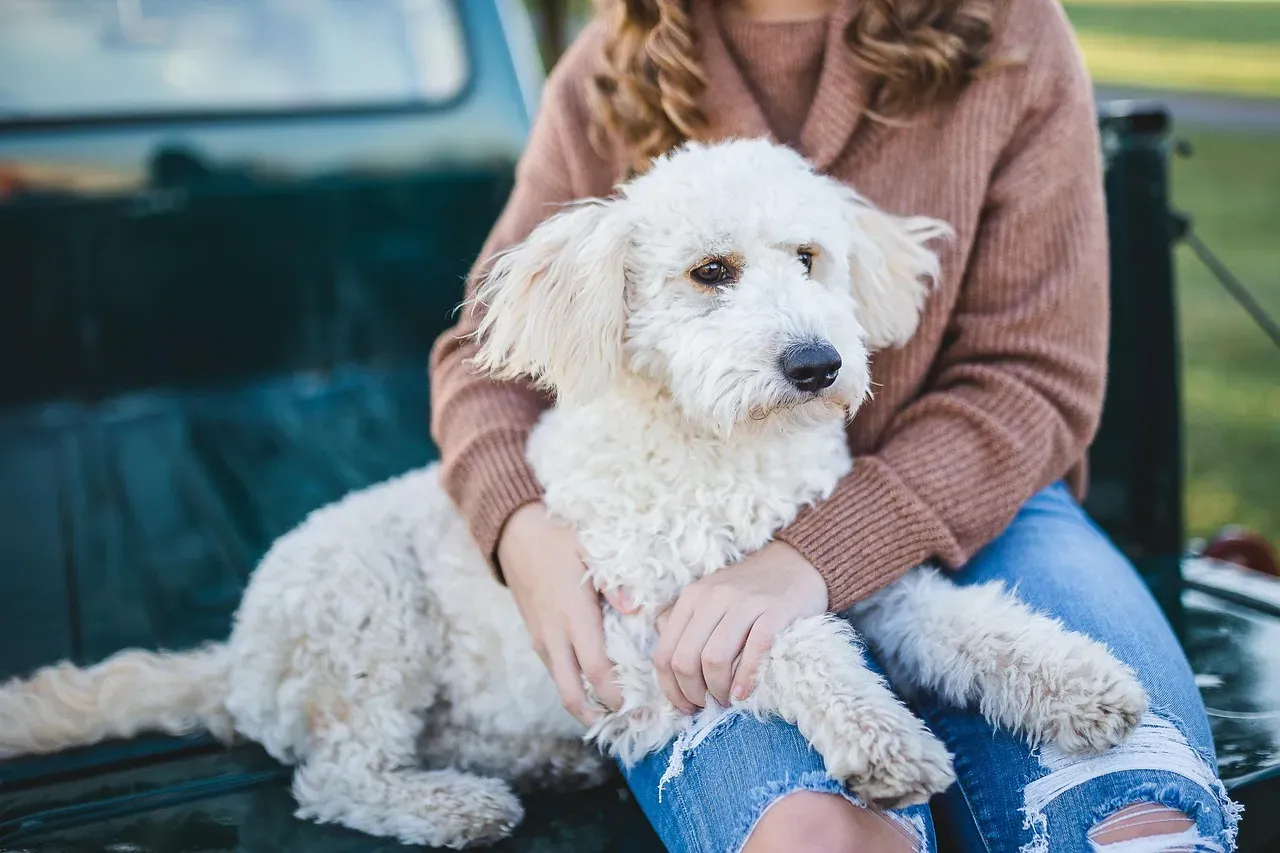
Honestly, sometimes the simplest explanation is the right one. Your dog likely sees you as their primary source of comfort and love. Sleeping while touching you is a powerful demonstration of that bond. It’s their version of holding your hand.
Dogs form deep emotional attachments to their owners and seek closeness to reinforce that connection. Resting against you shows that your dog feels safe and trusts you completely. Much like how a child cuddles a parent, your dog uses touch to express love and familiarity. I think that comparison hits home for a lot of us. That sleeping-against-you thing? It really is that tender.
Just like humans, physical contact releases oxytocin, the “love hormone,” which promotes feelings of trust and reduces stress. Your presence and touch can have a calming effect on your dog, helping them to relax and drift off into a restful sleep. So the love is literally chemical. Your dog isn’t being clingy. They’re being loving in the most primal, biological way possible.
Your Scent Is Their Security Blanket: The Power of Smell During Sleep
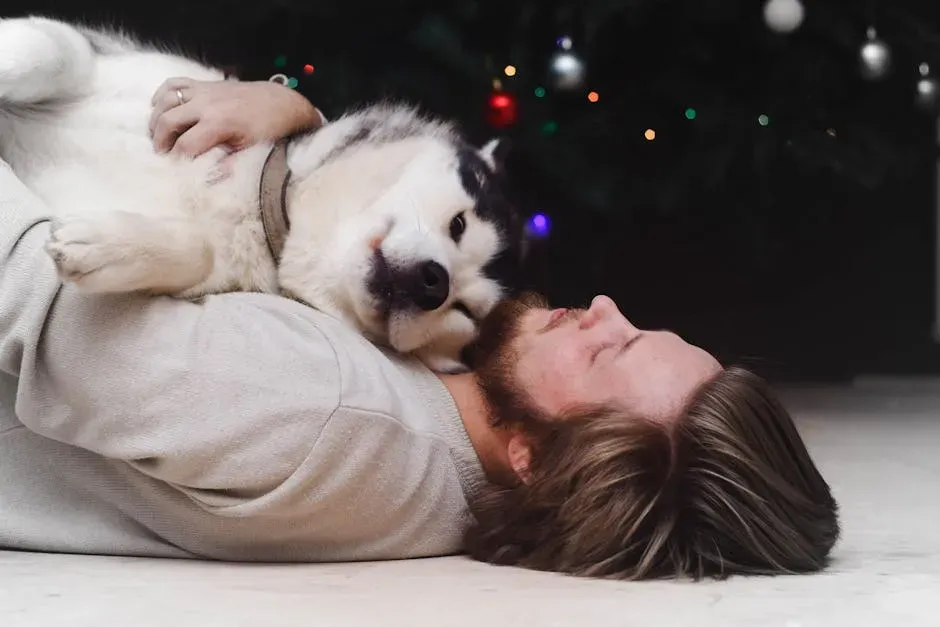
We often underestimate just how powerful a dog’s nose really is. Dogs have a strong sense of smell and they are comforted by your scent. When they touch you during sleep, they are often surrounding themselves with a familiar and reassuring smell. This makes them feel calm and in a secure environment. It’s the olfactory equivalent of a lullaby.
Dogs have a strong sense of smell and they are comforted by your scent. When they touch you during sleep, they are often surrounding themselves with a familiar and reassuring smell. This makes them feel calm and in a secure environment. Imagine being wrapped in the smell of someone who has never let you down. That’s what your dog feels every time they press their little nose into your side at bedtime. No wonder they sleep so soundly.
This is also why dogs often gravitate to your pillow or your side of the bed even when you’re not there. The pillow is cushier than the mattress, and it has your scent. Their brain pleasure centers are stimulated by the owner’s scent. You, my friend, are basically aromatherapy for your dog.
When Touching Becomes a Warning Sign: Spotting Anxiety Behind the Cuddle
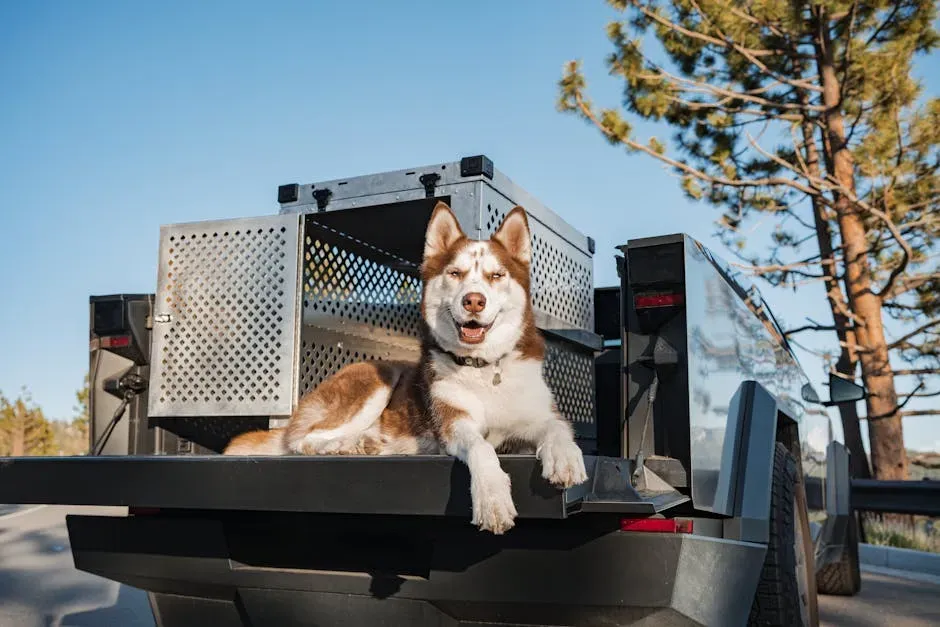
Let’s be real. Not every dog who sleeps touching you is doing it purely out of joy. Sometimes, that need for contact is a signal that something deeper is going on. Another possible reason for your dog’s constant touching during sleep could be separation anxiety. If your pet exhibits clingy behavior throughout the day or becomes excessively anxious when apart from you, it may manifest at bedtime too.
Dog parents should also ensure that the reason their dog sleeps on them is not due to separation anxiety, hyper-attachment or resource guarding. Some dogs have separation anxiety, which means they feel anxious when away from their owners. This may cause dogs to follow their owners around, and could be why your dog sleeps so close to you. Dogs can also be hyper-attached to their owners as a result and may have an underlying fear of abandonment.
Senior dogs or dogs with anxiety may sleep touching you more frequently. They may experience joint pain, blindness, or cognitive decline that leads them to crave stability and assurance. Being physically close can help reduce their stress levels and improve their sleep quality. Watch the pattern. If your dog is suddenly clingier than usual, or seems distressed when separated from you during the day, it’s worth a conversation with your vet.
How to Respond: Setting Loving Limits Without Breaking the Bond

So what do you do if your dog’s midnight cuddles are disrupting your sleep? You absolutely don’t have to feel guilty about setting some boundaries. The key is doing it with kindness. Generally speaking, if you’re comfortable with it, there’s no harm in letting your dog sleep while touching you. However, if it disrupts your sleep or you want different boundaries, gentle training can help.
The best way to teach your dog certain behaviors is with positive reinforcement training. This is used to encourage your dog to behave the way you want simply by providing a reward when he behaves that way. You can do this by making the sleeping location for your dog comfortable. Get your dog to the location, and whenever he stands there, you reward him with praise or a treat.
If your pet’s touch disrupts your sleep, gently guide them to their own bed nearby. Provide comfort items, like a blanket or shirt that smells like you, to help them feel safe alone. This way, you honor their emotional needs while still reclaiming your space. It’s not about rejection. It’s about balance, and your dog can absolutely learn that difference with consistency and love.
Conclusion: That Paw on Your Leg Means More Than You Think
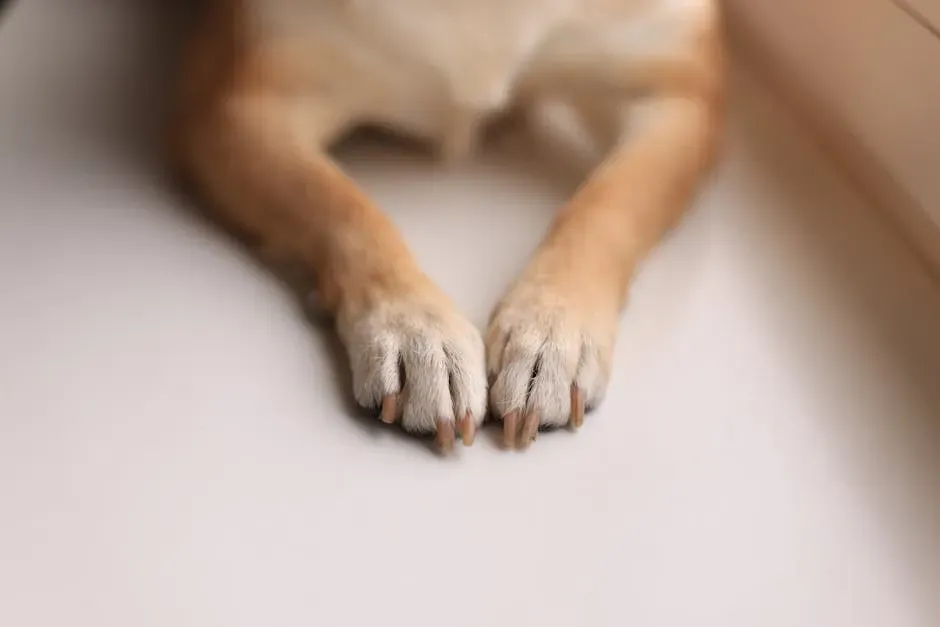
When your dog inches toward you in the night and settles in with a warm sigh, they’re not being annoying. They’re not being dramatic. They’re communicating something that no bark or tail wag can fully express. They trust you completely. You are their safe place, their family, their whole universe.
Understanding why your dog needs that physical connection during sleep doesn’t just make you a more informed pet owner. It makes you a more empathetic one. It shifts the way you see those midnight nudges from inconvenience to invitation. An invitation into the deepest kind of trust an animal can offer a human.
So the next time you feel that warm weight press against you in the dark, maybe don’t move away quite so fast. That little dog has chosen you, out of the entire world, to be their safe harbor. Honestly, is there any greater compliment than that? What does your dog’s nighttime cuddling style say about your bond? We’d love to hear about it in the comments below.


