
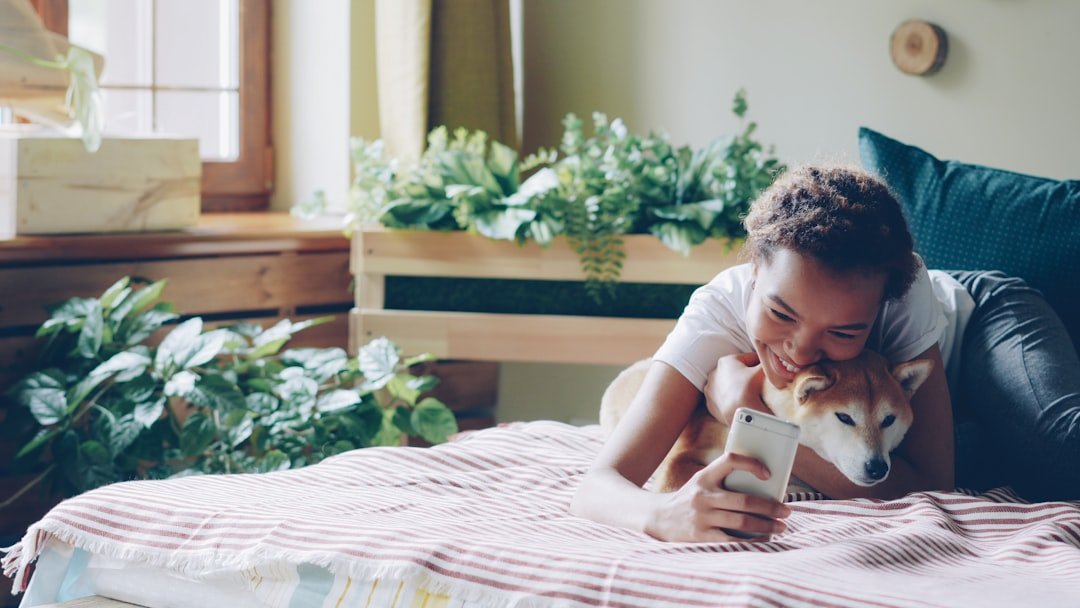
Have you ever noticed how your dog somehow always ends up curled next to the same person on the couch? Or maybe you’ve watched in mild disbelief as your dog completely ignores you to go absolutely wild for your partner the moment they walk through the door. It’s not a coincidence, and honestly, it’s not personal either. Dogs have a deeply wired, emotionally rich way of deciding who their favorite human is, and the science behind it is more fascinating than most people realize.
There’s a real, living psychology at work inside that wagging, nose-sniffing, tail-spinning creature. It involves early memories, emotional cues, daily routines, and even the unique way you smell. Understanding this bond can completely transform the way you connect with your dog. So let’s dive in.
It Starts Earlier Than You Think: The Role of Early Socialization
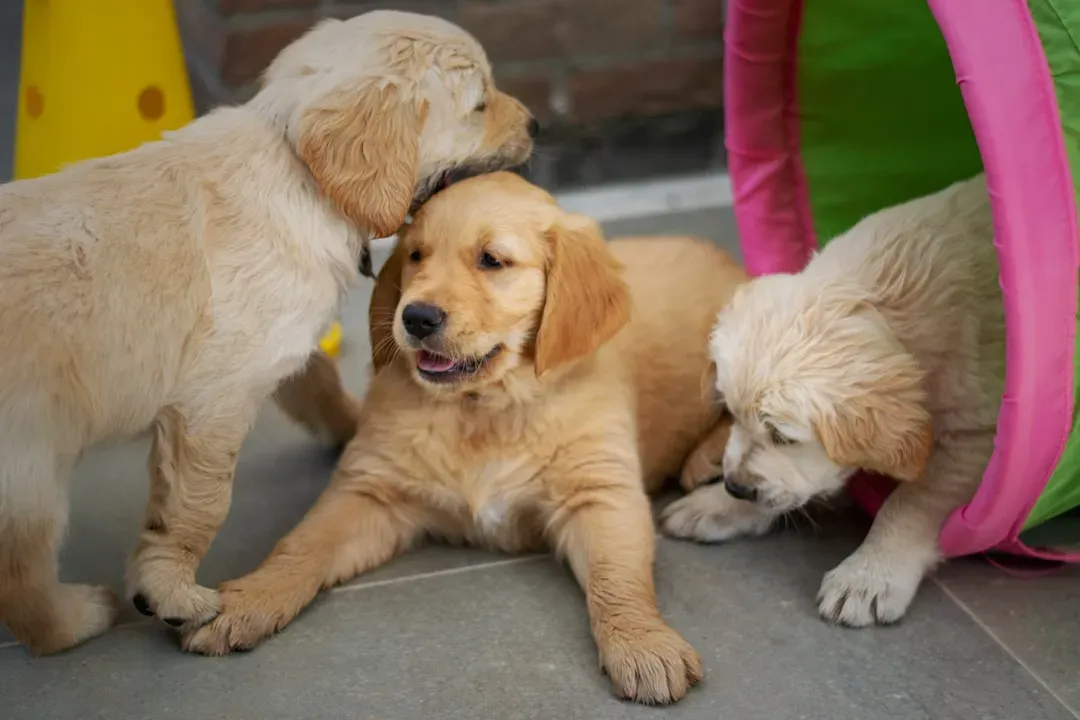
Here’s a wild thought. Your dog may have already started forming preferences before they ever set paw in your home. From weeks seven to twelve, puppies are primed to learn about the larger world, including people and how to interact with them. They even form deep attachments during this time. It’s the latter part of this phase when you are most likely to make an everlasting impression on your pup.
Early association in those first six months can influence who a dog may like better later on. Research backs up the claim that the first six months are especially crucial in determining who will become the dog’s favorite person later in life. Think of it like a puppy’s first emotional blueprint.
But what if you get your dog later in life, well past that initial rapid learning phase? With dogs, even older ones, there’s some flexibility around when learning occurs and when social bonds can be made. So don’t lose heart. It’s never truly too late.
Research also suggests that if a dog has been rehomed and their previous owner was male, they tend to bond more quickly with another male. Dogs carry emotional memory, and those early templates shape who feels safe to them for years to come.
Trust Over Treats: What Dogs Are Really Looking For in a Human
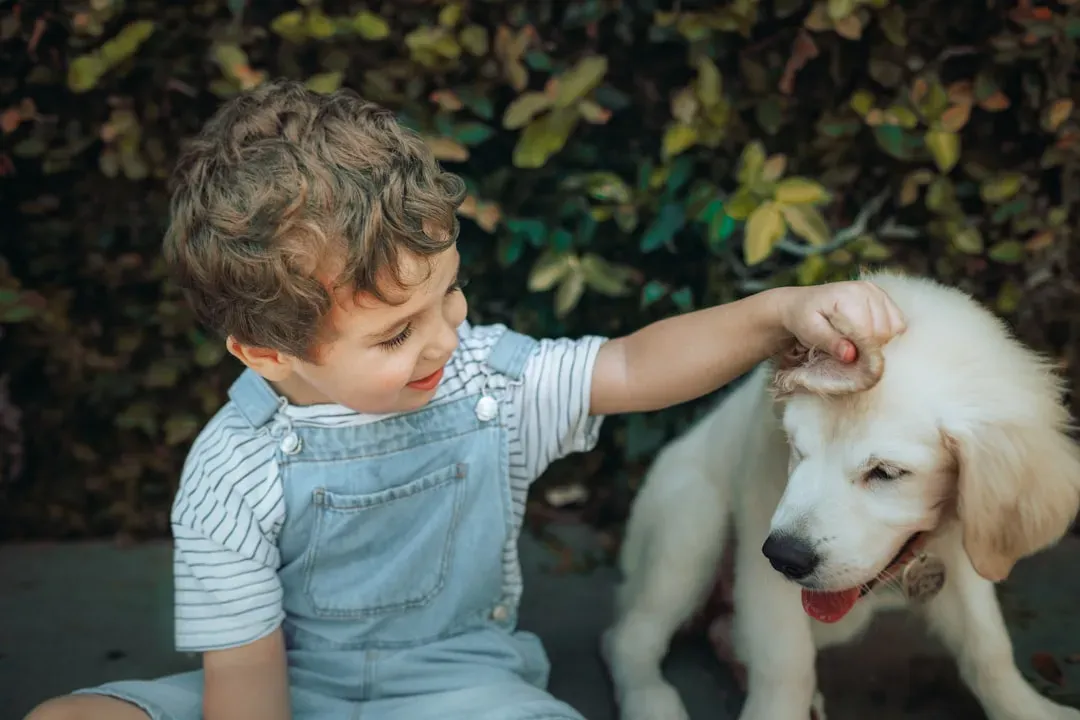
Let’s be real. Most of us assume that whoever feeds the dog gets to be the favorite. That’s not quite the whole story. The person who regularly provides meals, treats, walks, and playtime is often a strong contender for favorite status. However, it’s not just about meeting physical needs. Dogs bond most strongly with humans who engage them in activities they enjoy, whether that’s playing tug-of-war, going on adventures, or simply providing calm, comforting presence during stressful situations.
Research in animal behavior suggests that dogs form attachment bonds similar to those seen in human infants. Studies using “secure base” testing show that dogs explore more confidently when their trusted human is present. When separated from that person, stress indicators increase.
Dogs do not simply choose the loudest or most playful person. They gravitate toward the individual who feels steady. Think of a calm lighthouse in a storm. That kind of steady, predictable energy is deeply magnetic to a dog.
The quality of attention matters more than quantity for many dogs. A person who provides brief but highly engaging interactions throughout the day often outranks someone who spends more total time but offers less focused attention. Dogs can actually distinguish between distracted, half-hearted interactions and genuine, enthusiastic engagement.
The Science of the Sniff: How Your Scent Seals the Deal
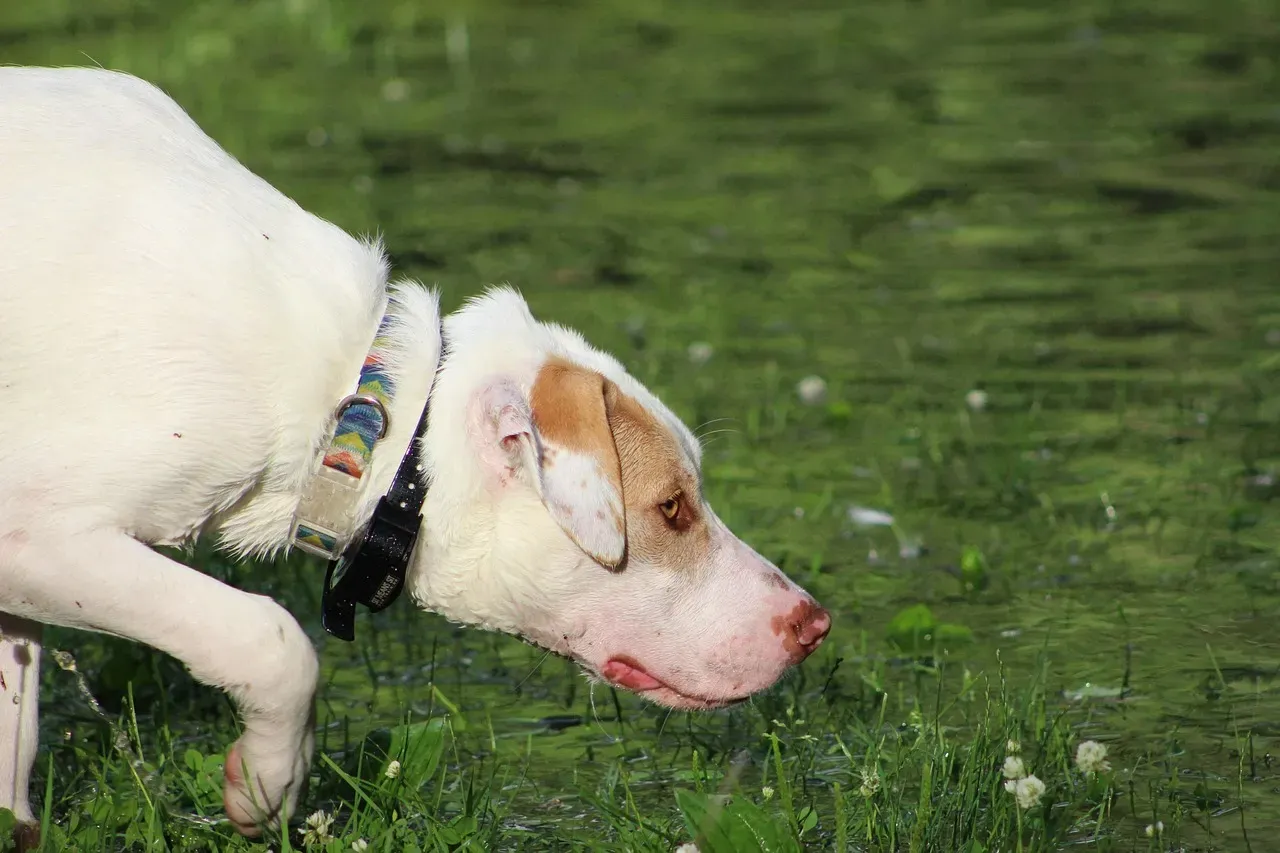
Honestly, this one still blows my mind every time I think about it. Your dog knows you by your smell in a way no human ever could. One of the most significant ways s is through their extraordinary sense of smell. Dogs have approximately 220 million scent receptors compared to a human’s five million, making their olfactory capabilities remarkable. They can pick up on various scents, including hormonal changes and individual scents associated with different people.
A dog can detect subtle odors such as pheromones that humans cannot, thanks to an impressive number of especially strong scent receptors. It’s quite possible that your dog has selected you as their favorite person out of other family members simply because of your smell.
Dogs have a natural instinct to mark their territory, and their favorite humans often become part of it. Through scent marking, such as rubbing against a person or resting on them, dogs express their affection and claim a bond. This behavior demonstrates ownership and comfort, reinforcing the special connection. When a dog feels that a human is part of their territory, they are more likely to view that person as an integral part of their life.
Dogs who are attached to their owners are also very attached to their scent, and may snuggle up with their belongings, particularly extra-stinky ones like clothing and shoes. From a dog’s perspective, scent is one of their primary means of communication, and your belongings communicate home, attachment, and love. So the next time your dog steals your hoodie, take it as the highest compliment.
The Telltale Signs: How Your Dog Shows You’re the One
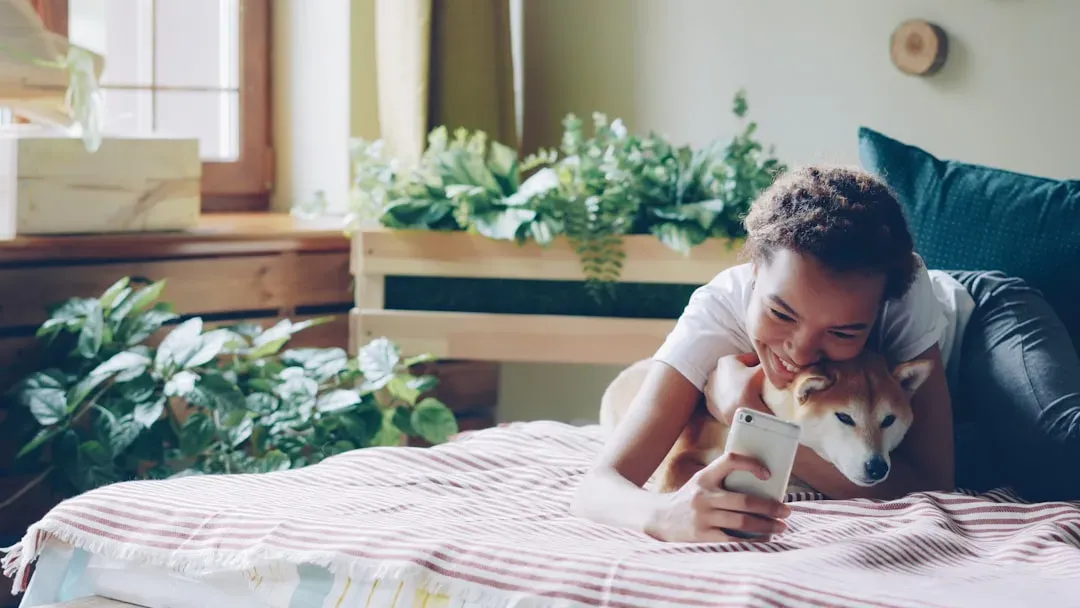
So how do you actually know if you’ve made the cut? Dogs can’t exactly send you a text saying “you’re my person.” Dogs communicate their preferences through consistent behavioral patterns that make it relatively easy to identify their favorite person. The most obvious sign is the “velcro dog” behavior, where your pet follows their preferred human everywhere, from room to room, often positioning themselves as close as possible.
One of the most obvious signs of attachment is the enthusiastic, full-body greeting you receive whenever you return home. Your dog may jump, wag their tail vigorously, and even bark out of excitement. Dogs that are emotionally attached to their owners also tend to maintain eye contact, looking at them with soft, relaxed eyes.
Research has shown that dogs and their owners experience a mutual release of oxytocin when they gaze into each other’s eyes. This release of oxytocin occurs in bonded pairs but is significantly less in interactions between unfamiliar dogs and humans. This finding suggests that the bond formed through shared positive experiences and emotional trust results in a physiological response indicative of genuine attachment.
Dogs with strong emotional attachments will be very in tune with their pet parent’s emotions. They can pick up on feelings of anxiety or sadness and will try to provide comfort by nuzzling or licking your face. If your dog has ever pressed their warm head into your lap on a hard day, you already know exactly what this feels like.
How to Become Your Dog’s Favorite Human (Yes, You Can Work on It)
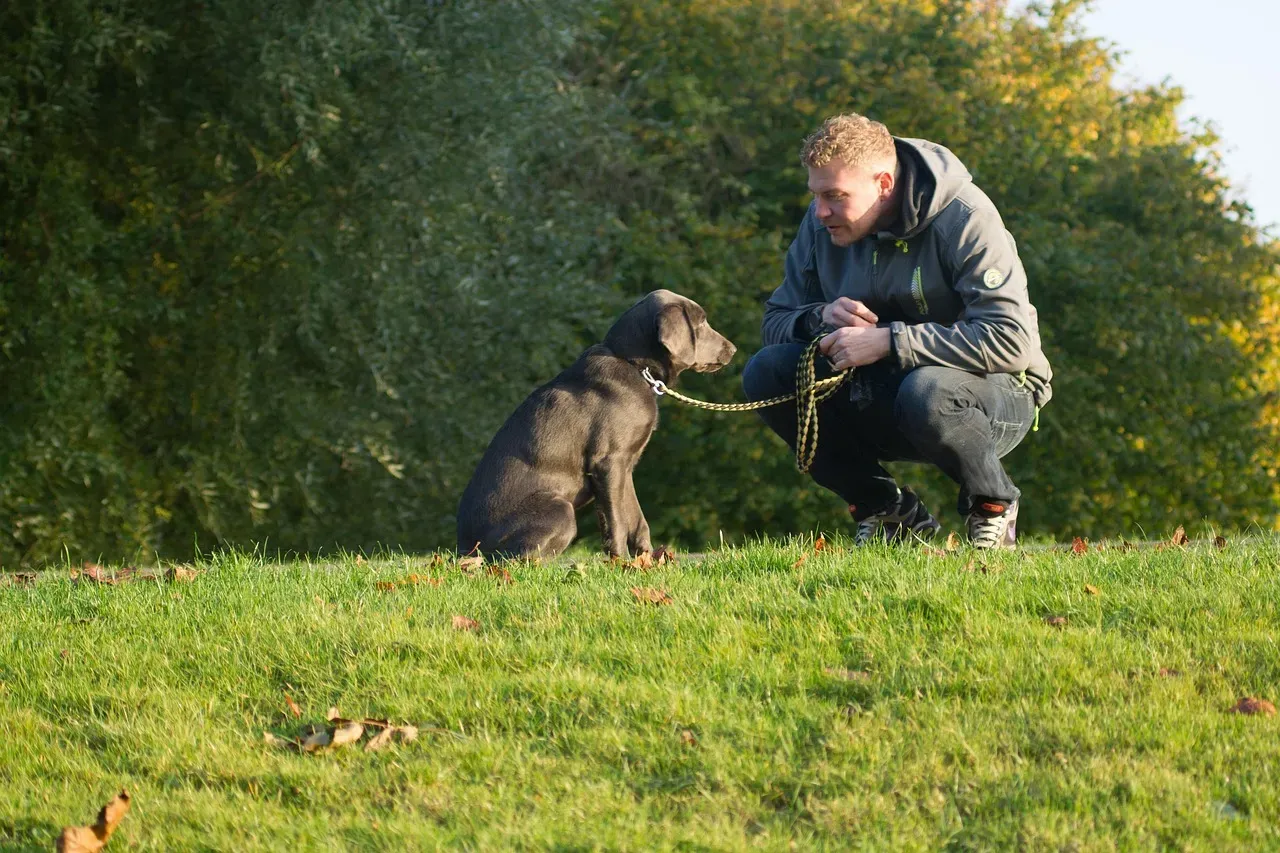
Here’s the good news. Favoritism isn’t set in stone. Favoritism in canines comes down to socialization, attention, affection, association, and personality. With a better understanding of the roles these factors play, owners can potentially become their pet’s number one person. It just takes intention and a little consistency.
Dogs thrive on predictability. Feeding times, walks, play sessions, training expectations, and even bathroom habits create rhythm in their world. The individual who maintains structure becomes the anchor. Routine isn’t boring to a dog. It’s the language of love.
The person who rewards good behavior, initiates play, and reinforces training with clarity creates strong positive neural associations. Reward-based interaction builds partnership rather than fear-based compliance. Over time, that partnership becomes deep attachment.
Dogs are particularly sensitive to the tone of voice used by their humans. A gentle, high-pitched, or soothing tone can signal affection and safety, while a loud or harsh tone may be intimidating. Dogs are more inclined to bond with those who speak to them in a positive manner, reinforcing feelings of happiness and security. Speak to your dog the way you’d want someone to speak to you on your most anxious day. Soft, steady, and kind.
Conclusion: The Bond Is a Living Thing
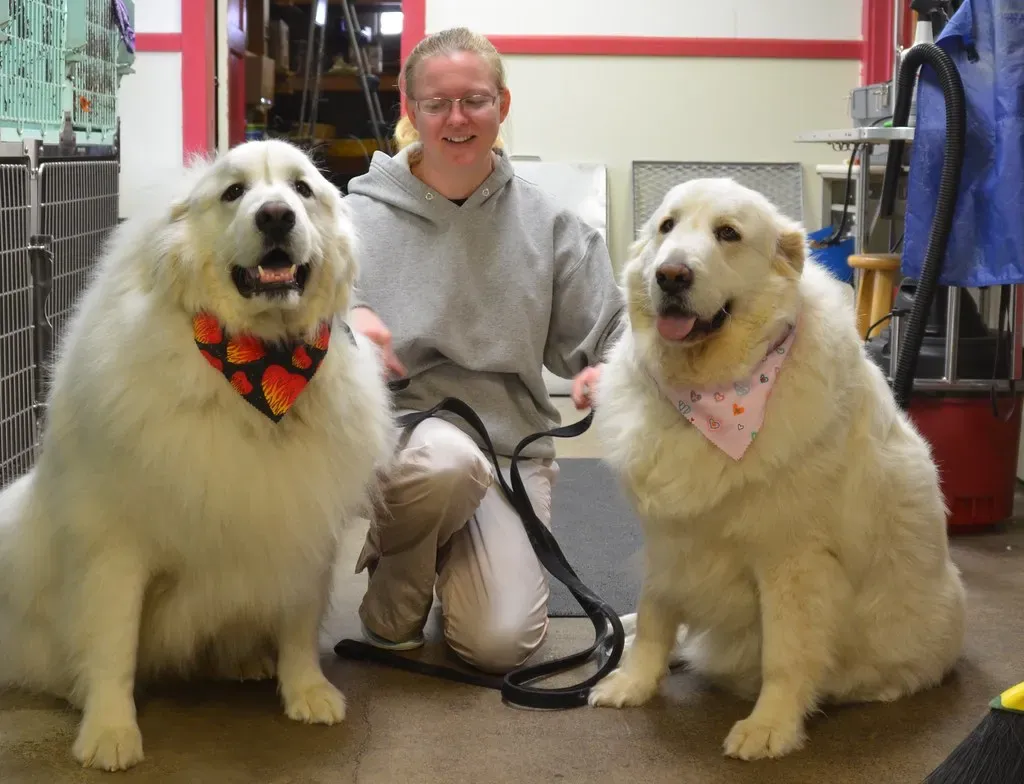
The relationship between a dog and their favorite human isn’t a destination. It’s a living, breathing thing that grows or shrinks depending on how much trust, attention, and genuine care you pour into it. Dogs do not randomly select favorites. They attach to the person who consistently makes their world feel secure.
The beautiful truth is that you don’t have to be perfect. You don’t need to be the most exciting person in the room or the one handing out the most treats. Being your dog’s preferred person is deeply rewarding. It reflects trust earned over time. The goal is not to compete for favoritism. It is to create stability. If you show up daily, calm, predictable, and attentive, you are building exactly the type of relationship dogs instinctively gravitate toward.
So next time your dog presses their head against your knee, follows you to the kitchen for absolutely no reason, or just stares at you with those soft, knowing eyes, remember: they chose you. Not by accident. By heart.
What does your dog do that makes you feel like their favorite person? Share it in the comments. We’d love to hear it.


