
Picture this: the grandkids burst through the front door on a Saturday afternoon, shrieking with laughter, chasing each other down the hallway, banging toy drums, and doing what kids do best – being wonderfully, gloriously loud. It’s chaos, it’s joy, it’s love. For most of us, it’s the best sound in the world.
For some dogs, though? It’s a nightmare.
Not every breed is built for that kind of energy. Some dogs are wired so sensitively that a single squeal can send them spiraling into a trembling, hiding, sometimes snapping version of themselves. Sudden, loud noises are one of the most common triggers for fearful behaviors in dogs, and many companion dogs suffer from noise sensitivity. Choosing the wrong breed for a home that fills up with noisy grandchildren – even occasionally – can mean a stressed dog, a worried grandparent, and honestly, an unsafe situation for everyone involved.
So let’s talk about the 10 breeds you might want to think twice about before bringing home to a loud, lively household. This isn’t about shaming any breed. Every dog on this list is wonderful in the right environment. It’s about making the best possible match for both the dog and the family you love. Let’s dive in.
1. Chihuahua: Big Feelings in a Tiny Body
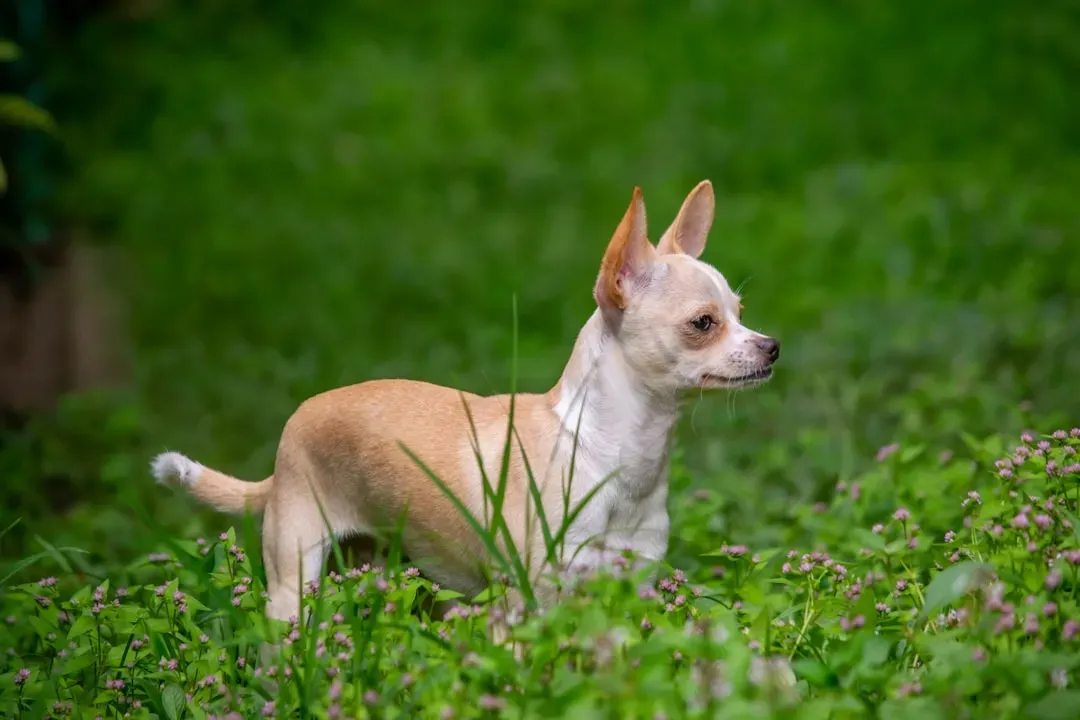
Here’s the thing about Chihuahuas – they look like they’d be the perfect lap companion for a grandparent’s home. Small, cute, low-maintenance on the surface. But their inner world is enormous and extremely reactive. Despite their small size, Chihuahuas have big personalities. They are lively and affectionate and often exhibit a joyful exuberance that can light up any room. Chihuahuas form strong bonds with their owners, but their small stature also makes them more susceptible to anxiety.
Their sensitivity to their surroundings makes them easily stressed by loud noises or chaotic settings. Additionally, because they are so bonded to their owners, Chihuahuas can develop severe separation anxiety. When grandchildren come tumbling in, a Chihuahua may bark relentlessly, tremble in a corner, or worse – snap out of fear. Despite their bold personalities, Chihuahuas are prone to social and separation anxiety and may be shy and timid around new people, barking excessively when nervous.
Prevention tip: If you already have a Chihuahua, create a quiet retreat room they can access at any time – completely off-limits to the grandkids. Think of it as their personal sanctuary. It won’t eliminate the stress, but it gives them somewhere safe to decompress.
2. Border Collie: The Genius Who Can’t Switch Off
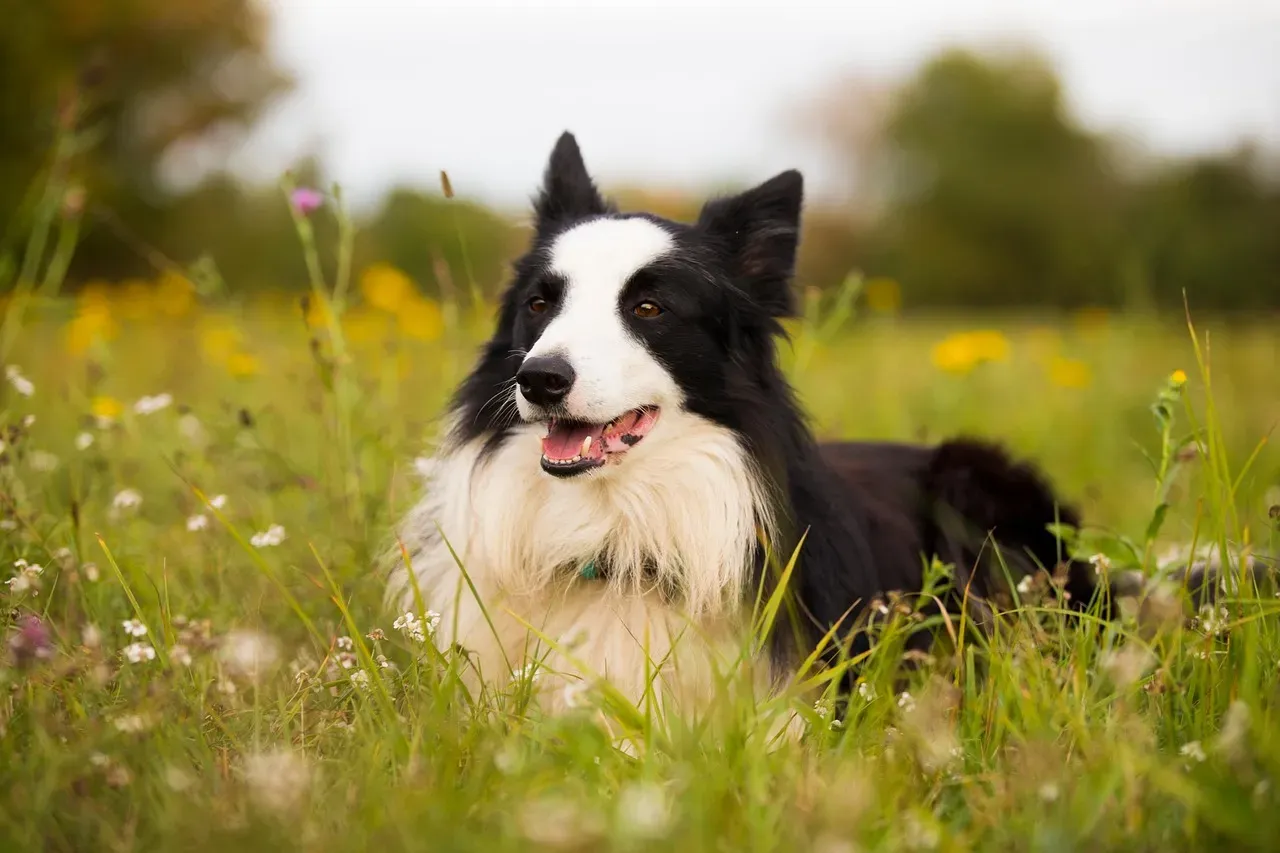
Border Collies are breathtakingly smart. Honestly, sometimes they feel more like a roommate than a pet. Border Collies are among the smartest dog breeds, and their intelligence can sometimes be a double-edged sword regarding anxiety. These high-energy dogs thrive on mental and physical stimulation, and without enough exercise or activities, they can become anxious or frustrated.
Border Collies’ keen awareness of their environment can lead to stress when they’re in unfamiliar or chaotic situations, because loud noises or sudden changes can feel overwhelming. This breed often needs to feel in control of their surroundings, and when things feel out of order, it can be a cause of anxiety. In turn, this can manifest as obsessive behaviors like chasing cars or trying to herd children.
Imagine a Border Collie trying to “herd” your squealing grandchildren across the living room. It sounds funny, but it involves nipping at heels, intense eye-stalking, and real stress for everyone. These dogs need a calm, structured environment, not a weekend playgroup. Their brilliance genuinely works against them here.
3. Australian Shepherd: The Herder Who Never Clocks Out
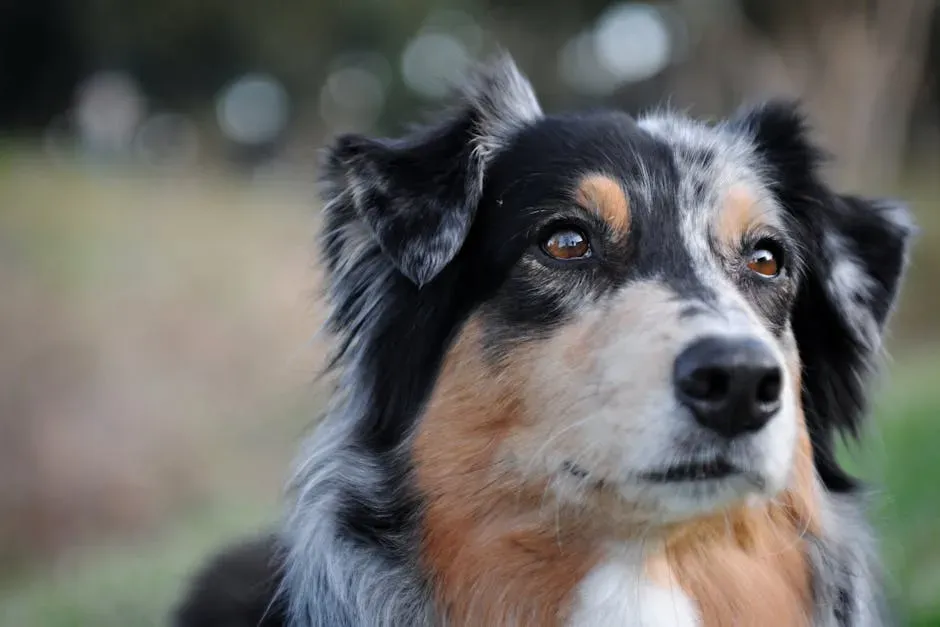
Australian Shepherds are strikingly beautiful and deeply loyal. They’re also one of the most emotionally intense breeds you can own. Bred to be highly alert and responsive, Australian Shepherds are naturally sensitive to their environment. While this trait is advantageous on a farm, it can lead to anxiety in overstimulating environments. Noisy or crowded spaces can overwhelm Australian Shepherds, causing them to become anxious and stressed. Their acute senses make them more reactive to loud noises, sudden movements, and chaotic situations.
Like Border Collies, Australian Shepherds have strong herding instincts inherited from their history of working with livestock. If these instincts are not fulfilled through adequate exercise and herding-like activities, Australian Shepherds may attempt to herd family members, children, or other pets. This behavior is a manifestation of their need to control and organize their environment, which can lead to anxiety and stress if not properly managed.
Think of an Aussie’s brain like a high-performance sports car engine. In the right setting, it’s incredible. In a traffic jam of screaming kids and dropped toys, it overheats fast. This is a breed that thrives with dedicated handlers, not occasional chaos.
4. German Shepherd: Loyal Protector With a Nervous Side
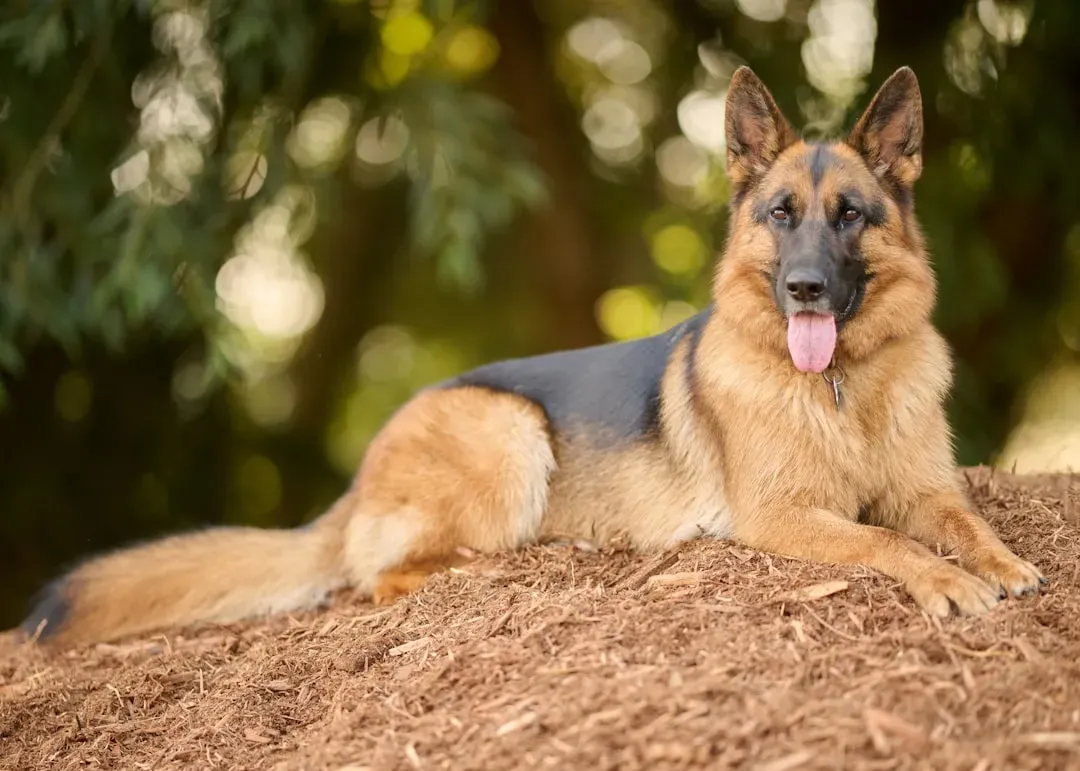
German Shepherds are magnificent dogs. They’re one of the most versatile, intelligent, and devoted breeds on earth. Despite their impressive capabilities, German Shepherds can be prone to anxiety. Their protective nature, deep attachment to their owners, and need for mental stimulation all contribute to their susceptibility to anxiety. Add a group of unpredictable grandchildren to the mix, and that protective nature can easily tip into high alert.
German Shepherds are high-energy herding dogs who love having a job that lets them use their brain and body. They thrive on consistency, so being thrown off their routine may result in anxious behaviors such as pacing and door-scratching. A child’s sudden shriek or the crash of a toy can trigger a herding or guarding response that’s alarming to witness, even if no harm is intended. German Shepherds are not a suitable dog breed for beginner dog owners.
5. Cocker Spaniel: Sweet Soul, Fragile Nerves

Few dogs wear their heart on their sleeve quite like a Cocker Spaniel. Those soft, floppy ears and soulful eyes melt hearts for good reason. Known for their gentle disposition, expressive eyes, and beautiful, wavy coats, Cocker Spaniels quickly transitioned from field work to being beloved family pets. Their affectionate and sensitive nature makes them wonderful companions, but it also predisposes them to anxiety.
Even minor disruptions, such as changes in routine or new visitors, can cause significant stress and anxiety in this breed. Their heightened awareness can lead to an increased perception of potential threats or instability, manifesting as nervousness or anxious behaviors. This sensitivity also means they are more likely to be affected by sudden loud noises or harsh treatment. Noisy grandchildren don’t mean to overwhelm the family dog – they just do, and a Cocker Spaniel has very little emotional buffer against it.
6. Chihuahua-Adjacent: The Yorkshire Terrier (Yorkie)

Yorkies are feisty, charming little dogs who are deeply loved by millions of dog owners around the world. Yorkies are tiny with big feelings, and nonstop noise can make them reactive. They may bark at movement or guard laps when overstimulated. If you’ve ever watched a Yorkie fixate on a child running past, you know that laser-focus can escalate fast.
Toy breeds like Yorkshire Terriers and Chihuahuas can be particularly prone to anxiety. Their small size may make them feel more vulnerable, and their heightened senses might amplify the perceived threat. Grandchildren who naturally reach down to grab or hug a small dog can trigger a fear response that results in snapping or biting. It’s not aggression out of malice – it’s terror. Calm routines, gentle training, and structured enrichment keep their sharp minds busy without tipping into chaos.
7. Chow Chow: Regal, Reserved, and Easily Overwhelmed
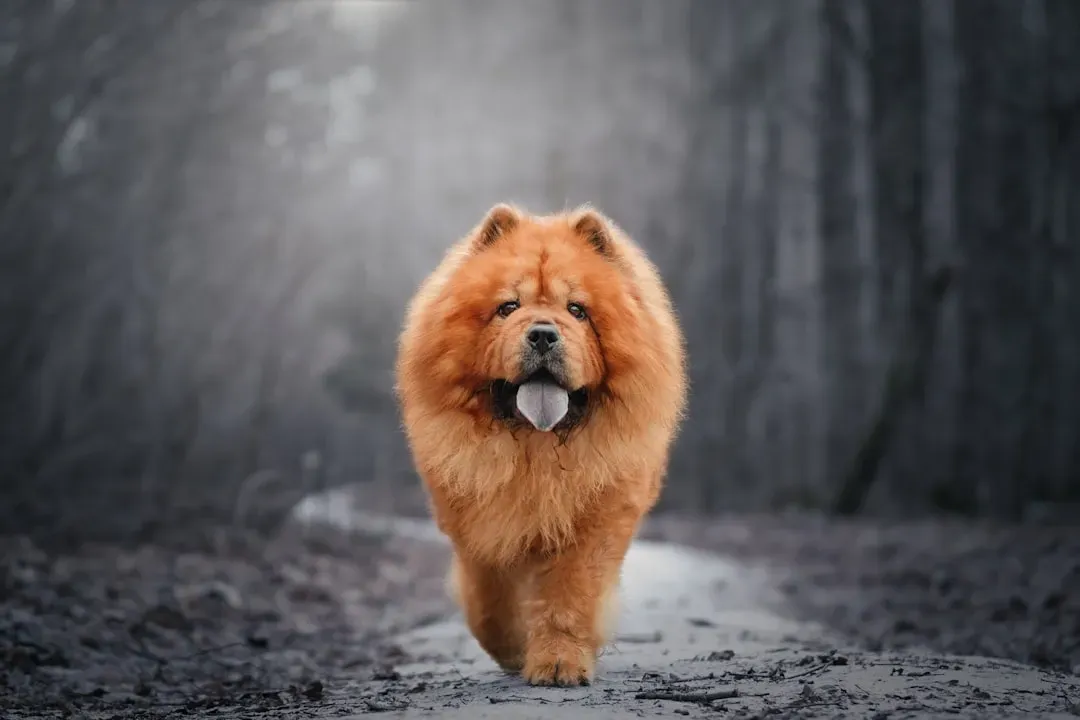
Chow Chows look like walking teddy bears, which makes grandchildren absolutely desperate to cuddle them. The problem is, Chow Chows didn’t exactly get the memo about being cuddle toys. Independent and aloof, Chow Chows bond closely with one person and can be indifferent to others, including children. Their need for space and quiet, combined with a tendency for dominance, makes them less suited to the unpredictable nature of family life with kids.
Independent breeds, such as Chow Chows, may display anxiety related to a perceived lack of control or predictability in their environment. When a group of loud grandchildren disrupts their carefully maintained calm, Chow Chows don’t adapt graciously. The biggest issue with Chows is that they take their loyalty to another level and do not mesh well with strangers or with other pets. A household that occasionally bursts with noise is genuinely stressful for this breed.
8. Weimaraner: Velcro Dog on an Emotional Hair-Trigger

Weimaraners are stunning, athletic, and deeply attached to their humans. Honestly, I think they might be the most emotionally clingy dogs I’ve ever encountered. Known as “Velcro dogs” for their need to be close to their owners, Weimaraners can become anxious or depressed if left alone. Their high energy and strength may overwhelm small children, making them a better fit for older families.
When grandchildren visit and the attention shifts away from the dog, a Weimaraner can start to unravel emotionally. They may jump, pace, bark, or push through groups of children to get back to their owner. Without sufficiently intense exercise to help them channel their energy, they can become restless and anxious. Loud noises, sudden movements, or even new environments can all be significant sources of stress for this breed. It’s a perfect storm of separation anxiety and noise sensitivity wrapped in a beautiful silver coat.
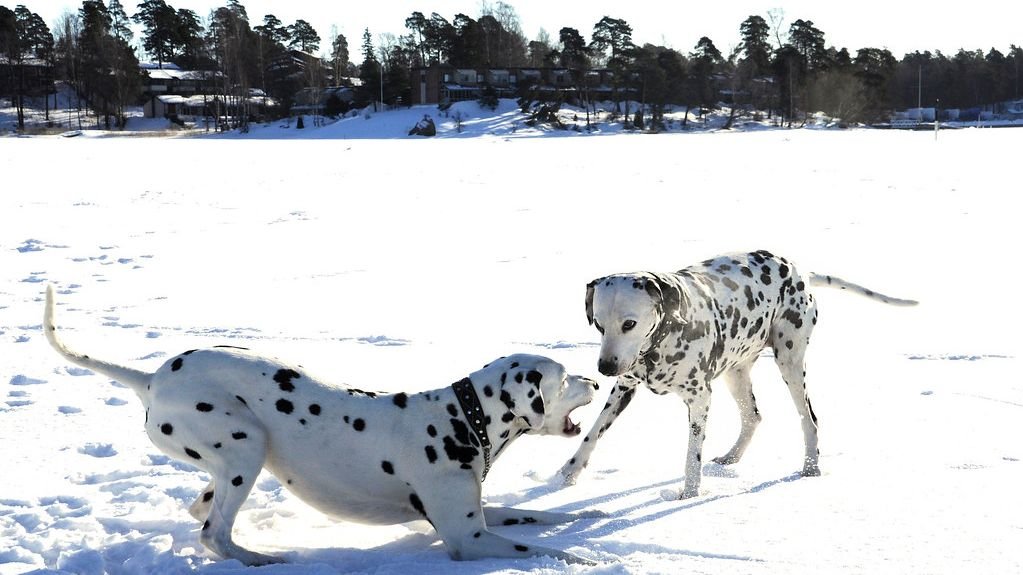
9. Dalmatian: High Voltage Energy Meets Low Noise Tolerance
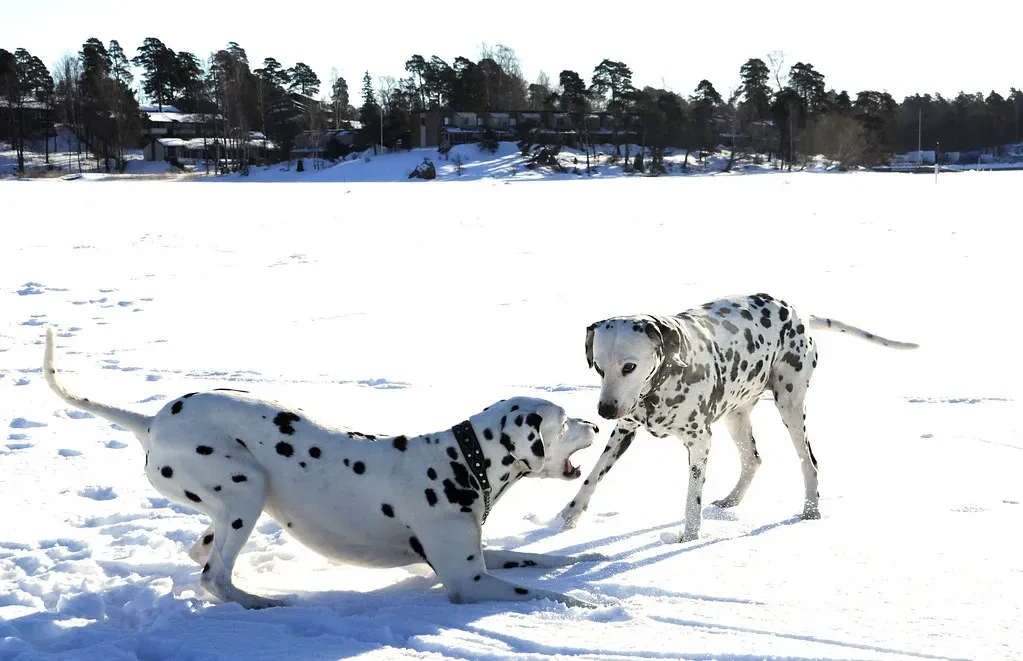
Dalmatians have a bit of a reputation problem. Everyone loves the idea of them – that iconic spotted coat, that dignified posture. The reality is a bit more complicated. Dalmatians are high energy dogs with boundless intelligence and a need for a lot of training. These dogs can be very stubborn and disobedient, and are prone to becoming bored, barking, and becoming highly destructive.
Dalmatians are jumpy and nervous, prone to deafness which can exacerbate their anxious disposition. Dalmatians thrive best in calm environments and require lots of exercise. Here’s an interesting, slightly surprising fact: a large proportion of Dalmatians carry a gene linked to congenital deafness, which can actually increase their startle responses to the vibrations and chaos they do detect. They like to have their own space and quiet time, tend to show little warning signal before they go off, and can be temperamental. They are better for teenagers or adults and often don’t respond well with children.
10. Akita: Noble, Powerful, and Deeply Intolerant of Chaos
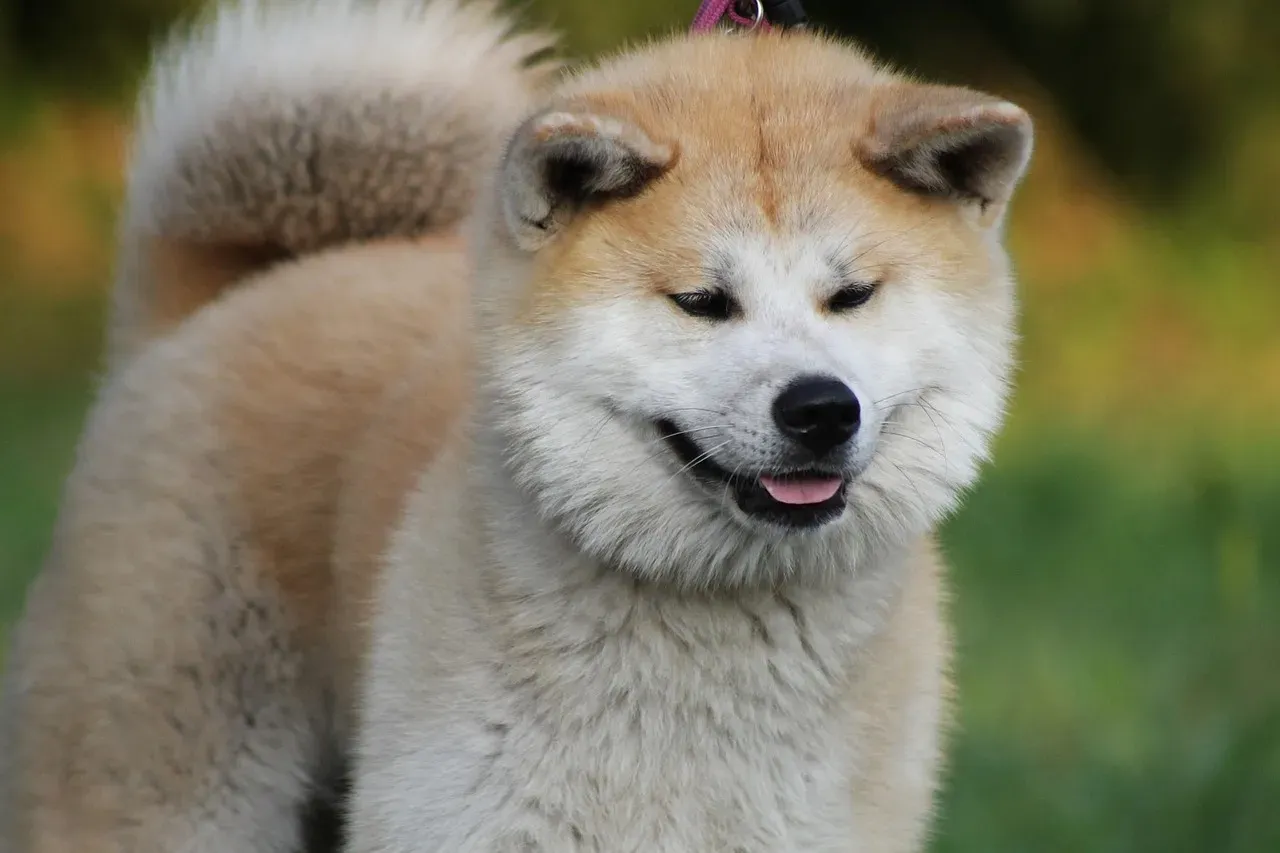
The Akita is a truly magnificent dog – deeply loyal, strikingly beautiful, and an ancient breed with a proud history in Japan. In the right home, they are devoted and noble companions. In a household where grandchildren frequently visit and create noise and unpredictability, they are a genuine safety concern. Because Akitas are stern and somber, they don’t tolerate silliness or teasing very well. If they think children are being too erratic, they might not respond appropriately. Also, an Akita might be protective of children in your family but dislike outsiders, which can be dangerous for guests.
Akitas are fiercely loyal to their families but possessive and potentially aggressive toward strangers and other animals. Their strong protective instinct requires experienced handling to ensure safety around children, making them challenging for less experienced families. A small grandchild running and screaming in play can look like a threat to an Akita’s calm, controlled world. This is not a breed for casual dog owners with lively visiting grandchildren.
A Note Before You Decide: Every Dog Deserves the Right Match

It’s worth saying clearly: none of these breeds are “bad dogs.” Not one. Sensitivity levels in dogs vary widely among breeds and individuals, and this trait can be determined by how a dog responds to their environment. While some dogs remain unfazed by stern reprimands or surrounding stimuli, others are more sensitive. The breeds on this list simply carry a higher risk of stress, anxiety, or reactive behavior in noisy, unpredictable environments filled with excited children.
Regardless of breed, every family dog needs to be trained, socialized, and supervised, especially around very young children. Good family dogs should tolerate sudden loud noises and movement and small children climbing on them. If you already own one of these breeds and your grandchildren visit regularly, the key is creating safe, calm retreat spaces in your home. Designate a quiet, comfortable area where your pet can retreat during noise events – a basement, a bathroom, or any room with few windows to muffle noise – and fill the space with your pet’s favorite toys and blankets.
Matching the right dog to your lifestyle is one of the most loving things you can do, for the dog and for your family. If noisy weekend visits from the grandkids are a regular joy in your life, consider breeds known for their calm, tolerant, thick-skinned personalities – like Golden Retrievers, Labrador Retrievers, or Beagles. Your future dog will thank you. So will your grandchildren.
What breed do you currently have, and how does your dog handle the chaos of visiting grandkids? We’d love to hear your story in the comments below!


