
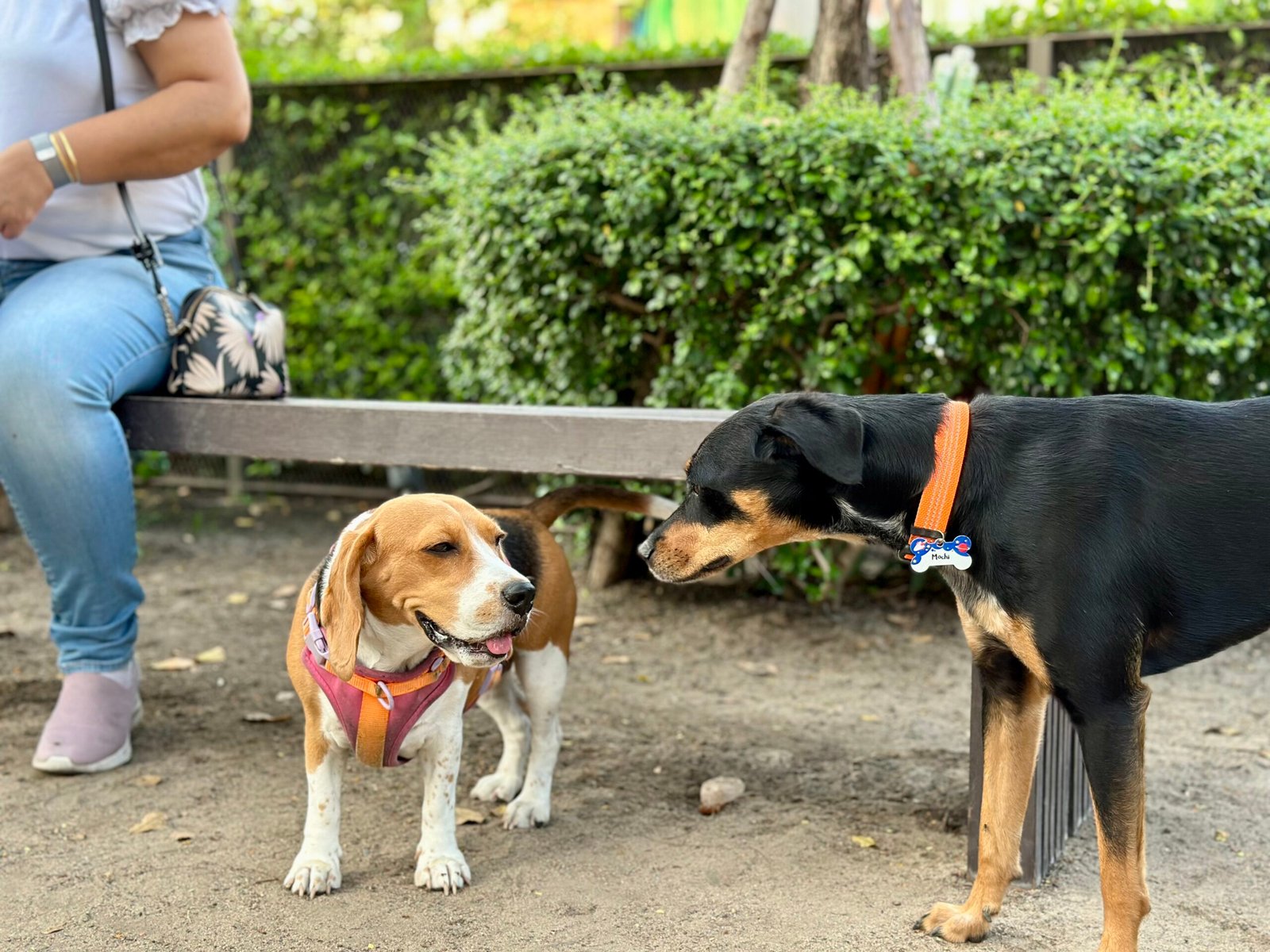
Bringing home a new puppy is exciting, but it can also be a sensitive moment for an older dog who has grown accustomed to being the only pet. Puppies arrive full of energy and curiosity, while older dogs may prefer calm routines and familiar territory.
A thoughtful introduction can make the difference between tension and lifelong friendship. With patience and careful planning, most dogs learn to accept—and even enjoy—the company of a younger companion.
1. Introduce Them on Neutral Ground
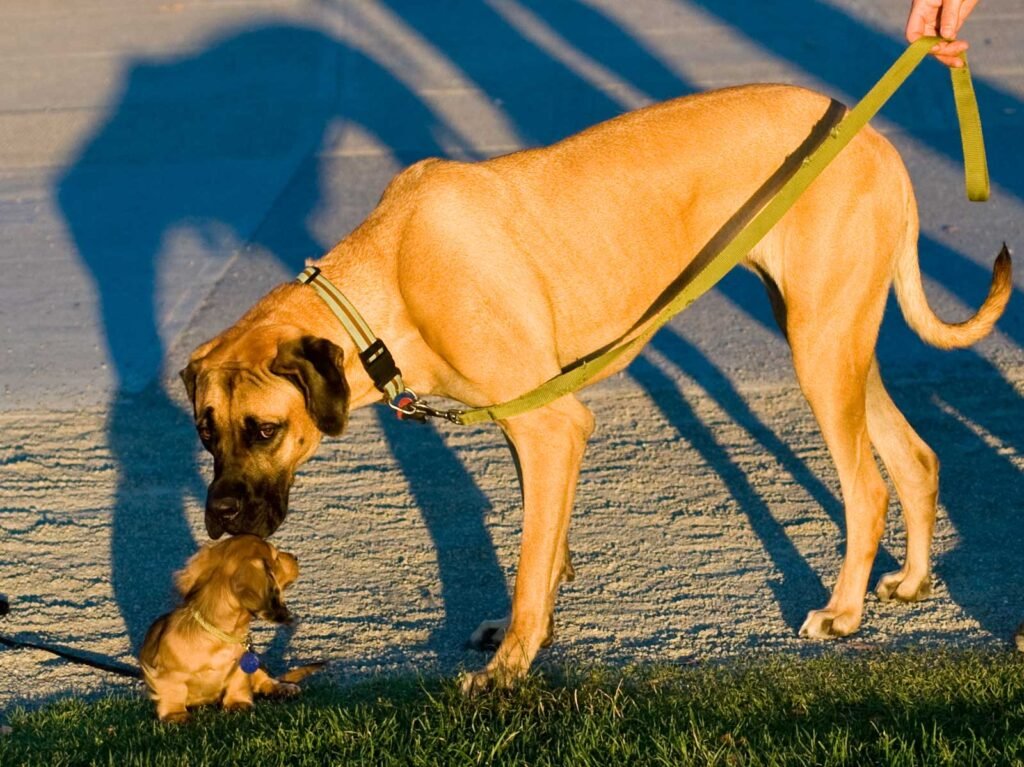
The first meeting should ideally occur in a neutral location such as a park or quiet outdoor space. This prevents the older dog from feeling that their home territory is being invaded.
Allow both dogs to observe each other calmly while on leash. Gradual introductions reduce tension and allow the dogs to assess each other safely.
2. Allow Calm Observation
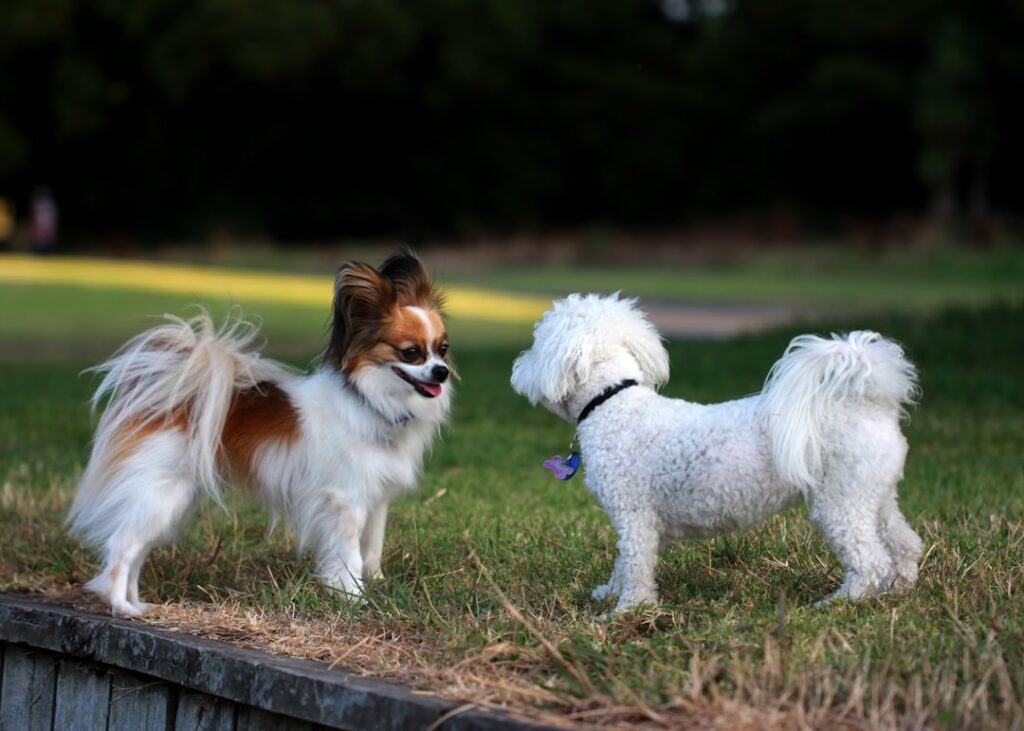
Dogs rely heavily on body language to communicate. Giving them time to observe each other without forced interaction helps prevent misunderstandings.
Short controlled interactions followed by breaks help both dogs adjust without becoming overwhelmed.
3. Maintain the Older Dog’s Routine

Older dogs often feel reassured when their normal routines remain unchanged. Feeding times, walks, and sleeping arrangements should remain familiar.
Maintaining this stability prevents the older dog from associating the puppy with sudden disruptions.
4. Supervise Early Interactions
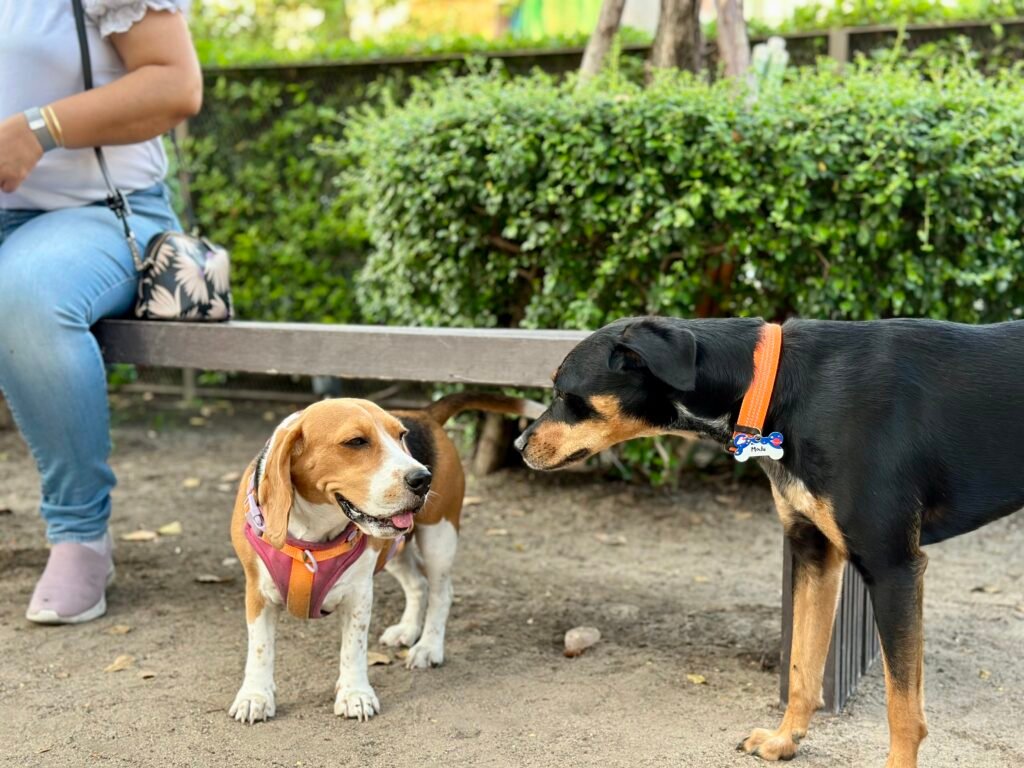
Puppies often have endless energy and may unintentionally annoy older dogs. Supervision allows owners to intervene if play becomes too rough.
Short positive interactions help build trust while preventing stress.
5. Give the Older Dog Personal Space
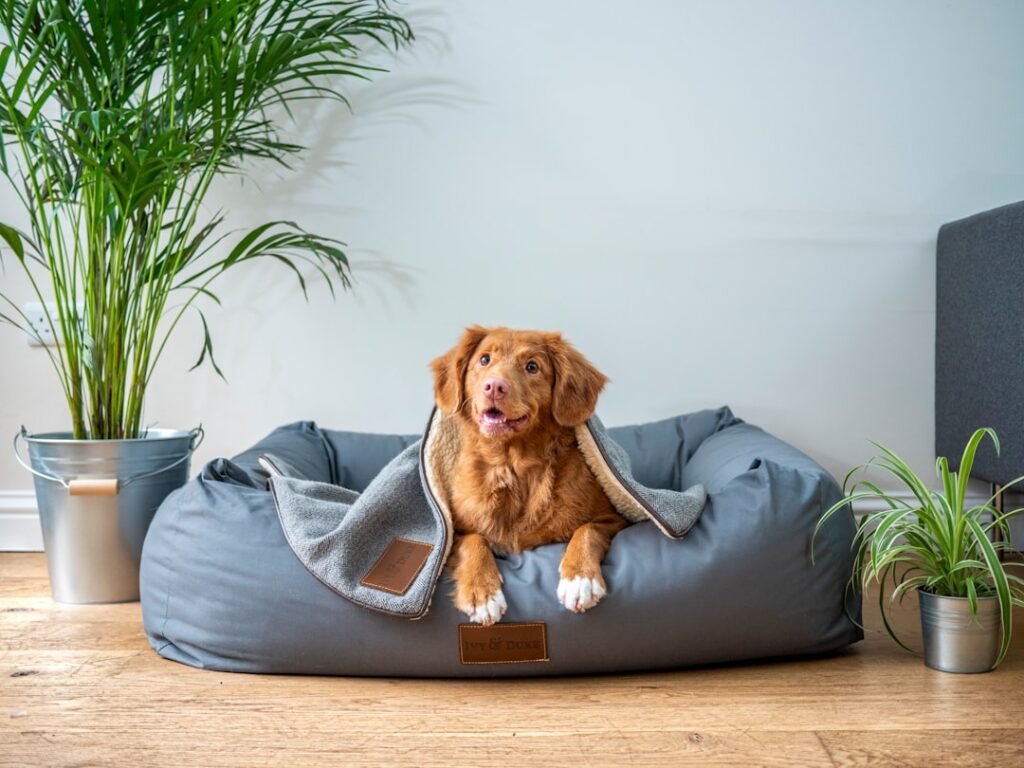
Just like people, dogs need personal boundaries. Creating a separate resting space where the older dog can retreat ensures they have a peaceful place to relax.
Respecting this space helps prevent resentment toward the new puppy.
6. Reward Positive Behavior
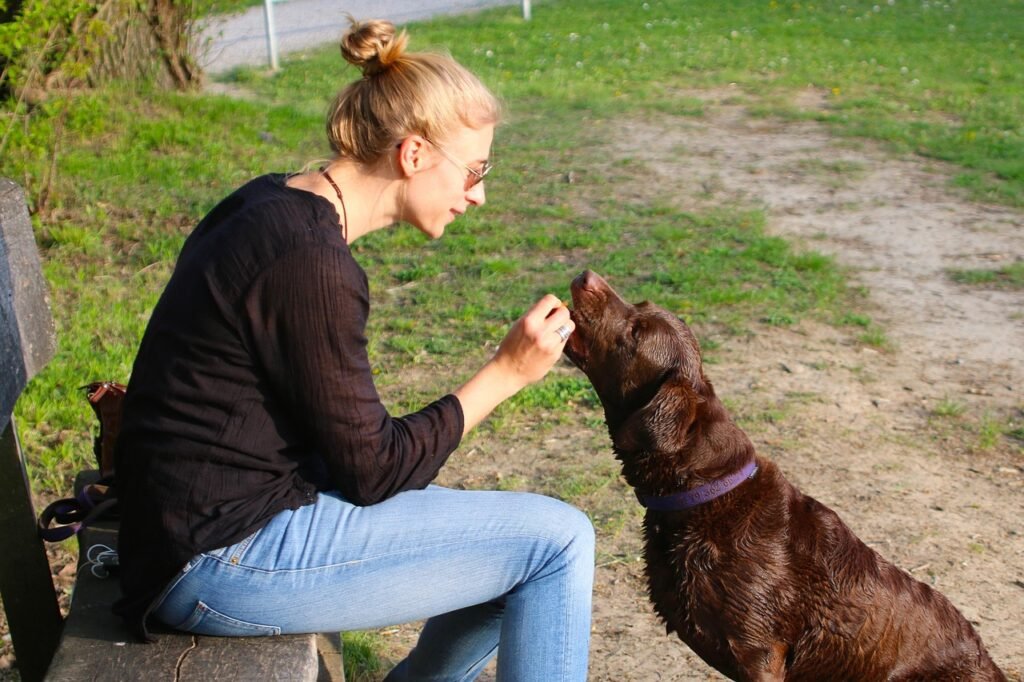
When both dogs behave calmly around each other, offering praise or treats reinforces positive associations.
Over time, both dogs begin linking the presence of the other with positive experiences.
7. Be Patient With the Adjustment Period
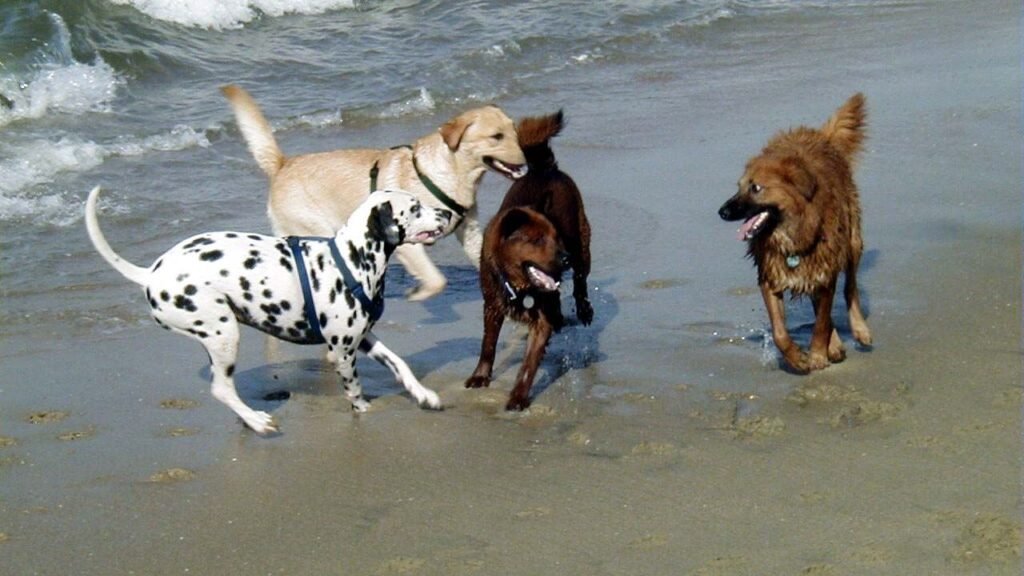
Relationships between dogs take time to develop. Some become friends quickly, while others require weeks or months to fully accept each other.
Remaining patient and supportive helps both animals gradually build trust and familiarity.
Conclusion
Introducing a puppy to an older dog is a delicate but rewarding process. With patience, supervision, and thoughtful planning, most dogs learn to coexist peacefully and often form strong bonds. Over time, the playful energy of a puppy and the wisdom of an older dog can create a balanced and loving companionship within the home.


