

You’re sitting on the couch, totally relaxed, when you notice your dog suddenly freeze and stare straight up at the ceiling. No sound, no movement, just those wide, intent eyes fixed on something you simply cannot see. It’s one of those moments that makes you tilt your head and whisper, “What on earth are you looking at?”
Here’s the thing – your dog’s upward gaze is rarely random. It’s a window into their inner world, their senses, their emotions, and yes, sometimes their health. The reasons range from completely harmless and even adorable, to signals that genuinely deserve your attention. So before you chalk it up to “just being weird,” let’s unpack what’s really going on when your dog keeps looking up.
They’re Trying to Communicate With You
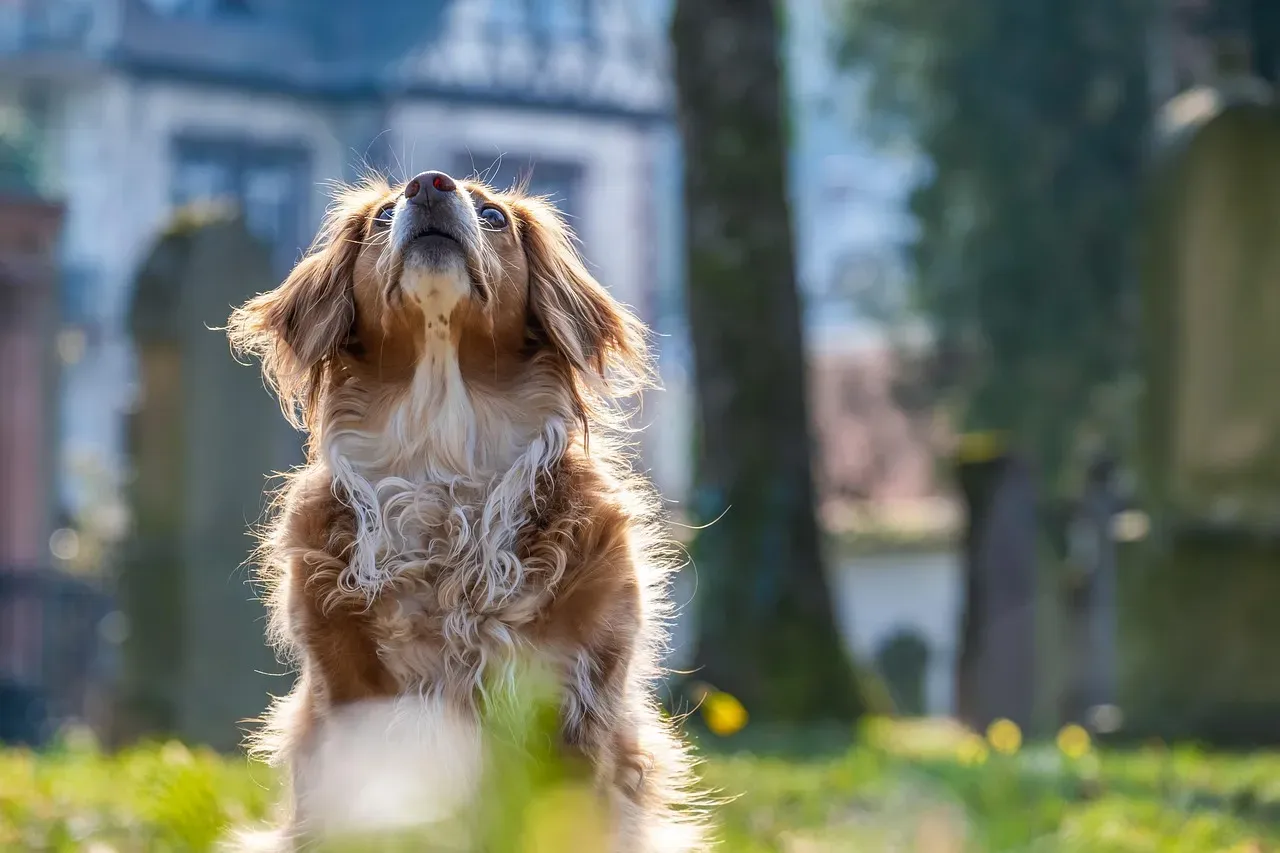
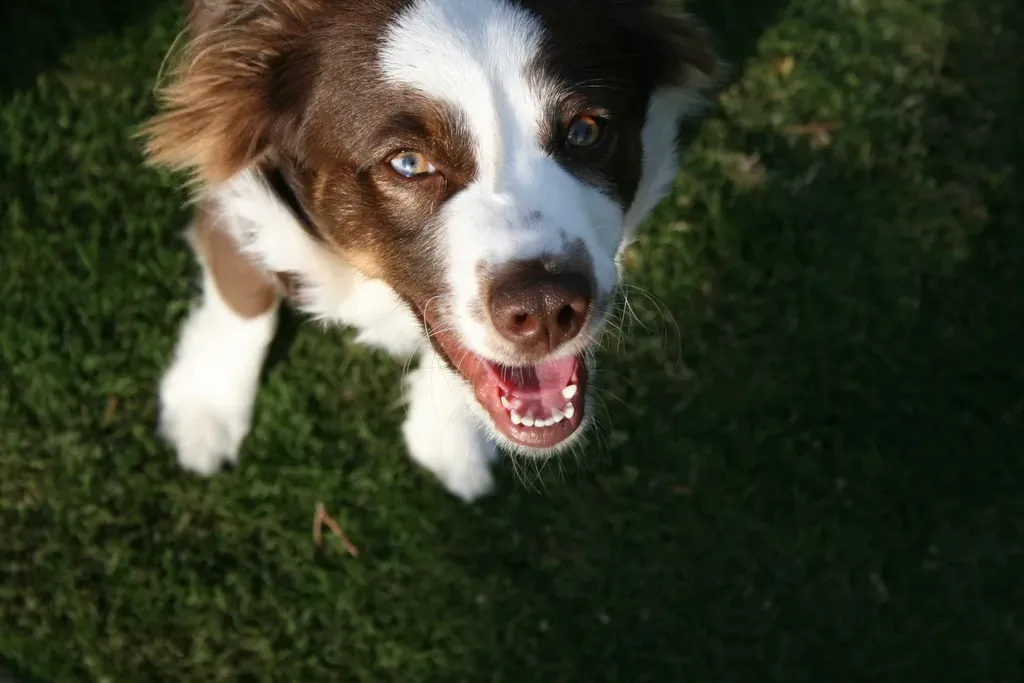
Dogs often look up at us as a reliable, low-stakes way to initiate interaction and request resources – and it’s a natural behavior that has been reinforced by thousands of years of domestication. Think of it like a polite tap on the shoulder. Your dog has learned that eye contact upward gets results.
It’s likely been further reinforced by you, if you regularly respond with praise, a treat, or a smile. If your dog is repeatedly looking up because they want your attention, you might see the behavior escalate into higher-stakes requests like pawing, whining, barking, or jumping – especially if you’re not responding to their puppy dog eyes.
More than almost any other animal on earth, dogs are deeply in tune with humans. They sense our moods, follow our pointing gestures, and read us for information about what’s going to happen next – which means they look up at us a lot just to gain knowledge about their environment. Honestly, if your dog stares up at you right before a walk or feeding time, they’re not being dramatic. They’re being brilliantly observant.
Their Incredible Senses Are Picking Up Something You Can’t
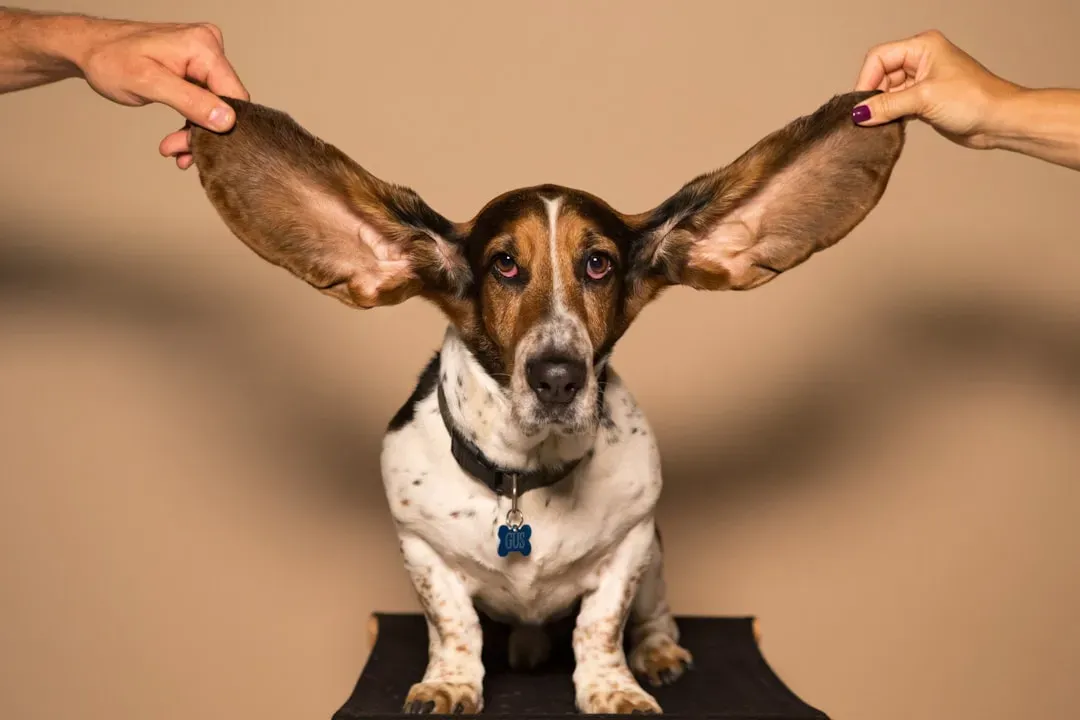
Dogs can hear sounds at higher frequencies and from greater distances than we can. They might look up instinctively to track a sound that human ears can’t perceive – such as a faraway plane, mice or critters in the walls, or even a leaky pipe. So before you assume something is wrong, take a quiet moment and listen carefully.
Dogs have significantly better hearing than we do, and sometimes this means they pick up on things we don’t, such as infestations. Squirrels, termites, bees, and all sorts of other critters tend to move in alongside us, often without our realization, but they can’t sneak past our observant canines. Your dog could literally be detecting a pest problem before you even know it exists.
Dogs have an incredible sense of smell and often lift their noses to sniff, which could cause them to look upwards briefly. If your dog is tracking a scent on the air, they might repeat the behavior. Dog eyes are also powerful motion sensors, so if your pup is looking up repeatedly, they might be tracking a bug or shadow overhead. A spinning ceiling fan? Practically a television for some dogs.
They’re Feeling Anxious or Emotionally Uncertain
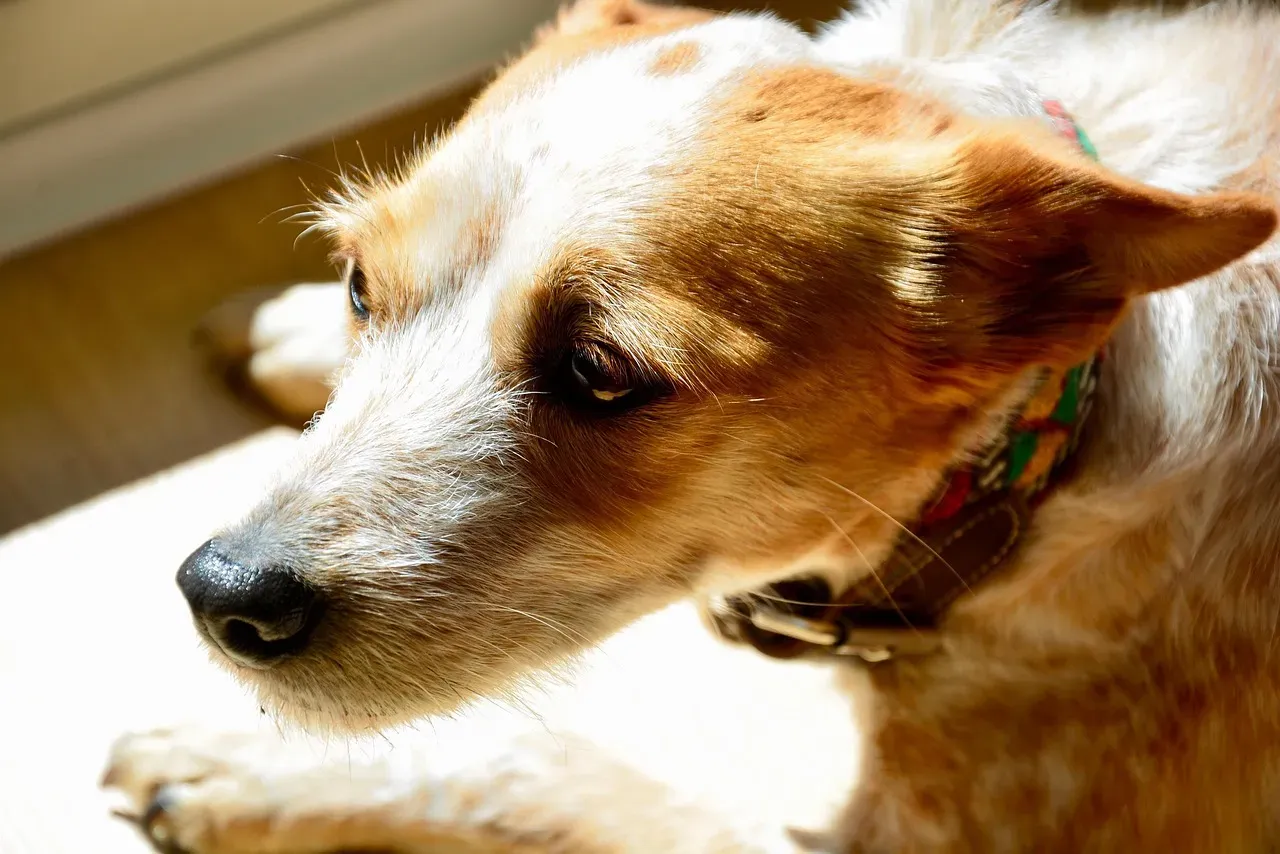
Dogs may repeatedly look up at you to gauge your reaction to what’s happening. They may watch your body language or follow your gaze to decide how to feel and behave. A nervous dog, for example, might watch your body to determine whether a newcomer is a threat or a storm is a danger. Your dog is essentially using you as an emotional compass – and that’s a beautiful, if sometimes heavy, responsibility.
In most cases, looking up at you is a sign of affection, and dogs experience a release of oxytocin when they stare into our eyes – the same chemical that’s released when a mother stares at her newborn baby. In other words, it’s a big deal, and all those warm, fuzzy feelings provide plenty of motivation for dogs to keep looking up at us.
Let’s be real though: not every upward stare is tender and loving. If your dog has been staring at the ceiling and seems nervous when doing so, it might indicate an underlying issue, either behavioral or medical, and it’s important to observe and understand any accompanying symptoms. Watch the whole picture – body posture, ear position, tail, and breathing all tell the fuller story.
It Could Be a Medical Issue Called “Stargazing”

If your dog is repeatedly looking upward without any obvious cause, it can be a sign of a neurological disorder or musculoskeletal condition. This behavior, sometimes called “stargazing,” is usually characterized by a fixed upward gaze and a rigidly extended neck – and if your dog is stargazing, it’s important to get them in for a checkup right away.
In a published veterinary case study, a Yorkshire Terrier was presented for episodes of “star gazing” behavior, expressed as upward raising of the head and neck extension with subsequent staring at the ceiling or sky. Erosive gastritis with reflux esophagitis was diagnosed, and treatment of these conditions was associated with resolution of the behavior. I know it sounds crazy, but stomach pain can actually show up as your dog looking upward – the discomfort causes them to stretch their neck and gaze up in a way that seems to offer relief.
Seizures are another common reason why dogs might stare upward or into space. You may think of seizures as an event where the dog gets stiff and falls over, but dogs can also have less dramatic seizure events – they may just have some twitching of the muscles of the face and eyes, or show fly-biting behavior, where the dog bites the air as though catching a fly. If you suspect any of this, film the episode and get to your vet.
Cognitive Changes in Senior Dogs
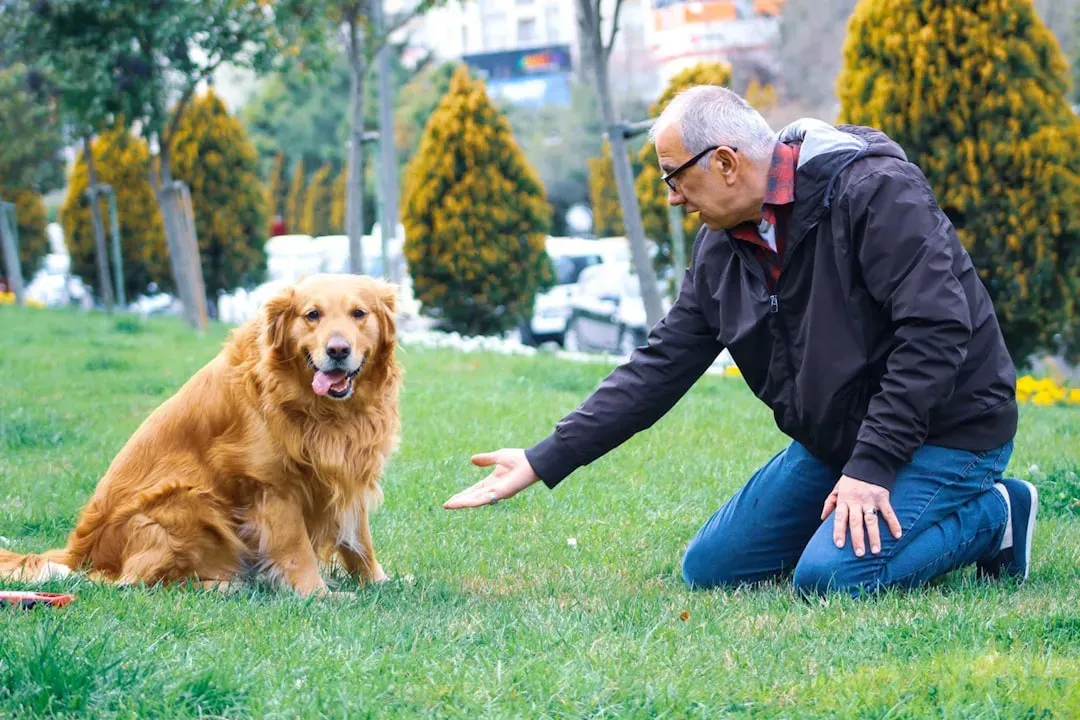
As dogs age, just as humans do, they sometimes exhibit changes in their cognitive abilities. Canine Cognitive Dysfunction Syndrome is similar to Alzheimer’s disease in people and is becoming more common as our dogs live longer than they used to. In a nutshell, it causes a decline in cognitive function and is very common among senior canines. It’s heartbreaking to see, but knowing what to look for makes all the difference.
If your older dog is staring constantly with no apparent reason, this behavior could be a sign of Cognitive Dysfunction Syndrome in dogs. Wandering around aimlessly, forgetting basic commands, and looking disoriented in familiar settings are other signs that your dog might be suffering from cognitive decline. These aren’t just “old dog quirks” – they’re real symptoms that deserve a compassionate, proactive response.
If you notice that your dog stares repeatedly, or that other changes in behavior accompany the staring, call your veterinarian. You should also consider filming the episodes, and document the date, time, and duration to show to your veterinarian – especially if there have been repeated episodes. A short video on your phone could genuinely help the vet make a faster, more accurate diagnosis.
Conclusion: That Upward Gaze Deserves Your Attention
Most of the time, your dog looking up is joyful, curious, and deeply connected to you. It’s them saying “I love you,” “I hear something wild in the walls,” or “Are you going to finish that snack?” It’s one of the most endearing things dogs do.
Still, some upward gazes carry weight. When the staring becomes persistent, rigid, or paired with other worrying signs like disorientation, anxiety, or unusual movements, it’s your cue to act. While it’s important not to jump to conclusions and assume the worst, any sudden change in behavior is cause for concern and a good reason to see your veterinarian.
You know your dog better than anyone. Trust that instinct. If something feels off, it probably is. The good news? There are medical or surgical treatment options for many conditions that may lead to this behavior. Early action almost always leads to better outcomes – for both of you. So the next time your pup tilts that sweet head skyward, really look back. What do you think they’re trying to tell you?


