
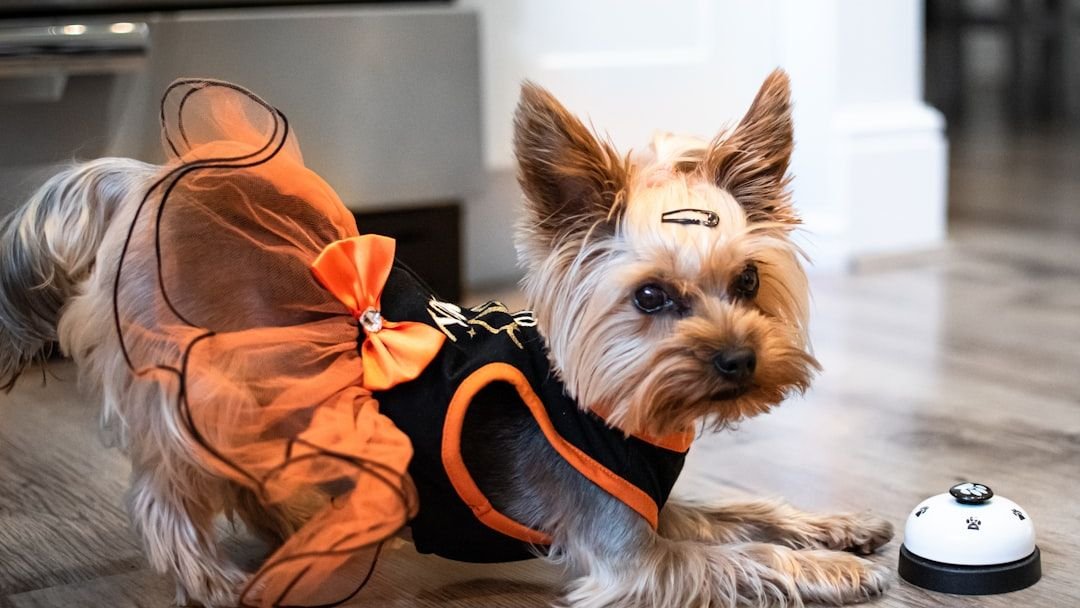
You walk through the front door after a long day, and before you can even set your bag down, your dog is already stretching out toward you – chest low, rear end high, tail doing its happy little helicopter spin. It’s one of those small, everyday moments that somehow still manages to make your heart melt every single time. Most of us laugh, say something embarrassing like “aww, hello baby,” and move on.
Here’s the thing though – that stretch is anything but random. It’s a window into how your dog feels, what they need, and honestly, just how much they love you. There’s real science and rich canine communication packed into that one adorable pose. Let’s dive in.
The Greeting Stretch: Your Dog’s Version of a Warm Hello
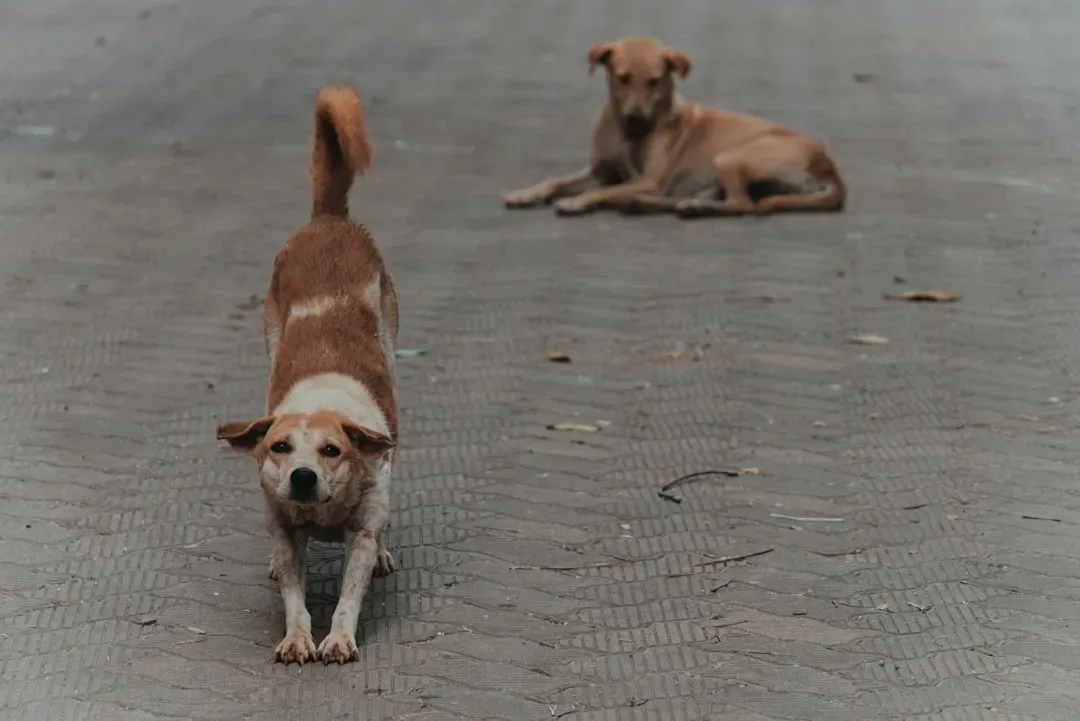
You witness it every day when you come home from work or wake up in the morning: your dog leans forward and stretches their front legs in front of them. This is what experts call the “greeting stretch,” and it’s a posture dogs use specifically towards someone they feel comfortable with. Think of it like a dog’s version of opening their arms wide for a hug.
The greeting stretch is often carried out when dogs are walking your way, looking directly at you. Dog behavior author Brenda Aloff describes this form of stretching as “a posture used only towards someone the dog likes and with whom he is comfortable.” So if your dog does this for you and not for the mail carrier, consider yourself very special.
This distinct posture, often accompanied by relaxed ears and soft eyes, is quite different from other stretching behaviors dogs exhibit throughout the day. What makes this stretch special is its timing and context – it usually occurs when you’ve been away and your dog is expressing joy at your return.
It’s a Love Language – Rooted in Trust and Bonding
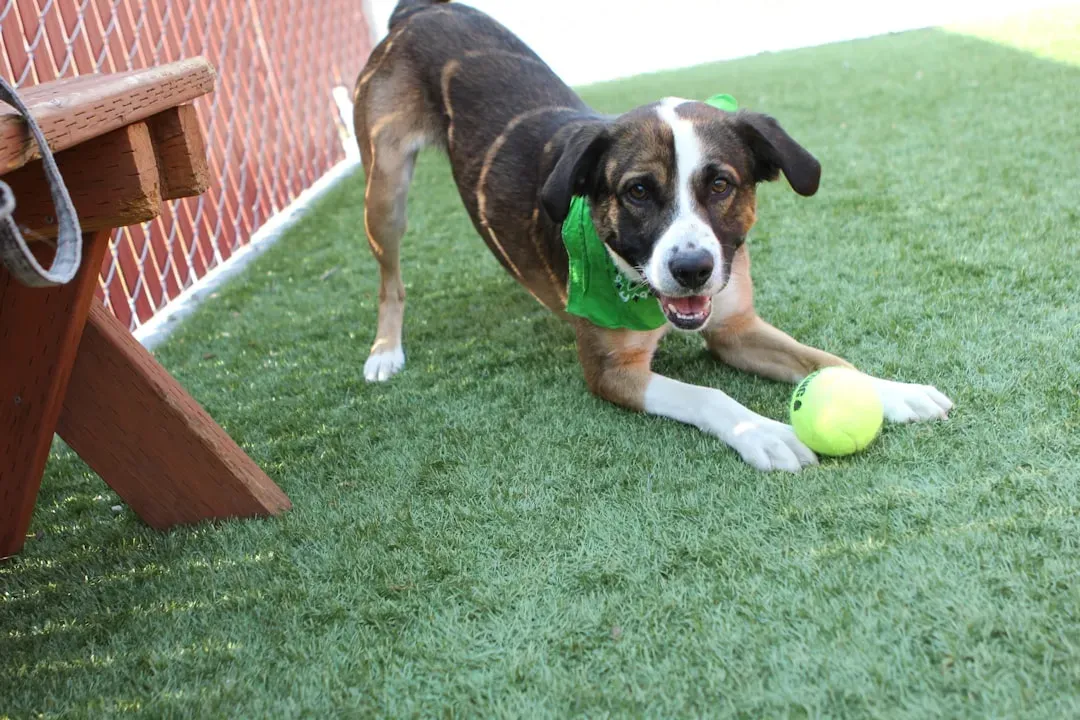
Scientists have observed that dogs primarily perform this stretch with people they trust and feel bonded to, making it a clear indicator of social attachment. It’s considered an affiliative behavior, meaning it strengthens social connections between dogs and their human family members. In other words, your dog isn’t just saying hello. They’re saying “you’re my person.”
If you’ve ever walked into the room and your dog greeted you with a full-body stretch – front chest low, hind end high – it’s not just waking from a nap. That adorable gesture reveals comfort, trust, and excitement all at once. Honestly, it’s one of the purest expressions of affection in a dog’s entire emotional vocabulary.
According to Rover, stretching indicates your dog is saying “hello” back to you, and your pup is much less likely to perform a stretch in the presence of a stranger. That selective quality is what makes it feel so personal – and it really is.
The Play Bow vs. The Greeting Stretch: Spot the Difference
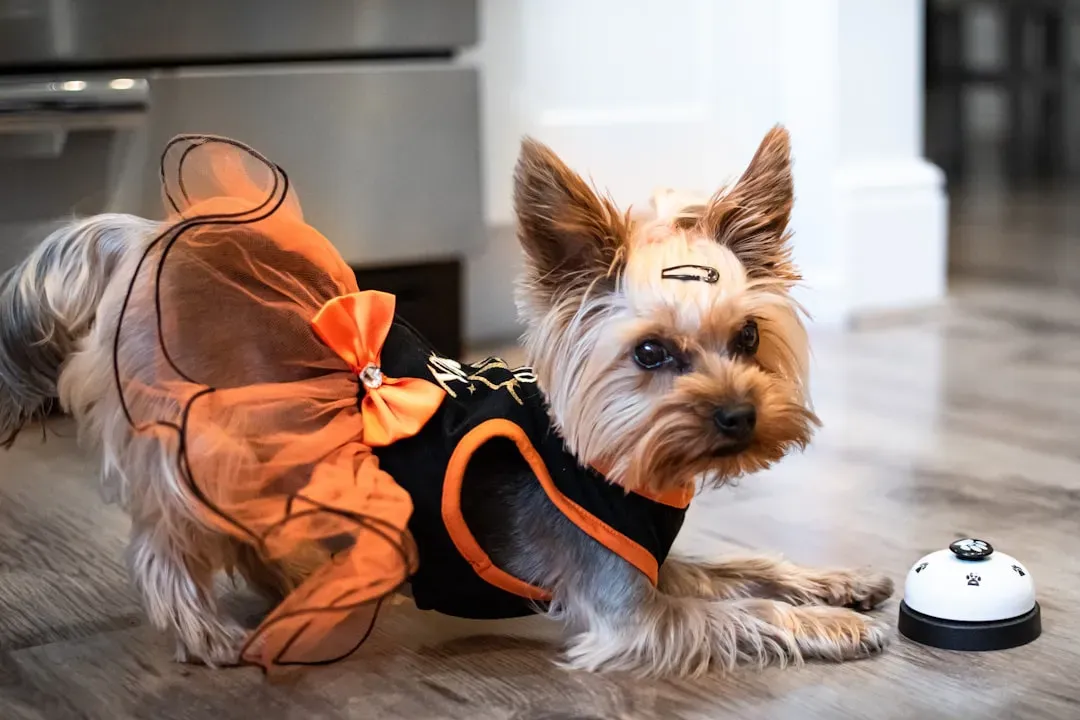
A variation of a stretch is the play bow, in which the dog signals to other dogs and humans to initiate play. If this is what your dog wants, they might not lower their head as far as they normally do when stretching. These two postures look similar at a glance, but they each tell a different story.
A bow has more energy and intention than a casual stretch. It’s a specific action used for communication, not a languid stretch. While a stretch is slow and leisurely, a bow is dynamic, sometimes energetic, and purposeful. Imagine the difference between a sleepy morning yawn and a pre-game warm-up – same body, completely different vibe.
Bowing by stretching the forelimbs evolved to become a highly ritualized signal for inviting dogs to play, have fun, or continue to play if things get rough or otherwise testy. Puppies typically begin using the play bow around 3 to 4 weeks of age as they start social play with their littermates. The behavior becomes more refined as they grow and learn to interact with both dogs and humans.
When a Stretch Might Be Saying Something Else Entirely
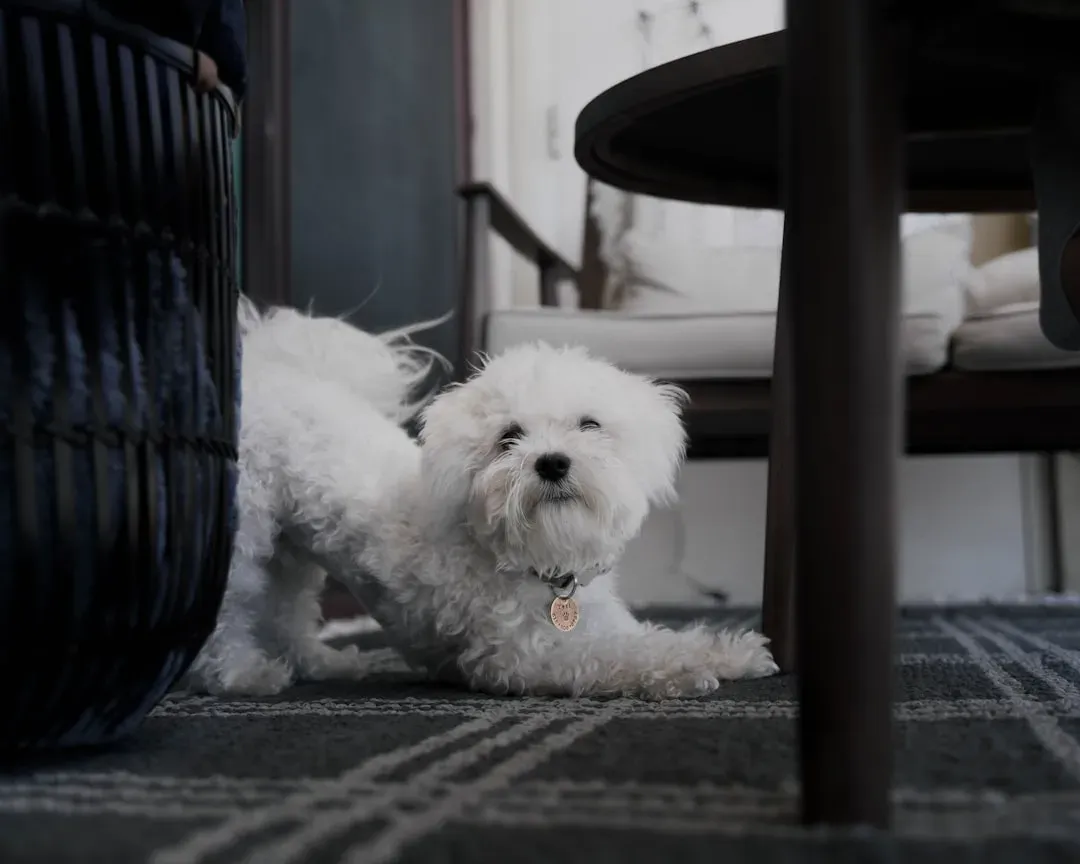
Let’s be real – not every stretch is a love letter. Sometimes, your dog’s body is trying to communicate something more urgent. Controlled, repeated stretches with tension may hint at anxiety or discomfort. The prayer position stretch, where the dog stretches very low with elbows flat on the ground, is often linked to abdominal pain and should raise concern if frequent or paired with illness signs.
The “downward dog” pose can be confused with the “prayer position,” which may indicate abdominal pain or illness and warrants a vet check. The prayer position looks deceptively similar to a happy stretch, which is why so many dog parents miss it. The key difference is context: a happy greeting stretch is relaxed, soft, and joyful. A pain stretch often looks stiff and urgent.
Stretching the back legs specifically may indicate your pup pulled a muscle. They could also have joint pain, including arthritis, which is why it is imperative to know your dog’s usual physical behaviors and monitor their movements to observe any changes over time. Your gut instinct as a dog parent matters here. If something feels off, trust that feeling.
How to Respond – and Make the Most of the Moment
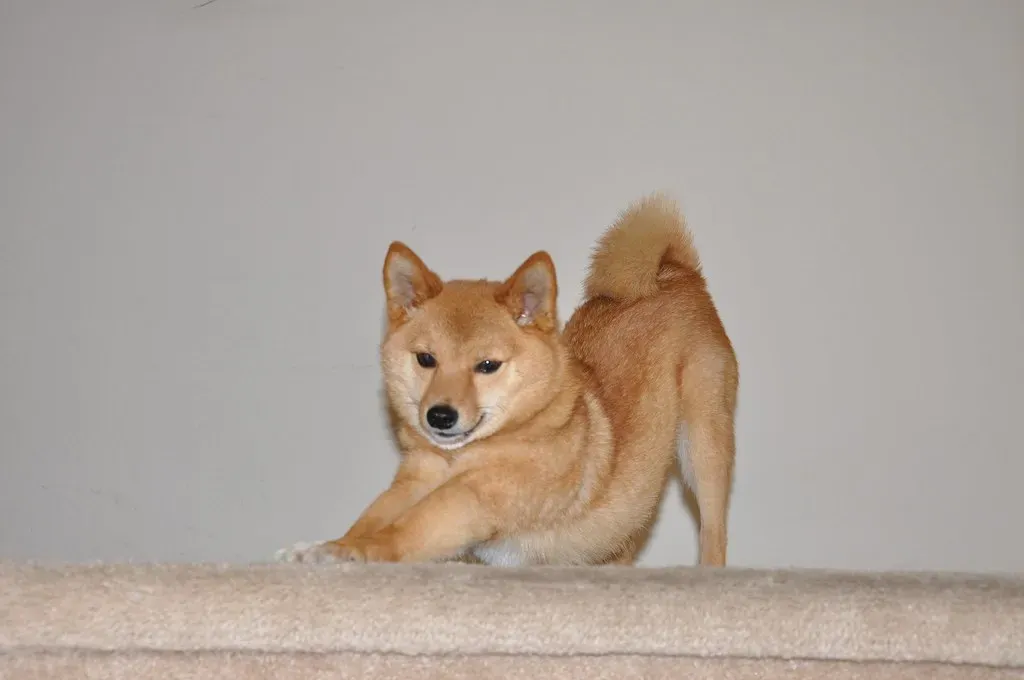
Pet your dog gently, especially on their chest, shoulders, or back, to show that you appreciate their greeting. If your dog stretches because they’re anticipating activity, follow up with a walk, playtime, or training session to meet their expectations. Matching their energy (without going full overexcited chaos mode) is the sweet spot.
While your dog is likely enjoying the physical benefits of stretching, they may have also learned that stretching elicits positive responses. This is especially true if you tend to use gentle language or act excited upon greeting your stretching dog. So in a way, your warm reaction is actively reinforcing this beautiful little ritual between you both.
By understanding and gently reinforcing it, you strengthen your bond and help shape joyful, confident greetings. While stretching usually indicates relaxation, it’s essential to respect your dog’s body language. If they seem tired or uninterested in interaction, allow them to rest without pressure. Not every stretch needs to become a play session – sometimes a gentle pat and a quiet “good dog” is everything they need.
Conclusion: Every Stretch Tells a Story
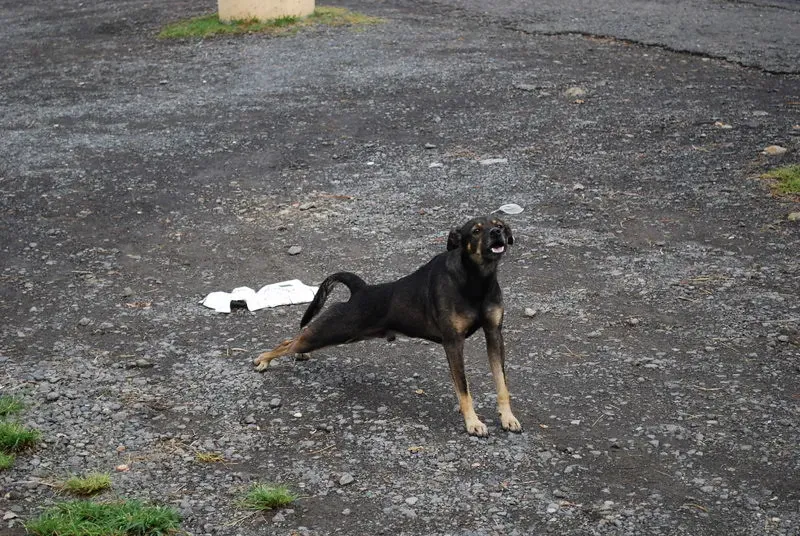
That full-body greeting stretch your dog gives you is one of the most honest, unfiltered expressions of love you’ll ever receive. No agenda. No performance. Just pure, whole-body joy aimed directly at you. It’s a tiny act that carries enormous meaning.
The more you learn to read your dog’s stretches – the soft greeting bow, the bouncy play bow, or the quiet prayer position – the richer your relationship becomes. Dogs use body language as a primary form of communication. Understanding these subtle cues can help us better interact with our canine companions and respect their boundaries.
So the next time your dog stretches toward you the moment you walk in, pause for just a second. Kneel down. Let them have their moment. Because in dog language, that stretch is one of the most beautiful things they know how to say. What does your dog’s greeting stretch look like – and does it make you smile every single time? Tell us in the comments!


