
Why Is My Dog Chewing Their Paws?
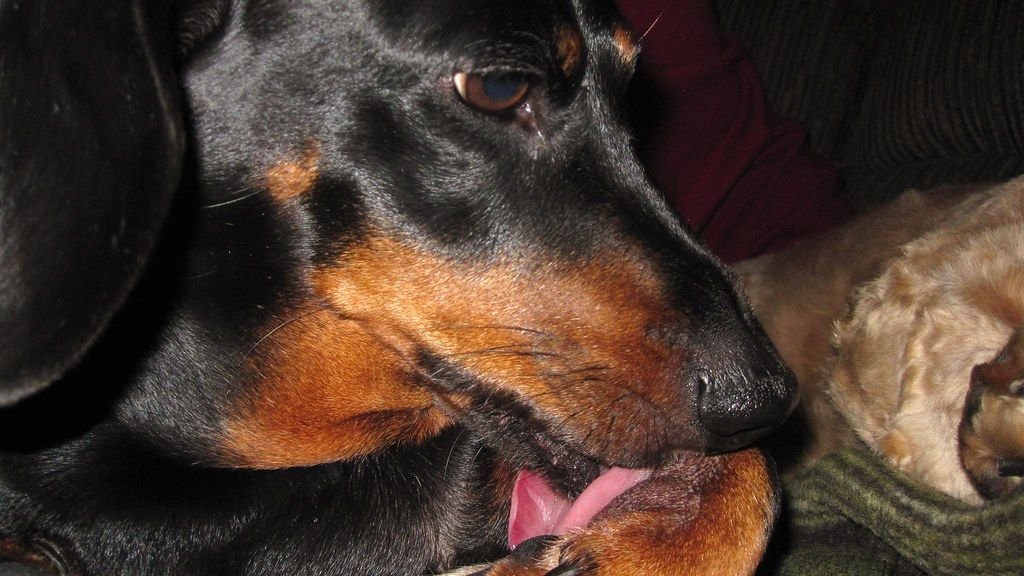
You’re curled up on the couch after a long day, and there it is again – that persistent, rhythmic gnawing sound coming from your dog’s direction. You glance over, and sure enough, your furry best friend is going to town on their paws like it’s a full-time occupation. Sound familiar? You’re definitely not alone.
Some paw chewing can be a normal part of a dog’s behavior, especially when they’re cleaning themselves. However, excessive paw chewing may indicate a deeper issue – anything from allergies to anxiety. The tricky part is knowing which one you’re dealing with. Every dog is different, and the reason your Golden Retriever is gnawing away might be completely different from why your neighbor’s Beagle is doing the same thing. Let’s dive in and figure out what your pup is really trying to tell you.
Allergies: The Number One Culprit Behind Paw Chewing
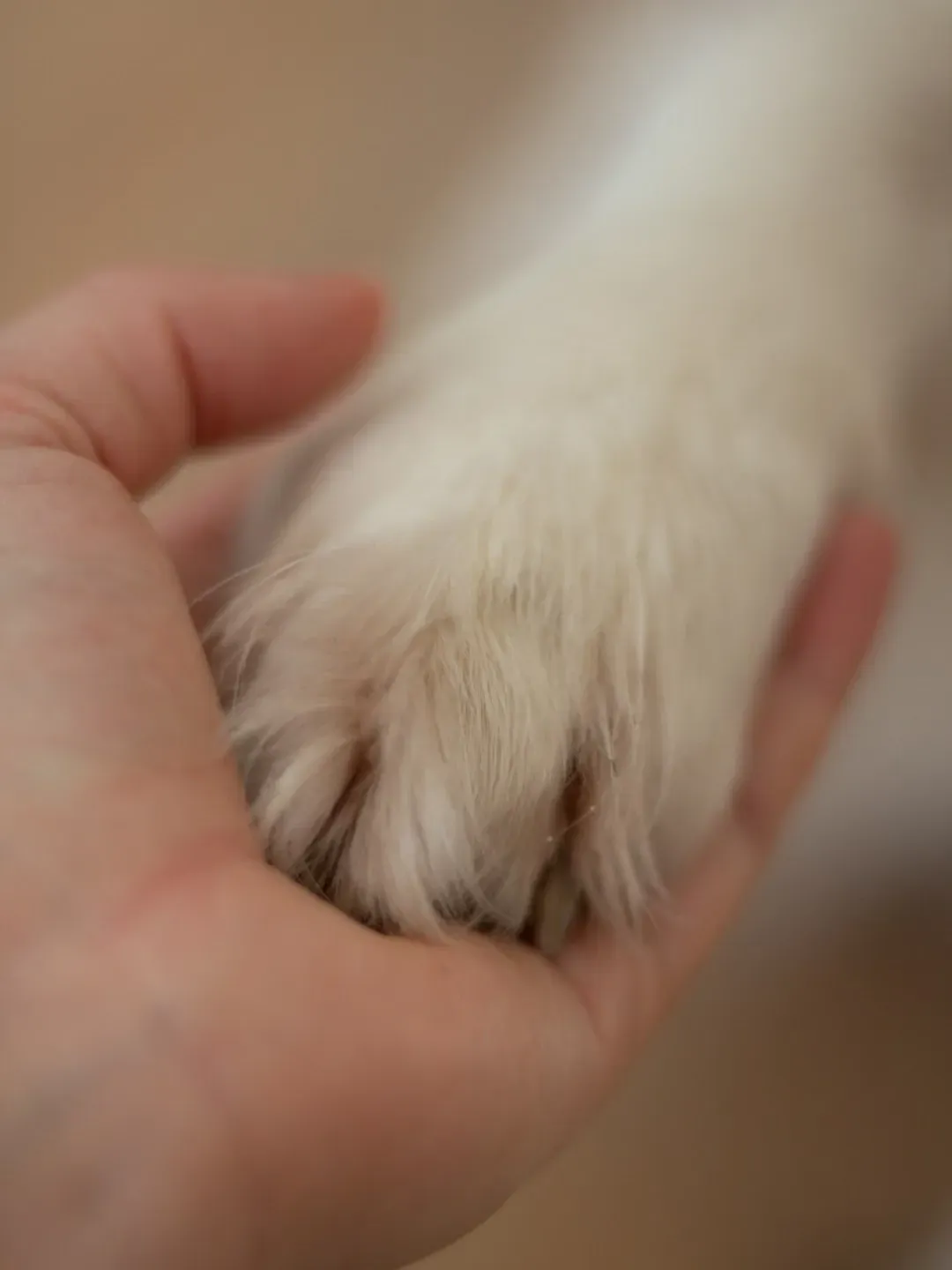
Honestly, if there’s one cause that tops the list, it’s allergies. Dogs, like humans, can have allergic reactions to food, environmental elements like pollen, or substances they come in contact with, such as certain types of grass or cleaning products. Think of it like having an itchy sweater you just can’t take off – your dog’s only option is to chew and lick for relief.
Allergies can cause a reaction almost anywhere on the body, including infections of the skin and paws, hot spots, and ear infections. Identifying the allergen can be challenging because they can originate from food, where culprits may include proteins like chicken, meat, pork, and eggs, or seasonal factors, where triggers like grass and pollen can cause flare-ups.
Environmental allergies frequently affect dogs, and one of the most common signs is itchy, inflamed skin, especially in the ears and on the paws. Dogs with allergies to molds and pollens routinely lick their paws after a stroll in the grass, particularly in the spring and summer. So if your dog’s paw chewing seems to peak during certain seasons, that is a very telling clue.
Pay attention to seasonal patterns – if your dog chews their paws more during certain times of the year, it could be related to environmental allergens. Keeping a diary of flare-ups is a surprisingly effective way to spot patterns and give your vet something concrete to work with.
Parasites, Infections, and What’s Lurking Between Those Toes

Here’s something that might surprise you – the space between your dog’s toes is basically a five-star hotel for parasites. The area between your dog’s toes may be a place for ticks to hide, and sometimes fleas can affect this area too. Mites, such as demodicosis or scabies, will also affect a dog’s paws. Any of these parasites may cause dogs to chew and lick their paws.
Bacterial and fungal infections can also be a reason for dogs to chew their paws. Bacterial infection of the feet can be mild and on the surface, or deeper, leading to painful swellings and ‘cysts’ between the toes. It is often a secondary issue too, meaning your dog started chewing for one reason and then developed an infection because of the chewing itself.
If a dog doesn’t receive treatment for allergies, they’ll keep chewing or licking their paws to relieve the itchiness. This repetitive behavior can cause problems to worsen and develop into bacterial and yeast infections. It is a vicious cycle – one that needs to be broken with proper treatment rather than just waiting it out.
Other signs of parasites include redness, swelling, hair loss, crusty and scaly skin, bleeding, pain, and limping. If you’re seeing more than one of these signs together, please don’t wait – get your pup seen by a vet sooner rather than later.
Pain and Injuries: When Chewing Is a Cry for Help
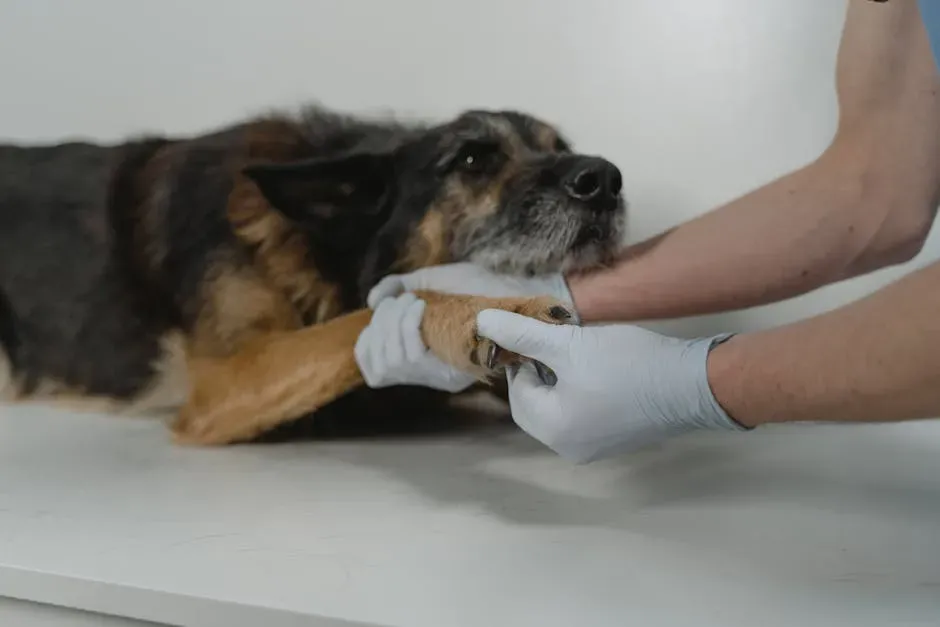
Sometimes paw chewing is not about itch at all. It is about pain. Dogs can injure their paws in various ways, like torn, cracked, or overgrown toenails, abrasions, cuts, punctures, dry and cracked pads, physical trauma, or a foreign body. Any injury, even those that seem minor, can cause a dog to chew and lick their paw.
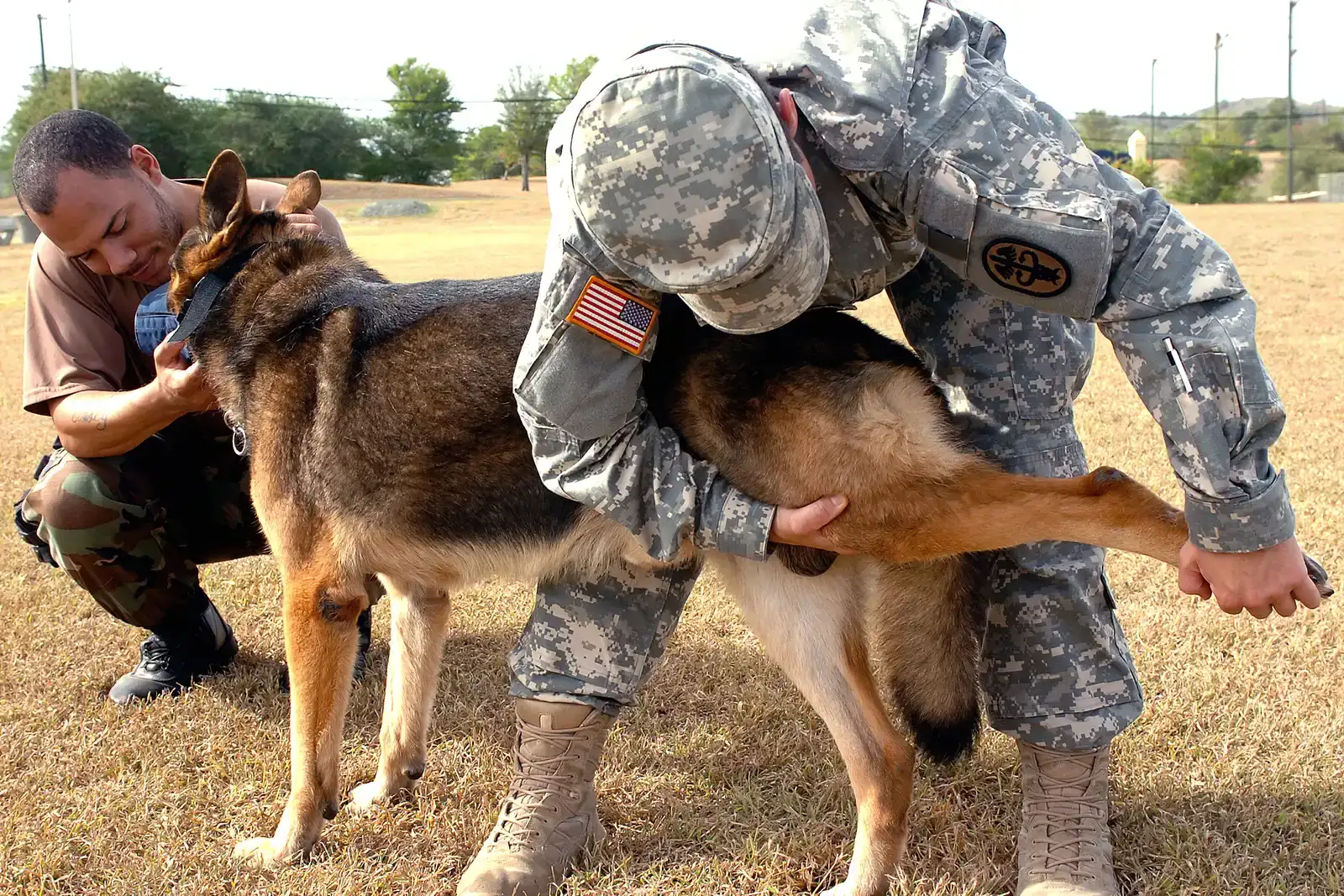
The first step to take, especially if the licking begins very suddenly and is focused on one paw, is to examine the paws. You’ll need to check to make certain there is not an injury such as a cut, torn nail, growth, or perhaps a stone, thorn, or ice ball stuck between the pads. Look closely at the nails, between the toes and pads, and at the tops of the feet.
Arthritis is a common condition in older dogs. It can affect not just large joints like hips and legs, but also the toes. This progressive disease occurs when joint cartilage breaks down, leading to pain, inflammation, and difficulty using the affected paws or limbs. Think of an elderly person rubbing an aching joint – your senior dog is doing something very similar.
Clinical signs of a paw injury include swelling, bleeding, bruising, abnormal nails, limping, pain, abnormal shape of the paw, and inability to bear weight on the paw. These are not signs to brush off. If your dog is limping along with the chewing, that combination warrants an urgent call to your vet.
Anxiety, Boredom, and the Emotional Side of Paw Chewing

Let’s be real – dogs feel things deeply. They get stressed, bored, lonely, and overwhelmed, just like we do. Dogs who are bored or have behavioral issues such as anxiety can chew and lick their paws as a form of stimulation or a way to soothe themselves. Sometimes they will even lick and bite their feet so much that they get infected and sore.
Paw biting may seem strange with regards to anxiety and stress, however it can bring comfort to the dog. Chewing releases serotonin – the happy hormone. In a way, it is your dog’s version of stress-eating or biting your nails during a tense moment. The behavior makes total sense from their perspective.
Paw licking associated with anxiety is typically seen at night when the family is unwinding for the day. You’ll notice your nervous pooch licking their paws while you watch TV or read in bed. That quiet evening sound of gnawing? It might be your dog processing the stress of the day.
Addressing issues with anxiety and boredom may involve boosting mental stimulation and ensuring adequate exercise. After ruling out medical issues, dog parents can test if paw chewing diminishes after incorporating more physical activity, toys, or food puzzles. Simple changes – a longer walk, a new puzzle feeder, an extra play session – can genuinely transform anxious behavior over time.
How to Help Your Dog: Prevention Tips and When to See a Vet
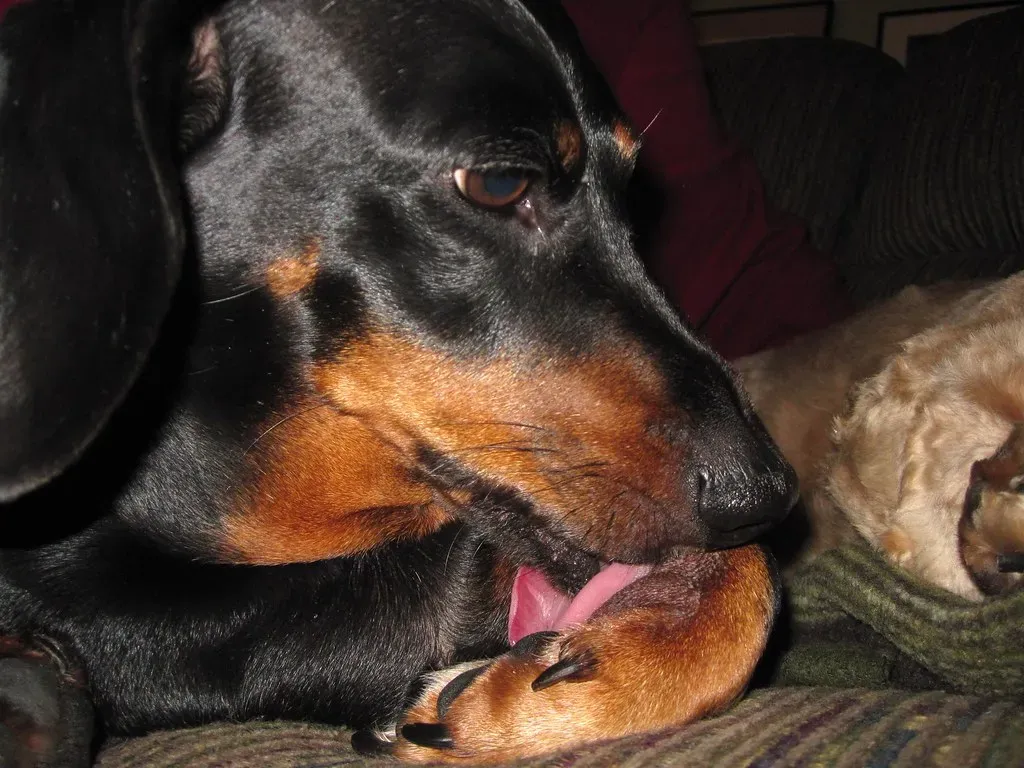
The good news? There is so much you can do. Regular grooming is key – regularly clean your dog’s paws to remove allergens and irritants, using hypoallergenic pet wipes or a gentle dog shampoo. It sounds simple, but a quick paw wipe after every walk can genuinely make a significant difference, especially for dogs with environmental sensitivities.
Paw balm is also great for soothing dry and chapped skin, while pet-safe wipes keep paws clean and aid in avoiding infections. Some dogs may also benefit from wearing dog booties on their walks, especially in extreme heat or cold weather. Yes, booties might get you some laughs at the park, but your dog’s paws will thank you for it.
While occasional licking is normal, you should consult a vet if paw chewing persists for more than a few days without improvement, if you notice open wounds, swelling, pus, or a strong odor, which could indicate infection, or if your dog is limping or appears to be in pain. These are your green lights to stop googling and start calling.
Early intervention can prevent paw chewing from becoming a chronic problem. If the cause is a chronic issue like allergies or anxiety, expect treatment to take four to six weeks to show significant improvement. Patience is part of the process, but the earlier you start, the better the outcome for your pup.
Conclusion: Your Dog Is Talking – Are You Listening?
Paw chewing is rarely just a quirk. It is communication. Your dog cannot tap you on the shoulder and say “hey, my feet are killing me” or “I’ve been really anxious lately.” Instead, they chew. They lick. They gnaw. Dogs chew their paws for various reasons, including cleaning, boredom, anxiety, allergies, injuries, parasites, and foreign objects. Each cause has its own set of clues, and learning to read them is one of the most loving things you can do as a dog parent.
We recommend checking your pup’s paws daily, even if there isn’t an issue. Make it part of your evening routine – a little inspection, a little massage, a whole lot of bonding. Your dog will feel seen, cared for, and safe. Because honestly, that is all they have ever wanted from us.
What does your dog’s paw chewing look like – and what have you tried so far? Share your experience in the comments. You might just help another dog parent figure things out too.