
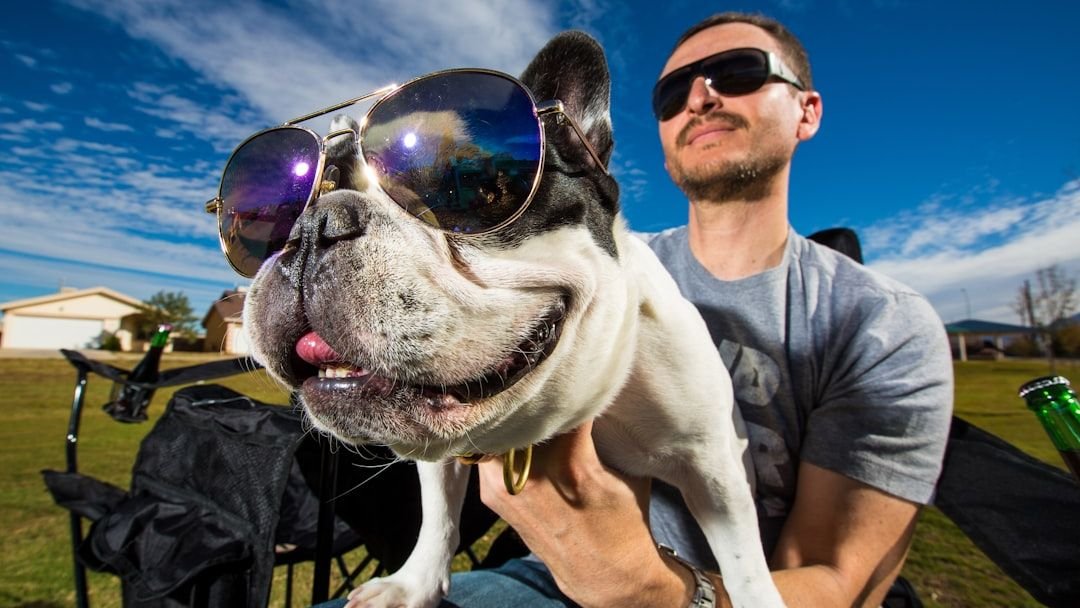
Here’s something that surprises a lot of dog owners: not every dog wants to be your shadow. You might imagine all dogs as constant companions, tail wagging, pressed against your leg at every waking moment. But the truth is far more nuanced, and honestly, way more interesting than that.
Some dogs are deeply wired for self-sufficiency. They love you, they’re loyal to you, but they genuinely don’t need you hovering nearby to feel okay. Others? They’d follow you into the shower if they could. Both extremes are completely valid, but knowing which camp your dog falls into can completely change the way you care for them, train them, and connect with them.
Whether you’re a busy professional looking for a more self-reliant companion, or you’re trying to understand why your Frenchie screams when you leave the room, this guide is for you. Let’s dive in.
1. Shiba Inu: The Dog That Basically Thinks It’s a Cat
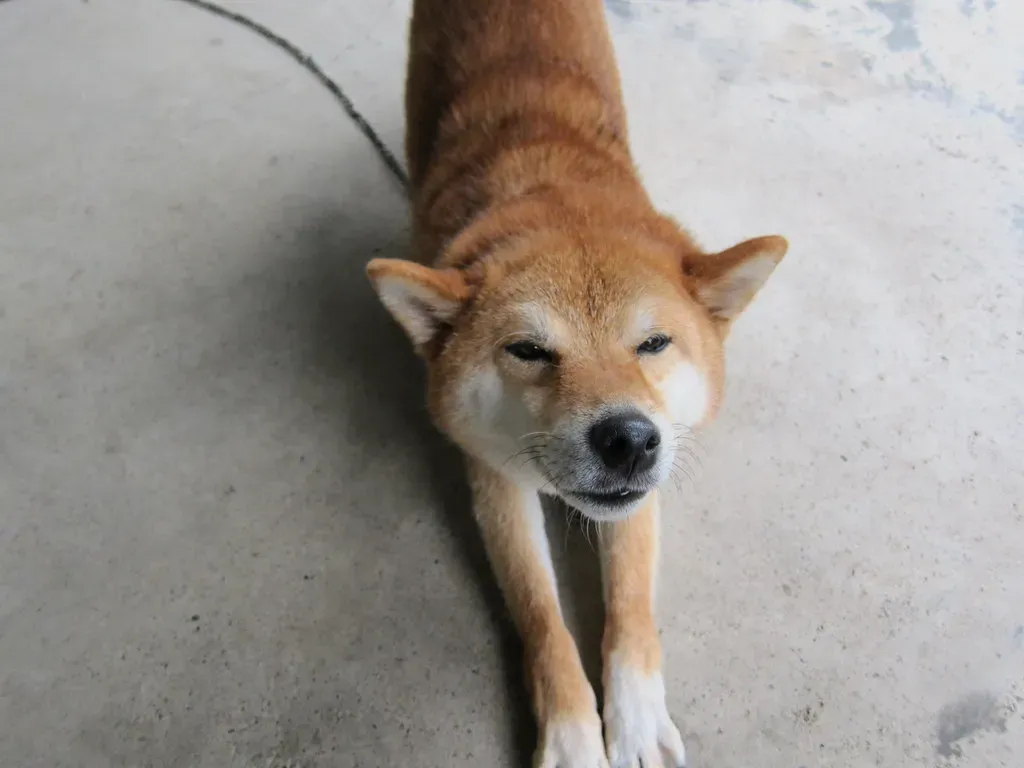
The Shiba Inu is an intelligent and strong-willed dog with an almost cat-like personality. If you’ve ever owned one, you know exactly what that means. They’ll decide when cuddles happen, not you.
Shiba Inus are known for their intelligence and can often figure things out independently. This breed enjoys spending time outdoors and exploring its environment and is often content to curl up alone when it needs some quiet time. That said, don’t confuse independence with being emotionally unavailable. Shibas feel deeply, they just express it on their own schedule.
They’re independent dogs and enjoy their own space, but they’re also high-energy and need outlets for their physical and mental energy, or else they can become anxious and overly vocal. It’s important to invest in quality play time with a Shiba Inu, which can include playing fetch outdoors to exert that extra energy.
2. Akita: Dignified, Loyal, and Deeply Self-Sufficient
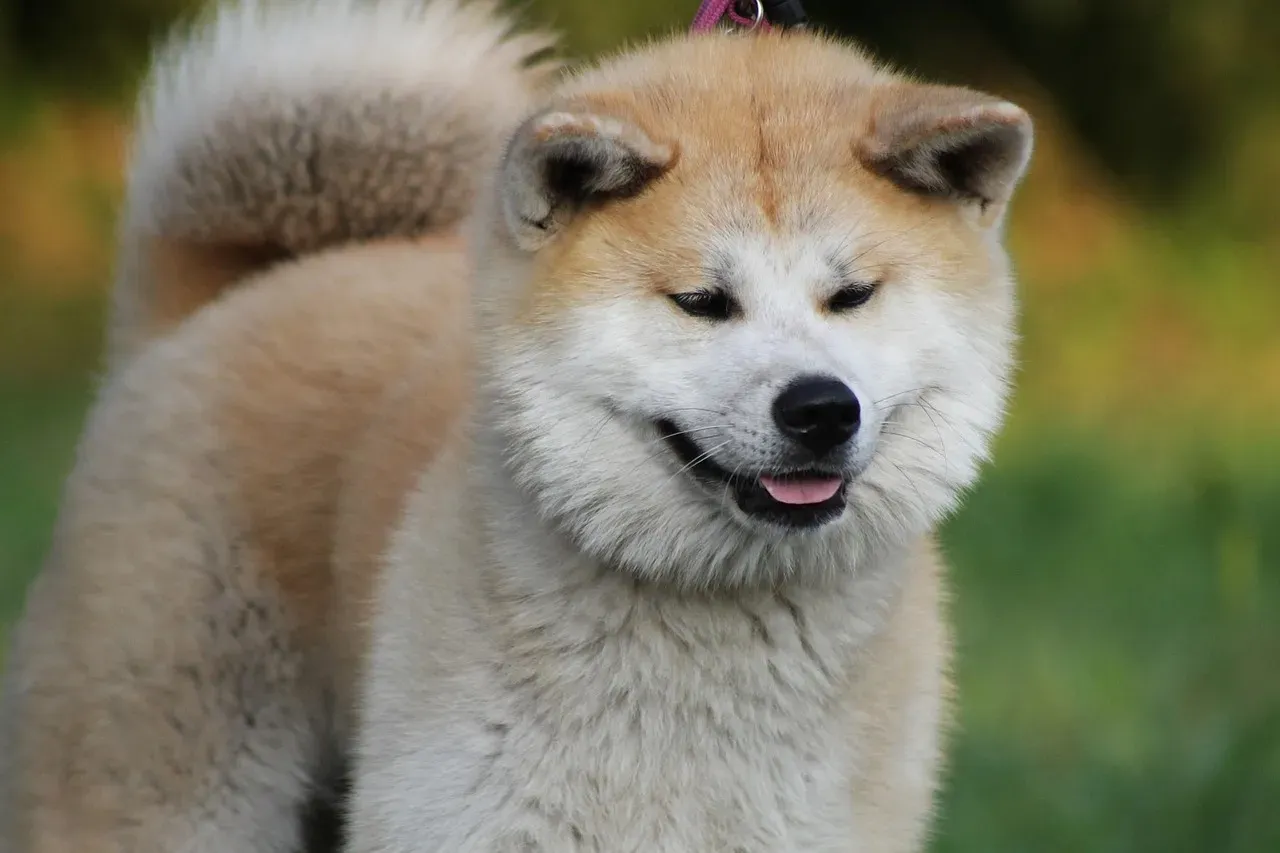
The Akita is a large and powerful breed known for its loyalty and independence. Originally bred in Japan for hunting and guarding, Akitas are incredibly self-sufficient. They have a strong sense of territory and can be reserved with strangers, often preferring to stay close to their home base.
Historically, they were used for hunting large game such as bears and wild boar. This required them to make quick decisions on their own, contributing to their independent demeanor today. Think of them like a quiet, self-assured colleague who does the job brilliantly without needing constant check-ins.
Despite their independence, they need consistent training and socialization. This helps them understand their role in the family and community. Training an Akita requires patience and consistency. Start young, stay positive, and you’ll earn a companion with extraordinary depth.
3. Chow Chow: Ancient, Aloof, and Quietly Affectionate
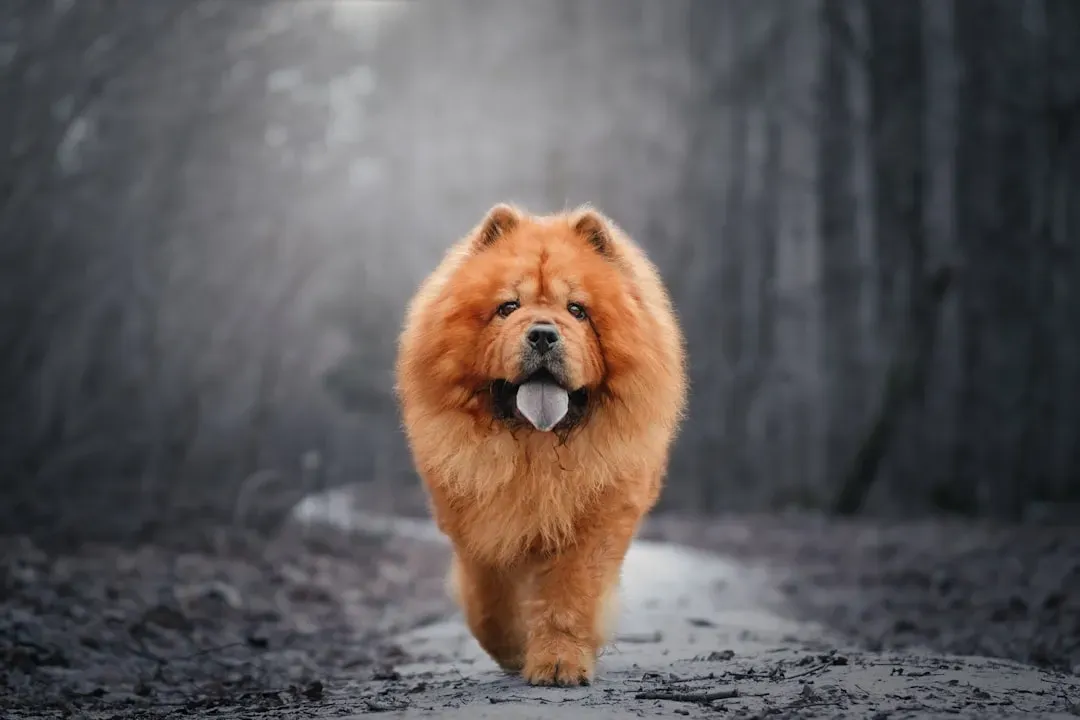
Historically, the Chow Chow worked as a guardian and hunter in ancient China. This working heritage, combined with the dogs’ calm disposition, makes the Chow Chow one of the most independent dog breeds. They carry themselves with a certain dignity that is genuinely majestic.
Chow Chows are often described as cat-like in their behavior, preferring to do things on their own terms. They may not jump on your lap when you sit down, but they’ll quietly position themselves nearby. That’s their version of adoration, and honestly, it’s kind of beautiful.
Though independent, Chow Chows are loyal to their family and typically bond deeply to one person. Given their thick coat, Chow Chows may appreciate daily brushing sessions as a form of interaction. Use grooming time as your bonding ritual. It works wonders.
4. Basenji: The Barkless Free Spirit From Africa
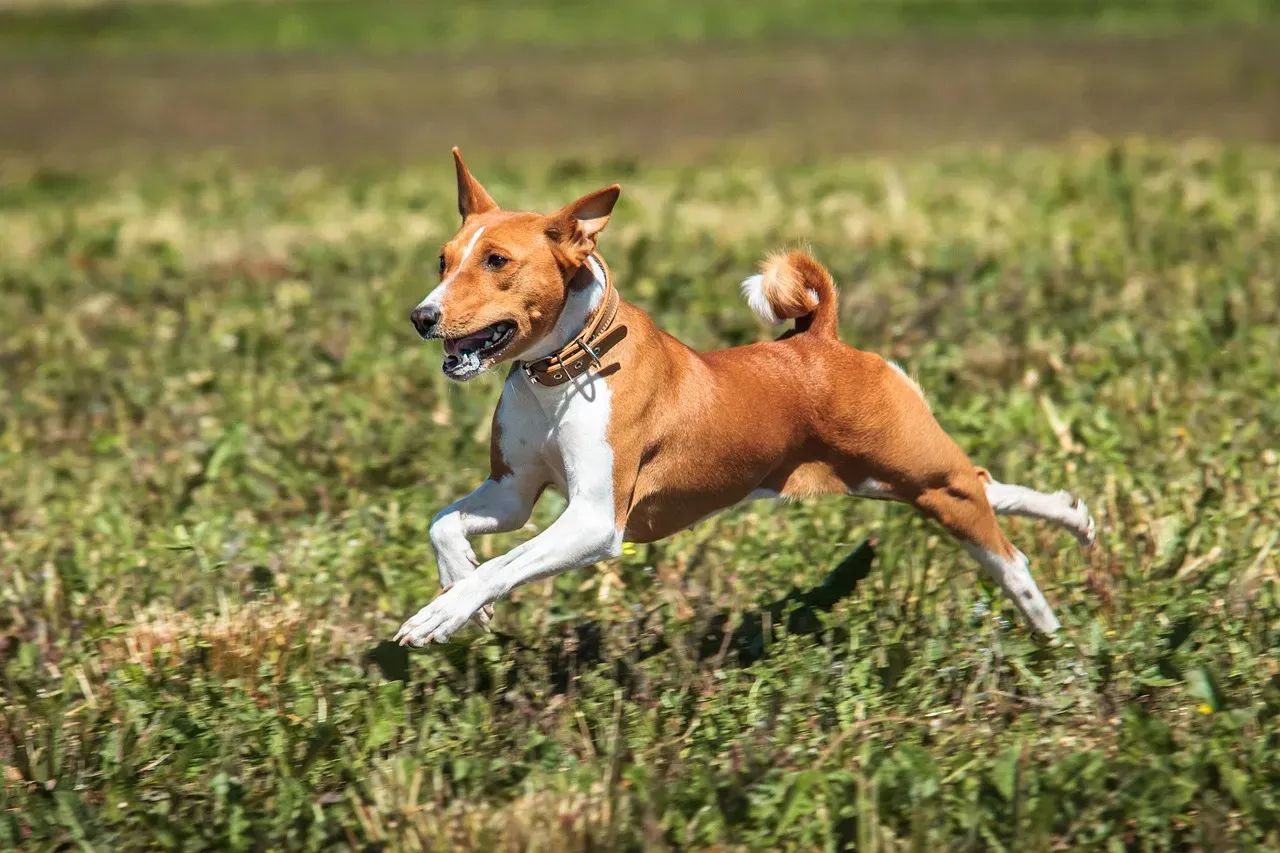
The Basenji, often called the “barkless dog,” is a small, elegant breed known for its independence and unique personality. Originating from Central Africa, this breed was initially bred for hunting, where self-reliance was crucial. Centuries of working far from their humans made independence practically hardwired.
These dogs are known for their self-sufficiency, intelligence, and cat-like cleanliness. They are also famous for being “barkless” and often communicate through yodel-like sounds. Don’t let the no-barking part fool you though. A Basenji with opinions will absolutely make them known.
Basenjis are highly intelligent and curious, but they tend to be aloof, often preferring to observe rather than engage actively with their humans. A puzzle toy is this breed’s best friend. Mental stimulation is non-negotiable if you want a calm household.
5. Greyhound: The Couch Sprinter Who Needs Zero Reassurance
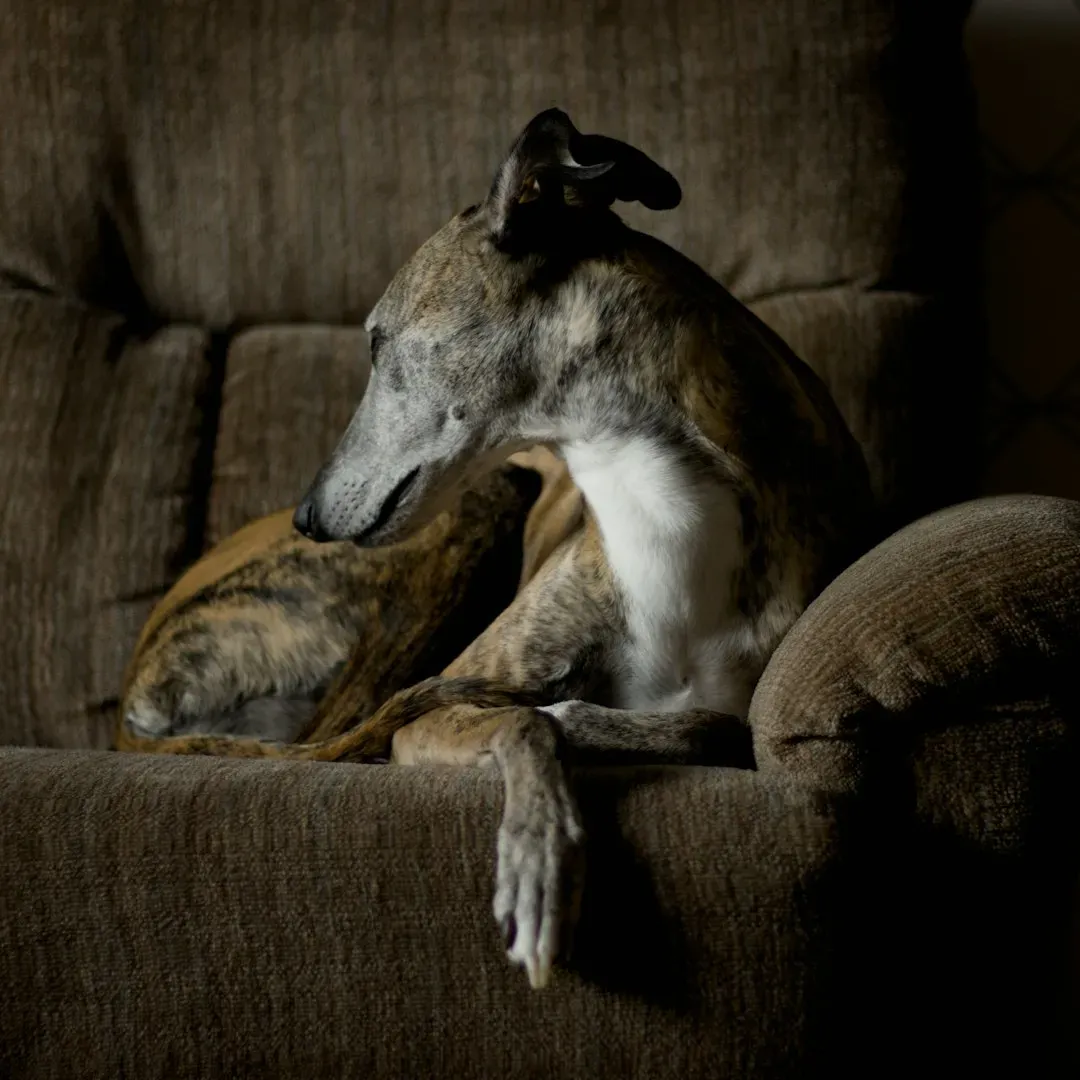
Here’s one most people get completely wrong. You’d think a dog bred for racing would be a high-maintenance, hyper companion. Nope. Not even close.
Despite their reputation as racing dogs, Greyhounds are surprisingly independent and low-maintenance in a home environment. Known for their speed and agility, they were originally bred for hunting. However, their calm demeanor makes them excellent couch companions. Greyhounds enjoy a good sprint but are also content to lounge around for most of the day.
Greyhounds are independent and calm, with a reputation for their elegance and the ability to be content alone. They do bond closely with their owners, but they don’t require as much attention as many other breeds out there. Honestly, the Greyhound might be the most underrated apartment dog in existence.
6. Siberian Husky: Beautiful, Stubborn, and Wildly Independent
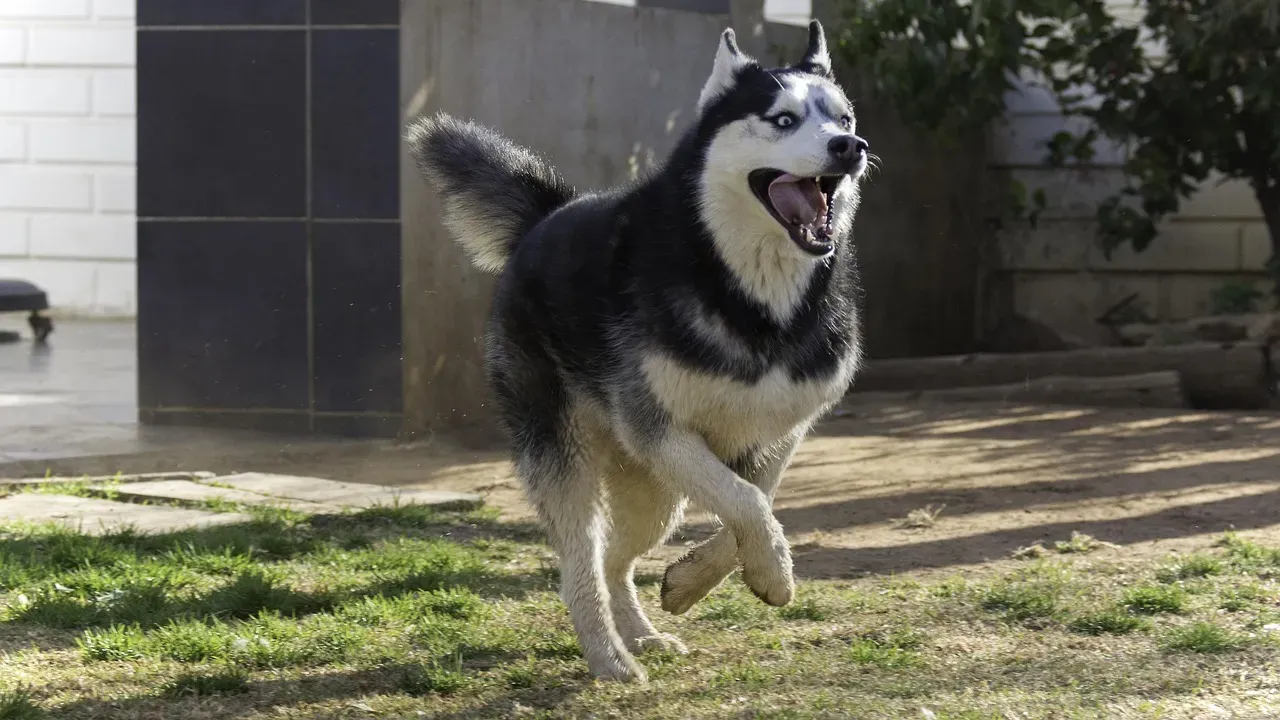
Although bred to pull sleds in packs, the Siberian Husky is an independent and intelligent breed that has adapted well to life in the far north. They exhibit primitive behavior, are very active and known for being excellent escape artists. A Husky left alone in a yard without proper fencing is basically a Houdini with a fluffy tail.
Siberian Huskies are “friendly and intelligent but somewhat independent and stubborn.” They thrive on human company, but need firm, gentle training from puppyhood. The trick with Huskies is to lead with consistency. They respect structure even when they’re testing every single limit.
Independent breeds like the Siberian Husky enjoy running, so daily walks or runs are beneficial. Engaging them in interactive games or puzzle toys can also stimulate their minds. A bored Husky will redecorate your house in ways you didn’t ask for.
7. Alaskan Malamute: The Strong Silent Type of the Dog World
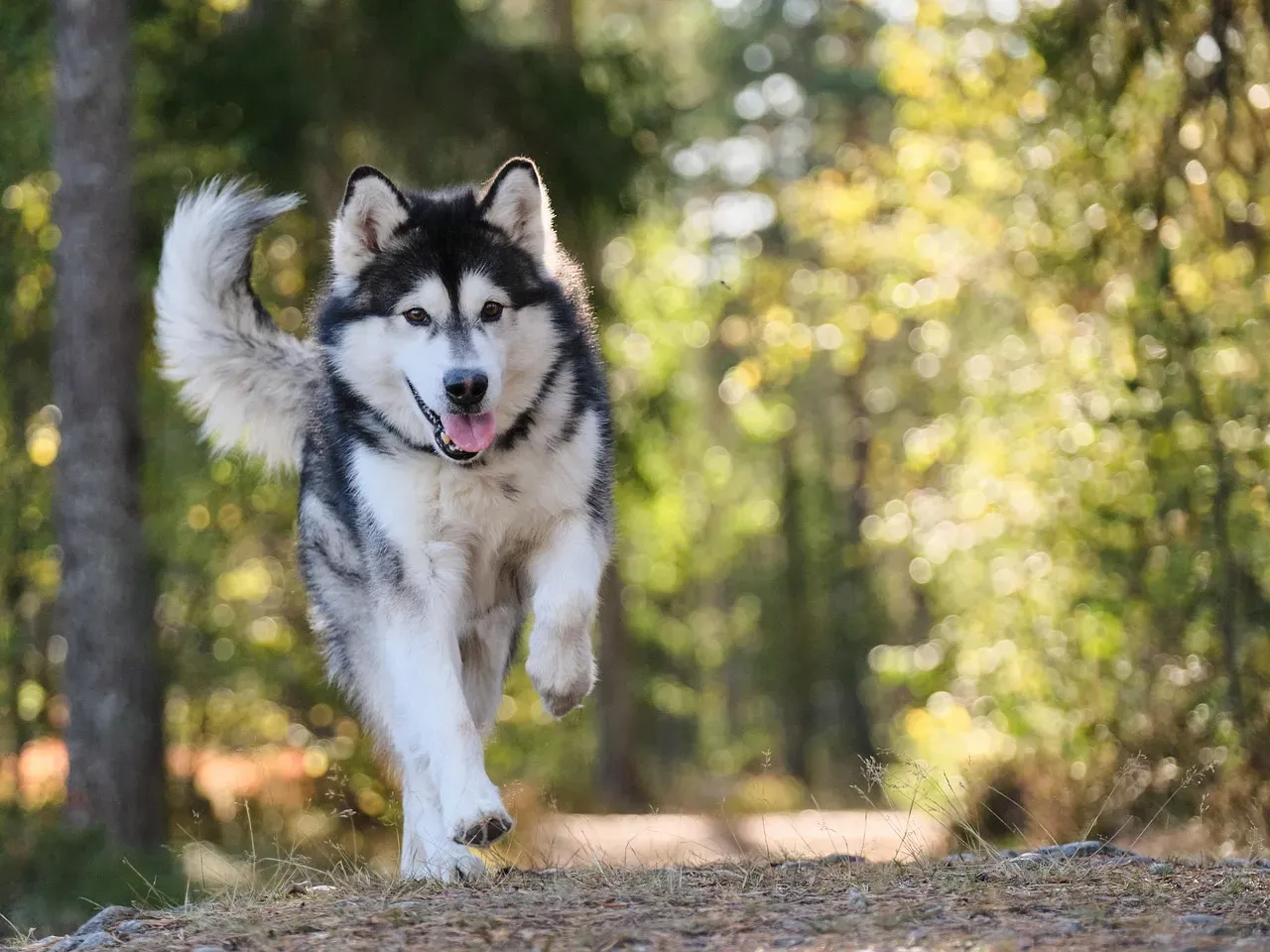
The Alaskan Malamute originated in Alaska and is the largest of the Arctic sled dogs. They are strong dogs built for performing in harsh winter climates. They love their families and are fond of people, but they are also independent and strong-willed.
Used for dog-sledding and hauling in cold environs, the fact that these hard-working, heavy-coated large dogs have been welcomed into warm, cozy family life hasn’t changed their personalities from self-contained and the opposite of needy. Preferring to hang out on the floor unless they’re outdoors, the Malamute’s quiet temperament is soothing and peaceful.
One important thing to know about Alaskan Malamutes is that they are easily bored, so you have to be careful when you leave them alone. They won’t mind a little bit of alone time. That’s the sweet spot: short stretches of independence, paired with rich daily activity.
8. Basset Hound: Easygoing, Leisurely, and Pleasantly Unbothered
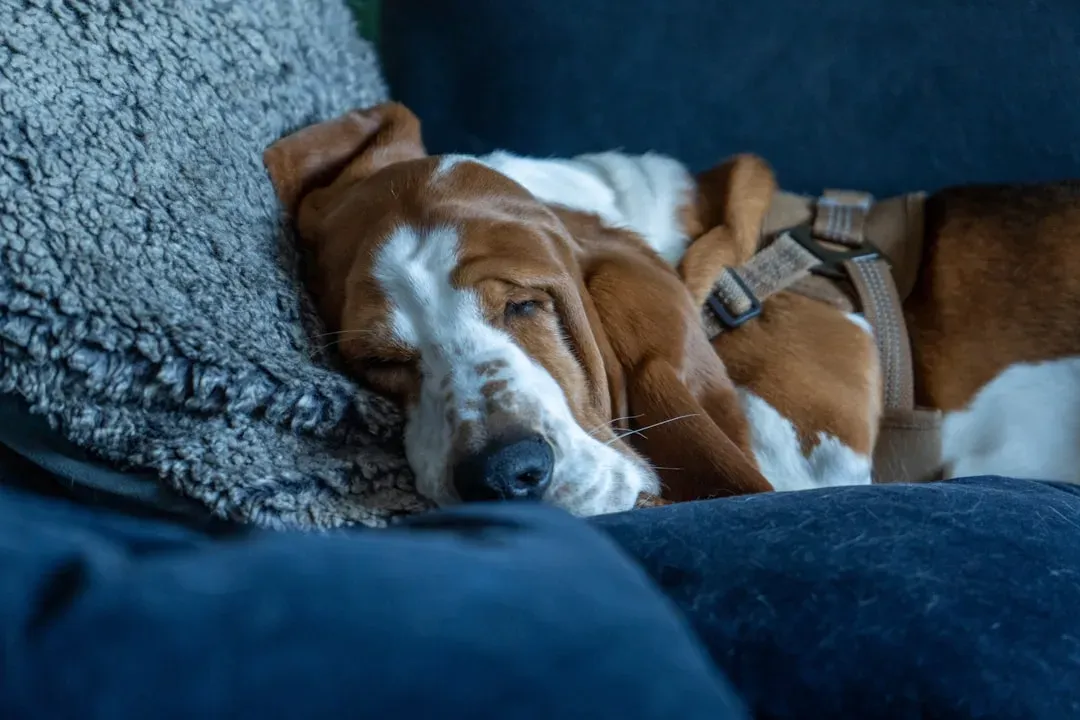
Let’s be real. The Basset Hound is not going to have an emotional breakdown because you stepped out for groceries. This breed operates at its own magnificent pace, and that includes when it comes to needing you around.
The Basset Hound is considered to be a low-energy dog breed thanks to their calm, easygoing personality that borders on being lazy. As a result, most Basset Hounds are independent dogs that don’t mind some solo time, which they’ll likely choose to spend napping.
The Basset is a droopy gentleman content to catch Zzzs on his bed while you’re at work. He doesn’t need a ton of fuss or exercise, preferring a leisurely stroll over raucous play most days. You may need to encourage him to hit his daily step goal, however, as this low-maintenance dog breed is prone to packing on the pounds. Don’t let that lazy charm fool you into skipping walks entirely.
9. Afghan Hound: Elegance With a Side of “I’ll Come to You When Ready”
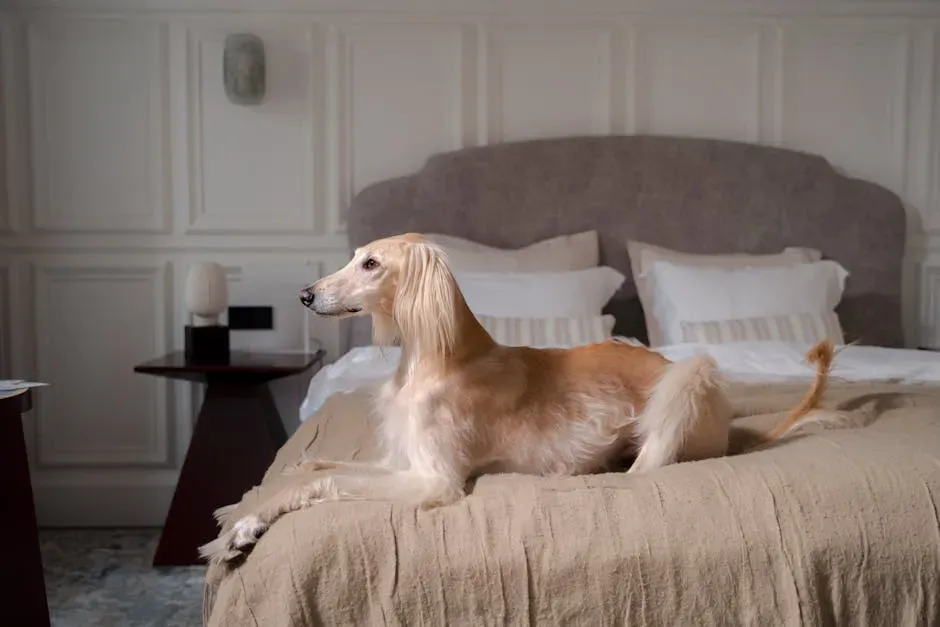
Afghan Hounds are known for their lengthy limbs, tall, narrow frames, and elegant appearance. Although these dogs are loving and affectionate with their families, that affection is shown on their terms. The same is true for receiving attention and affection as well.
Dignified and alert, Afghans often seem to have their attention distracted by almost anything else, and are unlikely to squirm themselves into a pretzel when you come home from work. Getting and giving love is on their terms. It’s less that they don’t love you, and more that they love you like a sophisticated old friend rather than an eager puppy.
Afghan Hounds do require significant grooming commitment despite their independent temperament. Their silky, long coat needs regular attention, so while your Afghan may not be emotionally needy, they do need time from you in a very practical sense. Think of it as your scheduled bonding appointment.
10. Chinese Shar-Pei: Reserved, Wrinkled, and Proudly Self-Reliant
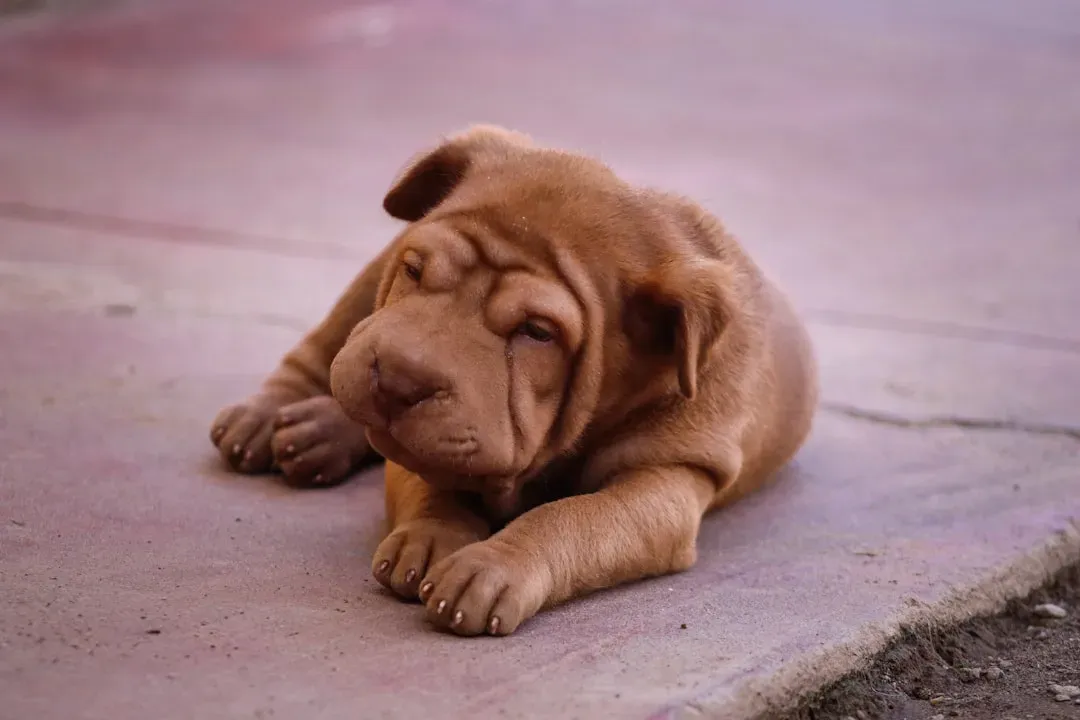
The Shar-Pei is a Chinese dog notable for its excessive wrinkles and prickly fur. Originally used as guard dogs, they are suspicious of strangers and are loyal to but independent of their owners. Early training and socialization is especially important in this breed to avoid aggression problems later.
Chinese Shar-Pei dogs are another breed originally bred for hunting and guarding, giving them an independent personality that still shows through today. That background means they’re calm under pressure, observe before reacting, and don’t seek constant validation from their owners.
Watch for skin fold issues in the Shar-Pei since their iconic wrinkles can trap moisture and cause irritation or infection. Check between the folds regularly as part of grooming. Healthy skin means a more comfortable, content dog, regardless of how unbothered they appear on the outside.
11. Scottish Terrier: Feisty, Opinionated, and Nobody’s Lapdog
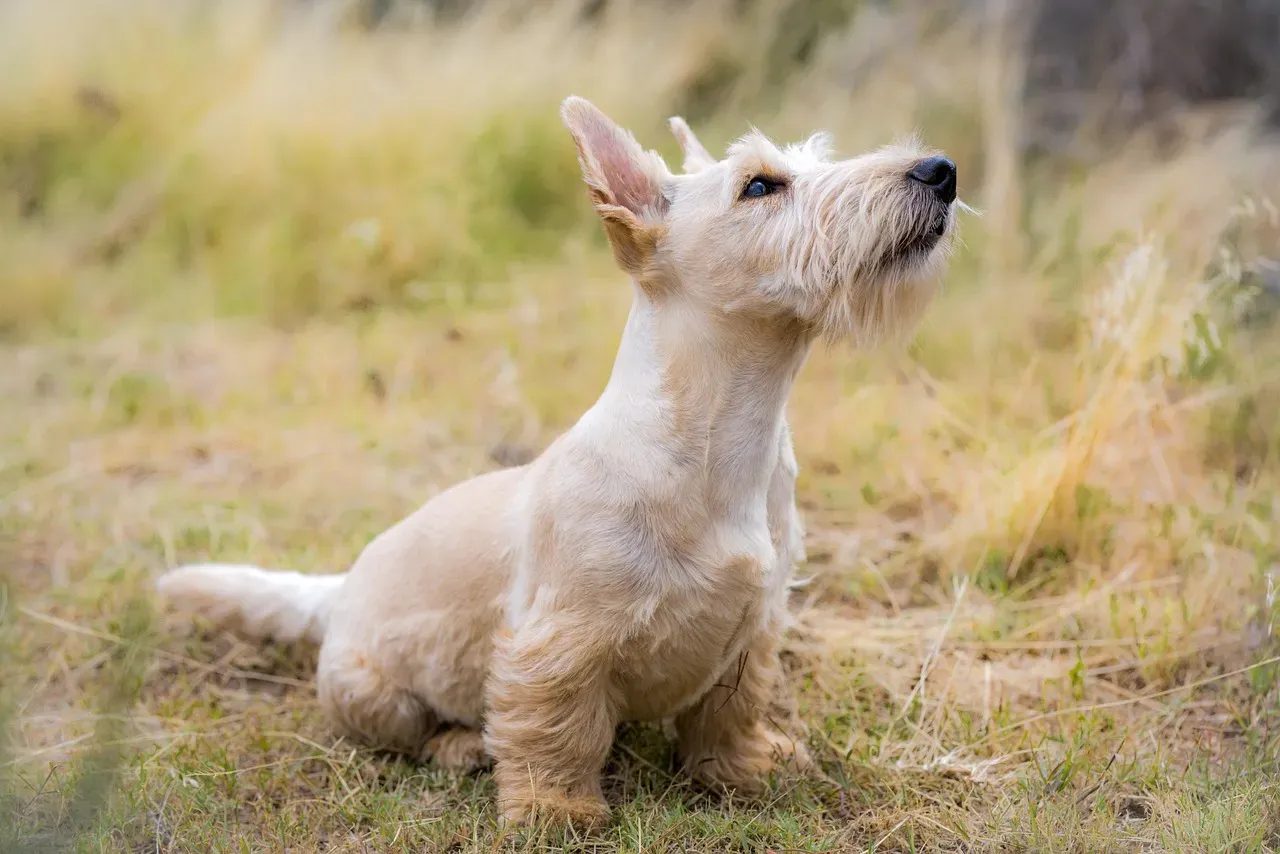
Known to be “feisty, independent and sometimes excitable,” Scottish Terriers can do well living in the city or country, requiring moderate exercise. As adults, their behavior can become moody. I know that sounds alarming, but longtime Scottie owners tend to find it endearing.
This is a breed that will absolutely have a preferred spot in the house, a preferred human in the family, and a preferred time for play. Respect those preferences and you’ll have a loyal, witty, surprisingly funny companion who adds enormous personality to any home.
The independent streak in Terriers runs deep, and it comes from generations of hunting small prey alone underground. This independent nature has stuck with them and also gives them the stubborn streak many terriers are known for. This makes them one of the most independent dog breeds. Short, engaging training sessions work far better than long repetitive drills with this breed.
12. Airedale Terrier: The “King of Terriers” Who Rules on His Own Terms
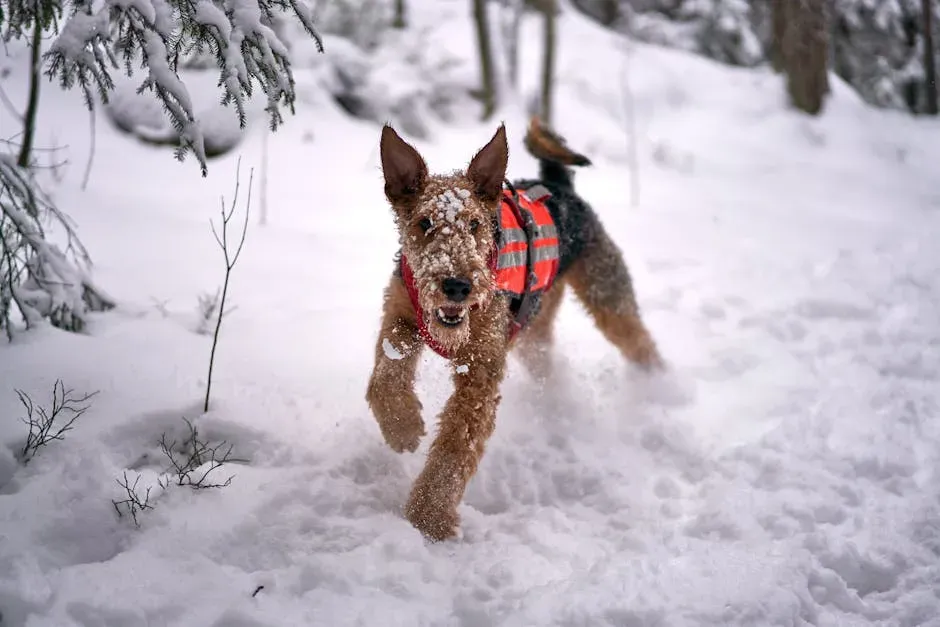
The Airedale is big, brave, and brilliantly independent. Often called the “King of Terriers,” they carry the title with obvious pride. They’re not dogs that sit around waiting for permission to feel good about themselves.
Some facts about Airedale Terriers are that they love their families and get along well with children. They also don’t mind spending some time on their own, on their terms of course. They are intelligent and high-energy dogs, so you can’t leave them alone for too long as they can become bored and destructive.
The key with Airedales is structured engagement. Give them a job, a challenge, a reason to use that big brain, and they’ll be perfectly content. Leave them under-stimulated for too long, and don’t be surprised when your favorite shoes pay the price.
13. Vizsla: The Velcro Dog Who Invented Clinginess
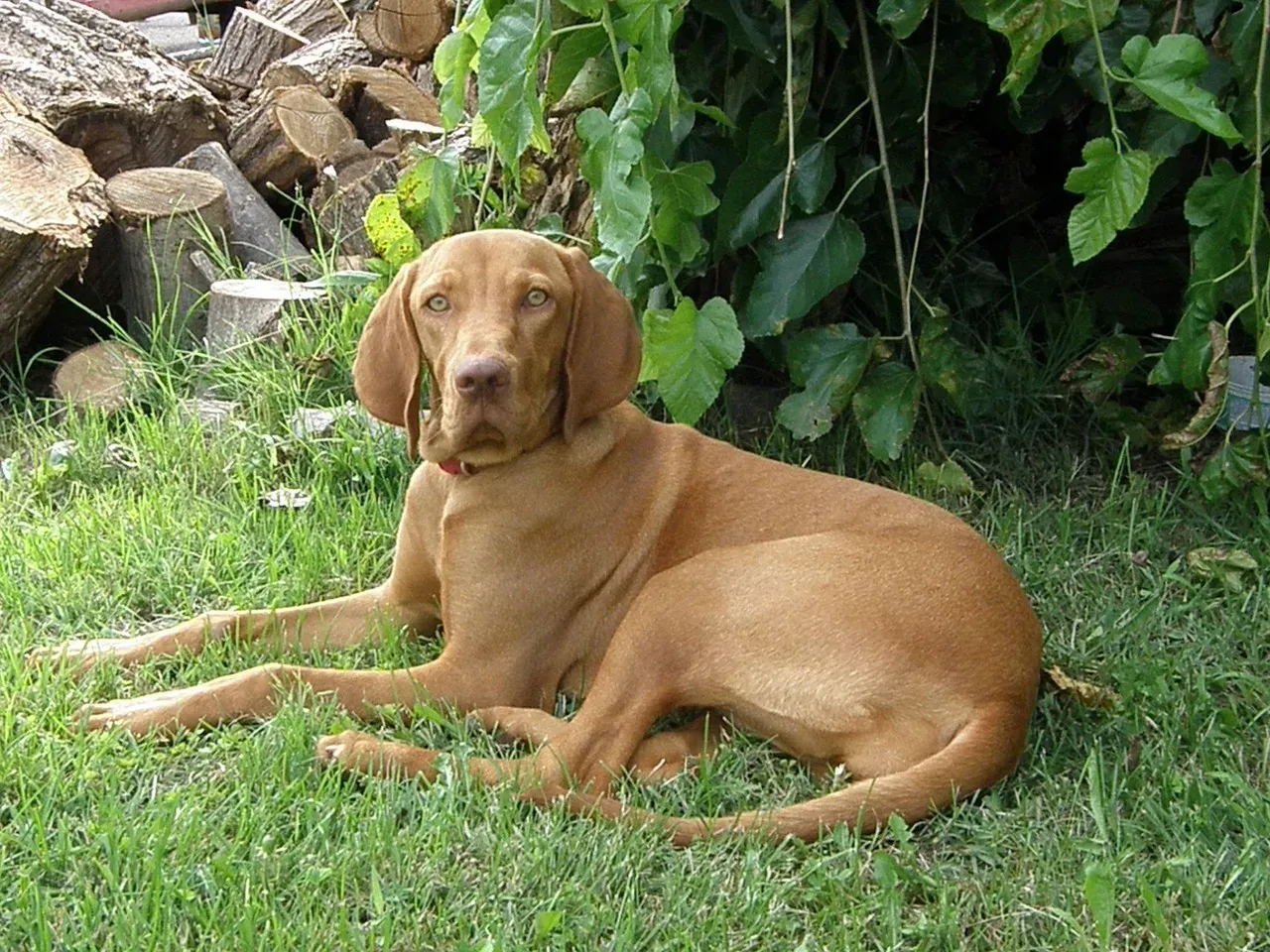
Now we shift gears entirely. If the Shiba Inu is the cat of the dog world, the Vizsla is the golden thread that refuses to be separated from the fabric of your life. Warm, gorgeous, and deeply emotionally connected to their person.
Vizslas are often called the ultimate “velcro dog” for their deep bond with owners. This isn’t casual affection. This is a full-body, full-heart attachment that makes them extraordinary companions, but also dogs that genuinely struggle when left alone for too long.
Dogs can develop separation anxiety for a multitude of reasons, and often there is more than one risk factor involved. A combination of genetics, personality, relationship with their owner, and life experience can affect your dog’s likelihood of developing separation anxiety. With Vizslas, the genetics part is already loaded. Plan their alone-time training from day one.
14. Cavalier King Charles Spaniel: Born to Be Your Companion
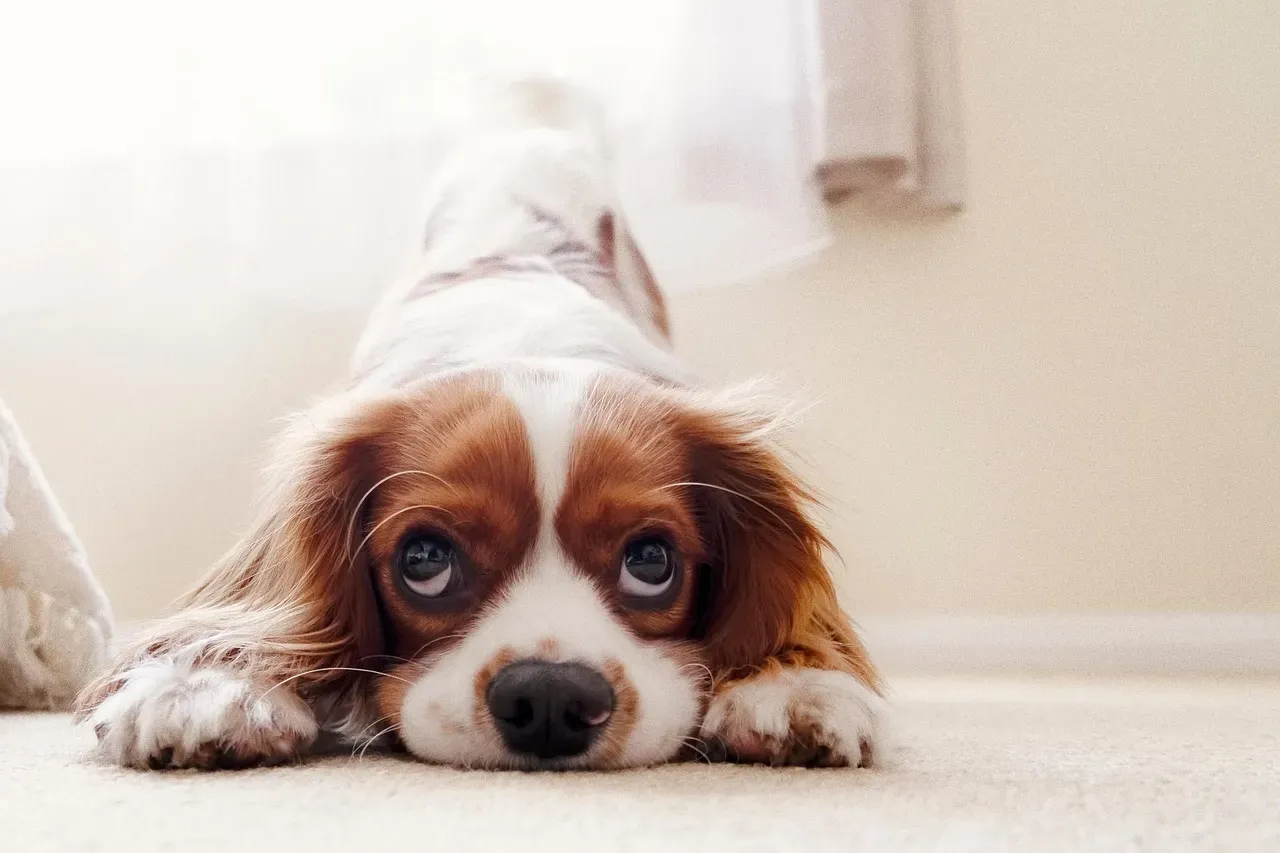
One of the breeds most often cited as clingy is the Cavalier King Charles Spaniel. And honestly, it’s easy to see why. These dogs were literally bred for royal companionship, centuries of lap-sitting is baked right into their bones.
Some breeds, like the Cavalier King Charles Spaniel, just naturally desire closeness. They thrive when they’re with you and can genuinely wilt when separated for extended periods. It’s not neediness out of insecurity. It’s love out of history.
Cavaliers do best in homes where someone is present for most of the day. If you work long hours, consider a dog walker, a doggy daycare option, or even a second pet for company. Their emotional wellbeing depends on connection, and that’s something worth taking seriously.
15. French Bulldog: Small, Expressive, and Absolutely Obsessed With You
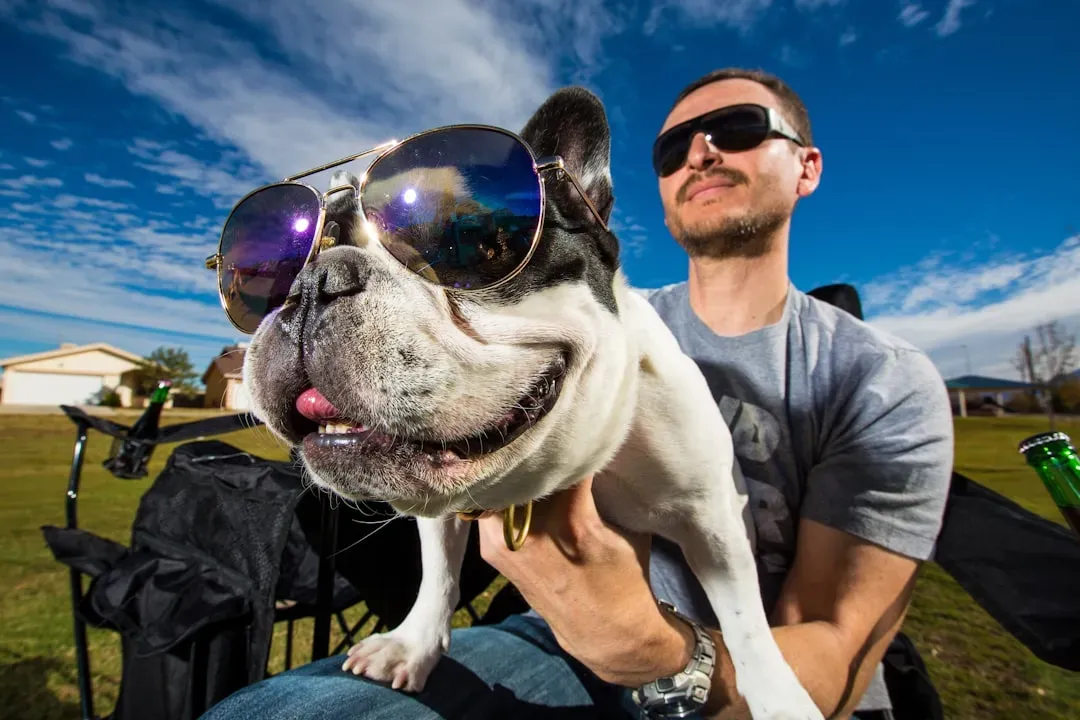
Another breed that is well-known for separation anxiety and extreme vocalization, destructive behavior, or outbursts when left alone is the French Bulldog. These little dogs are highly motivated by human attention and approval and are often more interested in relationships with humans than with other dogs.
French Bulldogs have an unmistakable charm and a very expressive face. They are great for apartments or small households, not only because of their size but because they don’t demand a lot in terms of movement and activities. They clearly prefer to be close to their human family and they constantly look for physical contact. So, even if they are known to be very adaptable, try not to leave them alone for long periods.
If you have a Frenchie and work from home, you already know the joy of that warm little body pressed against your ankles while you type. It’s adorable. Just make sure you’re also building in intentional independence training so they don’t spiral when your routine changes.
16. Golden Retriever: Sunshine in Dog Form, and They Hate Being Away From You
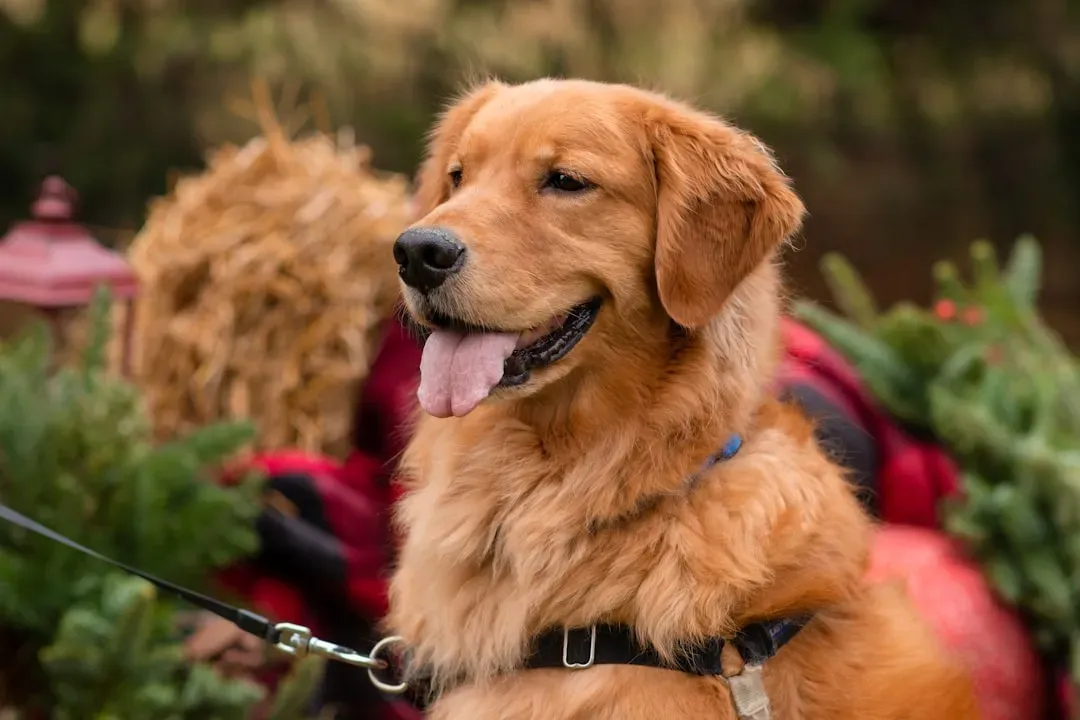
Golden Retrievers are classic Velcro dogs, clingy in the best way. Whether you’re heading to the kitchen or just stretching your legs, expect a trotting tail-wagger in tow. There is genuinely no one more delighted to be near you than a Golden.
The Golden Retriever needs its family. They get deeply attached and a bit clingy. Being alone for extended periods is not the lifestyle where the Golden Retriever will thrive. These dogs were built for teamwork, retrieving waterfowl alongside their humans, and that partnered spirit never really switched off.
The good news is that Goldens are incredibly trainable, and with consistent work, they can learn to manage alone time beautifully. Puzzle feeders, long walks before you leave, and calm departures without dramatic goodbyes make a real difference. Don’t underestimate how much your energy at the door sets the tone for them.
17. German Shepherd: Intensely Loyal and Genuinely Can’t Understand Why You’d Leave
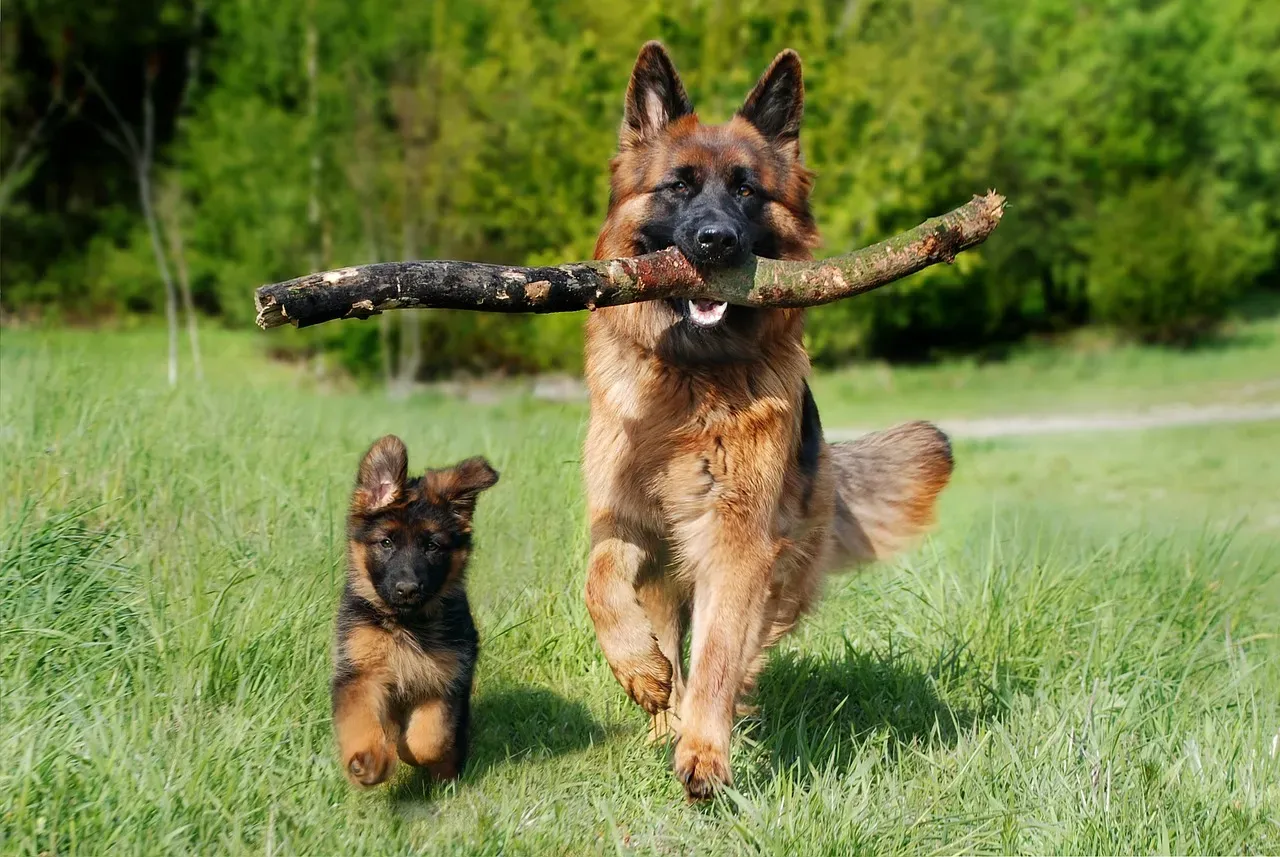
German Shepherds are super intelligent, hard-working, and intuitive dogs. They develop a protective sense for their owners and families, the way a best friend would. They can be quite clingy. They are just not the “independent” type.
These large dogs are “much happier” when accompanying their owner rather than spending time alone, as they can be prone to separation anxiety and destructive behaviors. A German Shepherd with unmanaged separation anxiety can be a genuinely challenging situation to live with, both for you and for them.
The solution isn’t to love them less. It’s to build their confidence systematically. If you fear your dog has developed over-dependency on you, there are steps you can take to help them be more self-assured, without breaking the precious bond between the two of you. Increasing their confidence and independence is one of the nicest things you can do for them. Think of independence training as a gift, not a rejection.
Understanding What Your Dog Actually Needs
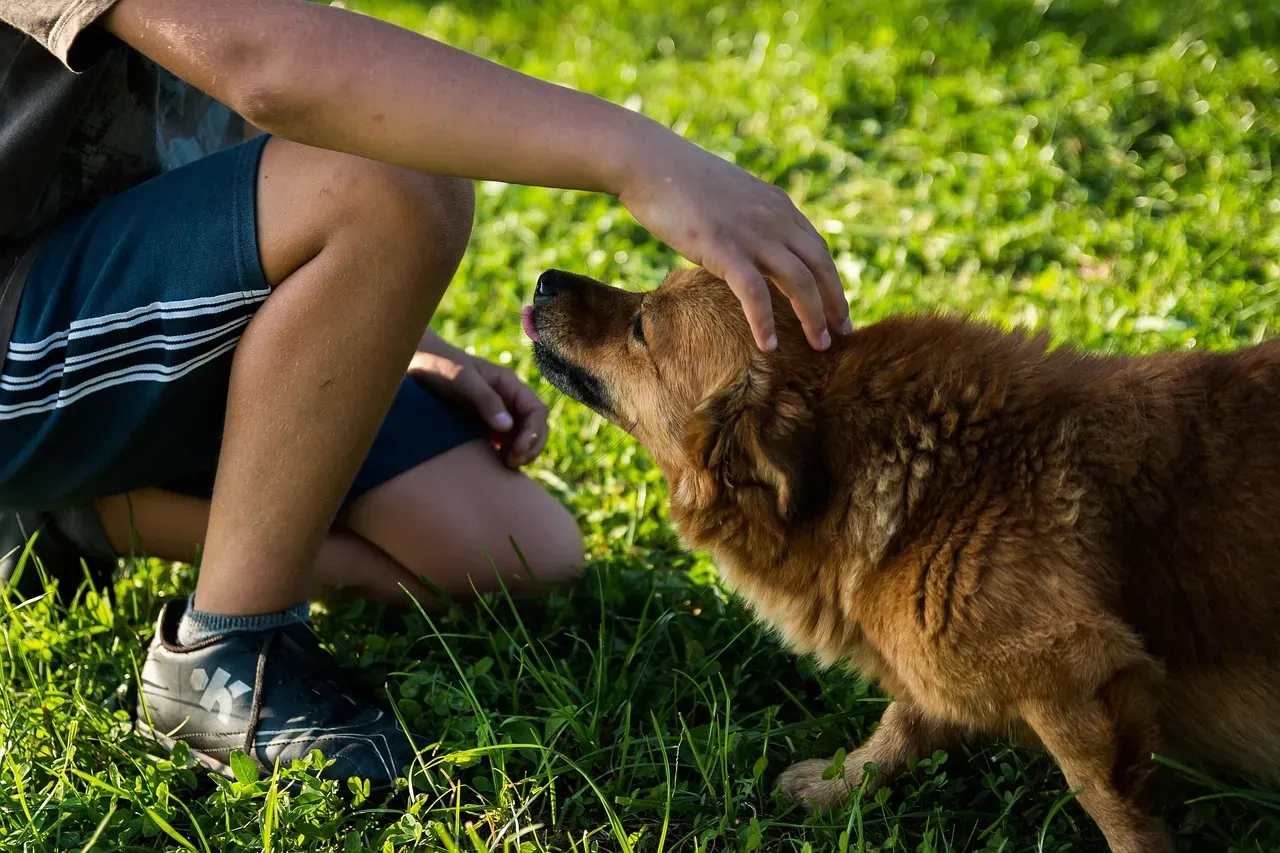
No dog, including independent dog breeds, should be left alone constantly or consistently, as this can lead to anxiety and behavior issues. Every pet relies on you to fulfill their needs, so be prepared to give your dog the daily time and attention necessary for a happy, healthy, and well-adjusted pet.
Canine independence is deeply woven into a breed’s roots. Some dogs, such as Chihuahuas, were bred for companionship, so they’re hardwired to expect frequent attention. Other breeds, like livestock guardian dogs and some working dogs, were bred to function alone, often problem-solving and deterring threats without us.
Clingy behavior can be caused by a variety of factors, including lack of socialization, separation anxiety, fear or anxiety, illness, a change in routine, or genetics. So even if you own a naturally independent breed, life events can still tip the scales toward clinginess. Watch for sudden changes in behavior, because they always mean something.
Conclusion: Knowing Your Dog Changes Everything
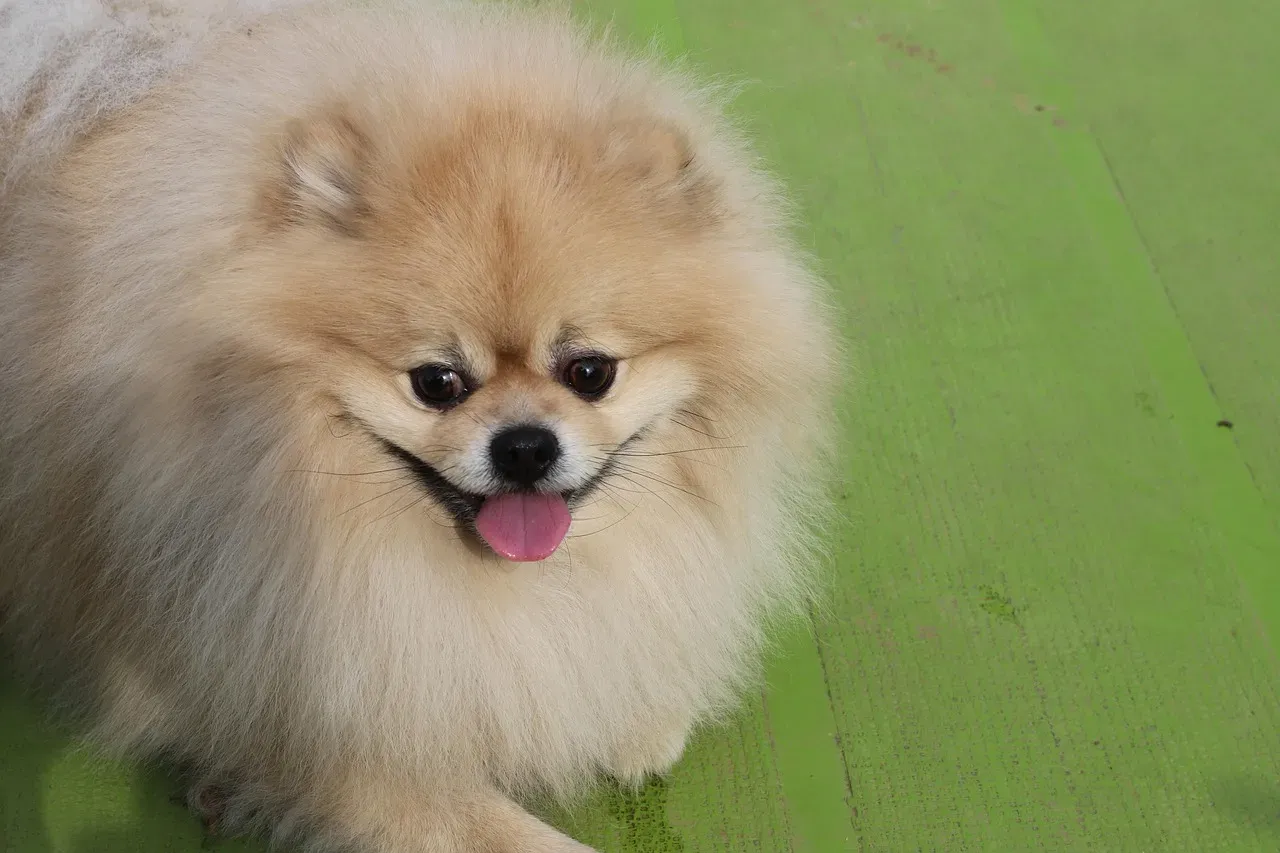
Here’s the thing about dog ownership that nobody really prepares you for: understanding your dog’s emotional wiring isn’t just about choosing the right breed. It’s about learning to love them the way they need to be loved, not just the way you imagined loving them.
An independent dog is comfortable and confident without constant interaction from a human companion. That said, independent dogs have love and loyalty to give, they just might express it differently than other dog breeds. For example, they might prefer to lie in the corner while you’re watching TV on the couch instead of cuddling up next to you. That corner-lounging is still love. Just quieter love.
And for the clingy ones? With mindful training, consistency, and enrichment, even the most shadow-loving pup can grow into a well-adjusted, confident companion. Your job isn’t to change your dog’s personality. It’s to give them the tools to feel safe whether you’re in the room or not.
Every dog, independent or velcro, is asking the same question underneath it all: Do you understand me? Now that you know a little more, the answer can be yes. So which type is your dog? Drop a comment below and tell us whether you’re living with a free spirit or a full-time shadow.


