
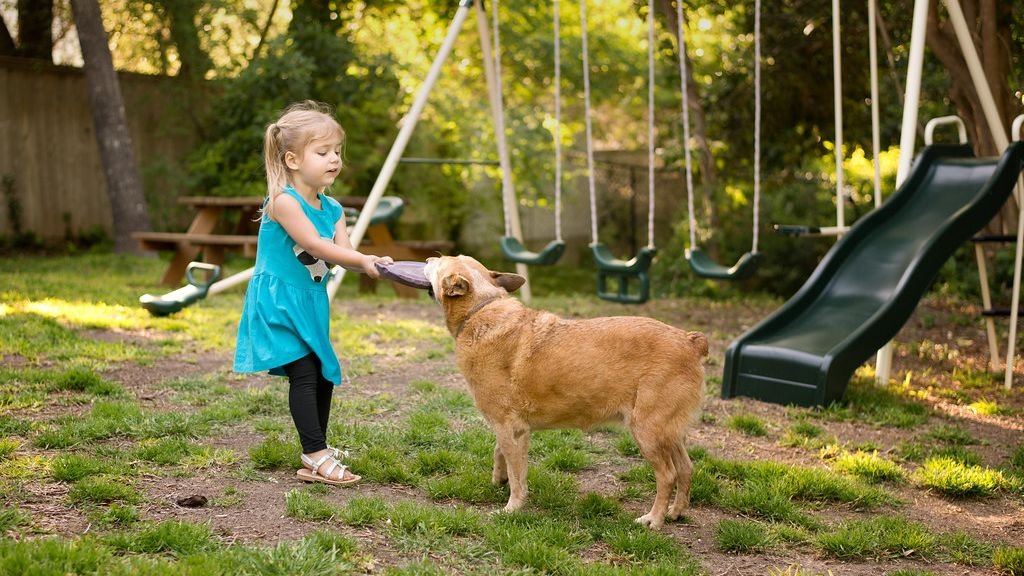
Picture this: a toddler’s tiny hand buried in soft fur, both erupting in giggles as they tumble together on the living room floor. It’s the dream for so many families, right? Yet headlines scream about tragic bites, leaving parents wondering if some dogs are just ticking time bombs around little ones.
I’ve spent years around pups of all shapes and sizes, and let me tell you, the truth isn’t as black-and-white as breed labels make it seem. Experts weigh in with a mix of hard stats and heartfelt wisdom. Let’s unpack what they really say, so you can make the best call for your pack.[1]
No Breed Comes with a Danger Label

Organizations like the ASPCA and AVMA flat-out reject the idea that certain breeds are born bad news for kids. They argue it’s the dog’s upbringing, training, and environment that count most, not its pedigree.[2][3] Any pooch can turn sweet or sour based on how we raise them.
Think of it like kids in school, some thrive with guidance, others struggle without it. I’ve seen fluffy lapdogs snap from neglect, while massive guardians melt around toddlers when socialized right. Experts push for judging the individual dog, always.[4]
The Hard Numbers on Dog Bites
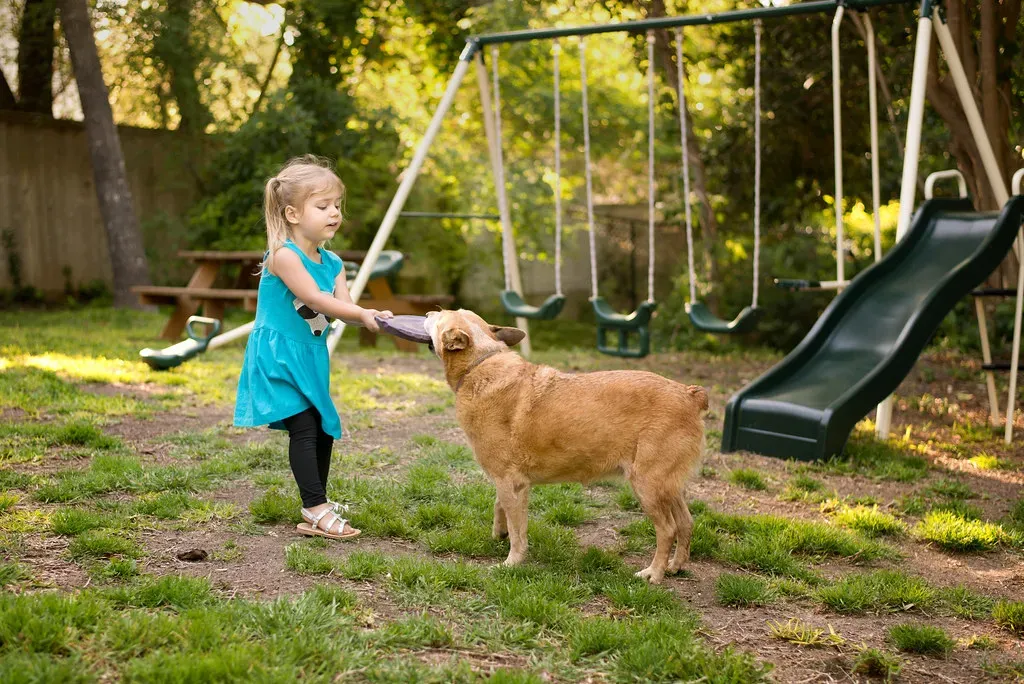
Around 4.5 million dog bites happen yearly in the US, with kids facing the brunt, especially those under five. Nearly half of children get nipped by age 12, but most are minor scrapes.[5][6] Fatal attacks are rare, yet heartbreaking, often involving family dogs.
Stats spotlight pit bulls and Rottweilers in a chunk of severe cases, sometimes over half in older studies. Newer data echoes this trend, with young kids under two hit hardest in fatalities.[7][8] Still, experts caution these figures suffer from breed misidentification woes.
Breeds Experts Flag for Families
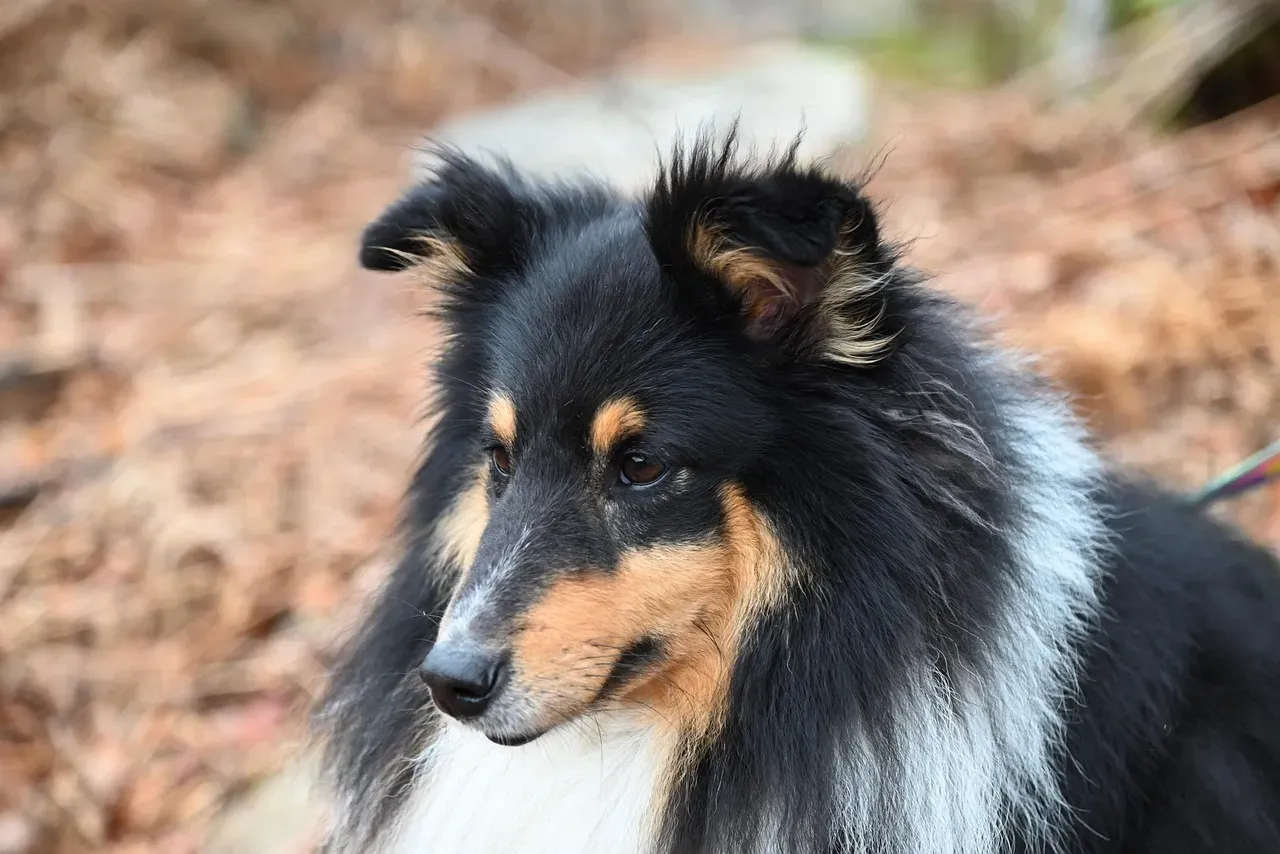
Canine behaviorists like Will Atherton point to Akitas, Cane Corsos, and similar powerhouses as tricky for homes with young ones. Their strong guarding instincts and sheer size can overwhelm wiggly kids if not managed perfectly.[9][10] Pit bulls pop up often too, due to bite strength stats.
I’ve known gentle giants in these lines, but honestly, their power demands expert handling from day one. Families might fare better with patient pals like Labs or Goldens, known for kid-friendly vibes across the board.[11]
Spotting Warning Signs Early
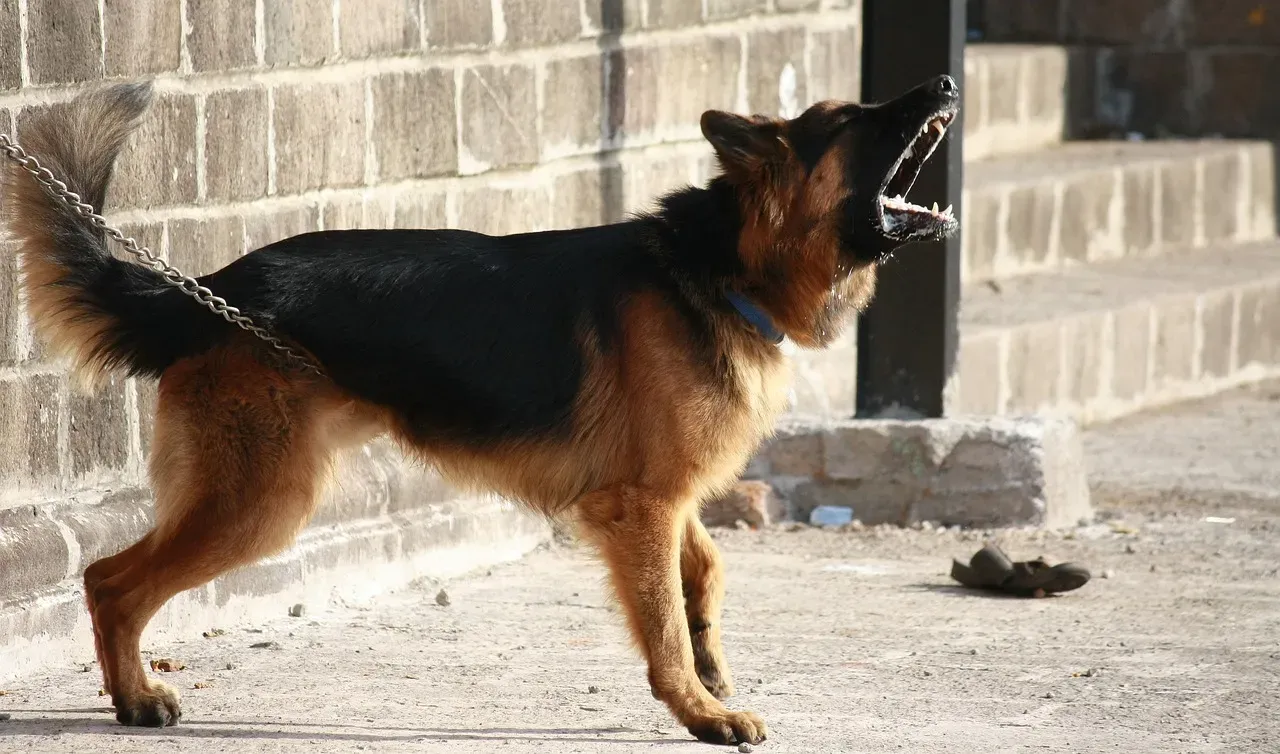
Watch for stiff posture, lip curling, or avoidance, these are your dog’s way of saying “back off.” Kids tugging tails or hugging tight can trigger even mellow mutts without warning.[12] Health issues like pain from hip dysplasia amp up grumpiness too.
Prevention shines through constant supervision, never leaving tots alone with any dog. Teach gentle petting and space respect from puppyhood. It’s these habits that keep playtime pure joy, no matter the breed.
Building a Safe, Loving Pack
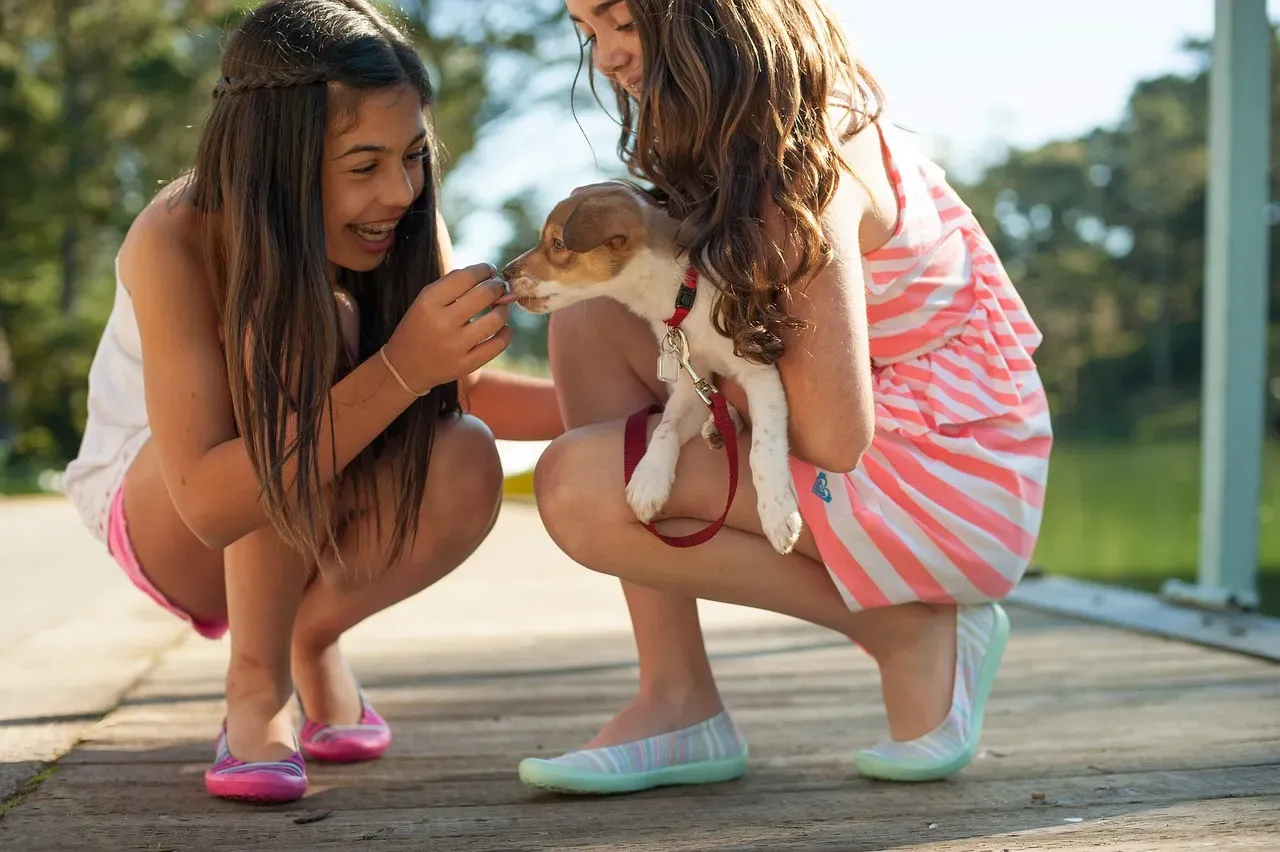
Socialize early, expose your pup to kids’ chaos in controlled ways, rewarding calm vibes. Positive training builds trust, turning potential guards into gentle playmates. Consistency from all family members seals the deal.
Relatable scene: my neighbor’s Rottie now lounges while her boys climb all over, thanks to daily kid sessions from eight weeks old. Experts swear by this approach for any breed. You’re not just owning a dog, you’re crafting a lifelong buddy.[13]
Your Path to Worry-Free Wags
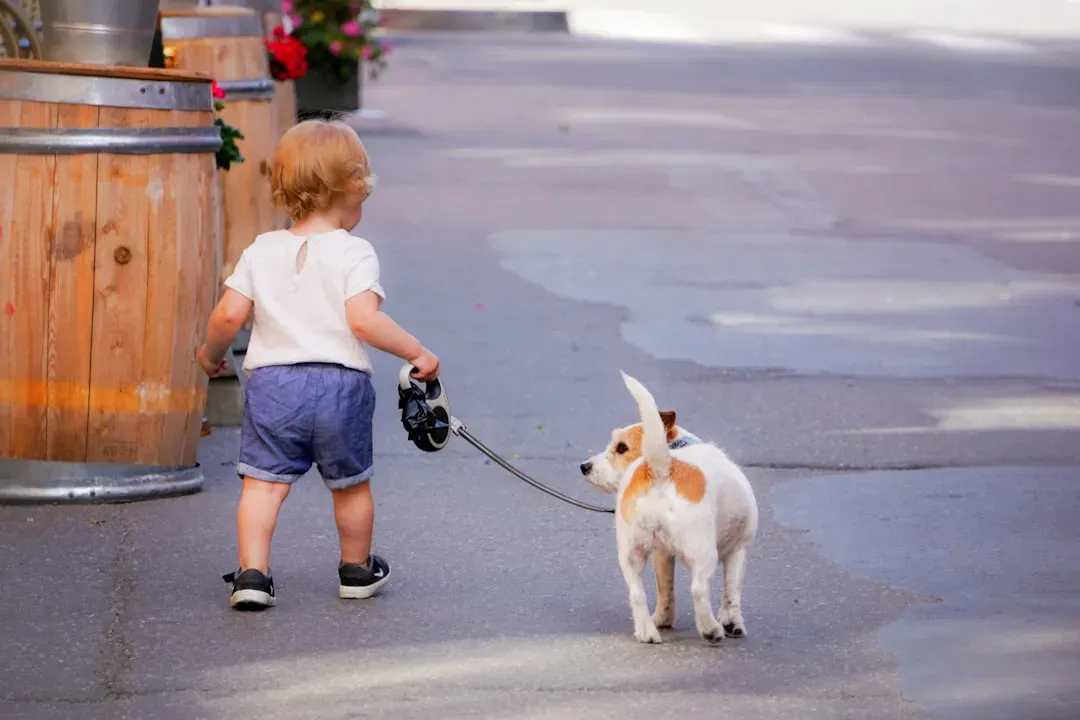
Bottom line, no breed spells doom outright, but smarts mean matching lifestyle to temperament. Prioritize socialization, supervision, and pro training to sidestep risks. You’ve got this, creating magical memories awaits.
What breed shares your home, and how do you keep the peace? Share in the comments, fellow dog devotees – we’re all in this tail-wagging adventure together.


