
9 Reasons Why Your Dog Suddenly Became More Affectionate (Or Less So)
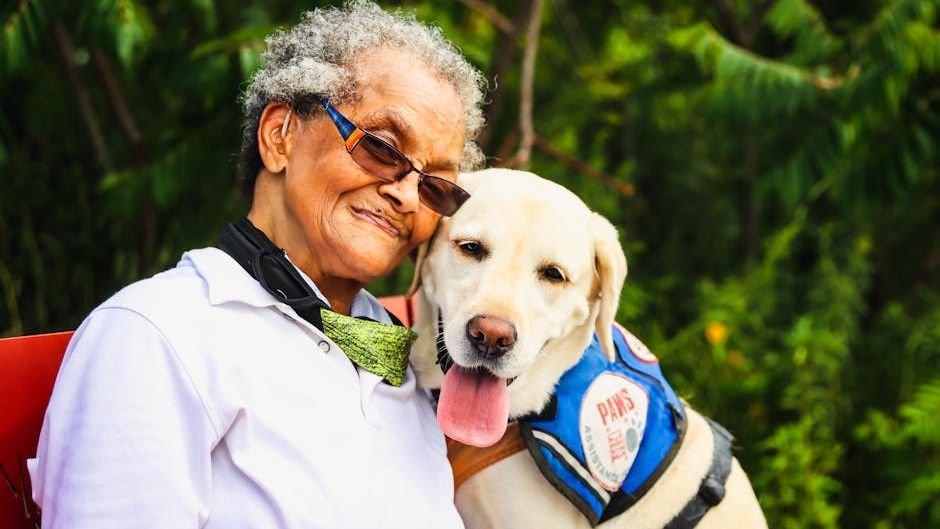
You know that feeling when your dog, who normally greets you with a polite tail wag, suddenly becomes your shadow, following you into every room, pressing their warm body against your legs, and staring at you like you’re the most fascinating person on earth? Or maybe the opposite happened. The dog who used to bury their nose in your neck now flinches when you reach out for a cuddle. It’s confusing, a little heart-wrenching, and honestly, a lot of dog owners just don’t know what to make of it.
Here’s the thing: dogs don’t change without a reason. Every shift in your pup’s affection level is a message, and learning to read it is one of the most powerful things you can do as a dog parent. Some reasons are sweet and completely harmless. Others are urgent calls for a vet visit. Let’s dive into what your dog might really be telling you.
They’re Stressed or Anxious and Seeking Comfort From You

One of the most common reasons a dog becomes clingy or cuddly out of the blue is stress or anxiety. Dogs are deeply sensitive to changes in their physical environment and daily routines. Think of it like this: your dog is basically a creature of habit, like a colleague who panics when the office layout gets rearranged.
Your dog may be more affectionate all of a sudden because they are feeling stressed or anxious and are seeking comfort. The most common form of anxiety disorder that dogs develop is separation anxiety. Watch for pacing, whining, excessive yawning, or destructive behavior alongside the sudden clinginess. Those are your biggest clues that something has emotionally unsettled them.
Your Stress Is Actually Triggering Their Affection
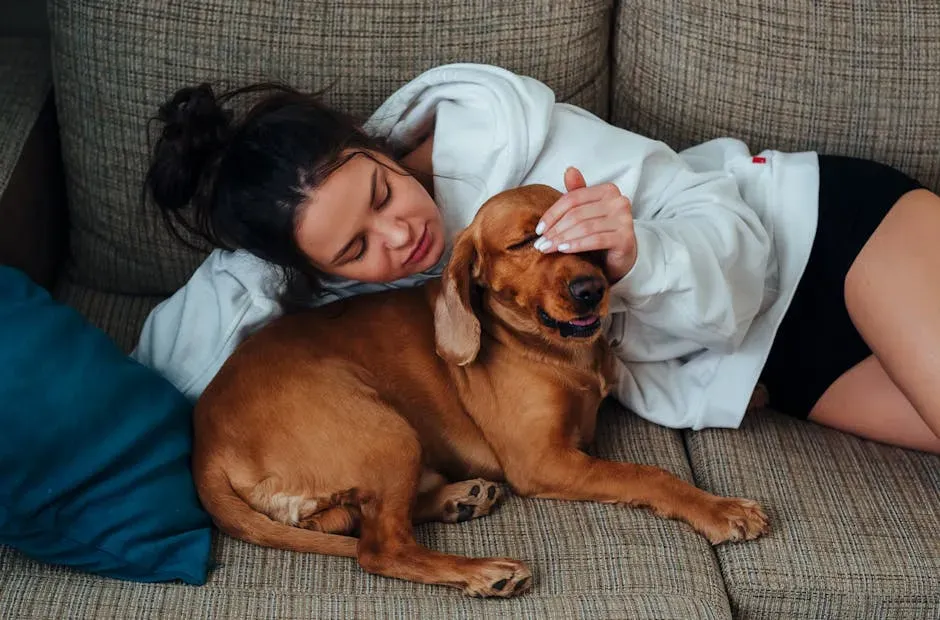
Dogs have a great sense for pain and a powerful capacity for emotional healing. Dogs are actually incredibly sensitive to the stress and anxiety of those around them. It’s almost eerie how tuned in they are. Your dog doesn’t need words. They can feel the tension in your body and hear it in your voice.
Dogs are incredibly attuned to their owners’ emotions. If you’re going through a stressful period or experiencing strong emotions, your dog might pick up on that and become clingy out of concern. While it’s touching to realize how empathetic our pets can be, it’s also a reminder to take care of our mental well-being, for both our sake and our pets’. So the next time your dog won’t leave your side during a rough week, honestly, they might just be trying to tell you to breathe.
A New Person or Pet in the Home Is Making Them Jealous

Just like us, dogs can get jealous. Your pup could be more affectionate now because they’re jealous and want to make sure they get all of your attention. A new baby, a new partner, or even a new pet can completely flip the dynamic your dog has grown comfortable with.
Not all dogs are ready to get along with a new canine companion. This new addition is probably taking up a lot of your time and energy. If you’re giving them more attention and giving your dog less, this could make your dog suddenly a lot more jealous and affectionate. The fix here is surprisingly simple: carve out intentional one-on-one time. Even fifteen minutes of focused play can reassure your pup they still matter most.
Aging Is Changing the Way They Experience the World
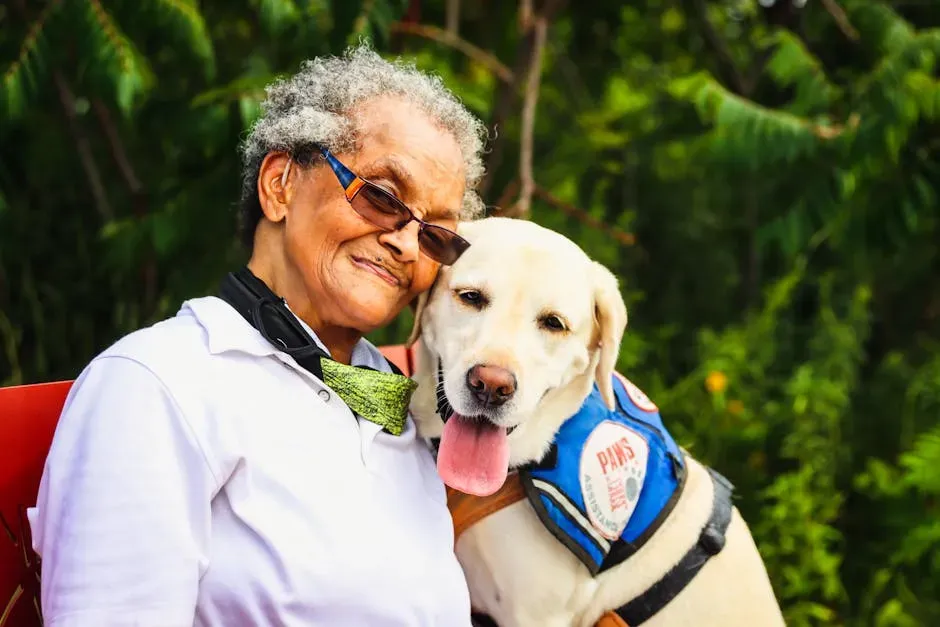
Canines who are aging are likely to grow more affectionate to their human companion as their reliance on them grows. This is doubly so for canines who are experiencing deafness, blindness, or trouble smelling, provided these are not lifelong disabilities. When a senior dog’s senses start to fade, you become their anchor. Their whole world literally narrows down to you.
Clinginess is especially common in senior dogs, especially when losing vision or hearing. As your dog’s world becomes less familiar, they’ll stay close to you as a source of comfort and familiarity. If your older dog has started sticking to you like glue, don’t brush it off. Lean into it, cherish it, and also schedule that vet checkup.
They Could Be in Pain or Feeling Unwell
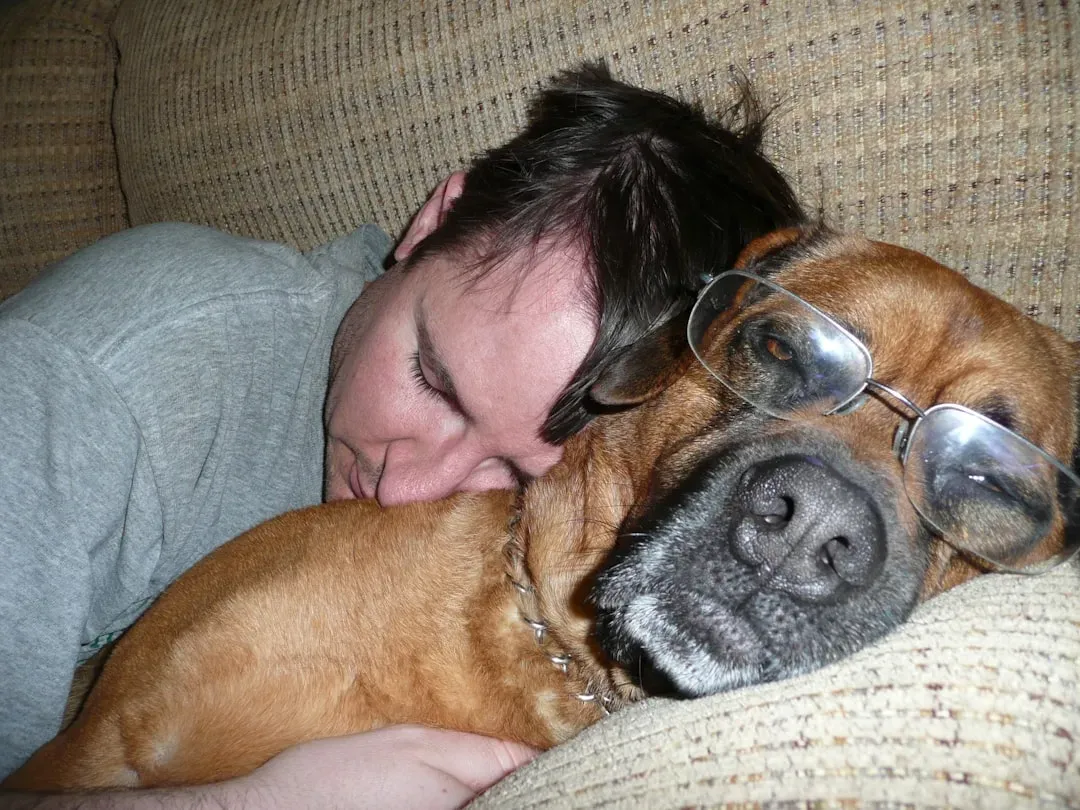
Once dogs are mature, their personalities generally remain stable. In the absence of any significant traumatic events, a sudden change in behavior is one of the earliest signs that there’s a change in the dog’s physical health. This applies both ways. A dog who suddenly withdraws from affection and a dog who suddenly becomes desperately clingy can both be signaling physical discomfort.
Any sudden behavioral change, like increased clinginess, can be an indicator of health problems. Pain, discomfort, or feeling unwell can lead your dog to seek comfort from their trusted human. Conditions like arthritis, infections, or even internal issues may not be immediately apparent. If the shift feels dramatic and comes alongside other signs like changes in appetite, limping, or unusual quietness, please see a vet. Don’t wait it out.
Hormonal Changes Are Shifting Their Behavior
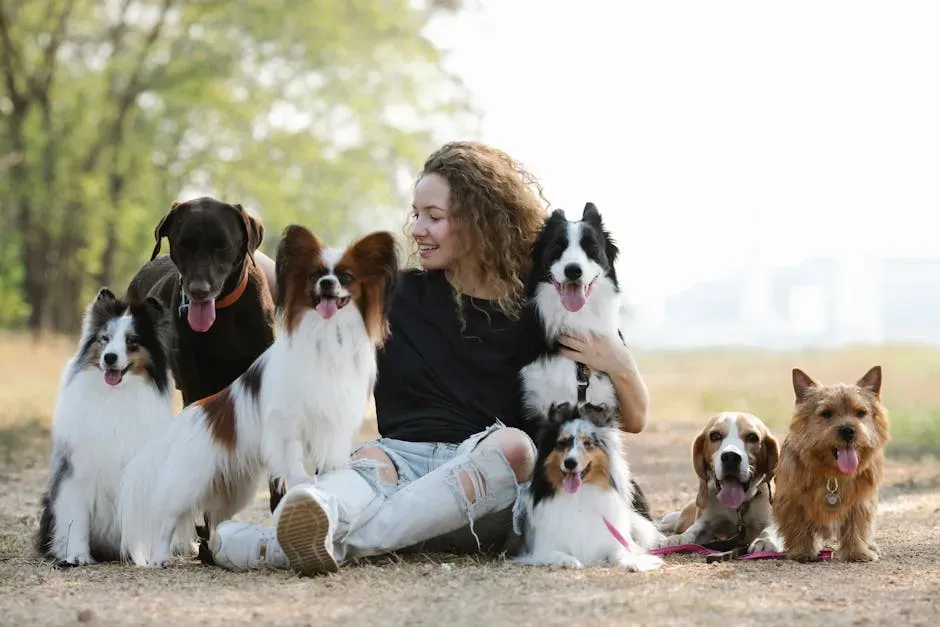
If your female dog isn’t spayed, she’ll go through her heat cycle approximately every six months. During this period, hormonal changes can cause various behavioral shifts, including increased clinginess. This behavior can also manifest as restlessness, nesting, or seeking more attention than usual. It’s her body’s natural response to the hormonal surge.
In some cases, hormonal shifts can affect behavior, especially in unneutered or unspayed pets. Female dogs may become more affectionate before or during their heat cycle. A pregnant dog may also seek more attention and comfort. Think of it as the canine version of emotional turbulence. It’s normal, but it still deserves your attention and gentle care.
Their Environment or Routine Was Disrupted
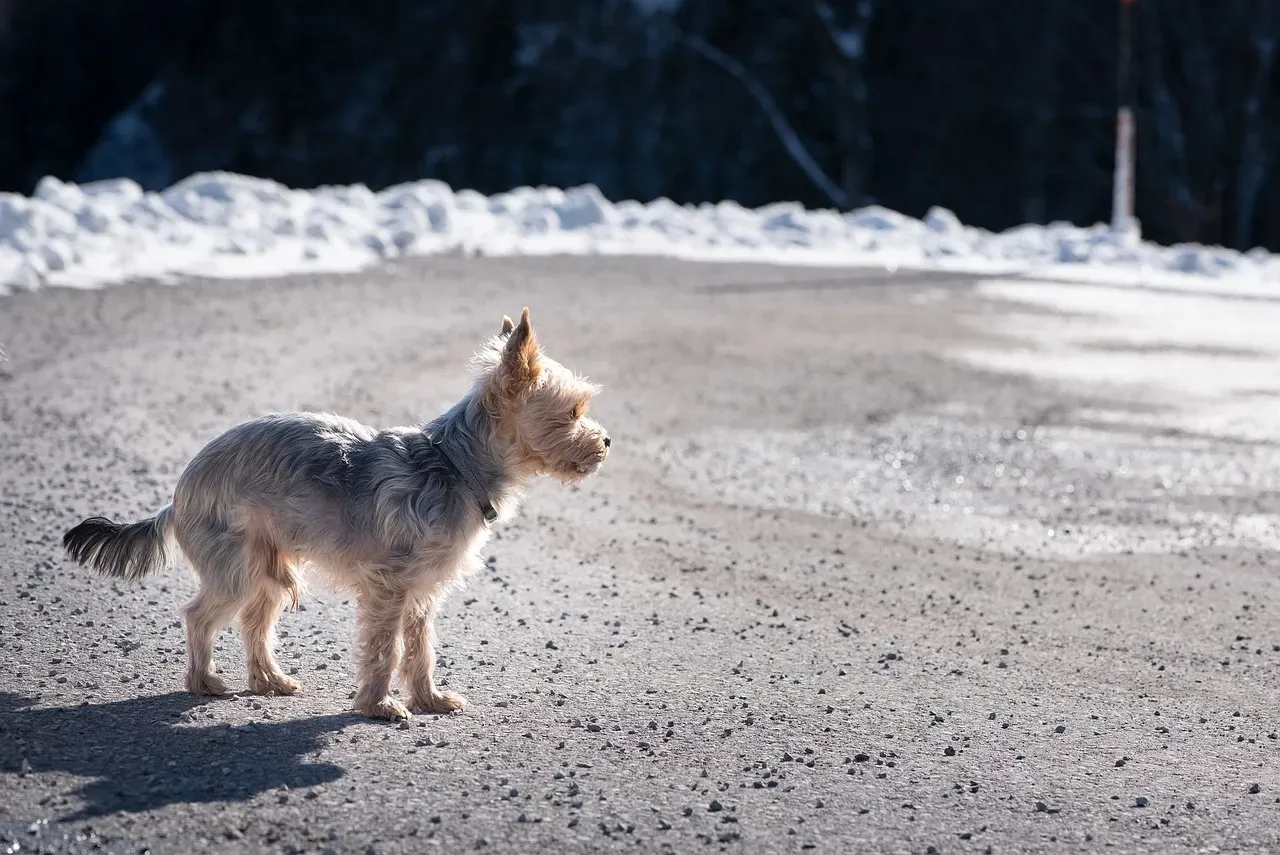
Environmental changes, such as moving to a new house, introducing a new pet, or rearranging furniture, can make a dog uneasy. Your dog might become clingy in these scenarios because her usual environment or routine has been disrupted. Providing reassurance and keeping some aspects of her routine consistent can help ease the transition. Dogs are deeply comfort-seeking creatures. Routine is their superpower.
Pets can be sensitive to changes like moving to a new house, a new roommate or partner, or even changes in work hours. This can cause your dog to change its normal behavior and be more clingy and snuggly. On the flip side, routine disruption can also make some dogs withdraw. If your once-affectionate pup suddenly seems distant after a big life change, give them time and consistency to readjust.
They’ve Learned That Affection Gets Rewarded
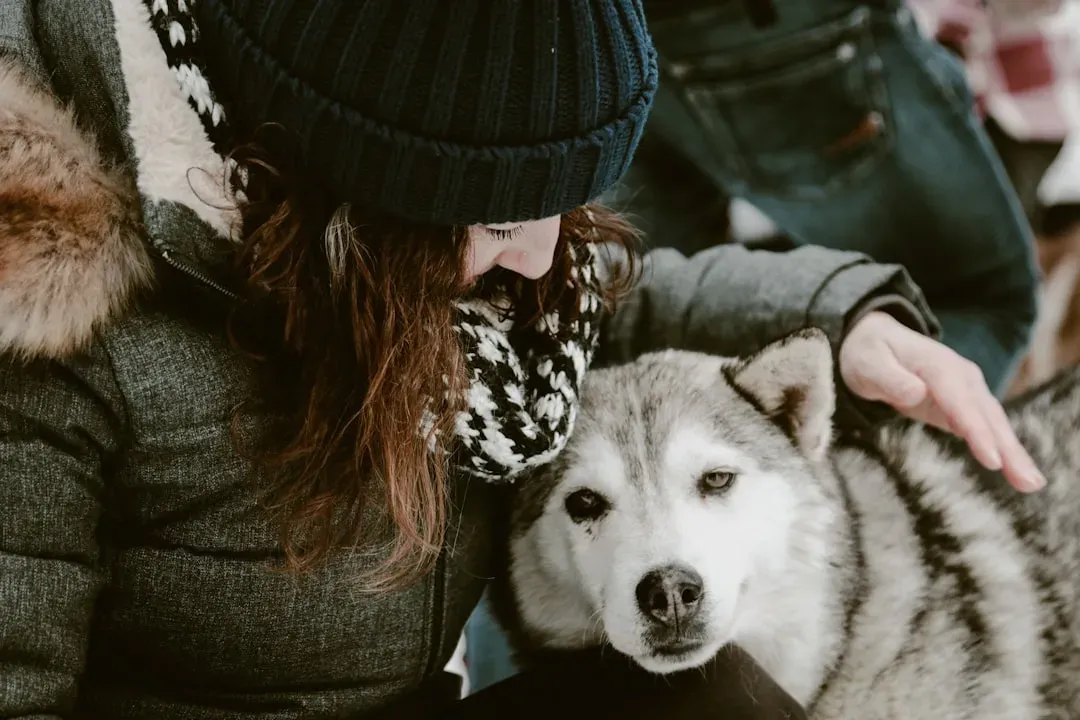
You might be giving your dog treats and extra attention when they exhibit cuddly behavior. As a result, they’ve learned that they’re always rewarded when cuddling with you. The more you encourage the behavior, the more they’ll do it to get more rewards and praise. Honestly, this is the most adorable reason on this list. Your dog figured out the system and is working it brilliantly.
If a behavior is followed by pleasant consequences such as obtaining food, attention, or affection, the behavior is likely to be repeated. These consequences could be administered unintentionally by owners. Although in practice the goal would be to use rewards to encourage desirable behavior, many undesirable behaviors are encouraged because of rewards. There’s no shame in it. Just stay aware of whether the affection-seeking is crossing into anxious territory or genuine joy.
Cognitive Decline Is Quietly Changing Your Dog’s Personality
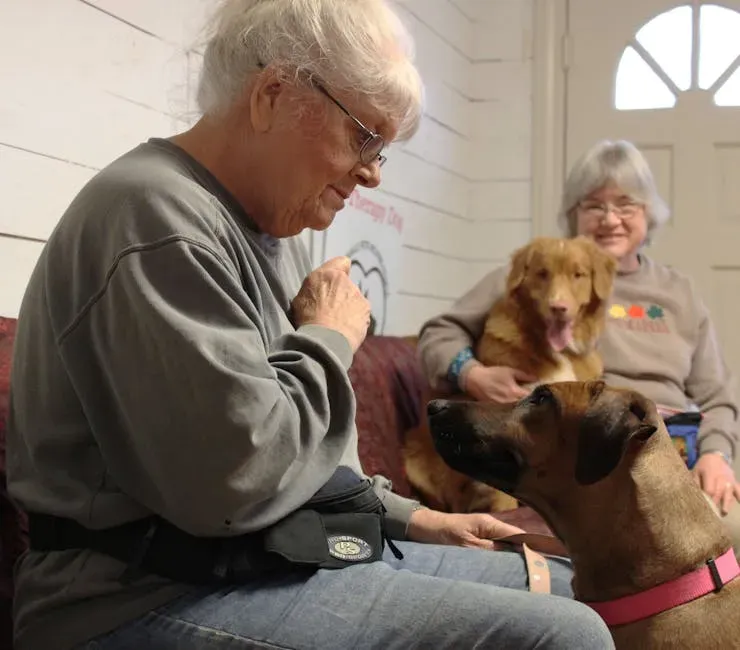
As dogs age, they may experience cognitive decline, similar to dementia in humans. This condition, known as Canine Cognitive Dysfunction (CCD), can cause confusion, memory loss, and changes in behavior. A once-independent dog might become more reliant on their owner due to the disorientation associated with CCD. It can feel like your dog is regressing into a puppy-like neediness, which is both sweet and a little heartbreaking at once.
A normally independent dog might become extremely clingy and distressed when not given attention, while a cuddly, sweet dog might act irritable or defiant and refuse to be touched at all. Both patterns can point to cognitive decline in older dogs. Regular veterinary visits and cognitive-enhancing therapies can help manage these symptoms. Early detection makes a real difference in quality of life, so don’t dismiss the signs as “just old age.”
Conclusion: Your Dog Is Talking. Are You Listening?
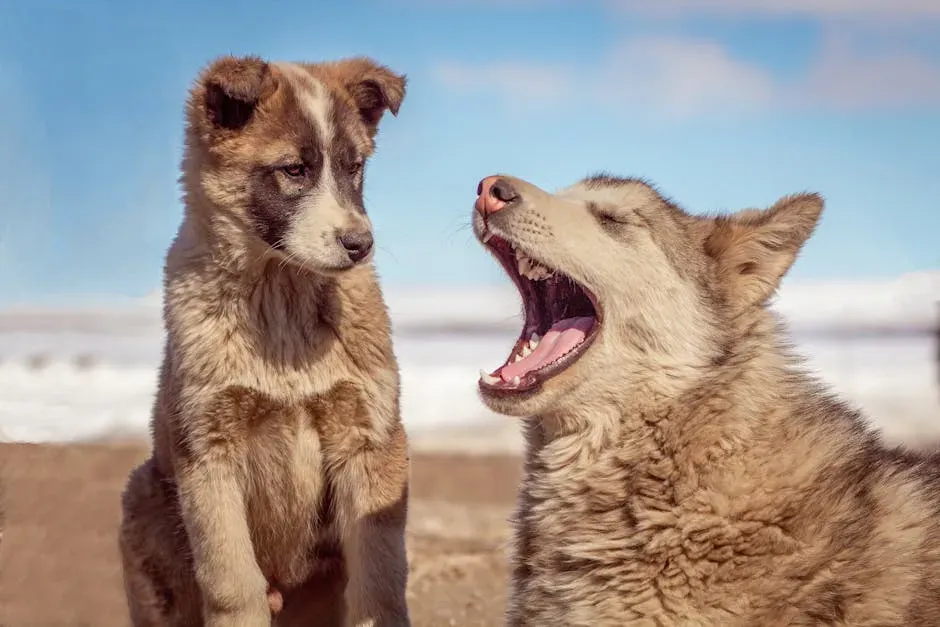
Every single wag, nudge, withdrawal, or snuggle attempt is your dog communicating in the only language they have. Whether they’ve suddenly become your velcro companion or they’re quietly pulling away, both deserve your full attention and a compassionate response.
The most important takeaway here is simple: know your dog’s baseline. When you understand what’s normal for them, every shift becomes a readable signal. A dog’s behavioral changes don’t happen without a reason. Most of the time, that reason is completely manageable once you identify it.
So the next time your pup gazes up at you with those big, soulful eyes and won’t stop following you around, take a breath and ask yourself: what is this animal trying to tell me? You might be surprised by just how much the answer matters. What change have you noticed in your dog lately? Share it in the comments, because your experience might be exactly what another dog parent needs to hear.