
12 Dog Breeds That Are Perfect for Senior Owners (And 8 That Are Too Energetic)
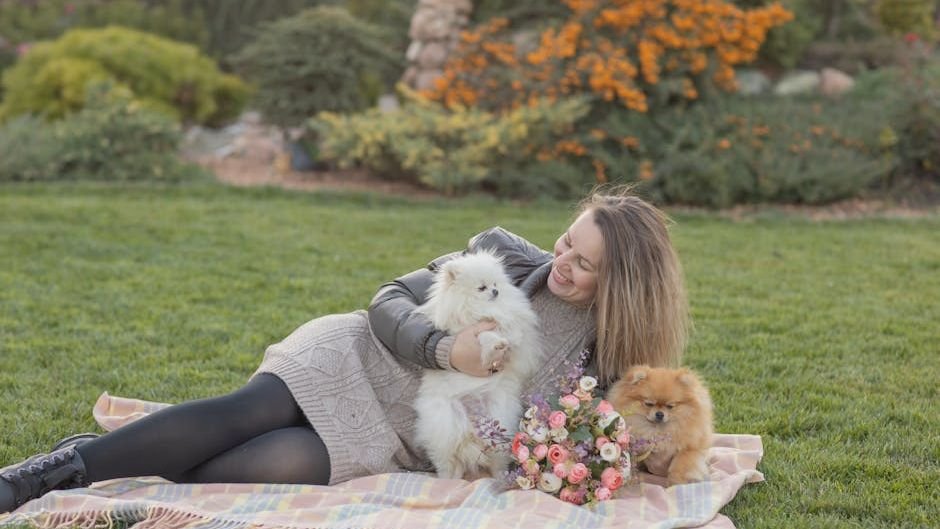
Imagine this: it’s a quiet Tuesday morning, coffee in hand, sunlight streaming through the window, and a warm, furry body curled up right next to you on the couch. That simple moment? It’s not just cozy. It’s actually good for your health. Dogs decrease feelings of loneliness, reduce our stress levels and blood pressure, and even lower our risk of death due to heart disease. Honestly, few things in life offer that kind of return on investment.
Between the years 2021 and 2022, nearly one in ten people between the ages of 50 to 80 got a new pet – and it’s easy to see why. Still, choosing the wrong breed can turn a beautiful dream into an exhausting daily challenge. The right dog should fit your life like a glove, not drag you down the street on a leash at 6 AM. Let’s dive into exactly which breeds will be your perfect golden-years companion, and which ones to kindly admire from a distance.
1. Cavalier King Charles Spaniel: The Ultimate Cuddle Companion
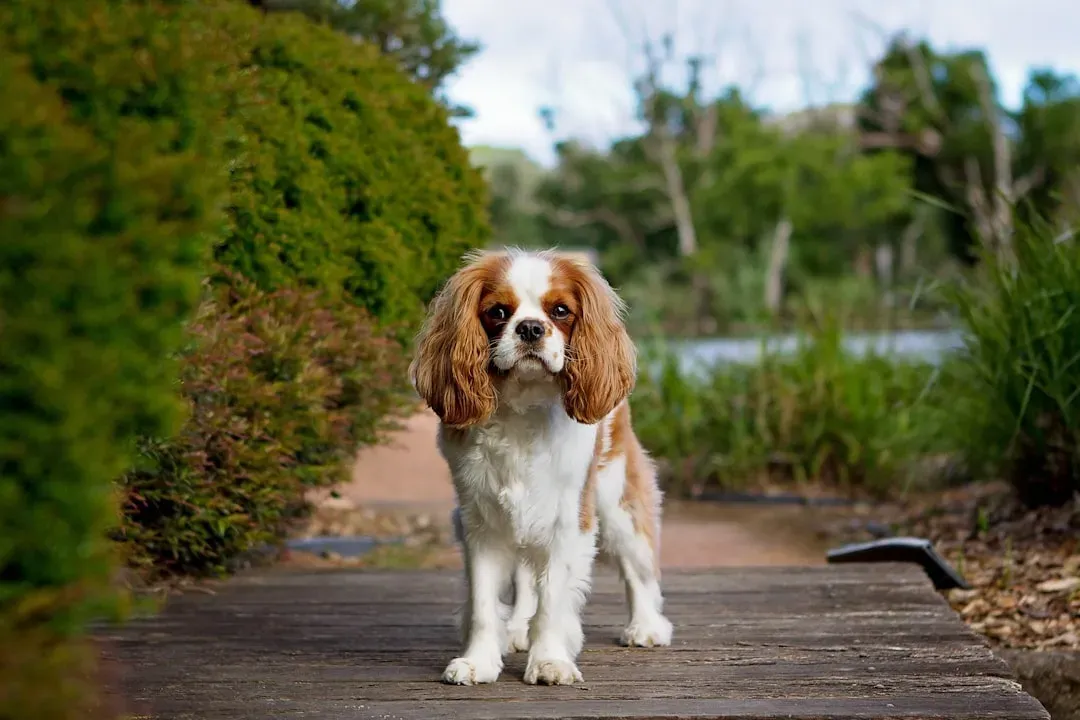
If there were a trophy for “most perfectly designed lap dog,” the Cavalier King Charles Spaniel would win it every year without contest. Known for their sweet nature and affectionate personality, these dogs thrive on companionship and love being close to their owners. They are gentle, undemanding, and deeply intuitive to human emotion.
While they enjoy walks and playtime, they do not have high exercise requirements, making them suitable for individuals who cannot commit to long periods of activity. A short stroll around the block and an afternoon on your lap? That’s their perfect day – and honestly, it sounds like a pretty perfect day for most of us too.
2. Shih Tzu: Small, Serene, and Surprisingly Adaptable

A solid little dog weighing up to 16 pounds, the Shih Tzu requires minimal exercise and is content living in apartments, so long as you’re there too. Shih Tzu owners describe the breed as “happy, even-tempered, and eager to please,” and they get along well with other dogs and with children. That’s a big deal when the grandkids come over.
The Shih Tzu is an affectionate dog who enjoys spending time with their pet parent – whether it’s cuddling or accompanying them throughout the house. This breed is amiable and welcoming to other people and pets. Grooming is a consideration, but a simple “puppy trim” from the groomer keeps things manageable without the daily brushing marathon.
3. Bichon Frise: The Hypoallergenic Ball of Joy
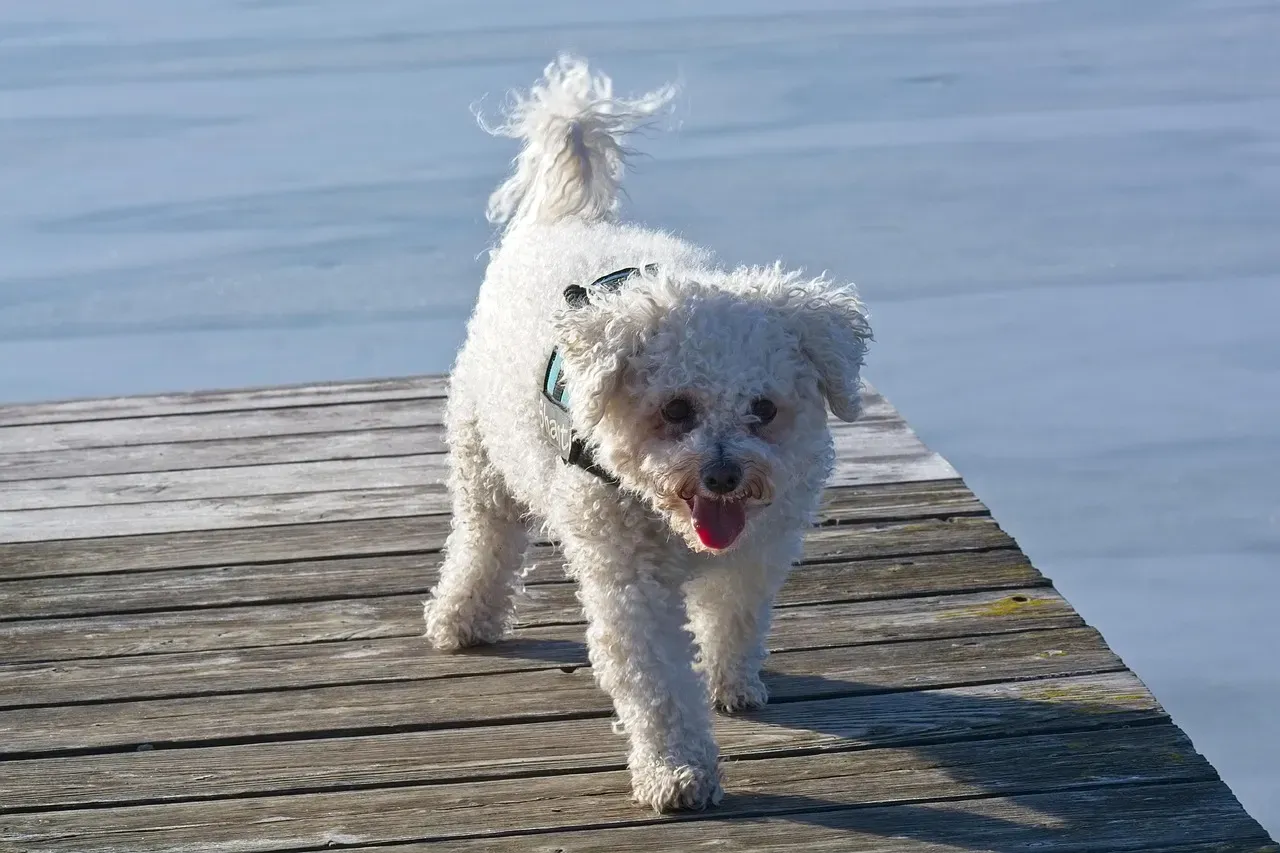
Here’s the thing about the Bichon Frise – this breed seems almost engineered for senior life. The Bichon Frise is a friendly, playful breed that thrives on companionship. These dogs are small and easy to manage, making them a good choice for older individuals. While they enjoy playtime and light activity, they can adjust to the energy level of their owners. The Bichon Frise is also hypoallergenic, which makes them an excellent choice for seniors with allergies.
Bichons are gentle and playful and they get along well with other pets and children, so you don’t need to put them in another room if the grandkids stop by! At an average of 7 to 12 pounds, they are also super portable. Think of them as the social butterfly of the small dog world – always cheerful, rarely demanding.
4. Maltese: Devoted, Dainty, and Deeply Loving
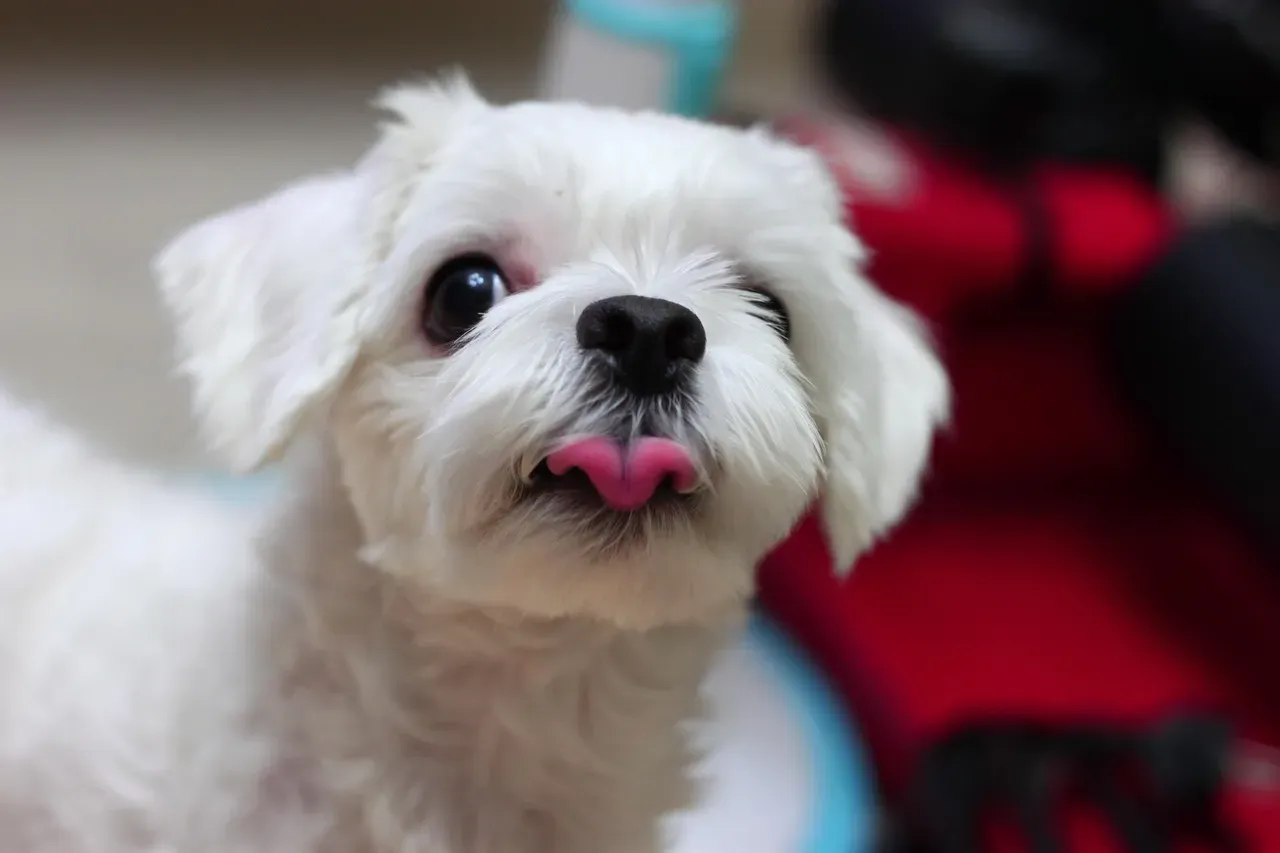
The Maltese is a sweet, gentle dog that is deeply devoted to its owner. Its small size makes it easy to manage, and it can thrive in smaller living spaces. Maltese dogs have a calm demeanor, which makes them excellent companions. They enjoy short walks but are also content spending quiet time at home. Honestly, that calmness is underrated.
Though they love following their owners around, all they really need for health is short easy walks. At an average of 4 to 7 pounds, Malteses are also easily transportable. Their small size also makes them well suited for apartments or homes with limited space. If you want a shadow who adores you unconditionally, this is your dog.
5. French Bulldog: The Laid-Back Charmer
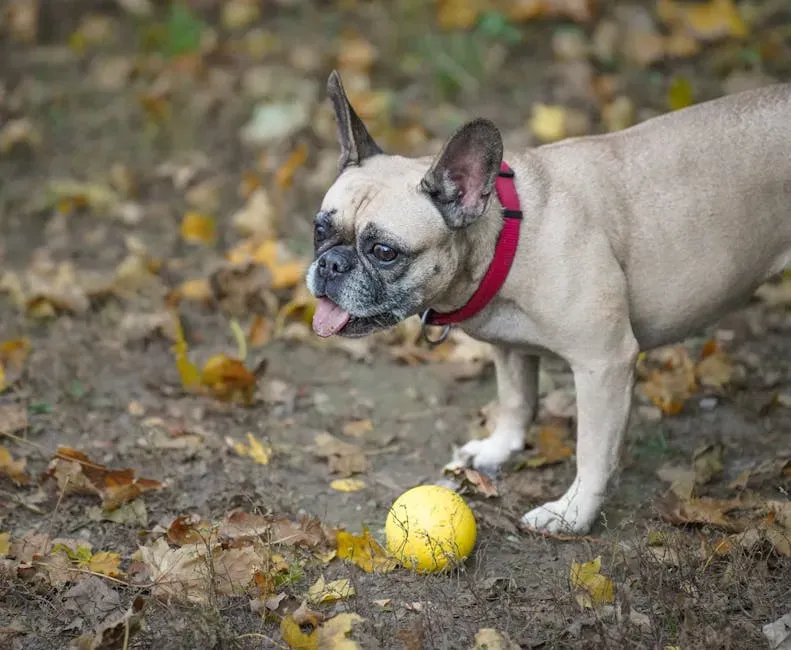
For older adults seeking a low-energy, low-maintenance dog, the French Bulldog is a perfect fit. These dogs are loyal and friendly, with a calm temperament that suits apartment living or smaller homes. French Bulldogs do not require extensive exercise. Additionally, they have minimal grooming needs, making them an easy breed to care for.
One important health note worth knowing: if you live in a climate that can get hot, be sure to keep in mind that flat-faced breeds like pugs and bulldogs, including French bulldogs, can have compromised respiratory systems, which means they may encounter breathing issues in the heat. Keep them cool, keep them indoors during peak heat, and you’ll have a wonderfully chill companion.
6. Pug: Expressive, Endearing, and Effortlessly Funny
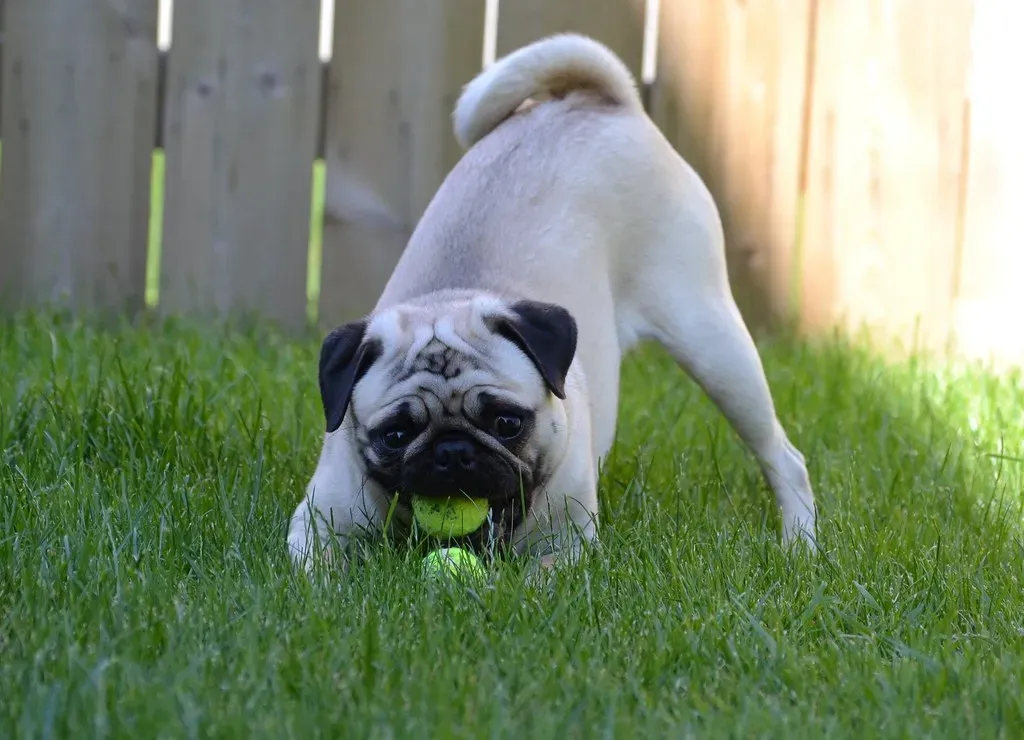
There is simply no other dog that makes you laugh as consistently as a Pug. Pugs are known for their facial expressions, which show curiosity, surprise, and happiness in an almost human-like fashion. It’s like living with a tiny, wrinkled comedian who never runs out of material.
Pugs are the best dogs for seniors who prefer to curl up on the sofa with their beloved furry friend by their side. Most of this breed’s time consists of lounging and playing indoors. They snore a little, sure. They wheeze sometimes. But the love they pour out more than compensates for the soundtrack.
7. Miniature Schnauzer: The Adaptable Little Guard Dog
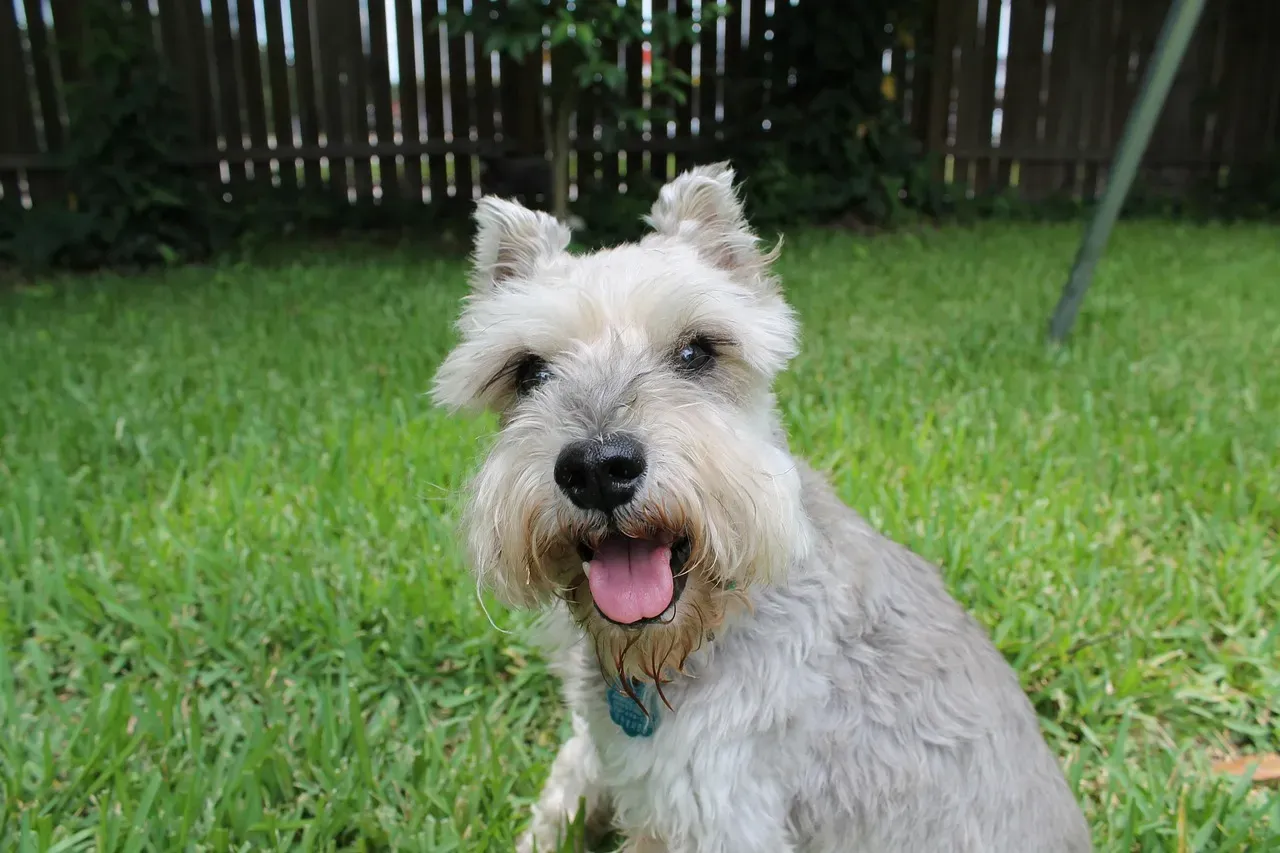
Miniature Schnauzers are one of the most adaptable breeds of dogs. Originally bred as a farm dog in Germany, miniature schnauzers are just as content living in an assisted living facility as they are roaming outdoors. Small, sturdy, hypoallergenic, and affectionate, miniature schnauzers are great with rambunctious grandchildren. Their calmness and attunement to the moods of humans make them excellent therapy animals.
These dogs have a low shedding rate and do not require excessive grooming, making them easier to care for compared to higher-maintenance breeds. Their compact stature makes them easier to handle and transport, while also allowing them to thrive in apartments without taking up too much space. They’re like that reliable, cheerful neighbor who’s always there when you need them.
8. Poodle (Toy or Miniature): The Smartest Dog You’ll Ever Meet

I’ll be honest – Poodles tend to be underestimated because of their fancy haircuts. But don’t be fooled. Poodles are not only elegant but also incredibly intelligent. Available in toy, miniature, and standard sizes, they adapt well to different living spaces. That adaptability is pure gold for seniors in various living situations.
They’re highly intelligent and easy to train, and they have a low-shedding coat that’s great for those with allergies. Poodles and Poodle mixes require regular grooming, but their adaptability and friendly disposition make them a great match for seniors. Think of a Toy Poodle like a brilliant little roommate who tidies up after themselves – well, almost.
9. Havanese: The Social Butterfly Who Adores You
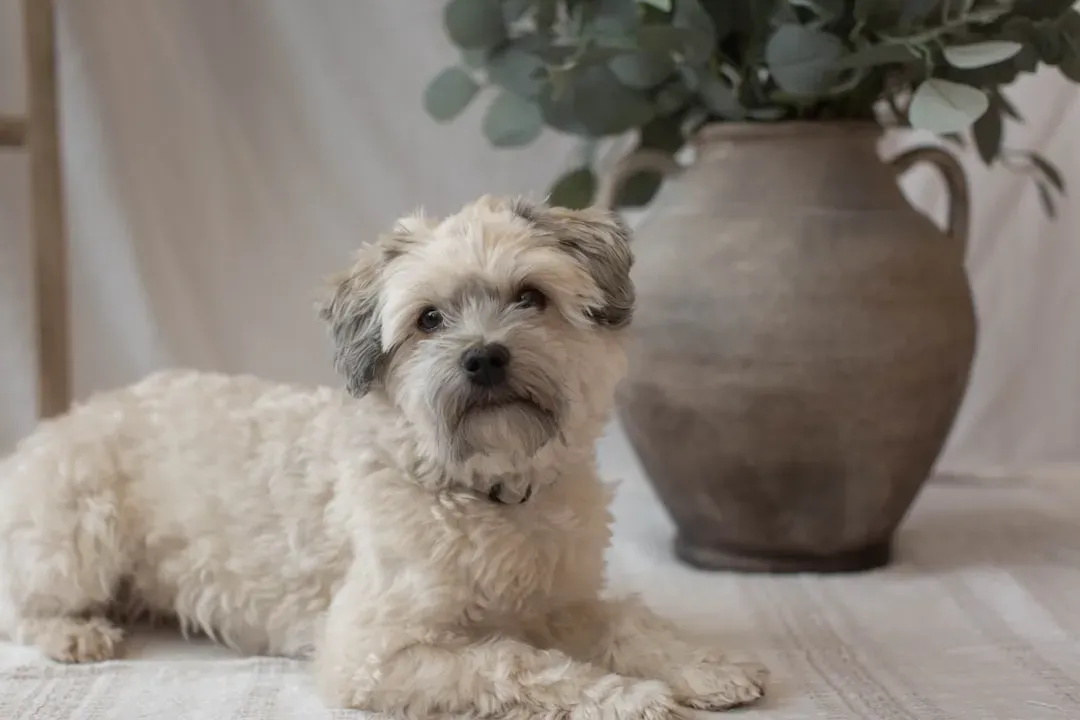
The only breed native to Cuba, the Havanese is a cheerful, quiet little dog described as “happy, loving, intelligent, social, and accommodating.” They’re content to stay inside and snuggle with their humans and will play patiently with children. Havanese don’t require much exercise but are happy to take occasional short walks.
Sweet, friendly, and eager for attention, Havanese make great companions for seniors who find themselves at home more. At about 10 pounds, they are easy to carry. Walks might take a bit longer with Havaneses because they will want to say hi to everyone. For seniors craving a social spark in their days, a Havanese will deliver that in spades.
10. Chihuahua: Tiny in Size, Enormous in Loyalty
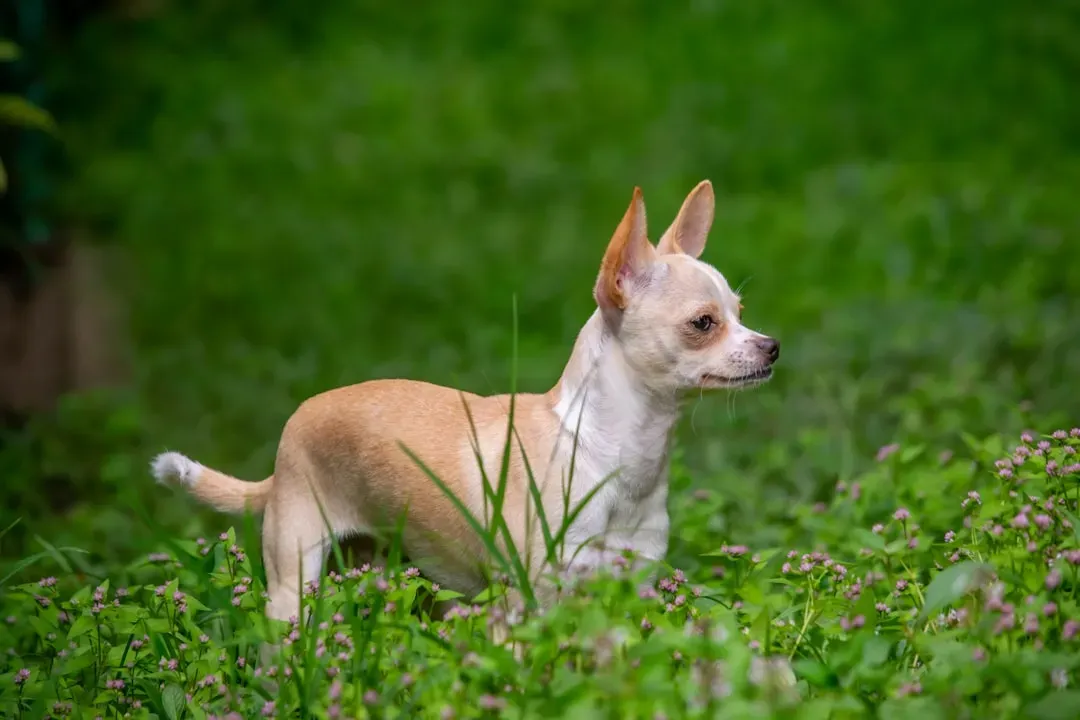
Chihuahuas are small and full of personality. These affectionate dogs form strong bonds with their owners and are fiercely loyal. They are ideal for individuals who prefer a lightweight dog. While Chihuahuas enjoy light exercise, they also love to relax with their owners, making them excellent companions for older adults seeking a lap dog.
One word of caution here: Chihuahuas can be a bit spirited and require patient, consistent training. Because of their size, they tend to get cold easily in chilly weather, and they aren’t suitable for roughhousing, but they are low-maintenance and they make great lapdogs. Keep a little sweater handy for winter walks – they will absolutely appreciate it.
11. Coton de Tulear: The Rare Gem Most People Haven’t Discovered Yet
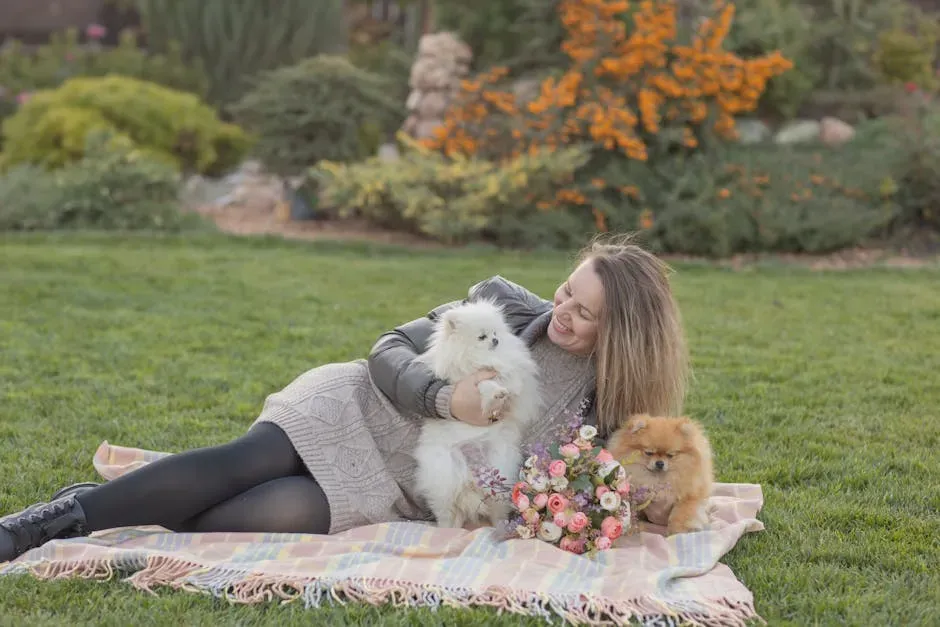
Let’s be real – most people have never heard of this breed, and that’s genuinely a shame. Originally from Madagascar, the Coton de Tulear, with its long, white, cottony coat, doesn’t shed much. This hardy breed enjoys all types of weather but is an indoor dog that thrives on human companionship. Cotons can live 15 to 19 years, are easy to train, and get along with everyone including other dogs. They’re good travelers and require moderate exercise, enjoying daily walks.
A lifespan of up to 19 years is remarkable – meaning this little dog could be your companion through a truly significant chapter of your life. They are gentle, rarely aggressive, and have an almost magical ability to sense when their human needs comfort. It’s hard to say for sure, but I believe this breed is one of the most underrated senior companions in existence.
12. Maltipoo: The Gentle Hybrid That Wins Every Heart

The Maltipoo is a small dog weighing 10 to 20 pounds with moderate exercise needs. While these dogs do need to be brushed daily with a wire slicker brush, they can be given a “puppy cut” to reduce maintenance. Maltipoos are sensitive to their environments and thrive in homes where they are doted upon and rarely left alone for long periods, making them suitable for older people.
Think of a Maltipoo as the best parts of a Maltese and a Poodle blended into one fluffy package. They’re affectionate without being anxious, playful without being exhausting. For a senior who’s home most of the day and craves constant gentle companionship, few breeds can match this one.
Now for the Reality Check: 8 Breeds That Might Overwhelm Senior Owners
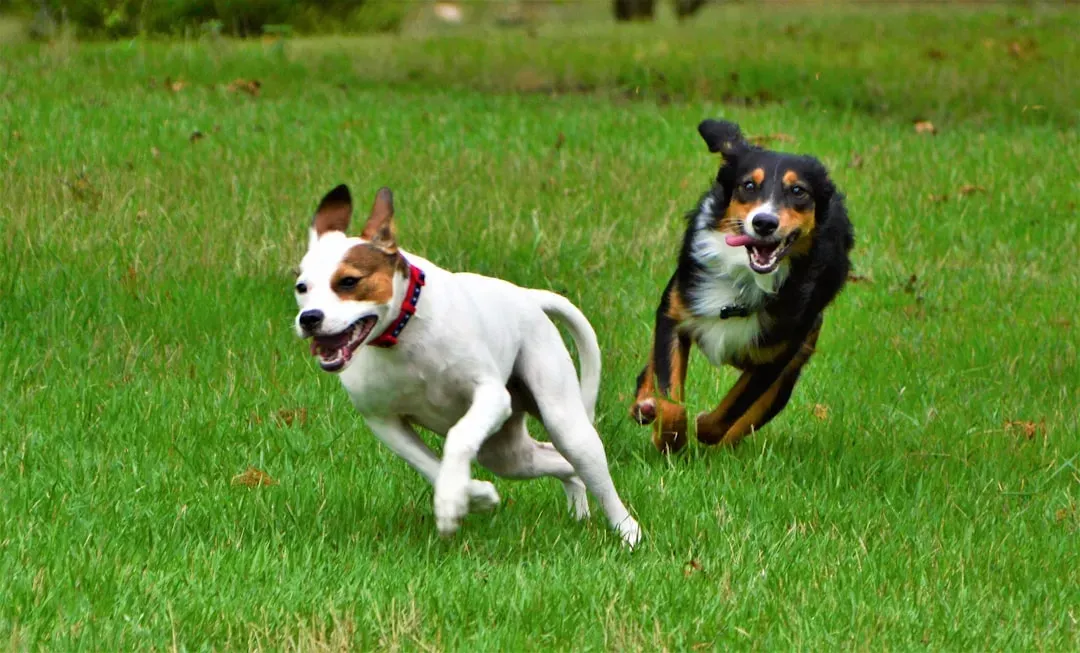
Choosing the wrong breed isn’t a moral failure – it’s simply a mismatch. High-energy breeds that require extensive exercise and physical activity can be more challenging for seniors who might have limited mobility or lower energy levels. It’s like pairing a marathon runner with someone who prefers leisurely strolls. Nobody wins.
A dog with too much energy in a cramped space or without enough exercise can quickly become bored, restless, and even destructive in your home. You deserve joy from your dog, not stress. So here are the breeds to approach with honest self-reflection.
13. Border Collie: Brilliant But Relentless
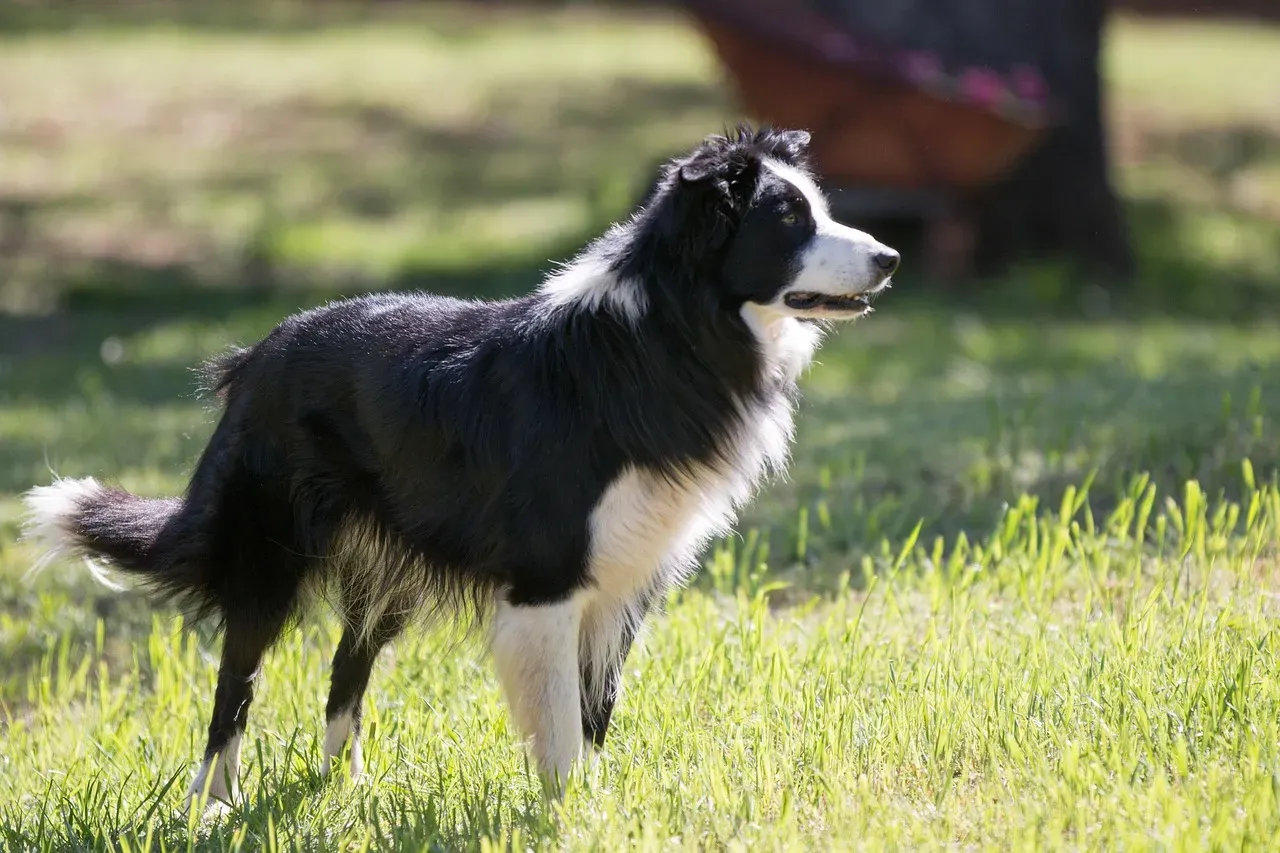
Known for their intelligence and high energy, Border Collies require extensive exercise and mental stimulation. Without enough activity, they can become bored and exhibit destructive behaviours, which might be overwhelming for some seniors. We’re talking about a dog that was literally bred to work all day in open fields, every single day.
Border Collies are wonderful, but have a lot more energy and playfulness than other breeds as they are typically bred for herding other animals. They need lots of physical and mental stimulation to stay happy, and this can be too much for older people who may have health conditions that prevent them from giving this kind of attention. Admire them from a distance – they’re magnificent, just not the right fit here.
14. Siberian Husky: Independent, Beautiful, and Demanding
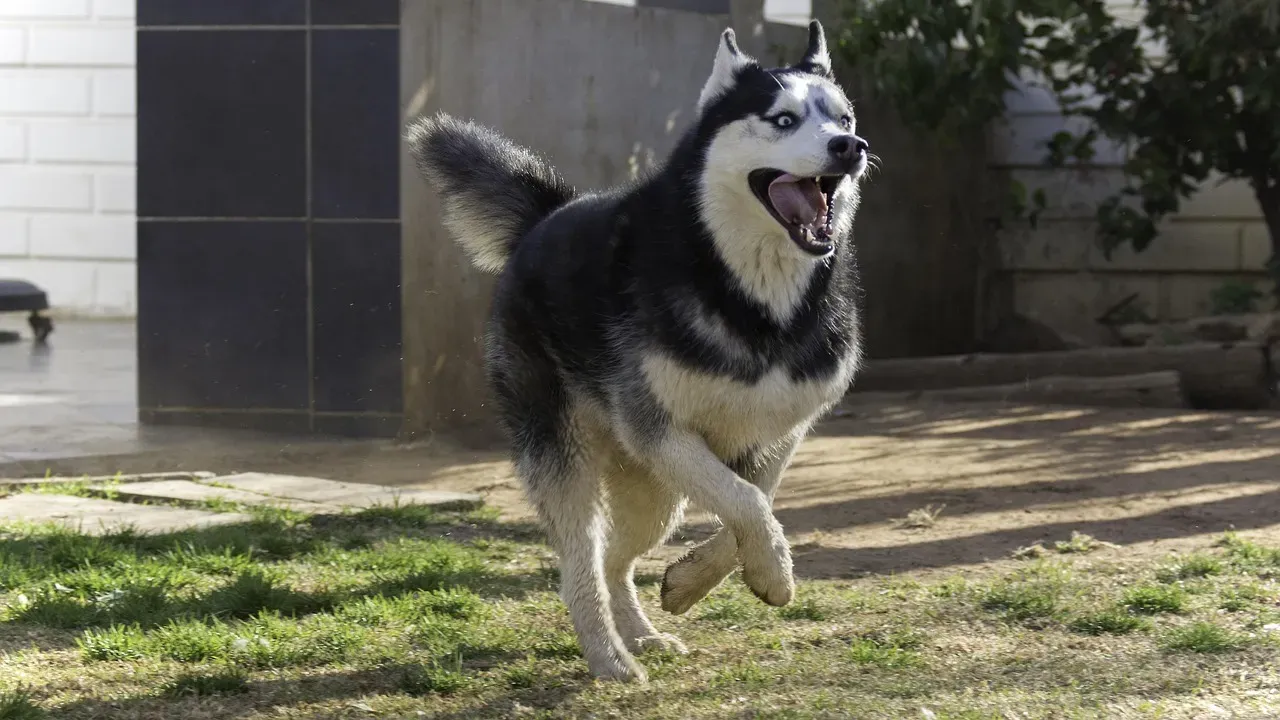
Known as a headstrong and energetic breed, Huskies are very independent, so not only do they need a lot of exercise, but they also won’t be the most loving companions compared to other breeds. They also have a reputation for being challenging to train, so for older people who would like a low-maintenance dog, a Husky may not be the best choice.
Huskies are breathtaking animals – no question about it. Still, their need to run, howl, and explore can turn daily life into a full-time job. If you live in Florida or a hot, humid climate, especially by water, you wouldn’t want to get a Husky or a Malamute. The combination of high energy and climate sensitivity makes this a tough breed for most senior households.
15. German Shepherd: Powerful and Intense
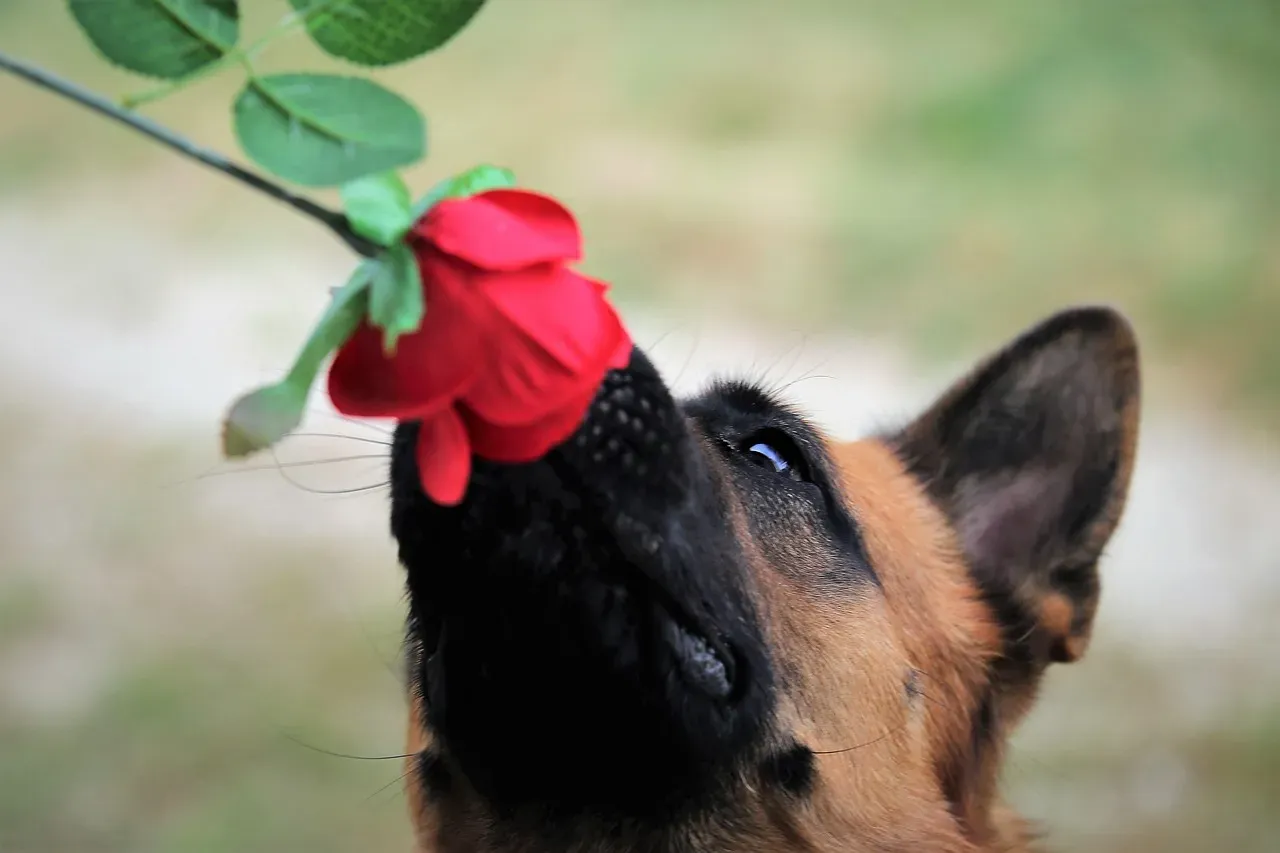
While loyal and protective, German Shepherds are large and can be intense. They require a lot of exercise, mental stimulation, and training. Their size and strength might make them difficult for some seniors to handle comfortably. It’s not that they’re bad dogs – they’re extraordinary dogs. They just need an equally extraordinary level of engagement.
Imagine your dog outweighing you or pulling you off balance on a walk. For seniors dealing with joint issues, balance concerns, or mobility limitations, that scenario is genuinely risky. A German Shepherd who doesn’t get enough mental stimulation can also develop anxiety-driven behaviors. This is a breed that truly deserves a handler who can keep up.
16. Dalmatian: Stunning but Exhausting
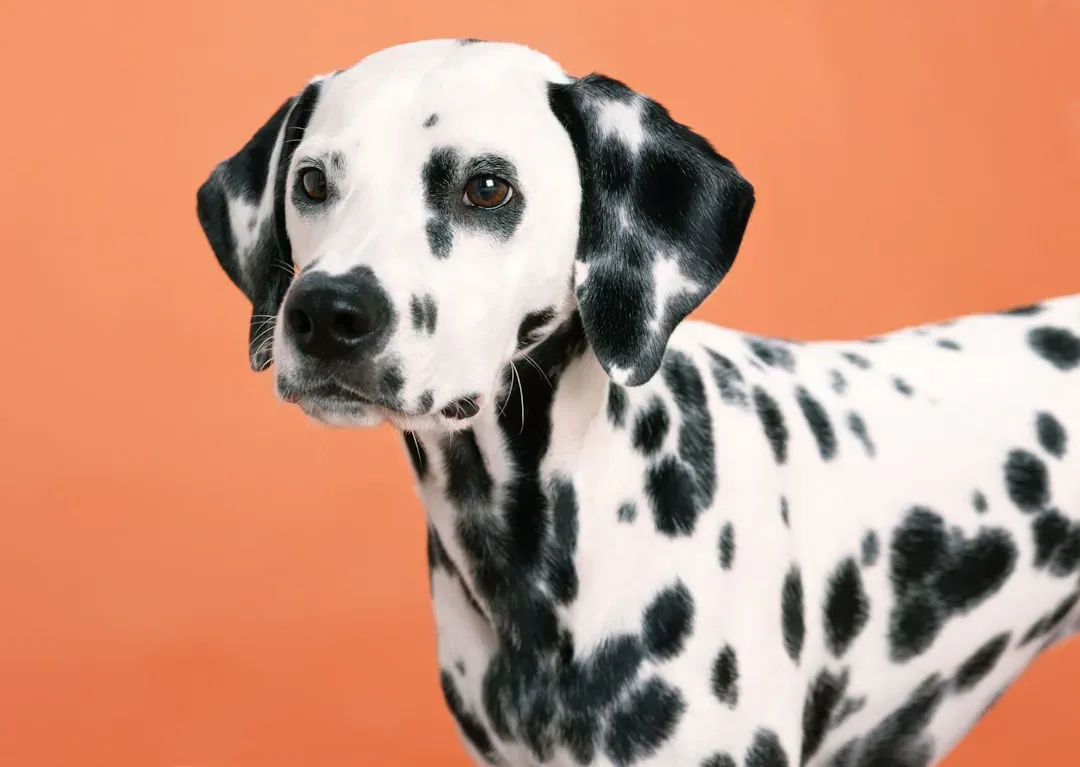
Dalmatians are large, energetic dogs that need plenty of exercise to stay happy and healthy. They can be strong-willed and may require consistent training and socialisation, which might be taxing for some seniors. That spotted coat is iconic for a reason, but looks don’t tell the whole story.
Because they shed all year round, their maintenance level is on the high side for older dog owners. Though a Dalmatian is very motivated to please its owner, which makes it easy to train using rewards and praise, it can be aggressive and somewhat unpredictable, making it a poor choice for seniors. For a senior living alone, the physical demands of this breed are simply not a practical match.
17. Jack Russell Terrier: Small Package, Explosive Energy
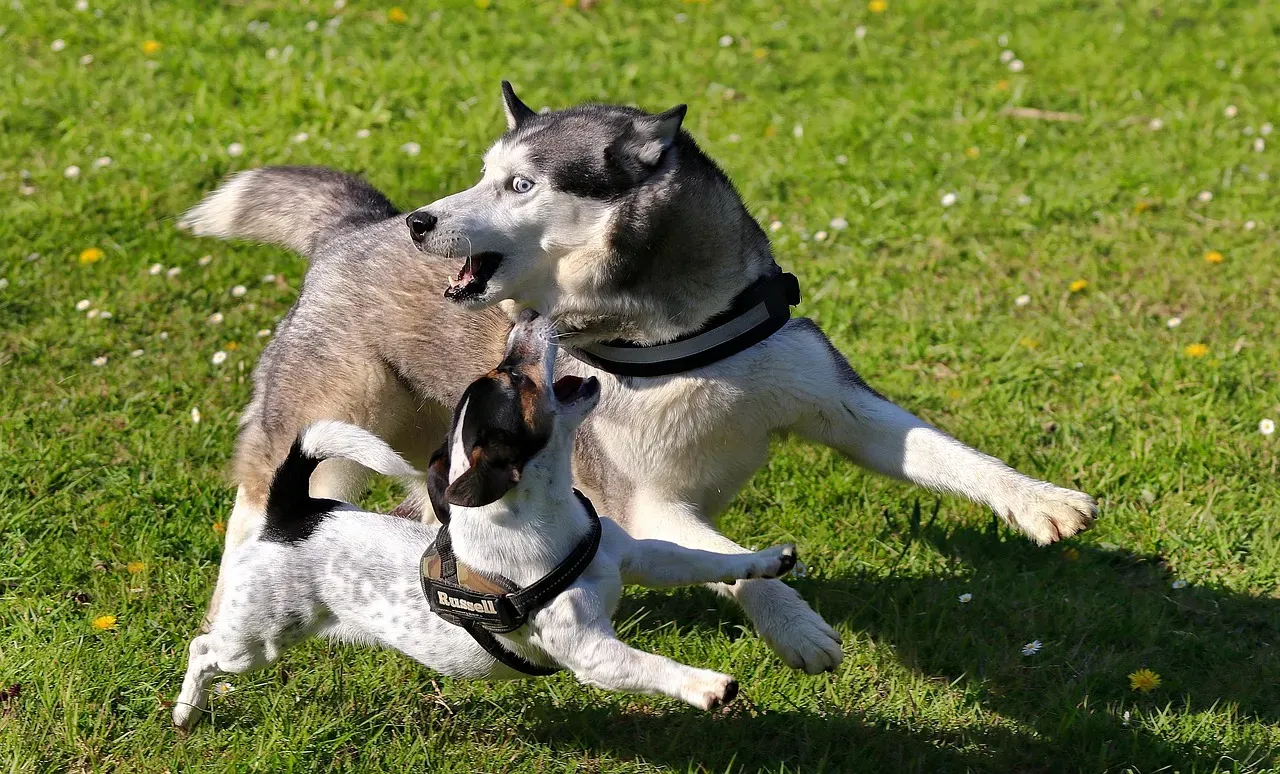
Don’t let that tiny body fool you for even a second. Despite their compact size making them seem like a good choice for older people, it is important to remember that some smaller breeds do require a lot more exercise than it may seem. Jack Russell Terriers, for example, are small but full of energy, and are also thought to be stubborn, making them more difficult to train and manage.
Jack Russell Terriers tend to require training from a knowledgeable and skilled trainer who can deal with their obstinate tendencies. They were originally bred for fox hunting in England, so these dogs are extremely energetic and require a lot of exercise and stimulation. This is essentially a tiny sports car in a dog’s body – thrilling, but exhausting to maintain.
18. Australian Shepherd: The Workaholic Who Never Clocks Out
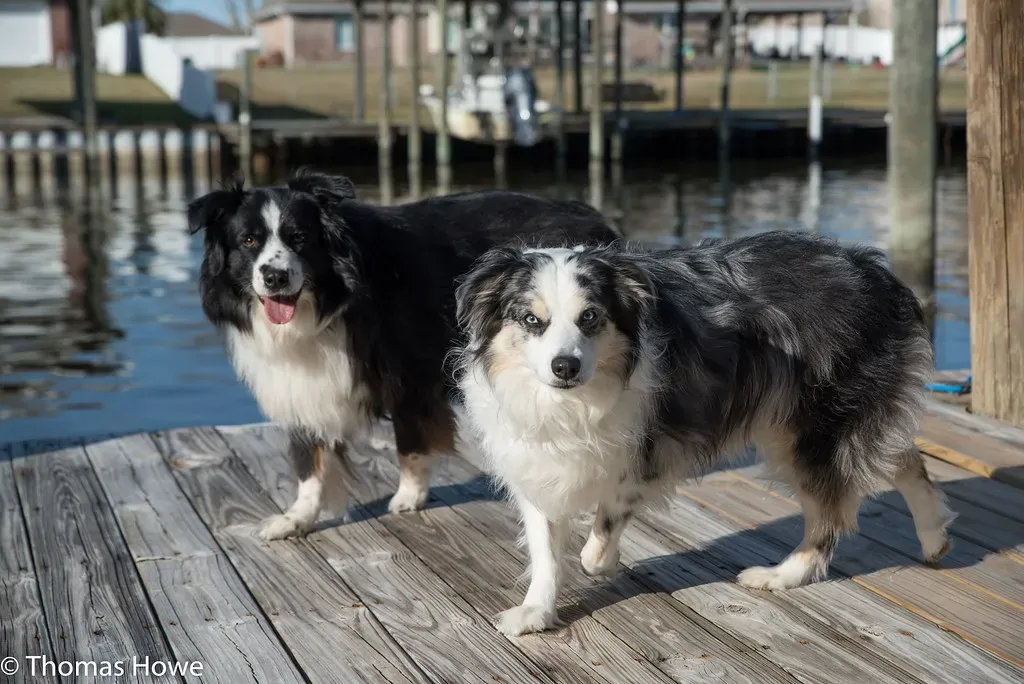
Because of their high energy levels and intense exercise needs, Australian Shepherds may be less advisable for seniors. Australian Shepherds were born to herd, and in the absence of actual livestock, they will try to herd everything – people, other pets, even children. It sounds amusing until it happens at 5 AM.
They thrive with a job to do and consistent, vigorous daily activity. Without it, they can become anxious and develop repetitive or destructive behaviors. For a senior seeking peaceful daily rhythms, this breed’s internal engine simply runs too hot. They deserve an owner who can truly match their drive.
19. Weimaraner: Athletic, Attached, and Intense
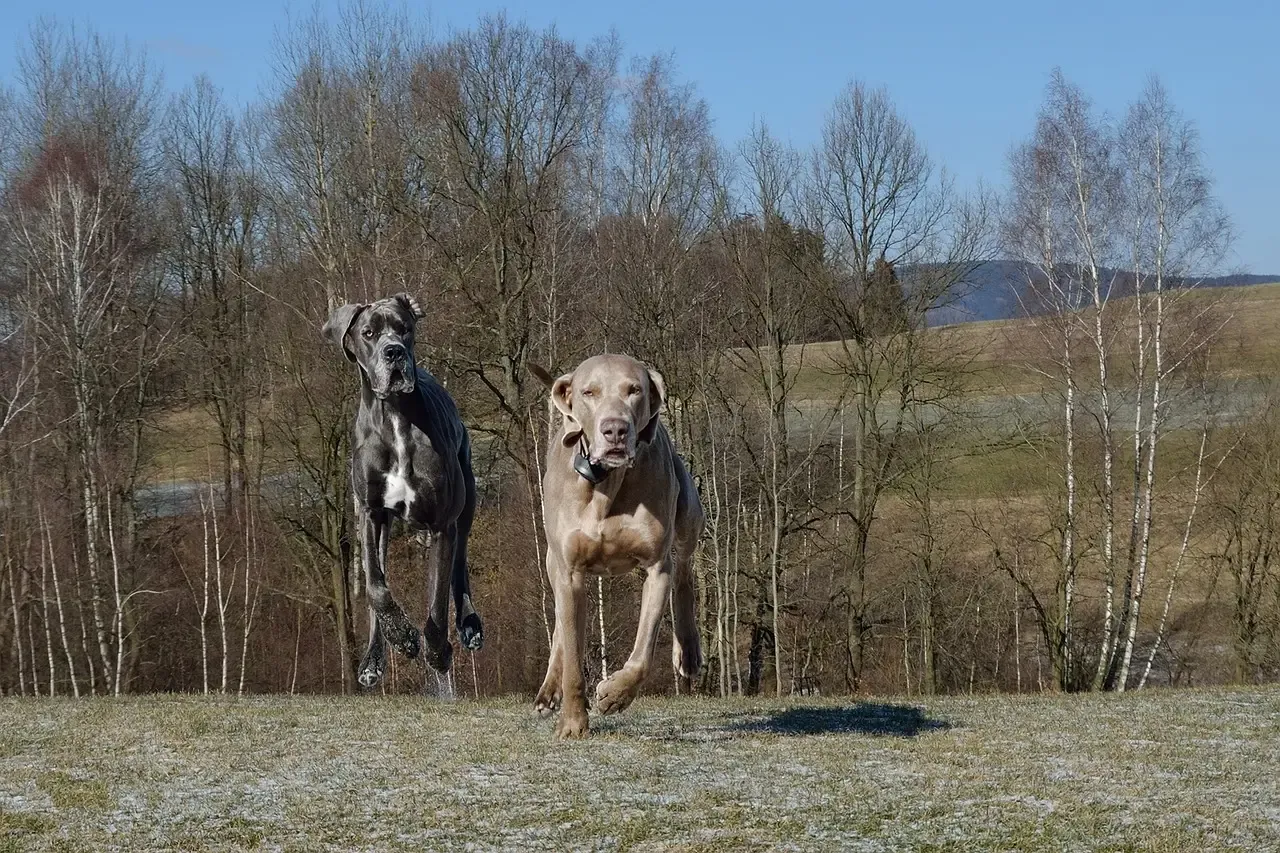
Weimaraners are often called “Velcro dogs” because of how intensely they bond with their owners. That sounds wonderful in theory. In practice, it often means severe separation anxiety if you step out for groceries, and an almost athletic-level need for daily exercise. This is a dog bred for hunting all day across open terrain.
It’s important to think long and hard about what type of lifestyle you want to have with your dog. A dog with too much energy in a cramped space or without enough exercise can quickly become bored, restless, and even destructive in your home. The Weimaraner embodies this perfectly. Magnificent animals, but genuinely not suited to a quieter, slower-paced lifestyle.
20. Conclusion: The Dog of Your Dreams Exists – Just Choose Wisely
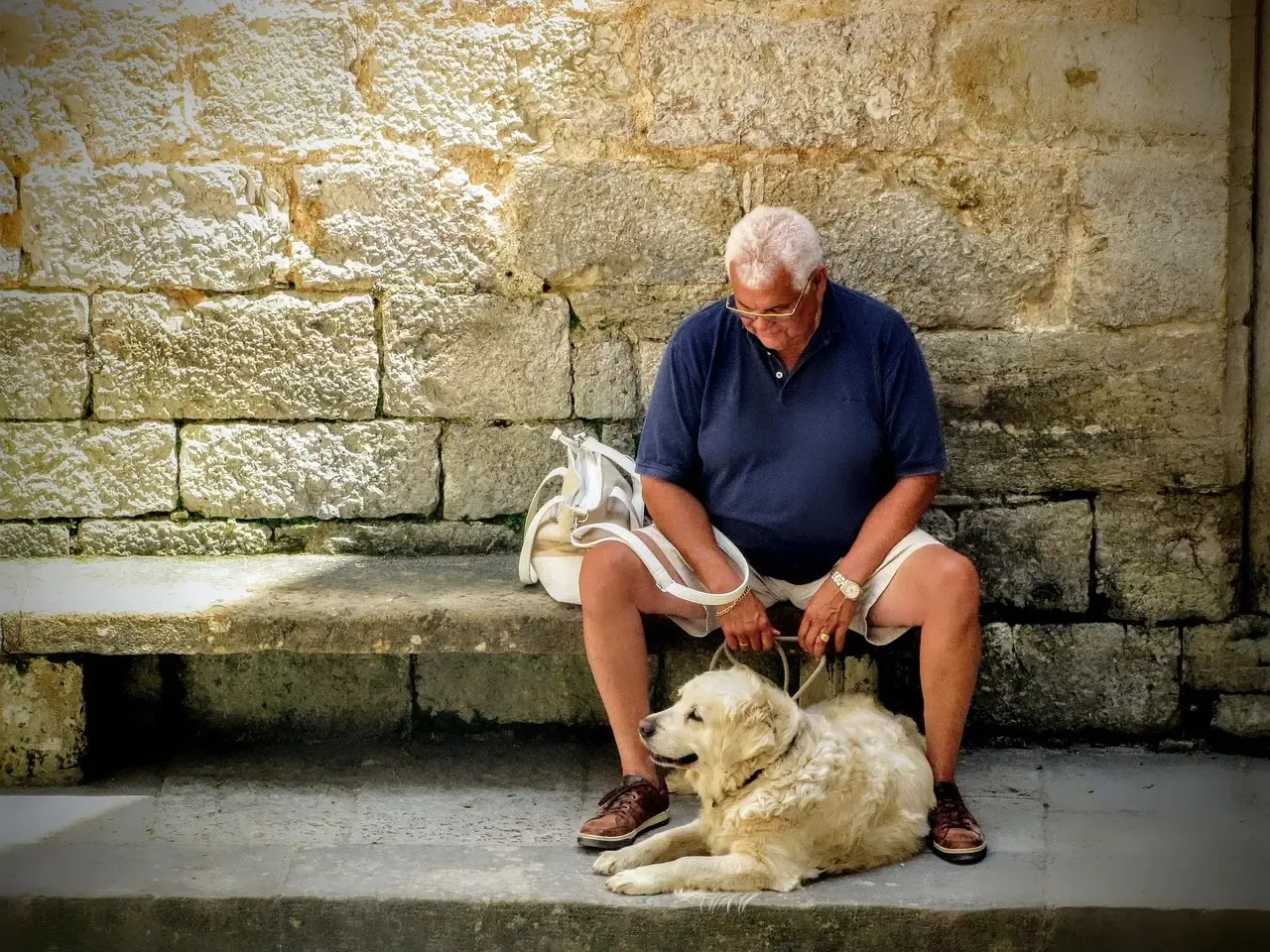
Welcoming a dog into your life during retirement can be one of the most rewarding decisions. Dogs provide companionship, encourage light physical activity, and bring a sense of routine and joy. However, not every breed is suitable for older adults. The key is to find a dog that matches your energy level, lifestyle, and living situation.
One final thought worth holding onto: when considering dog ownership, older adults should look into adopting an adult dog rather than a puppy. Puppies require a lot of energy, training, and patience, which may not be ideal for older adults. Adult dogs are often calmer and already trained, making them easier to manage. Your local shelter may hold the perfect companion right now, waiting quietly for someone exactly like you.
The right dog won’t just fill your home with warmth – they’ll fill your days with purpose, laughter, and a love so uncomplicated it’ll take your breath away. After all this, which breed surprised you the most? Drop your thoughts in the comments – I’d genuinely love to know.