
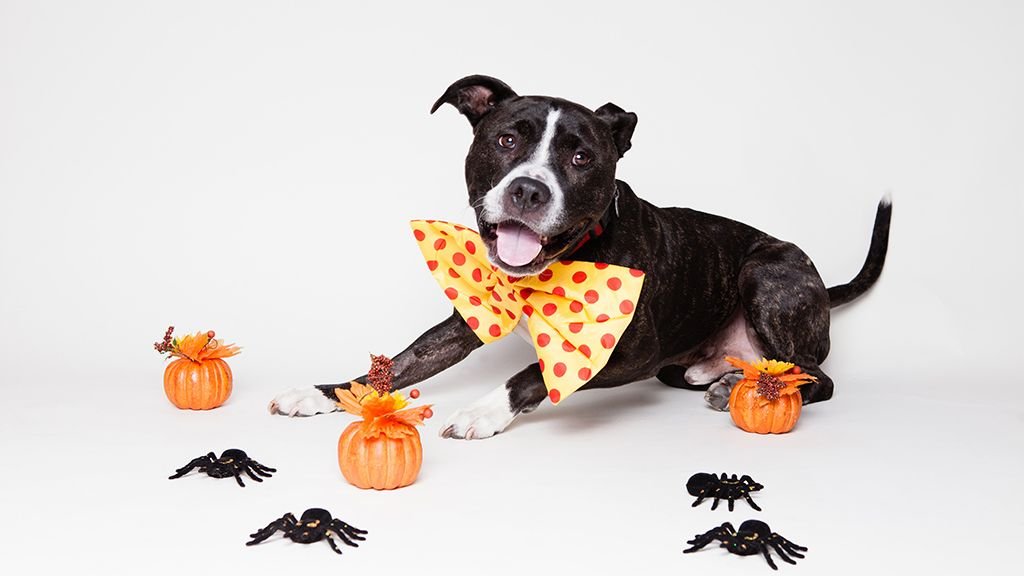
Picture this: a stocky, muscular dog with a wide grin, tail wagging furiously, leaning into a child for a hug. Now picture a news headline screaming “Pit Bull Attack.” The same dog, two completely different stories. That tension, the one between reality and reputation, is exactly what millions of pit bull owners live with every single day.
Few dogs in history have been loved so fiercely by those who know them and feared so deeply by those who don’t. The pit bull sits at a strange crossroads of loyalty, misrepresentation, science, and raw emotion. Whether you’re a longtime pittie parent or simply someone trying to separate fact from fiction, this one’s for you. Let’s dive in.
The “Pit Bull” Problem Starts With the Name Itself

Here’s something that might genuinely surprise you. “Pit bull” isn’t actually a single breed at all. “Pit bull” is an umbrella term for various breeds including the American Pit Bull Terrier, American Bully, and Staffordshire Bull Terrier. That’s a wide net to cast, and the confusion it causes has real consequences for real dogs.
It gets messier. It has been shown that nearly 90% of dogs in shelters visually identified as a particular breed are not identified accurately. Today, any dog with a short coat, wide head, and muscular build might be labeled a pit bull – but infinite combinations of breed mixes can look like that.
A 2016 study backed by Maddie’s Fund showed that even shelter employees, who can be considered subject matter experts, can’t reliably identify a true pit bull. Only 36% of the dogs identified as pit bulls by shelter staff were actually pit bulls by DNA analysis, and staffers missed 20% of the true pit bulls. Think about that for a second. We’re labeling, banning, and sometimes euthanizing dogs based on a guess.
What the Science Actually Says About Pit Bull Aggression
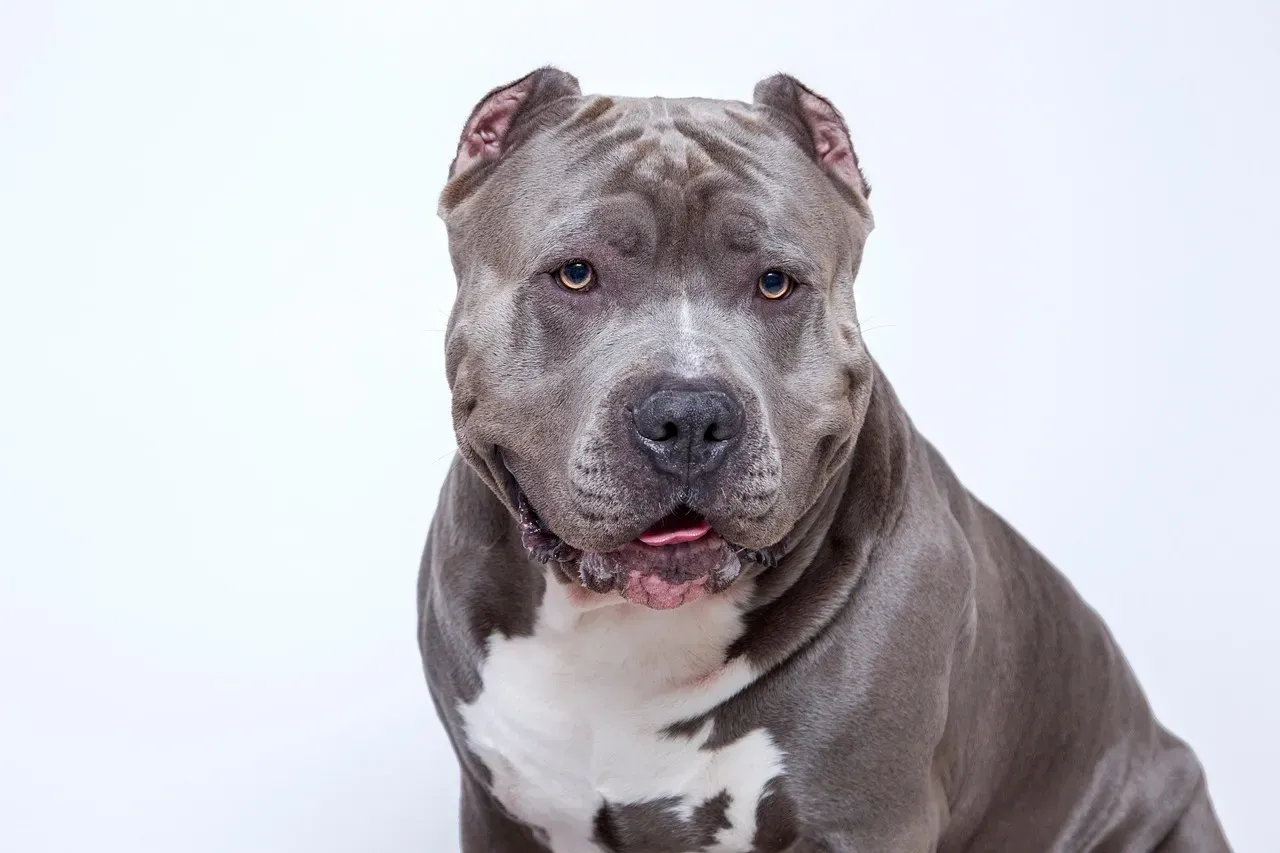
Let’s be real here. This is where the conversation often gets hijacked by fear and anecdote instead of data. A 2022 study from the National Canine Research Council shows that a dog’s breed cannot predict aggressive behavior. Aggression is a behavior influenced by numerous factors, including environment, health, training method, and socialization.
Research found no significant differences in aggression between the legislated breed group, which includes pit bull-type breeds, Dobermans, Rottweilers, and others, and the Golden Retriever control group. That’s right. Your gentle golden family dog showed comparable aggression metrics. The science simply does not back up the narrative.
Recent temperament testing data shows that the breeds commonly included in the pit bull-type category score within the top 20% of all breeds evaluated. These results reflect their exceptional temperament and support their success as service animals, therapy dogs, K9 police dogs, and most commonly, beloved family pets. Honestly, it’s hard to argue with that.
How Media Coverage Turned a Family Dog Into a Monster
Something deeply unfair has been happening in newsrooms for decades, and it has shaped public perception in a way that science has been slow to undo. Three attacks that did not involve a pit bull were covered by no more than one local paper each. A pit bull bite was covered by 230 different national and international news agencies. That disproportion is staggering.
High-profile incidents involving pit bull attacks, especially those resulting in serious injuries or fatalities, receive significant media attention. While such incidents are tragic, they are not representative of the behavior of all pit bulls. Think of it this way: if every time a Ford was in a car accident, the headline read “Ford Kills Again,” we’d all be terrified of Fords within a year.
Despite their popularity as the all-American family dog after WWII, the reputation of pit bulls shifted dramatically with the uptick of selective media coverage – this, despite dog bite statistics that show pit bull-type dogs are no more likely to be aggressive than any other breed. The story got written, and it stuck.
Environment, Abuse, and the Real Root of Aggression

If there’s one thing every credible canine expert agrees on, it’s this: while a dog’s genetics may predispose it to behave in certain ways, genetics do not exist in a vacuum. Behavior develops through a complex interaction between environment and genetics. A traumatized dog is a dangerous dog, whatever its breed.
Roughly 84% of pit bulls involved in deadly attacks were abused, neglected, or forced to fight. That’s not a breed problem. That’s a human problem. Many pit bulls used in fighting rings are abused, beaten, starved, and even mutilated to make them ferocious ahead of a fight. It’s heartbreaking, and it’s the real story behind most of those terrifying headlines.
Early positive experiences, most notably socialization, are considered key in preventing aggressive tendencies in dogs. Puppies that learn how to interact, play, and communicate with both people and members of their own and other species are less likely to show aggressive behavior as adults. Dogs that are chained outside and isolated from positive human interaction are more likely to bite people than dogs that are integrated into our homes. That’s true for a Labrador, a German Shepherd, and yes, a pit bull.
The Real Cost of Stereotyping: Lives, Laws, and Lost Homes

The consequences of this misinformation aren’t just abstract. They’re life and death, literally. Pit bull-type dogs account for roughly 40% of all dogs euthanized in shelters yearly. Close to a million pit bulls are killed each year, as many people do not want to rehome these animals, meaning approximately 2,800 pit bulls are euthanized daily, mainly due to misinformation surrounding the breed. That number should break your heart.
Breed-specific legislation bans dogs based on appearance or breed, but studies show it’s ineffective and does not improve public safety. It’s opposed by experts, including the American Veterinary Medical Association, the National Animal Care and Control Association, and the Centers for Disease Control and Prevention. These aren’t fringe organizations with an agenda. These are the gold standard authorities on animal and public health.
The good news? Change is finally happening. Over 300 breed-specific laws and ordinances were repealed from 2012 to 2024 in cities and counties with a combined population of more than nine million people. DNA research and numerous studies have shown that breed is not an accurate predictor of aggression, visual identification is unreliable, and responsible ownership, training, and supervision are the true keys to prevention. More communities are finally listening.
Conclusion: Judge the Deed, Not the Breed
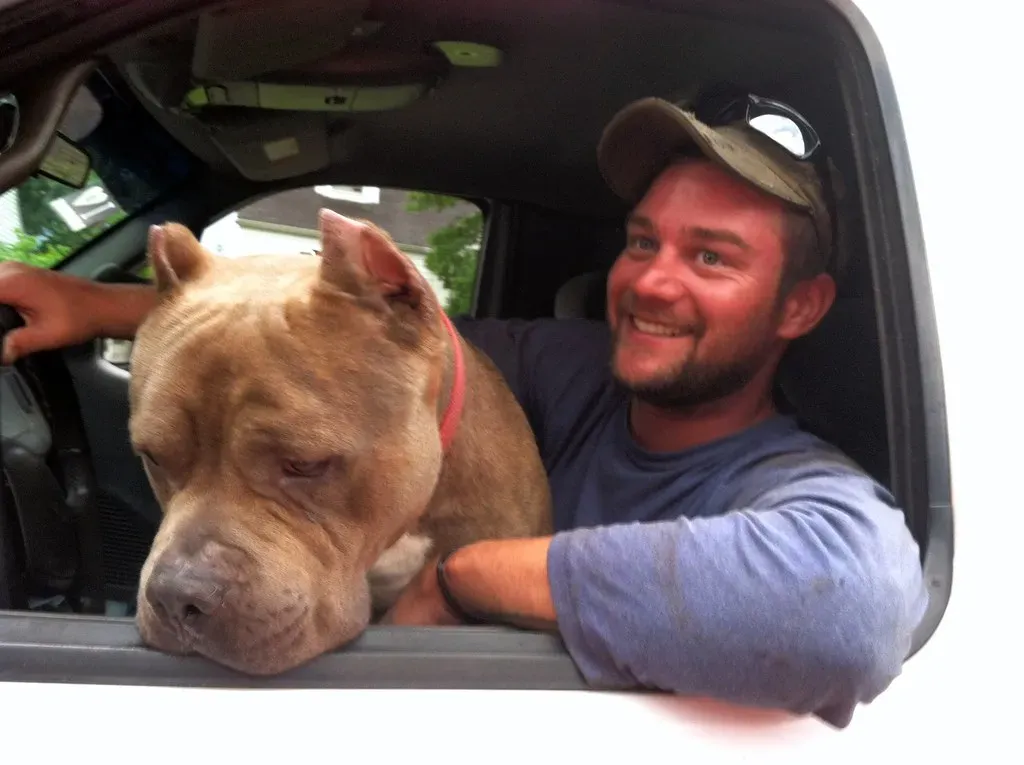
At the end of the day, the pit bull’s story is a mirror. It reflects how easily fear can be manufactured and how deeply it can embed itself into law, policy, and public consciousness. The simple fact is that dogs of any breed can become dangerous when they’re intentionally or unintentionally raised to be aggressive. All dogs, including pit bulls, are individuals – treating them as such, providing them with care, training, and supervision, and judging them by their actions rather than their DNA is the best way to ensure that dogs and people can share safe and happy lives together.
Generally, pit bulls are intelligent, energetic, eager to please, and respond well to training, no different from many other breeds. They excel as service dogs, therapy animals, and K9 police dogs, and are beloved family members in millions of households. That’s the dog that exists when we give them a fair chance.
So the next time you see a broad-headed, muscular dog trotting down the street with a tongue-out grin, maybe resist the headline that tries to form in your mind. Look at the dog, not the label. Because if there’s one thing every good dog deserves, it’s to be seen for who they truly are. What would the world look like if we gave every pit bull that same simple gift? Tell us what you think in the comments below.


