

Have you ever walked through the door after the most stressful day of your life, and within seconds your dog was spinning, whining, or jumping like the house was on fire? It was not a coincidence. Your dog was reading you the way the rest of the world simply cannot. Every breath, every tense muscle, every silent worry – they catch it all.
The connection between a dog and their person goes so much deeper than tail wags and belly rubs. It is a living, breathing emotional exchange that science is only now beginning to fully explain. What you carry inside you, your dog carries too. And that changes everything about how we show up for them. Let’s dive in.
The Science Behind the Mirror: What Research Actually Says
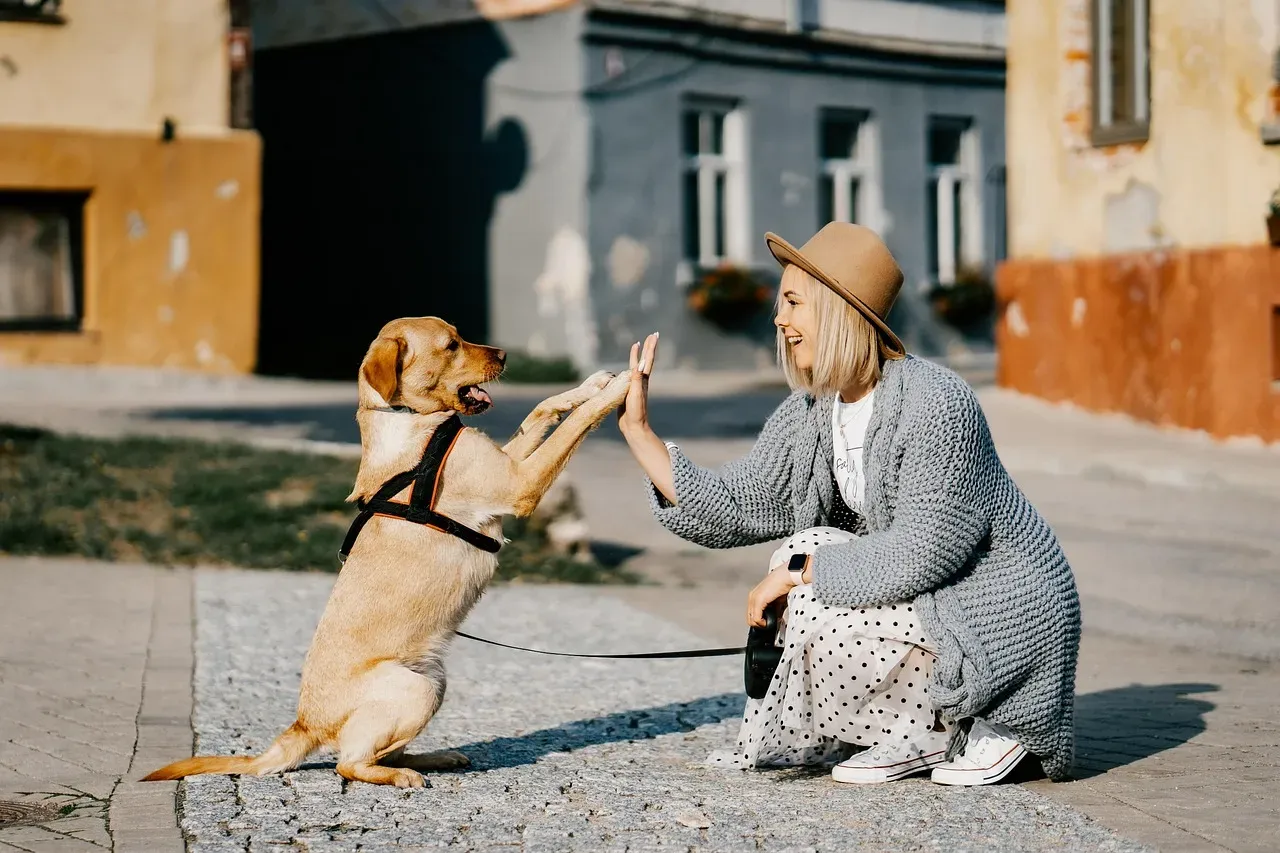
Here’s the thing – this is not just feel-good dog owner intuition. Hard science backs it up. The levels of stress in dogs and their owners follow each other, and scientists believe that dogs mirror their owner’s stress level, rather than the other way around. That finding alone should make every dog parent pause and reflect.
In a research paper published in Scientific Reports, Ann-Sofie Sundman and her colleagues outlined the synchronisation of long-term stress in dogs and their owners. The method was clever and remarkably revealing. Cortisol is stored in the hair of dogs, which means each hair shaft is essentially a record of that individual’s stress.
Surprisingly, researchers found no major effect of the dog’s personality on long-term stress. The personality of the owner, on the other hand, had a strong effect, leading researchers to suggest that the dog mirrors its owner’s stress. Honestly, I find that both humbling and a little sobering. Our dogs are not the problem. Often, we are.
How Dogs Read Us: The Invisible Language Between Species

Dogs have not just learned to live with humans. They have evolved to read us with extraordinary precision. Recent research reveals that dogs don’t merely respond to our emotions – they mirror them, and this mirroring behavior is believed to be linked to mirror neurons, specialized cells that enable dogs to “read” and reflect our emotions. Think of it like emotional Wi-Fi. Your dog is always connected, always receiving your signal.
Dogs are highly attuned to human emotions. They perceive subtle cues through your body language, tone of voice, scent, and overall energy. It goes even further than that. A study in 2008 showed that dogs “catch” yawns from their owners, indicating that they have a capacity for empathetic behavioral mirroring. Research reports that the vast majority of the study’s participating dogs yawned after seeing a human yawn, compared to roughly a third of chimpanzees.
That is a staggering level of social attunement. Your dog is not just watching you. They are syncing with you, almost like two instruments quietly tuning to the same note without either player realising it.
What a Stressed Dog Actually Looks Like: Behavior Cues to Watch For
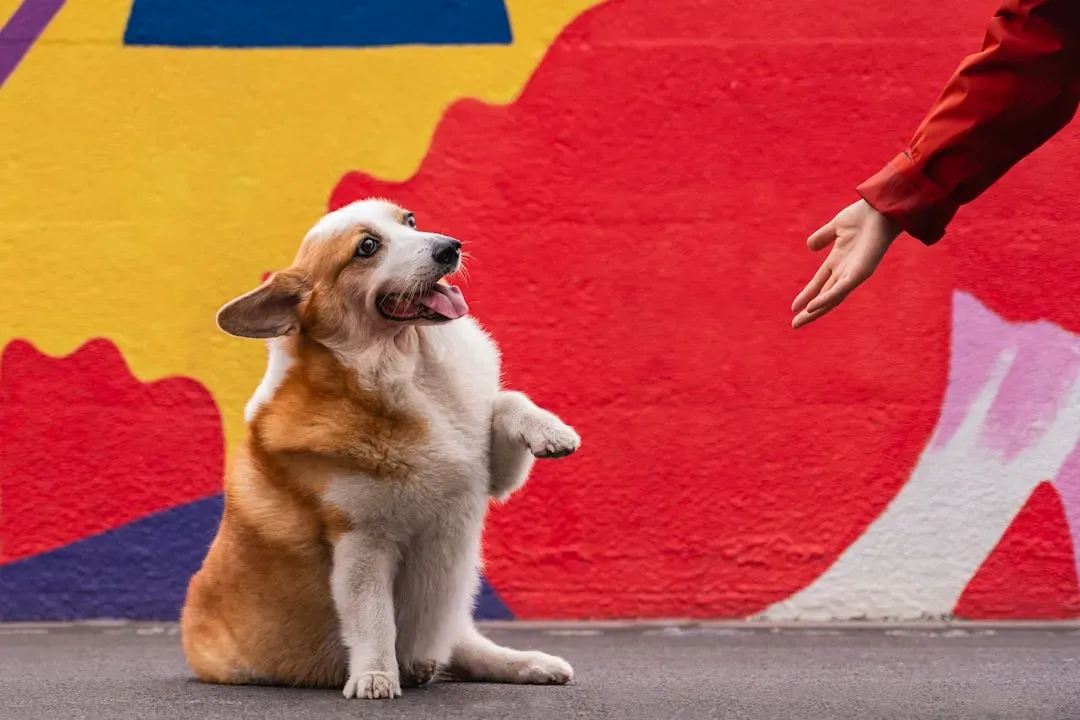
Let’s be real – most of us have chalked up our dog’s anxious behavior to breed quirks or a “bad day.” But the signs of a stress-mirroring dog are worth knowing deeply. A dog living with a calm, emotionally stable owner is more likely to be relaxed, confident, and socially adaptable. Conversely, a dog cohabiting with high emotional tension may exhibit hyperactivity, reactivity, or withdrawal.
Watch for changes in their energy – clinginess, restlessness, appetite changes, or mirrored physical ailments may all be signs of emotional mirroring. These are not random. They are your dog’s honest translation of what you are feeling inside. Acute fear and anxiety can lead to a decrease in appetite or diarrhea and vomiting, while chronic anxiety – such as when moving homes or when a new pet is introduced – may result in more profound effects on behavior and health.
A good real-world example of this? Imagine a dog who starts barking frantically at strangers every time their owner comes home tense from work. The strangers have not changed. The street has not changed. But the emotional climate inside that home has shifted, and the dog is reporting it faithfully.
The Ripple Effect: How Your Calm Literally Changes Their Biology
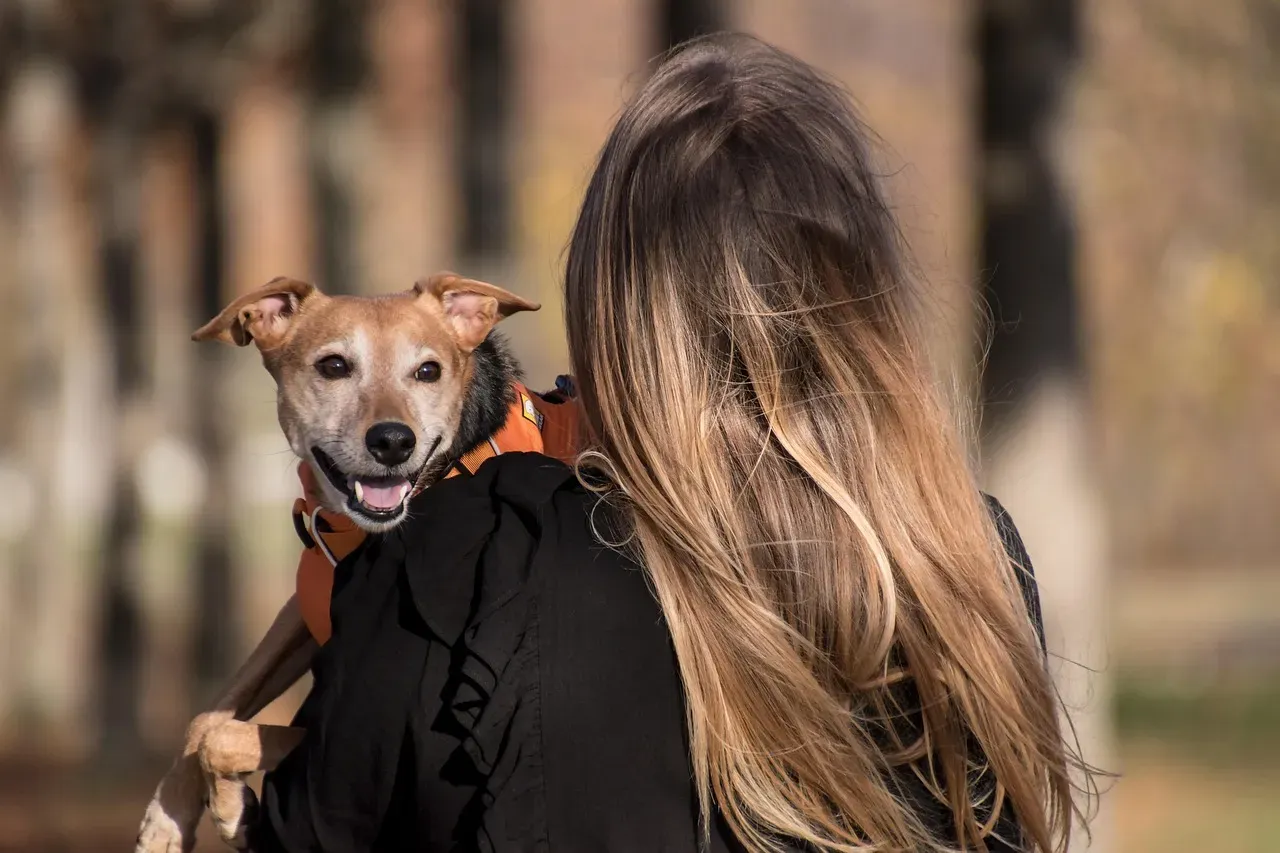
Here is where it gets genuinely exciting. Your calmness is not just emotionally helpful for your dog. It is biologically transformative. Dogs with consistent routines and positive interactions generally exhibit lower cortisol levels, as these factors provide stability and reduce stress. Your steadiness becomes their safety.
Dogs who scored well on temperament tests tended to have lower levels of cortisol, often called the “stress hormone,” and higher levels of serotonin, often called the “happiness hormone.” A calmer owner creates the emotional conditions for that kind of healthy hormonal balance to thrive. When we prioritize our mental and emotional health, our dogs can likewise benefit from it, experiencing their own reduced stress levels and improved overall demeanor.
Think of your calm as a gift you give your dog every single day, one that does not require a treat bag or a training session. Just your own peace, offered consistently and genuinely.
Practical Ways to Become the Calm Your Dog Needs

Knowing all of this is wonderful. Actually doing it is the real work. The key is self-regulation. Practicing mindfulness, creating calm environments, and maintaining healthy routines can help soothe both your nervous systems. That means your yoga mat, your evening walk, your quiet morning coffee – those are not just for you. They are for your dog too.
Dogs with consistent routines and positive interactions generally exhibit lower cortisol levels. Consistent routines refer to a predictable daily structure, including regular feeding times, exercise schedules, and rest periods. Positive interactions involve engaging, non-threatening social connections with humans or other animals, such as petting, play, training, and gentle handling, which reinforce trust and emotional security.
Just as dogs can reflect their owner’s stress, they can also amplify positive emotions. Spending time with an affectionate, loyal pet has been shown to reduce anxiety, stabilize mood, and even lower blood pressure, for both species. The relationship is genuinely two-way. When you work on your inner calm, you are not just helping yourself. You are creating a quieter, safer world for the dog who loves you most.
Conclusion: You Are Their Whole World – Make It a Peaceful One

Your dog is not misbehaving. Your dog is not “difficult.” More often than not, they are simply reflecting back the emotional energy that surrounds them every single day. Studies suggest that dogs do not just bond with their humans, but they often adopt similar personality traits over time, and their behavior and temperament can reflect their human’s energy, habits, and emotions.
The most powerful training tool you own is not a clicker or a treat pouch. It is your own nervous system. If we are angry, short-tempered, or have anxiety, a dog is likely to reflect the same type of behavior. On the other hand, if we are calm and relaxed, we are more likely to have a dog that mirrors that behavior. That is both the challenge and the beautiful opportunity this relationship offers us.
So the next time your dog seems inexplicably restless or anxious, before you look at them, look inward first. They are not broken. They are just listening. The real question is: what are you saying? Share your experience in the comments below – we would love to hear how your energy has shaped your dog’s world.


