
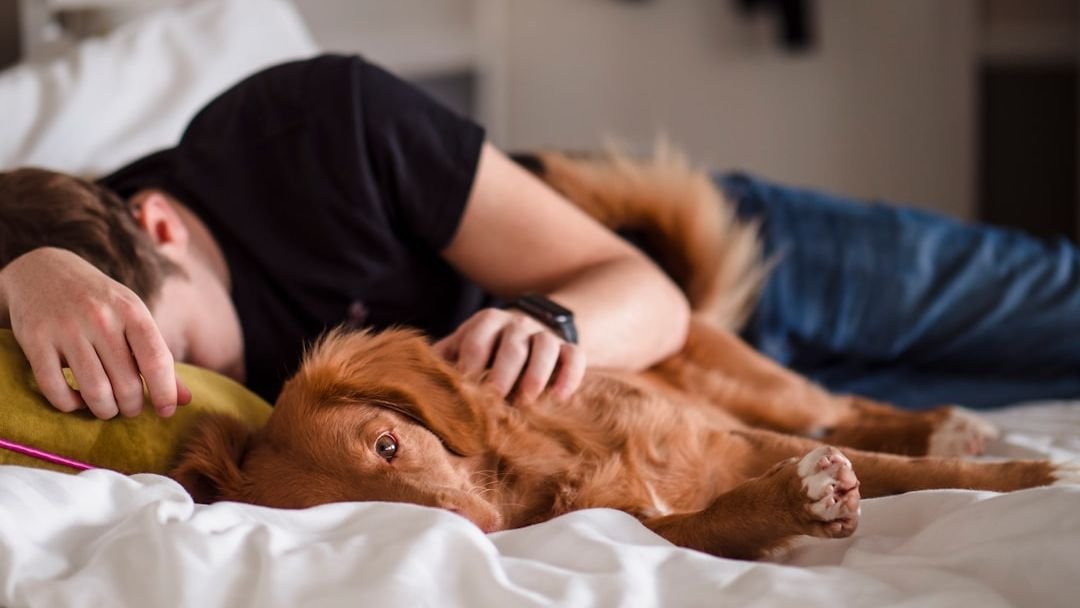
Picture this: you’ve just had a long, rough day. You sink into the couch, and before you can even let out a sigh, your dog is right there, pressing their warm body into your side or resting their chin on your knee. No questions asked. No judgment. Just… presence. It’s one of the most quietly powerful moments in pet ownership, and honestly, it never gets old.
But here’s what most dog lovers don’t realize: that snuggle isn’t just sweet. It’s a full sentence. Dogs speak to us constantly through physical closeness, and every nuzzle, lean, and curl-up carries a specific meaning. The question is whether we’re actually listening.
This article breaks down the secret language behind your dog’s cuddles. From the science of why they do it, to the subtle signals hidden in their favorite snuggle positions, to what it means when your dog suddenly stops wanting closeness. Let’s dive in.
Why Dogs Cuddle: It Goes Way Deeper Than Warmth
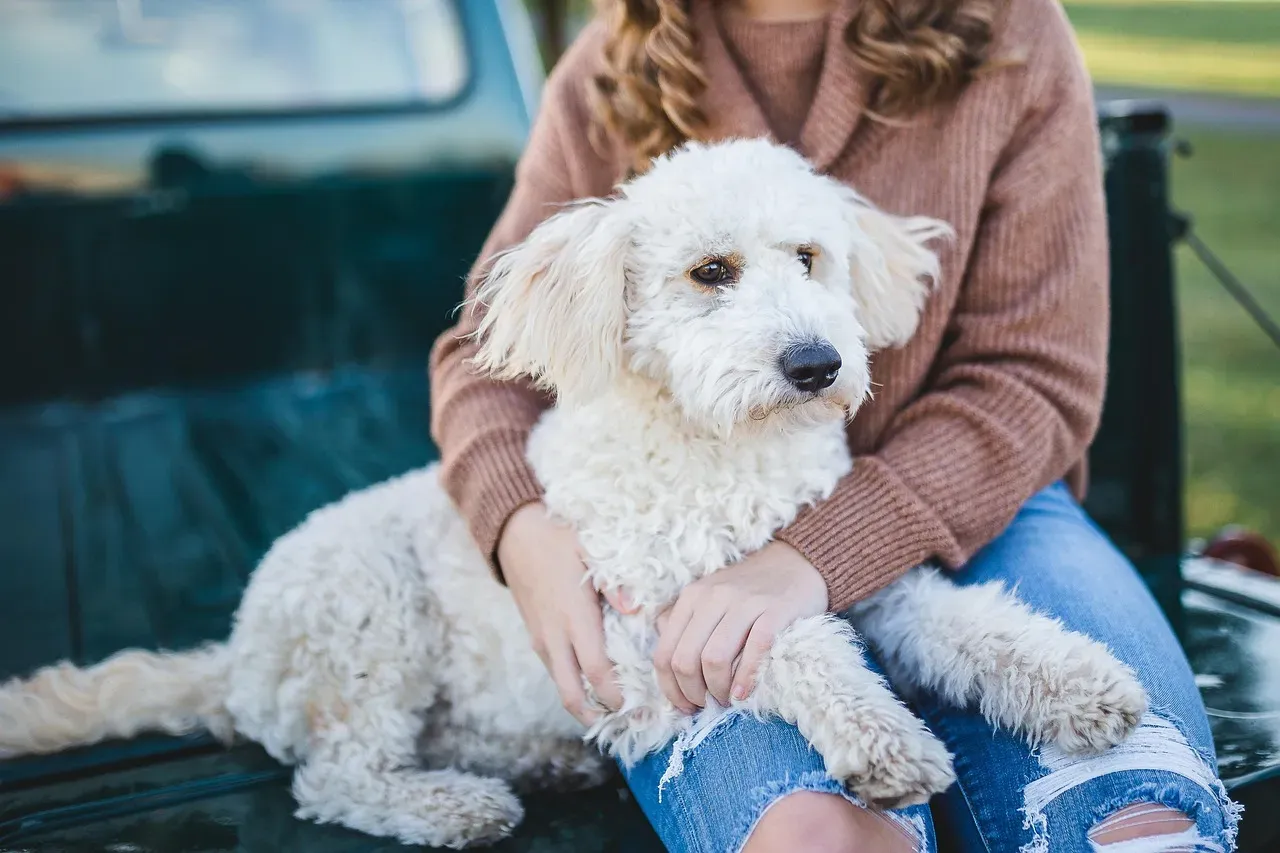
Let’s be real, most of us assume our dogs cuddle because we’re cozy and they’re opportunists. That’s partly true. Sometimes dogs cuddle because they’re cold, and other times they just like the attention. Fair enough. Honestly, same.
Dogs are pack animals, and they bond with their family or pack through cuddling. When puppies are born, one of the first things they experience is cuddling with their mom. That instinct never really goes away. It just gets redirected toward you, their chosen human.
Cuddling provides a sense of security and safety for dogs. When they are close to you, they feel protected and less vulnerable to potential threats. This behavior is also linked to their pack instincts, where being close to other pack members offers protection and reassurance.
One primary reason why some dogs like to cuddle is because they consider you part of their close-knit group and want to show affection and love. Think of it like your dog voting you “most trusted human” with every snuggle session. That’s not a small thing.
The Chemistry of Cuddles: What Happens Inside Both of You
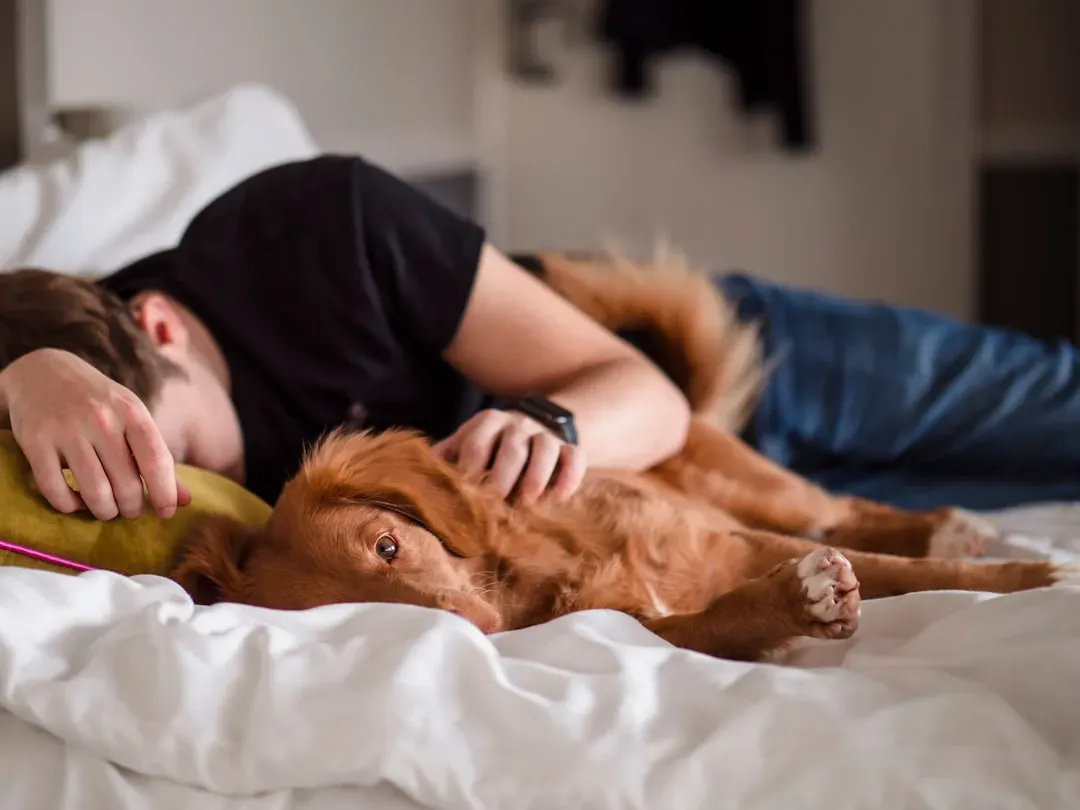
Here’s where it gets genuinely fascinating. Science proves that cuddling your dog actually changes your body chemistry. Studies show that when you and your dog snuggle, both of you release oxytocin, the same hormone that bonds mothers and babies. Think about that for a second.
When you cuddle with your dog, it stimulates the brain’s production of oxytocin in both you and your dog. This is the same hormone that is released during childbirth and when a mother breastfeeds her baby. It’s associated with the feelings of trust, empathy, and strong bond formation.
A study published in PLOS One found that petting, cuddling, or even just being around a dog stimulates your prefrontal cortex, the part of your brain that deals with cognitive behavior such as emotional interactions and decision-making. So yes, your dog is literally making you smarter and calmer at the same time. Wild, right?
Cuddling your dog isn’t just emotionally sweet, it’s physically healthy. Studies show it lowers blood pressure, slows heart rate, and reduces anxiety for both humans and dogs. Call it free therapy. Call it love. The science says it’s both.
Reading the Snuggle: What Different Cuddle Styles Actually Mean
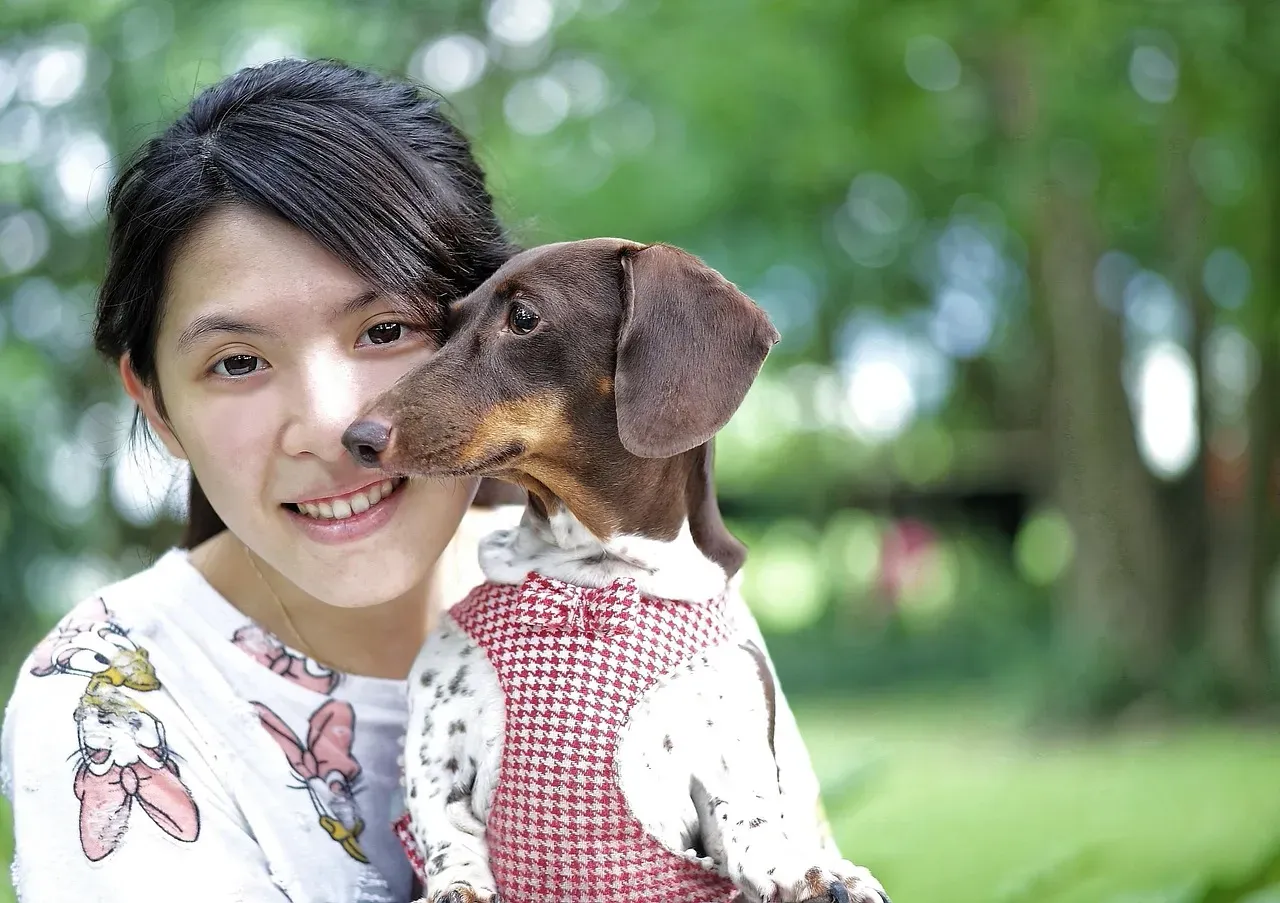
Not all cuddles are created equal, and your dog’s chosen snuggle style tells you something specific. Dogs like to be cuddled in different ways. Some prefer to snuggle on your lap, while others want to keep their distance a bit but will allow belly rubs or ear scratches.
Dogs who lean against you are often attempting to communicate their bond with you. It’s almost as if they were saying, “I trust you, and I feel calmer just by touching you.” Think of the lean as a dog hug, quiet, deliberate, and deeply sincere.
The “drive-by cuddler” is the canine equivalent of a quick wink and a smile. It’s quite brief yet playful, with the dog walking by, brushing against your leg, or bumping against you. These dogs may be more independent and low-maintenance, showing their affection without becoming overly needy.
Some dogs show love differently. Leaning against your leg, resting their head on your lap, or just staying close are all “doggy snuggles” in disguise. So if your dog isn’t a full-on lap sitter, don’t panic. They’re still saying “I love you.” They’re just saying it in their own dialect.
When Cuddles Signal Something More: Fear, Anxiety, and Health Clues
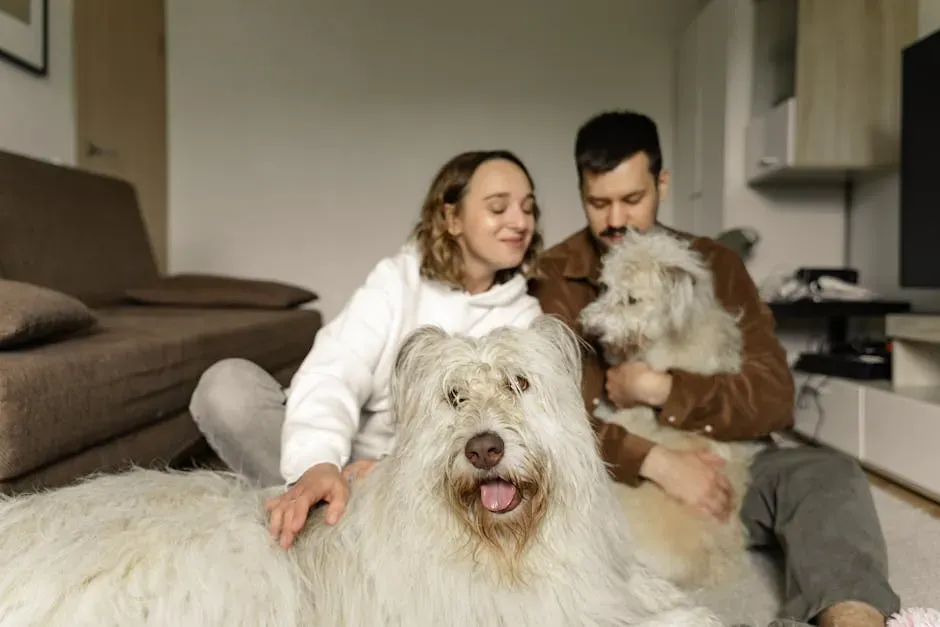
This is the section most people skip, and it’s arguably the most important one. Sometimes a cuddle isn’t just affection. It’s a signal that your dog needs help.
Dogs afraid of thunderstorms, fireworks, or other loud or scary environmental events might try to cuddle. Knowing the difference is essential, because providing too much attention when dogs engage in a fear-related response can make the behavior worse long-term. I know that sounds counterintuitive. You want to comfort them. Totally understandable. The key is calm reassurance over frantic coddling.
While this trait is endearing, dogs may sometimes develop dysfunctional attachments to their owners, leading to overly clingy “Velcro dog” behaviors such as following their owners from room to room. If your dog’s clinginess feels extreme, it’s worth exploring whether anxiety is the driver.
Cuddling offers one more significant health benefit for your furry friend: the chance for you to notice any potential health problems. For instance, if you see or feel a mysterious lesion when you scratch your pet’s belly or chin, you’ll know to schedule a wellness exam with your trusted veterinarian. Cuddle time is also check-up time. Sneaky useful, isn’t it?
How to Be the Cuddle Partner Your Dog Actually Wants
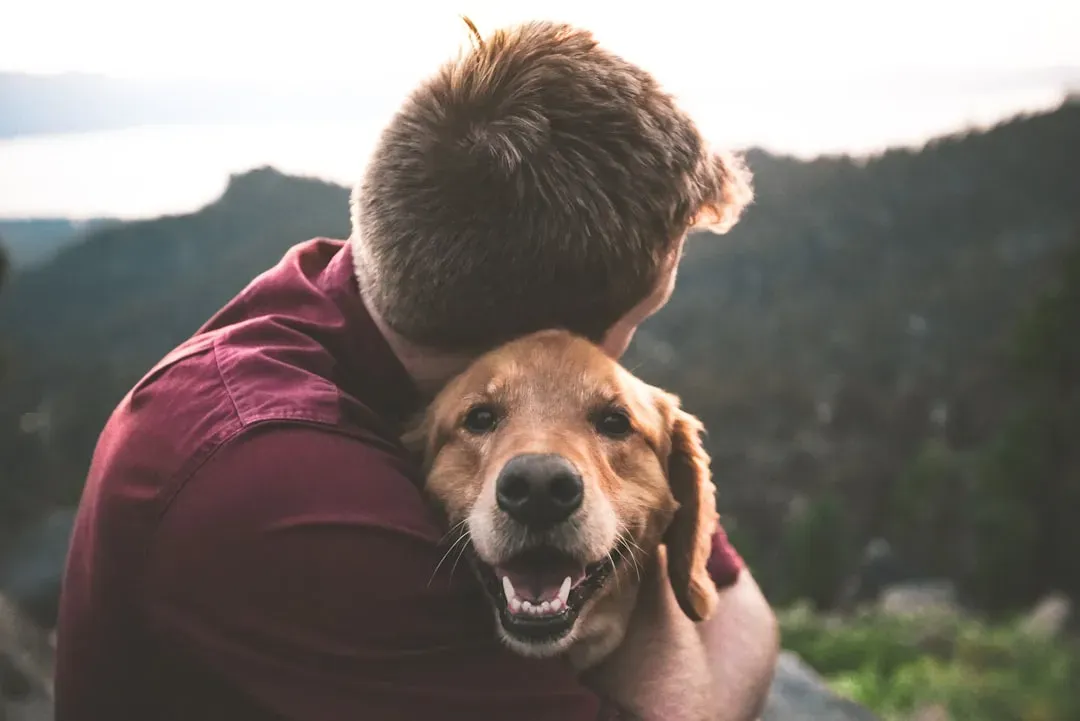
It’s hard to say for sure, but many of us are unknowingly cuddling our dogs in ways they don’t actually enjoy. Many dogs aren’t fond of certain types of physical affection, like bear hugs, and may even find it threatening or stressful. Ouch. The bear hug is a human love language, not a dog one.
Try to avoid petting a dog’s head and start with the chest instead. Most dogs do not want to be reached over their head to be petted on the top of their head as this may feel threatening. Petting the chest may be a safe starting option. Simple shift, massive difference in how your dog receives your affection.
Some dogs love belly rubs, while others prefer ear scratches or a gentle back rub. Pay attention to your dog’s body language and respect their boundaries. If they pull away or seem uncomfortable, give them space. Understanding their unique preferences strengthens your bond and ensures that your affection is always a positive experience for them.
Don’t force your dog to cuddle, and if you decide to train your dog to cuddle, start small and proceed slowly. It’s important to bond with your pet in a way that makes them feel comfortable. The best cuddle is always the one your dog chose to give.
Conclusion: Every Snuggle Tells a Story
There’s a reason you feel so deeply seen when your dog curls up next to you. It’s not accidental, and it’s not just warmth-seeking. Cuddling is a way for dogs to show affection and strengthen the bond with their owners. Just like humans, dogs have emotional needs and seek physical closeness to feel connected and secure. When your dog cuddles with you, it’s a sign of their love and trust.
Each dog is unique, and their ways of expressing love can vary. Pay attention to your dog’s individual behavior and cues to deepen your bond and understanding of their affectionate nature. Once you start reading those cues, the whole relationship shifts in the most beautiful way.
Your dog has been talking to you all along, through every lean, every paw on your knee, every 3 a.m. snuggle that somehow made the night feel safer. The question now is a simple one: are you ready to truly listen?


