
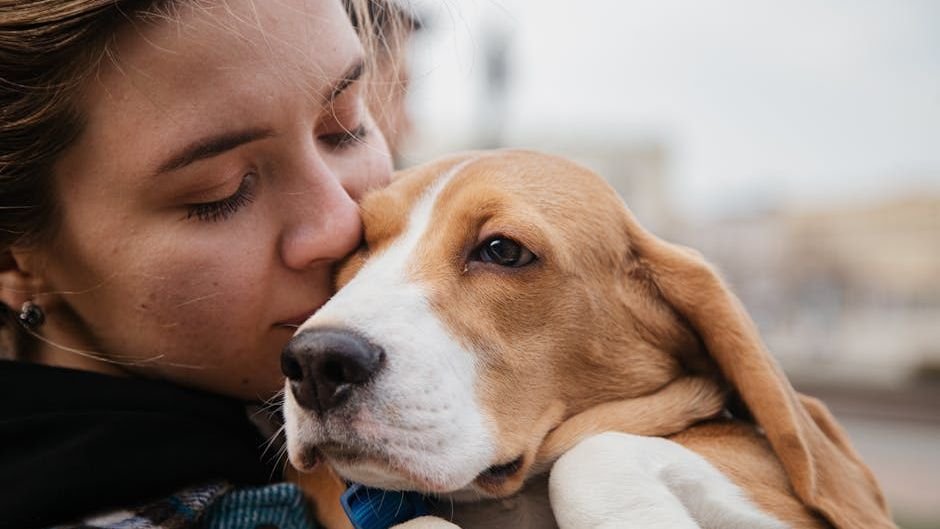
There’s a moment most dog owners know well. You’ve had a terrible day. Maybe something went wrong at work, or you’re just quietly falling apart in ways you can’t explain. You walk through the door. And before you’ve said a single word, your dog is already there. Tail going, eyes soft, body pressing gently against your legs. No judgment. No questions. Just presence.
That moment is not accidental. It’s not even simple. Honestly, it might be one of the most profound things happening in modern science, and most of us have been living it without ever knowing the full story. Your dog’s loyalty isn’t just a feeling. It’s biology, evolution, and something that looks an awful lot like love all rolled into one.
So let’s unpack it together.
The Science Behind That Unbreakable Bond
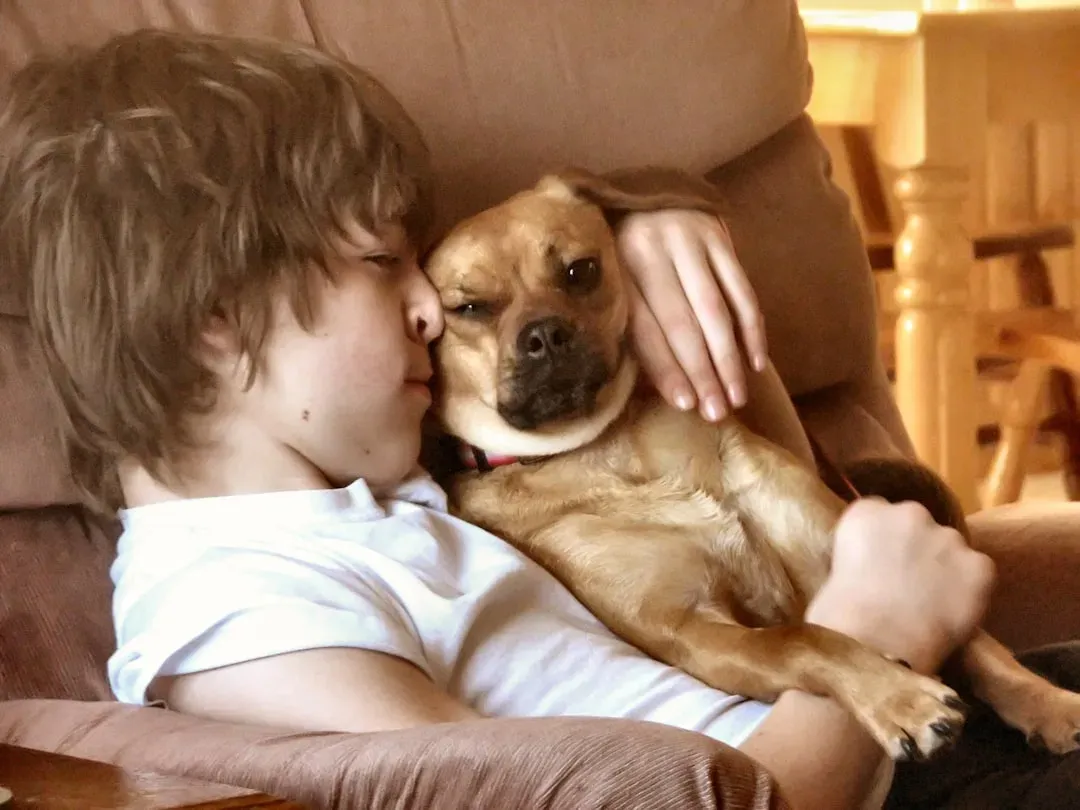
Here’s the thing most people don’t realize: the connection you feel with your dog is chemically real. Scientific studies have shown that when dogs and their owners interact, both experience a release of oxytocin, often referred to as the “love hormone,” the same one that helps mothers bond with their babies. So when you lock eyes with your pup on the couch, you’re both literally flooding with the same bonding chemistry a parent feels with a newborn. That’s wild, right?
In one study, researchers found that when dogs and their owners gazed into one another’s eyes, it raised oxytocin levels for both, by up to 130% for the dogs and 300% for the owners. Think about that for a second. A simple, quiet look between you and your dog is doing more emotional work than most conversations we have with people. The mutual release of oxytocin during interactions like petting, playing, or simply making eye contact reinforces the bond between you and your dog, fostering feelings of trust and loyalty.
Researchers have characterized the owner-dog bond as a mix of child and best friend relationships, with new research showing that dogs provide the emotional comfort of a child, the loyalty of a best friend, without the drama of either. Honestly? That’s a pretty incredible deal.
Your Dog Knows How You Feel (Even Before You Do)
I think this is the part that surprises most people. Your dog isn’t just reacting to your smile or your tears. They’re reading you on a level that is genuinely extraordinary. Numerous studies have found that dogs use three main senses, sight, smell, and hearing, to determine human emotions, and dogs can recognize six basic emotions including anger, fear, happiness, sadness, surprise, and disgust, processing these in similar ways as humans.
Research published in PLOS One showed that dogs can detect stress from sweat and breath samples alone. That means your dog may sense your anxiety before you’ve even consciously acknowledged it yourself. It’s like having a living, breathing biofeedback machine on your sofa. Dogs have learned to become attuned to human emotions and have the amazing capability of sensing anxiety, depression, and other distress signals from humans.
Dogs don’t just observe your emotions; they can “catch” them too. Researchers call this emotional contagion, a basic form of empathy where one individual mirrors another’s emotional state. A 2019 study found that some dog-human pairs had synchronised cardiac patterns during stressful times, with their heartbeats mirroring each other. Honestly, it sounds like science fiction, but it’s very much real life.
What Your Dog’s Presence Actually Does for Your Health
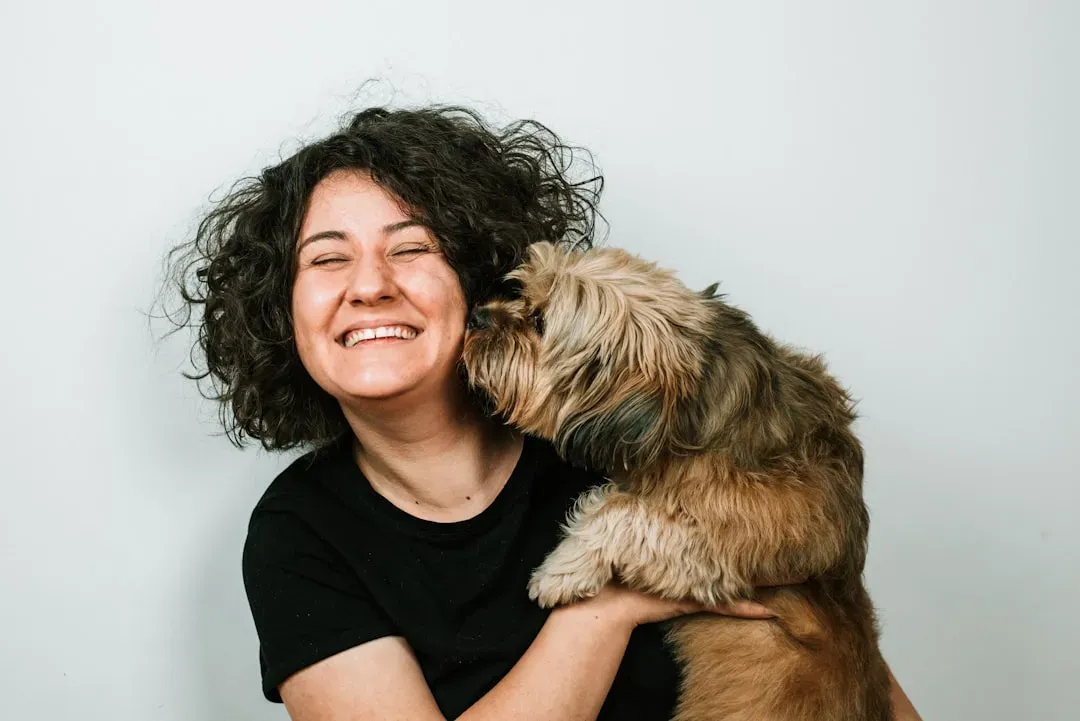
Let’s be real: we talk a lot about what we give our dogs. The walks, the food, the belly rubs. But what are they giving us? More than most of us have ever stopped to consider. Dogs specifically have been proven to reduce stress, anxiety and depression, ease loneliness, encourage exercise, and improve your overall health. That’s not marketing fluff. That’s a medical reality.
Interacting with animals has been shown to decrease levels of cortisol, a stress-related hormone, and lower blood pressure. Other studies have found that animals can reduce loneliness, increase feelings of social support, and boost your mood. Something as simple as petting your dog after work is a genuine physiological event. One study found that just 10 minutes of petting a dog or cat can lower cortisol levels in college students.
Owning a dog has been linked to better mental health and a lower perception of social isolation, which can reduce the risk of heart attacks and cognitive issues. Your dog is, in the truest sense, good for your heart. Both emotionally and literally. Therapy dogs have been shown to significantly reduce stress and anxiety in hospital patients, improve mood in nursing home residents, and even boost children’s reading skills by providing a nonjudgmental listener.
The Language Your Dog Speaks Every Single Day
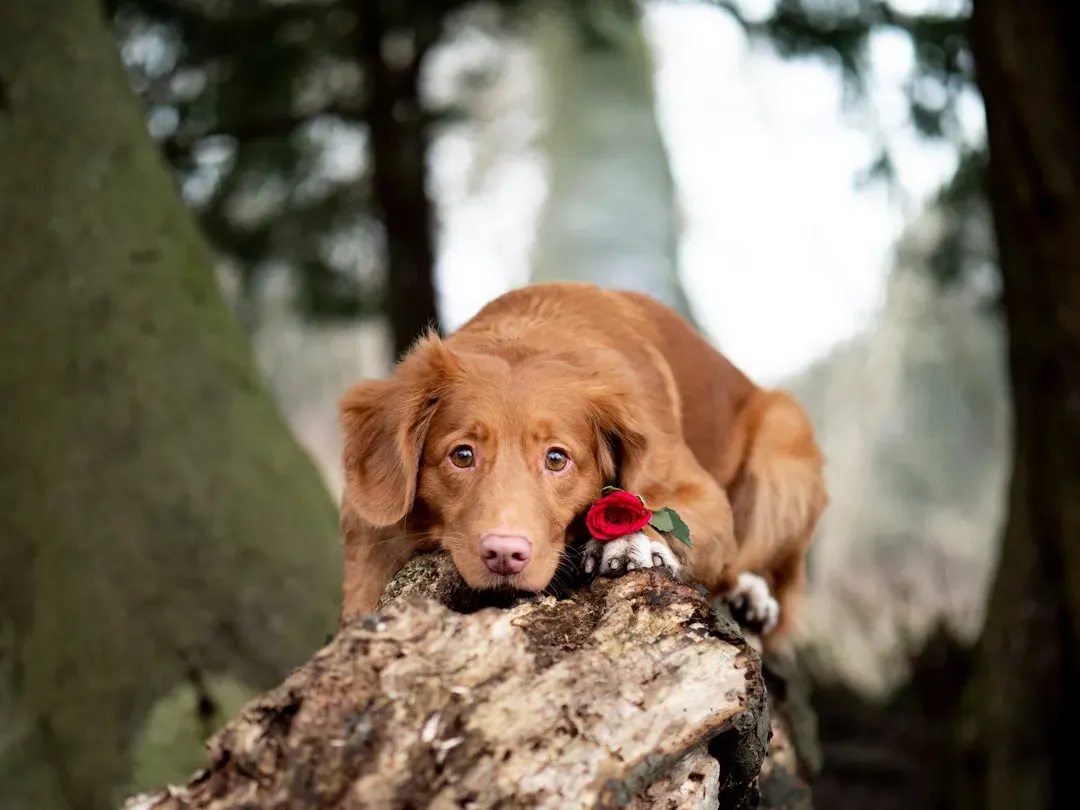
Here’s something worth paying attention to. Your dog is constantly communicating with you. The trick is learning the language. Understanding your dog’s body language is one of the most powerful ways to strengthen your bond. Dogs communicate how they feel through their posture, tail movements, ears, eyes, and overall behavior. Learning the difference between a relaxed tail wag and a stiff, alert stance, and recognizing their signs of stress, fear, or excitement, allows you to respond more appropriately to their needs.
Excited greetings with tail wags, jumping, and happy whining mean they’ve missed you. Following you around means they feel safe and connected to you. Soft, relaxed eye contact releases oxytocin and strengthens the emotional bond between you and your dog. A dog that leans against you or rests their head on your lap is expressing trust and affection.
Think of it like a conversation where they’re always talking, and we’ve just been too busy to listen. Once you start tuning in, everything changes. You’ll notice the subtle flicker of an ear, the way they hold their tail differently at the vet versus at the park. When a dog has their ears turned to the side, head lowered, avoids eye contact, and has their tail lowered or tucked between their legs, they are conveying a message of fear, anxiety, and potentially stress. These are not small details. They’re your dog asking for help.
How to Actively Honor the Promise Your Dog Makes to You
Your dog shows up for you every single day, no matter what kind of mood you’re in or how long you’ve been gone. The question is: how do you show up for them? It’s simpler than most people think, but it does require intentionality. Dogs thrive on fixed routines. Routines give them security and protect them from overstimulation. Consistency is one of the greatest gifts you can give a dog.
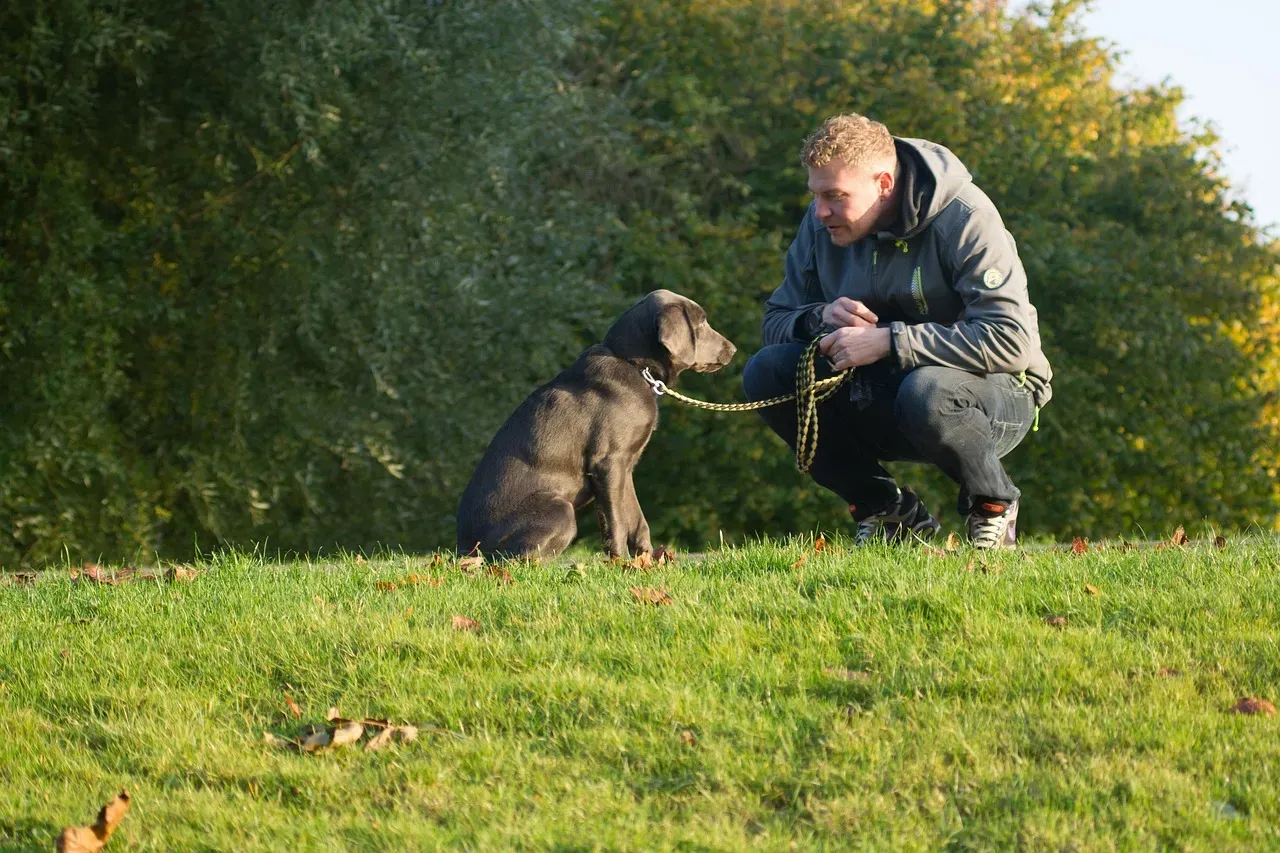
Training your dog using positive reinforcement is not only effective, but it’s also a relationship builder. Rewarding good behavior with treats, praise, or playtime reinforces your bond and creates a safe space for learning. Avoiding punishment-based methods, which can damage trust, and instead focusing on consistency, patience, and celebrating progress makes all the difference.
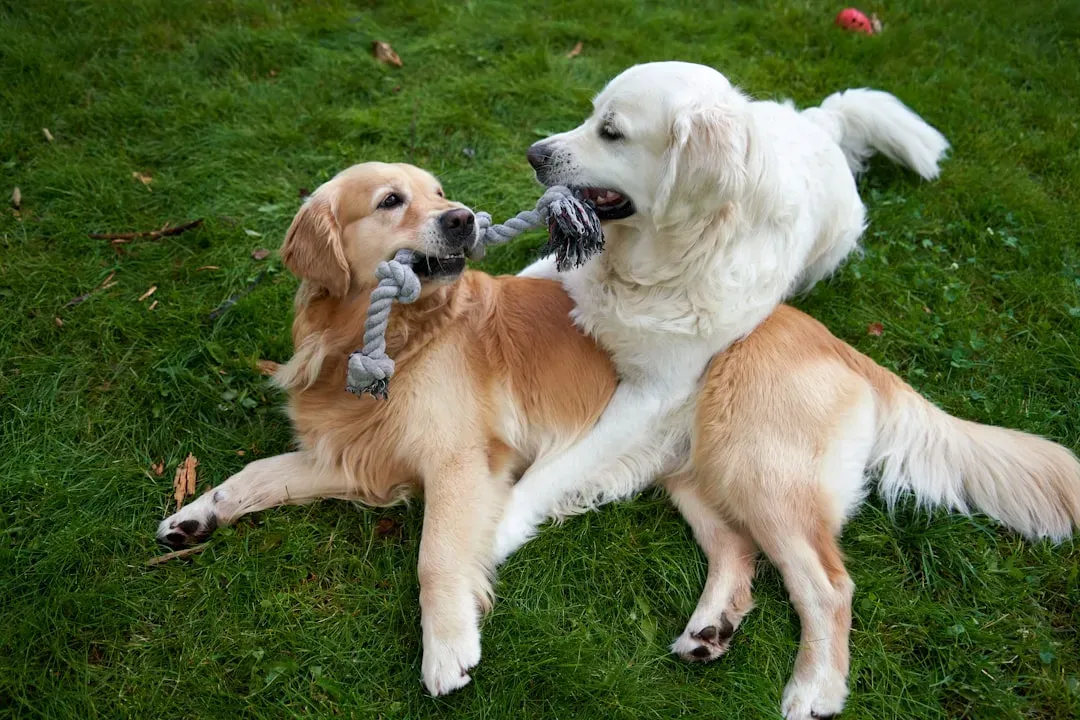
Daily rituals, such as walks and playing a favorite game, also help release oxytocin. This can reduce stress for both of you and improve your emotional connection. It doesn’t have to be elaborate. A 20-minute walk, a game of tug in the backyard, five quiet minutes with your hand resting on their back. Dogs thrive on routine and consistency, so carving out 20 to 30 minutes daily for dedicated interaction helps your dog feel secure, loved, and connected. Small, consistent moments build the most lasting bonds.
Conclusion: The Promise Goes Both Ways
Your dog never signed a contract. There was no negotiation, no list of conditions. Love from a pet isn’t the same as human love. It’s simpler, purer, and unconditional. They don’t care about your job, your appearance, or your social status. They love you because you make them feel safe, happy, and cared for. For them, you are their world.
That is the unspoken promise. And it runs deeper than most of us acknowledge in the rush of daily life. They share in our joys, comfort us in our sorrows, and remain steadfastly by our sides through life’s ups and downs. They ask for so little. A full bowl, a warm place to rest, and your attention. Genuinely, that’s it.
I think the most meaningful thing we can do, as dog lovers and dog owners, is to meet that promise with our own. To learn their language, to respect their needs, to be as present for them as they are for us, every single day. Creating a meaningful bond with your dog doesn’t happen overnight, but with time, patience, and consistency, you’ll develop a relationship built on trust, respect, and love. Every interaction is a chance to strengthen your connection.
So the next time your dog nudges you with their nose at the end of a hard day, take a breath. Let them in. Because that gentle, steady presence beside you is one of the rarest things in the world. How are you honoring it? Tell us in the comments, we’d love to hear your story.


