

There are days when nothing makes sense. The world feels heavy, your patience is thin, and words from other people just don’t land right. Then your dog walks in, curls up beside you, and somehow, without saying a single thing, makes everything feel a little more okay. That is not a coincidence. That is not “just a dog being a dog.” That is one of the most powerful, deeply human experiences there is.
The relationship between people and their dogs is genuinely unlike any other. It is ancient, it is documented in science, and most importantly, it is felt in the chest in a way that defies easy explanation. Whether you are a new dog parent or you have had dogs your whole life, what you feel when you look at that face is real, significant, and worth understanding more deeply. So let’s get into it.
Your Dog Actually Feels What You Feel – and Acts On It

Here’s the thing most people don’t fully appreciate: your dog is not simply reacting to your moods out of habit or training. Pets have evolved to become acutely attuned to humans and our behavior and emotions, and dogs are able to understand many of the words we use, but they’re even better at interpreting our tone of voice, body language, and gestures. That is thousands of years of co-evolution at work, right there in your living room.
Dogs are thought to be very aware of people’s emotions, and a new study found that not only will some dogs comfort their owner, but they’ll also overcome obstacles to do it. Researchers showed that dogs with strong bonds to their owners hurried to push through a door when they heard their person crying. Think about that for a moment. Your dog will literally break through barriers to get to you when you are hurting.
Their ability to sense human emotions is truly remarkable. Dogs, for instance, can detect sadness, fear, or stress, often responding with affection and calmness. So the next time your dog nudges you with their snout on a rough day, know that it is intentional, instinctive, and extraordinarily loving.
The Science Behind That Warm, Calm Feeling Is Real
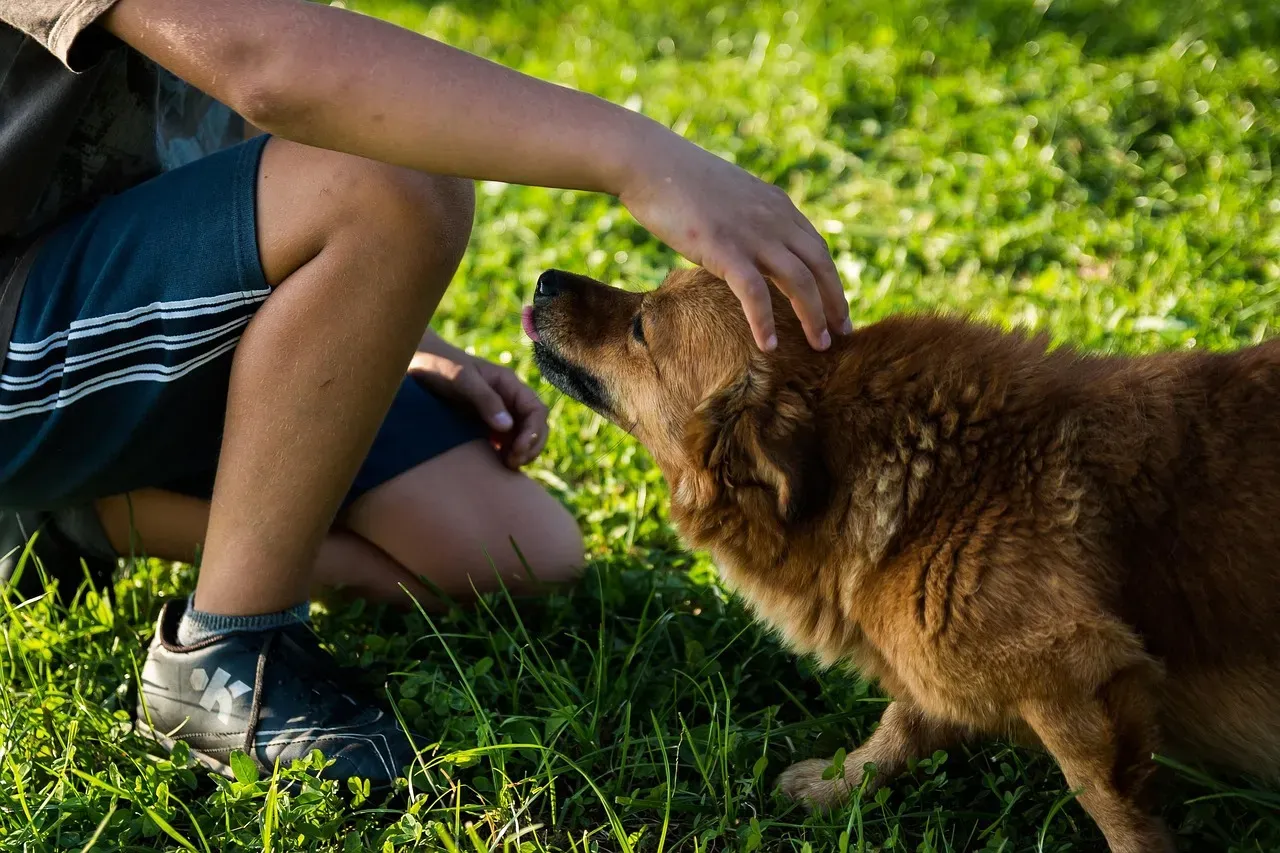
You know that wave of calm that washes over you when you pet your dog? That is not just a feeling. Petting animals triggers the release of oxytocin, often called the “love hormone,” while reducing cortisol, our body’s primary stress hormone. It is essentially a full biochemical reset happening through something as simple as stroking a warm, furry back.
When you pet a dog or cuddle with them, your brain releases a surge of feel-good hormones such as oxytocin, dopamine, and serotonin, the same chemicals that boost feelings of love, joy, and relaxation. At the same time, interacting with pets reduces the stress hormone cortisol, and this combination of chemical changes creates a natural antidepressant effect, often leading to improved mood and emotional balance.
Spending quality time with dogs reduces stress and increases the power of brain waves associated with relaxation and concentration, according to a study published in 2024 in the open-access journal PLOS ONE. Honestly, it is hard to think of a simpler, more enjoyable form of therapy than spending time with your dog.
Dogs Give You a Reason to Get Up, Go Out, and Keep Going

Let’s be real: there are mornings when motivation is hard to find. But your dog doesn’t care about your mood, your workload, or the weather. They need a walk. Pet owners maintain more consistent daily schedules and engage in more regular physical activity than non-pet owners. That predictability, as mundane as it sounds, is genuinely protective for your mental health.
Adding structure and routine to your day matters more than people think. Many pets, especially dogs, require a regular feeding and exercise schedule, and having a consistent routine keeps an animal balanced and calm, and it can work for you, too. A dog is not just a companion. A dog is a gentle, non-judgmental life coach who keeps you anchored.
The obligation to care for another living being can serve as an anchor during difficult times, providing both motivation and a sense of being needed. On your worst day, your dog still needs feeding, still needs love, and that quiet responsibility can pull you through more than you might expect.
Dogs Fight Loneliness and Depression in Ways That Surprise Even Researchers

Dogs decrease loneliness and depression in meaningful, measurable ways. We may be ever more connected on social media, but in these times of physical disconnection, loneliness is becoming a health epidemic. Dogs fill that gap in a way that a phone notification simply cannot replicate.
Research found that an attachment relationship with a pet dog may serve as a coping resource for older women by buffering the relationship between loneliness and depression, such that the presence of the pet dog appears to ameliorate the potential for loneliness to exacerbate depression. That is a remarkable finding, and it holds true across age groups, from teenagers to seniors.
For those who experience isolation, pets provide unwavering companionship and offer a sense of purpose by depending on their owners for care, which can be incredibly grounding. The presence of a pet can fill emotional voids, making people feel needed, valued, and connected. I think that is one of the most quietly beautiful things about dogs. They need you, and somehow, that need heals you right back.
Dogs Support Human Health Across Every Stage of Life

Children who grow up with pets often develop stronger emotional foundations. Having a pet teaches responsibility, empathy, and emotional regulation from a young age. Studies show that kids with pets tend to experience lower stress levels and greater self-confidence. They also learn to process grief and attachment in healthy ways, which supports long-term emotional maturity. That is a gift that keeps shaping a child long after puppyhood is over.
Pet ownership can provide essential social and emotional support for older adults. Older adults who own pets report a reduction in stress and loneliness. They also experience an increase in activity and overall quality of life. Additionally, older adults who have strong connections with their pets report lower rates of depression. From childhood to old age, a dog fits perfectly into every chapter.
For individuals with mental disorders such as PTSD, recent research has found that having a psychiatric service dog is associated with fewer PTSD symptoms, less depression and anxiety, and better quality of life. These benefits appear to be due to a combination of the service dog’s specific trained tasks and aspects inherent to cohabitating with a pet dog, including having a source of love, nonjudgmental social support, and companionship. Dogs do not just make life nicer. In many cases, they make life livable.
A Conclusion Worth Sitting With

Your dog is not just a pet. They are a proven source of calm in a chaotic world, a biochemical ally for your nervous system, a social connector, a daily motivator, and a lifelong emotional anchor. The comfort they bring is not fluffy sentiment. It is backed by decades of growing science, confirmed by research from neuroscience to clinical psychology.
The greatest thing you can do in return is to care for them with the same intention and love they bring to you every single day. Keep their routine consistent, pay attention to their behavioral cues, make time for genuine connection, and never underestimate the small moments. Because here is the truth: your dog already knows how much you mean to them. The real question is, do you fully know how much they mean to you?
What would your life look, sound, and feel like without that wagging tail at the door? Give that a thought, then go give your dog a hug. They have earned it.


