
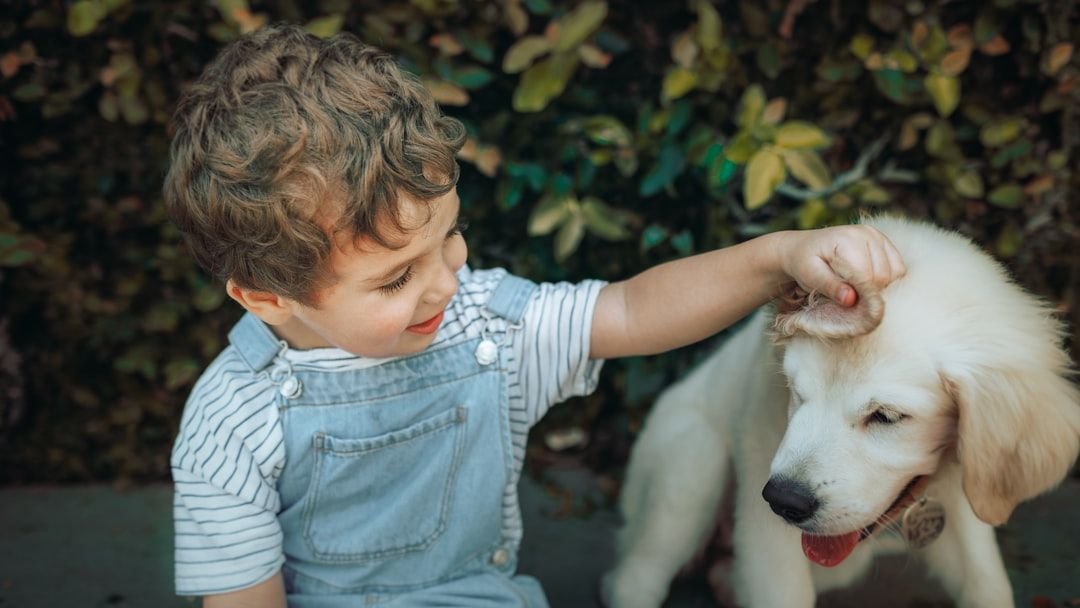
There’s a moment every dog owner knows. You walk through the door after the longest, worst day of your life, and before you’ve even set your bag down, your dog is already there. Tail going, eyes soft, body wiggling with pure, uncomplicated joy. No judgment. No questions. Just love, offered freely and completely.
It sounds simple. Honestly, it might be the most complex thing in the world.
Scientists, animal behaviorists, and psychologists have spent decades trying to put a name to what happens between a human and their dog. The deeper they dig, the more profound and surprising the answers get. So if you’ve ever wondered why your dog’s affection hits differently from anything else in your life, keep reading. What you’re about to discover might genuinely move you.
The Ancient Architecture of an Unbreakable Bond
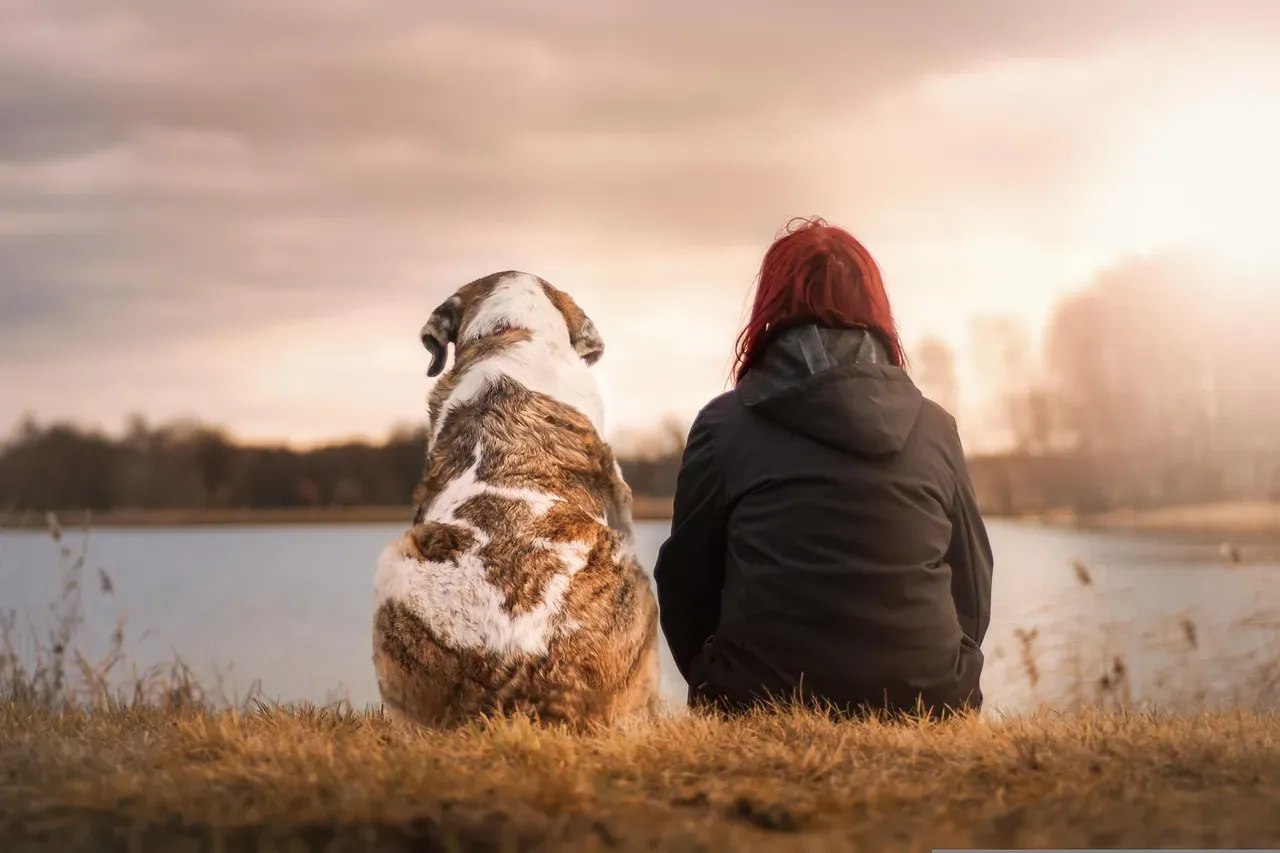
Let’s be real, this bond didn’t just happen overnight. The human and canine bond is rooted in the domestication of the dog, which began through a long-term association with hunter-gatherers more than thirty to forty thousand years ago. That’s older than agriculture, older than written language. Dogs have literally been woven into the fabric of human civilization from the very beginning.
Tens of thousands of years ago, a few brave wolves began living closer to people. This closeness benefited everyone – the proto-dogs found a food source near human settlements, and the people gained an early warning system when intruders approached. Gradually, interactions increased and individual connections were made as those wolves evolved into what we now recognize as dogs. Think about that. The relationship started as a practical arrangement and slowly, beautifully, became something spiritual.
Over time, in many cultures, the primary role of dogs became that of companions, leading to a bond characterized by loyalty, trust, and genuine friendship. It’s honestly one of the most extraordinary evolutionary stories ever told – two completely different species choosing each other, again and again, across thousands of generations.
The Chemistry of Love: What Happens in Your Brain and Theirs
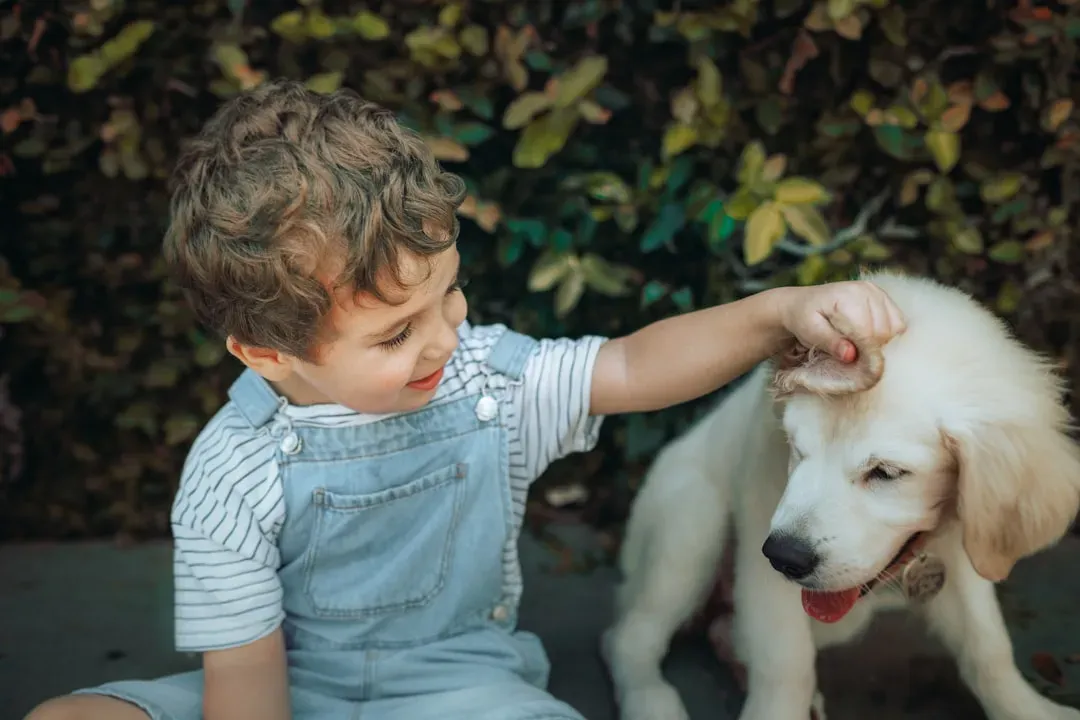
Here’s the thing that blows my mind every single time I think about it. When you look into your dog’s eyes, you’re not just having a sweet moment. Research shows that when dogs stare into our eyes, they activate the same hormonal response that bonds us to human infants. The exact same one. That warm rush you feel? That’s biology doing something remarkable.
Studies found that among pairs who spent the greatest amount of time looking into each other’s eyes, both male and female dogs experienced a dramatic rise in oxytocin levels, and their human owners experienced an even greater increase. This isn’t one-sided either. The same part of a dog’s brain lights up when they see their human as happens in babies when they see their mother. On a neurological level, dogs have that same kind of love response when they see us. That’s not sentimentality. That’s science.
On a biological level, our brains use the same neurological pathway to process our love for our pets as our love for our children. So the next time someone rolls their eyes when you call your dog your baby, just smile. You’re not being dramatic. You’re being neurologically accurate.
Reading the Love: Behavior Cues Your Dog Is Sending You Right Now
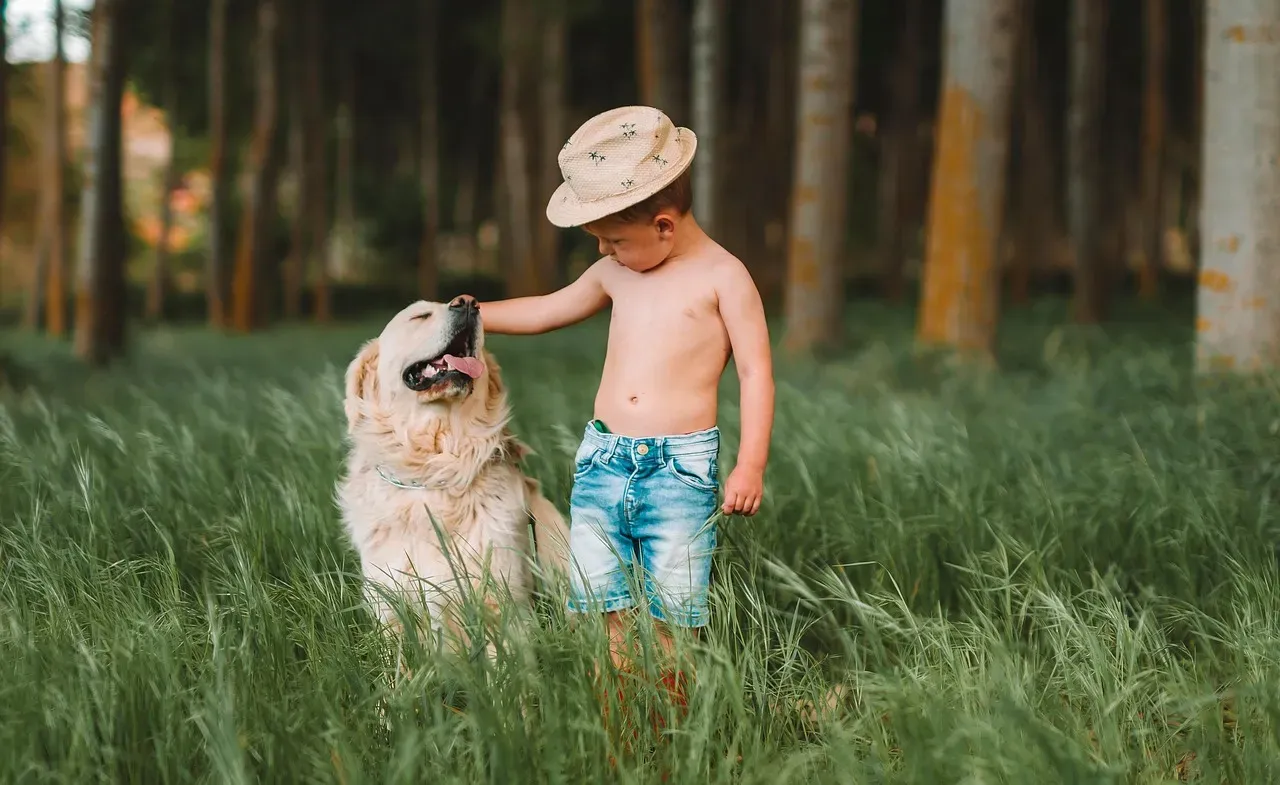
Most of us miss half of what our dogs are trying to tell us. A wagging tail, soft eye contact, and a relaxed posture are signs of happiness and comfort, while a tucked tail, flattened ears, and avoiding eye contact can indicate stress or fear. Learning this language changes everything about how you relate to your dog day to day.
Dogs demonstrate affection through physical contact like leaning or snuggling, engaging eye contact filled with trust, protective instincts, playful activities that foster bond strength, and following their owners closely to show loyalty and companionship. That lean against your leg when you’re sitting on the couch? That’s your dog essentially saying, “I’ve got you.” When a dog leans on you, it’s a sign of deep affection and trust, as if they’re saying they feel safe and secure with you.
There are even subtler signs worth knowing. If your dog yawns right after you do, this is a form of canine empathy. Studies show that dogs will mirror their owners’ yawns as a sign of loyalty and emotional connection. When a dog brings you their favorite toy, this act demonstrates trust because they are sharing something truly special to them. It’s less about the toy and more about the gesture behind it.
How Your Dog’s Love Actually Heals You
We talk about how much we love our dogs. We talk less about what their love does to our bodies and minds, and the research here is genuinely stunning. A study published in 2024 in the journal PLOS ONE found that spending quality time with dogs reduces stress and increases brain waves associated with relaxation and concentration. This wasn’t just self-reported good feelings. Researchers measured actual brain activity.
Playing and walking with a dog increased the strength of alpha-band oscillations in the brain, which generally indicate stability and relaxation, and alpha wave activity has been linked with improved memory and reduced mental stress. Practically speaking, a thirty-minute walk with your dog isn’t just exercise. It’s medicine for your mind. People with dogs tend to have lower blood pressure and are less likely to develop heart disease. Pretty remarkable for something that just wants to be near you.
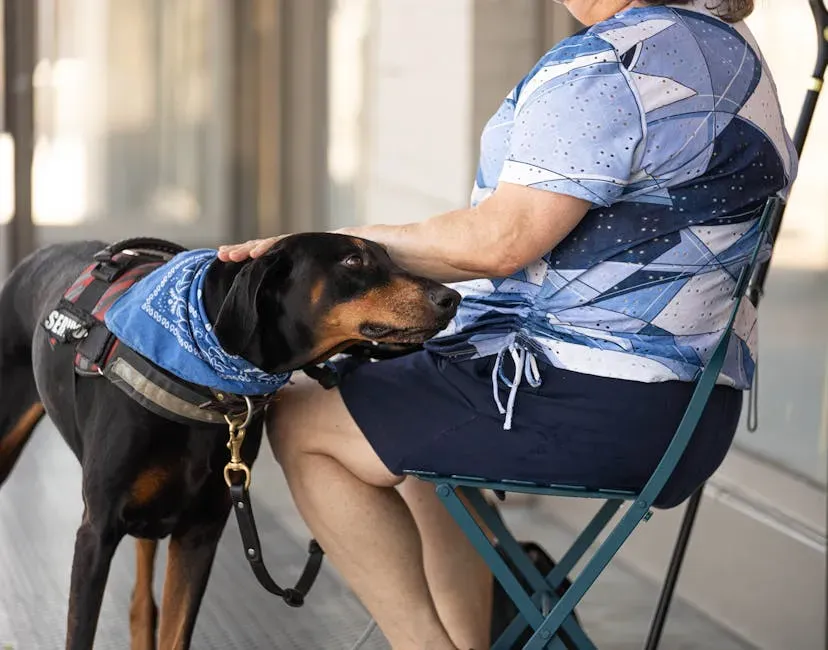
The benefits go even further for people who struggle most. For individuals with mental disorders such as posttraumatic stress disorder, recent research has found that having a psychiatric service dog is associated with fewer PTSD symptoms, less depression and anxiety, and better quality of life. Veterans coping with PTSD report that since their dog came to live with them, they have felt calmer, less lonely and depressed, less fearful, and generally better able to care for themselves. A dog doesn’t fix everything. Still, it’s hard to argue with results like that.
Deepening the Bond: How to Love Your Dog in Ways They Actually Understand
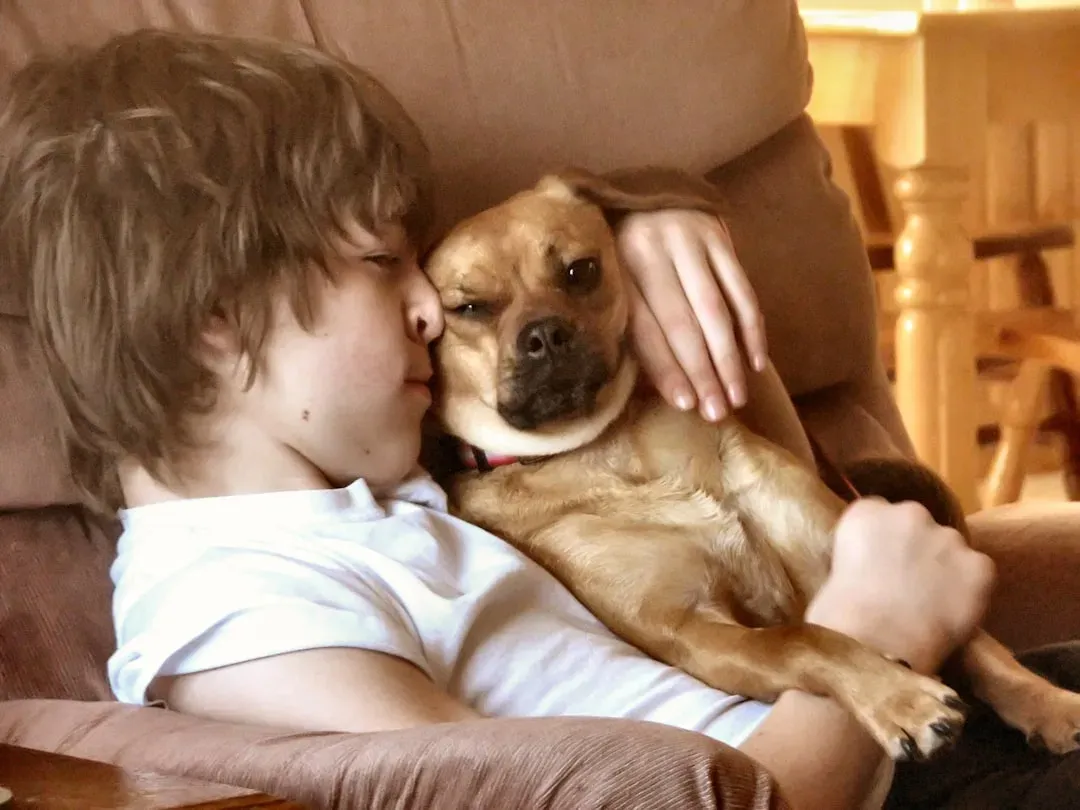
Here’s where practical meets beautiful. The human-canine bond is strengthened, or diminished, depending on the quantity and quality of the time spent with the canine and through activities such as routine walking, feeding, grooming, and play. You don’t need grand gestures. You need consistency and presence. Those are the currencies of a dog’s heart.
Trust isn’t automatic – it’s earned through daily interaction, positive reinforcement, and honoring your dog’s needs. Building a strong relationship with your dog starts with positive reinforcement – rewarding good behavior with treats, praise, or playtime encourages them to repeat those actions. Think of it like a friendship. Every small, kind, consistent moment adds something to the account.
Studies show how behavioral and chemical cues from humans can affect dogs in ways that enable them to not only discriminate between their owner’s fear, excitement, or anger, but also to catch these feelings from their human companions. Your dog is reading you. Always. When their people project feelings of calm and confidence, dogs tend to view their surroundings as safe and secure. So taking care of your own emotional health isn’t just good for you – it’s one of the kindest things you can do for your dog too.
A Final Thought
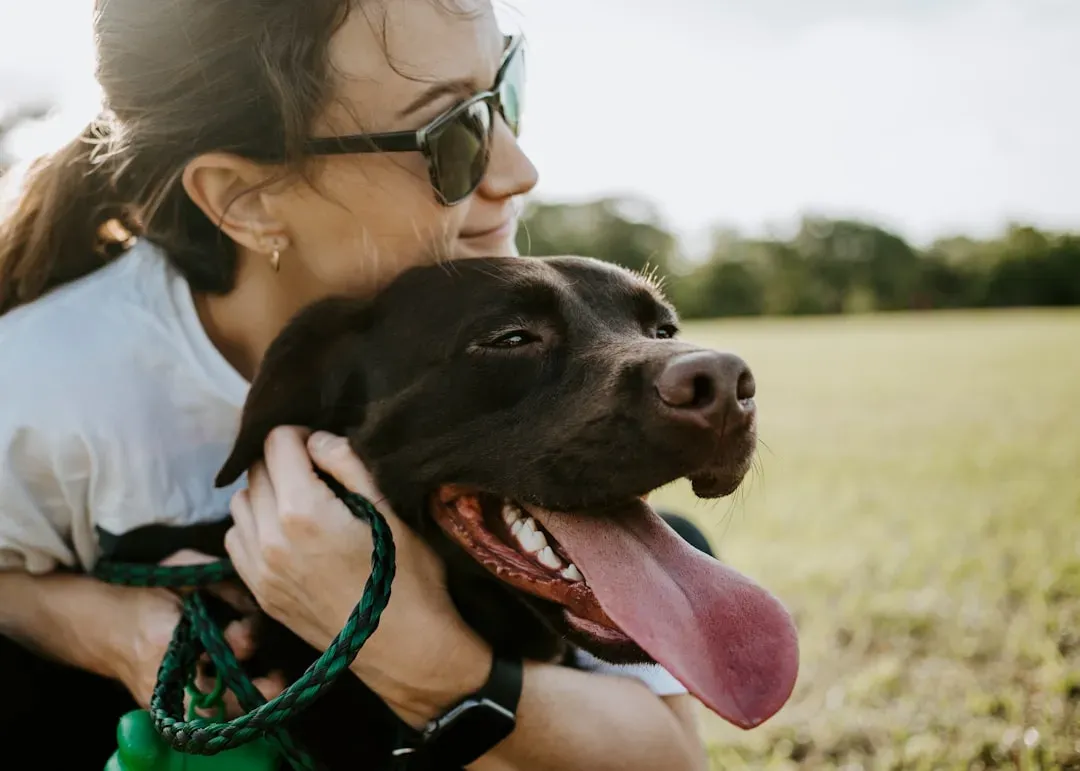
When you step back and look at the full picture, a dog’s love isn’t simple at all. It’s ancient. It’s chemical. It’s behavioral. It’s healing. Dogs often form a deep relationship and attachment to their humans, and the love of a dog is often pure – dogs may continue to love their humans despite potentially difficult circumstances. That kind of love, without condition, without agenda, without any of the complicated fine print that comes with human relationships, is genuinely rare in this world.
Dogs offer all the things that feed an attachment, including responsive interactions, emotional support, and long-lasting companionship. There’s even evidence to suggest that dogs are a more secure attachment point than other people, perhaps thanks to their enduring loyalty and love. Honestly, I think that says everything.
So the next time your dog curls up against you, stares into your eyes, or drops a soggy tennis ball in your lap for the eighteenth time that hour, take a breath and really receive it. They’re not just being cute. They’re offering you something science can measure but barely begin to explain. How lucky are we to be loved like that?
What do you think? Has your dog shown you love in a way that surprised you? Tell us in the comments – we’d genuinely love to hear it.


