
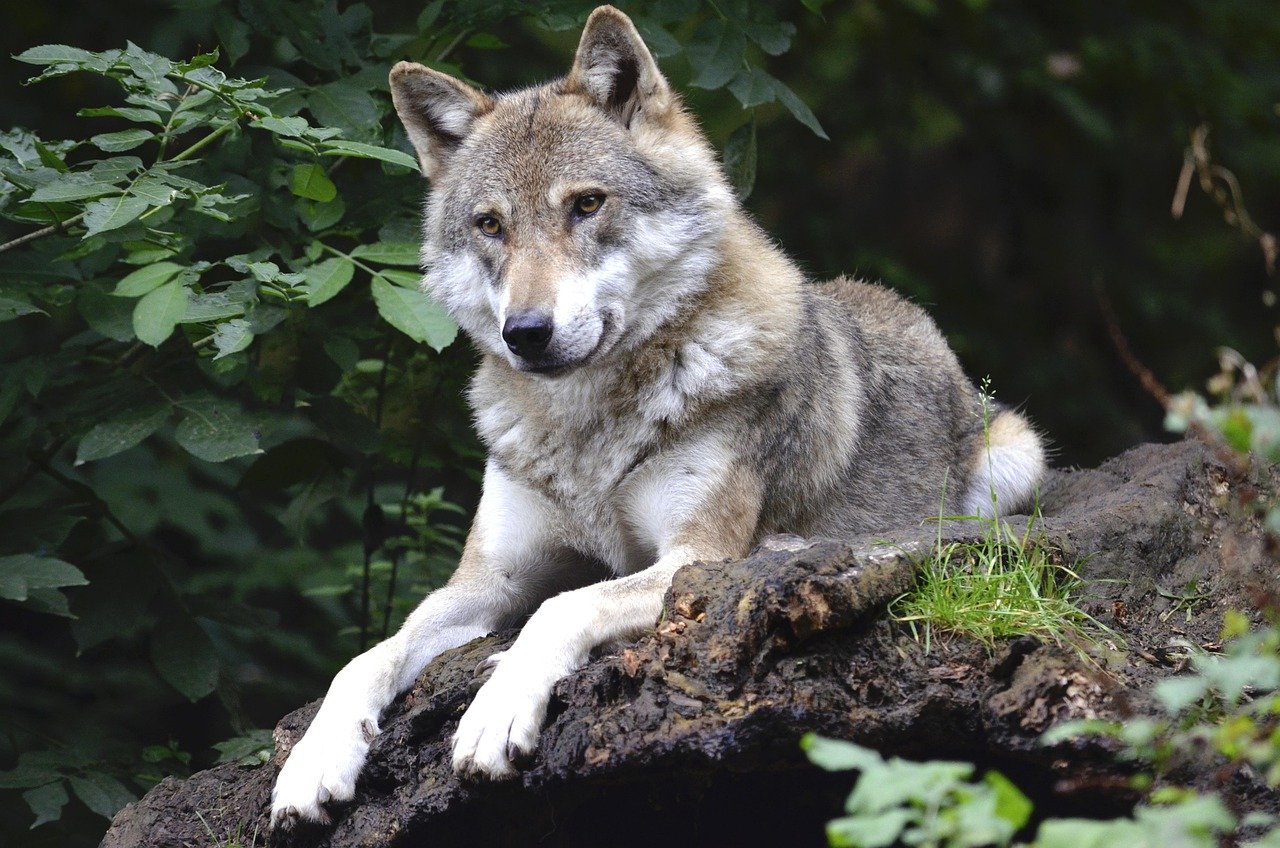
Colorado – Gray wolves, reintroduced to the state following a voter mandate in 2020, continue to stir debate as their population grapples with high mortality and persistent conflicts with ranchers. Officials reported the latest death in a program that has seen 14 fatalities among 25 relocated animals, while livestock losses mount and compensation claims strain state resources. These developments highlight the challenges of restoring an apex predator in a landscape shared with agriculture.[1][2]
Wolf Deaths Pile Up, Triggering Probes
A female wolf from the King Mountain pack became the 14th casualty among reintroduced animals, reducing the survival rate to 44 percent. Numbered 2310, she formed part of the pack’s mating pair after relocation from Oregon in late 2023. Colorado Parks and Wildlife, alongside the U.S. Fish and Wildlife Service, launched an investigation into the cause and location of her death, details of which remain undisclosed.[1]
Her mate met a tragic end in January during a collaring mishap in Routt County, handled by a contractor. Wildlife advocates criticized the operation as reckless. Earlier, authorities lethally removed a Copper Creek pack yearling after it repeatedly preyed on sheep in Rio Blanco County. Such interventions underscore the tension between conservation goals and livestock protection.[1]
Livestock Losses Escalate in Key Counties
Ranchers faced 37 confirmed wolf depredations in 2025 alone, affecting 24 cattle, 12 sheep, and one working dog. The toll marked a sharp rise from prior years, with total confirmed incidents reaching 51 since the program’s start in December 2023. Recent attacks included a single wolf or group killing 11 sheep in Rio Blanco County on January 24.[2][3]
Efforts to capture an uncollared wolf linked to chronic attacks in the same area faltered. DNA evidence tied it to the Copper Creek pack’s surviving pup. After 30 days of searching with drones and thermal imaging, officials suspended operations due to snowless terrain and rugged landscape. Producers implemented non-lethal deterrents, but persistence prompted lethal removal considerations.[1]
- January 24, 2026: 11 sheep killed in Rio Blanco County by uncollared wolf.
- Multiple 2025 incidents: Copper Creek yearling took five lambs and one ewe in July-August, plus further kills through November and January.
- Grand County: Cow death led to $390,000 award for rancher Conway Farrell in prior year.
- Routt County: Three calves lost, claim near $7,500 by Susan Nottingham.
Compensation Claims Triple State Budget
Ranchers submitted claims exceeding $1 million for 2025 wolf-related losses, nearly tripling the $350,000 annual allocation from the general fund. The Gray Wolf Compensation Fund covers fair market value up to $15,000 per animal, including direct kills and indirect impacts like reduced conception rates and weight gain. Ten producers shared details, but more claims await processing.[2]
Payouts reached $724,000 in 2025, fueling rancher frustration over adequacy. The program draws from multiple sources, including the Species Conservation Trust Fund. Officials prioritize verification before approvals by the Parks and Wildlife Commission. Critics argue the costs signal deeper issues in the reintroduction strategy.[1]
No New Wolves as Program Pauses
Colorado Parks and Wildlife announced no additional translocations for the 2025-2026 season, citing elevated mortality risks to achieving a self-sustaining population. High death rates in 2025 prompted a shift toward bolstering existing groups. Four packs confirmed reproduction, with pups potentially recruited despite summer losses.[4]
The 11 surviving collared wolves roam southern areas along the Continental Divide, east to Pueblo County, and into the San Luis Valley. Future releases hinge on winter 2026-2027 evaluations. Meanwhile, conflict mitigation ramps up with new hires, tools like fladry fencing, site assessments, and interagency training alongside the Colorado Department of Agriculture.[5]
Balancing Restoration and Ranching Realities
Non-lethal measures remain the first line of defense, per state policy, with lethal action reserved for chronic cases after attractant removal and deterrence trials. Monthly activity maps and depredation trackers aid transparency. Yet, as wolf numbers hover between 30 and 40, including uncollared offspring, pressures persist.[5]
The management plan calls for review if survival dips below 70 percent, though populations tolerate up to 25-30 percent annual losses. Director Laura Clellan noted the suspension of capture efforts, emphasizing adaptive responses. Stakeholders from ranchers to advocates await outcomes that sustain both wolves and rural livelihoods.
Key Takeaways:
- 14 of 25 reintroduced wolves have died, survival at 44%.
- 37 confirmed 2025 depredations; $1M+ claims filed.
- No new releases this season; focus on reproduction and mitigation.
As Colorado navigates this apex predator’s return, the path forward demands innovative coexistence strategies. What steps should officials prioritize next? Share your views in the comments.


