
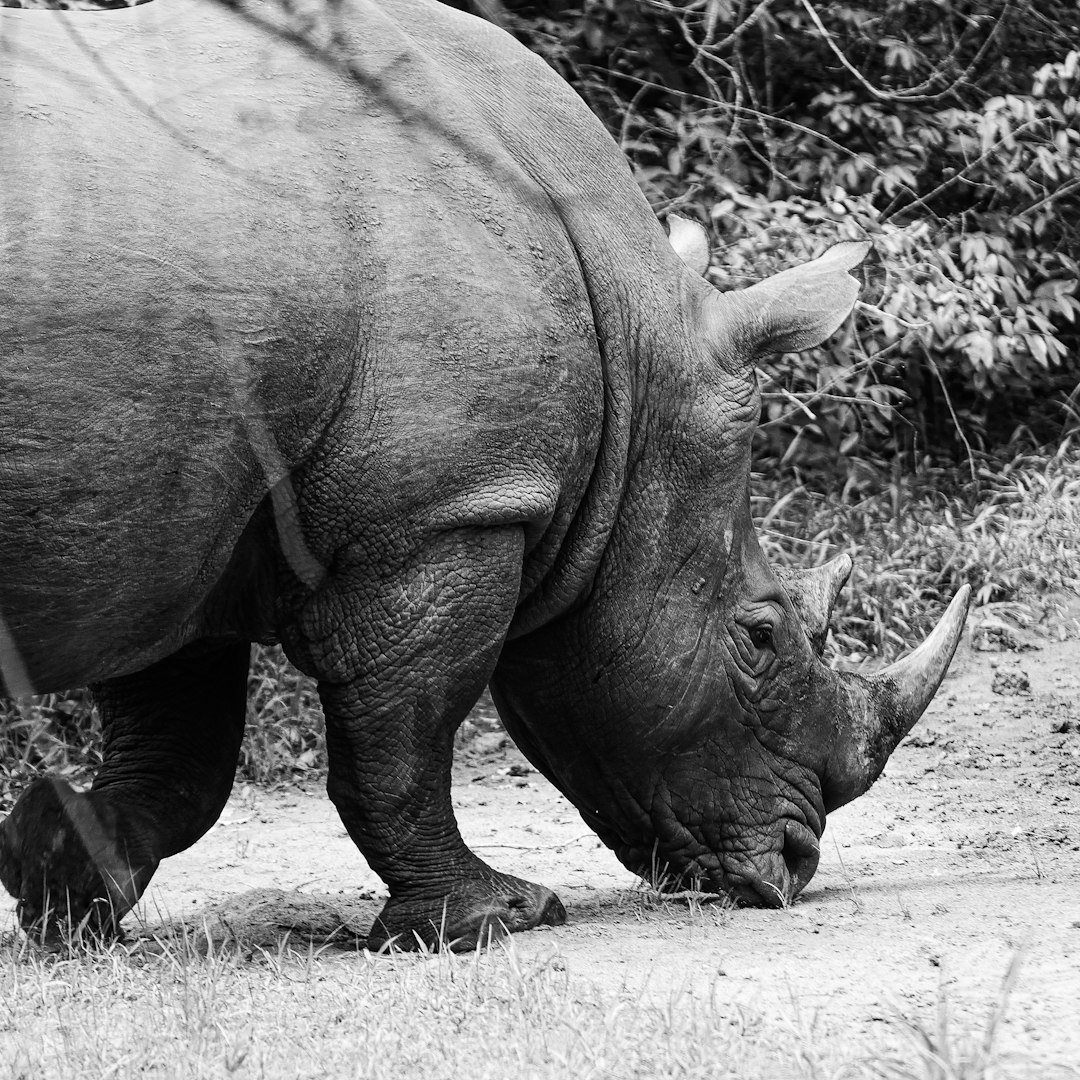
Kidepo Valley National Park, Uganda – Southern white rhinos have stepped back into the remote savannahs of northeastern Uganda for the first time since 1983. The Uganda Wildlife Authority translocated two individuals from Ziwa Rhino Sanctuary on March 17, 2026, initiating a plan to reintroduce eight rhinos overall.[1][2] Conservationists hailed the event as a milestone in restoring wildlife lost to poaching during the country’s turbulent 1980s. This effort completes the Big Five in one of Africa’s most pristine yet challenging parks.[3]
A Legacy Lost and Now Reclaimed
Rhinos once numbered around 700 across Uganda’s national parks, roaming freely in ecosystems like Kidepo Valley. Poachers exploited political instability in the late 1970s and early 1980s, slaughtering them for horns prized in traditional medicine and as status symbols. The last rhino fell in Narus Valley in 1983, leaving the species extinct in the wild nationwide.[4]
Recovery began in 2005 at Ziwa Rhino Sanctuary, where imported southern white rhinos from Kenya and South Africa bred successfully. The sanctuary now supports part of Uganda’s total of 61 rhinos. A feasibility study identified Kidepo as ideal due to its intact savannah habitat spanning thousands of square kilometers.[5]
The Meticulous Translocation Effort
Veterinary teams and rangers carefully loaded the two rhinos into transport crates at Ziwa, located 100 kilometers north of Kampala. The journey covered rugged terrain to Kidepo, over 700 kilometers away in the Karamoja region. Upon arrival, the animals entered a purpose-built sanctuary equipped with perimeter fencing, water points, and monitoring systems.[2]
Additional rhinos will follow, including five from Kenya in a landmark wildlife exchange with the Northern Rangelands Trust. This first-of-its-kind agreement between the two nations underscores regional cooperation. Rangers now track the pioneers 24/7 to ensure adaptation.[3]
Key Players Driving the Revival
The Uganda Wildlife Authority led the operation, with Dr. James Musinguzi, its executive director, overseeing preparations. “This moment marks the beginning of a new rhino story for Kidepo Valley National Park,” Musinguzi stated.[1] Partners provided critical support:
- Uganda Conservation Foundation funded infrastructure.
- Global Conservation offered seven years of on-site expertise.[3]
- Wild Landscapes East Africa and Northern Rangelands Trust handled logistics and exchanges.
- Rhino Fund Uganda aided Ziwa’s growth.
John Makombo, UWA’s Commissioner for Biodiversity Management, emphasized the park’s role as one of Uganda’s most intact savannahs. The reintroduction aligns with the National Rhino Conservation Strategy, targeting viable wild populations.[5]
Boosting Ecosystems and Economies
Kidepo’s 1,442 square kilometers host 77 mammal species and 476 birds, bordering South Sudan and Kenya. Rhinos will restore ecological balance, aiding vegetation control and biodiversity. Tourism stands to gain, mirroring Kenya’s billion-dollar industry that employs thousands.[3]
The park now boasts Africa’s Big Five: lions, leopards, elephants, buffaloes, and rhinos. Visitors may soon witness these giants in a wilderness long called one of the continent’s most breathtaking. No rhinos have been lost to poachers since Ziwa’s founding, thanks to robust security.[5]
Navigating Persistent Threats
Security remains paramount in this remote area plagued by cattle rustlers and cross-border raids. UWA plans to deploy 40 additional rangers to Kidepo. Infrastructure like firebreaks and roads mitigates risks from encroachment and snaring.[1]
Global demand for rhino horns persists, but fenced sanctuaries and community engagement offer hope. Success here could pave the way for reintroductions to Murchison Falls and beyond. Conservationists monitor closely as the rhinos settle into their ancestral home.[3]
Key Takeaways
- Eight southern white rhinos planned for Kidepo, starting with two from Ziwa Sanctuary.
- Extinct since 1983 due to poaching; recovery via partnerships and strategy.
- Promises ecological restoration, tourism growth, and Big Five completion.
This reintroduction signals Uganda’s commitment to wildlife heritage amid ongoing challenges. One successful adaptation could inspire broader recoveries across East Africa. What do you think this means for global conservation? Tell us in the comments.


