
Picture this. You’re sitting at a café patio, sipping your coffee, when a tiny Chihuahua on a leash goes absolutely ballistic at a passing Labrador. The Lab barely blinks. The Chihuahua, though? He’s auditioning for the lead role in a canine action movie. Sound familiar? If you’ve owned both a small and a large dog, you’ve probably wondered whether those pint-sized pups really are more high-maintenance, or whether that reputation is simply not fair.
The truth, it turns out, is far more nuanced and honestly a little humbling for us as dog parents. There’s real science behind this debate, and some of the answers might just surprise you. Let’s dive in.
The Science Behind the Stereotype: Do Small Dogs Really Behave Differently?

Let’s be real, the idea that small dogs are “yappy, nervous, and stubborn” is practically ingrained in dog culture. If you spend even a few minutes browsing the internet, you’ll find sweeping claims like “small dogs are hyper and nervous” or “big dogs are easier to train than most small dogs,” always expressed with total confidence. But do the numbers actually back any of this up?
Surprisingly, yes. An analysis of behavioral data from nearly 200 dog experts, describing over 130 different breeds, found that dog size was significantly related to sociability, activity level, and emotional reactivity. The most frequently encountered stereotype, that smaller dogs have higher energy levels while larger dogs are more laid-back, actually appears to be supported by the data, with the smallest dogs consistently showing the highest energy levels. Interesting, right?
A study surveying over a thousand dog owners found three key behavioral differences: small dogs were less obedient when responding to basic commands, more excitable and likely to bark or growl at strangers and other dogs, and more anxious and fearful in unfamiliar situations or around loud noises. So there is something real here. But here comes the crucial twist.
The Real Culprit: It’s Not the Dogs, It’s Us

Here’s the thing that tends to ruffle feathers in the dog community. After documenting those behavioral differences, researchers went on to ask whether they were due to genetic factors or to the way small dogs are treated compared to large dogs. The answer pointed clearly to owner behavior as a major player.
The bottom line, according to experts, is that small dogs are no different than large dogs at their core. What gives them their different temperaments is largely how humans treat them. Think about it like raising two children under wildly different sets of rules in the same house and then wondering why they turned out so differently.
Many behaviors that humans refuse to allow in large dogs are found completely “cute” in small ones. If an 80-pound German Shepherd jumps up on a visitor, everyone agrees that the behavior needs correcting immediately, and owners will seek help from a trainer. When a German Shepherd jumps and barks and snaps, people see aggression. When the same behavior comes from a dog that barely reaches your ankle, it’s laughed off as a minor nuisance. That double standard is everything.
Small Dog Syndrome: What It Is and How to Spot It
You’ve probably heard the term before. Small dog syndrome is used to describe specific behaviors commonly exhibited by small breeds, typically involving the dog displaying an exaggerated sense of dominance, apparently compensating for their tiny stature. It’s not an official veterinary diagnosis, but it’s very real in practice.
Some small dogs become overly demanding of their owner’s attention, pushing boundaries in ways that become genuinely frustrating. They bark, whine, or misbehave to get exactly what they want. The condition can also negatively impact a dog’s mental health, as their constant state of alertness or need for control puts them in a perpetual state of stress. That’s not a happy little dog. That’s an anxious one.
Watch for these behavioral signals in your small dog: constant barking in response to even minor stimuli, often as a way to assert dominance or seek attention, demanding constant attention, becoming clingy, always wanting to be held, and sometimes exhibiting jumping and nipping behavior to assert themselves. Recognizing these signs early is the single most important step toward turning things around.
Why Small Dogs Get Away with More (And Why That Backfires)
Owners may tolerate behaviors in a tiny dog that they would never accept from a large dog, and over time, those unaddressed behaviors can snowball into what looks like full-blown small dog syndrome. It starts innocently enough. Your little Yorkie growls at the mail carrier and you giggle. Then he nips at a guest and you say, “Oh he’s just feisty.”
Small dogs are often carried around more like accessories than companions. They ride in purses and strollers instead of walking on their own four paws, and while carrying can be practical in certain situations, when it becomes the default, the dog misses out enormously. They don’t get the same chance to sniff, explore, problem-solve, and build confidence. A dog who isn’t allowed to engage with their environment can become more easily startled or reactive.
Carrying the dog everywhere, avoiding interactions with larger dogs, and constantly coddling can actually make the dog feel more dependent and insecure, which is precisely the opposite of what any loving owner intends. It’s one of those heartbreaking ironies of well-meaning pet parenting.
Practical Tips: Raising a Confident, Well-Behaved Small Dog
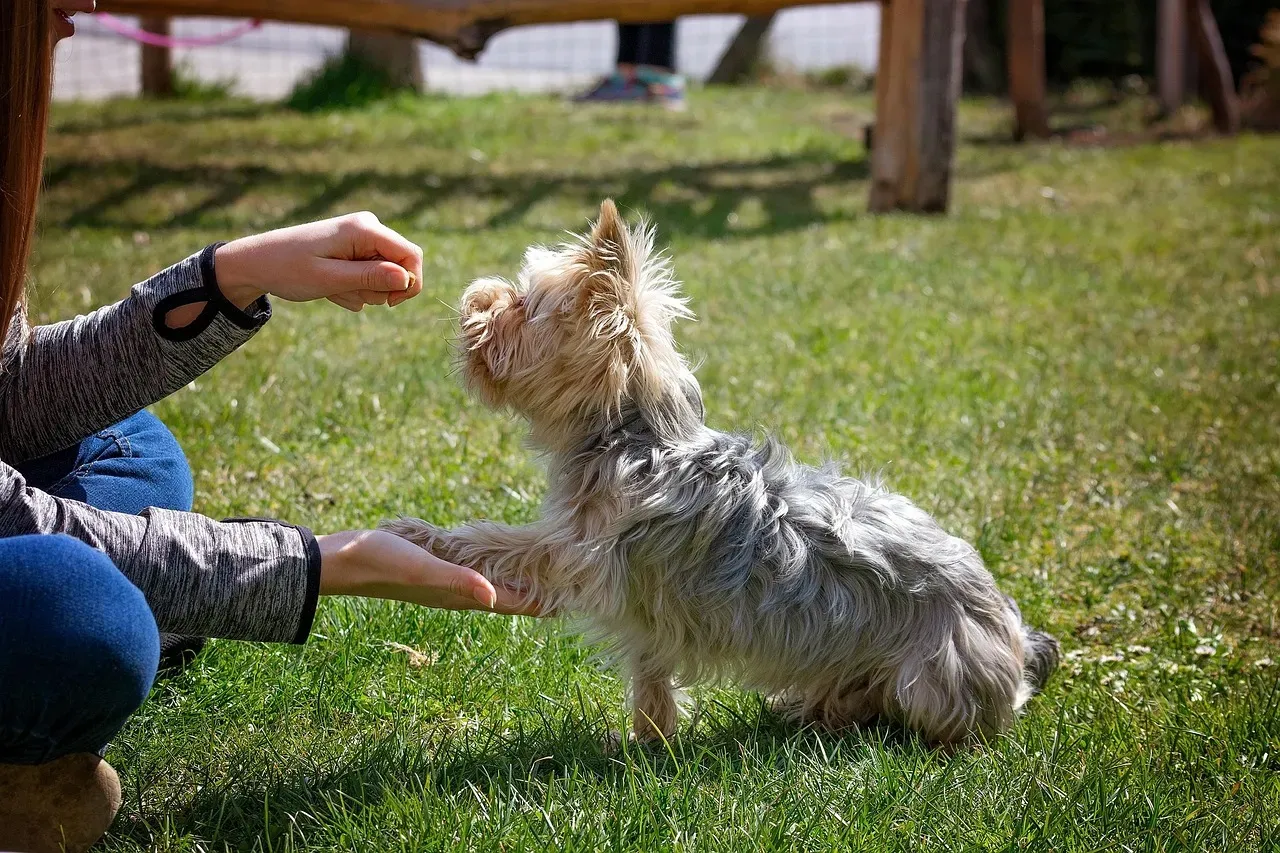
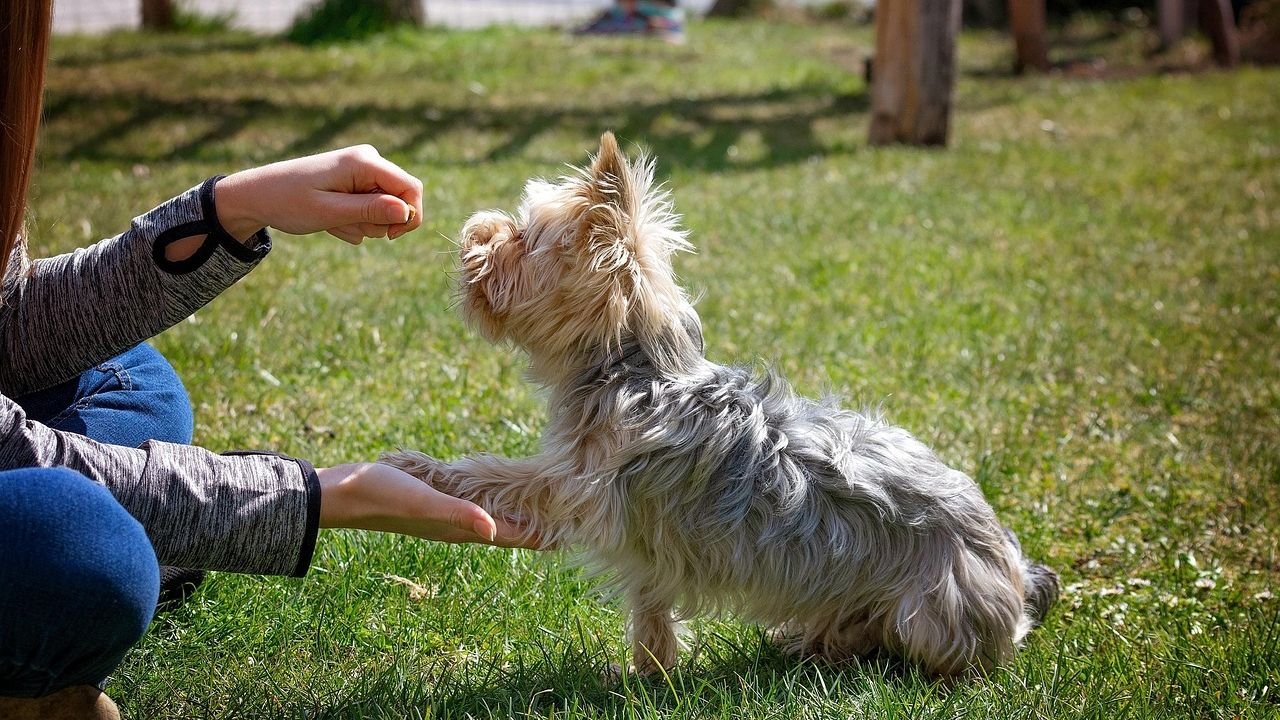
Good news, it’s absolutely fixable. The key to success with small breeds is treating them like dogs first and small dogs second, providing appropriate training, socialization, and care while accommodating their size-related needs. It’s a mindset shift, but a powerful one.
Start with consistency. Set consistent rules and boundaries for your dog, just as you would with a larger breed, and do not allow behaviors that wouldn’t be acceptable in a larger dog, such as jumping on people or excessive barking. Train small dogs with the same expectations you would have for larger breeds. They need clear rules, consistent boundaries, and proper socialization to develop into confident, well-behaved companions.
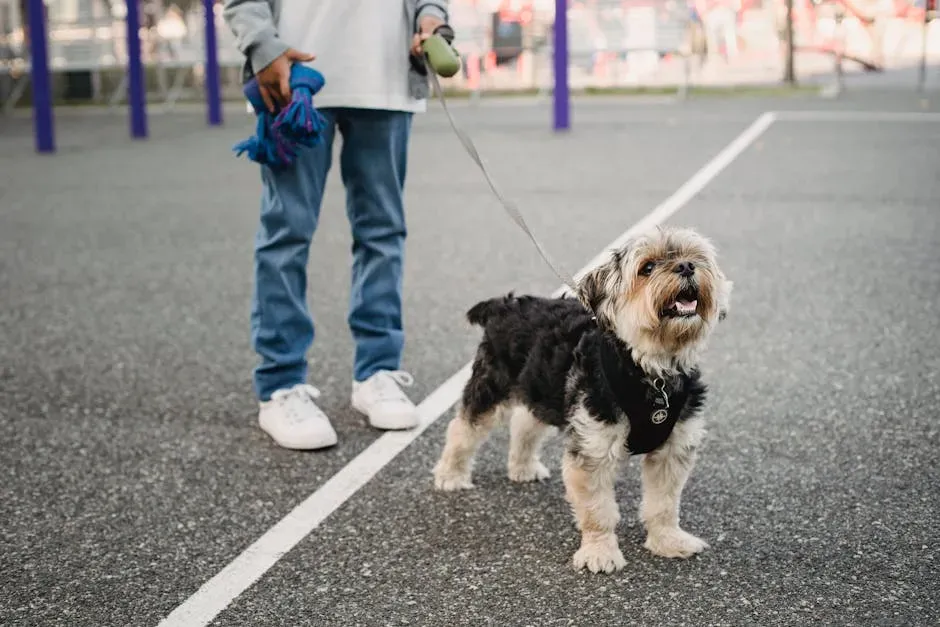
On the subject of carrying your dog everywhere, dogs who walk on a leash are more confident, and if your small dog becomes frightened during a walk, resist the urge to pick them up immediately. Stay close beside them so they have the assurance that you’re right there, but let them work through the moment. Exposing your dog to a variety of people, dogs, and environments from a young age helps build confidence and reduces fear-based behaviors. Think of socialization as vaccination against anxiety.
Conclusion: Same Dog, Different Expectations

So, Honestly, it depends far less on the dog and far more on the owner. The assumption that small dogs are easier to care for than large breeds is one of the biggest misconceptions in dog ownership, leading to frustrated owners and behavioral problems in dogs whose real needs aren’t understood.
Small dog syndrome is a common but preventable set of behaviors often caused by us, well-meaning humans. By understanding the root causes and taking proactive steps to provide training, socialization, and clear leadership, you can ensure your small dog grows into a well-behaved, confident companion. Size doesn’t dictate the need for training and boundaries. All dogs thrive when they have clear rules, regular exercise, and lots of love.
Your small dog isn’t plotting to ruin your day. They’re just responding to the world you’ve built around them. Change the rules, change the dog. The most loving thing you can ever do for a tiny dog is to treat them like the whole, capable, brilliant dog they truly are.
What do you think – has your small dog ever surprised you with just how much a little consistency changed everything? Tell us in the comments below.


