
Picture this: you’re out on a walk with your Rottweiler or your Pit Bull, minding your own business, enjoying the fresh air. Then you notice it. A neighbor pulls their child across the street. Someone at the park gives your dog a wide-eyed stare, whispering to their friend. Your dog, meanwhile, is busy sniffing a flower and wagging their entire back end with pure, unfiltered joy.
Sound familiar? Honestly, if you’ve ever loved one of the so-called “difficult” or “dangerous” breeds, you know this pain all too well. The gap between what people believe about these dogs and who they actually are is staggering. When it comes to dog breed qualities like temperament or energy level, numerous myths persist – and often, well-intended people pass along information based on limited experience or assumptions. Let’s flip that script and see these incredible dogs for what they truly are. Let’s dive in.
The Reputation Problem: Where Did It All Go Wrong?

Here’s the thing about these dogs – their bad reputation didn’t come from nowhere, but it definitely didn’t come from the dogs themselves. Most dog breeds that find themselves discriminated against time and time again owe their bad rap to humans. It’s a pattern that keeps repeating itself, and it’s heartbreaking every single time.
Most breeds are not born dangerous or aggressive. The media’s choice to focus on attacks by these breeds unfortunately hurts dogs and could cost them their lives. Think about it like this: if every story you ever heard about a golden retriever made the evening news, we’d probably be scared of those fluffy ears too.
Inaccurate information about a dog breed can create unrealistic expectations for pet parents or even prevent them from getting a dog that could be a perfect fit for their family. That’s not just unfair. That’s truly tragic.
The Pit Bull: America’s Most Misunderstood Family Dog
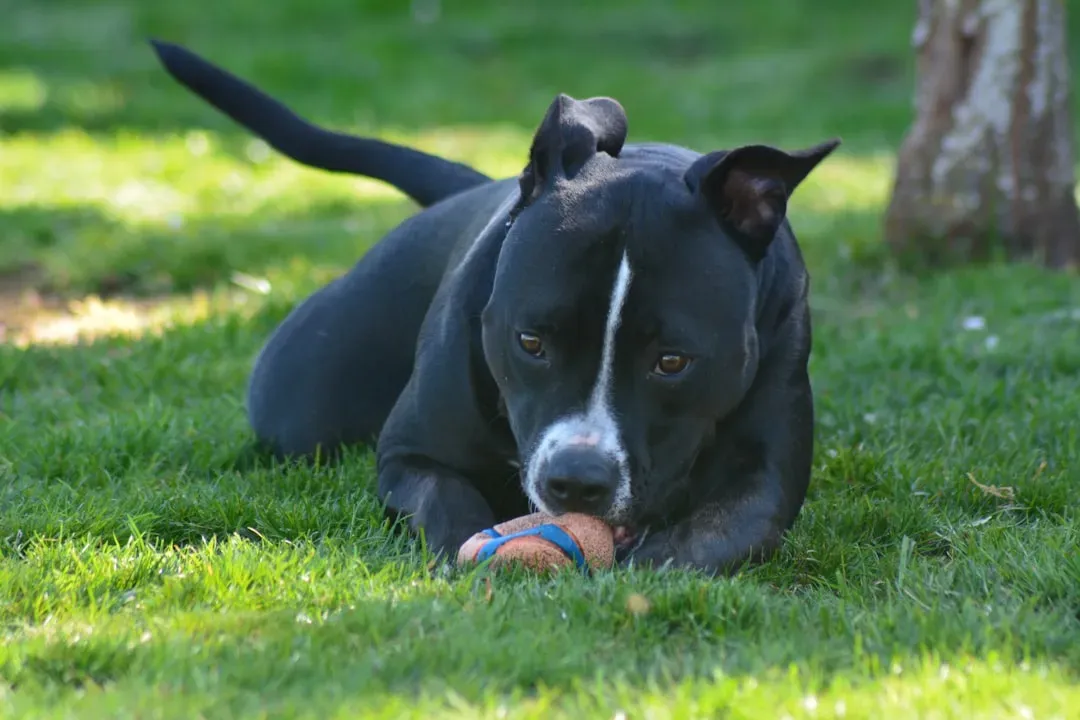
The truth is, pit bulls are one of the most misunderstood dogs in the world. They’ve been villain-ified by media coverage, legislation, and cultural fear for decades. Yet the dogs themselves tell a completely different story.
American Pit Bull Terriers and American Staffordshire Terriers tend to be very people-pleasing if raised in a loving home and tolerate children’s rough play very well. In fact, they used to be known as “nanny dogs” due to their love of kids. I know it sounds shocking given what we hear today, but history backs this up completely.
The American Temperament Test Society found that pit bull-type dogs generally scored higher on the temperament test compared to other dogs. Specifically, they tested 870 American Pit Bull Terriers and 86.6% passed. That’s not a dangerous dog. That’s a resilient, loving animal failed by its circumstances.
Environmental factors cause aggression, not a particular breed or type of dog. Aggression is not a breed characteristic, and environmental influences are often the cause of aggression in dogs. The dog is never the problem. The environment is.
The Rottweiler: A Gentle Giant Hiding Behind a Tough Exterior

Rottweilers have an undeniably powerful presence, but beneath their muscular frame lies a gentle giant. Ask any Rottweiler owner and they’ll tell you the same thing: these dogs are basically giant, opinionated lap dogs who have no idea how big they actually are.
They are surprisingly affectionate with their families and have a playful, goofy side when relaxed. Despite their intimidating looks, well-trained Rottweilers are gentle and reliable around children they know. Yet they remain one of the most stigmatized breeds on the planet.
Originally bred by the Romans to herd cattle, Rottweilers are fiercely loyal and intelligent. Their independent nature requires a confident owner who provides good training and regular exercise to keep them happy. Unfortunately, bad owners have contributed to their bad reputation.
These dogs excel in tasks such as guarding, search and rescue, and obedience competitions. Their intelligence and drive make them happiest when they have a job to do. Give a Rottweiler purpose and structure, and you’ll have the most devoted companion you’ve ever known.
The Science Says It All: Behavior Is About Environment, Not Breed
A recent study of over 18,000 pups proved that dog behavior is not as influenced by breed as people believe. The study showed that there were no behavioral traits connected to each breed. Instead, dog behavior is mostly influenced by a pup’s environment and lifestyle. Let that sink in for a moment.
A dog’s behavior is shaped far more by environment, training, early experiences, and individual personality than by breed alone. It’s the same way humans raised in nurturing, supportive homes tend to flourish. Dogs are no different.
According to the American Veterinary Society of Animal Behavior, improper socialization can lead to behavior problems later in life. The organization’s position statement reads: “Behavioral issues, not infectious diseases, are the number one cause of death for dogs under 3 years of age.” That’s an extraordinary statement that puts so much into perspective.
How to Actually Help a Misunderstood Dog Thrive
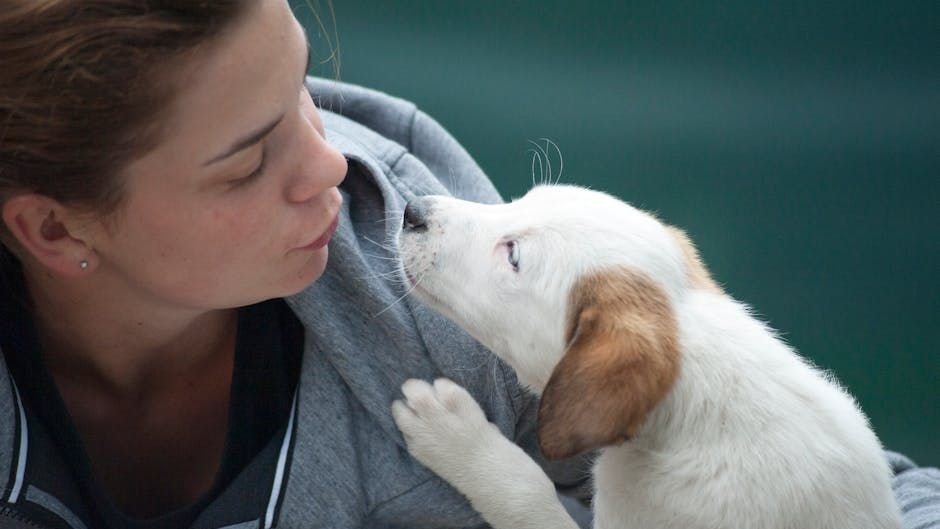
So what does responsible ownership of a misunderstood breed actually look like in practice? It starts incredibly early. The best time to socialize a puppy is from 3 to 12 weeks of age. Because most puppies go to their forever home at 8 to 12 weeks old, early socialization should begin with your breeder or, if the puppy is from a rescue or shelter, by the foster parents or shelter staff.
Socialization involves more than meeting other dogs. It includes exposure to people, places, sounds, surfaces, and more. Keep early experiences brief, positive, and stress-free, using rewards like treats and toys to reinforce calm, curious behavior. Don’t force interactions; instead, let your puppy approach new things at their own pace to help build trust and confidence.
Utilizing tailored training techniques like positive reinforcement, early socialization, and structured environments effectively manages behavior in breeds like Rottweilers and Doberman Pinschers. Engaging with professional trainers when necessary ensures these breeds’ protective instincts are channeled safely, promoting balanced behavior and mutual understanding.
Modern dog training emphasizes positive reinforcement and scientific understanding of canine learning rather than outdated dominance-based approaches. Effective training programs use reward-based methods, respect dogs’ emotional states and learning processes, and focus on building confidence rather than suppressing behavior through intimidation. In other words, kindness works. It always has.
A Final Word: These Dogs Deserve Better From Us
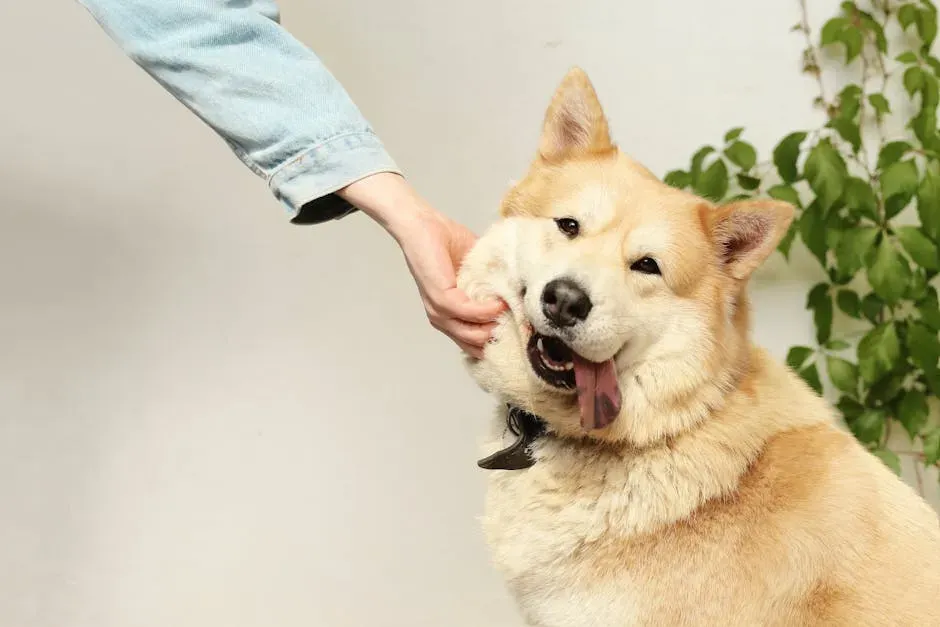
If there’s one truth I want you to walk away with today, it’s this: the dog at the end of that leash is not their reputation. They’re warm, they’re loyal, and they’re trying their very best with whatever hand they’ve been dealt. When dogs misbehave, it is our responsibility, not the dog’s. Passing blame to an individual dog or a specific breed is ignoring the problem.
Growing awareness is helping break stereotypes, but the efforts must continue. Before you judge a dog by its reputation, take a step back. With the right upbringing, even the most “dangerous” breeds are just puppies at heart, waiting to prove their loyalty. That’s not a PR spin. That’s simply the truth.
The next time you see a Pit Bull in a sweater at the park, a Rottweiler doing zoomies in a backyard, or a Chow Chow giving their beloved human the most dignified side-eye you’ve ever seen, remember: you’re not looking at a threat. You’re looking at a love bug who just wants to be understood.
These dogs have been carrying the weight of human failure for far too long. It’s time we carry them instead. What do you think – have you ever had your heart stolen by a so-called “difficult” breed? Tell us your story in the comments below.


