
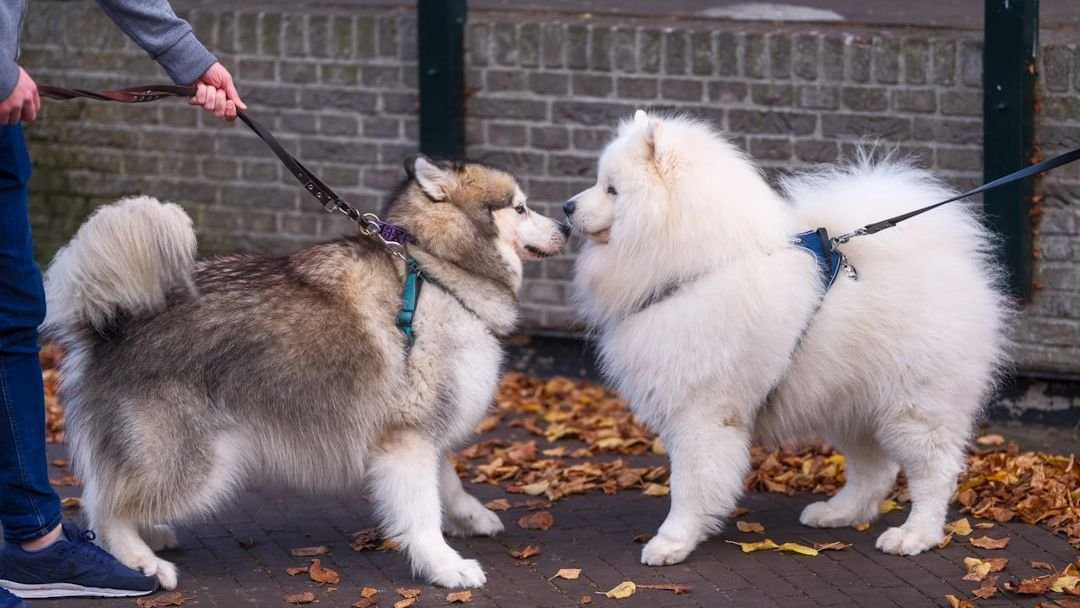
You step out to grab the mail. Gone maybe four minutes. When you come back through the door, your dog reacts as though you just returned from a decade-long expedition to Antarctica. The tail becomes a propeller. The whimpering starts. The full-body wiggle is already in progress before you can even close the door behind you.
Sound familiar? If you’re a dog parent, you probably just smiled. This magical, slightly chaotic reunion happens every single day in millions of homes around the world. But why does it happen? Is it pure joy? Is it love? Is there something deeper going on in that furry brain of theirs?
Let’s dive in, because the answer is more beautiful and fascinating than you might expect.
Your Dog’s Brain on Love: The Chemistry Behind the Chaos
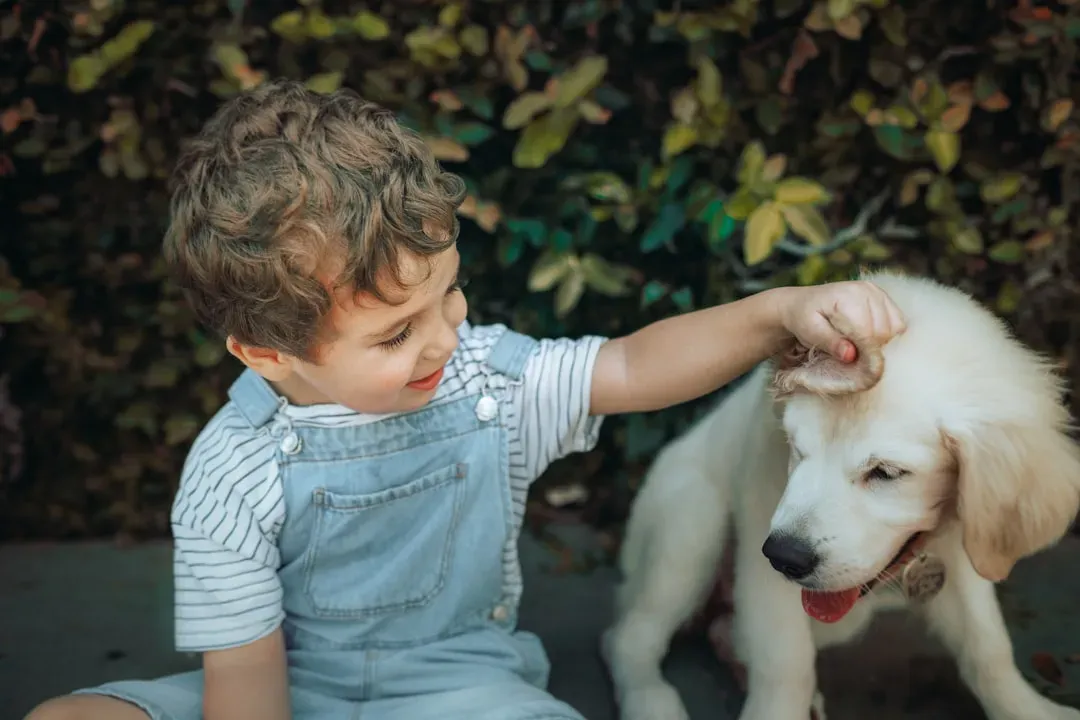
Here’s the thing about that wild greeting. It is not random. It is biology, pure and beautiful. Increases in oxytocin, dopamine, and beta-endorphin, which are neurochemicals associated with positive feelings and bonding, have been observed in both dogs and people after enjoyable interactions like petting, play, and talking. In other words, your dog is experiencing a genuine hormonal rush when you walk through that door.
While dopamine is key to motivating behavior, oxytocin is crucial in creating emotional bonds and fostering feelings of love and trust, and it is released during positive social interactions, helping to strengthen the emotional connection between dogs and humans. Think of it like your dog’s brain throwing a little welcome-home party, complete with the full chemical cocktail of happiness.
When dogs were separated from their owners, oxytocin levels in the dogs increased when reunited, and an even more sustained effect was observed following tactile contact between the owners and their dogs. So the moment you kneel down and give that first scratch behind the ears, you are literally amplifying the bond between you both. It’s a loop of love, and honestly, it’s one of the most touching things science has ever confirmed about our dogs.
You Are Their Entire World: The Power of Attachment
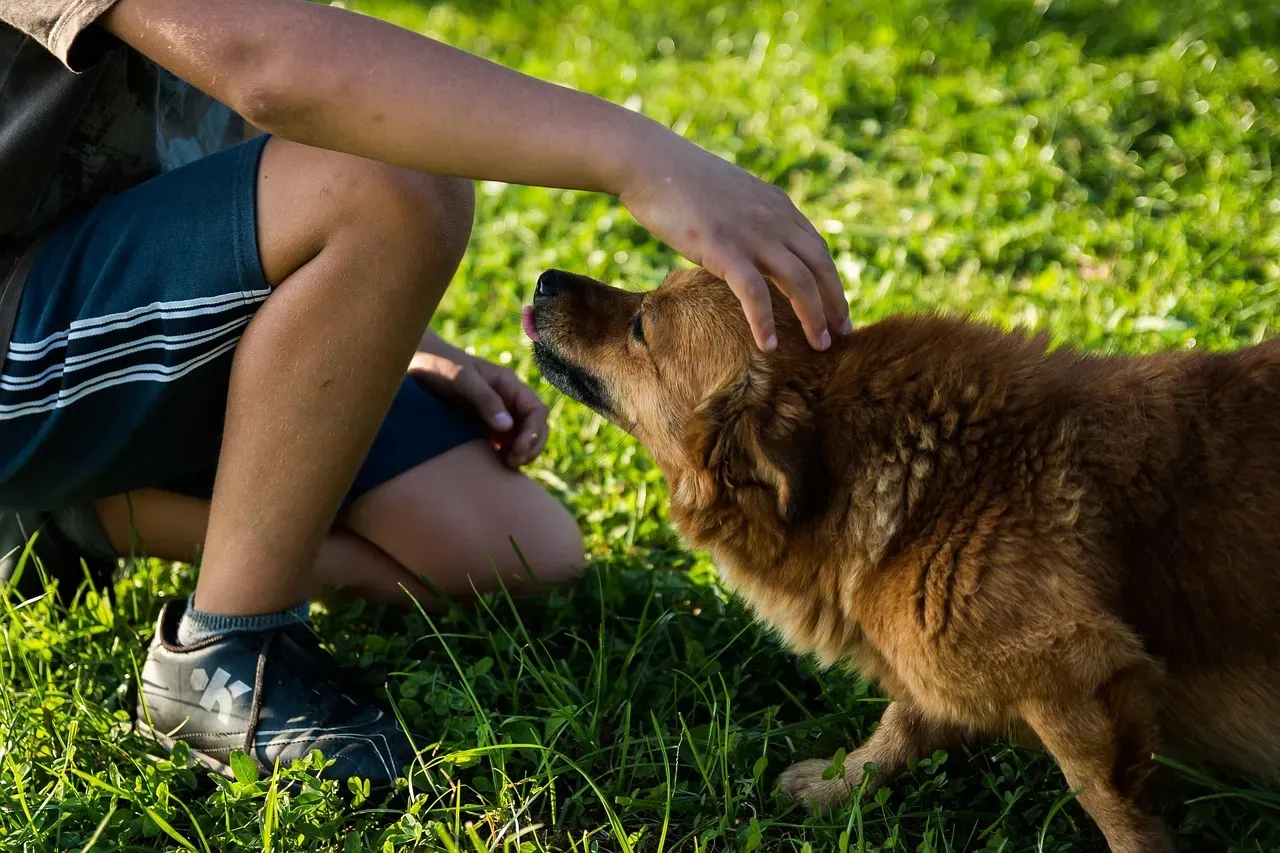
I think a lot of us underestimate just how central we are to our dog’s emotional life. This is not an exaggeration. Your dog might be just a part of your life, but for them, you are their entire existence. That single line should hit every dog owner right in the chest.
When used with dogs, the “Strange Situation Test” devised by developmental psychologist Mary Ainsworth suggests that during absence and then at the rejoining with the owners, a dog’s behavior is very similar to that observed in children and mothers in similar situations. Dogs, it turns out, form the kind of attachment bonds we typically only talk about in the context of human parent-child relationships. That is extraordinary.
Though it is a relationship between two adult individuals, the human-dog social bond is thought to be analogous to filial attachment. As humans provide resources to the dog, same as parents provide it to their offspring, the dog is dependent on humans and motivated to stay close to its owner. This motivation manifests itself as a stress response in the absence of the owner. Simply put, when you leave, your dog feels it deeply. And when you return, their relief and joy are completely genuine.
Do Dogs Actually Know How Long You Were Gone?
This is the question that trips people up. You were only out for five minutes, so why does your dog act like time itself has been distorted? Researchers recorded the behavior of dogs left by their owners for 30 minutes, 2 hours, and 4 hours, and found that if the dogs had been left alone for 2 or 4 hours, they greeted their owners with more intensity and were more active and attentive than when the duration of separation had only been 30 minutes.
So yes, dogs do have some sense of time. The longer you are gone, the more intense the greeting tends to be. The longer the separation, the more interaction the dog initiates with the owner and the more tail-wagging and owner-directed attentive behavior the dog displays in the post-separation period.
Still, some dogs seem to completely override this pattern and go absolutely wild after just a few minutes. Obviously, all dogs are different, and greetings definitely vary. Dogs who are not used to being separated from their owner may be more enthusiastic when that owner returns, even if it has only been a few minutes. Temperament, breed tendencies, and individual personality all play a real role in how dramatically your dog expresses that reunion joy.
Reading the Room: Happy Greeting vs. Anxious Greeting
Not every over-the-top greeting is just pure happiness. This is where it gets really important for dog owners to pay attention. There is a meaningful difference between a dog who is delightfully excited and one who is genuinely distressed. Dogs with separation-related problems will often show signs of excessive attachment to their owners. For example, dogs may follow their owners around when they are home, and when their owners are preparing to leave the house, some dogs will begin to whine, pace, pant, or freeze as their owner’s departure becomes imminent.
Dogs with separation anxiety exhibit behavior problems when they are left alone, and typically they will have a dramatic anxiety response within a short time, roughly 20 to 45 minutes, after their owners leave them. Behaviors like destructive chewing, excessive barking, or accidents from a house-trained dog are all signals worth taking seriously.
Dogs with separation-related issues could not easily be calmed down when reunited with their owner, and some researchers proposed using the term “ambivalent” relationship to describe these dogs. A helpful practical cue to watch for: a healthy, happy greeter usually settles down within a minute or two of your return. A dog who remains frantic, cannot calm, and continues pacing long after you’re home may need some extra support.
How You Respond to the Greeting Actually Matters
Let’s be real, it is almost impossible not to lose your mind with excitement when your dog comes flying at you. Results from research showed that dogs do recognize their pet parent, and they behave really differently with that pet parent upon reunion, including a lot more affiliative behaviors like nudging or nuzzling. Your dog is actively choosing to shower YOU with that love, not the stranger down the street.
Here’s something reassuring for those of you who’ve been told to stay totally calm when you come home. Research results indicate that high excitement and playful levels of owners during departures and arrivals are not associated with the development of increased separation-related behavior in newly adopted dogs. So matching your dog’s joy is not secretly making them anxious. That is a relief to hear.
How you respond to your dog’s welcome can greatly influence their behavior and future greetings. It is important to acknowledge and reciprocate their joy, and by showing genuine enthusiasm, petting them affectionately, using an upbeat tone of voice, and offering kind words or treats, you reinforce the positive association with your return. That said, if your dog has diagnosed separation anxiety, your vet or a certified animal behaviorist may recommend a slightly different, calmer approach for their specific treatment plan.
Conclusion: Every Reunion Is a Gift
There is something quietly profound about what happens when you come home to your dog. It is not just noise and chaos. It is neuroscience, attachment theory, evolutionary biology, and tens of thousands of years of a relationship between two species, all compressed into one spinning, tail-wagging, face-licking moment at the front door.
Although dogs may greet others enthusiastically as well, the bond between a dog and its owner is unique and special, built through consistent care, training efforts, affectionate interactions, and shared experiences over time. Every homecoming, even after just five minutes, is your dog’s way of saying: “You came back. My world is complete again.”
So the next time your dog acts like your five-minute trip to the letterbox was the most dramatic separation in recorded history, let yourself feel it. Kneel down, open your arms, and understand that what you are witnessing is one of the purest expressions of love on the planet.
What do you think – does knowing the science behind it make those reunions feel even more special? Tell us in the comments.


