
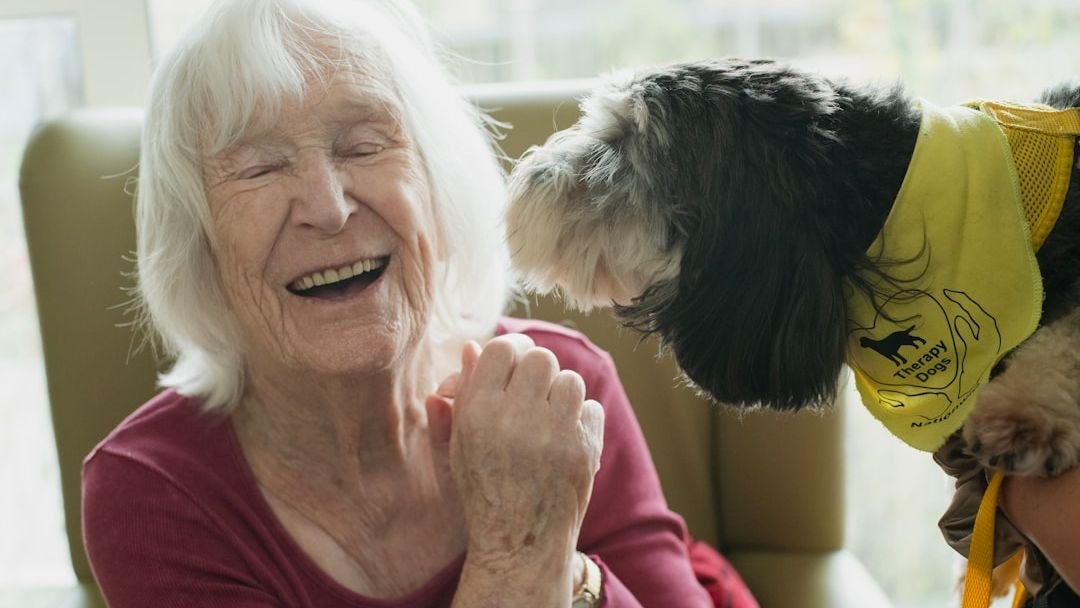
There is something quietly beautiful about a dog who has grown old alongside you. The greying muzzle. The slower trot down the hallway. The way they still look up at you with those same devoted eyes, even if the spring in their step has softened into a gentle shuffle. Honestly, I think senior dogs are some of the most extraordinary companions on the planet. They have earned every grey hair, and they deserve the very best of your care in return.
The golden years of a dog’s life don’t have to mean a slow decline. With the right knowledge and a little intentional love, you can genuinely transform this chapter for your furry best friend. There are things you can start doing today, right now, that will make a real difference to how your dog feels, moves, and thrives. Let’s dive in.
Tip 1: Schedule Vet Visits Twice a Year, Not Once
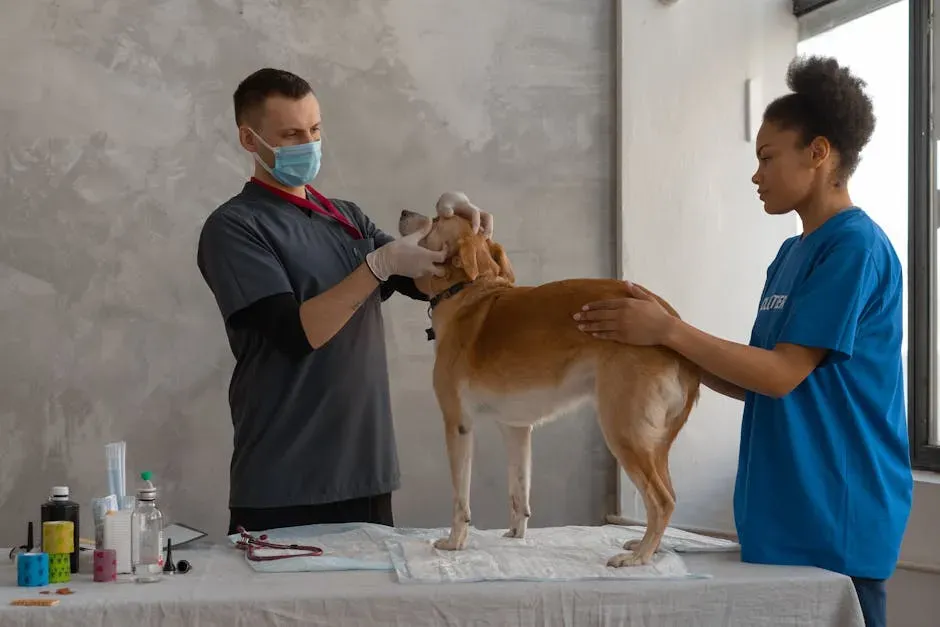
If your instinct is to wait until something looks wrong before calling the vet, you’re not alone. Most pet parents do exactly that. Here’s the thing though: by the time a senior dog shows obvious symptoms, a condition may already be well advanced.
As dogs age, their risk for health issues increases, which is why most veterinarians recommend senior dogs come in for checkups every six months. These visits allow your veterinary team to catch early signs of conditions like arthritis, kidney disease, diabetes, thyroid problems, or cancer. Think of it like getting smoke detectors in your house. You hope you’ll never need them, but you’re sure glad they’re there.
Routine blood work, urinalysis, and a thorough physical exam can often spot changes long before symptoms are obvious at home. When health issues are caught early, treatment tends to be less invasive, more effective, and often less costly. That peace of mind alone is worth every vet visit.
Tip 2: Upgrade Their Diet to Match Their Changing Needs
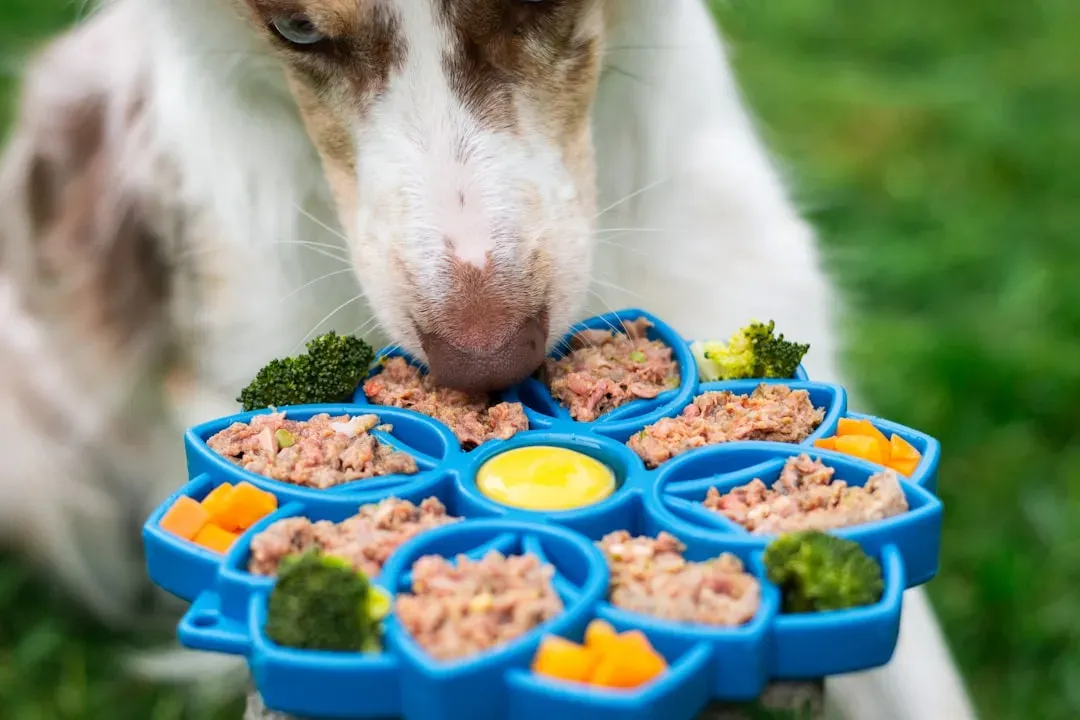
You wouldn’t feed a retired athlete the same meal plan as someone training for a marathon. The same logic applies to your dog. Senior dogs often need fewer calories but more nutrients to maintain muscle and support joint health. It’s a delicate balance, but it matters enormously.
Senior pets often need foods that are more easily digested, provide different energy levels and ingredients, and contain anti-aging nutrients. Look for formulas rich in omega-3 fatty acids, antioxidants, and quality protein. Research suggests that maintaining adequate protein levels in senior dogs’ diets helps support muscle mass, which can naturally decline as they age, with up to a significant portion of daily caloric intake coming from protein depending on their specific health status.
Consider feeding smaller portions more often: your dog may be used to eating two meals a day, but as they reach their senior years, they may benefit from more frequent meals with smaller portions. Small tweaks like this can make a surprisingly big difference to their digestion and energy levels.
Tip 3: Keep Them Moving, But Adjust the Intensity
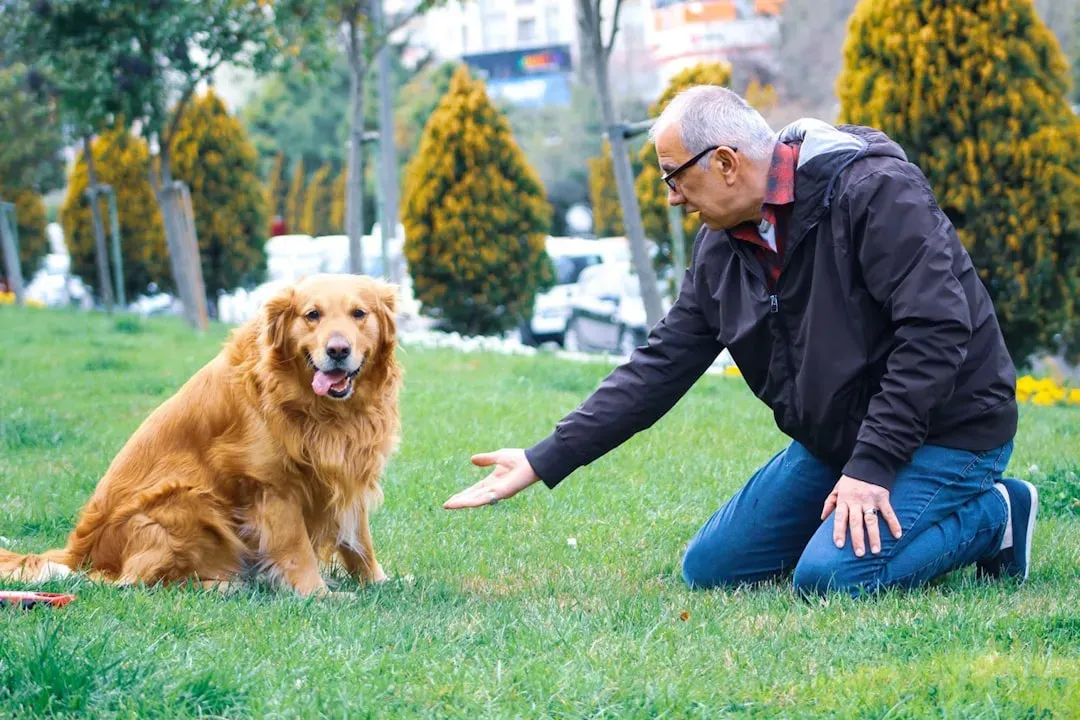
Let’s be real. When your senior pup slows down, it can feel kind and loving to let them rest more. Sometimes that instinct is right. But regular, gentle movement is actually one of the most powerful things you can do for an aging dog.
Exercise can help minimize loss of muscle and strength, decrease weight gain and obesity, and can help with joint pain and stiffness. You’re not aiming for marathon training here. Short, consistent walks are your friend. Opt for shorter, more frequent walks instead of long runs. Swimming is also an excellent low-impact activity. Consistency matters more than duration because regular movement keeps circulation strong and prevents stiffness.
Watch your dog’s cues closely. If they lag behind, pant heavily, or seem reluctant to continue, it’s time to slow down or head home. The amount of exercise your pet needs depends on how active your pet has been recently and what health issues they may have. If your pet has not been very active, start out slowly with short walks and increase them as your pet gets used to them.
Tip 4: Protect Those Joints with the Right Home Environment

Imagine waking up every morning with stiff, achy joints and then trying to navigate slippery hardwood floors. That’s the daily reality for many senior dogs, and it’s something we can genuinely fix with a few smart home adjustments.
Support your dog’s joints with glucosamine and chondroitin supplements, orthopedic bedding, and non-slip flooring. These changes are simple but remarkably effective. More carpeting around a home with tile, laminate, or wood floors can reduce slipping or tripping hazards. Elevating food and water bowls can also help with neck and back pain.
Older dogs need extra rest, so provide a quiet, cozy space where they can relax without disturbances. Orthopedic or memory foam beds help cushion joints and regulate body temperature. Keep their sleeping area clean, warm, and easily accessible, especially if they struggle with stairs. These small investments pay off in their comfort every single day.
Tip 5: Never Neglect Their Dental Health
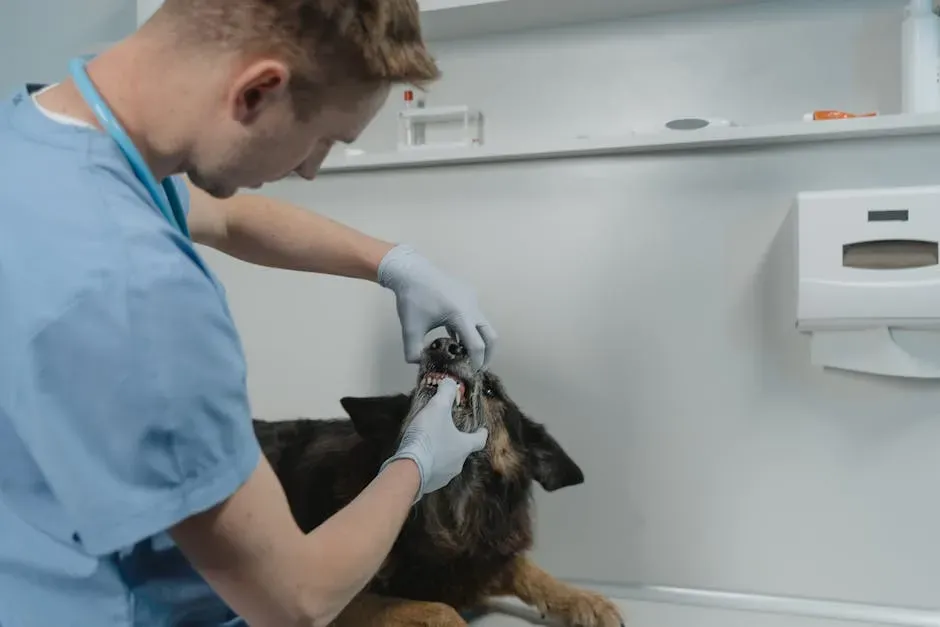
Dental health is one of the most overlooked areas of senior dog care. And I’ll be honest, it’s easy to forget when you’re focused on joints and diet. But what’s happening in your dog’s mouth can affect their entire body.
Dental health is important at all ages, but particularly during your dog’s senior years, as a lifetime of eating and chewing takes its toll on their teeth and gums. Periodontal disease is incredibly common in senior dogs, and causes pain, inflammation, gum infections, bone loss, and plaque and bacteria can even enter your dog’s bloodstream, affecting their organs.
Regular dental care, including brushing your dog’s teeth, and dental cleanings under anesthesia are important for keeping your dog comfortable and healthy, even as a senior. Make sure to use a dog-specific toothpaste and toothbrush. You can also offer a dental chew or dental water additives approved by your veterinarian to help slow plaque and tartar buildup. Think of brushing as a daily act of love, not a chore.
Tip 6: Stimulate Their Mind Every Single Day
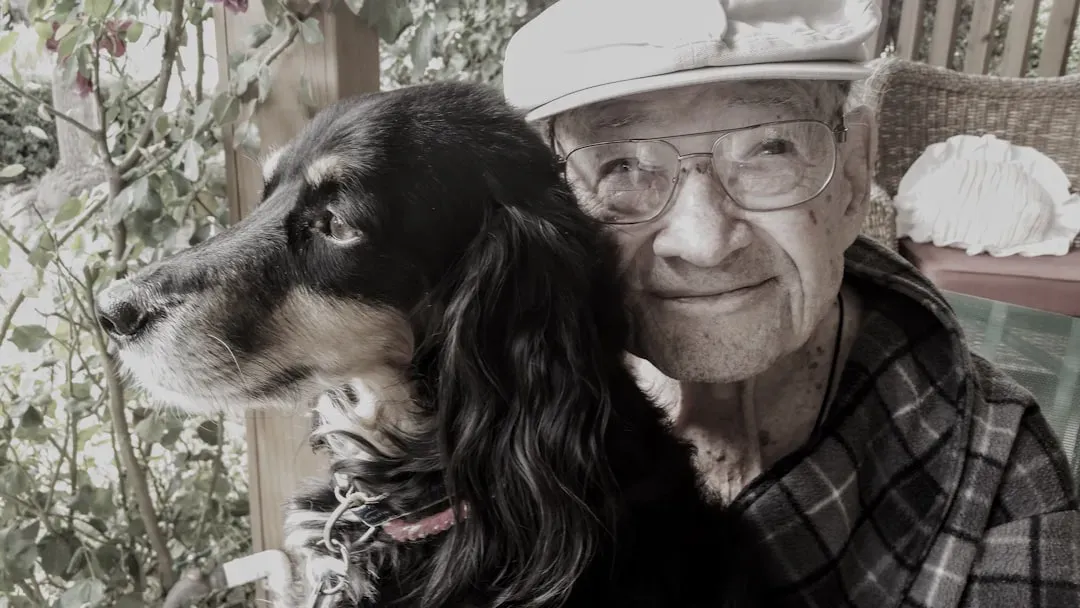
Here’s something that surprises a lot of dog owners: aging isn’t just a physical journey. Your senior dog’s brain is aging too, and without regular mental stimulation, cognitive decline can creep in faster than it needs to. Imagine retiring from work and never reading a book, solving a puzzle, or having a stimulating conversation. Your brain would feel it. So does theirs.
Cognitive decline, mobility challenges, and anxiety often emerge during the senior years. Cognitive enrichment keeps aging brains active. Puzzle feeders, interactive toys, and short positive-reinforcement training sessions help maintain problem-solving abilities while reducing stress.
Puzzle toys, scent games, and new tricks keep cognitive functions sharp and prevent boredom. Interactive play strengthens your bond and encourages curiosity. Even a daily change of scenery, like a new walking route, can offer fresh mental stimulation. Sniff-heavy walks are especially wonderful because your dog’s nose stays sharp long into old age. Let them lead and linger. That nose-led exploration is incredibly enriching.
Tip 7: Stick to Routine and Watch for Behavioral Changes
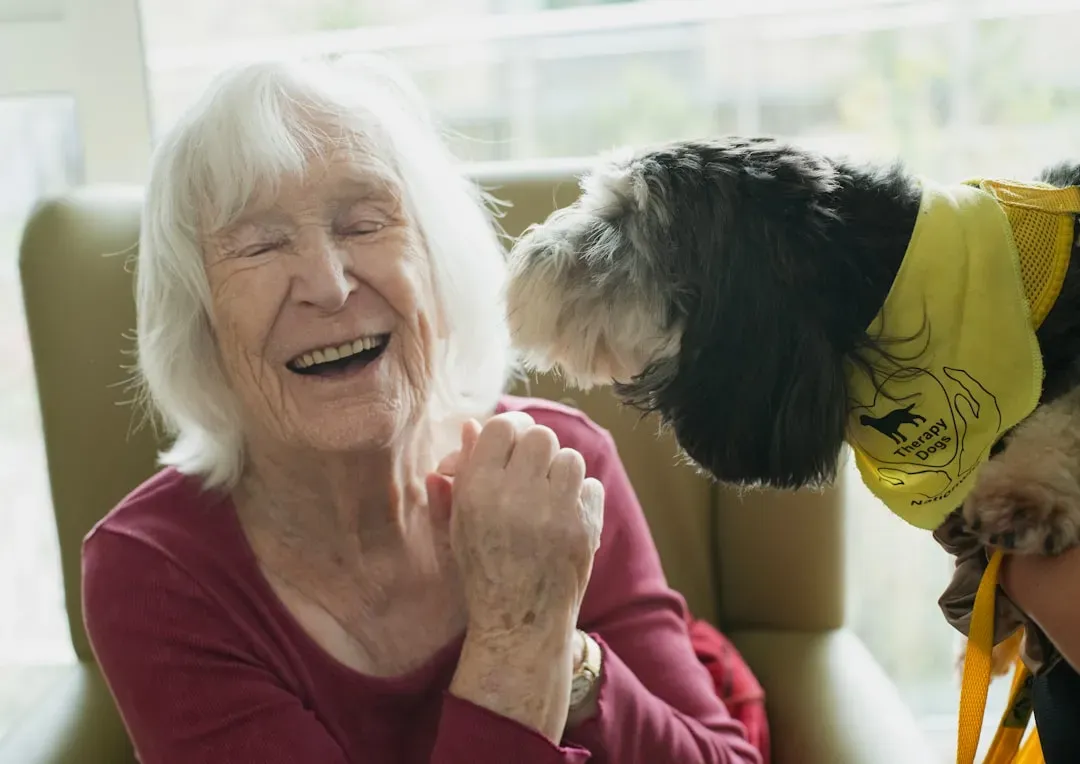
Senior dogs are creatures of deep habit. The older they get, the more comfort and security they draw from a predictable daily routine. It sounds simple, but this one tip can genuinely reduce anxiety and even slow cognitive decline.
All dogs thrive on routine, but none more so than senior dogs. Particularly as their cognition begins to decline, predictability in their day-to-day life is incredibly important. It’s very comforting for them to get up, be fed, go for walks, and enjoy playtime at similar times each day. Whatever your routine, try to stick to it as best you can, and make changes slowly if needed to minimize stress for your golden oldie.
Equally important is being tuned in to subtle shifts in their behavior. Keep an eye out for any changes in behavior, appetite, sleep patterns, or routines. For example, if your older dog becomes anxious at night, these may be signs of cognitive decline. Other signs include disorientation, changes in vocalization, or altered interaction with family members. You know your dog better than anyone. Trust your gut when something feels off, and call your vet sooner rather than later.
Conclusion: Their Golden Years Can Truly Be Golden
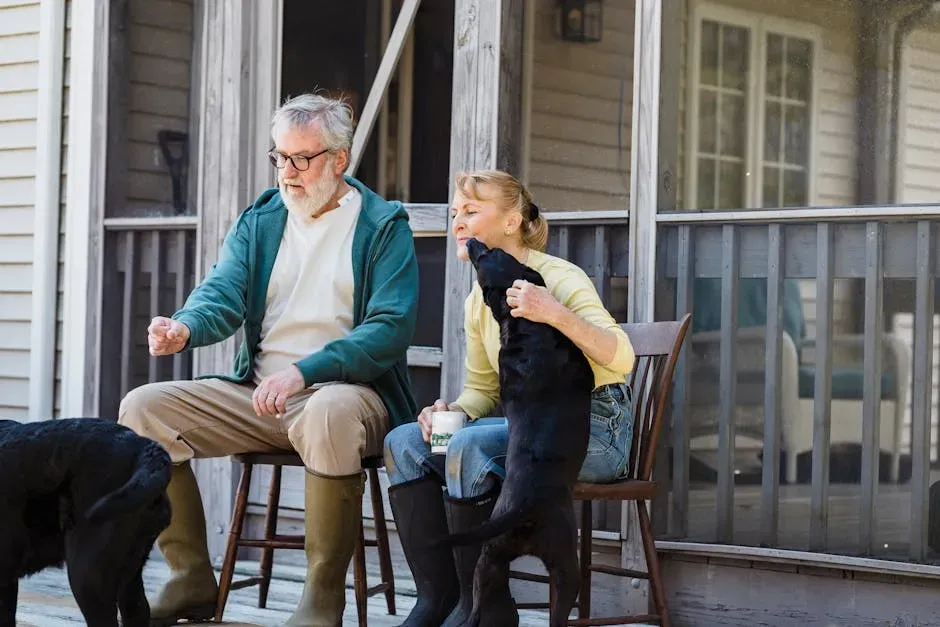
Caring for a senior dog isn’t about preparing for an ending. It’s about honoring a relationship that has given you unconditional love, loyalty, and more joy than you could have imagined. These seven tips aren’t complicated, and they don’t require a big budget. They require presence, attentiveness, and a willingness to adapt.
It’s important to remember that age is not a disease. Although senior pets may develop age-related problems, you can help your pet live a happy, healthy, and active life in their senior years by providing for their physical, mental, and health care needs. That grey muzzle looking up at you isn’t asking for much. Just your time, your attention, and your heart.
So here’s a thought to leave you with: the love your senior dog gives you has never wavered, not through a single grey hair or slow morning walk. Does the care you give them reflect the love they’ve always shown you? What’s one small change you can make for them starting today? Share your thoughts in the comments below, we’d love to hear your story.


