
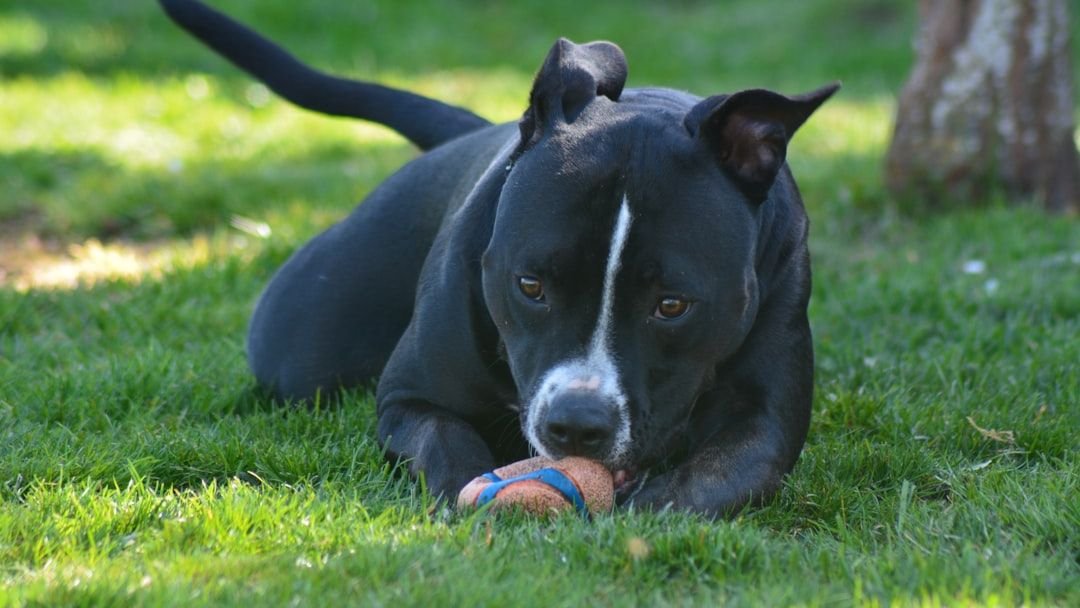
Walk into any dog park and say the words “Pit Bull,” “Rottweiler,” or “Doberman” out loud. Watch how fast the crowd shifts. Some people will tighten the leash. Others will pick up their little dog and step back. It’s honestly a scene I’ve witnessed too many times, and every single time, it breaks my heart a little.
Here’s the thing though: most of what people believe about these so-called “dangerous” breeds is rooted in fear, not fact. Decades of sensationalized media coverage, outdated stereotypes, and honestly just bad luck in the ownership department have painted entirely unfair pictures of dogs that are, in reality, among the most loyal and affectionate animals on the planet.
The truth is more nuanced, more beautiful, and way more surprising than the headlines suggest. Let’s dive in.
The Science Says You’ve Been Getting It Wrong
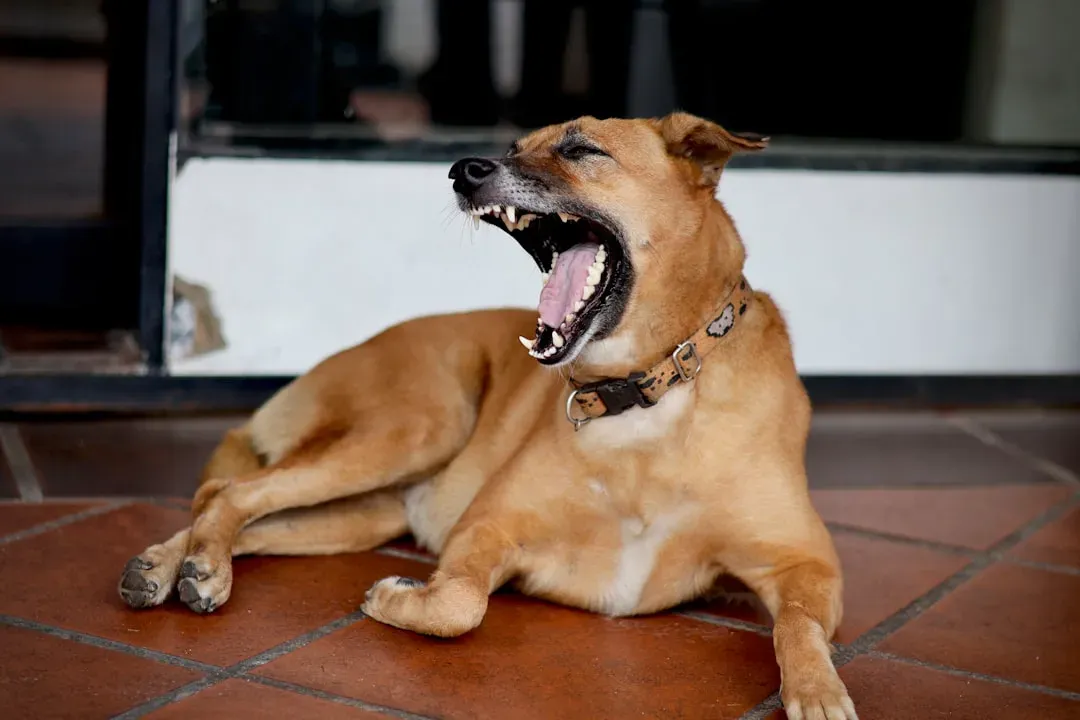
If there’s one thing that shocks people, it’s the data. According to the American Temperament Test Society (ATTS), many so-called “dangerous” breeds score higher in temperament tests than even popular family pets. Let that sink in. The dogs you’ve been warned about at the dog park may actually be calmer and more stable than the Golden Retriever sitting next to you.
Research backs this up strongly. Factors such as breed explain less than ten percent of the variance in dog aggression. Aggression is strongly linked to an individual dog’s experiences and environment, not a trait that can be associated with any specific breed. Think of it like blaming a whole neighborhood for one bad neighbor. It’s simply not fair and it’s not accurate.
The factors associated with increased rates of aggression are not breed-specific and include dogs that haven’t been neutered, a dog’s age, and dogs subjected to punishment-based training methods. In other words, the way you raise and treat a dog matters enormously more than what breed is printed on their papers. That’s a message every dog lover needs to hear.
The Pit Bull: America’s Most Misunderstood Dog
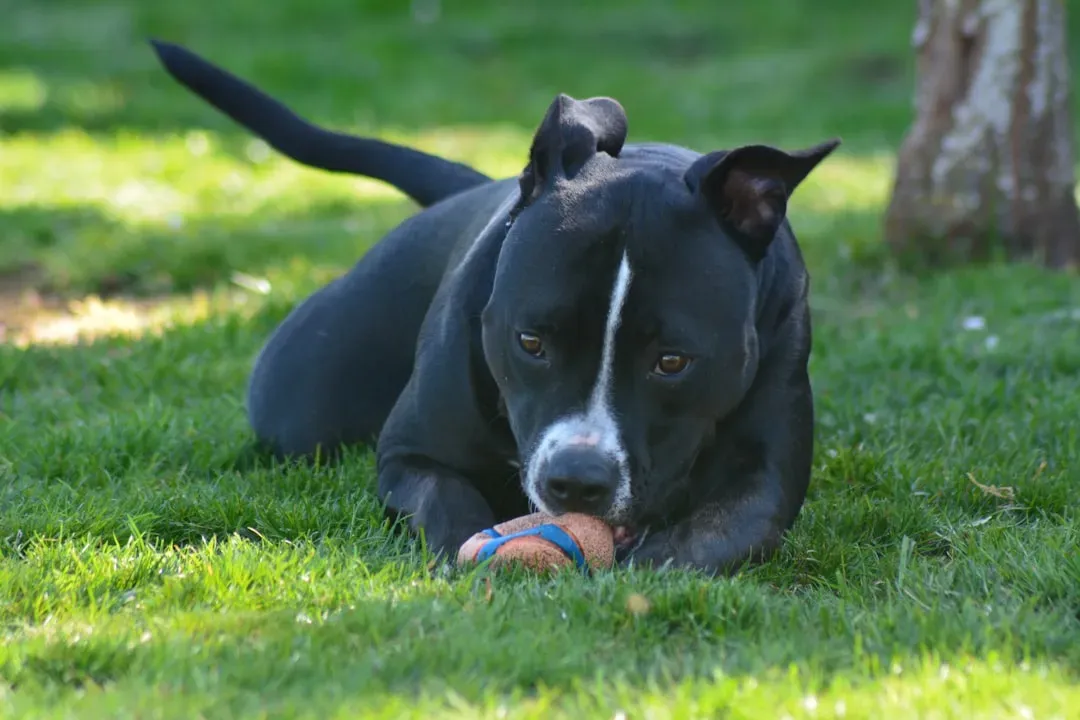
Few breeds carry as heavy and unjust a burden as the Pit Bull. For decades, Pit Bulls have been the favorite target of sensationalized news stories. Whenever a dog attack is reported, the breed is often labeled as a Pit Bull, even when the dog isn’t one. That’s not journalism. That’s fear-mongering with a photo.
In history, Pit Bulls were actually known as “nanny dogs” because of their gentle, protective nature toward children. That’s right. The breed that gets banned in housing complexes was historically trusted to watch over babies. In reality, Pit Bulls are loyal, intelligent, and affectionate dogs that have suffered from human misuse and unfair stigma.
Studies show that well-socialized Pit Bulls are affectionate, loyal, and people-oriented. Pit Bulls rank high in temperament tests conducted by the American Temperament Test Society, with many scoring better than common family breeds like Golden Retrievers and Beagles. Next time someone clutches their bag at the sight of a Pit Bull walking by, share that little fact with them. Their reaction will be priceless.
Rottweilers: Gentle Giants in a Bodybuilder’s Frame
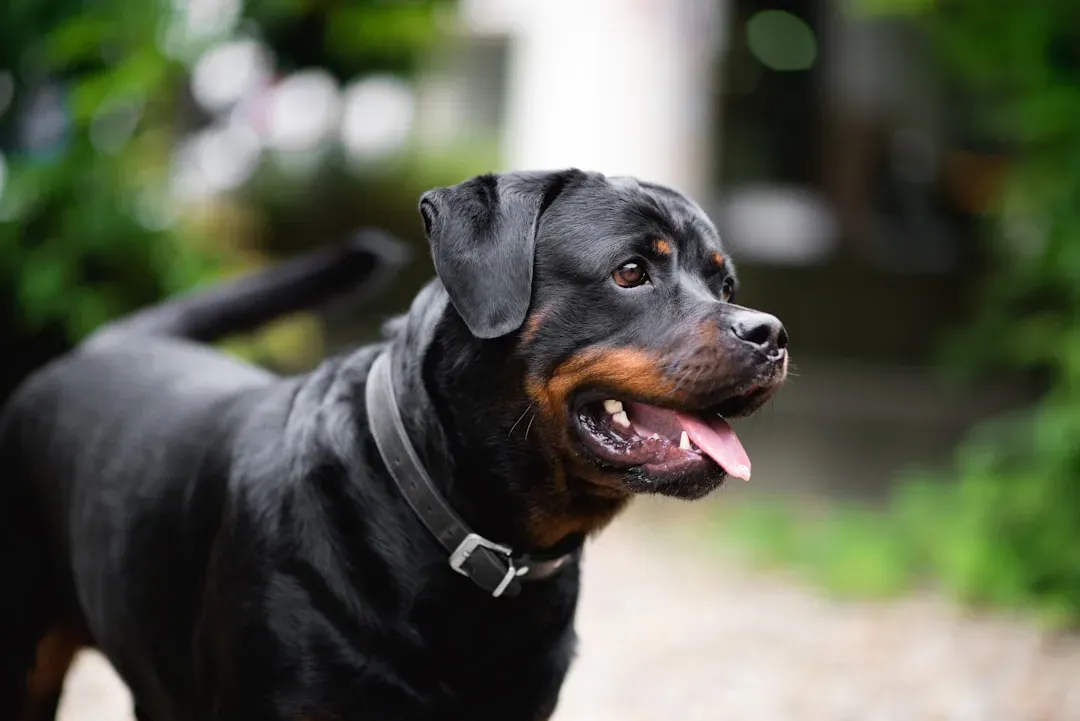
You probably imagine a Rottweiler and picture power, muscle, and that serious, steady gaze. What you might not picture is a dog snoozing on the couch next to your kids. Rottweilers are often misunderstood due to their imposing presence and history as guard dogs. In reality, a well-trained Rottweiler is calm, confident, and deeply devoted to its family. They are naturally protective but also incredibly affectionate with those they trust.
Originally bred by the Romans to herd cattle, Rottweilers are fiercely loyal and intelligent. Their independent nature requires a confident owner who provides good training and regular exercise to keep them happy. This isn’t a dog that craves chaos. It’s a dog that craves purpose and connection.
Their steady temperament makes them both reliable guardians and gentle companions, showing a softer side that includes cuddling, loyalty, and a strong desire to stay close to their humans. Honestly, that description sounds a lot like the best kind of friend. Unfortunately, bad owners have contributed to their bad reputation. The dog didn’t choose its reputation. People gave it to them.
German Shepherds and Dobermans: Loyal, Loving, and Deeply Sensitive
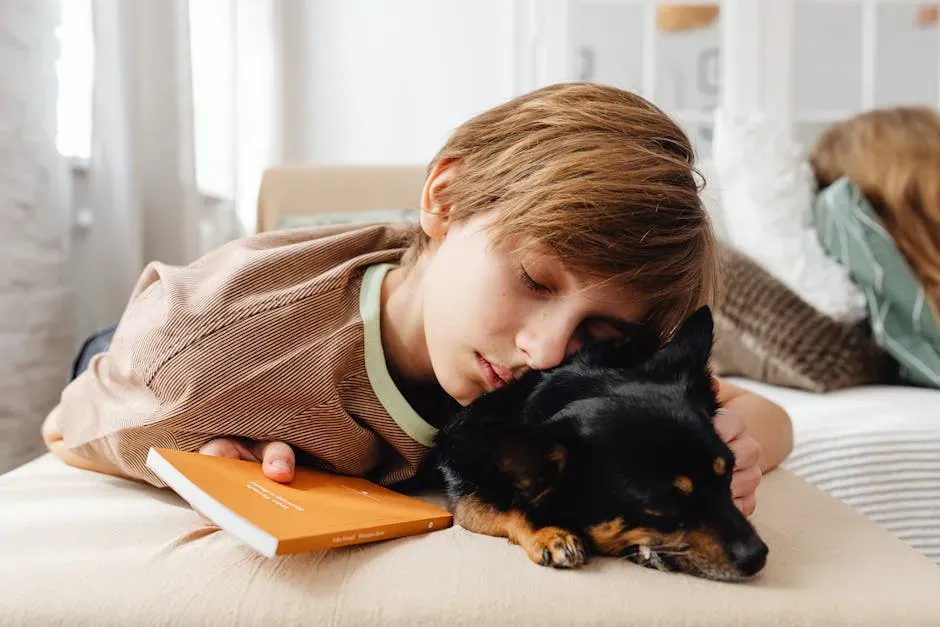
It’s hard to say for sure which breed gets more sideways glances at the vet’s office, the German Shepherd or the Doberman. Both project an air of serious business. Both are wildly misread. Generally speaking, the German Shepherd is a gentle, affectionate, trainable dog that is child-friendly and not inherently aggressive. They’re known for their loyalty to their human families and their protective instincts.
The key to unlocking a German Shepherd’s gentle side is no big secret. German Shepherds can make excellent family dogs when properly trained, socialized, and cared for. Their intelligence, loyalty, and adaptability help them bond with children, though gender may influence play style, maturity rate, and protectiveness. Early socialization, consistent training, and meeting their physical and mental needs are essential for safe, positive interactions.
As for Dobermans, the sleek, serious-looking breed that most people associate with security footage and crime dramas, the truth is surprisingly sweet. The Doberman Pinscher is a loyal and intelligent dog who is always paying attention. Many families adore them at home, but they are just as comfortable stepping into roles like security, police work, and search and rescue. They bond deeply and are especially gentle with children when raised in a loving, structured environment. However, they can be cautious or aloof with strangers, preferring to observe before acting. Not aggression. Just watchfulness. There’s a big difference.
Greyhounds and Mastiffs: The Couch Companions Nobody Expected
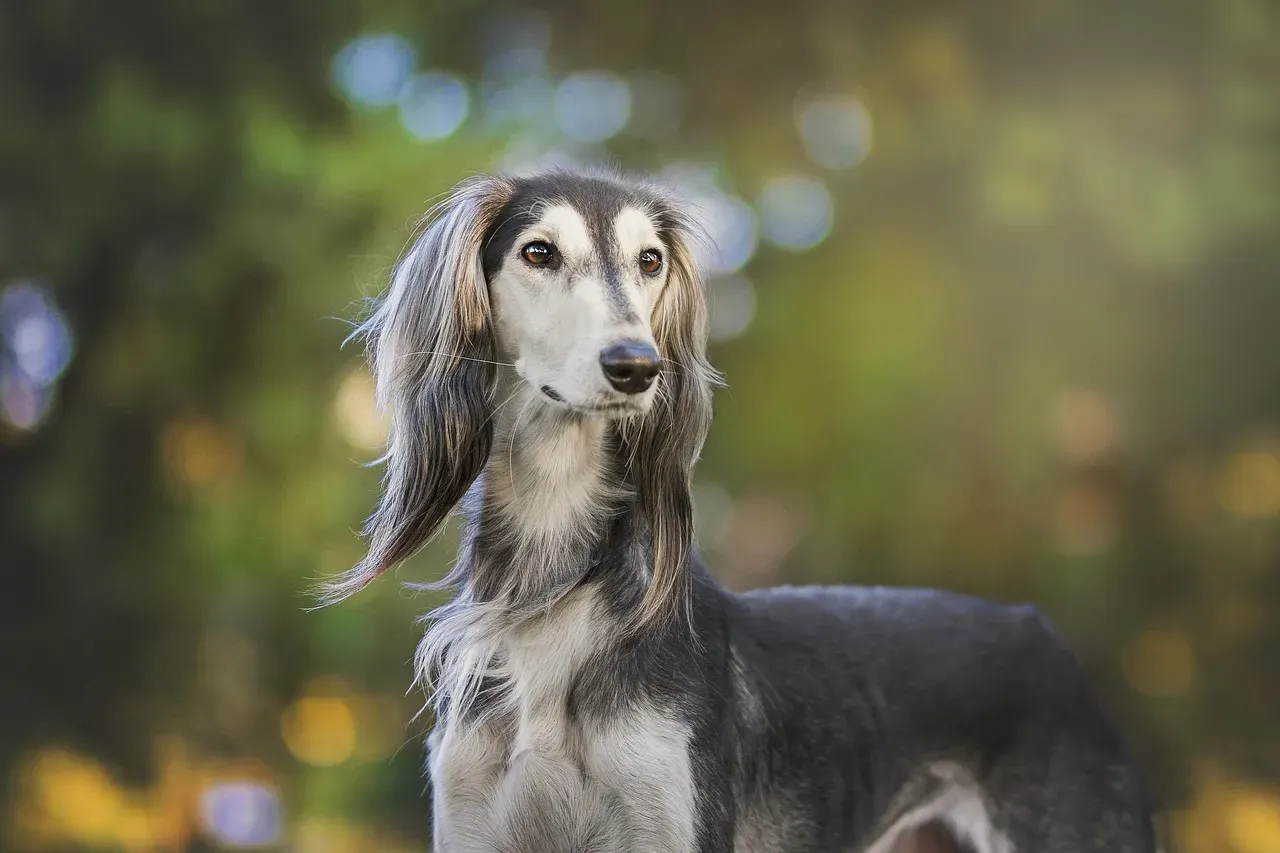
Here’s a fun one. If you asked most people to guess which dog breed is nicknamed the “forty miles per hour couch potato,” very few would guess the Greyhound. Yet, Greyhounds’ history as racing dogs belies the fact that they enjoy the slow lane comforts of life and make excellent family pets. Despite their reputation as the world’s fastest dog, they are often nicknamed “forty-mph-couch potatoes” because they are perfectly content to lounge around the house or accompany owners on a leisurely walk.
The Greyhound has a very gentle and quiet disposition. As it was necessary for the Greyhound to hunt and run in groups, aggressiveness toward other dogs has almost been completely eliminated from the breed. The Greyhound is often tolerant of children and, being non-aggressive, will usually walk away from annoyance rather than snap or growl. That’s a temperament most humans could aspire to, honestly.
Then there’s the Mastiff. Enormous. Drooling. Ancient in lineage and absolutely giant in stature. The American Kennel Club rates Mastiffs a five out of five for affection. Mastiff personality traits also include patience, dignity, and affability. They prefer gentle interactions with their families. In the nineteenth and twentieth centuries, the fierceness was bred out of them. Modern Mastiffs retain a guard instinct without hair-trigger aggression. What you have left is an ancient, loving, surprisingly soft giant who just wants to be near you.
Conclusion: What Every Dog Deserves
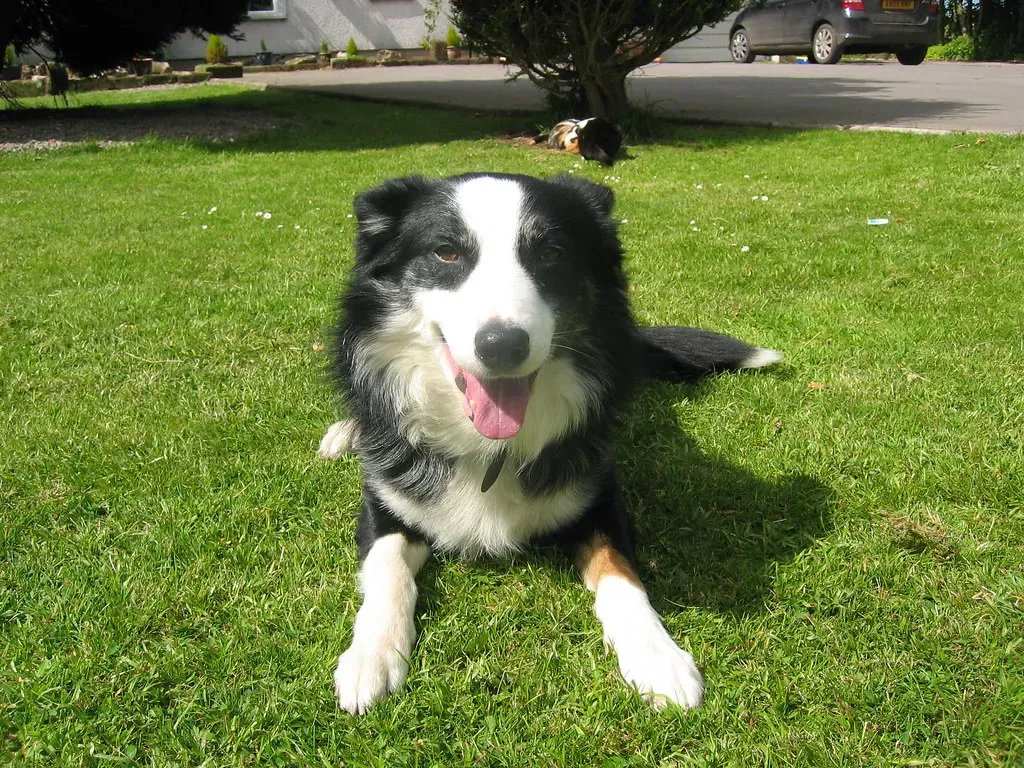
It’s impossible to talk about misunderstood breeds without feeling a mix of sadness and admiration. Sadness for the millions of dogs who have been overlooked, rejected, or even euthanized because of a label slapped on their breed. Admiration for every owner who looked past the stereotype and discovered the extraordinary dog underneath.
Studies show that a dog’s behavior depends on training, socialization, and environment. Not the shape of their head. Not the thickness of their chest. Not the breed name on their tag. With the right training, environment, and love, even the most misunderstood dogs can become some of the most loyal, protective, and affectionate companions.
Every dog is an individual. Every dog starts life innocent, ready to reflect the love and care that surrounds them. The next time you see a Rottweiler, a Pit Bull, a Doberman, or a German Shepherd walking down the street, give them a chance before you give them a label. You just might meet the gentlest soul you’ve ever known.
What do you think? Has a so-called “dangerous” breed ever surprised you with their sweetness? Share your story in the comments. We’d love to hear it.


