

Have you ever looked at your dog and felt – deeply, inexplicably – that this animal just gets you? Not in a trained, obedient way. Something more. Something that feels almost impossible to put into words, like two puzzle pieces that were always meant to fit together. If you’ve felt that, you’re not imagining things. Not even a little bit.
That invisible thread between a dog and their human is one of the most remarkable relationships on the planet. It’s been shaped by tens of thousands of years of shared history, neurochemistry, evolution, and something that honestly goes beyond what science alone can fully explain. Let’s dive into why some dogs and their humans share a bond that feels – well – like it was written in the stars.
The Science Behind the Soul: Why This Bond Is Biologically Real
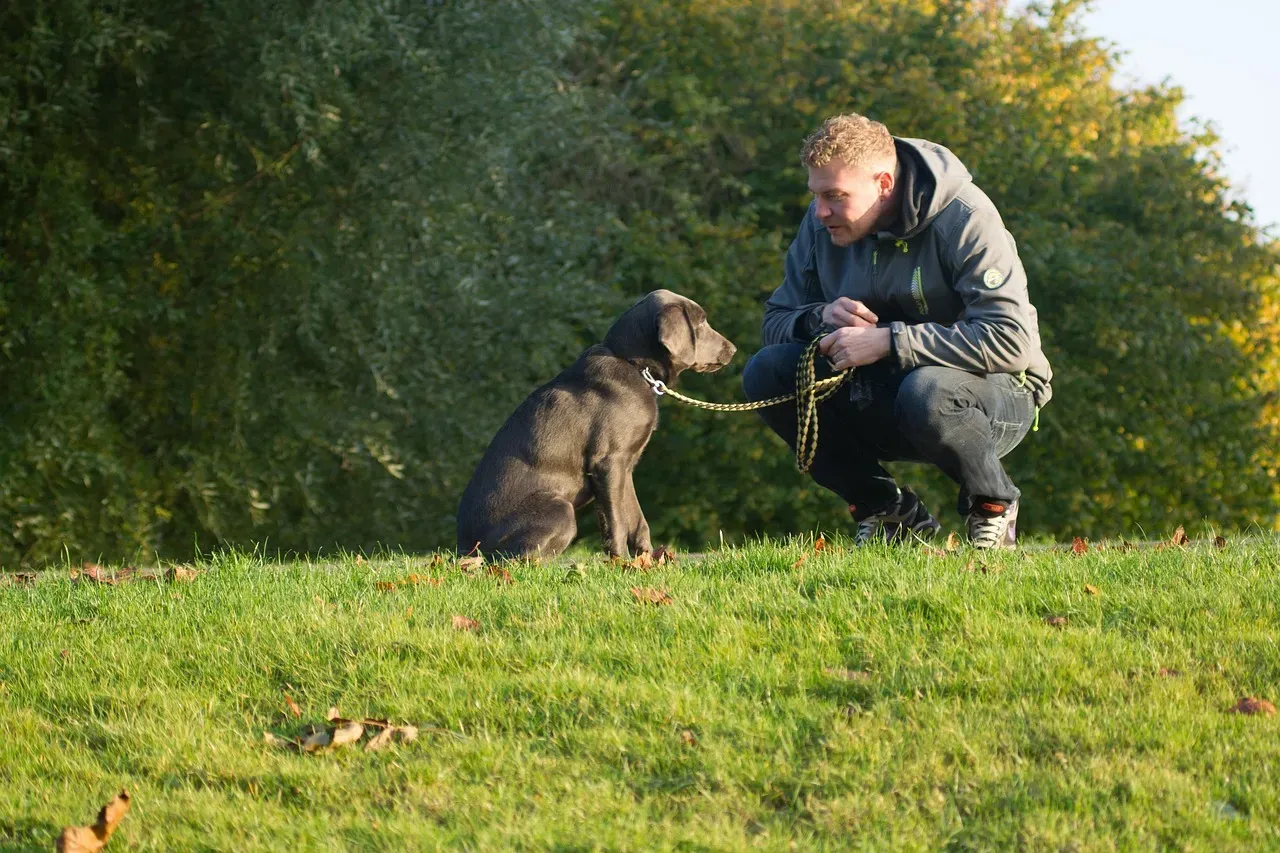
Here’s the thing – what you feel when you lock eyes with your dog isn’t just sentiment. It’s chemistry. Real, measurable, breathtaking chemistry. Research shows that when our canine companions stare into our eyes, they activate the same hormonal response that bonds us to human infants. Think about that for a second. Your dog looking at you is literally triggering the same brain response as a mother bonding with her newborn baby.
Results support the existence of a self-perpetuating oxytocin-mediated positive loop in human-dog relationships similar to that of human mother-infant relations, where human-dog interaction through dogs’ human-like gazing behavior brought on social rewarding effects due to oxytocin release in both humans and dogs – deepening mutual relationships and leading to interspecies bonding. It’s love backed by biology. Pure and simple.
Researchers trained dogs to lie still in fMRI machines and then had the dog’s human come close so the dog could see and smell them – and the same part of the dogs’ brains lit up when they saw their human as happened in babies when they saw their mother. So the next time someone rolls their eyes at you for calling your dog your baby, just smile. The science has your back.
Your Dog Was Built to Love You: The Deep Roots of Domestication
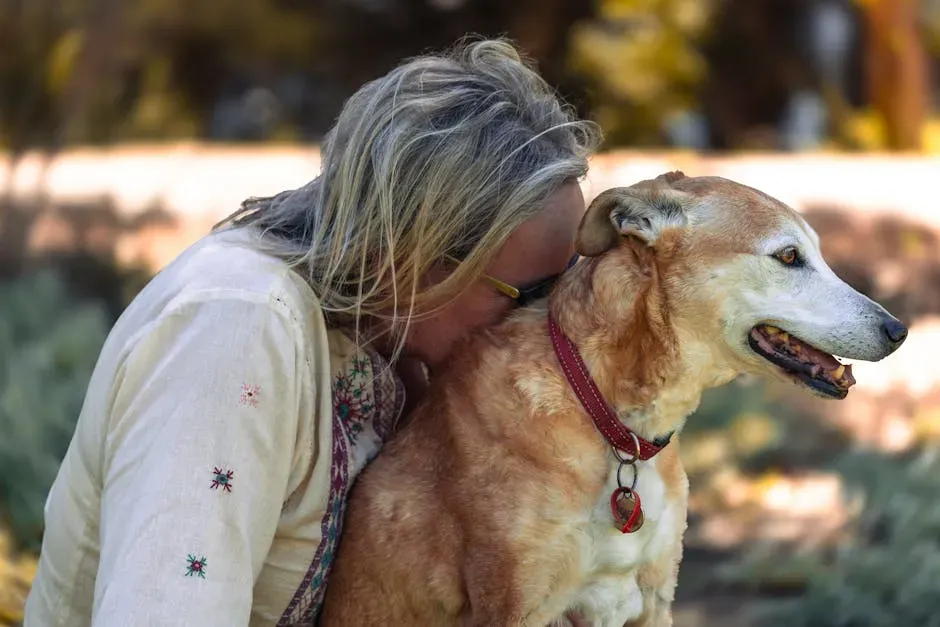
The human-canine bond is rooted in the domestication of the dog, which began occurring through their long-term association with hunter-gatherers more than 30,000 to 40,000 years ago. That’s not a short friendship. That’s a relationship older than most civilizations we know of. Honestly, it’s humbling when you sit with that thought.
Unlike any other domesticated animal, dogs have developed an extraordinary ability to interpret human gestures, emotions, and intentions. Research indicates that dogs are uniquely sensitive to human forms of communication, even more so than our closest genetic relatives, the chimpanzees – and these abilities are observed in untrained dogs as young as six weeks old. Six weeks old. They’re basically born ready to understand us.
Gradually, in many cultures, the primary role of dogs has become that of companions, leading to a bond characterized by loyalty, trust, and amity. Research also suggests that dogs and owners with similar energy levels and temperaments tend to have the strongest bonds – and if your dog naturally fits into your routine, whether that means relaxing on the couch or going on outdoor adventures, they may be your perfect match.
Your Dog Reads Your Soul Before You Even Speak

Let’s be real – your dog knows when you’ve had a bad day before you’ve said a word. That’s not magic, even though it feels like it. Beyond eye contact, dogs are surprisingly skilled at reading human body language and facial expressions. Experiments demonstrate that pet dogs can distinguish a smiling face from an angry face, even in photos. Your face is practically an open book to your pup.
Studies show how behavioral and chemical cues from humans can affect dogs in ways that enable them to not only discriminate between their owners’ fear, excitement, or anger, but also to “catch” these feelings from their human companions. Think of it like emotional WiFi – your dog is always connected, always downloading your signal.
Dogs detect stress through vocal tone, posture changes, and hormonal scent shifts like cortisol. A well-known experiment showed that dogs were more likely to approach a crying person than someone humming or speaking normally – even if the crying individual was a stranger. This isn’t training. This is empathy. Deep, instinctive, soul-level empathy.
The Attachment Bond: Why Your Dog Follows You Everywhere

I think most of us have had that moment where we can’t even go to the bathroom alone anymore. Adorable? Absolutely. Psychologists believe that the relationship between human and canine is a bidirectional attachment bond, which resembles that of the typical human caretaker/infant relationship and shows all the usual hallmarks of a typical bond. Your dog isn’t being clingy – they’re being deeply, beautifully attached.
Attachment theory isn’t just for human relationships – it applies to dogs, too. Studies show that dogs form attachment styles similar to children, with some exhibiting secure attachment by following their owners and seeking comfort from them. If your dog shadows you throughout the day, it may be a sign of a secure and deep attachment.
Establishing consistent routines helps dogs feel safer and more confident – feeding, walking, and bedtime routines provide structure that reduces anxiety. Spending quality time together every day through walks, play sessions, or simply relaxing together helps build trust and strengthen the bond. Routine is a love language for dogs. Remember that.
The Real-World Benefits: Your Dog Is Also Taking Care of You
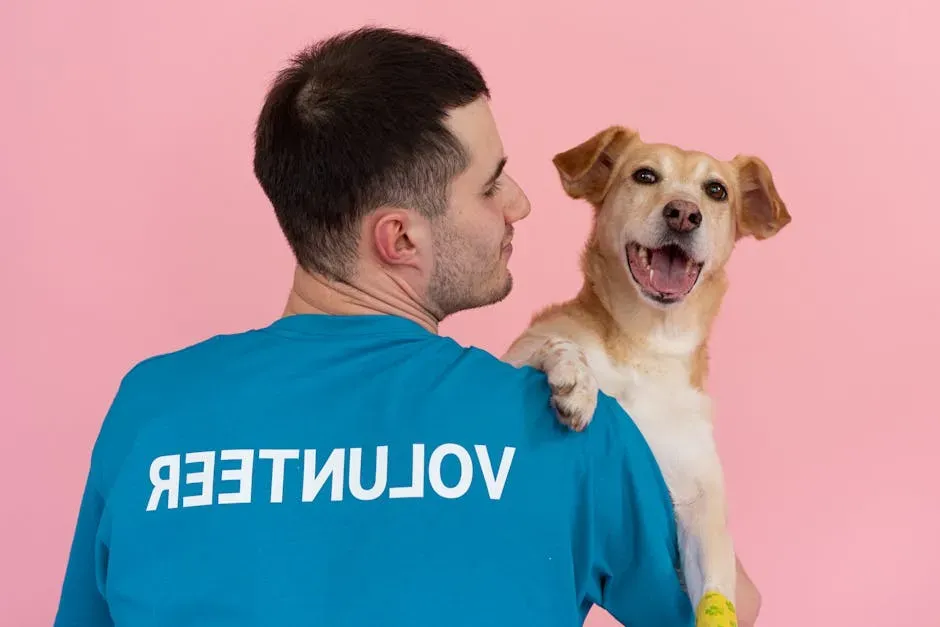
This connection isn’t just emotionally beautiful – it’s genuinely good for your health. Dogs specifically have been proven to reduce stress, anxiety, and depression, ease loneliness, encourage exercise, and improve your overall health. Your dog isn’t just your best friend. They’re your wellness coach, your therapist, and your personal trainer all rolled into one very fluffy package.
Among the many mental health benefits of pets, nearly two-thirds of pet owners say that their animals offer companionship, are a true friend, and provide unconditional love and support. The vast majority of pet owners say their pets have a mostly positive impact on their mental health. Those aren’t small numbers. That’s a movement.
For individuals with mental disorders such as PTSD, research has found that having a psychiatric service dog is associated with fewer symptoms, less depression and anxiety, and better quality of life – benefits that appear to be due to a combination of the service dog’s specific trained tasks and having a source of love, nonjudgmental social support, and companionship. A dog doesn’t care about your diagnosis, your past, or your worst days. They just stay. Always.
A Final Thought Worth Carrying With You
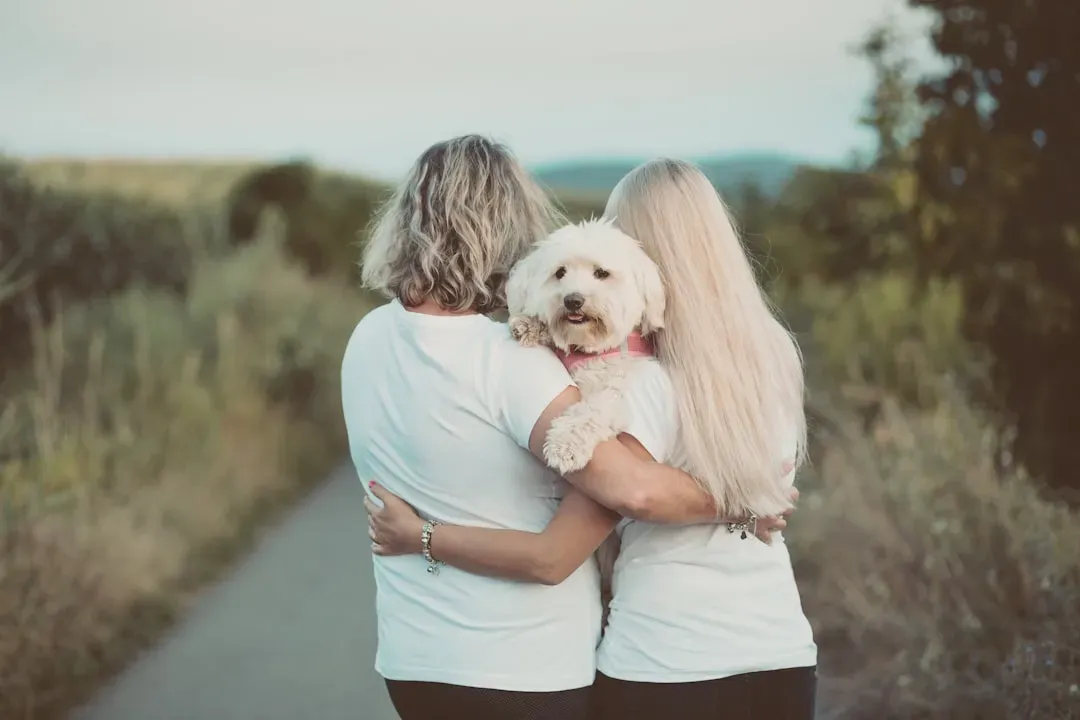
So, is it really a soul connection? I think it is. Not in some abstract, unprovable way – but in a way that science keeps circling back to, study after study, fMRI scan after fMRI scan. That mutual oxytocin rush builds trust, affection, and a sense of deep connection. Every time you share a loving glance with your pup, you’re literally strengthening your bond on a chemical level. It’s love backed by biology.
The bond you share with your dog is ancient, real, and genuinely extraordinary. It was forged over tens of thousands of years and sealed in your living room every single day with a wagging tail, a warm lean, and a gaze that asks for nothing and gives everything. Honor it. Nurture it. Pay attention to what your dog is telling you – because they are always speaking.
You don’t have to understand it fully to know it’s real. Some connections just are. What has your dog done lately that made you feel truly seen? We’d love to hear your story in the comments below.


