
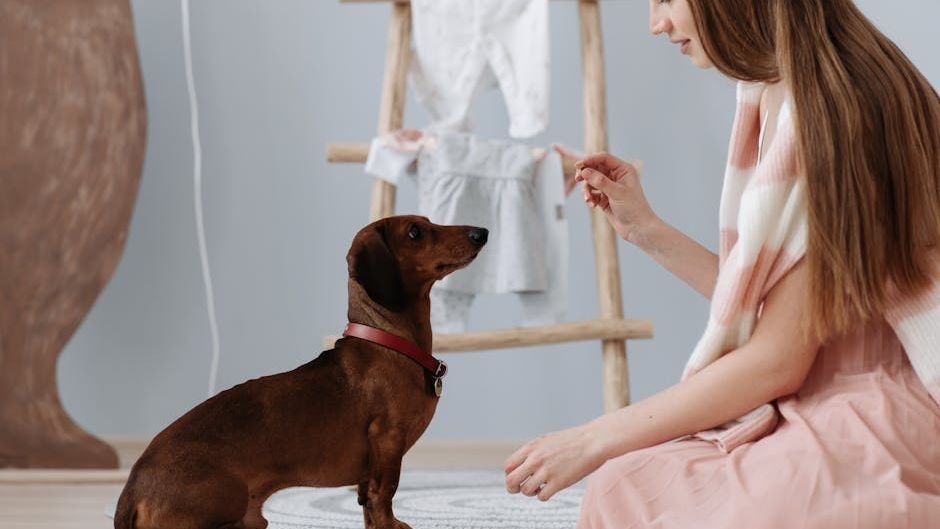
Most dog owners would never intentionally hurt their furry companion. Yet, every single day, well-meaning people quietly chip away at the bond they’ve worked so hard to build. It doesn’t take abuse or neglect to fracture the trust between you and your dog. Sometimes, it’s the small, repeated habits that do the most damage – the kind you don’t even notice until the signs are already there.
There are behaviors and approaches that some dog owners are getting wrong which could damage the bond they’re trying to build with their pet. That’s the honest truth, and it can sting a little to hear. The good news? Awareness is half the battle. Let’s dive in.
1. Using Anger and Harsh Punishment Instead of Guidance

Here’s the thing most people don’t realize: when your dog chews your favorite shoes or has an accident on the rug, they genuinely don’t know they’ve done something wrong. Dogs do not realize what a mistake is because they run on instinct. Screaming at them or physically reprimanding them in that moment doesn’t teach anything productive.
If the owner shows anger enough times, the dog won’t trust the owner and any bond that has been there previously might be fractured. Think about that for a second. Every single outburst leaves a mark – not on the floor, but on your relationship.
Yelling or using physical punishment can damage the bond between you and your dog, causing fear rather than trust. Fear is the opposite of what you want. A dog that fears you isn’t a loyal companion – it’s an anxious animal just trying to survive the next interaction.
The fix is simpler than it sounds. Redirect, reward, and stay firm without losing your cool. If your dog is constantly running away from you when you correct them, the correction style is the problem, not the dog. A steady tone and clear structure equals a dog that listens the first time.
2. Being Inconsistent With Rules and Boundaries
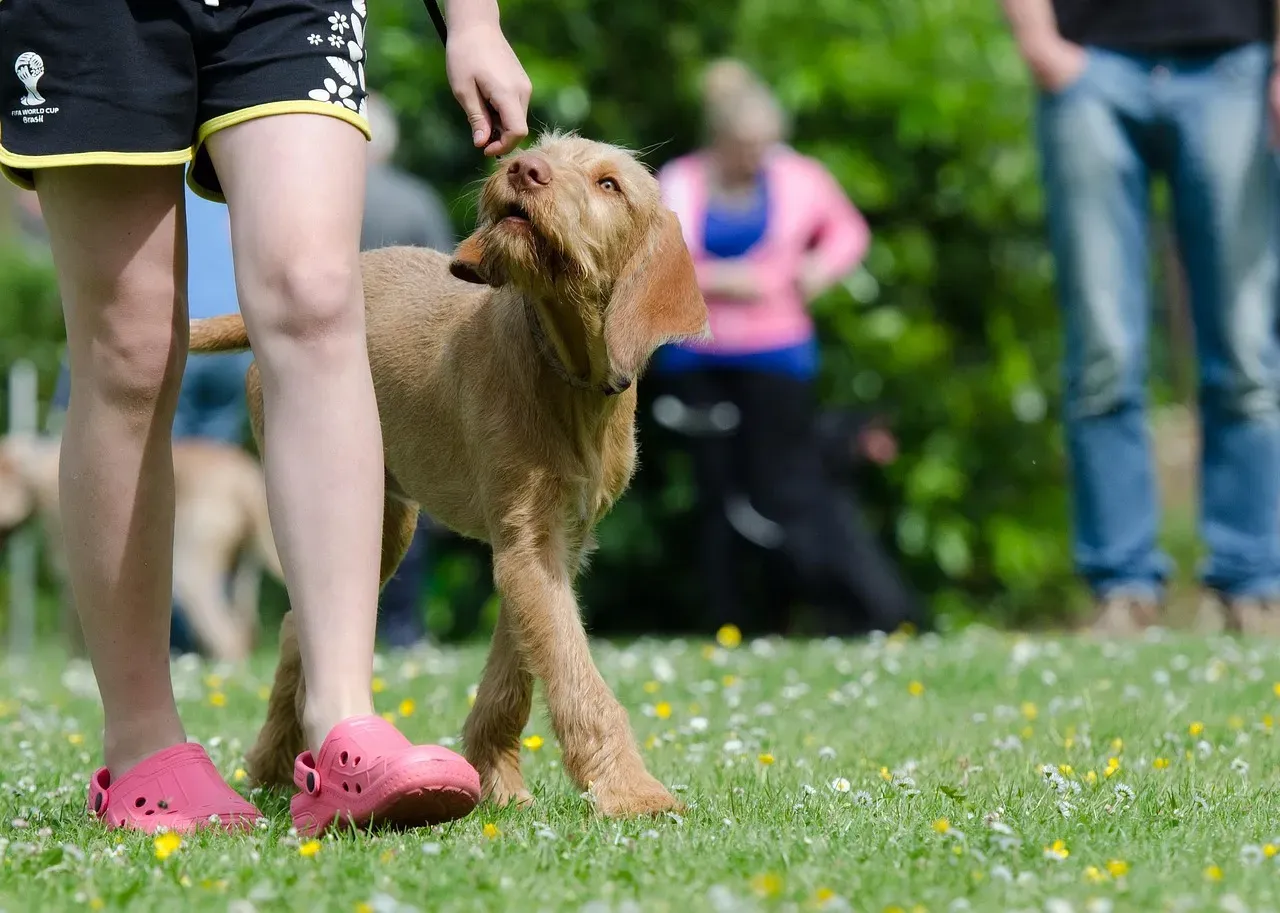
Imagine starting a new job where the rules change every single day. One morning your boss praises you for something, the next afternoon they punish you for the exact same behavior. Maddening, right? That’s essentially what inconsistency feels like to a dog.
The issue with setting unclear boundaries is that the dog is not given clear direction. Without this direction, you are not successfully teaching them right from wrong. Just like children, if they are not given this guidance, they start to define right and wrong for themselves.
Dogs are pack animals and need leadership in order to understand the expectations that you are setting for them. If you are inconsistent with your rules in and out of the home, then your dog will not respect you or follow the routine you are trying to create.
This is especially true in multi-person households. If one family member lets the dog on the couch and another scolds them for it, the dog is constantly confused. The fix for this common mistake is to make sure that everyone in the household is on the same page with the rules and boundaries. The more people that enforce these, the better.
3. Rewarding the Wrong Behaviors Without Realizing It

This one is sneaky. Most dog owners do it without even knowing, and I think it’s honestly one of the most underestimated relationship-killers on this list. At any moment that you give your dog praise, treats, petting, and so on, you are positively reinforcing them for whatever behavior they are exhibiting at that specific moment. This means that if your dog is jumping or barking and you pet them, you are encouraging them to do more of that behavior.
It’s that classic scenario: your dog barks at the door, you pet them to calm them down, and they learn that barking gets affection. You’ve just accidentally built a bad habit.
Rather than coaching a nervous dog with calm energy and a simple command, owners often feed into the fear with petting, reassurance, and words like “it’s ok” or “good boy.” The issue is that the owner is positively reinforcing the fear or reactivity without even knowing it.
On the flip side, over-relying on treats creates its own problem. If you constantly reward with treats, your dog will start performing actions only for the reward rather than out of mutual respect, love, and desire for praise. You want to strengthen your dog’s connection with you, not the kibble. Balance is everything.
4. Ignoring Your Dog’s Body Language and Emotional Signals
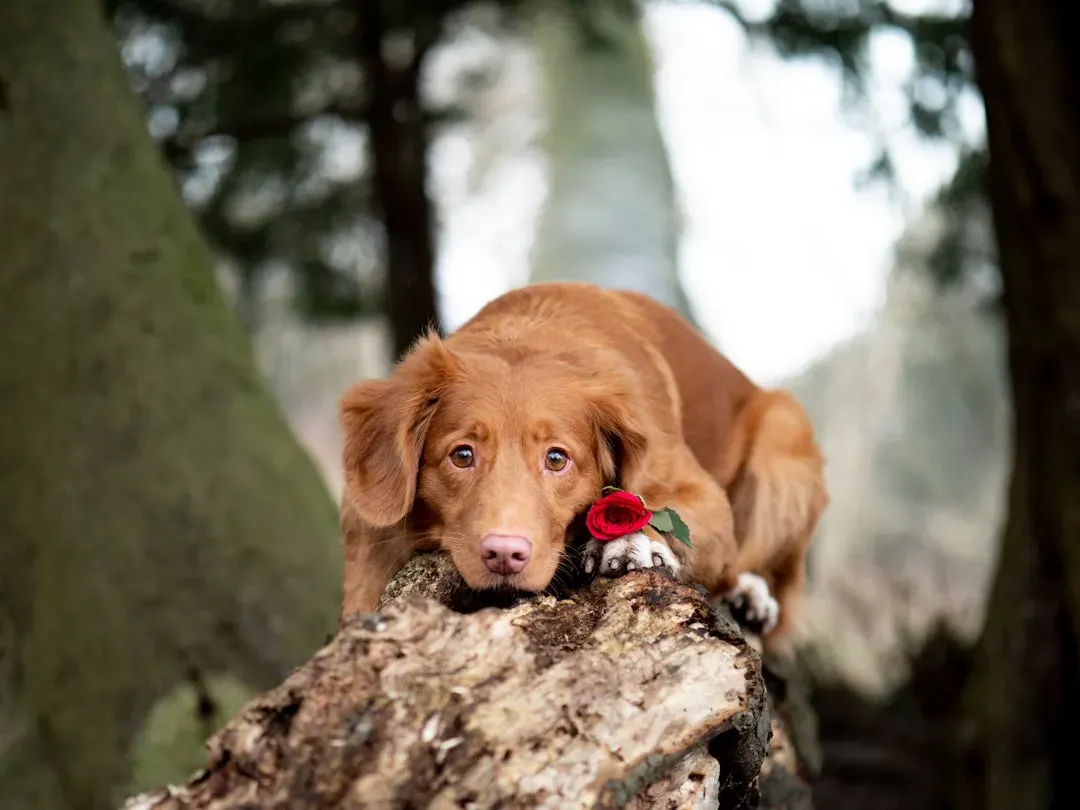
Dogs can’t talk. They communicate entirely through body language, and when owners consistently miss those signals, the dog slowly stops trusting that their feelings matter. One common mistake made over and over again with fearful dogs whose progress is stuck is failure to recognize more subtle signs of fear and discomfort. This can really damage the bond you have with your dog.
Dogs are highly sensitive to their environment and form expectations based on consistent patterns in their daily life. For example, if you say a word your dog loves, such as “walk,” but for one reason or another you don’t follow through, your dog may feel confused, disappointed, or even stressed. Repeatedly violating these expectations can erode trust, contribute to dog anxiety, and lead to learned helplessness.
This means not only communicating your expectations to your dog but also listening to what they’re communicating through their body language. Ignoring signs of discomfort or distress can harm your relationship. It’s important to recognise and respect their feelings, especially in situations they find challenging.
Think of it like a friendship where one person only ever talks and never listens. That relationship wouldn’t last long either.
5. Deceiving or Tricking Your Dog

This one surprises people. It sounds almost too harmless to matter. Yet, trust is the absolute foundation of the relationship you have with your dog, and even the smallest deceptions chip away at it over time.
Trust is the foundation of any positive relationship, including the one with your dog. When we “trick” them, like calling them inside from the garden under the pretense of going for a walk only to shut the door and get back to work, we’re eroding that trust. Repeatedly deceiving your dog in this manner can damage the relationship and make them less responsive and trusting over time.
It’s the canine equivalent of breaking a promise. Do it once, maybe forgiven. Do it repeatedly, and your dog learns that responding to your calls leads to something unpleasant.
A dog’s feelings can also be hurt when they feel socially rejected, ignored, or experience inconsistent or unpredictable punishment. Predictability is safety to a dog. When you become unpredictable, you become a source of stress rather than comfort. That’s a painful position to be in for an animal that depends on you entirely.
6. Neglecting Socialization and Not Protecting Your Dog in Scary Situations
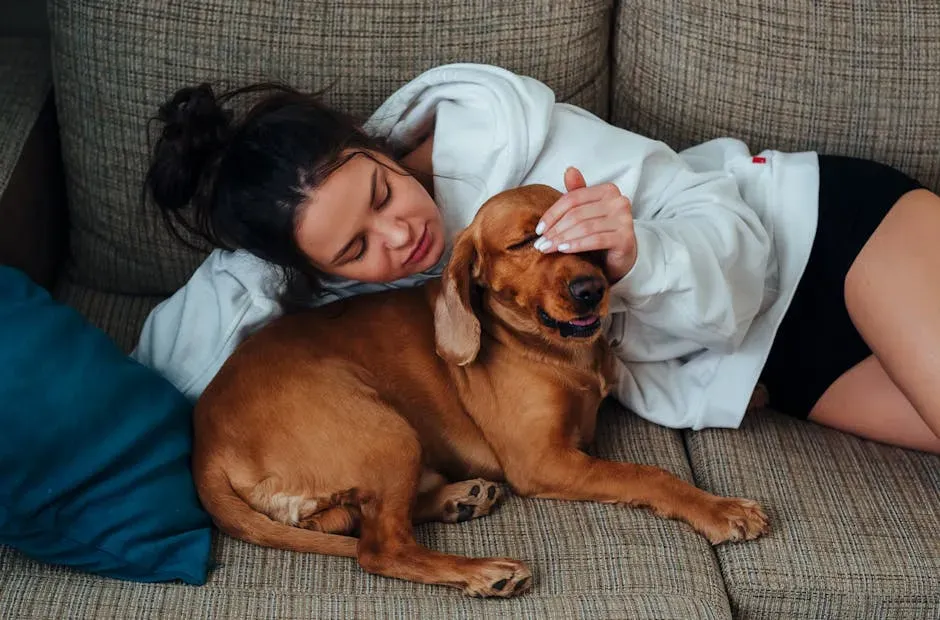
Let’s be real: we can’t always predict what will frighten our dogs. A crowded street, a loud dog at the park, a booming thunderstorm. What matters deeply is how you respond in those moments. The mindset of “dogs will sort it out among themselves” has destroyed countless bonds between dogs and their owners. When your dog trusts you, they put their safety in your hands and expect you to protect them in dangerous situations. So if you notice that your dog would rather avoid a dog encounter, don’t force it, keep your distance.
Failing to socialize your dog early enough is an equally serious mistake. Socialization is key to raising a confident, well-behaved dog. Expose your dog to various people, environments, and other dogs early on. This helps them become comfortable in different situations, reducing the chances of behavior issues later.
Similar to children and their parents, the bond your dog forms with you also serves as the blueprint for their connection with other people. Dogs that are poorly bonded to their owners may not be as trusting of other people, less likely to interact, or exhibit fear and aggression. They may also feel less confident as they interact with and explore their new world.
It’s hard to say for sure just how much early social experiences shape a dog’s entire personality, but the evidence strongly points to this being one of the most defining factors in their quality of life.
Conclusion: The Bond Is Worth Protecting
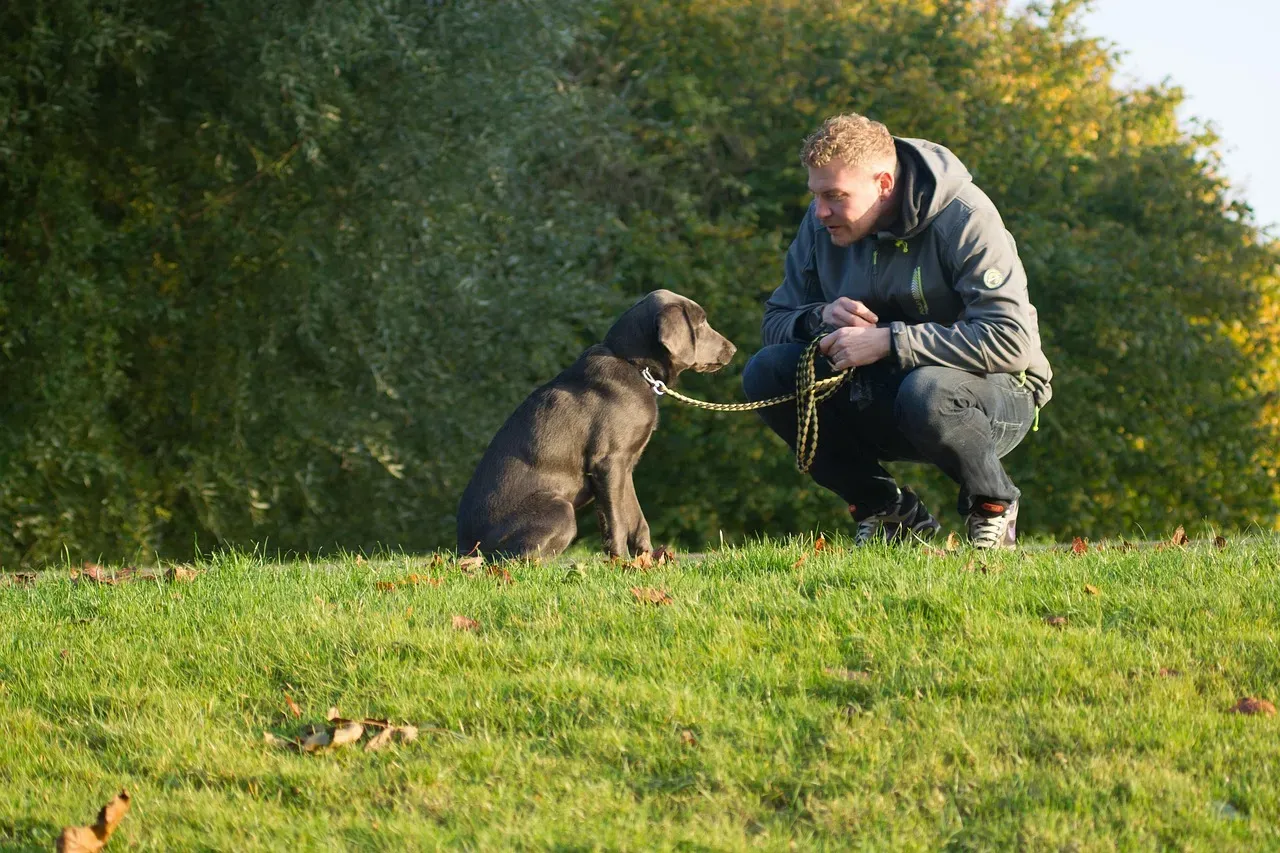
The relationship you have with your dog is one of the most genuine, unconditional connections you’ll ever experience. A strong bond with your dog comes with a ton of benefits: trust, security, and mutual understanding. A dog that feels deeply connected to their owner is often calmer, happier, and more responsive to training. But this bond doesn’t happen overnight – it takes time, patience, empathy, and consistent positive interactions.
The six mistakes in this article aren’t signs of bad owners. They’re signs of human ones. Dogs are quite forgiving creatures, so those hurt feelings usually heal fast if you do the right things to regain their trust. That alone is something worth being grateful for.
Building a strong, positive relationship with your dog is about more than just love and affection. It requires understanding, consistency, and respect for their feelings and boundaries.
Take a look at your daily habits with your dog. Are you communicating clearly, staying consistent, and actually listening to what they’re telling you? Small shifts in behavior can transform the whole dynamic. Your dog is already trying their best for you – the real question is, are you doing the same for them?


