
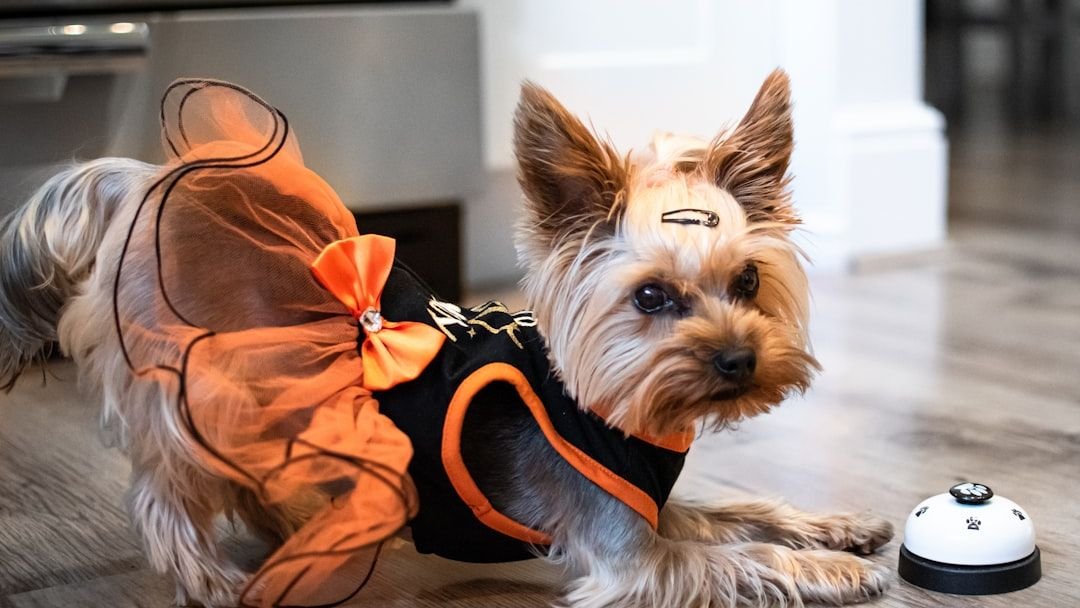
Your dog is talking to you right now. Not in words, of course, but in a rich, layered language of wiggles, glances, postures, and sounds that most of us walk right past without even noticing. It’s a little humbling, honestly. We love our dogs deeply, yet the science keeps showing us that we’re often reading them wrong or missing the message entirely.
People and dogs have been living intimately together for at least 14,000 years, and in that time, dogs have learned plenty about how to get along with us. Yet research suggests there are still quite big gaps in how we understand what our dogs are feeling. That gap matters more than you think. Miss the signs of joy, and you miss the chance to nurture it. So let’s change that. Here are seven happiness signals your dog is sending you every single day. Some will surprise you. Let’s dive in.
The Whole-Body Wiggle That Means Pure Joy
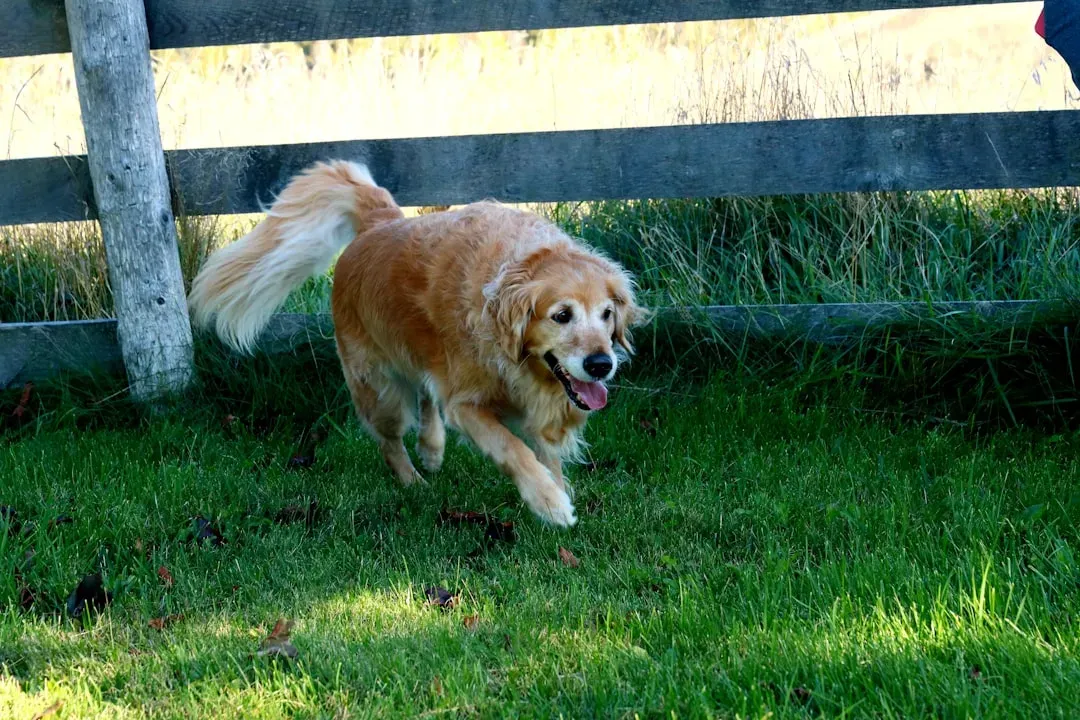
You know that moment when you come home and your dog practically turns into a living pretzel? That’s not just excitement. That’s happiness speaking at full volume. When a dog is happy, their whole body and tail will look relaxed, and they quite often wiggle. A happy dog’s whole body can wag along with their tail.
The body is fluid and relaxed, the mouth is slightly open with the tongue hanging to the side, and all the signals a dog gives off communicate joy, confidence, and a desire to invite play and attention. Think of it like your dog’s version of a standing ovation. Every single part of them is in on it.
The exact way a dog shows happiness can vary from pup to pup, but happy dogs typically display relaxed, tension-free body language. This means their neck and muscles are soft, their posture is loose, and they appear calm and at ease. If your dog greets you with a stiff, rigid body even with a wagging tail, that’s a different story altogether. The keyword here is always relaxed.
The Tail Tells More Than You Think
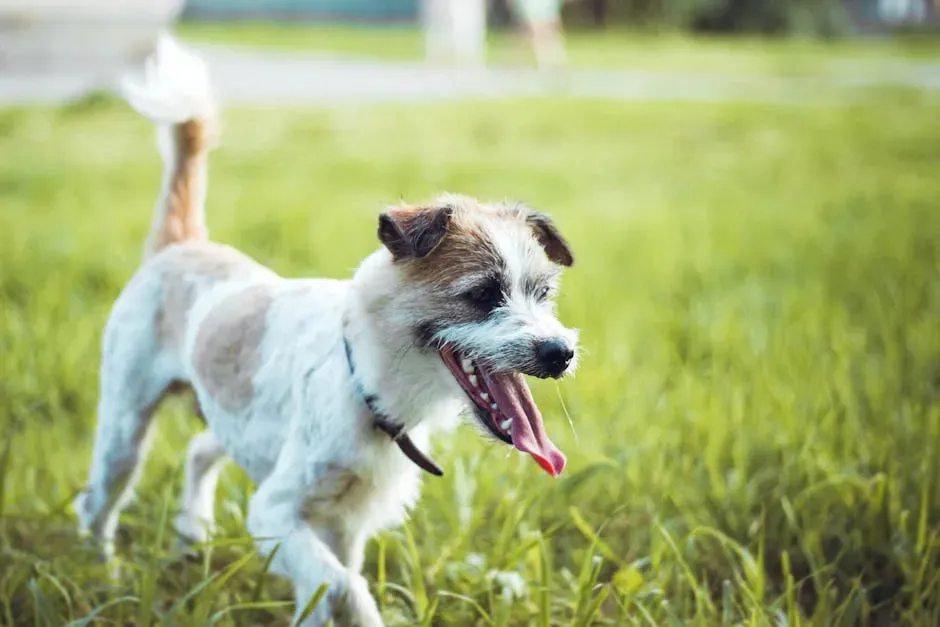
Here’s the thing most people get wrong: not all tail wags are created equal. All a wagging tail means is that the dog is emotionally aroused. That arousal could be joy, but it could just as easily be anxiety or overstimulation. Context is everything.
A key sign is found in circular wags. If your dog is wagging its tail in a circle, it is showing you that it is very happy and joyful. I always describe this to new dog owners as the “helicopter tail,” and once you see it, you’ll never mistake it. How a dog wags their tail, both in the speed and the width, can reveal a lot about their emotional state. A wide, fast wag often signals positive emotions, such as excitement or happiness, when greeting someone.
There’s also a fascinating directional element at play. Some research has shown that when a dog sees someone they like, her tail wags more to the right. When she sees an unfamiliar person, her tail wags more to the left. It’s subtle. It’s easy to miss. But it’s your dog writing you a love letter in tail language.
Soft Eyes and a Relaxed Face Are Their Version of a Smile
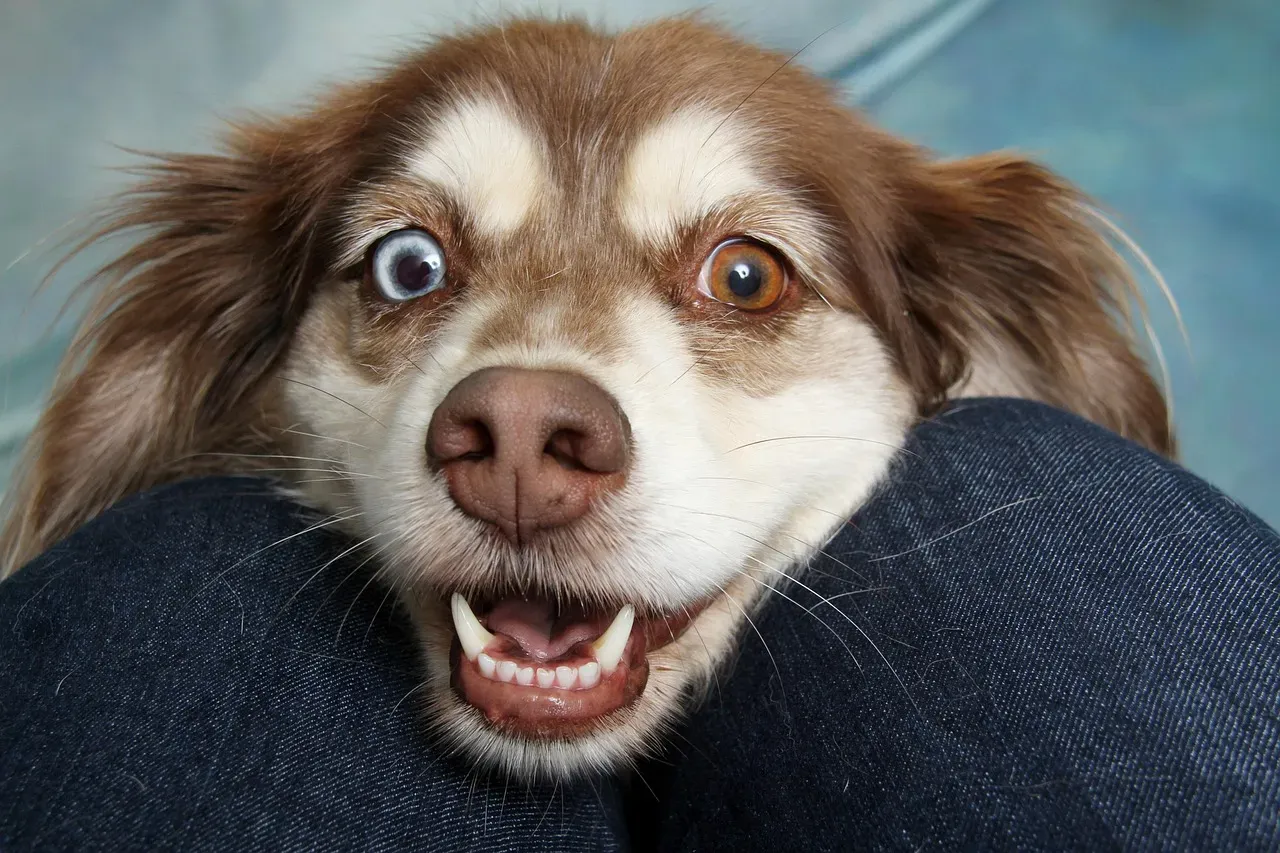
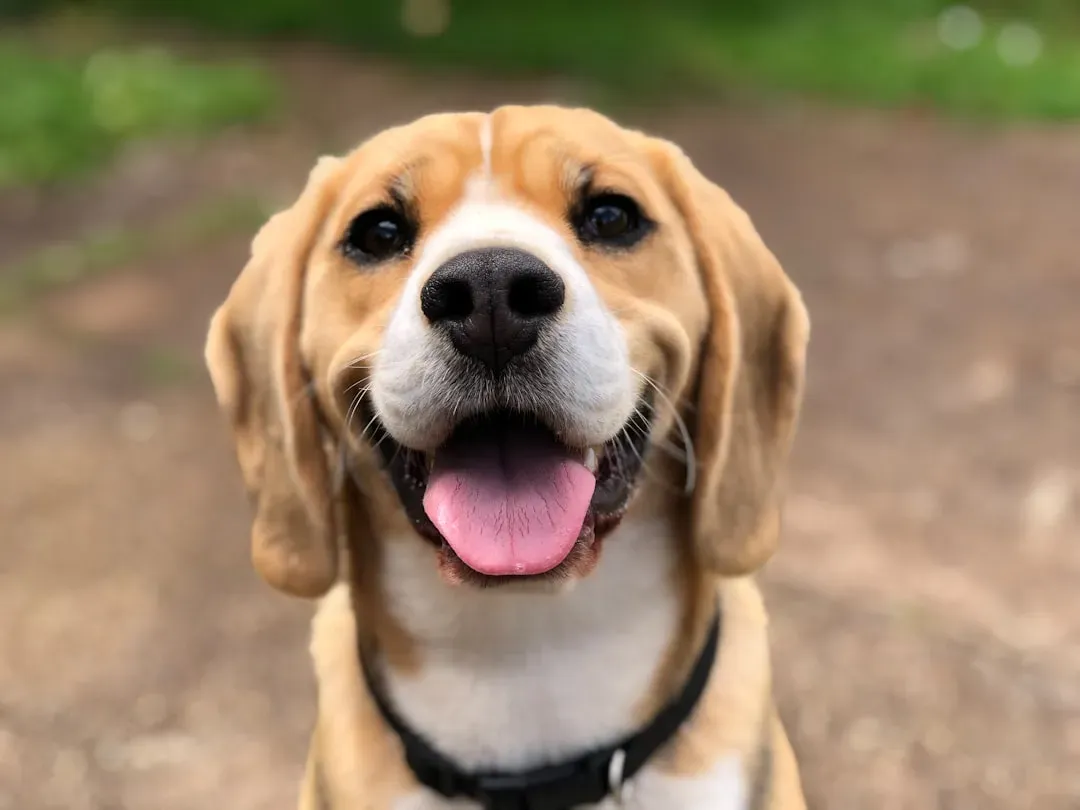
Forget the goofy grin for a second. Real canine happiness lives in the softness of their face. When a dog is happy, their eyes and eyelids will be open and relaxed, their gaze will be soft, and they will blink often. That gentle, almost sleepy look your dog gives you from across the room? That’s contentment, plain and simple.
A happy dog often has a relaxed face with soft eyes, while a dog that is feeling tense or anxious might furrow their brow and have hard, staring eyes. Think of it like the difference between a smile and a glare in humans. The muscles tell the story even when the lips don’t. When a dog is happy, its mouth will be slightly ajar with relaxed lips and the tongue falling naturally into place. When this happy dog facial expression is paired with loose posture and calm body language, it’s a strong indicator your dog is feeling comfortable and joyful.
The Play Bow: A Clear Invitation to Celebrate Life
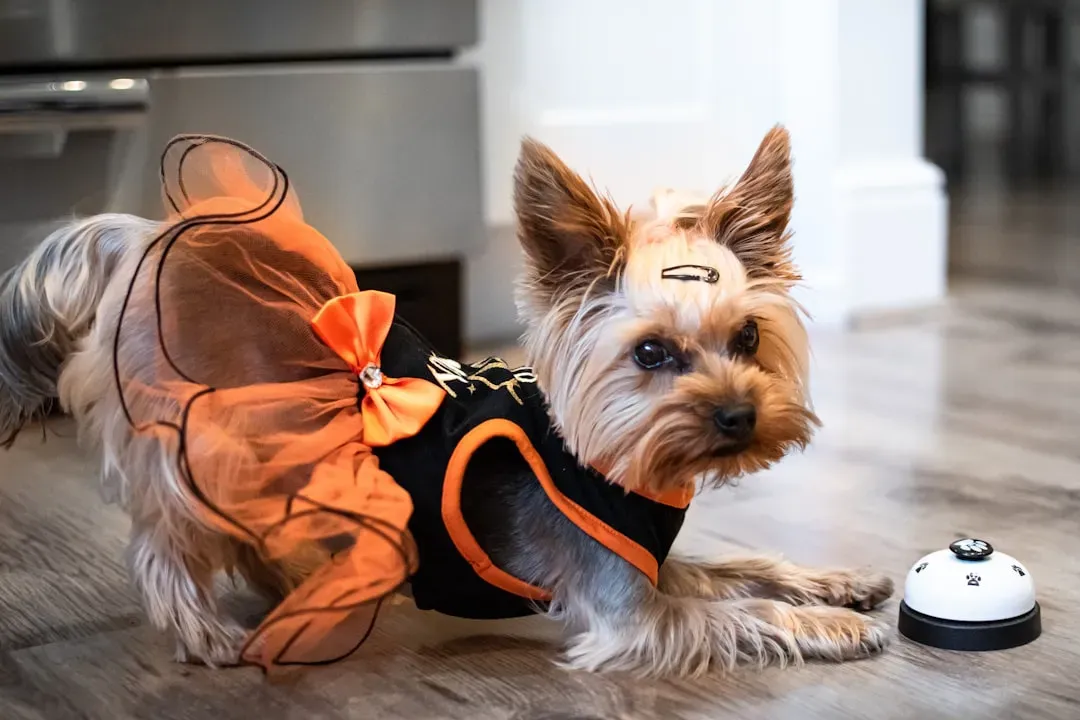
If you’ve ever seen your dog suddenly drop their front end to the floor while their bottom stays up in the air, you’ve witnessed one of the most joyful signals in the entire canine vocabulary. An easy-to-read aspect of dog body language is the play bow. This is when dogs place their chest on the ground with their rump in the air. As the name implies, it’s used to initiate play with other dogs and even with people.
The play bow is a signal that invites play and tells others that whatever action comes next is still just play. It’s essentially your dog saying, “Hey, I’m happy, I trust you, and I want to have fun with you right now.” Honestly, it’s one of the most endearing things dogs do. A relaxed and happy dog will have a loose and wiggly body with a wagging tail and may even invite you to play with a raised bottom and a high wagging tail, also known as a play bow. When you see this, the right response is simple: play back.
Leaning In and Seeking Your Touch
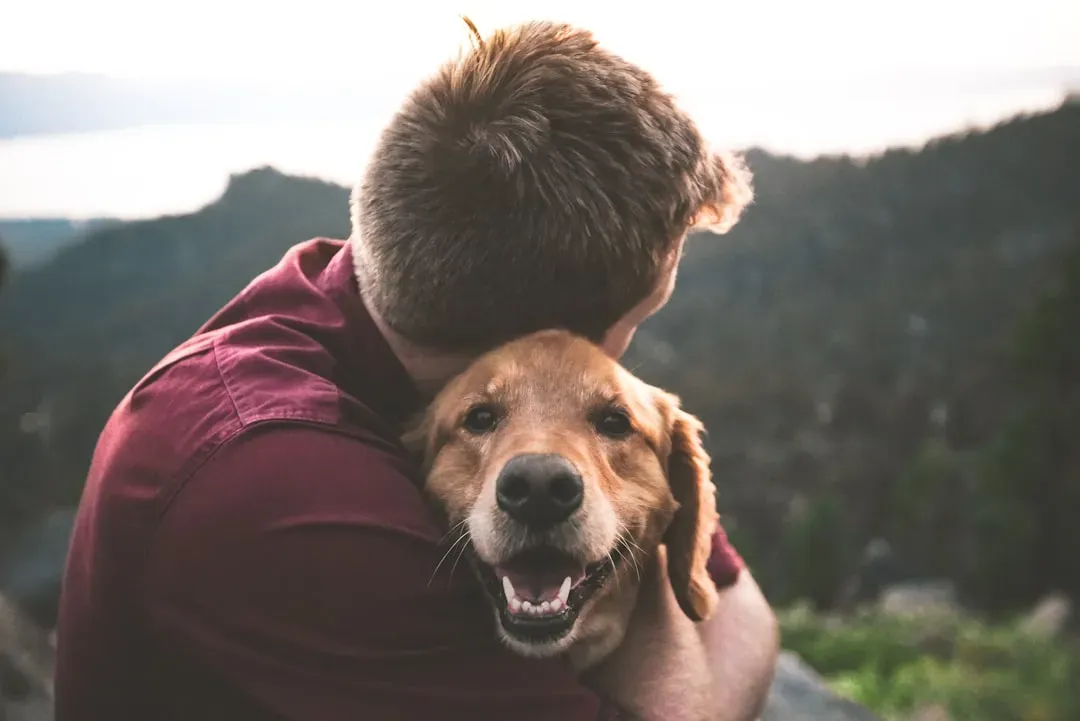
Pay attention to what your dog does when you stop petting them. Do they stay close? Do they nudge your hand with their nose? A relaxed dog who enjoys your company is more likely to also enjoy your attention. They may come to you for attention, and it’s a good sign if they lean into your hand when you stroke them. That lean is trust made physical.
It’s a bit like a hug, really. Your dog is choosing closeness. They’re not bolting to another room or turning away. A dog that responds well to given signals and is receptive shows a happy willingness to cooperate and please their owner. More specifically, the dog is attentive, looks at the owner, and behaves in a calm and focused way. When your dog seeks you out not because they need something, but just because you’re there, that is happiness on full display.
A Healthy Appetite and Enthusiasm for Routine
This one is less “cute photo moment” and more genuinely useful health signal. Happy dogs enjoy playtime and walks, and most even love rides in cars. While all dogs slow down with age, if your dog seems abnormally quiet, uninterested in favorite activities, or is less social, this may be a sign they’re not feeling well. Joy shows up in enthusiasm, and when that enthusiasm fades, it’s worth paying attention.
Dogs that are content and feeling well have good appetites. A change in your dog’s appetite is one of the first signs of potential illness or unhappiness. I’d even add this: a dog who bounces toward their food bowl, who perks up at the sound of their leash, who runs to the door when they hear “walk,” is a dog communicating genuine delight in their daily life. Don’t take that energy for granted.
An ill dog may sleep more, be grumpier, and not want the normal interaction he usually gets excited about. So if your dog is glowing with enthusiasm for the mundane parts of the day, that’s not nothing. That’s everything.
Relaxed, Restful Sleep Is a Hidden Happiness Sign
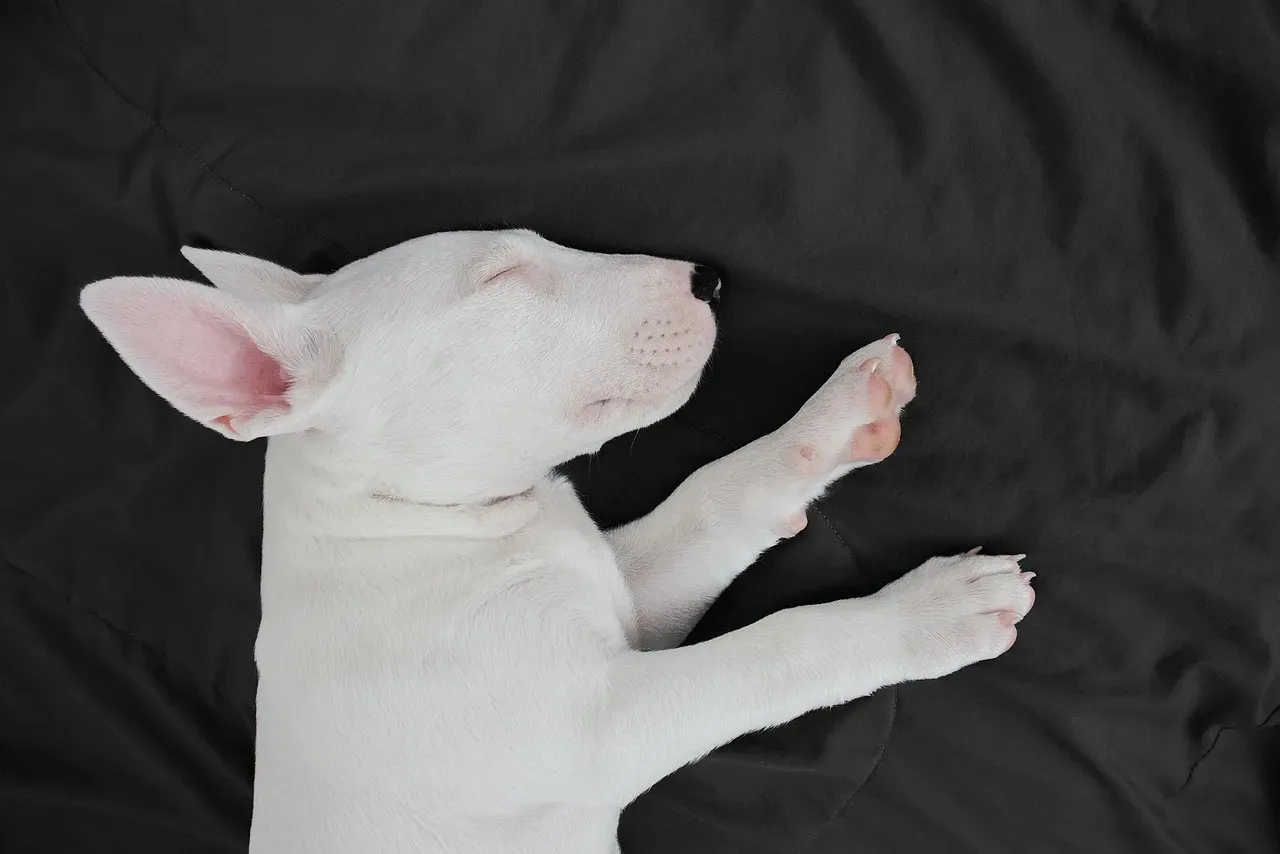
It might sound strange to say that how your dog sleeps tells you about their happiness, but it really does. Healthy, happy adult dogs usually sleep for up to 16 hours a day. If your dog isn’t sleeping that much, it could be a sign of stress or illness. A dog who naps deeply, sprawls out on their back, or curls up contentedly near you is a dog who feels safe enough to let their guard completely down.
Think about it from your own experience. You don’t sleep well when you’re anxious, scared, or unhappy. Neither does your dog. A wriggling dog showing you their belly is likely to be a very happy and comfortable dog. That exposed belly during a nap is the canine equivalent of total vulnerability, and it means your dog trusts you and their environment completely. It’s hard to say for sure, but in my experience, there’s no more honest happiness signal than a dog sleeping belly-up without a care in the world.
Conclusion: You’re Already Closer Than You Think
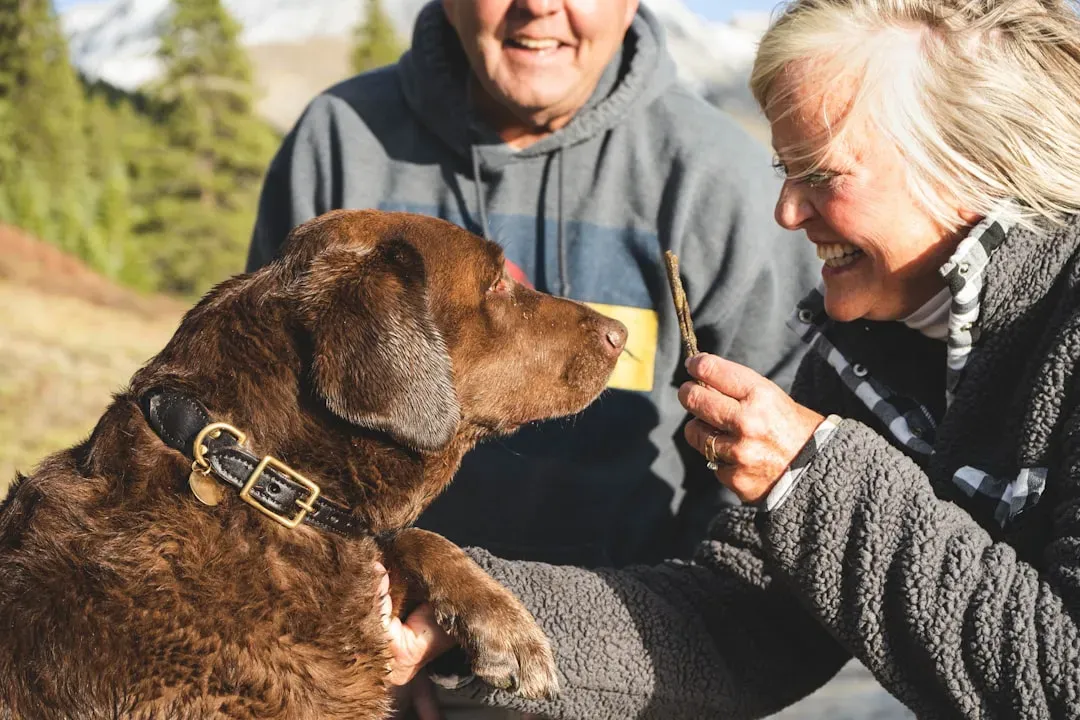
Learning your dog’s happiness language isn’t about becoming a canine science expert. It’s about slowing down just enough to actually watch and listen. Your dog is “talking” to you all the time. If you learn what your dog is saying, you will develop a deeper bond of trust and respect. Your newfound understanding of your dog’s emotional state can help you predict their behavior and prevent problems before they arise.
Every dog is unique, and just because your dog doesn’t bark or show certain behaviors doesn’t mean they’re unhappy. Dogs express happiness in subtle ways, and learning to recognize these signs can strengthen your bond and improve their well-being. So don’t stress if your dog doesn’t fit a textbook description. Learn their version of joy.
The most beautiful thing about all of this? Your dog already knows exactly how to express their happiness. They’ve been doing it all along. Now it’s your turn to catch up. Which of these signs did you recognize in your own dog today? Tell us in the comments!


