

You’re sitting on the couch, completely zoned into your favorite show, when that unmistakable feeling creeps over you. You’re being watched. You look down and there they are – two soulful, unblinking eyes locked onto yours with the kind of intensity that would make a detective nervous. Your dog is staring at you. Again.
If you’ve ever wondered what on earth is going on behind that gaze, you’re in very good company. Dogs spend a great deal of time staring at humans, and many dog owners spend a great deal of time wondering why. The truth is, there’s a whole world of emotion, communication, and even science packed into that stare. Let’s find out what your pup is really trying to say.
1. It’s Pure, Unfiltered Love (Yes, Really)
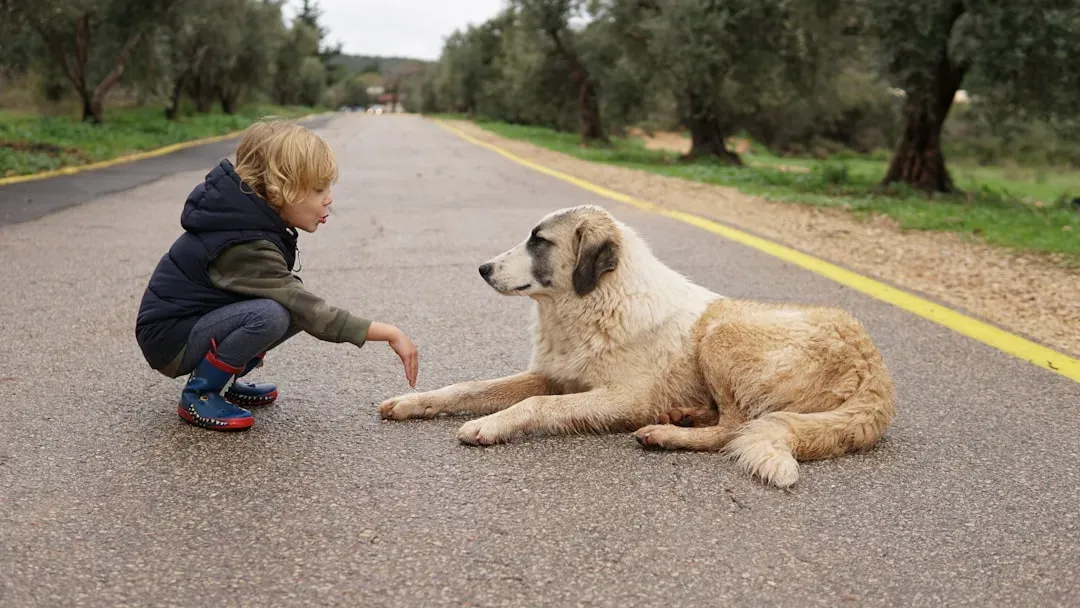
Here’s something that might make you tear up a little. That long, soft gaze your dog gives you from across the room? It’s not random. Just as humans stare into the eyes of someone they adore, dogs will stare at their owners to express affection. In fact, mutual staring between humans and dogs releases oxytocin, known as the love hormone.
This chemical plays an important role in bonding and boosts feelings of love and trust. The same hormone that is released when a new mother looks at her baby is also triggered when you look at your dog. So that tender moment you share while locked in a mutual gaze? It’s literally as powerful as a mother-child bond. Let that sink in.
The key is reading the quality of the stare. You might notice that your dog’s eyes seem slightly squinted when they look at you sometimes. This expression, along with a relaxed posture, is a sign that they’re giving you a look of love. Think of it as their version of a warm smile. Lean into it.
2. They’re Reading You Like a Book
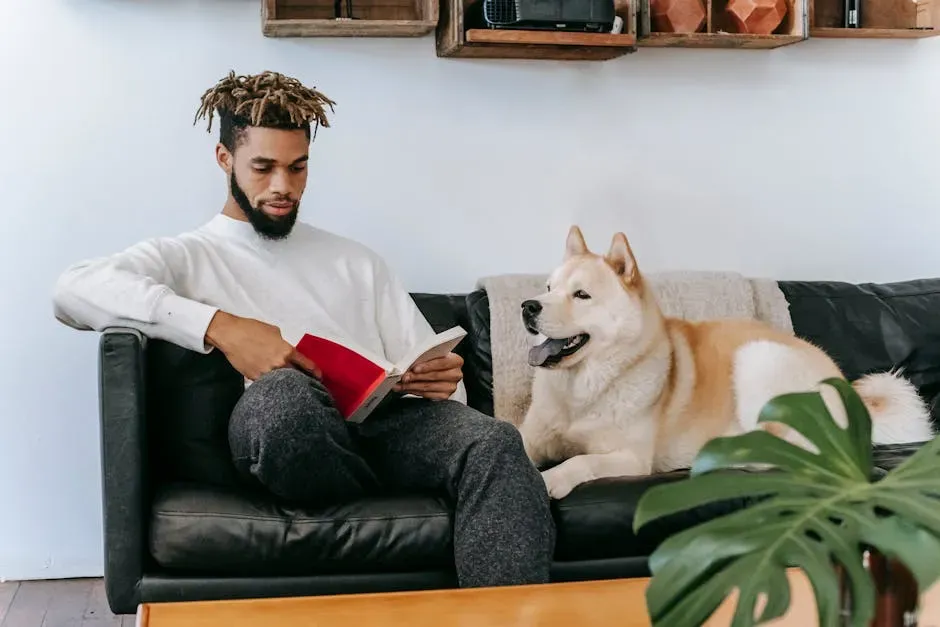
Honestly, your dog might understand you better than you realize. More than almost any other animal on earth, dogs are in tune with humans. They sense our moods, follow our pointing gestures, and read us for information about what’s going to happen next. That means they stare at us a lot to gain knowledge about their environment.
Your dog watches your body language and looks at your facial expressions to help them recognize what you’re thinking and feeling. They rely on you for everything, including food, water, cuddles, exercise, and even when and where to go to the toilet. Understanding your behavior helps them work out what’s going on and what’s going to happen next.
Think of it this way: your dog is basically running a constant background app that processes your every move. A study published in 2015 revealed that dogs do, indeed, distinguish our emotions. This study aimed at determining if dogs could tell the difference between a happy and an angry face simply from the information they received from an owner’s face. Dogs have so fine-tuned their ability to read into us that they can distinguish their owner’s expressions even by looking at images. That’s not just adorable. That’s remarkable.
3. They’re Waiting for You to Do Something Important
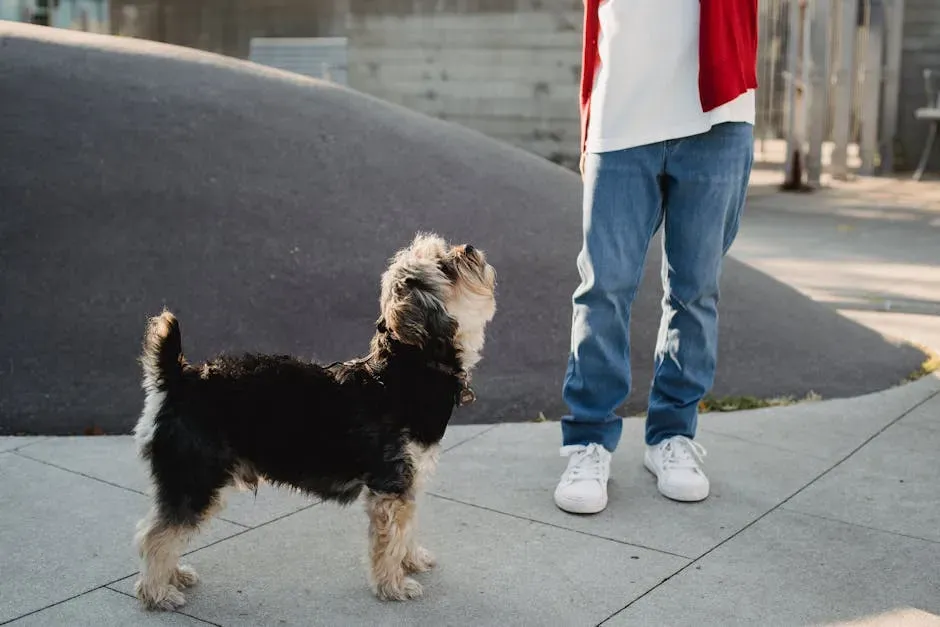
You know that laser-focused look your dog gives you right before their walk or feeding time? That’s not coincidence. Dogs quickly learn that their owners pick up the leash before taking them on a walk. Therefore, they will watch for that signal that a trip outside is on its way. The same is true for mealtimes, play sessions, car rides, and so much more.
Dogs are excellent at remembering our daily habits, but will often stare at us to try to piece together our actions, so if you go to the front door, are you going to collect the post, leave the house or take them for a walk? Their brain is constantly running an internal prediction engine, and you are the main source of data.
This also ties into training. If you’re training your dog and they are staring at you, it may be that they’re waiting for their next clue as to what to do. A well-trained dog is eager to be told what their next activity should be, and staring is their way of asking what they’re supposed to be doing. If your dog is watching you closely, it means that they’re focused on you rather than what’s around them. In training terms, this is actually a very good sign.
4. They’re Asking You for Something (Without Using Words)
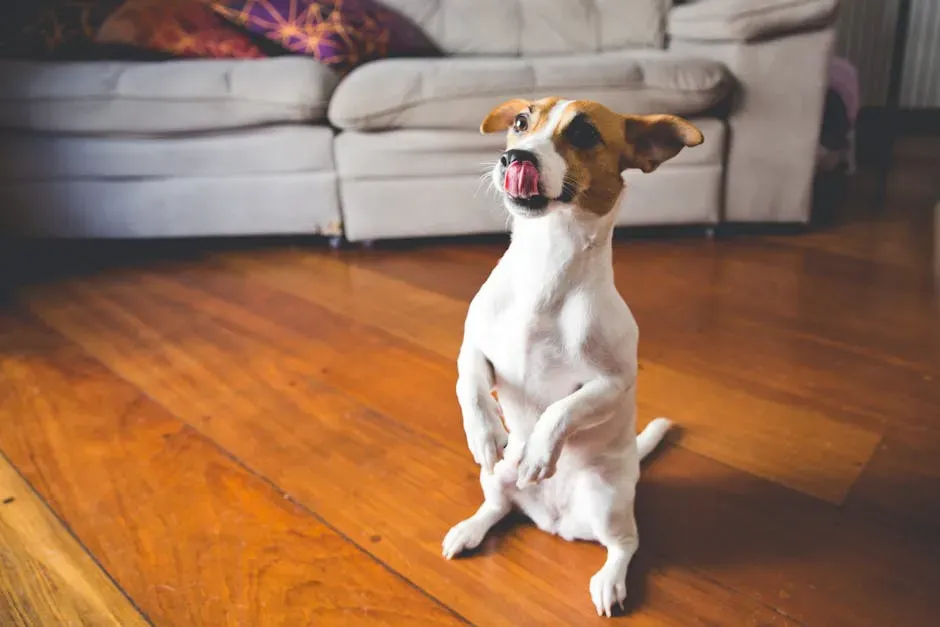
Let’s be real, this is the one we all know best. Your dog spots you near the treat cupboard and suddenly you’ve got two eyes burning into the back of your skull. As one animal behaviorist explains, “We are the source of all good things for our dogs. They depend on us for all their food, daily enrichment such as walks, play, and training, attention including petting and praise, and comfort when they are fearful or anxious.”
Dogs may stare and paw at you to remind you to take them out. If your pup stares at you, paws at you, or walks towards the door, it’s time to leash them up, grab a poop bag, and take a quick potty break. It’s their polite way of saying, “Excuse me. Nature is calling, and I’d rather not handle this indoors.”
Here’s a practical tip though: watch out for accidentally reinforcing the behavior. Whether it’s reaching for the treats, taking them for a walk, or offering them a cuddle, dogs will quickly learn there is a cause and effect rule involving their ability to keep eye contact with their owner. If you reward them with treats and attention every time they sit and stare at you, they’ll keep doing it to get what they’re after. You’re not just feeding a dog – you’re accidentally training one.
5. They’re Picking Up on Your Emotions and Trying to Help
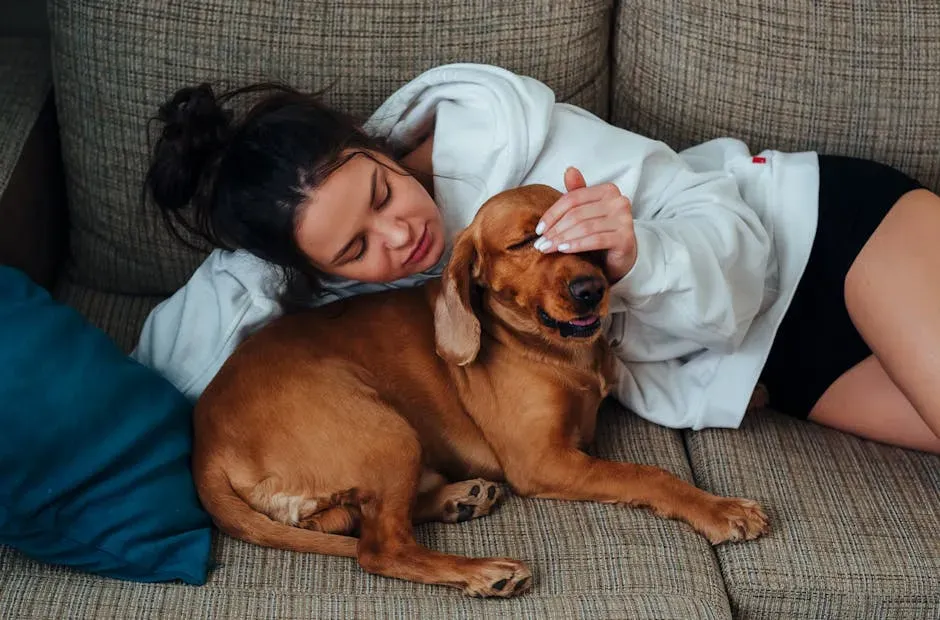
Ever had a rough day and noticed your dog glued to your side, staring up at you with those soft, concerned eyes? That’s not just coincidence or boredom. Some dogs are in tune with their pet parents’ body language. They may ask for attention from you when you’re relaxed and avoid you when you appear tense and angry. Some dogs may also try to approach and provide comfort when you appear sad or upset.
When your dog stares at you, it’s trying to understand various things about you, like your habits, body language, facial expressions, and tone of voice. Your dog will also stare at you to gauge how you’re feeling. If you’re moping around the house, your dog will likely be able to pick up on that negative energy and possibly try to comfort you.
It’s a kind of emotional intelligence that we humans often underestimate in our dogs. Research shows that dogs can read human facial expressions and often mirror our emotions. Your dog’s stare might be their way of gauging your mood or seeking emotional connection. This sophisticated form of communication demonstrates just how deeply dogs understand human behavior and social cues. Your dog is, in many ways, your most attentive friend.
6. It Could Be a Warning Sign Worth Taking Seriously
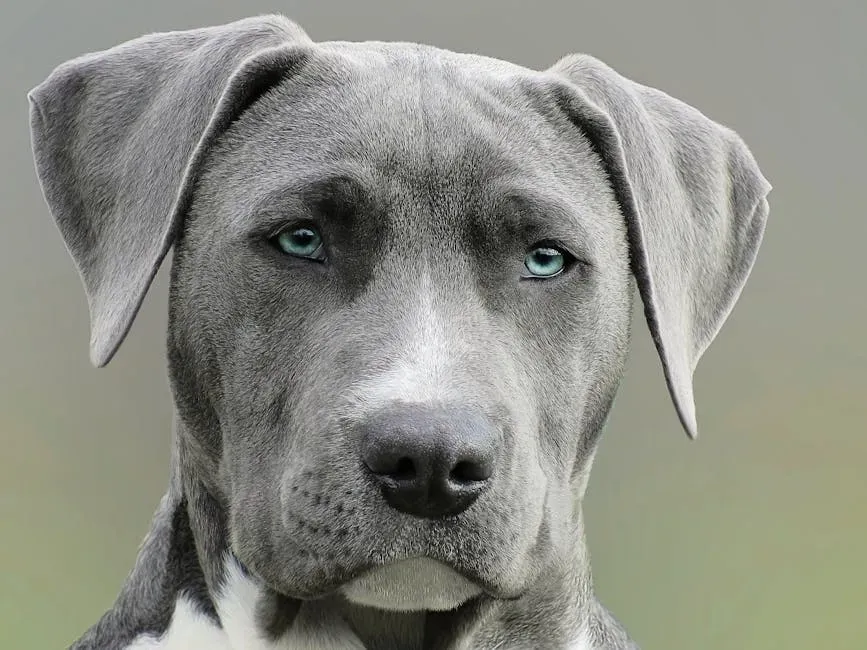
Not every stare is warm and fuzzy. Sometimes, a hard, unblinking stare is your dog’s way of saying something is very wrong – either in how they feel physically, or in the situation around them. In some cases, your dog might be staring at you in a pleading way. If they’re hurt or sick, they might be staring in the hope that you’ll notice their discomfort. If your dog is less active than usual and their stare seems glassy-eyed or unfocused, check for signs of injury or illness.
If your older dog is staring constantly at you with no apparent reason, this behavior could be a sign of an illness known as Cognitive Dysfunction Syndrome in dogs. Wandering around aimlessly, forgetting basic commands, and looking disoriented in familiar settings are other signs that your dog might be suffering from cognitive decline. Don’t brush this off, especially in senior dogs.
Then there’s the aggressive stare, which feels very different. An intense, focused stare with tense body language might signal dominance, aggression, or extreme focus on something they want. Hard stares typically involve direct eye contact without blinking, rigid posture, and potential signs of stress or arousal. If you ever see this paired with a stiff body and a still tail, give your dog space and consult a professional behaviorist. Your instincts are right on this one.
A Final Thought: Learn the Language of the Gaze
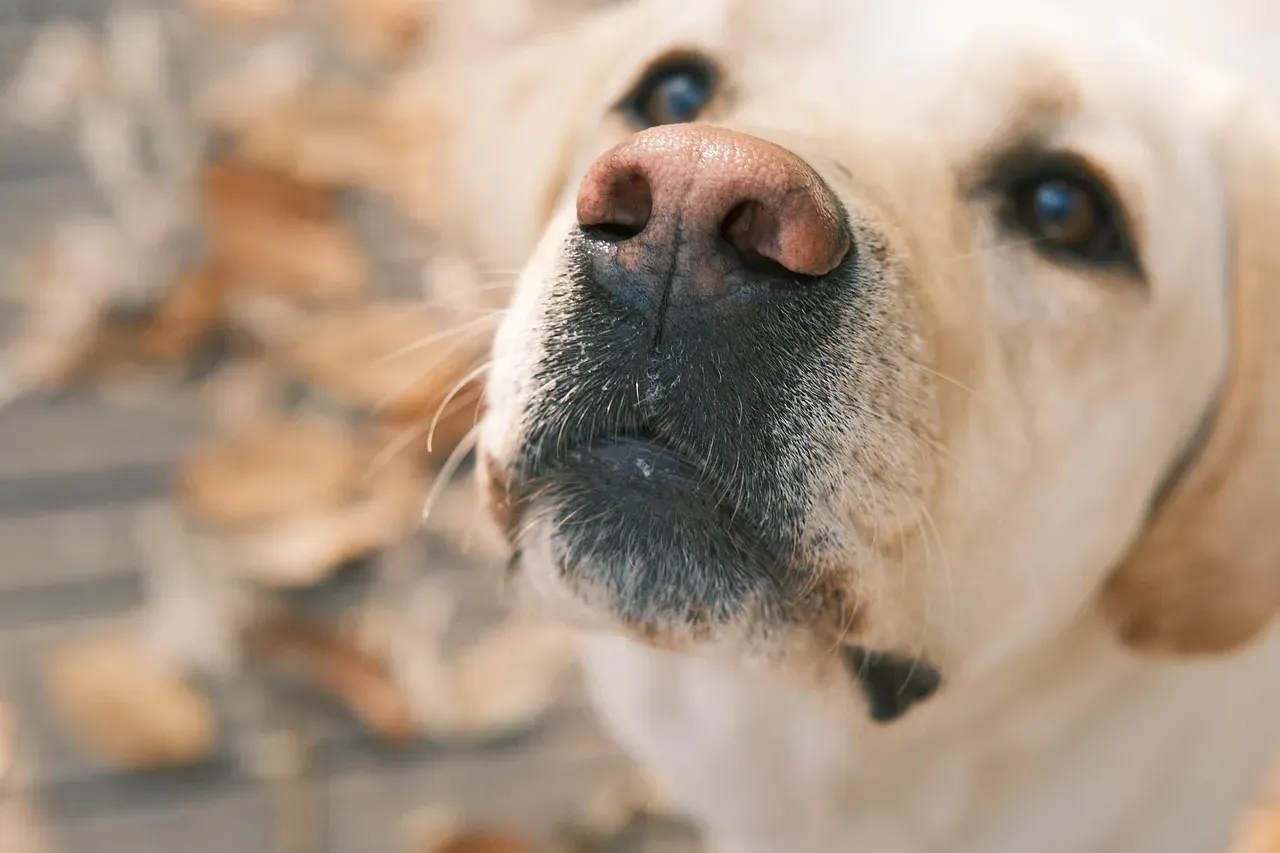
Your dog’s stare is one of the most honest, layered forms of communication you’ll ever receive from another living creature. Recognizing the meaning behind your dog’s stare strengthens your relationship and improves communication between you and your canine companion. Each stare represents an attempt at interspecies communication that deserves thoughtful consideration.
The next time your dog locks eyes with you, slow down for a second. Take in their whole body. Are they relaxed, soft, and wiggly? That’s love. Alert and focused near the door? That’s a request. Tense and rigid? That’s a warning. If you pay attention to what is going on when your dog locks eyes on you, you can get a sense of why they’re staring at you. Paying attention to their body language will give you additional clues about why they’re following you with their eyes. Take note of what you’re doing at that moment to figure out what draws their attention.
Dogs have been studying us for thousands of years. Maybe it’s time we started paying them the same kind of attention. After all, the relationship you build with your dog is a two-way conversation, even if only one of you uses words. So the next time those eyes find yours across the room, stare back. You just might feel it too – that warm, unmistakable rush of connection. What do you think your dog is really trying to tell you? Share your experience in the comments!


