
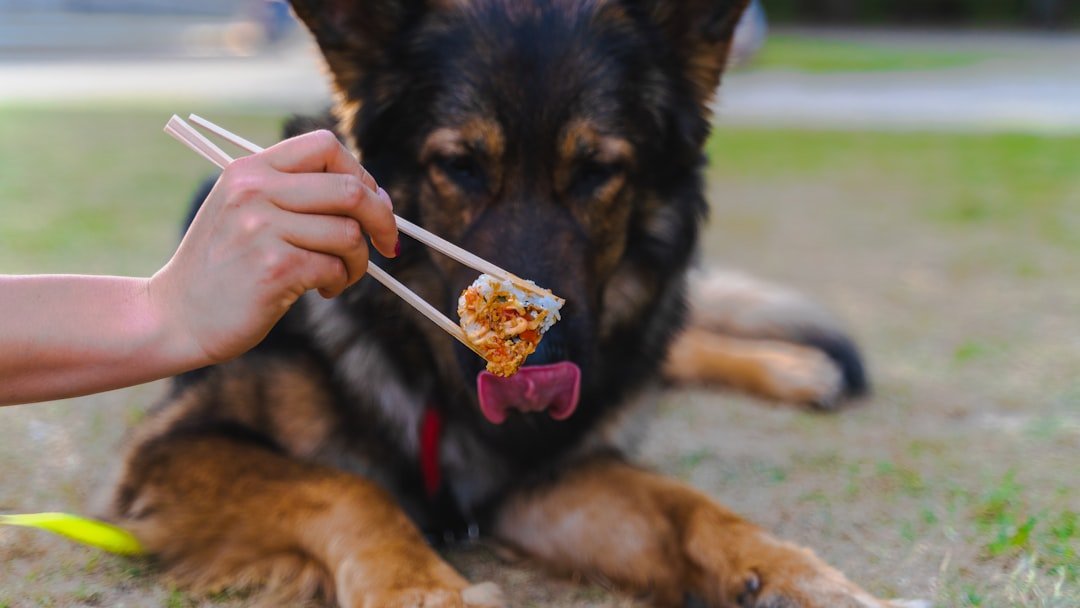
Picture this: your dog, who once nearly knocked you over sprinting to their food bowl, now walks up slowly, sniffs their meal, and just… walks away. No dramatics. No barking. Just a quiet, bewildering rejection that leaves you standing there holding an empty scoop, wondering what on earth went wrong.
You’re not imagining it. And you’re definitely not alone. Millions of dog owners face this exact head-scratching moment every year, and honestly, the answer isn’t always obvious. Sometimes it’s simple. Sometimes it’s a sign of something deeper. Let’s find out what’s really going on.
1. They May Be Telling You Something Hurts
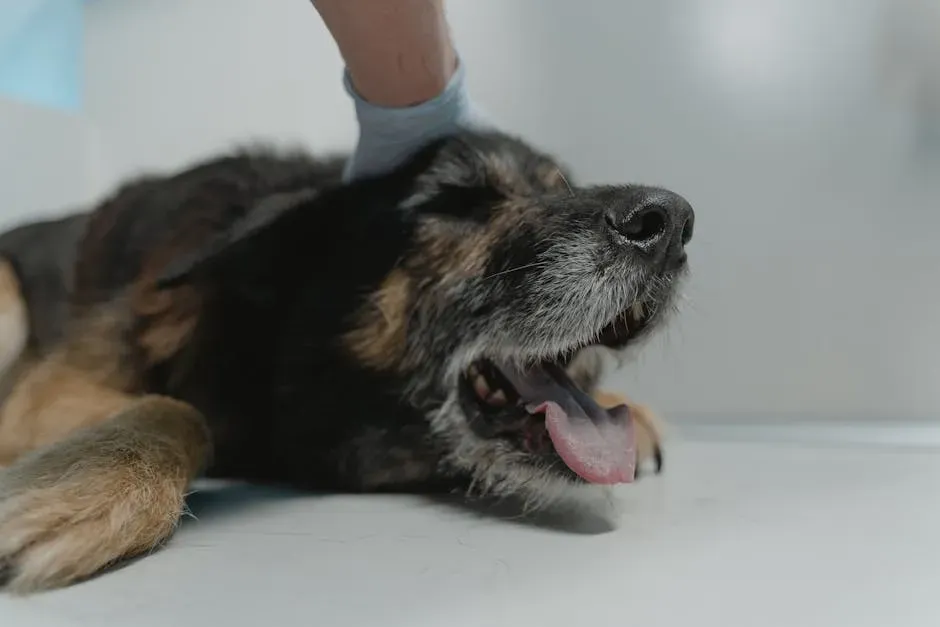
Here’s the thing most people don’t think about first: a dog who suddenly stops eating could be in pain. Dental problems, including loose teeth or missing teeth, can cause dogs to eat less and become picky eaters, and dogs with toothaches, fractured teeth, or infections are going to be less inclined to eat, particularly dry food. Think about it like this – would you eagerly dive into a crunchy granola bar with a cracked molar? Absolutely not.
Dental disease can be painful and lead to a dog not wanting to eat, and it can even occur below the gum line, making it invisible to the naked eye – so even if your dog’s teeth look fine, an oral exam is a good idea. Watch for pawing at the mouth, dropping food while chewing, or choosing to eat only the soft bits. Those are real red flags worth acting on.
2. Stress and Emotional Upheaval Are Messing With Their Appetite
Dogs are incredibly attuned to their surroundings, and emotional shifts, environmental disruptions, and even subtle changes in routine can all influence appetite – what looks like pickiness may actually be your dog’s way of processing stress. That move to a new home, the new baby, a different work schedule – your dog feels all of it, even when you think they’ve settled in fine.
Stress, absent pet owners, or social and emotional upheaval to a dog’s daily routine could explain why your dog isn’t eating. Honestly, this one is easy to overlook because the trigger may have happened weeks ago. Give your dog extra reassurance, keep routines predictable, and be patient. Comfort goes a long way.
3. You’ve Unknowingly Trained Them to Be Picky
I know, I know – this one stings a little. Frequently, the cause of a dog’s pickiness isn’t the result of its behavior at all; it’s usually the result of humans feeding table scraps or too many treats. Every time you tossed your dog a bit of roast chicken from the dinner table, you were essentially telling them: “Better stuff is coming. Just wait.”
While it’s fine to reward your dog for good behavior, too many treats can spoil their appetite at mealtime, and if you keep offering them to get them to eat, that sends the wrong message – you’re telling your dog they can hold out for something better. It’s a bit like a toddler who knows that if they resist the broccoli long enough, dessert appears. Same psychology, different species.
4. The Food Itself Might Have Changed Without You Realizing
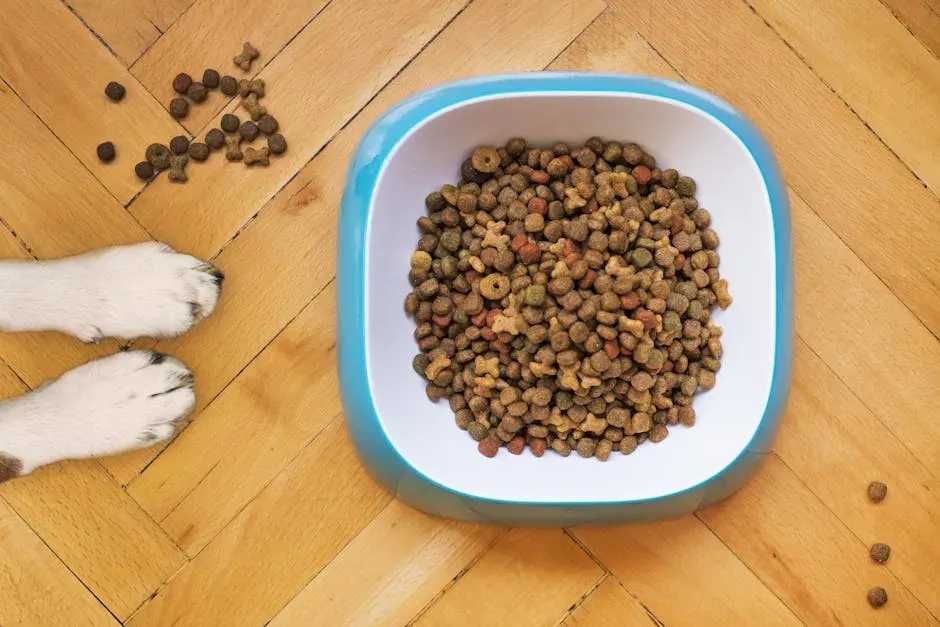
If your dog was a good eater but has suddenly stopped, something may have changed with their regular food – is it spoiled? Does it smell odd? Does it look different? Manufacturers sometimes quietly reformulate recipes, change protein sources, or adjust flavor profiles. Your dog’s nose, which is extraordinarily sensitive, will catch that shift immediately, even when you notice absolutely nothing.
Always check the batch number and expiration date on your dog’s food bag. Environmental factors that can disrupt normal appetite include dietary changes to unfamiliar food or food that is spoiled. Store kibble in a sealed, airtight container away from heat and light. A bag left open too long can go stale fast, and your dog has every right to turn their nose up at that.
5. They’ve Developed a Food Sensitivity or Allergy
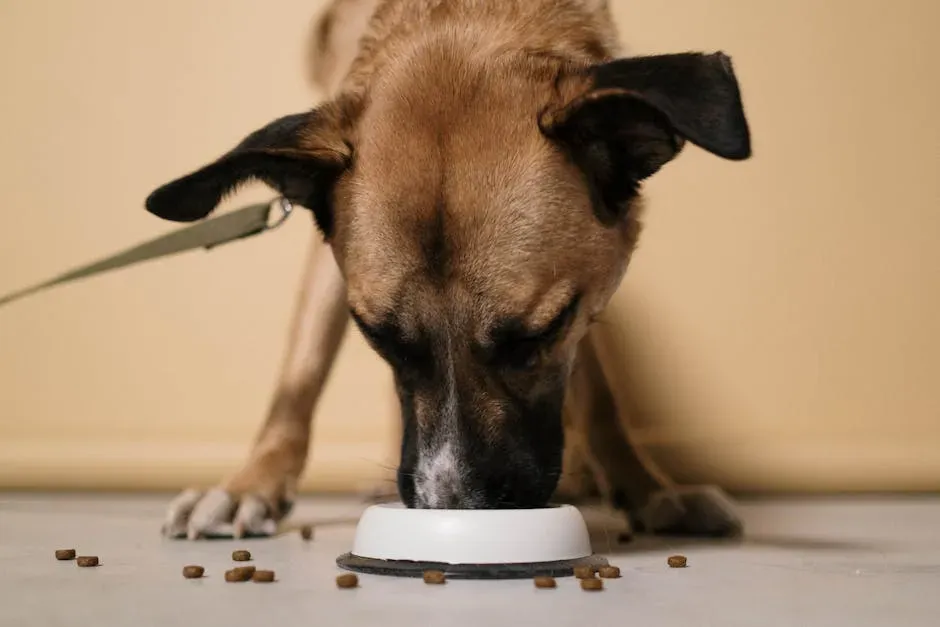
Food allergies can trigger selective eating behavior in dogs, and if a dog struggles with an upset stomach, skin irritation, or other allergic reactions, it may indicate food intolerance. What makes this especially tricky is that your dog may have eaten the same food for months before the sensitivity developed. Allergies don’t always show up on day one.
The most common dog food sensitivities are beef, dairy products, chicken, wheat, and lamb, while less commonly reported sensitivities include soy, corn, egg, pork, fish, and rice. Watch for itchy skin, recurring ear infections, or digestive issues alongside the food refusal. If those signs appear together, it’s time for a vet conversation and possibly an elimination diet.
6. Plain Boredom With the Same Old Bowl
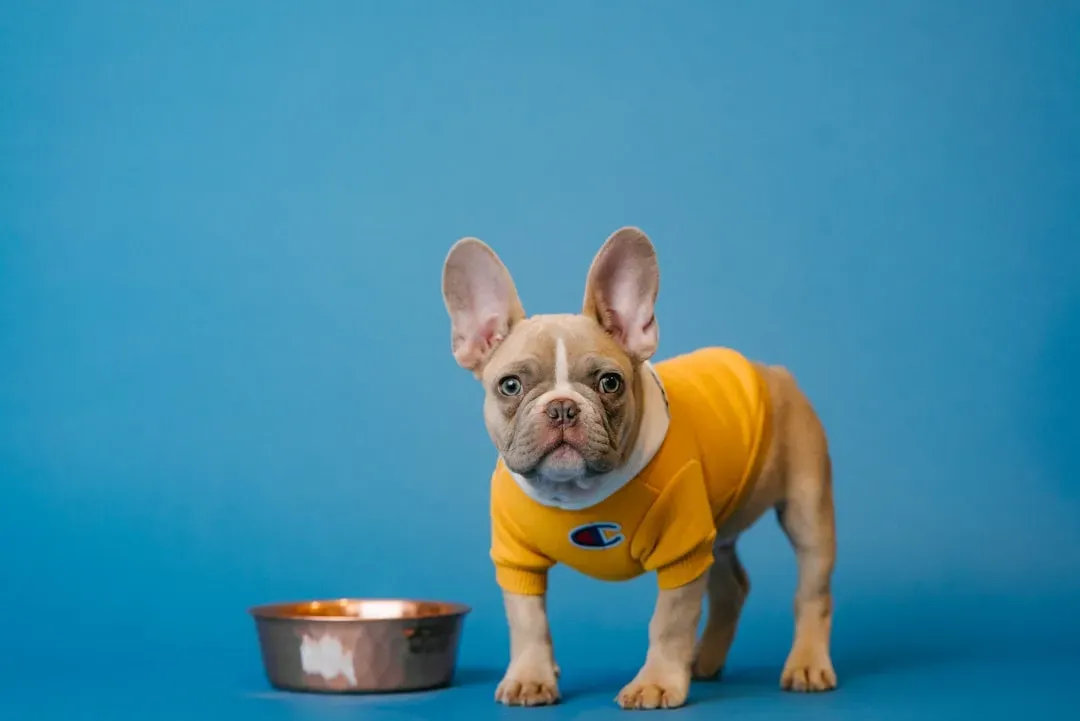
If you’ve run through all of the possible reasons your dog has become a picky eater and none of them seem to fit, the reason may simply be that they’ve gotten bored with the same flavor or texture of food. Dogs are sensory creatures. Eating the exact same kibble twice a day, every single day for years? Even the most laid-back pup might eventually check out.
If your dog is tired of their usual food, try rotating flavors within the same brand family – but be slow and intentional about it, gradually mixing the familiar flavor with the new one to prevent an upset stomach. You can also try warming the food slightly or adding a small splash of warm low-sodium broth. Warm foods release more chemical compounds into the air and give off more aroma, which can make even the same old kibble feel like a brand new meal.
7. A Lurking Medical Condition Is Stealing Their Appetite
If your dog experiences a sudden change in appetite, stops eating altogether, or has other symptoms like vomiting or diarrhea, it could be a sign of an underlying health problem or illness. Kidney disease, for example, is a serious culprit. Elevations in kidney values such as urea can make your dog feel unwell and directly affect their appetite. That’s not pickiness. That’s their body struggling.
If your dog suddenly becomes finicky with no previous signs of this behavior, a medical disorder could be the issue – observe your dog for vomiting, diarrhea, sluggishness, or loss of weight. As a general rule, you should consult your veterinarian if your dog experiences a significant appetite change that lasts longer than 12 to 24 hours and doesn’t return to normal. Don’t wait on this one. Early intervention makes all the difference.
8. Their Medication Is Killing Their Appetite
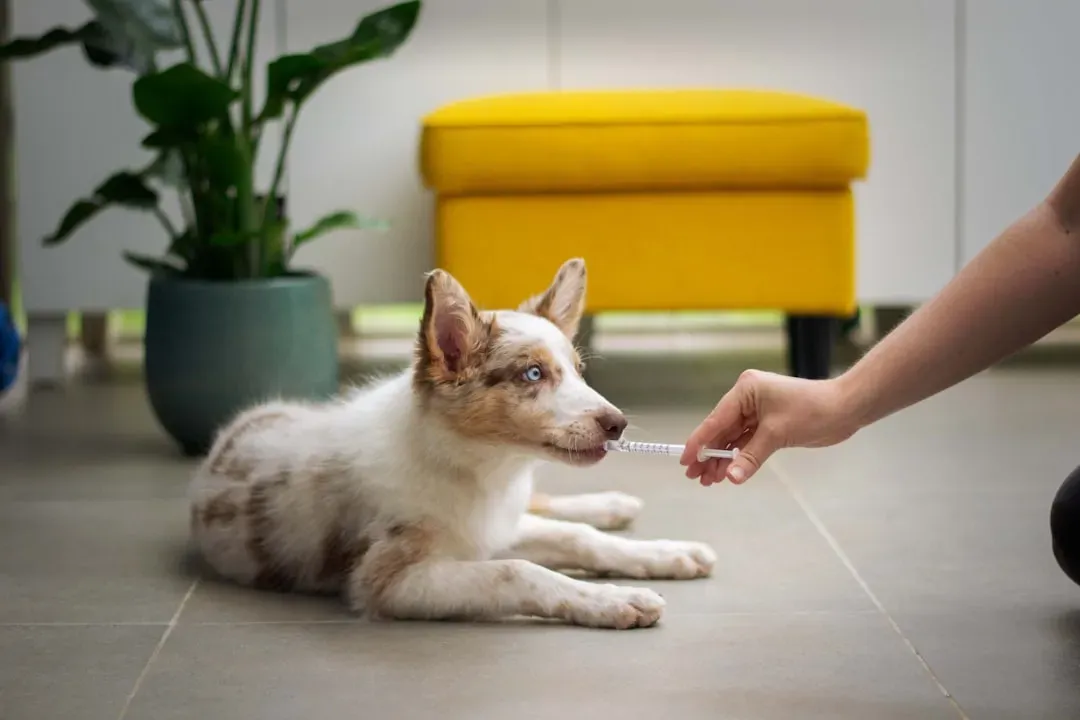
When considering the reasons your dog has become a picky eater, always think about medications – if your dog is on a new medicine, there’s a significant chance that could be the culprit behind their changed eating habits. This is one of those causes that gets overlooked surprisingly often, especially if the medication was introduced gradually or started weeks before the appetite shift was noticed.
Many side effects of medications, either over the counter or prescribed, can lead to a decreased appetite. If you’ve recently started a new treatment plan for your dog, flag it with your vet right away. Schedule an appointment as soon as possible if you think medication is the cause, because your vet should thoroughly understand your dog’s unique medical conditions and can help you find a solution that fits precisely. There may be a simple workaround, like giving medication with a small amount of food.
9. Age Is Changing How They Experience Food

As dogs age, they can experience a decline in their ability to smell and taste, just as their vision and hearing might become diminished. When your senior dog sniffs their bowl and walks away, they may not be being difficult. The food might simply not smell as rich or enticing as it once did. It’s a quiet, invisible shift that breaks your heart a little when you understand it.
Healthy senior dogs have a lower calorie requirement than younger pups, so you may notice a slight decrease in appetite as your dog gets older. Senior dogs might need their food bowl elevated for easier reach, and your vet can suggest ways to make eating more comfortable for your older pup. Small accommodations like warming food, using a raised bowl, or adding a tasty food topper can make a massive difference in your older dog’s willingness to eat.
What to Do When Your Dog Turns Up Their Nose
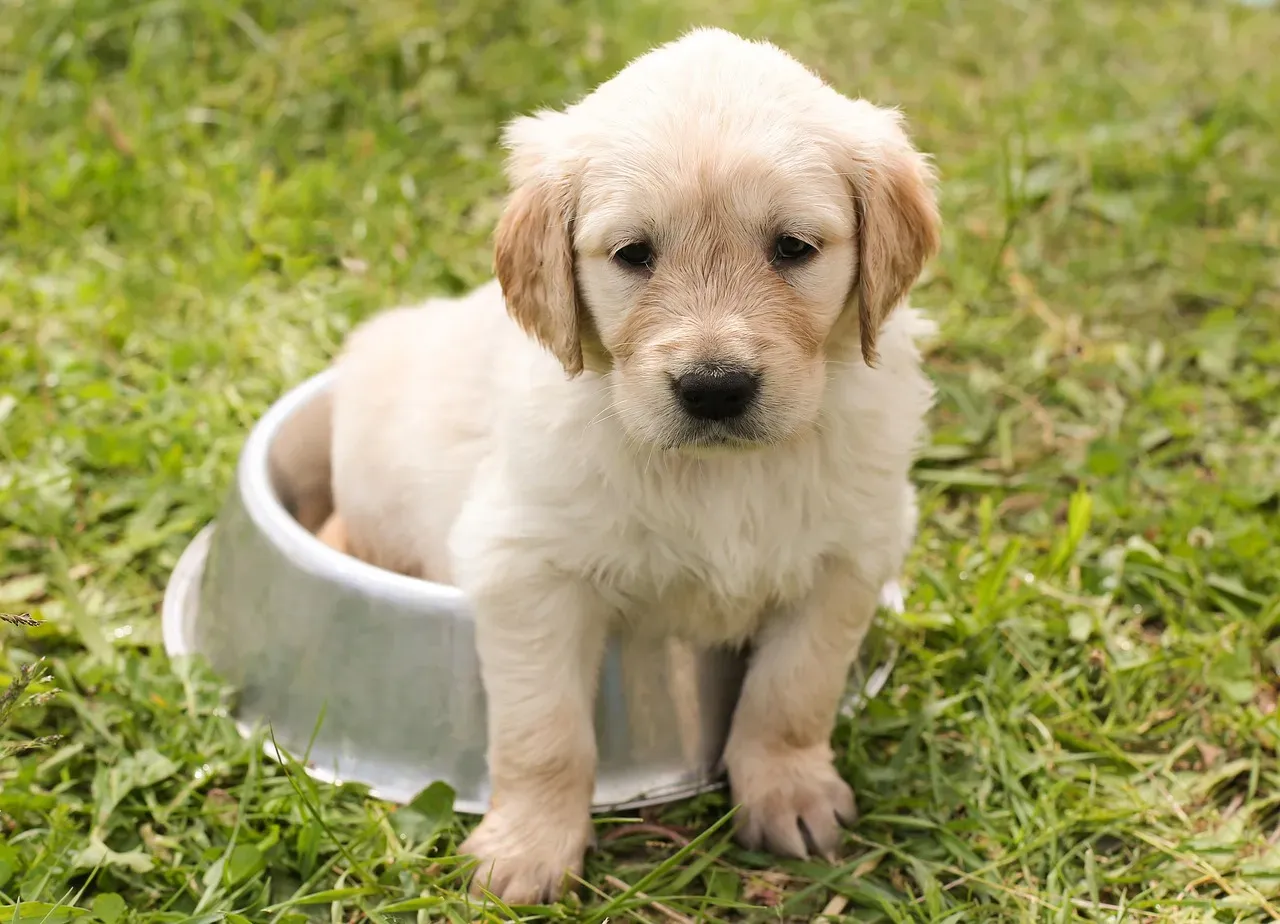
The first step is always observation. Is it a one-meal skip or a multi-day refusal? A normally enthusiastic eater refusing food is concerning, as appetite loss can be an important clue that the dog is unwell. Track any other symptoms: lethargy, changes in thirst, digestive upsets, or weight loss. These details matter enormously at the vet’s office.
To avoid picky eating behavior, experts recommend creating a consistent feeding routine: setting and sticking to a mealtime schedule, leaving food out for no longer than 15 to 20 minutes, and not giving any food or treats until the next scheduled feeding time. Consistency is your single most powerful tool here. Structure tells your dog that mealtime is mealtime, not a negotiation.
If your dog refuses food for more than 24 hours, or if they’re also showing other signs of illness, reach out to your vet without delay. A poor appetite or appetite loss in a dog is not a death sentence – it might require diagnostics, but early intervention significantly increases the chances of resolving the issue. You know your dog better than anyone. Trust that instinct.
Your dog isn’t trying to frustrate you. They’re communicating, in the only way they know how, that something has shifted, whether it’s physical, emotional, or simply sensory. The fact that you’re reading this article means you already care enough to figure it out. That, right there, is what being a great dog parent actually looks like. Now go check that food bowl. What do you think might be behind your pup’s sudden mealtime attitude? Tell us in the comments!


