
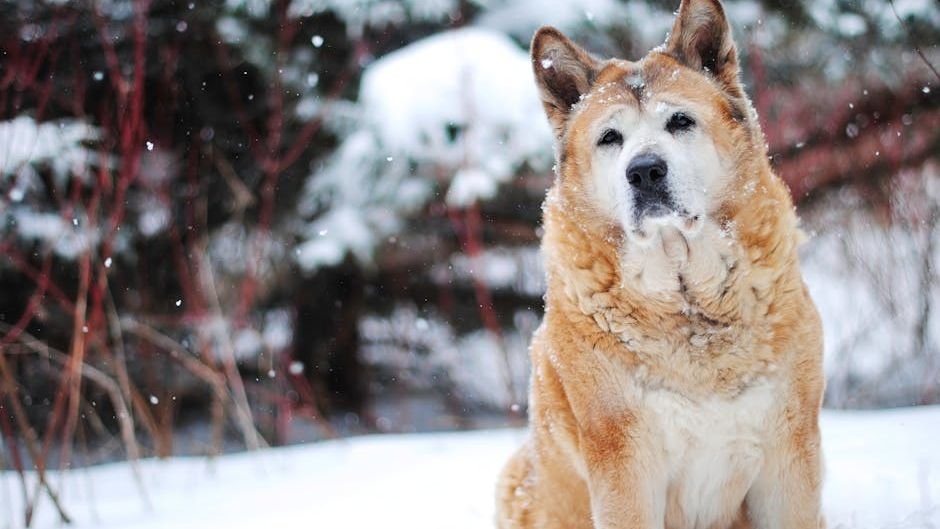
There’s something almost magical about watching a dog absolutely lose their mind with joy the moment snow hits the ground. Spinning in circles, nose-diving into drifts, refusing to come inside. While your thin-coated Chihuahua might be trembling on the doorstep, some dogs treat a blizzard like a birthday party they’ve been waiting for all year.
Not every dog is built for winter, though. Dog breeds that originated in cold, snowy, mountainous regions developed traits over centuries to help them withstand harsh climates, with thick insulating double coats, strong muscles, and impressive stamina allowing them to work and thrive in frigid conditions. The difference between a dog that tolerates cold and one that genuinely thrives in it is enormous. Let’s dive into the ten breeds that were practically born for snowflakes and frozen trails.
1. Siberian Husky: The Ultimate Snow Dog
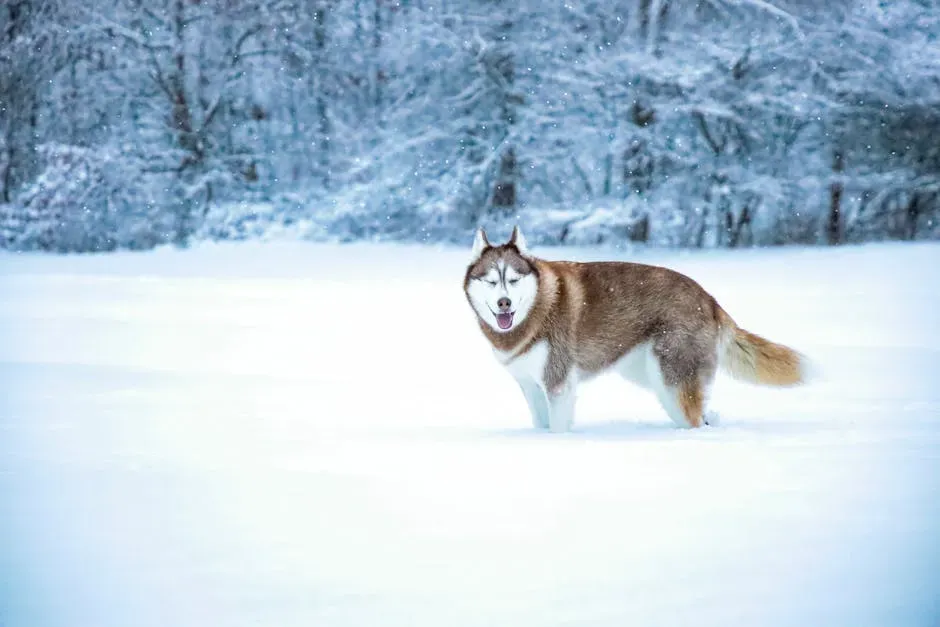
Let’s be real, when most people picture a snow dog, this is the face they see. Siberian Huskies are what most people think of when they say snow dog breeds. Once bred by the Chukchi people in Siberia to pull sleds across frozen desolation, these dogs don’t just withstand cold – they prefer it. That’s not a small distinction. It’s in their DNA.
Siberian Huskies served a variety of cold-weather purposes, including pulling sleds, herding reindeer, and keeping kids warm in sub-zero weather. Incredibly versatile. Siberian Huskies are intelligent, high-energy, and a bit mischievous, and they need an experienced, active pet parent who enjoys outdoor adventures as much as they do. Think of them as the marathon runners of the dog world – they need a lot of room to stretch those incredible legs.
2. Alaskan Malamute: The Powerhouse of the North
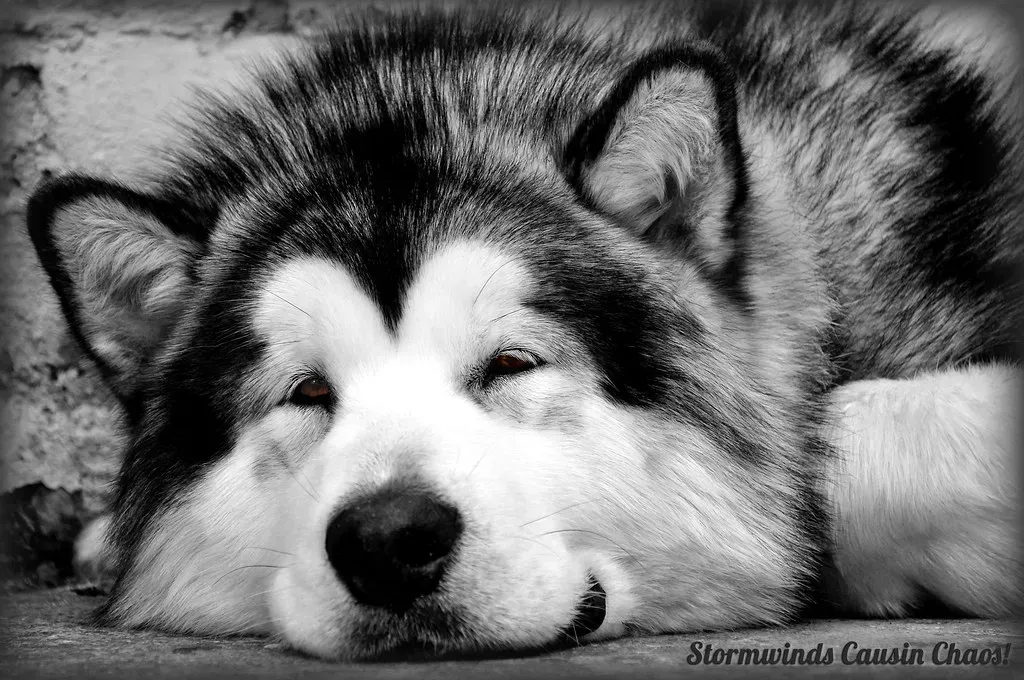
Tough, strong, and so, so fluffy, the Alaskan Malamute was bred to live, work, and thrive in some of the harshest and coldest climates. They are the largest of the Arctic sled dogs, and as one of the classic snow dog breeds, they have a dense double coat that keeps them warm when the temperatures fall. If the Husky is the marathon runner, the Malamute is the heavyweight champion.
Known for their strength and endurance, Malamutes were bred for heavy sled pulling in harsh Arctic conditions. Their thick double coat and robust build make them well-suited for winter adventures, from long hikes to playing in the snow. Malamutes are also incredibly loyal and affectionate, making them wonderful companions during cozy evenings by the fire after a day of outdoor fun. Two moods: hauling through snowdrifts or curled up beside you. Honestly, same.
3. Samoyed: The Smiling Cloud with Legs
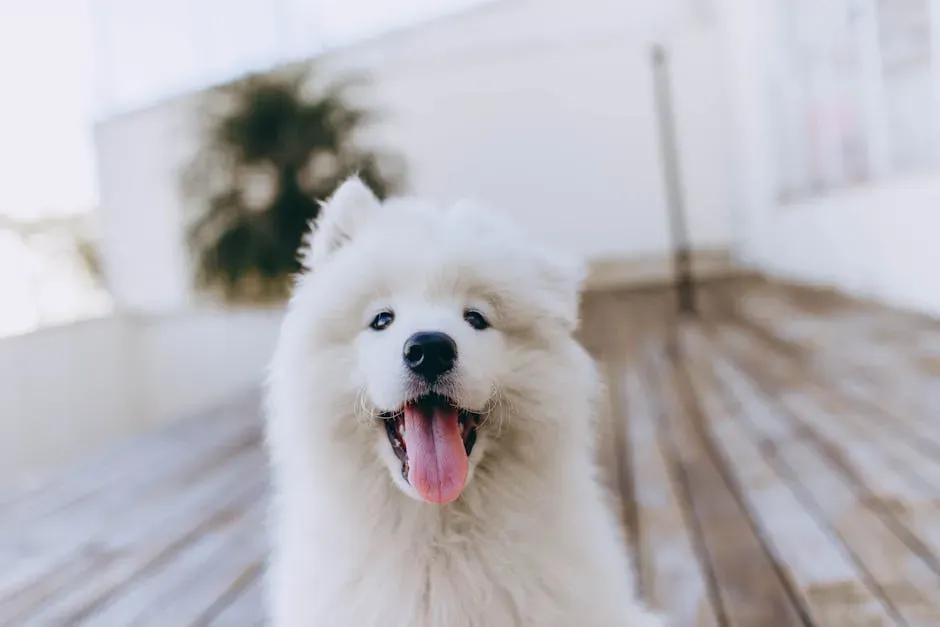
If you’ve ever seen a Samoyed and thought “that looks like a cloud with legs,” you’re not wrong. These dogs for cold weather have some of the fluffiest coats around, and they come with what people call the “Sammy smile” – they literally look like they’re smiling all the time. There’s a reason this breed goes viral constantly. They’re almost unrealistically cute.
Here’s the thing – that smile isn’t just adorable, it’s actually functional. The Samoyed’s sweet, upturned mouth is more than just an adorable physical feature; it’s necessary to prevent icicle formation in frigid temperatures. Nature is genius sometimes. Their fluffy double coat has a soft underlayer that can measure nearly two inches thick and keeps body heat trapped close to the skin, allowing them to survive in temperatures as chilly as -40°F. That’s not a coat – that’s armor.
4. Bernese Mountain Dog: The Gentle Giant of the Alps
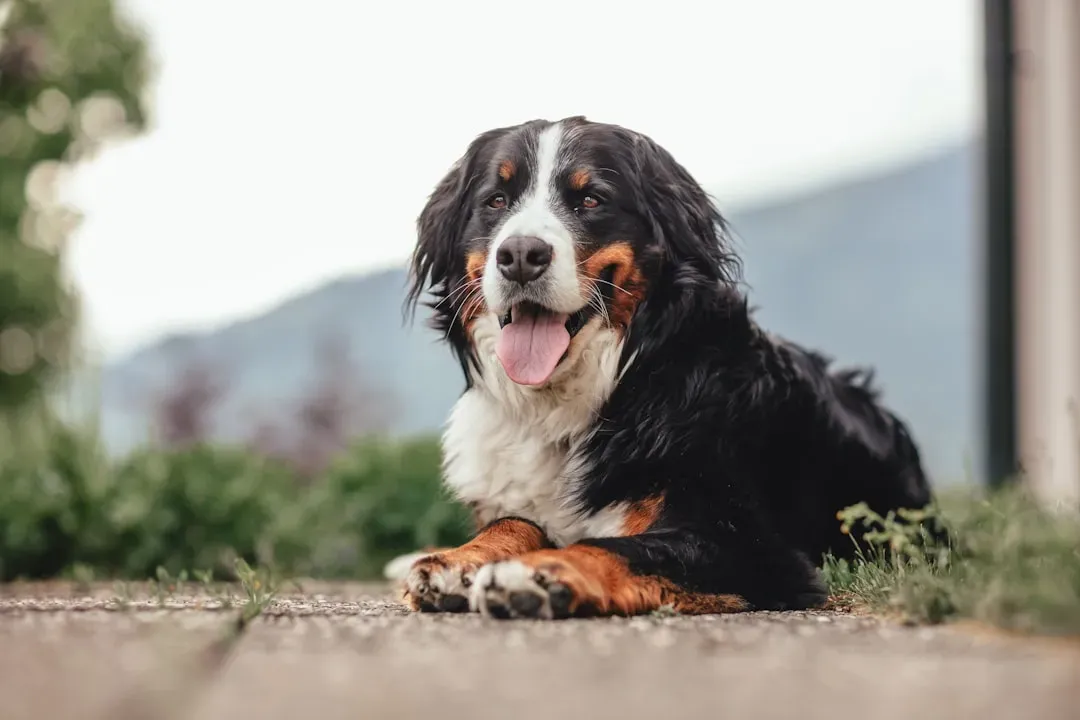
Bernese Mountain Dogs are gentle giants with a love for cold weather. Originally bred in the Swiss Alps, they were used as farm dogs to pull carts and herd livestock. Their thick, tri-colored coat provides excellent insulation against the cold, and their calm yet playful temperament makes them perfect for snowy adventures. Picture a dog that could do a full day’s farm work and then snuggle your toddler to sleep. That’s a Berner.
Bernese Mountain Dogs thrive in cold weather thanks to their brawny stature and silky brown-and-white coat. They love the outdoors and are always down for a hike or camping trip. Berners are friendly, affectionate dogs who are great with children and become deeply attached to their pet parents. Just keep in mind – Bernese Mountain Dogs don’t require as much exercise despite their size, but they do have a relatively low life span compared to other dogs on this list. Love them extra hard while you can.
5. Saint Bernard: The Legendary Alpine Rescuer
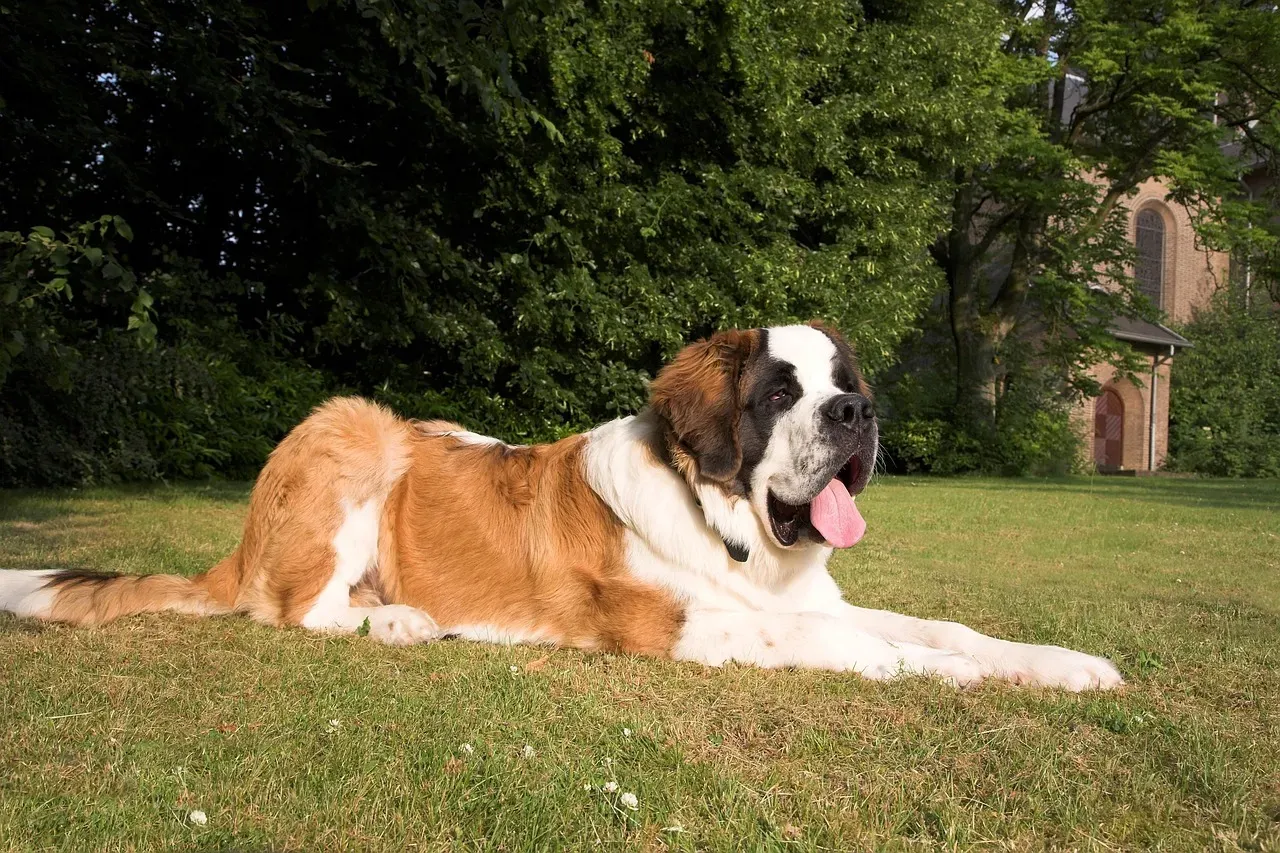
Saint Bernards have been used for centuries as search-and-rescue dogs, finding people buried in the snow. According to Smithsonian Magazine, St. Bernards saved around 2,000 people in a 200-year span, not only by rescuing them from avalanches and snow drifts but also by keeping the injured warm by lying on top of them with their big bodies and thick coats. If there’s a more heroic dog in history, I’d genuinely like to know about it.
Today’s Saint Bernards still have all that cold-weather capability built right in. They’re gentle giants who can weigh over 150 pounds and love kids. Unlike some of the more energetic winter dogs, Saints are pretty chill indoors. They’re the kind of dog that makes a perfect couch anchor on a blizzard day, and that’s a gift in itself. Saint Bernards make excellent family dogs thanks to their gentle, calm demeanors.
6. Newfoundland: The Gentle Canadian Giant
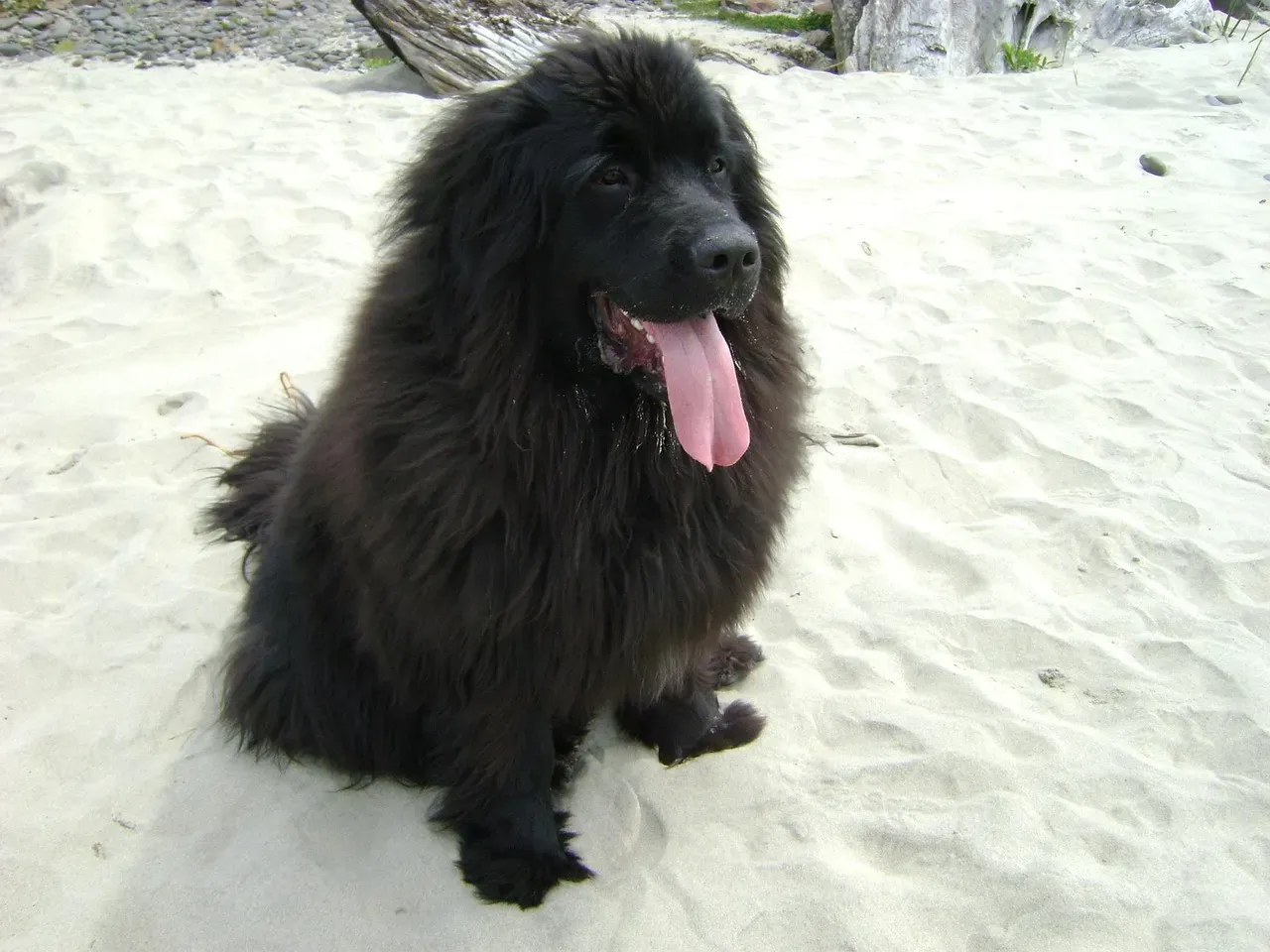
You might think of Newfoundlands as water dogs, and you’d be right. But they’re just as spectacular in the snow. Newfoundlands might seem like an odd choice for a list of snow dog breeds since they’re famous for water rescue, but these Canadian giants have thick, water-resistant coats that work just as well in snow as in icy water. They were bred in Newfoundland, where they dealt with both freezing ocean water and harsh winters.
What makes Newfies special is their temperament. They’re incredibly gentle and patient, especially with kids. Unlike the high-energy sled dogs, Newfoundlands are pretty calm and don’t need extreme amounts of exercise. They’re one of the best cold-weather dogs for families who want a winter companion without the intensity of breeds like huskies. Honestly, if you have young children and a snowy backyard, a Newfie might be your dream match.
7. Akita: Japan’s Noble Snow Dog
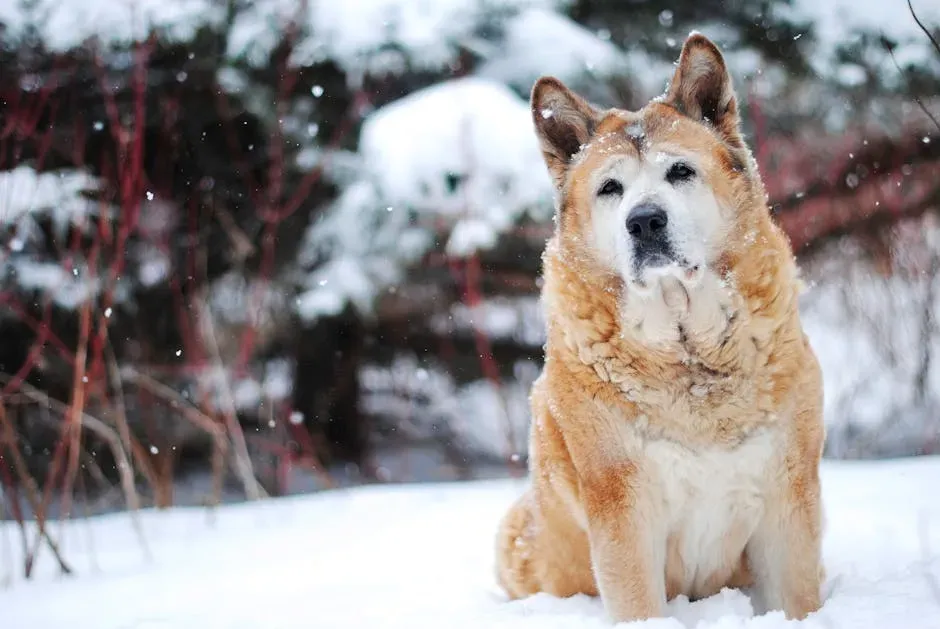
Originally from a snowy mountain region in Japan, Akitas were once prized as dogs of nobility. They’re also known as “snow country dogs” because of their love for cold weather; once the temperature drops, these dogs are happiest outside. There’s something almost regal about watching an Akita in fresh snow. They carry themselves like they own the mountain.
Bred by the Matagi people to hunt large game like bears and to guard homes, the Akita is strong, courageous, and able to thrive in harsh winter conditions. Muscular and powerfully built, Akitas have a dense, medium-length coat that provides excellent insulation against the cold. They’re also deeply loyal – fiercely devoted to their families. Akitas are introverted and more than happy to cozy up with you on the couch after a winter hike through the snow. A dog of contrasts, and all the better for it.
8. Great Pyrenees: The Majestic Mountain Guardian
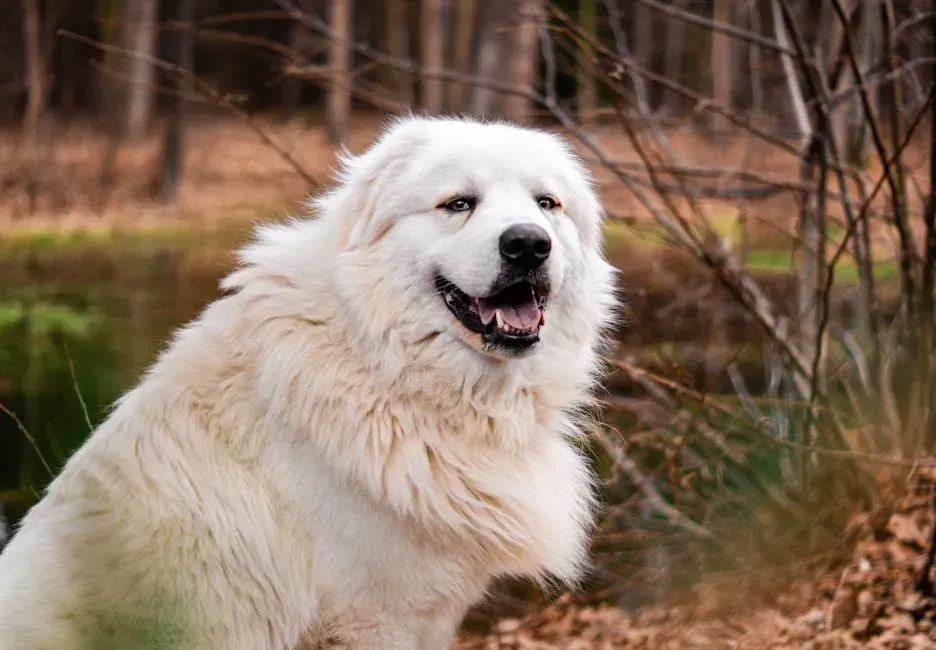
The Great Pyrenees is a large working dog from the Pyrenees mountains between Spain and France. Though not of Arctic origin, this dog is built to navigate snowy terrain, where they historically guarded livestock from predators. Imagine a dog spending nights alone on a freezing mountain, protecting a flock from wolves. That’s where this breed comes from.
Their thick, double coats are shockingly easy to care for, as they’re naturally dirt- and tangle-resistant. That’s a pleasant surprise for such a large, fluffy dog. Great Pyrenees’ thick coats allow them to thrive in freezing temperatures and blend into winter landscapes. Despite their large size, Great Pyrenees are known for their gentle and calm nature, which sets them apart from many other guard dog breeds. They are incredibly loyal and protective, making them excellent guardians for families, especially those with children. A polar bear who adores your kids. What’s not to love?
9. Norwegian Elkhound: The Viking’s Faithful Companion
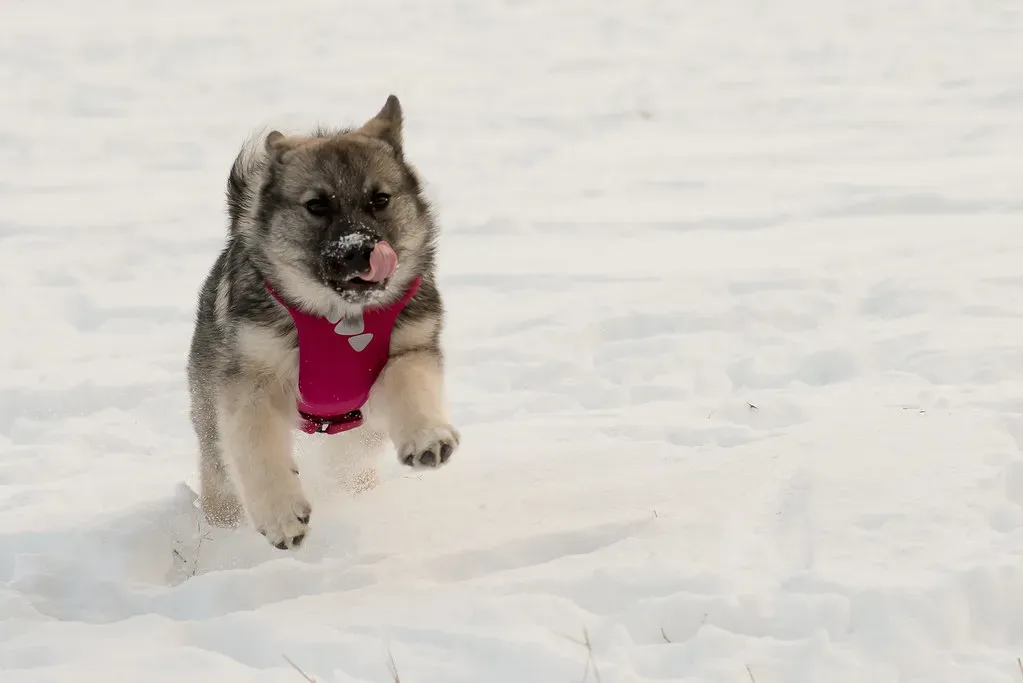
The Norwegian Elkhound has a deep history going back to Viking warriors of 5,000 B.C. That sentence alone should make you sit up a little straighter. The Norwegian Elkhound is one of Europe’s oldest breeds. These dogs acted as shipmates for the Vikings and guardians and herders for remote farms. They were also used to hunt large game like moose and wolves. This dog has been earning its keep for thousands of years.
Norwegian Elkhounds were bred to work outside in cold weather. Their smooth outer coats and woolly undercoats keep them comfortable in frigid temperatures. They are spirited, alert, and full of personality. Their history means they can have a lingering prey drive and may chase after smaller animals, such as squirrels, rabbits, or cats. Introductions to cats must be done with care, and pet parents should keep their Elkhound on a leash or within a fence when outside. Worth knowing before you bring one home to your cat household.
10. Tibetan Mastiff: The Ancient Himalayan Sentinel
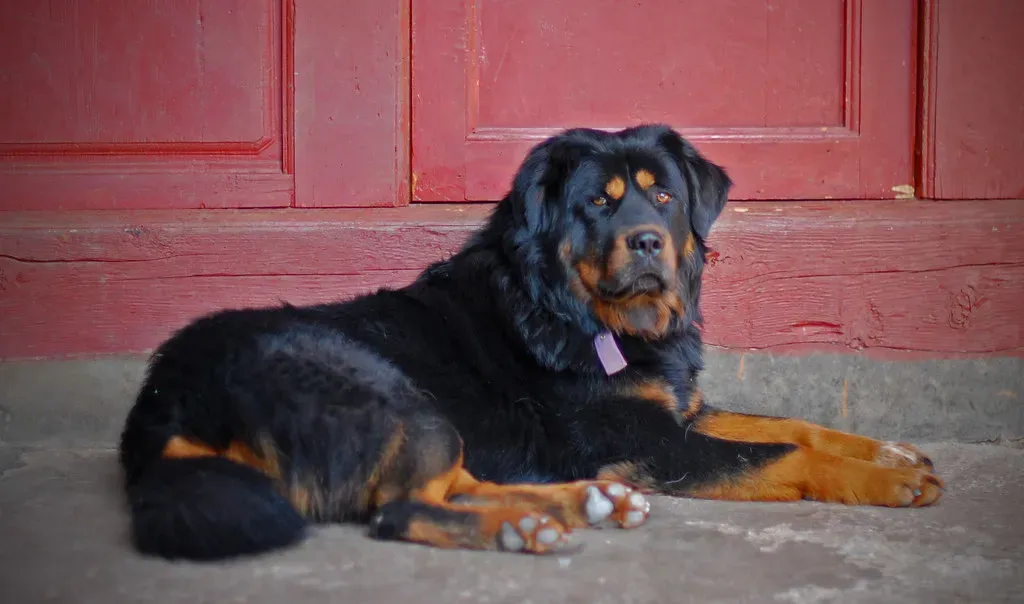
The Tibetan Mastiff is an ancient breed that spent thousands of years guarding homes and temples in Tibet, a region high in the Himalayas. Bred by nomadic peoples to withstand extreme altitudes and subzero temperatures, Tibetan Mastiffs developed a dense coat, imposing size, and protective nature. These dogs didn’t just adapt to extreme cold – they were shaped by it, generation after generation.
Despite their large size, Tibetan Mastiffs are known for their calm, gentle, and family-friendly nature, which sets them apart from other high-energy winter breeds. Tibetan Mastiffs have moderate energy levels, meaning they’ll happily romp and play in the snow during outdoor adventures but also enjoy curling up for a cozy nap indoors. This cold-weather dog can be wary of strangers and needs a pet parent who’s dedicated to proper training and socialization. Think of them as a big, fluffy, ancient guardian – one who takes their job very seriously.
A Final Thought for Every Snow-Dog Parent
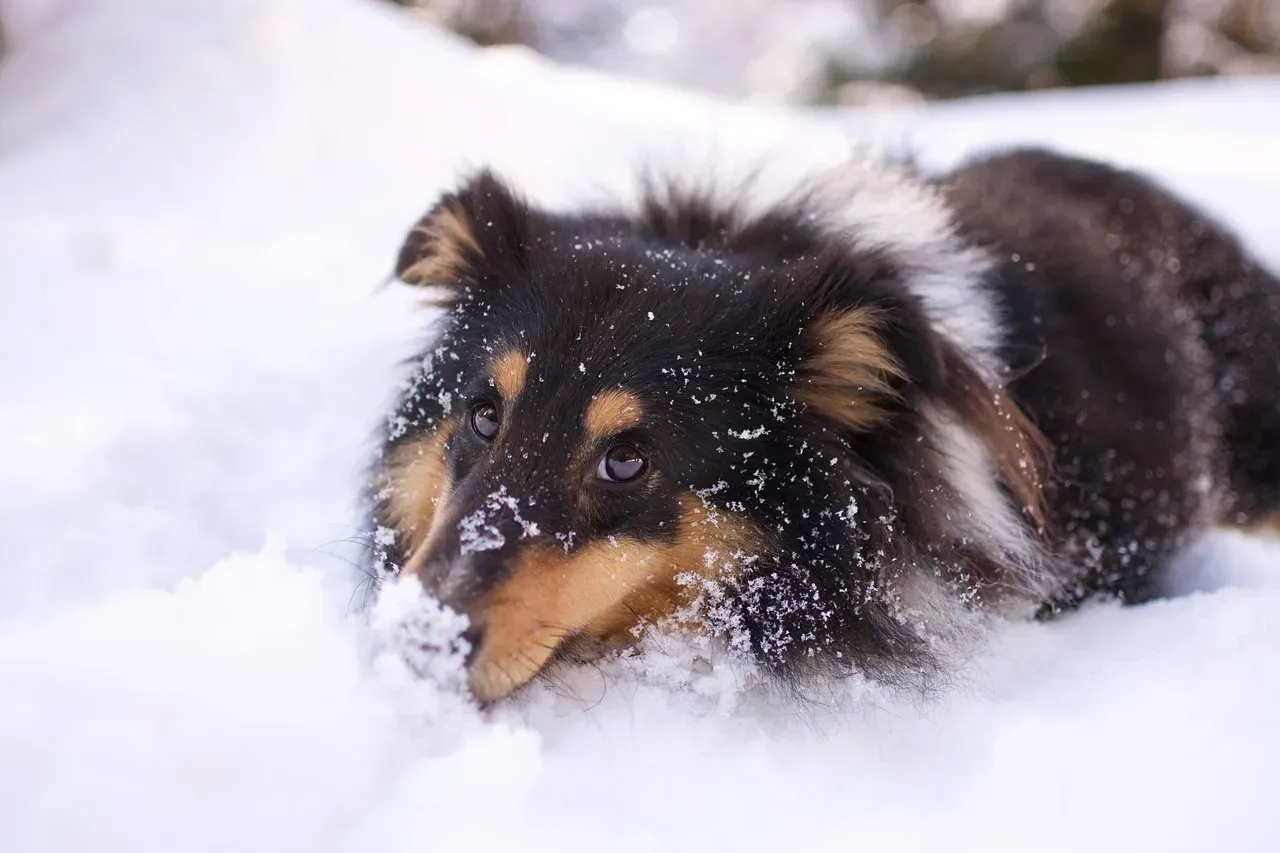
Whether you’re lacing up your boots for a winter trail run or watching snowflakes fall from your warm window, there is something deeply moving about sharing that season with a dog who genuinely loves it. These ten breeds don’t just tolerate the cold – they come alive in it. Their joy in the snow is contagious, and I think that says something beautiful about matching a dog to the life and climate you actually live in.
Pet parents should always be mindful of the temperature and never leave their dog outside when it’s too cold. Even the fluffiest snow dog can be exposed to frostbite or hypothermia. Love them fiercely, respect their limits, protect their paws from ice and salt, and give them the snowy adventures they were born for.
These dogs are not just cold-weather survivors. They are winter’s greatest fans. And honestly, watching a Samoyed launch themselves nose-first into a snowbank might just be the most purely joyful thing you’ll ever witness. Which of these snowy breeds stole your heart? Tell us in the comments – we’d love to know!


