
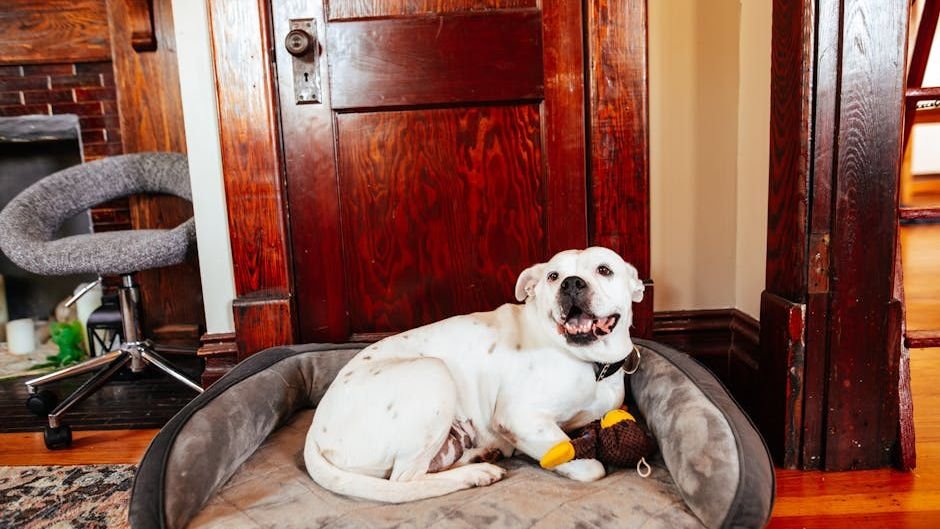
There’s a particular kind of love that settles in when your dog starts slowing down. The morning zoomies fade. The leaps onto the couch become hesitant. The grey muzzle gets a little wider. And instead of feeling sad about it, you find yourself thinking, “How can I make this easier for them?” That instinct? That’s exactly the right one.
Senior dogs are extraordinary companions. With their gentle temperament, predictable behavior, and deep capacity for connection, older dogs can be the perfect companions for families and individuals alike. They’ve earned every grey hair. Now it’s our turn to return the favor by making our homes a place where they can truly thrive.
The good news is that it doesn’t take a full renovation or a massive budget to make a real difference. Small, thoughtful changes can completely transform your senior dog’s daily experience. From the floor beneath their paws to the food in their bowl, there’s so much you can do. Let’s dive in.
1. Tackle Those Slippery Floors Before They Cause a Fall
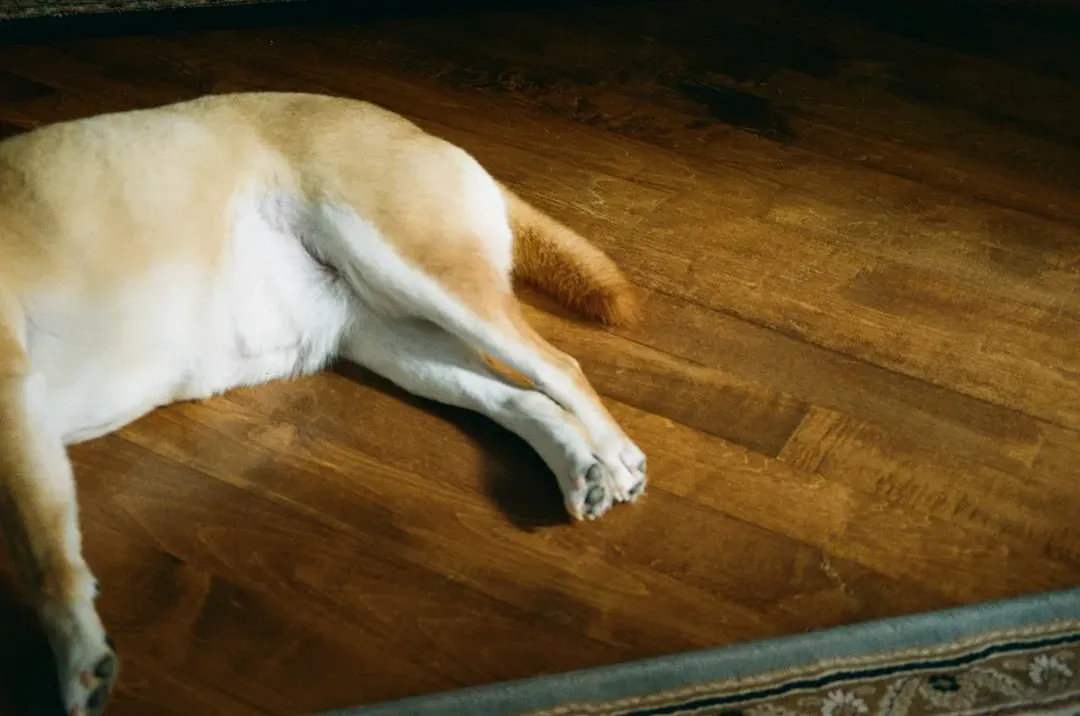
Here’s something a lot of dog owners don’t realize until it happens: hardwood and tile floors can be genuinely dangerous for senior dogs. A telltale sign that a dog is in pain due to mobility problems is watching them attempt to grip their toes on slippery surfaces, like tile, laminate, or wood flooring – and this can cause your dog to slip and fall.
Slipping is not only stressful for dogs, but can also damage their joints. As dogs with mobility issues can struggle to balance on slippery surfaces, covering hard floors with mats or rugs helps improve grip levels significantly. Think of it like this: walking on a slippery floor with achy joints is like trying to walk on ice with sore knees. Not fun at all.
Dog boots with traction on the bottom can help combat slippery surfaces. You can also lay down rugs with non-slip pads underneath, giving your dog a designated walkway and putting easy-to-grip surfaces on stairs. It’s a simple fix with a genuinely powerful impact on their confidence and safety.
2. Invest in an Orthopedic Bed That Actually Supports Their Joints
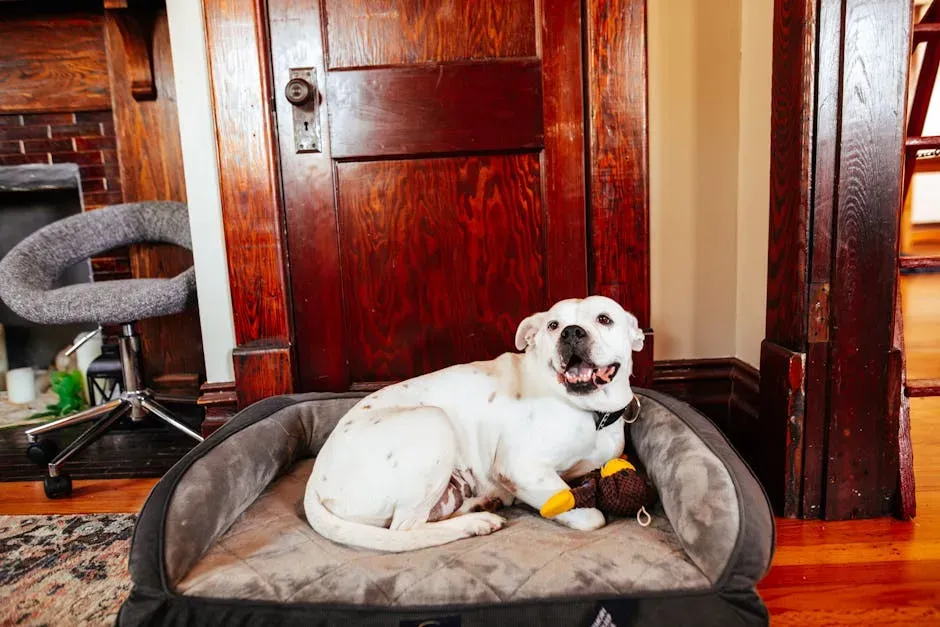
If your senior dog is still sleeping on a thin, flat mat or the cold, hard floor, that needs to change today. Orthopedic bedding with memory foam provides crucial joint support and pressure relief. These specialized beds distribute weight evenly, reducing pain points and promoting better sleep. Position beds in draft-free areas, as senior dogs often become more sensitive to temperature fluctuations.
If your dog seems cold – perhaps they’re often burying themselves under blankets or sleeping by the heat vents – a heated dog bed is a great option. Watch for these cues. They’re your dog’s way of telling you exactly what they need, even when they can’t say it.
3. Add Ramps and Steps to Give Them Back Their Independence
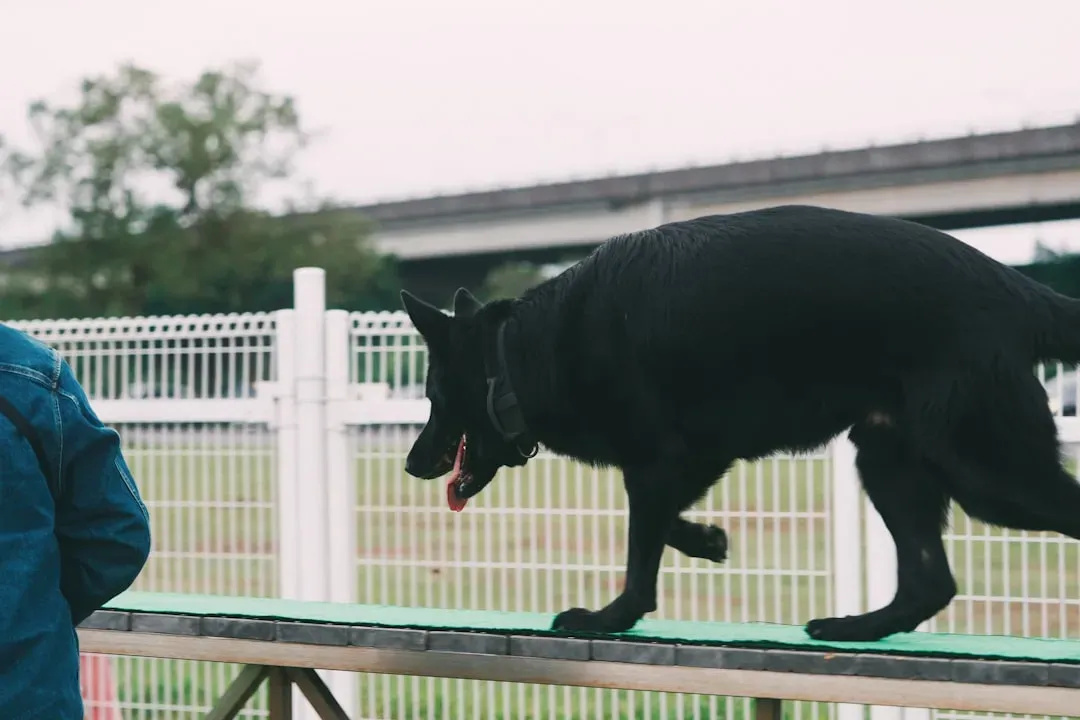
Does your dog pause and stare longingly at the couch before giving up? Jumping onto the couch or into a vehicle can be painful for dogs with arthritis, or impossible for a dog whose back legs are losing strength. If your dog seems reluctant to jump or climb, it may be because they don’t feel confident or safe doing it anymore. Offering ramps or pet stairs can help them safely access furniture.
Senior pets often struggle with steps, jumping onto couches or into the car, so providing ramps can help them maintain their independence while minimizing stress on the joints. Honestly, watching a senior dog confidently use a ramp for the first time is one of the most quietly satisfying things you’ll ever see as a dog parent.
4. Rethink Where You Place Their Food and Water Bowls
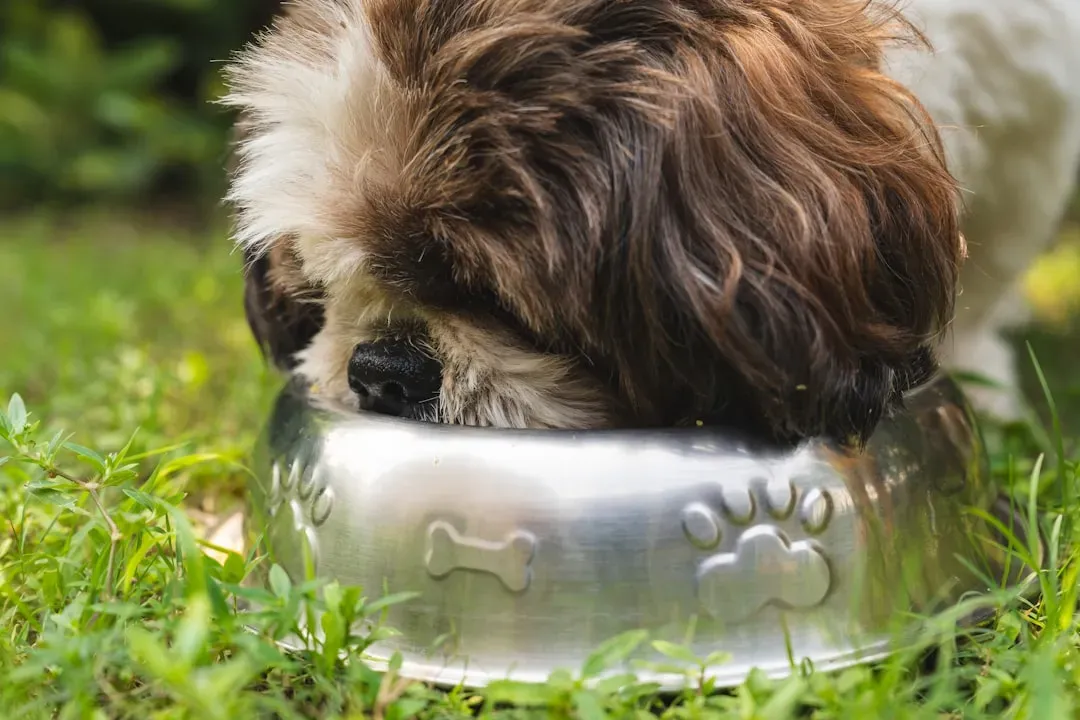
This one is surprisingly overlooked. Ensure food and water bowls are accessible and easy for the senior dog to reach, minimizing strain on their neck and joints. If your dog has been eating from a bowl on the floor their whole life, it may be time to reconsider that setup.
If your dog has back or neck issues, getting a tray to elevate its bowls slightly can help considerably. Additionally, putting a mat in front of food and water bowls keeps dogs with weaker limbs or coordination issues stable while chowing down. Think of it as the canine equivalent of adjustable furniture. Small ergonomic tweak, big daily comfort payoff.
Moving food and water bowls and their bed to the main floor of your home so they don’t have to use the stairs can also be incredibly helpful. If your dog used to trek upstairs for mealtime, it’s worth bringing the whole setup down.
5. Keep Pathways Clear and Well-Lit for Dogs with Vision Changes
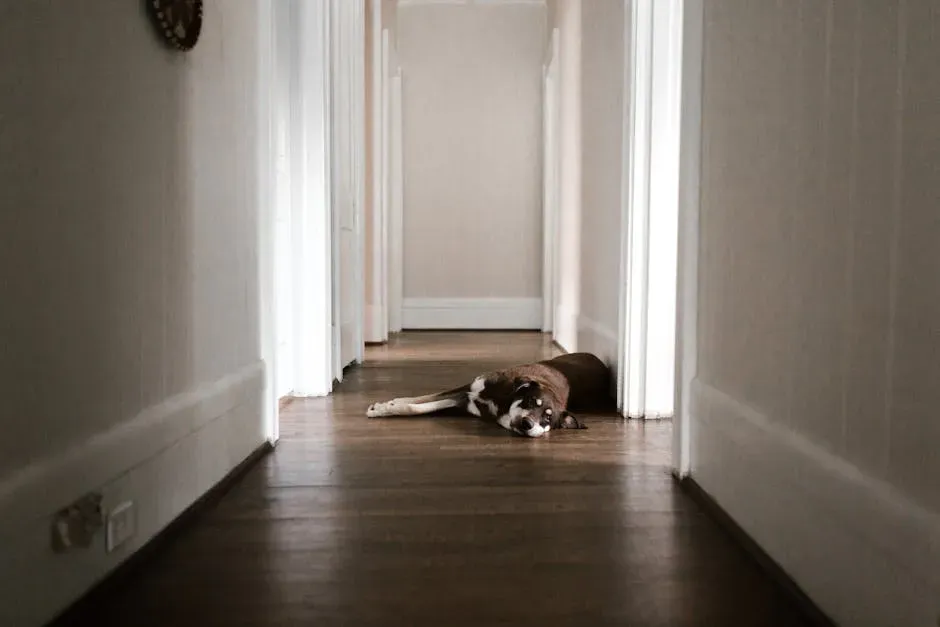
Vision problems are a sign of decline in older dogs, and canine cognitive dysfunction is also prevalent. A senior dog navigating a cluttered hallway in dim light is one clumsy step away from a painful collision. Keeping walkways and common areas free of clutter and obstacles is essential to prevent tripping hazards and allow dogs to move around safely.
It’s important to support and comfort a senior dog experiencing vision or hearing loss by keeping surroundings consistent – avoid rearranging furniture and keep food and bowls in the same place. If possible, use touch cues to replace verbal commands, and use night lights while avoiding clutter on the floors to keep pathways safe. Consistency is comfort for a senior pup. Their world makes more sense when it stays predictable.
6. Create a Quiet, Cozy Sanctuary They Can Always Retreat To
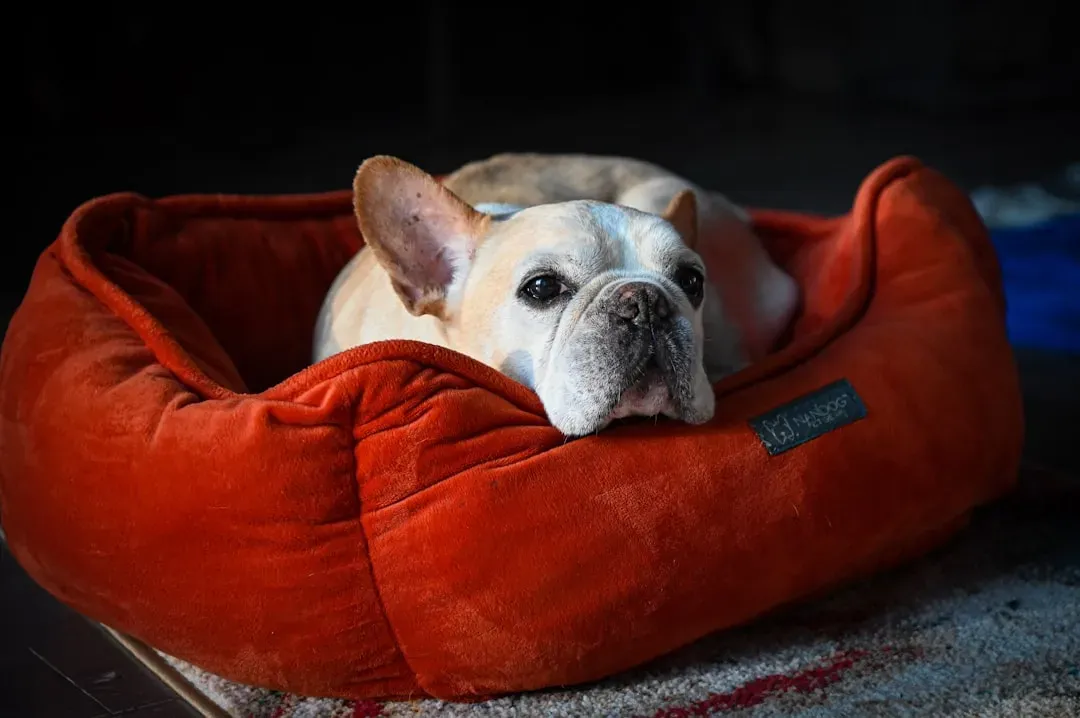
Senior dogs need peace. Not just sleep, but genuine mental rest. Setting up a quiet, cozy bed away from loud noises is one of the most important things you can do for a senior dog’s wellbeing. Think about where the noisy traffic in your house tends to flow – the kitchen, the front door, the TV room – and choose a spot away from all of it.
Predictable routines become increasingly important for senior dogs. Regular mealtimes, consistent walking schedules, and familiar paths help aging dogs who may experience some cognitive changes. A dedicated sanctuary spot reinforces that feeling of safety and routine. It becomes their anchor in the world, their personal comfort zone.
7. Manage Temperature Carefully – Seniors Feel Extremes More Acutely
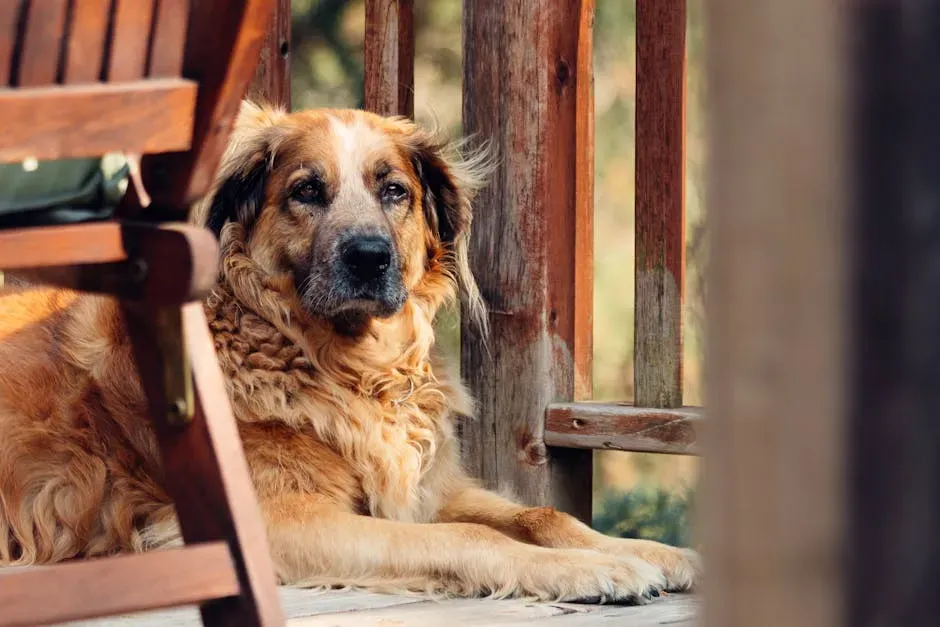
Let’s be real: we rarely think about indoor temperature when it comes to our dogs. But for seniors, it matters more than most people realize. Temperature regulation deserves special attention. Older dogs often struggle with temperature extremes, so providing warm bedding in winter and cooling options during summer months is essential. Consider a self-cooling mat for hot days if a senior dog pants excessively.
Watch your dog’s behavior for cues. Huddling near a heater vent, shivering indoors, or panting with no physical exertion are all signs they’re fighting an uphill temperature battle. From joint-friendly exercise routines to home adjustments and mental enrichment, small changes can have a big impact – and temperature management is one of those quiet wins that makes every single day more comfortable.
8. Support Their Joints with the Right Nutrition and Supplements
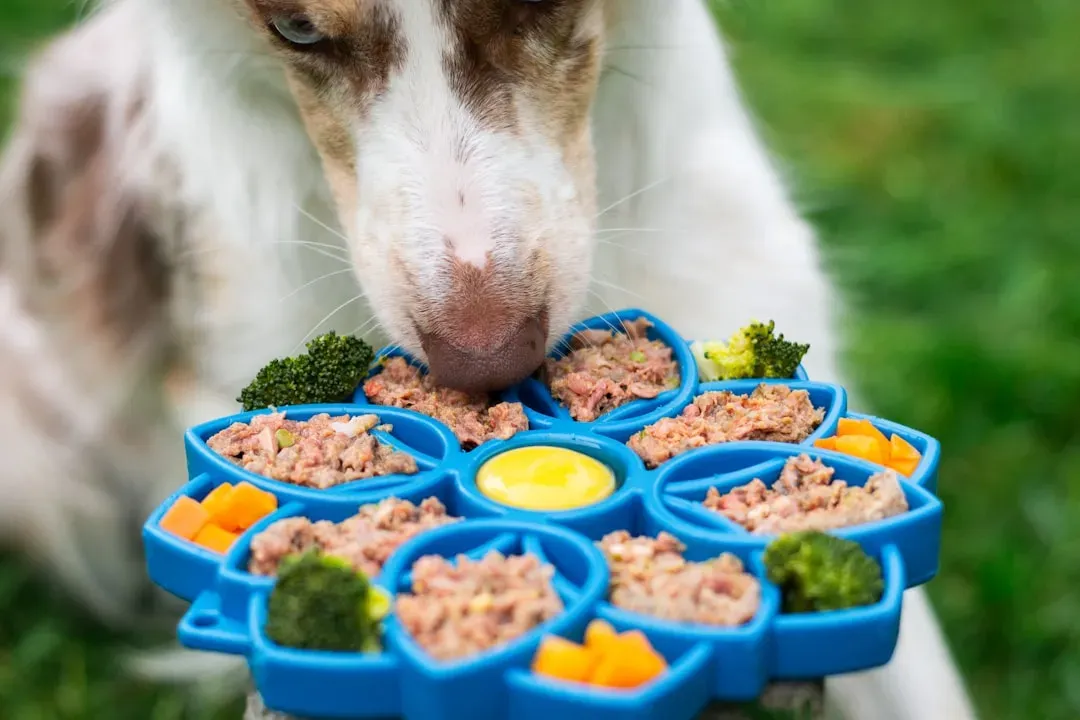
Aging dogs require balanced meals with fewer calories but rich in protein, vitamins, and joint-supporting nutrients. Specialized senior dog food supports weight management, digestion, and immune health. What goes into your dog’s bowl matters enormously at this stage. It’s not just about keeping them full – it’s about keeping them mobile and comfortable.
Providing orthopedic bedding, ramps, and supplements like glucosamine can reduce discomfort for dogs experiencing joint stiffness. Excess weight exacerbates age-related conditions such as arthritis by placing additional stress on joints, leading to discomfort and reduced mobility. Maintaining a healthy weight minimizes the risk of diabetes and other metabolic disorders, which become more prevalent with age. Your vet can help you build a nutrition plan tailored to your specific dog’s needs.
9. Keep Their Mind Sharp with Gentle Mental Enrichment
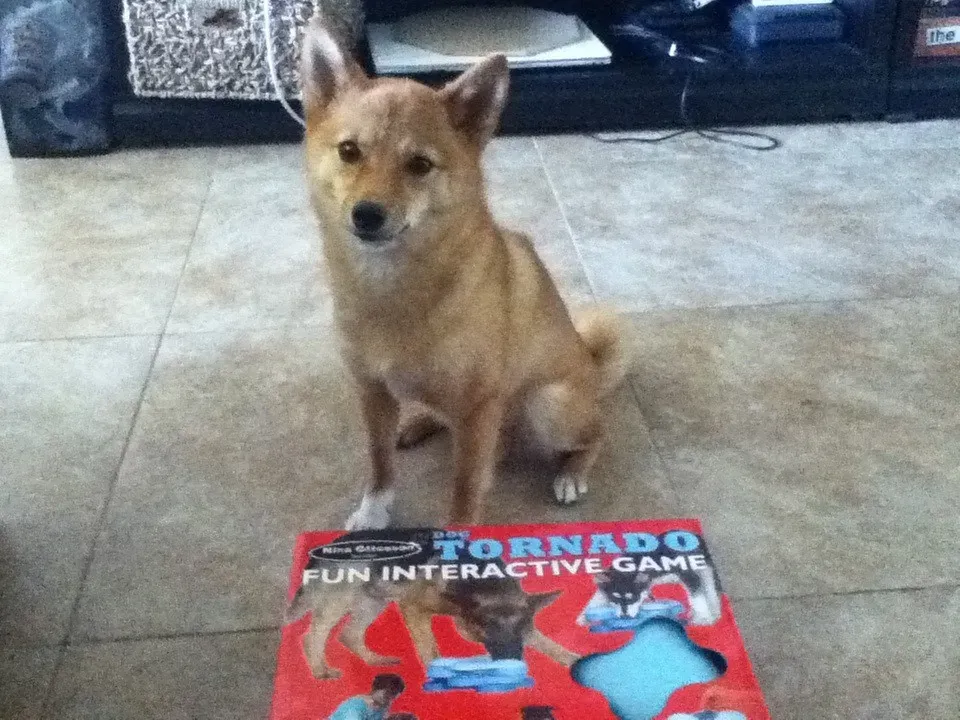
Just because your dog has slowed down physically doesn’t mean their brain has clocked out. Providing an enriching environment not only prevents boredom but can also slow cognitive decline, keeping your beloved companion bright-eyed for as long as possible. This is genuinely exciting science, and it gives us a real tool to work with.
Look for treat-dispensing puzzle toys or hide small pieces of kibble in safe, easy-to-navigate areas around the home. Offer items that carry enticing scents, like soft blankets or plush toys, so the dog can investigate them. Gentle sniff-and-search games challenge cognitive function and foster engagement without putting undue stress on joints.
Some senior dogs suffer from cognitive dysfunction and may need vitamin or nutritional support. Puzzle toys and mats are excellent options to challenge their minds. Think of it as the canine version of a daily crossword puzzle. Fun, stimulating, and genuinely good for them.
10. Adapt Exercise Thoughtfully – Less Is Not Always More
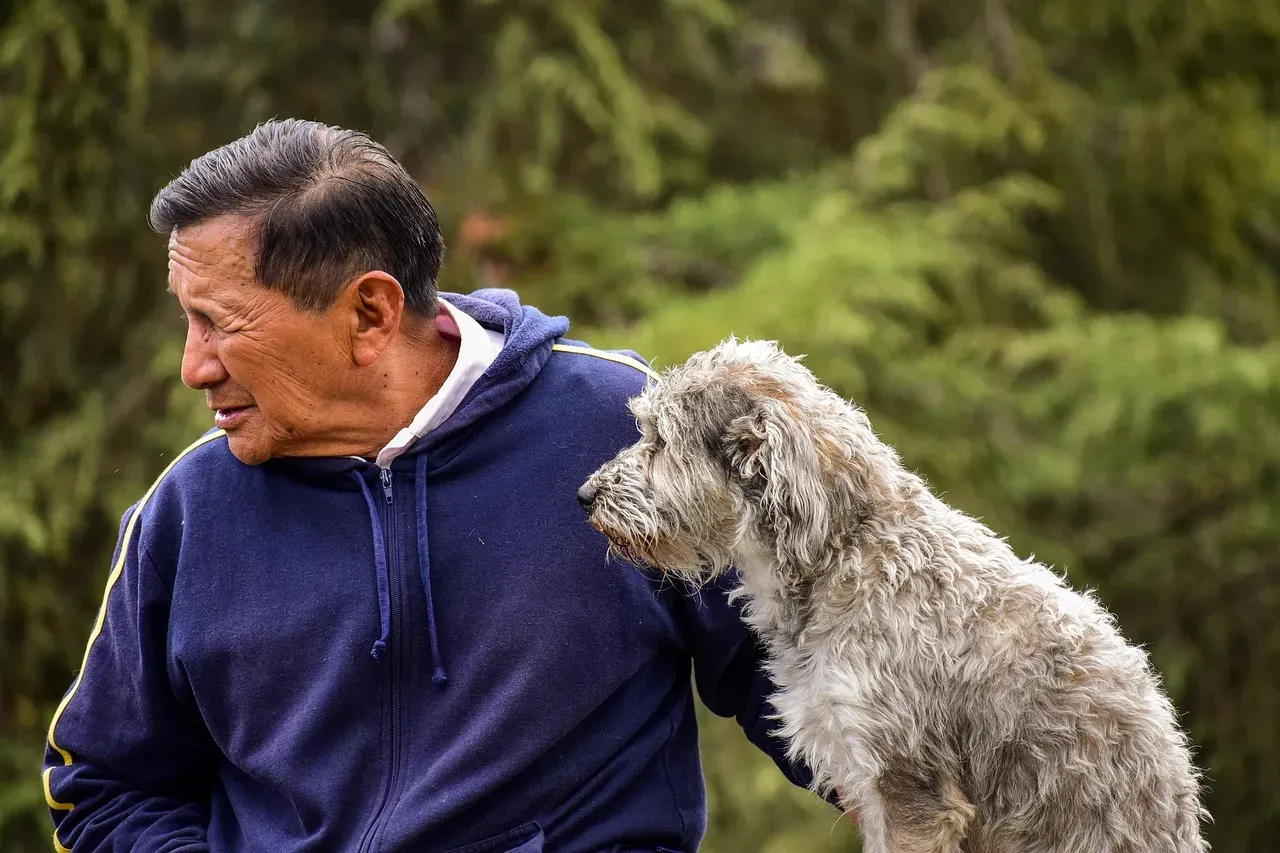
It might be tempting to let your senior dog sleep all day and skip walks to “protect” them. Honestly, that instinct comes from love – but it can backfire. Regular, low-impact exercise can make a massive difference for senior dogs with mobility challenges. For many dogs, gentle, sustained movement – like going for a 15-minute walk on gentle terrain – is more beneficial than intense, short exercise. Movement keeps the joints healthy and moving freely, but it also keeps the muscles that support those joints strong.
It’s important that dogs with mobility issues still continue to get some form of exercise, even if they may no longer be able to run and jump about, as exercise helps combat weight gain, boredom, and depression. Substitute more frequent, shorter walks, and go slowly – let your dog set the pace. Follow their lead, literally. They know their limits better than we do.
11. Schedule Regular Vet Visits – Twice a Year, Not Once
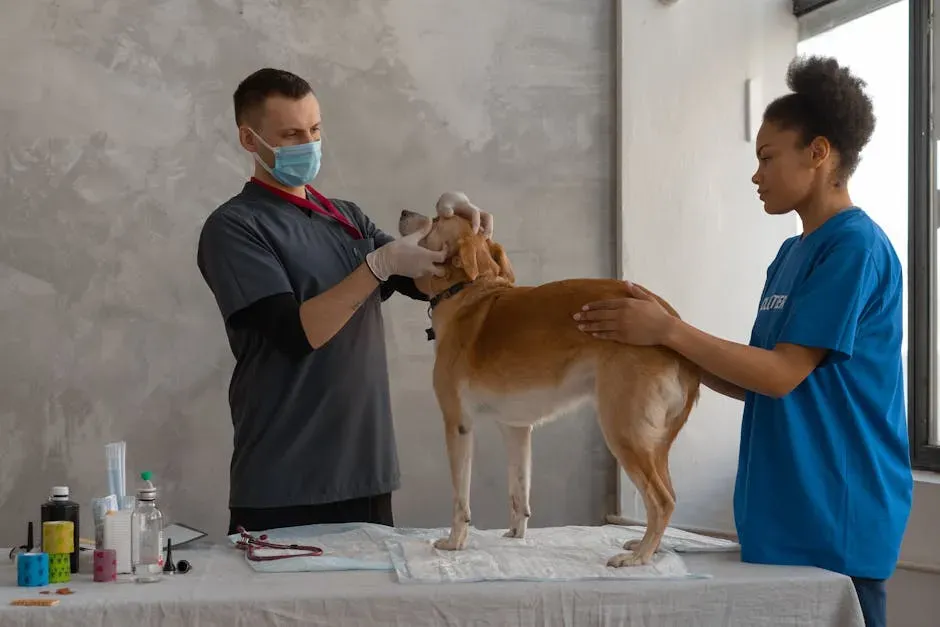
Here’s where I see a lot of well-meaning dog parents fall short. Annual vet visits that worked fine for a younger dog simply aren’t enough for a senior. As dogs age, it’s recommended that they see a veterinarian every 6 months rather than just once a year. Senior health can change fast – sometimes faster than we expect.
Left untreated, many age-related conditions can progress into chronic pain, decreased mobility, or organ failure. That’s why twice-yearly exams are often recommended for senior dogs. As outlined in the AAHA senior pet care guidelines, more frequent checkups give us the best chance of catching issues early and improving outcomes.
Subtle shifts in behavior, appetite, or mobility are often the first signs of underlying disease. Don’t dismiss a new quirk or a slight change in routine as “just old age.” Trust your gut. You know your dog. When something feels off, pick up the phone and call your vet.
Conclusion: Their Golden Years Can Still Be Golden
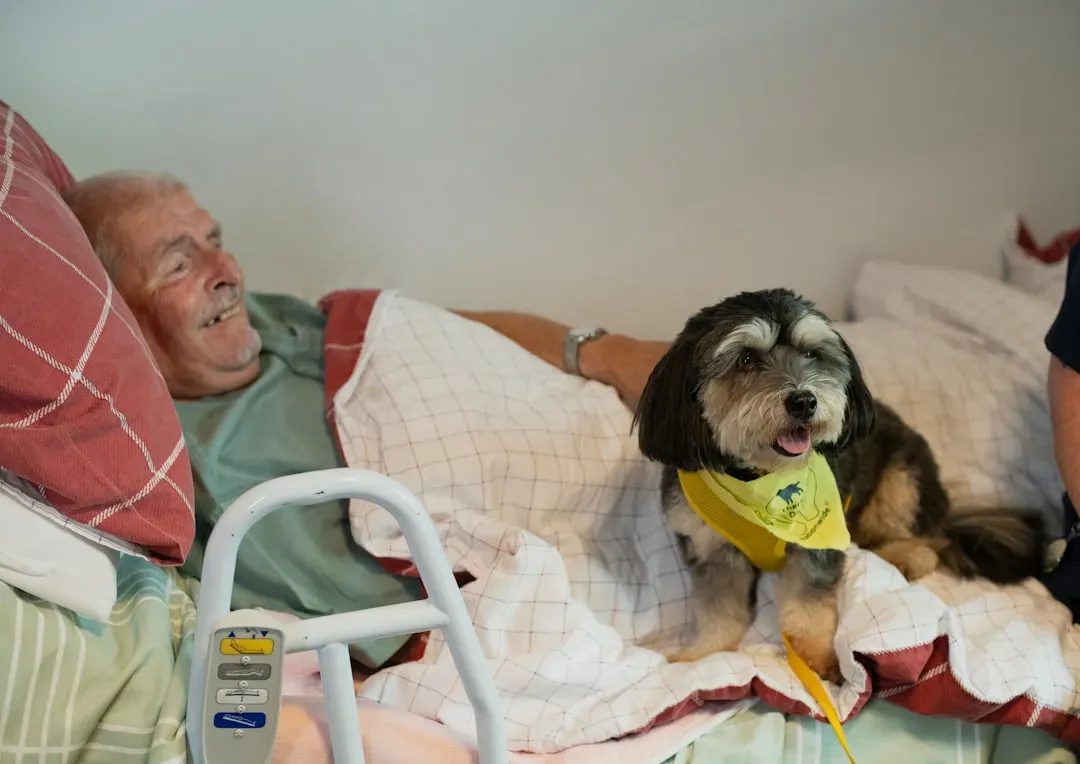
Caring for a senior dog is one of the most profound acts of love a person can offer. These animals have given us years of joy, loyalty, and unconditional companionship. Making our homes more comfortable for them isn’t a burden – it’s a privilege.
When given appropriate treatment and care, a dog with mobility issues can still live a comfortable, long life. Making even the smallest changes to assist mobility in senior dogs can improve an animal’s overall wellness and lengthen its lifespan. You don’t have to do everything at once. Pick one or two changes this week, and build from there.
The grey muzzle, the slower steps, the extra naps – they’re not signs that your dog’s life is winding down. They’re an invitation to slow down with them, to pay closer attention, and to love them a little more intentionally. So, which change will you make first for your senior pup?


