
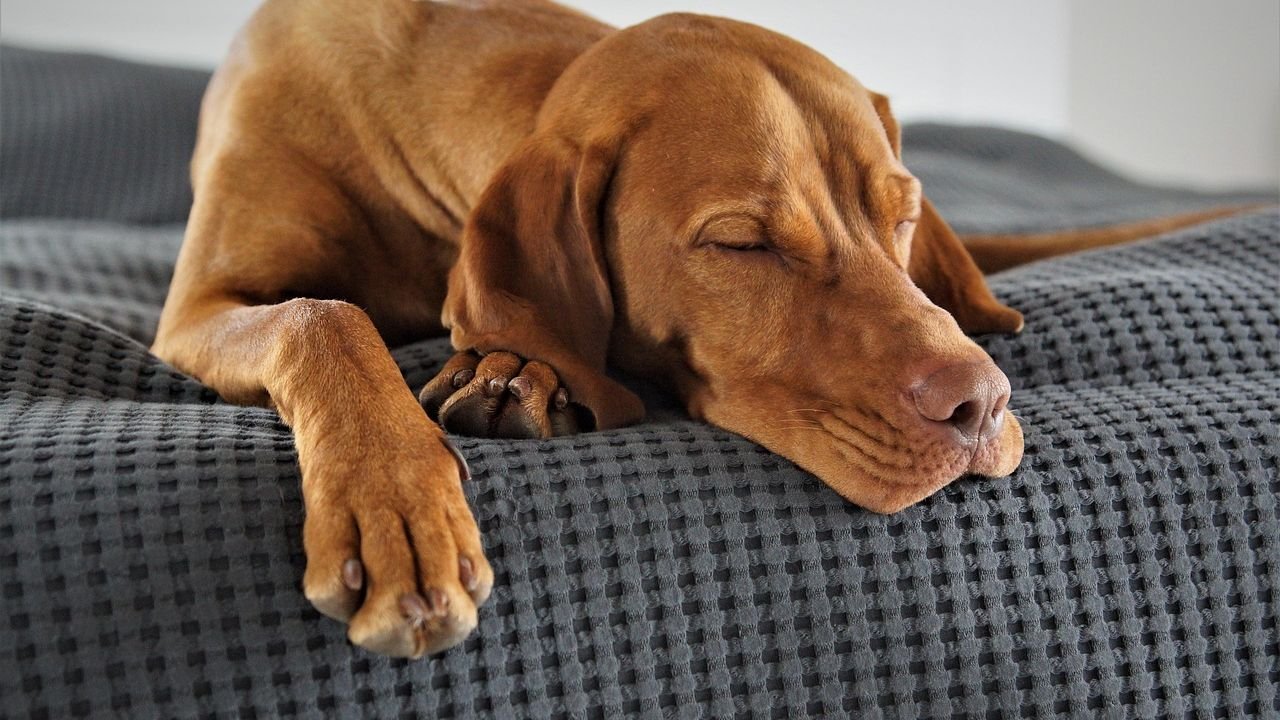
Have you ever watched your dog napping peacefully on the couch, only to suddenly notice their paws twitching, their nose quivering, or a soft little bark escaping those relaxed, sleepy lips? It’s one of the most endearing things dog owners get to witness. Most of us smile and say, “Aw, they’re dreaming!” But here’s the thing – it’s so much more than a cute moment.
Your dog’s dreams are actually a window into their emotional world, their daily experiences, and even their deepest bonds. Science has begun to unlock what’s really happening inside that furry little head during sleep, and honestly, some of it will genuinely move you. So let’s dive in, because what your dog dreams about might tell you more about their happiness than you ever expected.
Your Dog Really Does Dream – And Science Proves It
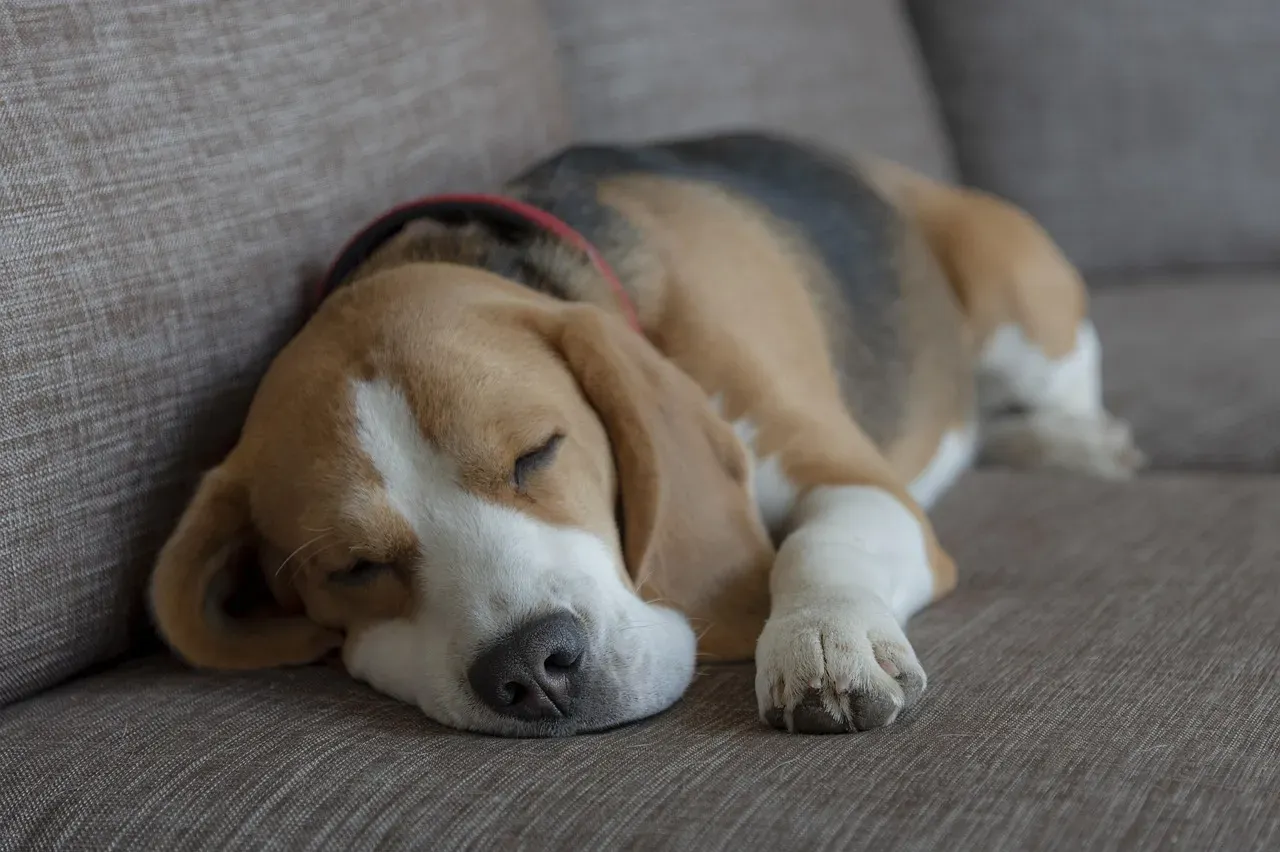
Let’s start with the big question: do dogs actually dream, or are those twitches just random muscle spasms? Honestly, the answer is a clear, resounding yes. Since the sleeping brains of dogs and people go through similar stages of electrical activity, it is safe to assume dogs dream, and scientific research demonstrates comparable brain wave patterns in both humans and dogs.
Dogs, like humans, experience cycles of rapid eye movement (REM) and non-rapid eye movement sleep, and it’s during REM sleep that dreams are most likely to occur. Think of it like a nightly movie reel playing in their mind. The projector runs, the images flicker, and your dog is right there in the front row of their own adventure.
Researchers at the Massachusetts Institute of Technology concluded that animals have complex dreams and can remember and replay long sequences of events when they’re asleep. So no, that little twitch isn’t random at all. It’s your dog replaying their greatest hits from the day.
The Twitching, Whimpering, and Paddling Are Not Random
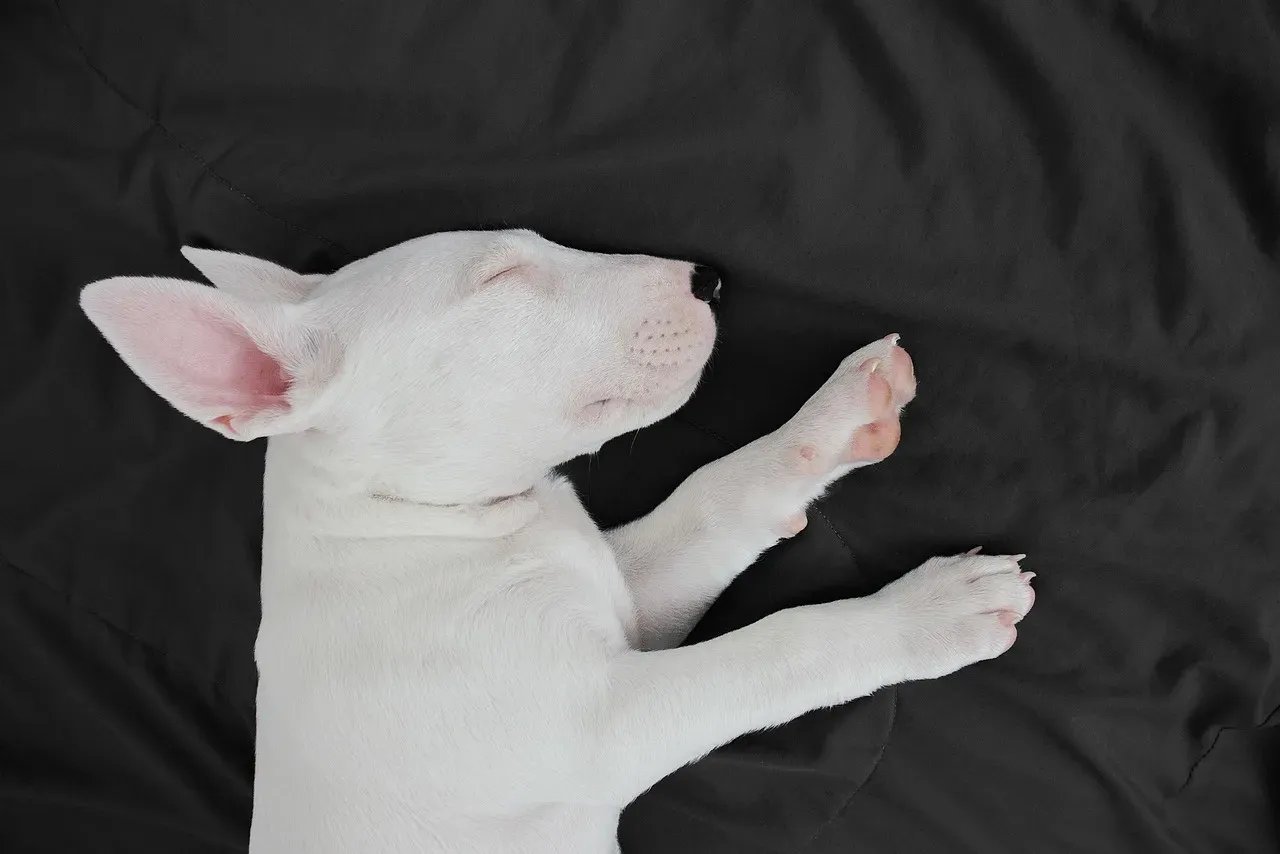
Here’s where it gets fascinating. You’ve seen it – the gentle leg kicks, the soft whimper, maybe a muffled bark. These behaviors are not glitches. During REM sleep, your dog’s eyes move rapidly beneath closed lids, their muscles may twitch, and you might notice soft vocalizations or gentle paddling motions – these are classic signs of dreaming.
There may be odd muscle twitches, and you can even see the dog’s eyes moving behind its closed lids if you look closely enough, because the dog is actually looking at the dream images as if they were real images of the world. It’s like watching someone flinch during a scary movie, except your dog is living inside it.
Some common signs of a dog dreaming include twitching, quivering, murmuring, barking, sleepwalking, or running, and these behaviors while sleeping could potentially be correlated with what they’re dreaming about. So if your dog lets out a sharp bark mid-nap? There’s probably a dream squirrel involved.
Their Dreams Are Directly Tied to Their Daily Life
This is the part that really gets me. Dogs don’t dream about abstract concepts or fictional worlds. They dream about their actual life. Dogs and people dream about things that occurred during their waking hours, and information gathered during the day is processed and may be relived in dreams.
A landmark study from MIT in the early 2000s explored how animals dream by monitoring the brain activity of rats during both waking and sleeping hours. When rats ran through mazes during the day, their brain patterns matched up almost perfectly with patterns recorded during REM sleep, leading scientists to conclude that dogs likely dream about their daily activities.
One popular theory of dreaming is the continuity hypothesis, which holds that dreams are built from the stuff of waking life – and for dogs, that includes food, toys, running, chasing squirrels, and, of course, us humans. If your dog had an exciting walk, a romp at the dog park, or discovered a particularly irresistible scent trail – those moments are going to show up in their sleep.
Your Dog Is Dreaming About You
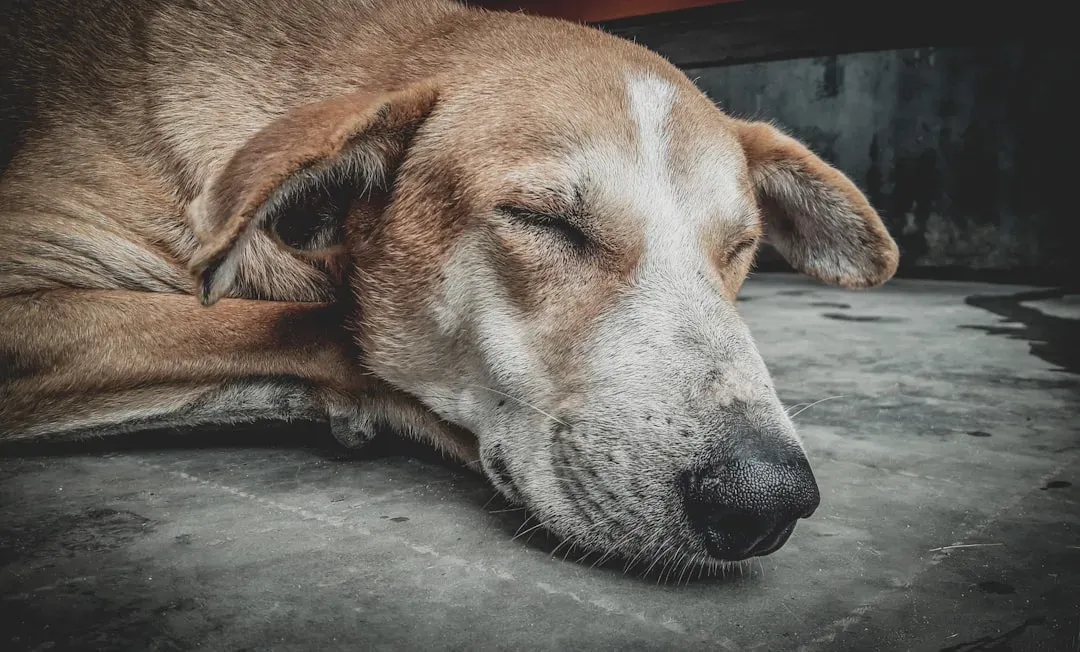
This one hits differently. Of all the things your dog could dream about, research suggests their favorite subject is you. Harvard research suggests dogs dream about their owners. And when you think about how central you are to your dog’s entire universe, it really makes perfect sense.
Dr. Deirdre Barrett, a clinical and evolutionary psychologist at Harvard Medical School, explained that dogs dream about what matters most in their lives. If the brain’s mechanism that normally keeps muscles still during sleep weakens, you’ll be able to watch your dog chase a stick you kept throwing, run through fields, and dream of your face and your scent – the biggest comfort to them.
I think that’s one of the most touching things science has ever told us about dogs. Your face. Your smell. Your presence. That’s what fills their sleeping mind. The relationship you build during the day quite literally lives on through the night in their dreams.
Puppies and Senior Dogs Dream the Most Vividly
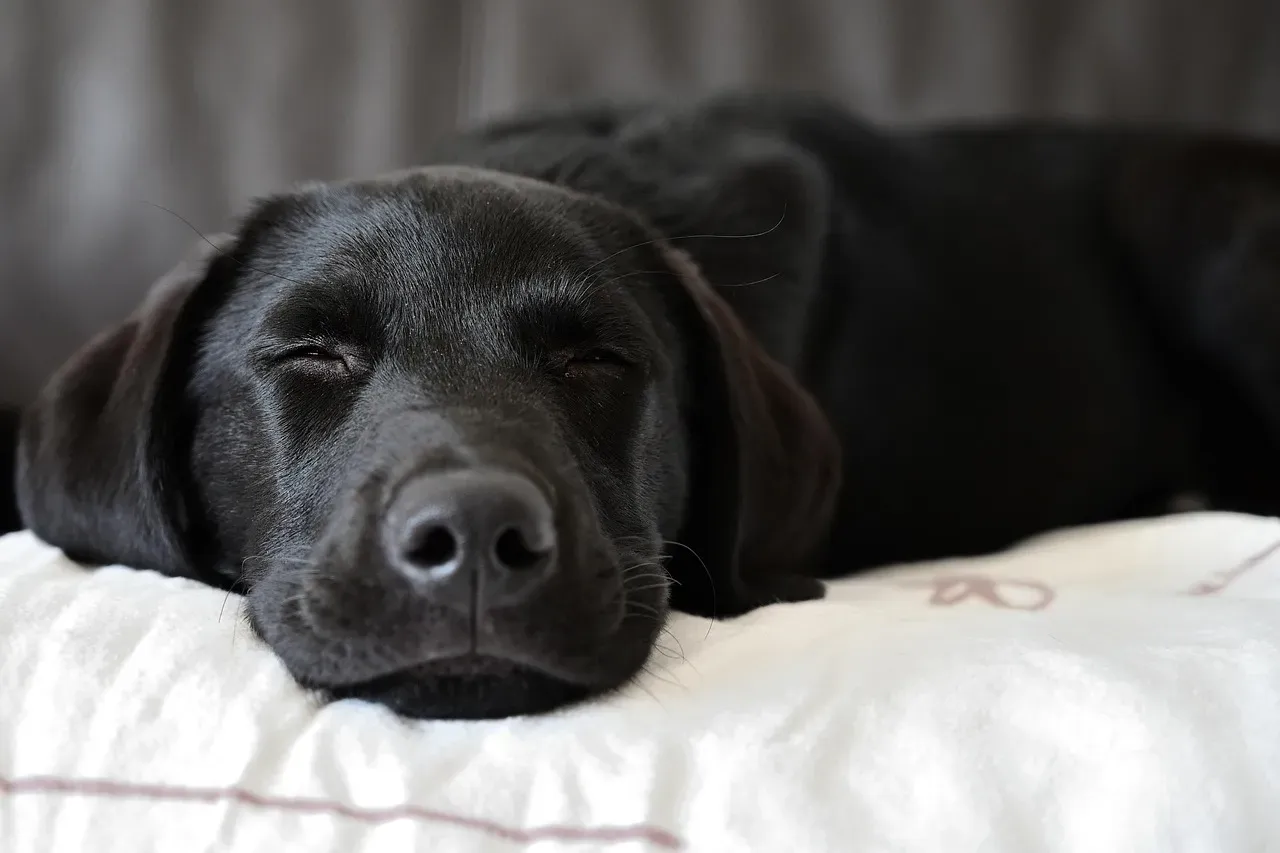
If you’ve ever owned a puppy, you know that watching them sleep is basically its own sport. They’re full-on running, twitching, and yipping within minutes of falling asleep. There’s a real biological reason for this. Puppies and older dogs twitch and move a lot in their sleep because the pons is underdeveloped in puppies and less efficient in older dogs, according to Stanley Coren, a professor emeritus of psychology at the University of British Columbia.
Puppies also dream more often than adult dogs, because they are constantly learning and absorbing new experiences, meaning their brains likely need more dream time to process all that new information. Think of it like a computer doing a massive overnight update – except the computer is unbearably cute and smells like puppy breath.
Puppies are especially animated during sleep because their nervous systems are still developing. As dogs age, these movements often become less frequent, and the amount of twitching and vocalization varies by breed, age, and temperament, with high-energy dogs potentially dreaming more vividly about active experiences while a senior dog might show more subtle signs. So cherish every sleepy twitch – it’s their little brain doing important work.
Dog Size Actually Determines How Often and How Long They Dream
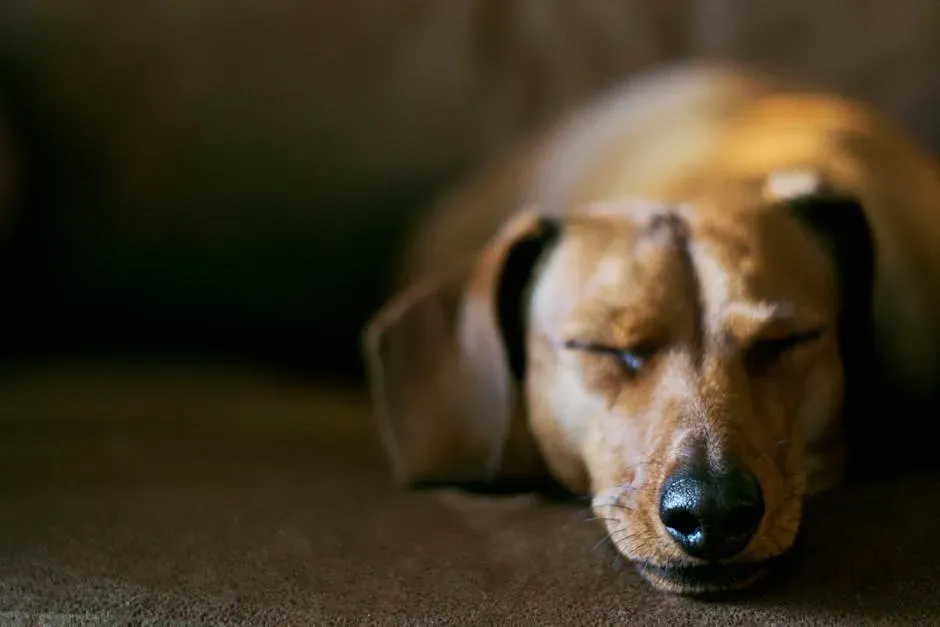
Here’s something that genuinely surprises most dog owners: the size of your dog affects the whole architecture of their dream life. It sounds strange, like saying tall people dream differently than short ones, but the evidence is pretty solid. Research suggests that the length and frequency of dreams may be related to the animal’s size – a toy poodle may dream every 10 minutes, while a Labrador Retriever may only dream once every 60 to 90 minutes, though the poodle’s dreams may last only a minute while the Labrador’s dreams may be 5 to 10 minutes long.
A large dog that has an active day outside may sleep more soundly and experience longer phases of REM sleep, giving him more time to dream. So your giant Golden Retriever, collapsed after a day at the beach, might be having one long, glorious, slow-motion dream about fetching waves for the next ten minutes straight.
Yes, Dogs Can Have Nightmares – Here’s What to Do
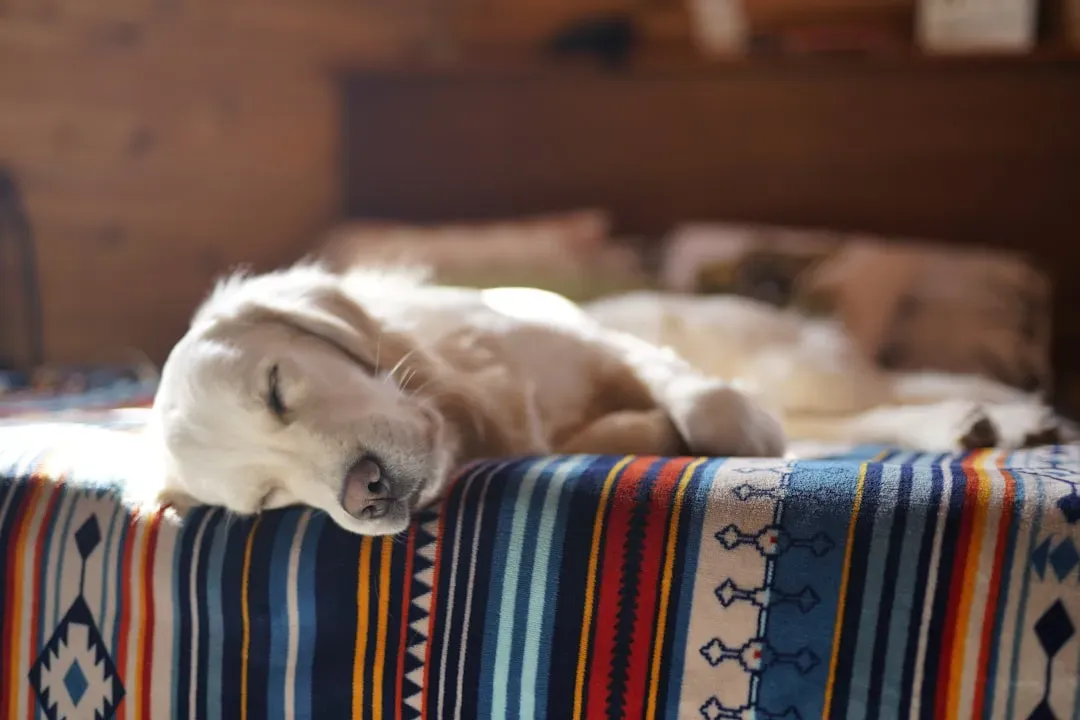
Nobody wants to think about their dog having a bad dream. But let’s be real – if dogs can dream about joyful moments, they can also relive the scary ones. Because dogs dream about real experiences and emotions, they can relive stressful or frightening moments while asleep, and a dog that’s had a negative encounter like a loud noise, separation anxiety, or an unpleasant trip to the vet might appear distressed in their sleep.
Dogs who have experienced trauma or have a history of fear-based behavior may have more frequent or intense nightmares, and if your dog regularly shows signs of sleep distress, it may be worth discussing with your veterinarian. That’s a practical tip worth holding onto – persistent sleep distress is a health signal, not just a quirk.
In many cases, letting the nightmare run its course is the better choice, with you standing by to comfort your dog once they wake up, and if you notice your dog starts having nightmares out of the blue, you should take them to the vet to see if a medical issue is causing the bad dreams. A gentle voice and a calm touch when they wake is all they really need from you.
Conclusion: The Dreams That Connect You Both
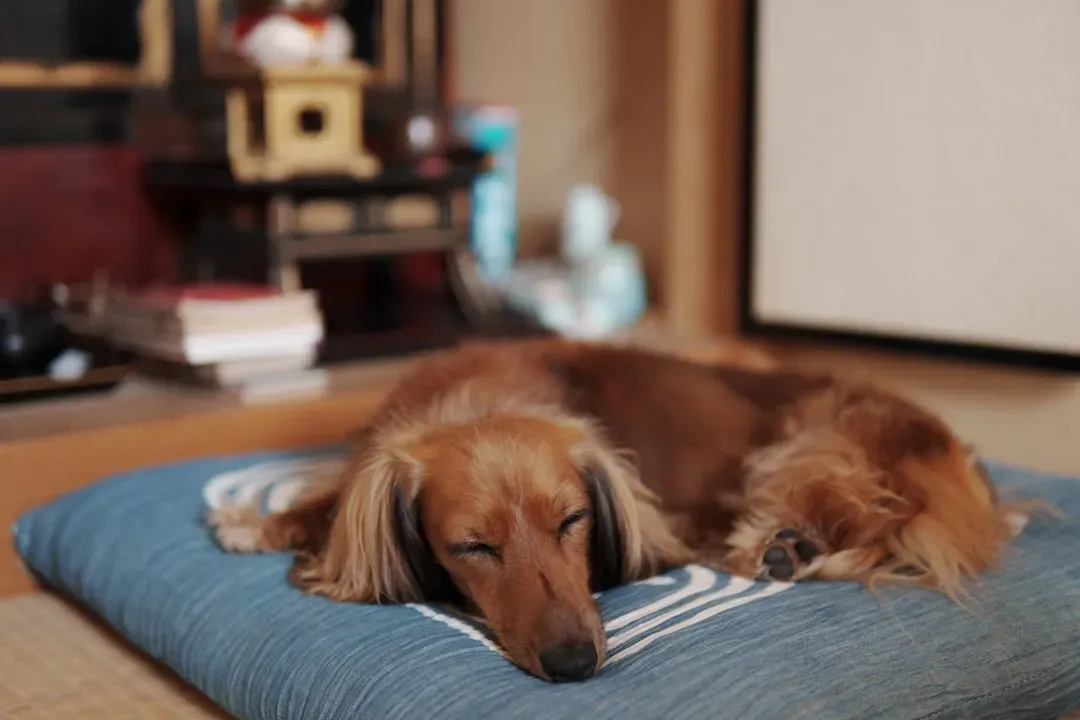
There’s something deeply moving about knowing that when your dog closes their eyes and drifts off after a long, happy day, they’re not just resting. They’re reliving it. The walk you took together. The belly rub on the kitchen floor. The moment you walked through the front door and they nearly knocked you over with excitement.
Dogs, like humans, use sleep to organize and store memories, and dreaming helps them process complex emotions and experiences, which may explain why dogs appear calmer and more responsive after a good night’s sleep. That means giving your dog a rich, loving, stimulating daily life isn’t just good for their waking hours. It’s literally building beautiful dreams.
So the next time you see those little paws paddling in mid-air, smile. You’re probably in that dream. And honestly, is there anything more wonderful than that? What do you think your dog dreams about most? Tell us in the comments – we’d genuinely love to know.


