
Not every dog is a velcro dog. You know the type – the one glued to your side 24/7, pawing at you the moment you dare sit down without them. Honestly, that level of devotion is sweet, but it’s not everyone’s reality. Some of us have full lives, busy schedules, and still want a dog to come home to. The good news? There are breeds out there who are perfectly content being their own company for a stretch of time.
Dogs are often described as man’s best friend, but that doesn’t mean every dog prefers to constantly be at your side. Some dogs are more reserved, seeking less attention from humans and preferring to spend some time by themselves. That’s not a flaw – it’s a feature. Let’s dive into eight breeds that wear their independence like a badge of honor, and what that actually means for you as their human.
1. Chow Chow: The Ancient Loner with a Big Heart
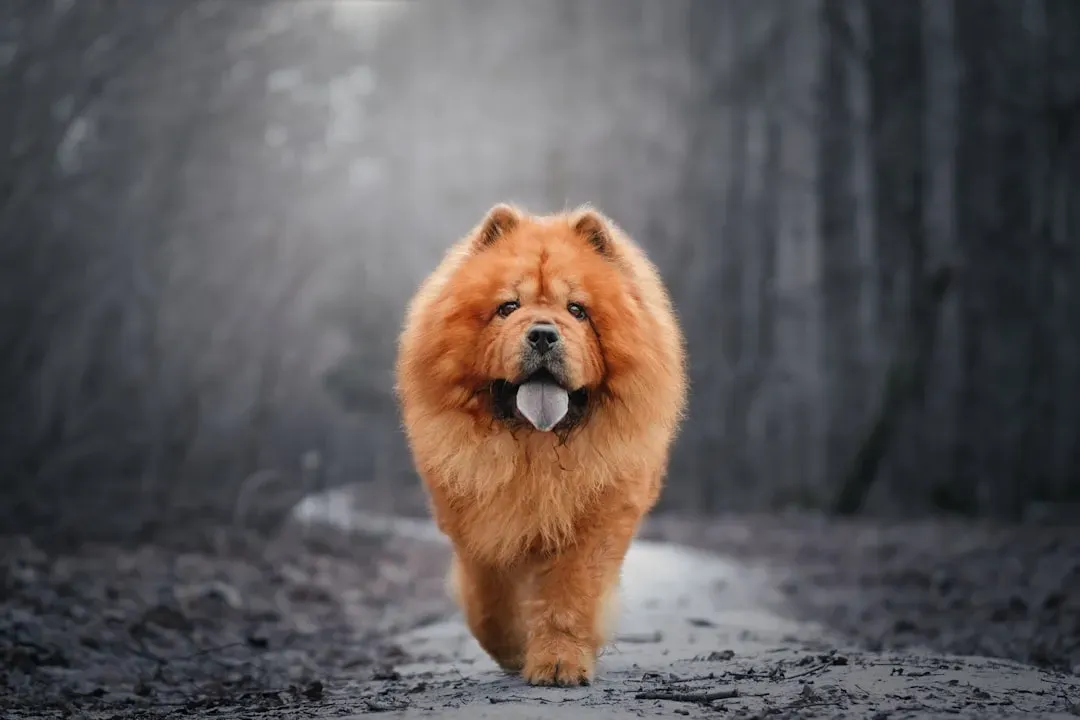
If dogs had a zodiac sign, the Chow Chow would absolutely be a Scorpio. Historically, the Chow Chow worked as a guardian and hunter in ancient China, and this working heritage, combined with a calm disposition, makes the Chow Chow one of the most independent dog breeds. They aren’t cold, though. They’re quietly devoted.
Chow Chows are loyal to their family and typically bond deeply to one person. Given their thick coat, they may also appreciate daily brushing sessions as a form of interaction. Think of those brushing sessions as their love language. They are prone to a variety of health issues, including hip dysplasia and eye problems, and require early socialization and training to prevent aggression towards strangers. So while they’re low on neediness, they’re high on commitment from a responsible owner.
2. Shiba Inu: The Cat That Somehow Became a Dog
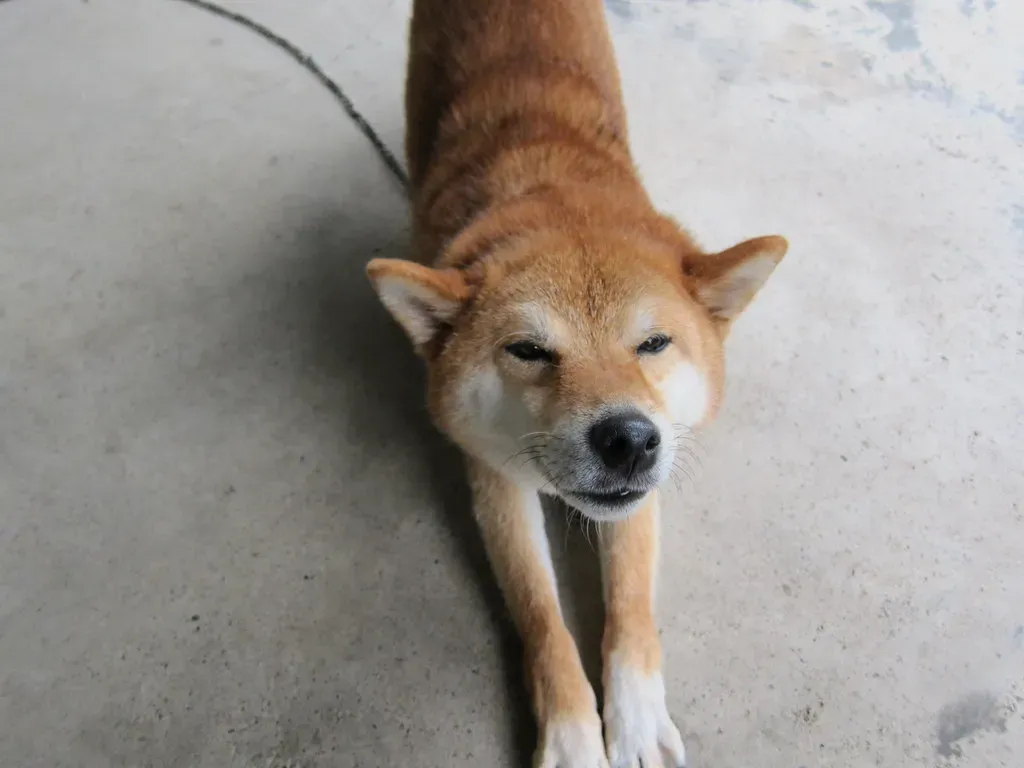
Let’s be real – if you’ve ever met a Shiba Inu, you know they operate on their own schedule. Hailing from Japan, these dogs were originally used for hunting small game, and their spirited, confident demeanor often translates into a strong-willed nature, making them less reliant on human interaction for happiness. Shiba Inus are known for their intelligence and can often figure things out independently.
Their independence makes them less prone to separation anxiety, as long as they get enough exercise. After a good exercise session of at least 45 minutes a day, Shiba Inus can be perfectly content with some quiet time, provided they have a puzzle toy to keep them mentally stimulated. One important safety note: their strong hunting instincts mean they should always be kept on a leash outdoors. Free-roaming is not an option with this one.
3. Greyhound: The Couch Athlete You Didn’t See Coming
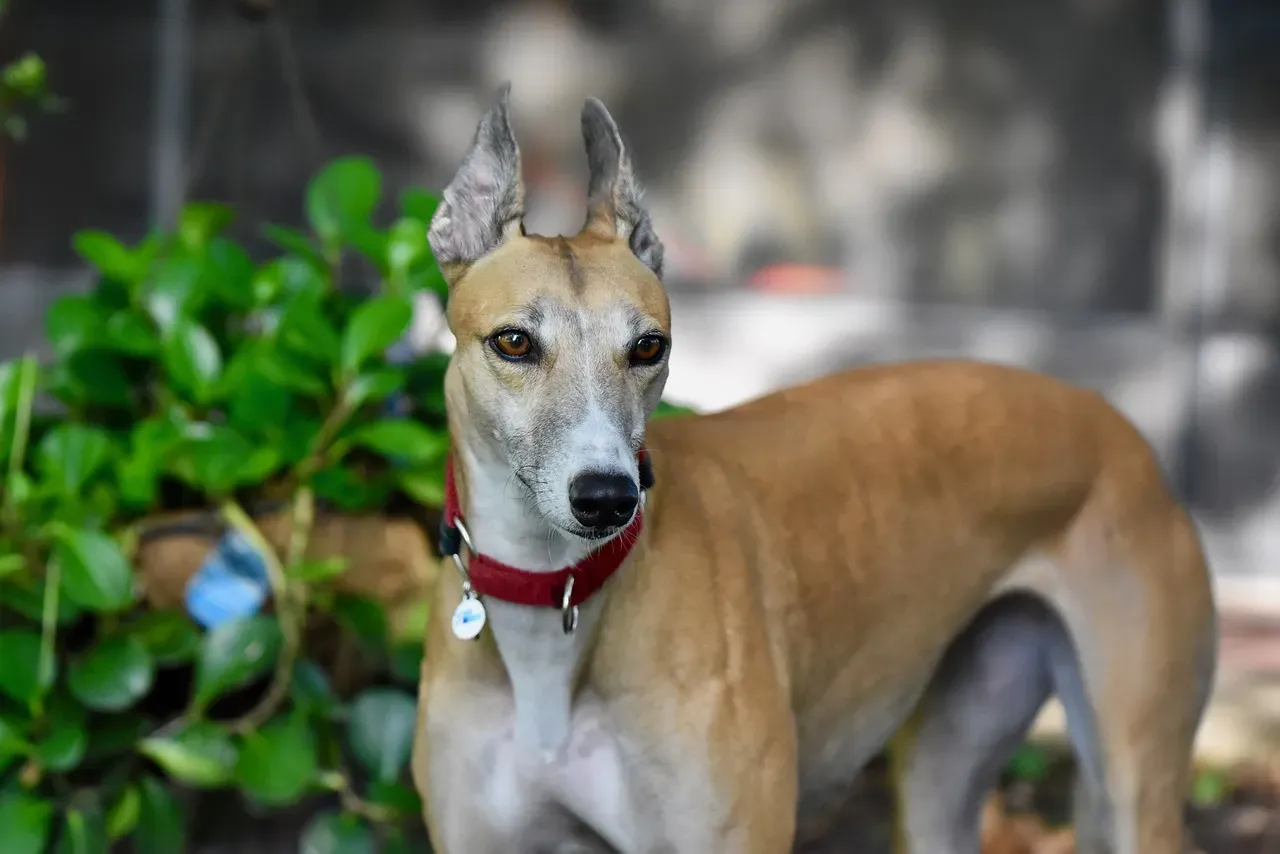
I know what you’re thinking – a Greyhound, really? The racetrack dog? Surprisingly, yes. Despite their reputation as racing dogs, Greyhounds are surprisingly independent and low-maintenance in a home environment. Their calm demeanor makes them excellent couch companions, and they enjoy a good sprint but are also content to lounge around for most of the day.
Greyhounds are independent but still form healthy bonds with their owners. They find it easier to relax on their own and tend to spend most of the day napping. From a practical care standpoint, the Greyhound requires low-to-medium exercise and minimal grooming. In fact, their skin produces so little oil that only a few baths a year are needed. Talk about low-maintenance living.
4. Basset Hound: The Nap Champion of the Dog World
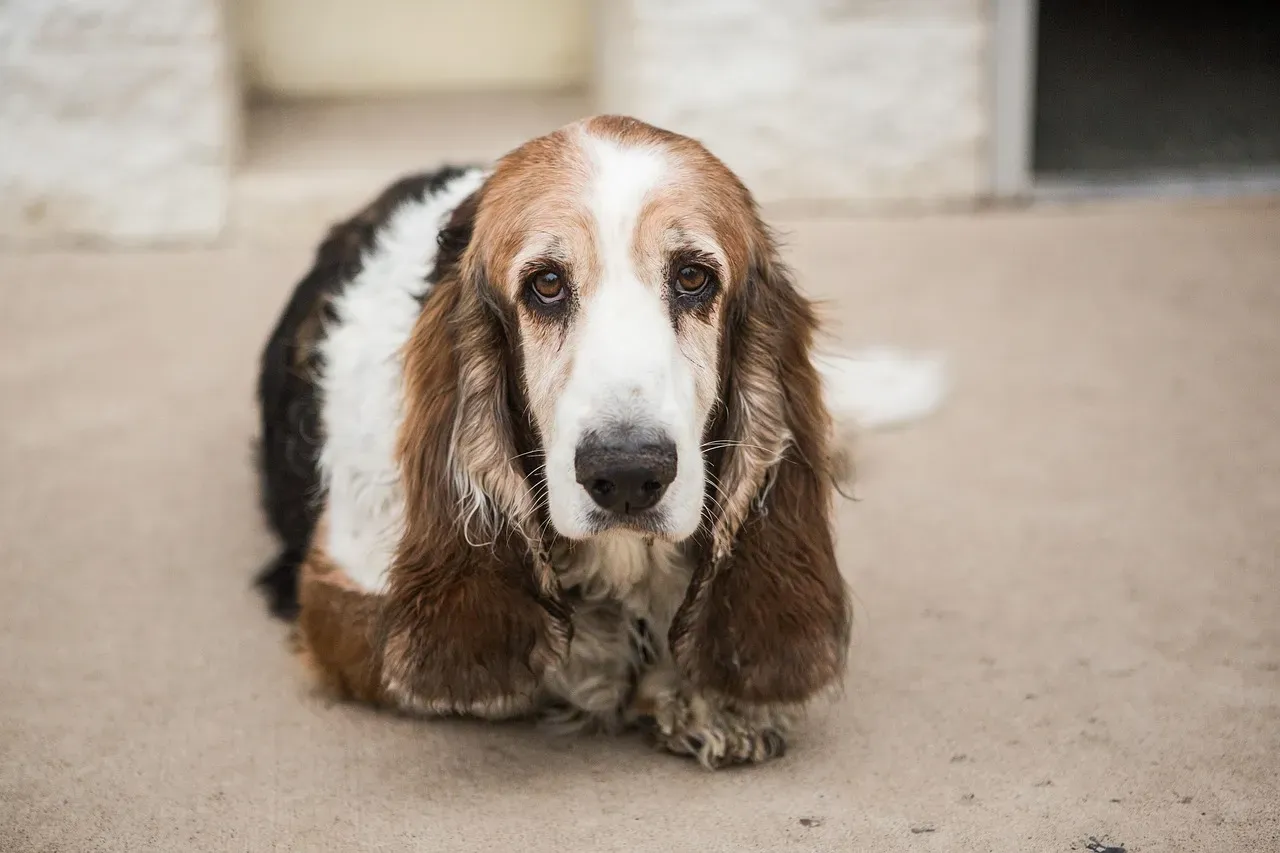
There is something deeply comforting about a Basset Hound. They shuffle around with those droopy eyes and enormous ears, and you just feel calmer. The Basset Hound is considered a low-energy dog breed thanks to their calm, easygoing personality that borders on being lazy. Most Basset Hounds are independent dogs that don’t mind some solo time, which they’ll likely choose to spend napping.
Highly sociable and easygoing, this talented scent hound is known for its endurance and independent working dog attitude, and when their needs are met, these loveable crinkly-browed pals are more than content to fit the laid-back stereotype. The one watchout? Basset Hounds are an independent breed and for that may also be challenging to train. Keep training sessions short, fun, and reward-based. They’ll get there, just on their own timeline.
5. Chinese Shar-Pei: Wrinkled on the Outside, Fierce on the Inside
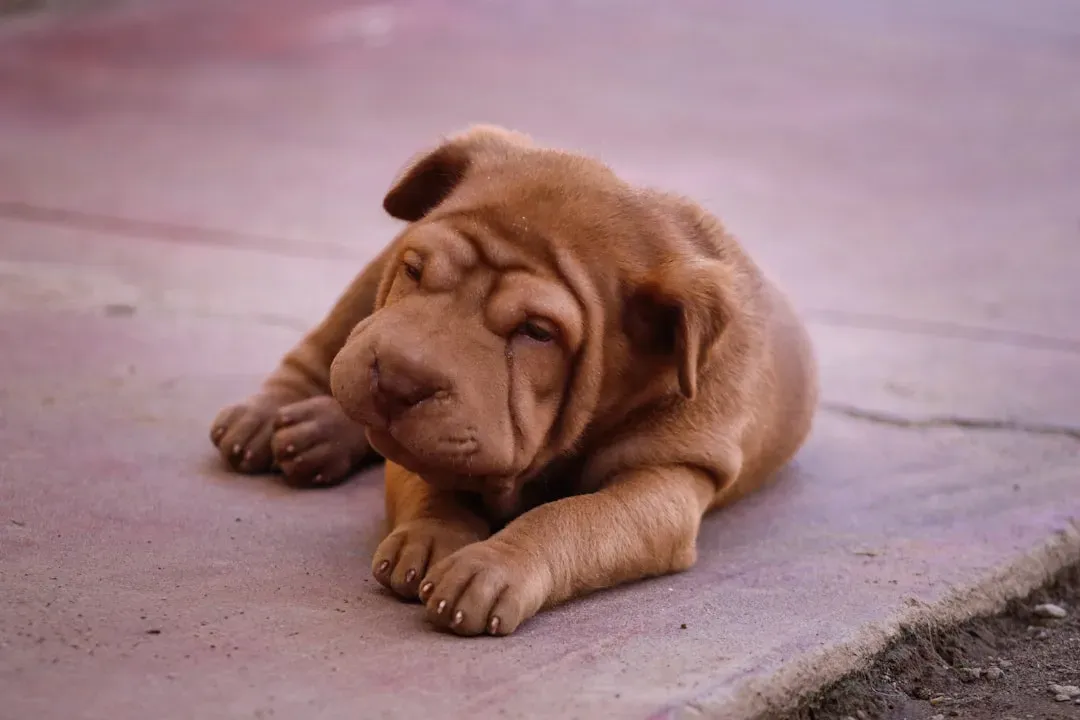
The Shar-Pei looks like a plush toy that got left in the dryer too long, and honestly, that’s part of the charm. Chinese Shar-Pei dogs were originally bred for hunting and guarding, giving them an independent personality that still shows through today. They don’t crave constant validation from you. They’re secure in who they are.
Shar-Peis are fiercely loyal to their families but come with a strong independent streak. They can be aloof or standoffish with strangers and even show aggression toward other pets if not socialized properly. Early exposure to people, animals, and new experiences is essential to developing a well-rounded companion. Health-wise, watch their deep skin folds for signs of irritation or infection – those wrinkles need a little routine attention to stay healthy.
6. Akita: Loyal Protector Who Doesn’t Need to Show Off About It
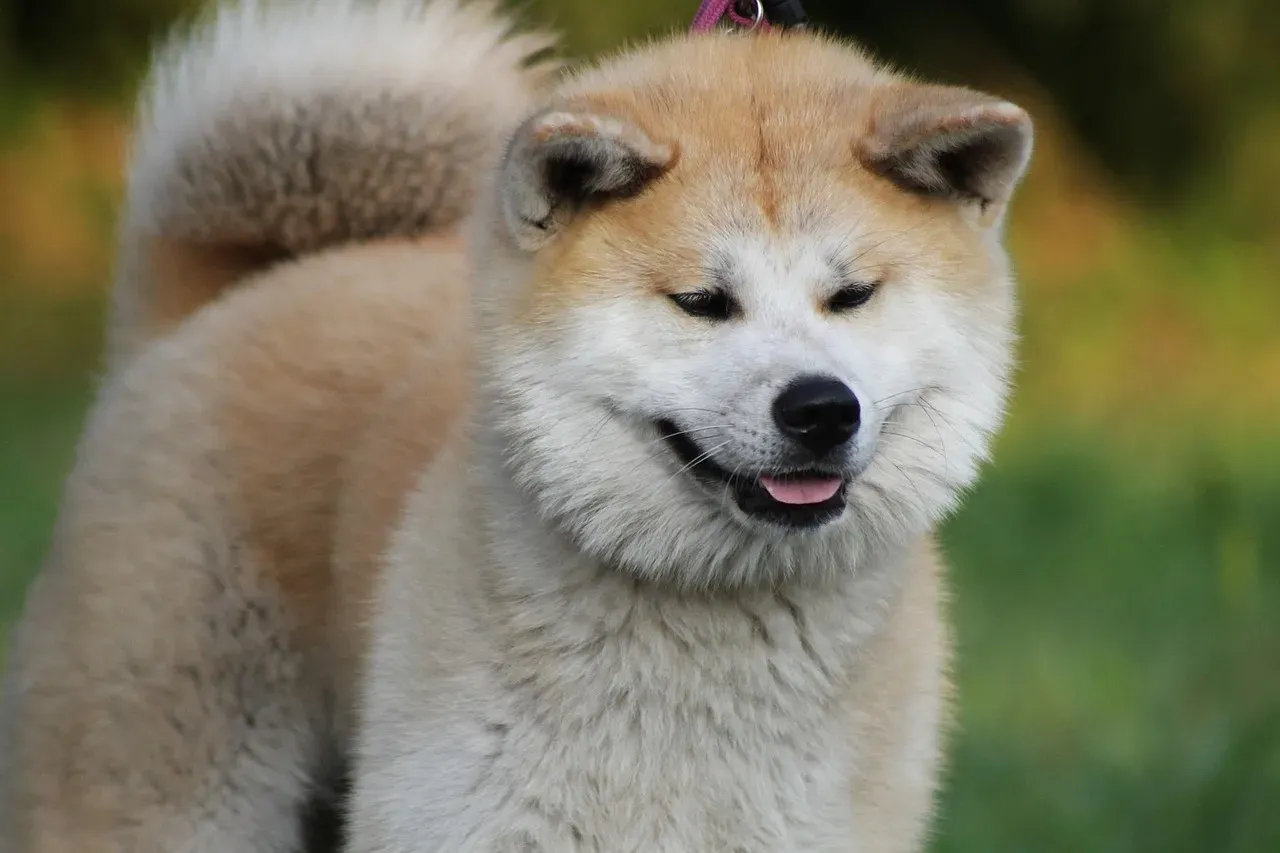
The Akita is the strong, silent type of the dog world. The Akita is a large and powerful breed known for its loyalty and independence. Originally bred in Japan for hunting and guarding, Akitas are incredibly self-sufficient and have a strong sense of territory, often preferring to stay close to their home base. They won’t be running to the door to demand belly rubs the second you walk in.
Akitas thrive on routine and structure but are content to spend time alone when their humans are busy. Their independent mindset means they don’t constantly seek attention, making them dignified companions who are satisfied with their own company. Early socialization is non-negotiable with this breed, and consistent, positive training from a calm, confident owner makes all the difference. Think of it as earning their respect – and once you do, that loyalty is unshakeable.
7. Basenji: The “Barkless Dog” Who Does Things Their Way
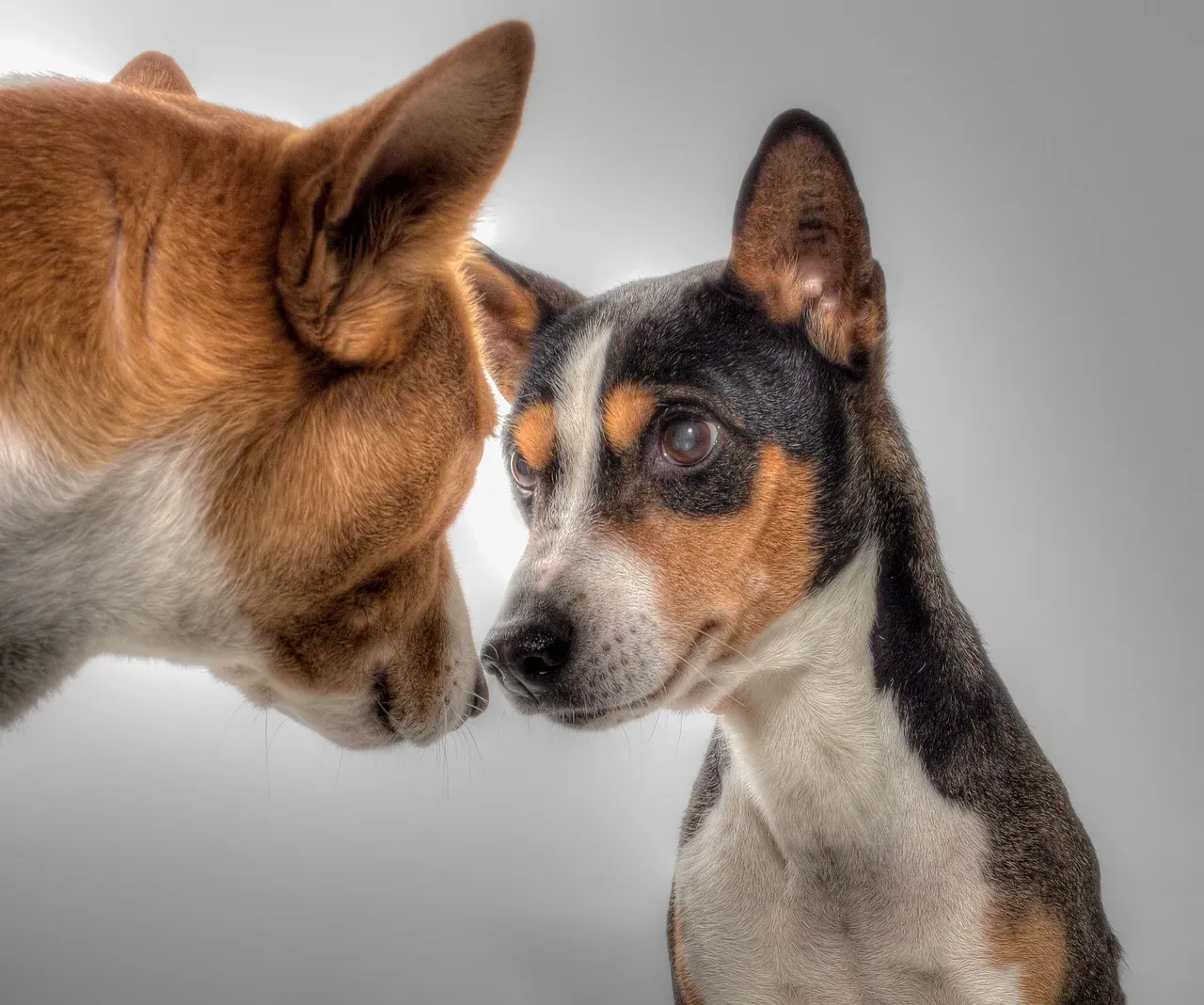
Here’s a fun fact that might blow your mind a little: the Basenji doesn’t really bark. The Basenji, often called the “barkless dog,” is a small, elegant breed known for its independence and unique personality. Instead, they make their feelings known with an odd sound described as something between a chortle and a yodel. Yes, really.
Originating from Central Africa, this breed was initially bred for hunting, where self-reliance was crucial. Basenjis are highly intelligent and curious, but they tend to be aloof, often preferring to observe rather than engage actively with their humans. These African dogs were bred for hunting at great distances from their owners, which has trained them to be more independent than other breeds. They’re endlessly fascinating companions – just don’t expect them to come when called every single time.
8. English Bulldog: Docile, Chill, and Perfectly Happy on the Sofa
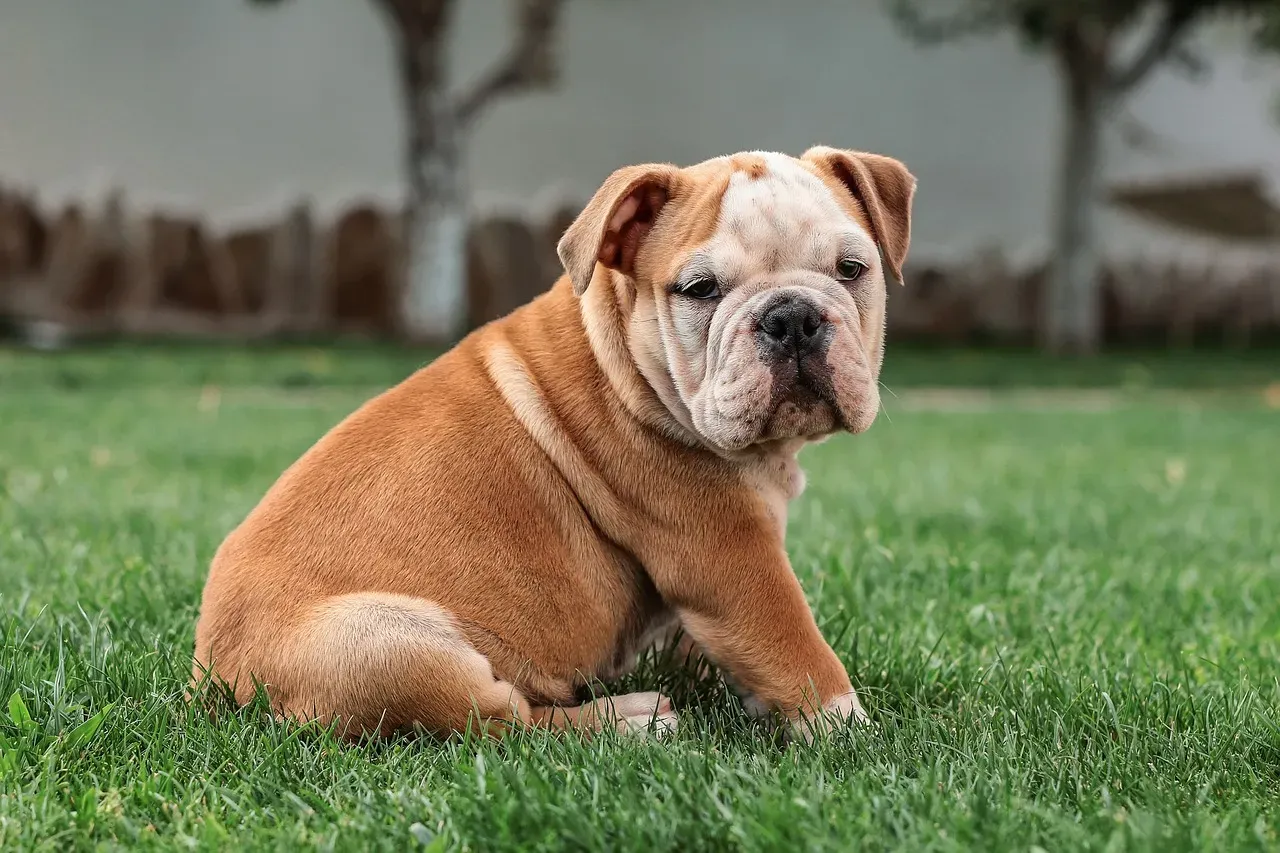
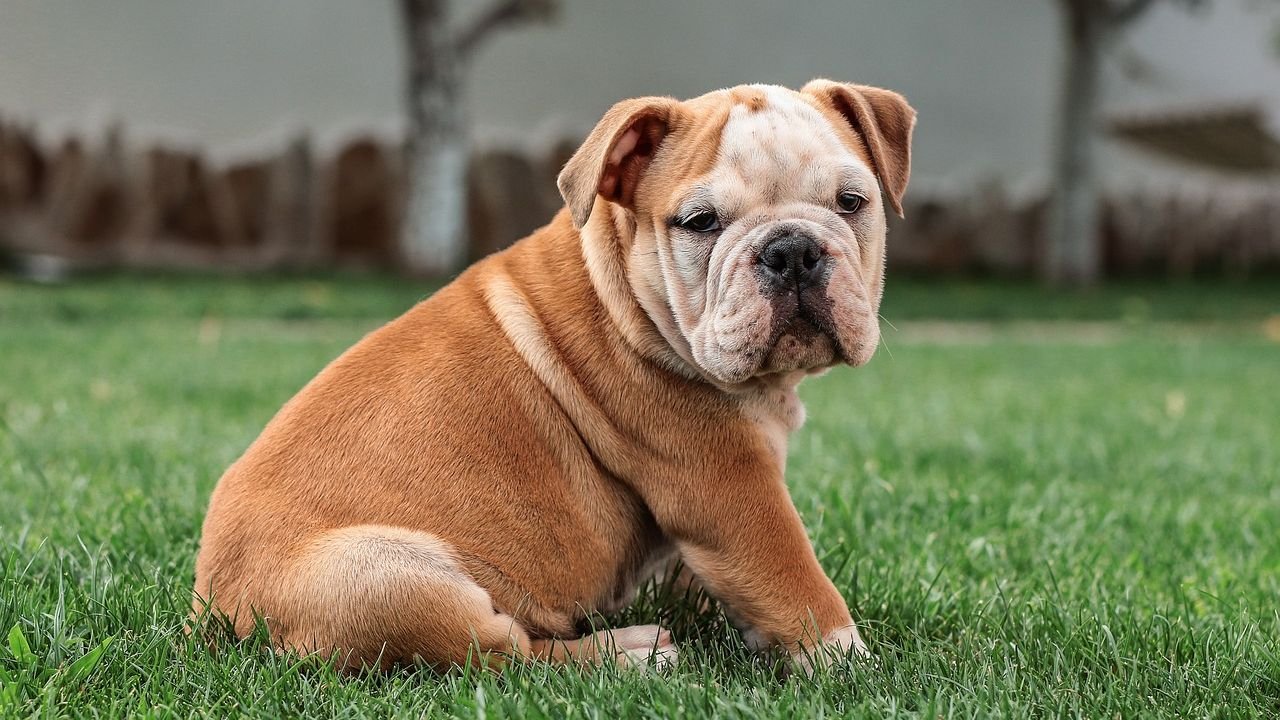
If there were a dog breed that embodied “unbothered energy,” it would be the English Bulldog. English Bulldogs aren’t known for being overly demanding of their pet parent’s time and attention. These independent dogs have a docile demeanor and are rather low-energy, which makes them content to sleep through your absence for a few hours. They’re like that one friend who is genuinely happy just to exist in the same room as you, no conversation required.
The English Bulldog is an easygoing companion with a docile temperament. Sturdy and stout, these medium-sized dogs reach 40 to 50 pounds, and their flat face and short legs mean they aren’t built for intense or vigorous exercise. That said, keep an eye on their breathing, especially in heat. Brachycephalic breeds like English Bulldogs can face difficulties breathing, and sometimes the issue requires costly surgery. They are also predisposed to allergies and skin issues that need veterinary attention. Regular vet check-ins are a must for this lovable, low-key breed.
Final Thoughts: Independent Doesn’t Mean Unloving
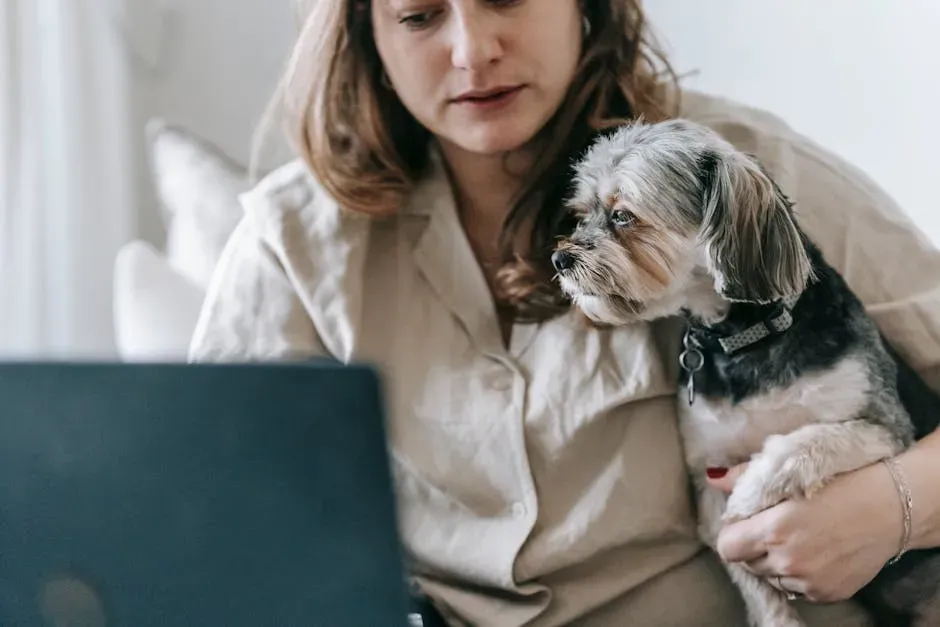
Here’s the thing about independent dogs – they still need you. They just don’t need you desperately. An independent dog is comfortable and confident without constant interaction, but that doesn’t mean they lack love and loyalty. Independent dogs have love and loyalty to give – they just express it differently. For example, they might prefer to lie in the corner while you’re watching TV instead of cuddling up next to you.
Positive reinforcement and rewarding good behavior with treats, praise, or play tends to work especially well with independent breeds, as it makes training more enjoyable for them. Remember that no dog, including independent breeds, should be left alone constantly or consistently, as this can lead to anxiety and behavior issues. Every pet relies on you to fulfill their needs, so be prepared to give your dog the daily time and attention necessary for a happy, healthy, and well-adjusted life.
Choosing an independent breed isn’t settling for less connection. It’s choosing a different kind of connection – one built on mutual respect, quiet companionship, and a dog who loves you on their own deeply unique terms. Honestly? That sounds pretty beautiful. Which of these independent souls do you think would be the perfect match for your lifestyle?


