
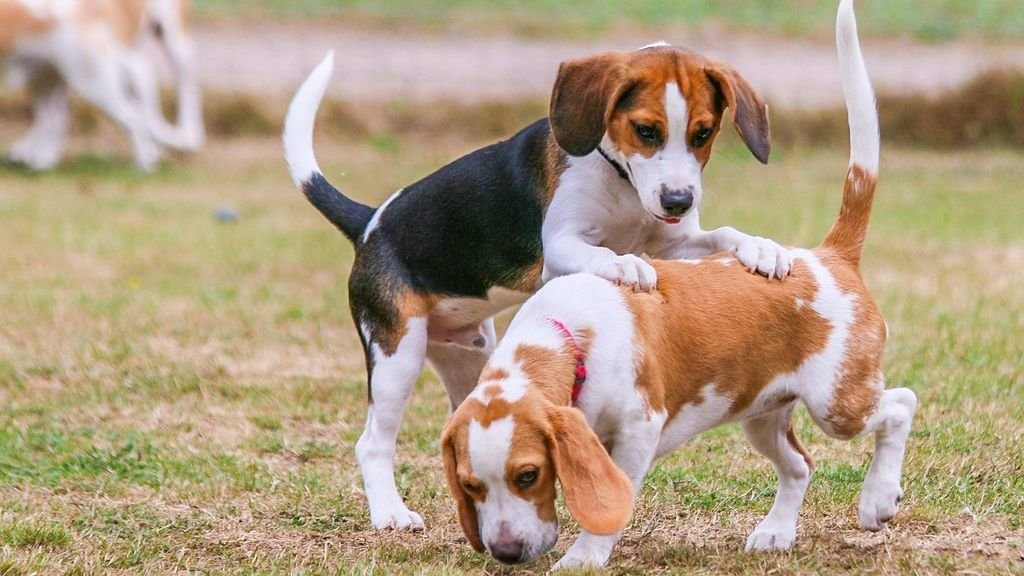
There is something deeply heartwarming about watching an older dog launch into a play bow or zoom around the yard like time simply forgot about them. Most people assume that once a dog reaches its senior years, the fun is mostly over. Honestly, that could not be further from the truth. For certain breeds, playfulness is not just a puppy phase. It is a lifelong personality trait that age barely dims.
Whether you are a dog parent watching your beloved companion grow older or someone looking for a breed that will stay spirited well into their golden years, you are in the right place. These nine dogs refuse to read the memo that says “slow down.” Let’s get into it.
1. Labrador Retriever: The Eternal Puppy
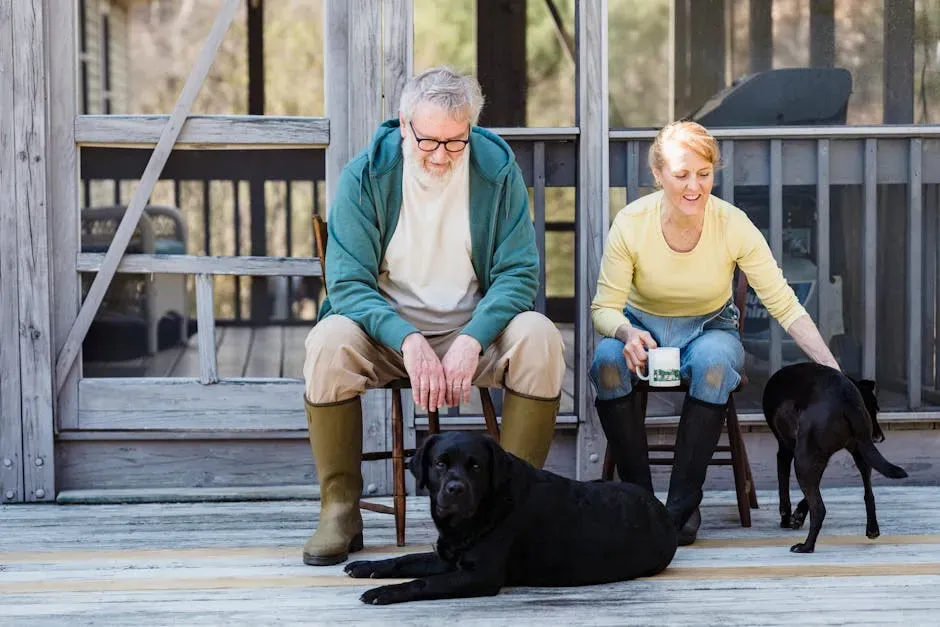
Ask almost any dog trainer, and they will tell you that Labs have a special talent for staying young at heart. Labs are often described as perpetual puppies because of their playful and exuberant nature. That reputation is not just marketing fluff. It holds up deep into their senior years.
Senior Labs still enjoy short walks and gentle play, and they cherish cuddles and companionship. Their loyalty and loving spirit remain unwavering, making their senior years a time of deep bonding. The key is adjusting how you play with them, not stopping altogether.
Watch out for joint stiffness as your Lab ages. They might experience stiffness or difficulty getting up, especially after resting, which can be a sign of arthritis. Swapping hard fetch sessions on concrete for gentle games on grass or short swims can keep your senior Lab active without pushing through pain.
2. Golden Retriever: Forever Fetch-Ready
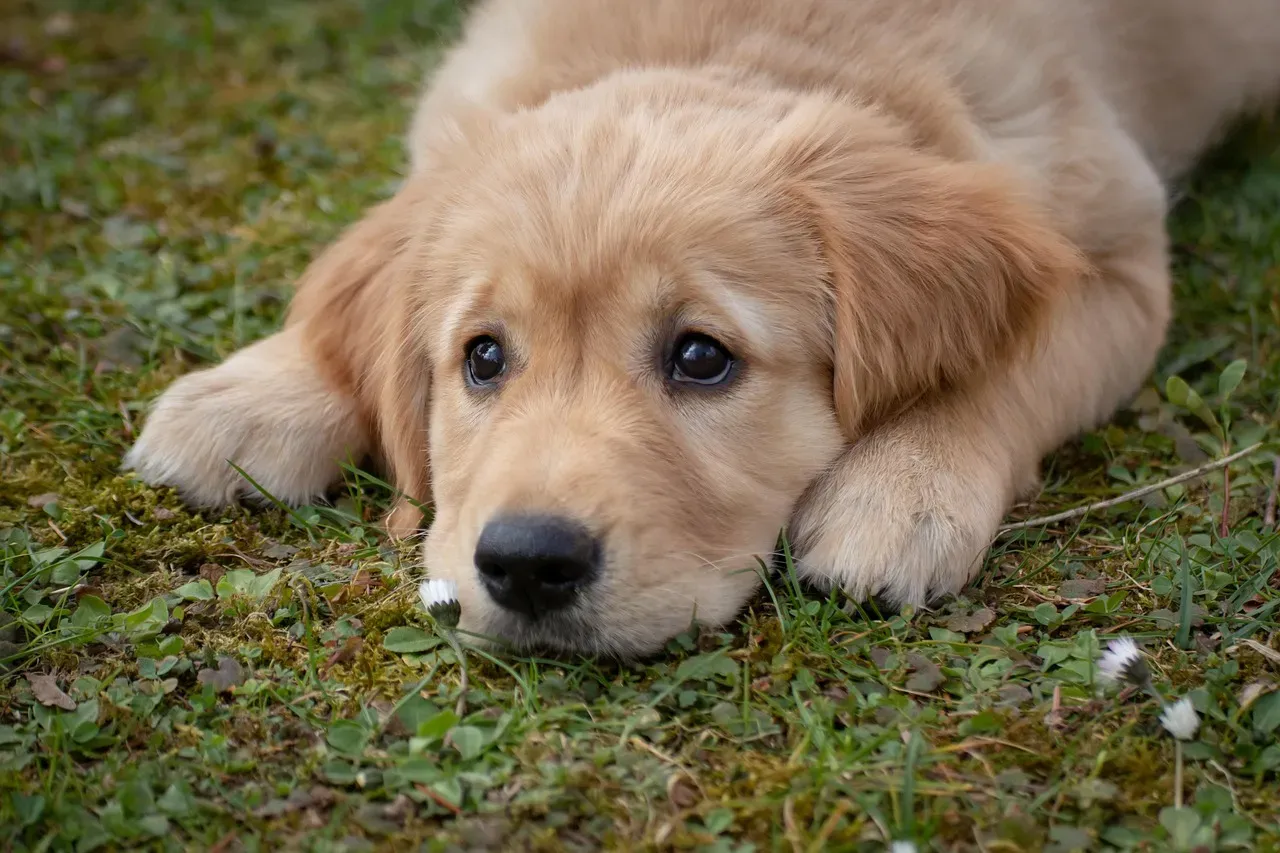
The Golden Retriever is even-tempered, intelligent, and affectionate. Golden Retrievers are playful, yet gentle with children, and they tend to get along well with other pets and strangers. That warmth does not evaporate with age. It just softens into something even more beautiful.
Their energy levels remain high throughout most of their adult lives, only beginning to decrease in senior years around age 8 to 10. So you get nearly a full decade of enthusiastic, tail-wagging playtime before things start to mellow. I think that is a pretty incredible deal.
To keep your Golden thriving mentally as they age, keeping them mentally engaged with toys, puzzles, and training helps prevent cognitive decline. Even a five-minute training session or a new scent game can make their eyes light up the way they did at two years old.
3. Poodle: The Playful Genius Who Never Quits
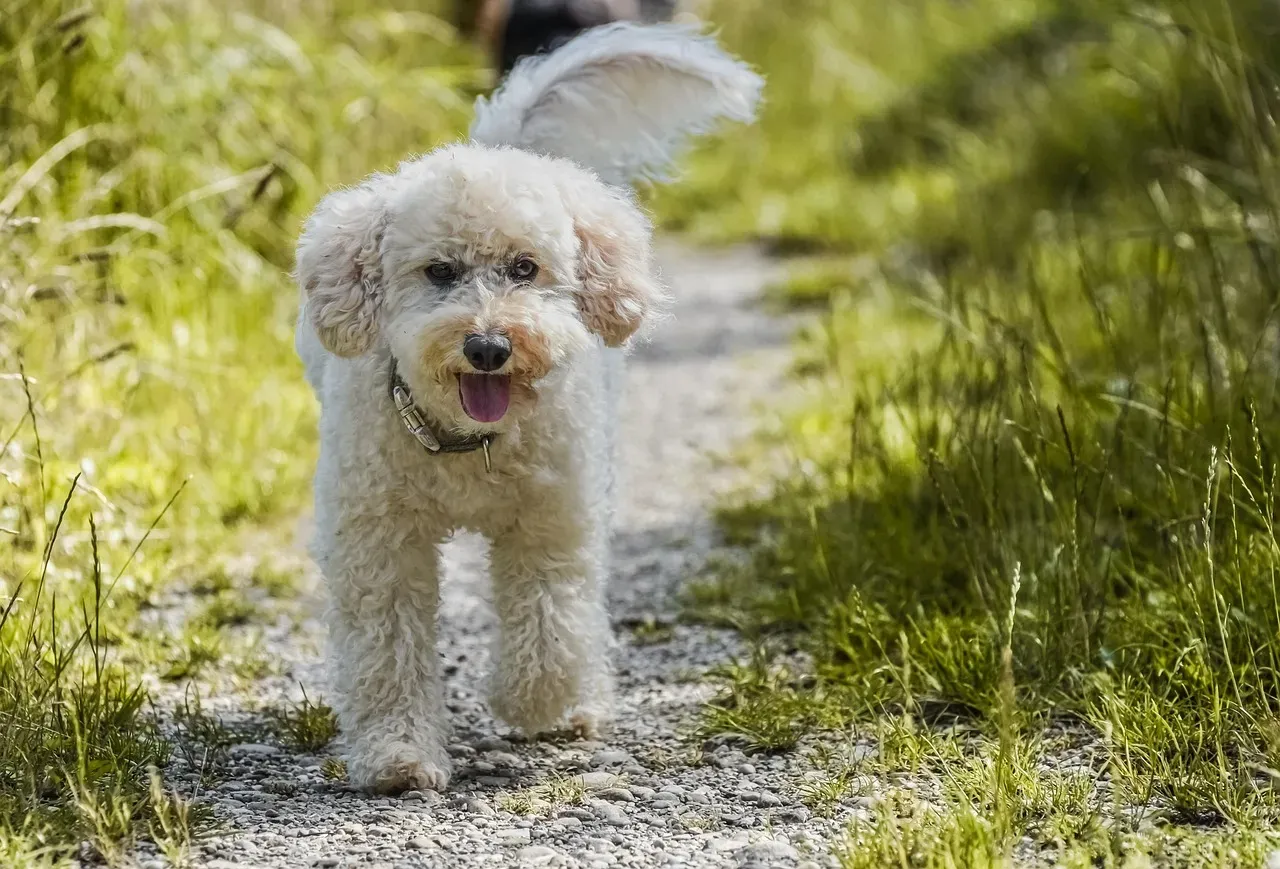
Poodles are good companion dogs thanks to their extraordinary intelligence and highly trainable nature. They form a strong bond with more than one member of their human families. They are sweet, gentle, and loving animals. What many people do not realize is that their intelligence actually fuels their desire to stay engaged and active, even as seniors.
Poodles need a daily walk but are otherwise content to play or just lie on the couch. They don’t shed, but they do need to be groomed every month or so. That balance is genuinely useful. They can match your energy, whether you feel like a walk or just a lazy game of tug indoors.
The Poodle comes in three sizes, toy, miniature, and standard, so you can choose the right fit for your home. Active and playful, they are also intelligent and easy to train, which means engaging them mentally never gets boring for either of you.
4. Beagle: The Nose That Never Takes a Day Off
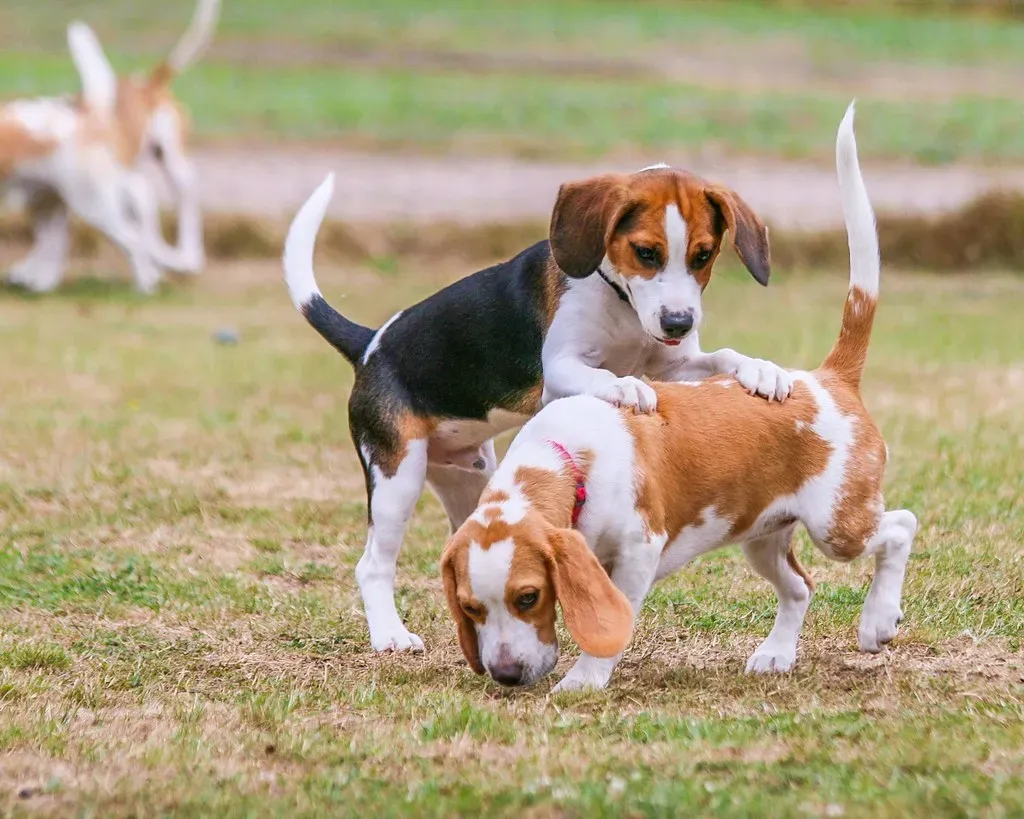
Beagles are one of those breeds where “old dog” is basically a myth. These dogs are energetic, sociable animals who love to play. They are friendly, fun, easygoing characters who consider every person they meet to be their new best buddy. That attitude sticks around for life.
As members of the hound family, Beagles are natural-born hunters. They are also happy, easy-going, curious, funny, clever, and loyal companions. They are great family dogs, as well as excellent dogs for seniors. Their scent-driven curiosity means a walk in the park genuinely feels like an adventure to them, even at ten years old.
One important health note: Beagles are active dogs that love to be in the great outdoors. They require a significant amount of exercise and are prone to chasing squirrels and other small critters. They’re best for seniors who want an energetic pooch, and they do best in homes with fenced yards or when on a long leash. Safety first, always.
5. Bichon Frise: Cheerful From Puppy to Grandpa
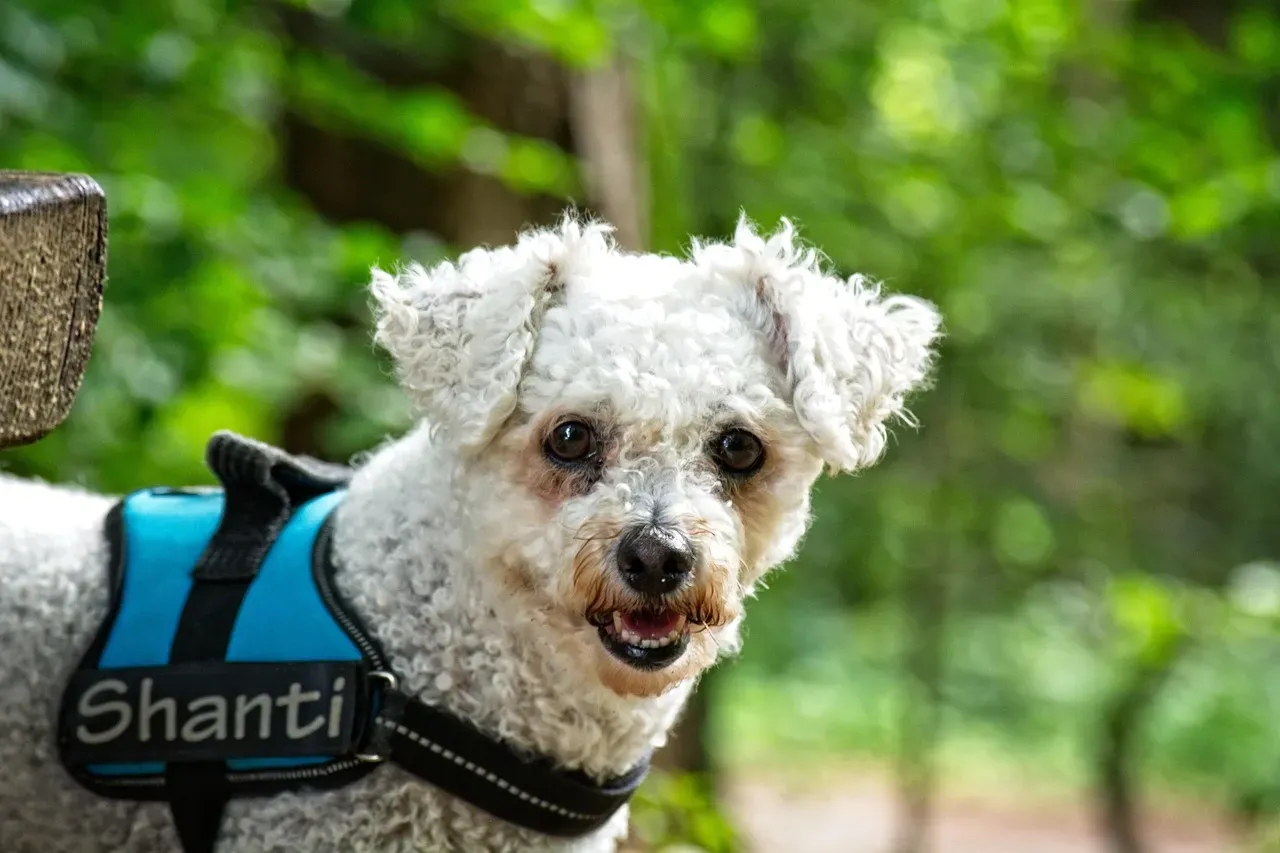
If there is a dog that embodies pure, uncomplicated joy, it is the Bichon Frise. The Bichon Frise is cheerful, adaptable, and hypoallergenic. Their playful demeanor keeps spirits high, while their small size makes them easy to manage.
Their playful demeanor keeps spirits high, while their small size makes them easy to manage. They thrive on human interaction and quickly become part of the family. Here’s the thing about Bichons: they do not need a lot of space or a big yard to stay happy. A game of indoor fetch or some gentle tug-of-war works just as well for them.
One practical tip: the Bichon Frise is hypoallergenic, which makes them an excellent choice for those with allergies. So on top of their lifelong spark, they are also a thoughtful choice for households where allergies are a concern. Win-win.
6. Boston Terrier: The Clown Dog Who Ages Gracefully
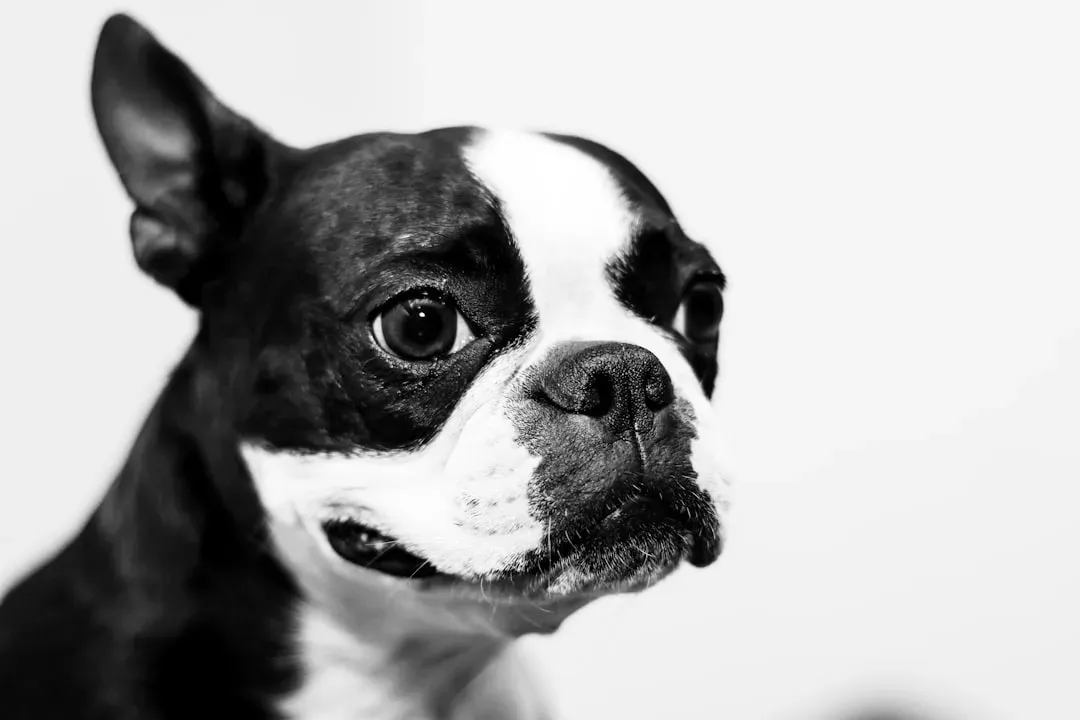
Boston Terriers have earned the delightful nickname “clown dog,” and honestly, it fits them to perfection. Known for their playful spirit, love of entertaining, and endearing snorts, this breed has earned the nickname “clown dog.” That playful spirit does not dim with age. It just gets a little more charming.
With a life expectancy of around 12 years, and weighing in at just 10 to 25 pounds, the Boston Terrier is a fantastic, playful, and smart breed. Also incredibly friendly and affectionate, Boston Terriers can make for a great breed for senior citizens as they are just happy to be with their owners no matter what, whether that’s going for a nice long walk or just enjoying a quiet day around the house.
Here is something worth knowing before you commit: the Boston Terrier breed is renowned for being brachycephalic, meaning short-headed, and health issues such as breathing difficulties can arise. This also leads to rather loud snoring, so be warned! Keep them cool in warm weather and avoid over-exertion during playtime. Light, frequent play sessions are far better than marathon run-arounds.
7. Pomeranian: Small Dog, Enormous Spirit
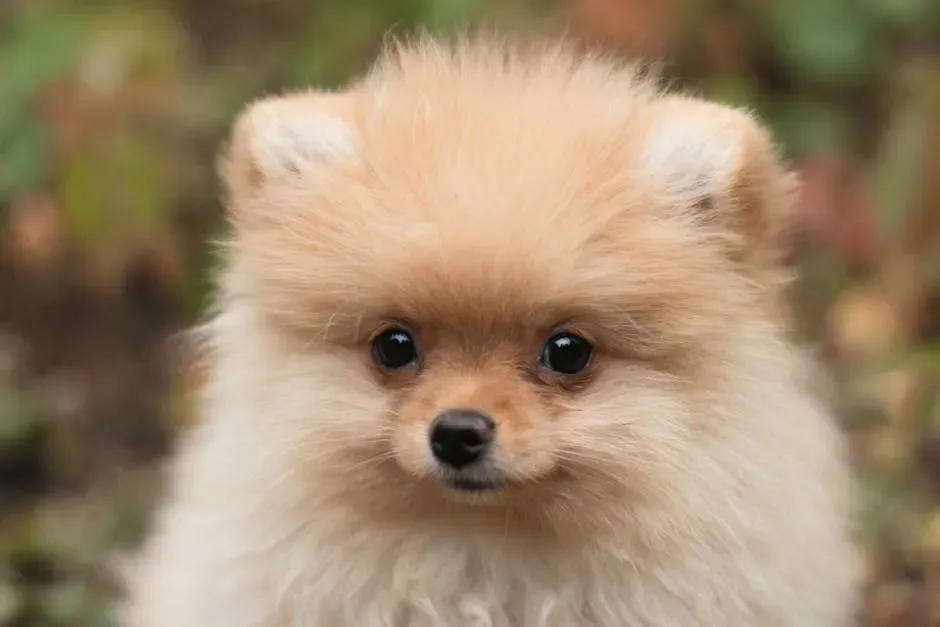
Do not let the tiny, fluffball exterior fool you. The Pomeranian carries the energy of a dog three times its size. Pomeranians have small bodies and big personalities. They are bright, alert, and perky, and they are easy to train. They make great watchdogs and are great companions for seniors in both the suburbs and cities.
Poms are smart and easy to train, and their playfulness is satisfied with indoor games or short outdoor walks. They also enjoy time to just hang out on your lap. That combination of indoor play and lap-time cuddles is honestly ideal for keeping an older dog stimulated without overexerting aging joints.
It is worth mentioning that the Pomeranian breed is relatively small, but that’s not to diminish their intelligence, affection, and liveliness. They also crave attention and are extremely curious, which can make for a fantastic companion. Keep their mind busy with puzzle feeders and short training games. A bored Pom is a loud Pom.
8. Pembroke Welsh Corgi: The Herding Heart That Never Stops
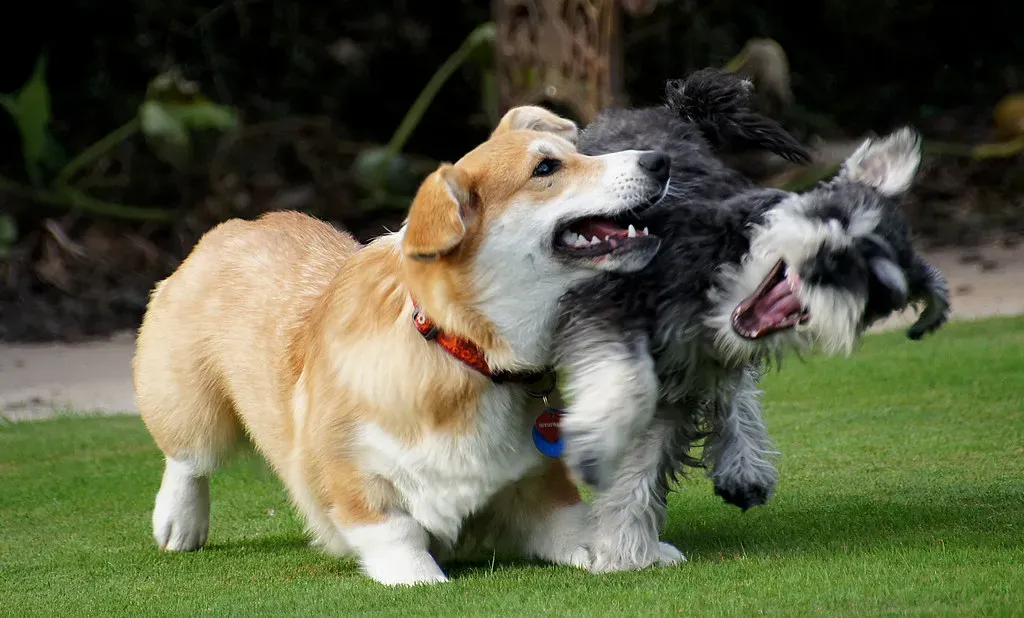
Corgis are proof that short legs are zero obstacle to a big, playful life. Famously owned by Queen Elizabeth II, Corgis are among the most lovable and energetic dogs. These dogs enjoy daily jaunts, including hikes and trips to the dog park. They were originally bred as herding dogs, so they require more activity than other options.
Intelligent and lively, Pembroke Welsh Corgis are high-energy dogs that live for human attention and are big on pleasing their owners. Their herding instinct means they genuinely feel purposeful when they play, chasing a ball or navigating an obstacle course. That sense of purpose keeps them mentally sharp well into old age.
To support an aging Corgi, watch their weight carefully. Their long backs and short legs make them prone to spinal issues if they carry excess weight. Continue to keep your dog active in physical and mentally stimulating activities that are suitable for their age. Make sure they are still getting social interaction with people, animals, and new environments. That recipe works beautifully for Corgis at any age.
9. Cavalier King Charles Spaniel: Gentle, Playful, and Endlessly Loving
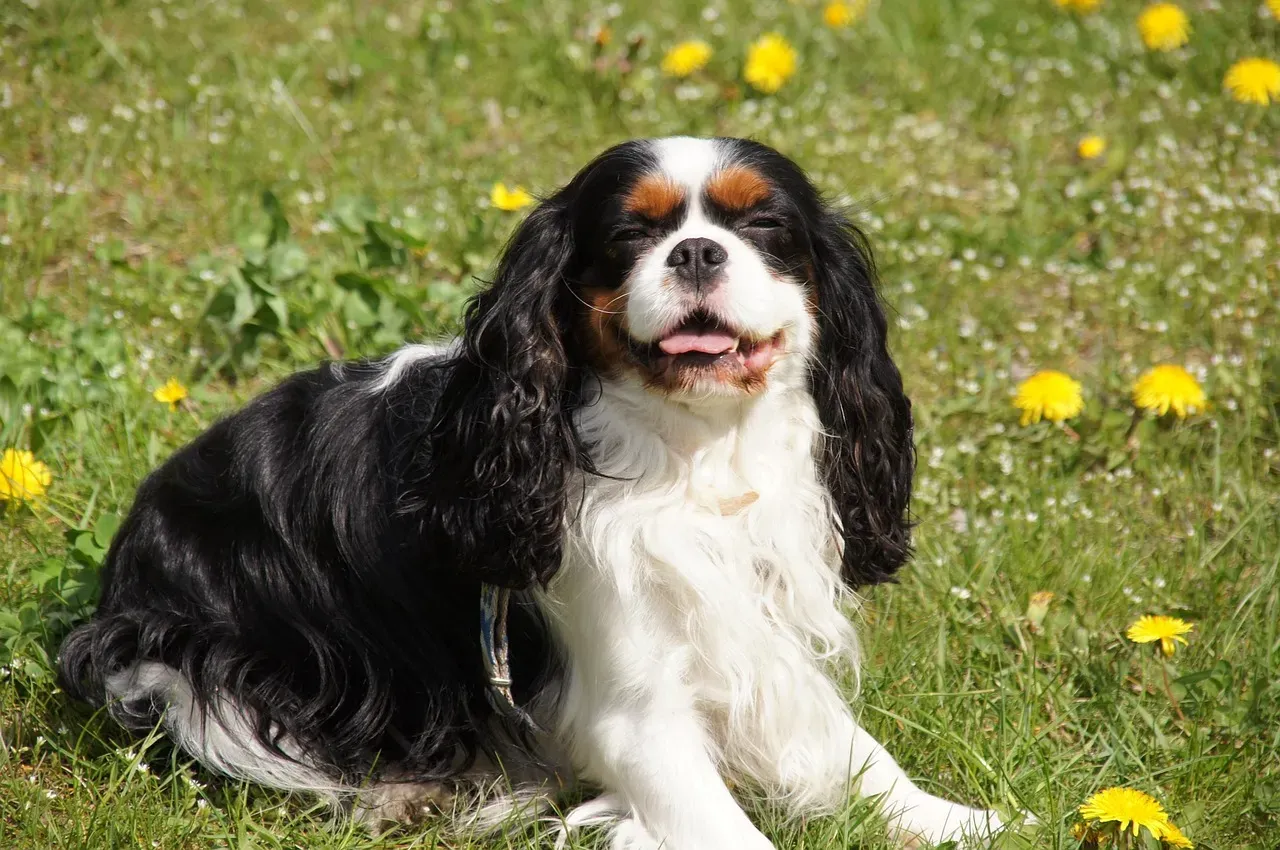
The Cavalier is perhaps the most emotionally tuned-in dog on this list. The Cavalier King Charles Spaniel is one of the best small dogs for older adults. These dogs are gentle, affectionate, and love spending time with their owners. While they enjoy walks and playtime, they do not have high exercise requirements.
Cavalier King Charles Spaniels have a combination of sporting and toy breed traits. They are a small dog, sweet, and playful, but they are also athletic dogs that like to chase squirrels, chipmunks, and butterflies. That sporting side keeps them curious and engaged even as the years stack up.
One thing to monitor as Cavaliers age is heart health, as the breed has a known predisposition to heart conditions. No matter which breed you choose, regular veterinary care is essential to ensure your pet stays happy and healthy. Routine check-ups, vaccinations, and preventive care not only extend your dog’s lifespan but also enhance their quality of life. Catching any issues early gives your Cavalier the best possible shot at long, joyful years with you.
Conclusion: Play Is a Love Language, No Matter the Age
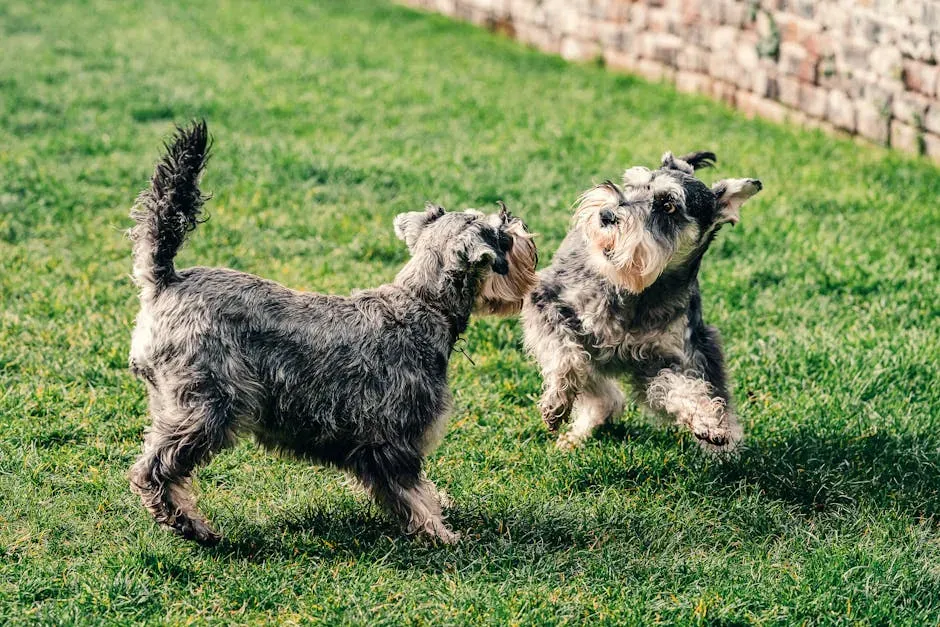
Here is the beautiful truth about dogs: for the breeds on this list, play is not something they grow out of. It is how they connect, how they communicate, and how they tell you, in the clearest possible way, that life is still good. Their bodies may slow down, but their spirits stay wonderfully stubborn about staying young.
The best thing you can do as a dog parent is meet them where they are. Soften the games, swap the long runs for short, joyful bursts, and stay tuned in to how they feel after each session. While playtime might be less vigorous, senior dogs still enjoy play. Opt for softer, easy-to-chew toys and low-impact games that don’t stress their joints.
Every tail wag from an older dog is a small miracle. Treasure it. Does your senior dog still surprise you with their playful energy? We would love to hear about it in the comments below.


