
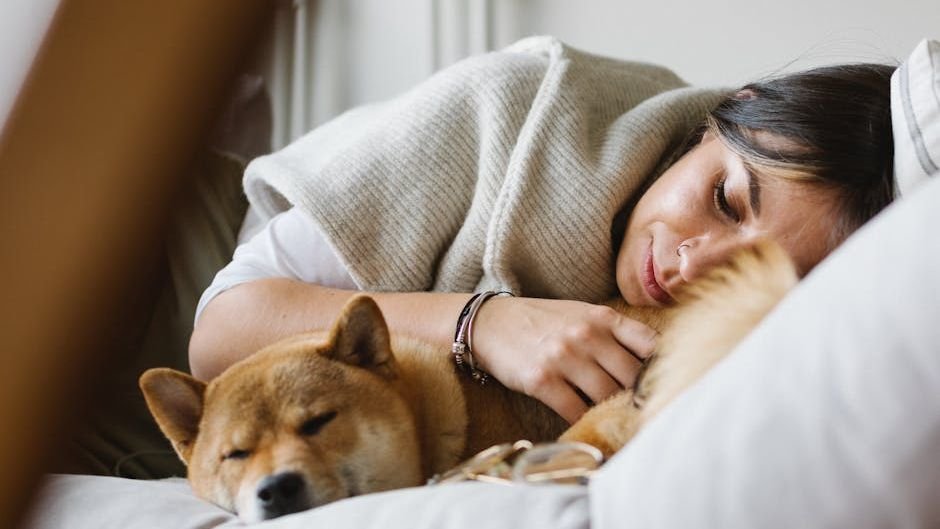
You’ve probably heard people say dogs are loyal. You’ve seen the tail wags, the excited zoomies when you walk through the door, the soulful eyes staring at you from across the room. But here’s something most dog owners don’t fully realize: your dog is saying “I love you” far more often than you think, and in ways that are surprisingly quiet, deeply scientific, and honestly a little breathtaking.
We tend to look for big, dramatic gestures of love. But your dog? They’re fluent in a language of subtle signals, tiny rituals, and soft moments that most of us walk right past every single day. Once you learn to read them, you’ll never look at your dog the same way again. Let’s dive in.
The Soft, Lingering Gaze That Actually Mirrors a Mother’s Love
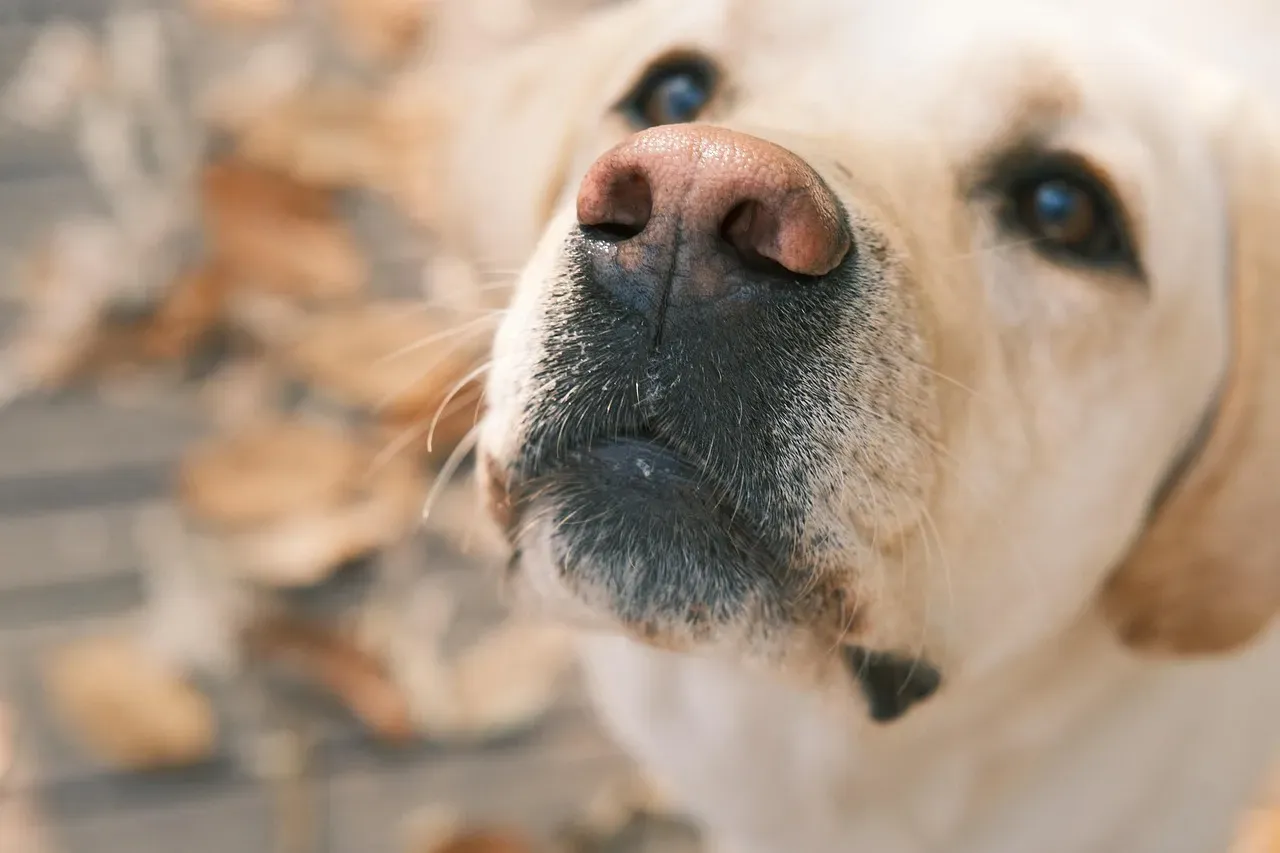
Here’s the thing that stopped me in my tracks when I first learned it: when dogs make direct eye contact with their owners, it triggers the release of oxytocin in both the dog and the human. This “love hormone” is the same one that bonds mothers to their infants. That moment when your dog just sits and stares at you quietly across the room? That is not random. That is love, chemistry and all.
Affectionate eye contact is different from threatening eye contact. Long, sustained eye contact is reserved for people you love, trust, and feel safe with. Forced eye contact can make dogs uncomfortable, fearful, and stressed. So the key is to look for soft, blinking, relaxed eyes. When your dog offers you that gaze freely, cherish it. It’s one of the most genuine expressions of trust in the animal world.
The Full Body Lean That Screams “You’re My Safe Place”
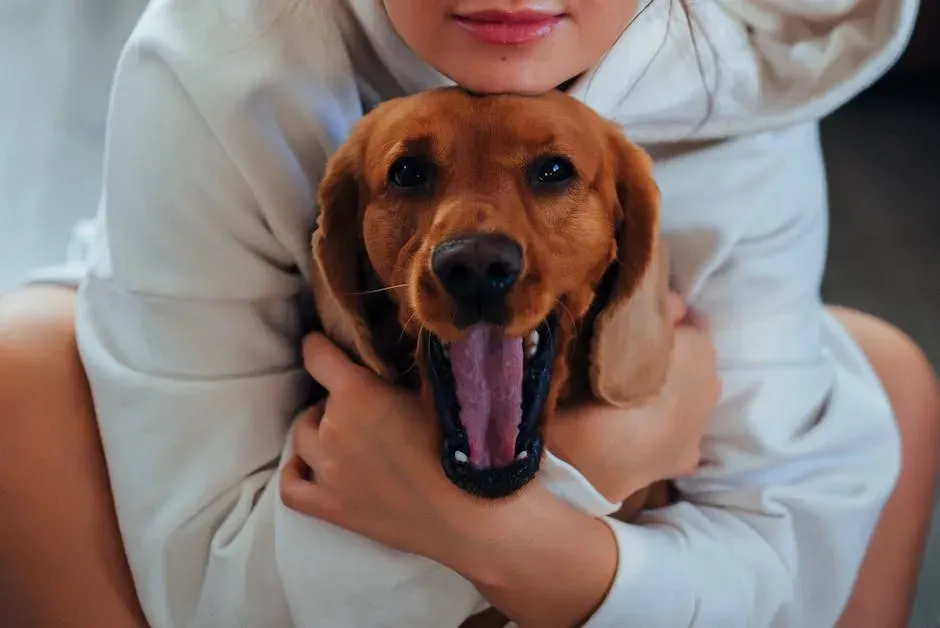
When your dog presses their side, head, or whole body into you and just stays there, this kind of contact helps dogs feel grounded and calm. Your presence actually regulates their nervous system, even if you’re not actively petting them. Think about that. Just being near you is enough to calm their entire biology.
When a dog leans on you, it shows trust and the desire for closeness. Dogs lean on people for comfort and to feel secure. This act indicates they feel safe around you. It’s worth noting that if your dog also shows restlessness, whining, or follows you relentlessly alongside this behavior, they may be anxious and could benefit from a chat with your vet or a qualified trainer.
Bringing You Their Favorite Toy is Actually a Grand Romantic Gesture
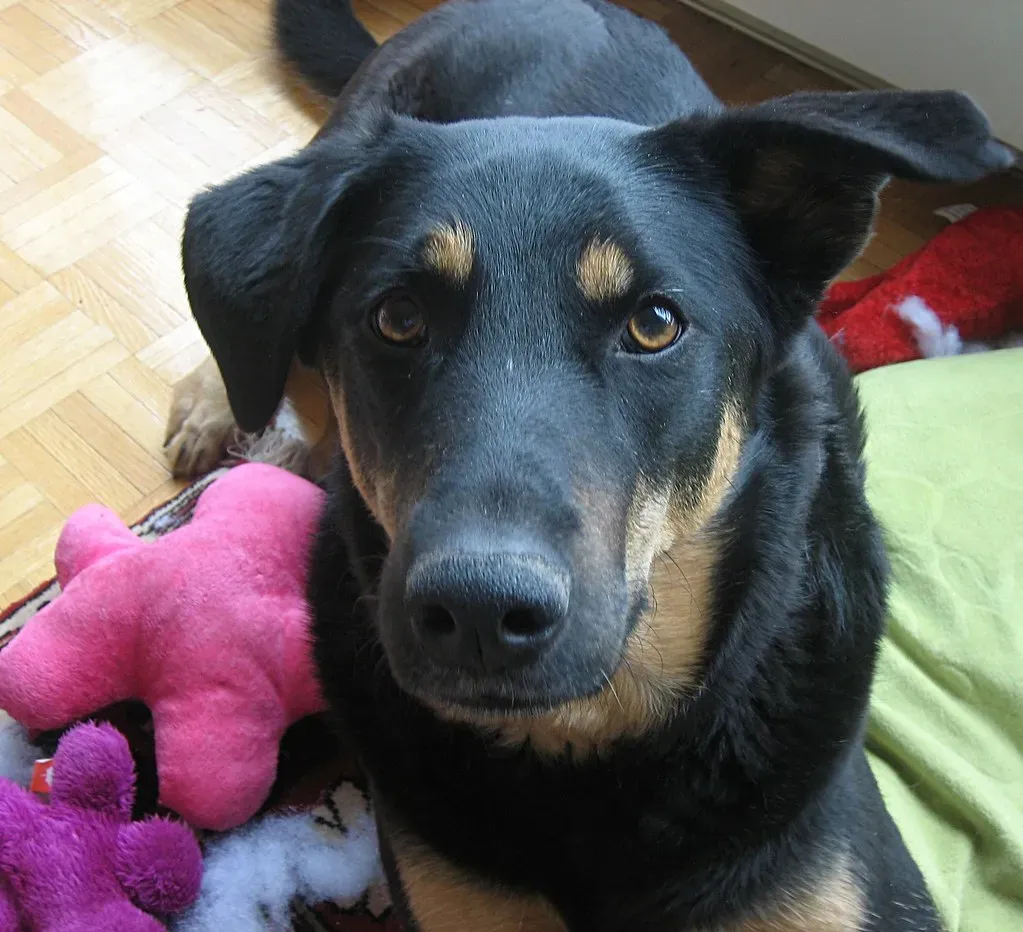
Dogs will often give gifts to the leaders of their pack to show affection, respect, and trust. They can be possessive of their belongings, so trusting you with their favorite toys could be their way of expressing their faith in you to take care of their treasured items. Honestly, when you frame it that way, a soggy tennis ball dropped in your lap becomes one of the most touching things ever.
Dogs may express affection by bringing you items, whether it’s a favorite toy, a found object, or even a sock. This behavior is rooted in their natural instincts. In the wild, wolves and wild dogs share food with their pack as a way of reinforcing social bonds. When your dog presents you with a cherished item, it’s their way of sharing, bonding, and including you in their pack. So next time, don’t just toss it aside. Take a moment to accept the gift with some genuine enthusiasm.
Sleeping Close to You Is the Ultimate Act of Vulnerability
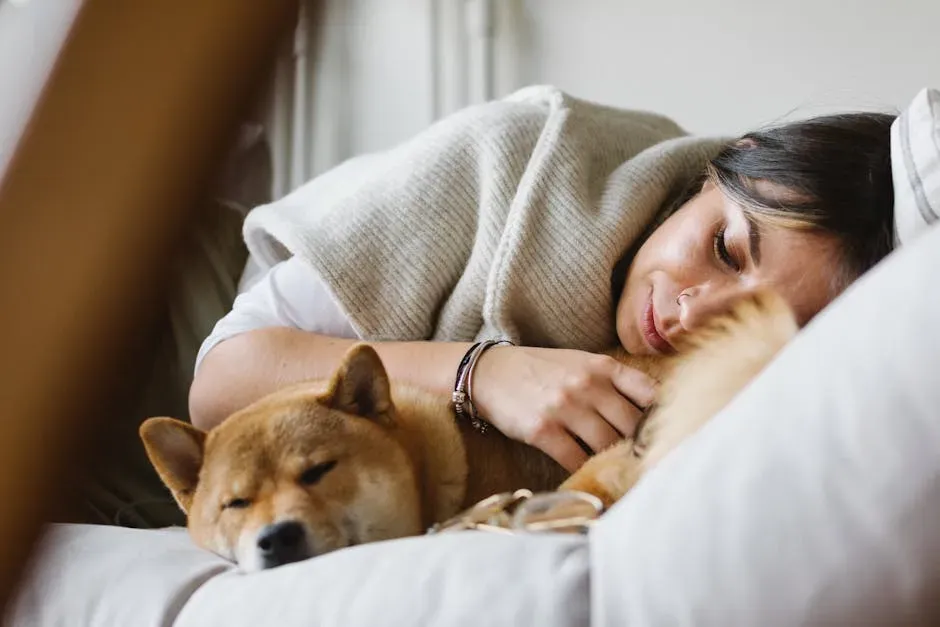
Whether on the bed, couch, or curled nearby, this vulnerable act shows deep trust. Your dog feels safe with you when most defenseless, during sleep. Sleep is the one moment every creature on earth lets their guard completely down, and your dog chooses to do that by your side. That is not nothing.
Sleeping together with their pack is a natural instinct for dogs and something they did as newborn puppies with their littermates. Your dog wanting to sleep next to you is a sign of affection and closeness. They like your company, consider you a member of the pack, and want to show their loyalty, trust, and willingness to protect you. Let’s be real, that’s one of the sweetest partnerships in all of nature.
Yawning When You Yawn Is a Tiny Act of Canine Empathy
I know it sounds crazy, but pay attention next time. Yawning when you yawn is a surprising way dogs show their love. This behavior, known as contagious yawning, suggests they have a strong emotional connection with you. Not all animals do this, which makes it special. It shows empathy and signifies that they are attuned to your feelings.
Research has shown that contagious yawning is linked to social bonding. In humans, it often occurs among family members or close friends. So, when your dog catches your yawn, it’s a sign they consider you part of their close circle. Next time it happens, don’t dismiss it as coincidence. Your dog just mirrored your emotional state. That is real connection.
Their Nose Nudge is a Quiet Little Love Note
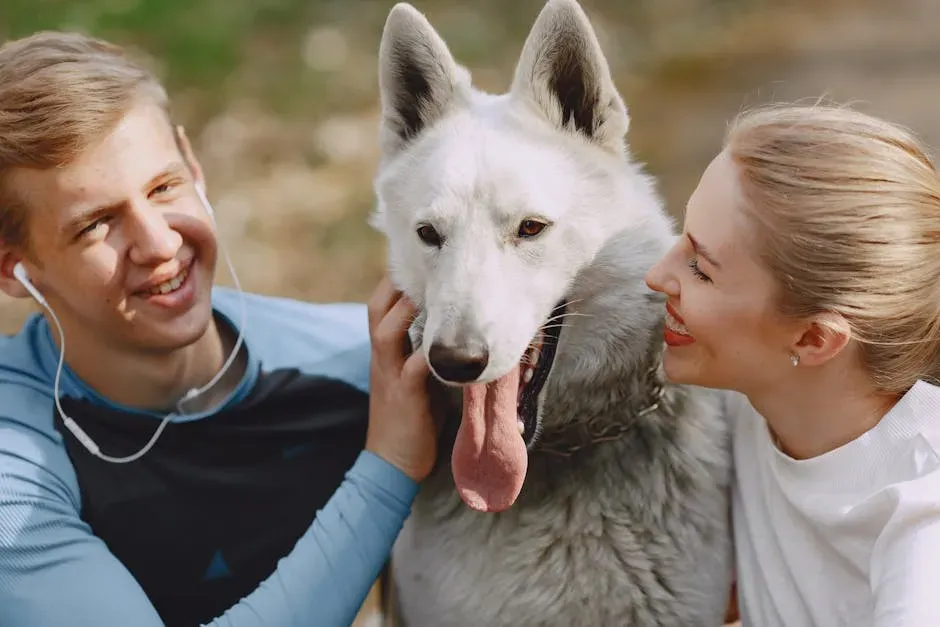
A nose nudge can mean “pet me,” “look at me,” or “I love you.” It’s one of the gentlest ways dogs initiate connection. It might last half a second, just the softest bump of their snout against your hand or knee. But in dog language, that deliberate touch is deeply intentional. They are choosing you in that moment.
Nose-nudging you is a sign of affection, a way for your dog to show they like you. It’s also a way they seek attention, or to let you know they’re thinking of you. You’ll know your dog is expressing affection if the nose-nudge is accompanied by a soulful stare, or leads to more body contact. Think of it like a tap on the shoulder from a very devoted friend. Respond to it. A little pat or soft word goes a long way.
Following You Room to Room Because You Are Their Whole World
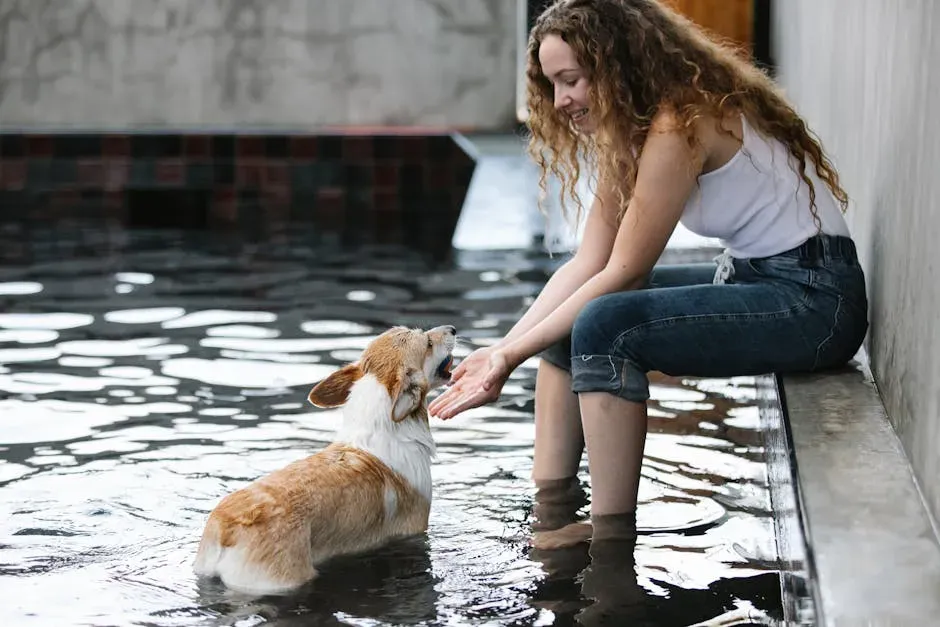
When your dog follows you around the house, it’s their way of saying, “I want to be with you.” This behavior is deeply rooted in their pack mentality. In the wild, dogs stick with their pack to ensure safety and companionship. You have become their pack. Their comfort. Their reason to get up and move.
Studies have found that dogs stick closer to their owners than to other people, which is a strong sign that they feel safe, bonded, and emotionally connected to you. They’re not looking for food, walks, or playtime. They just want to be close. Dogs don’t waste energy hanging around people they don’t feel attached to. Choosing your company during quiet moments shows genuine affection. Worth noting: if the following becomes obsessive or your dog panics when you leave, that could be separation anxiety worth addressing with a trainer.
Sighing Contentedly Against You Is Their Version of “I’m Home”
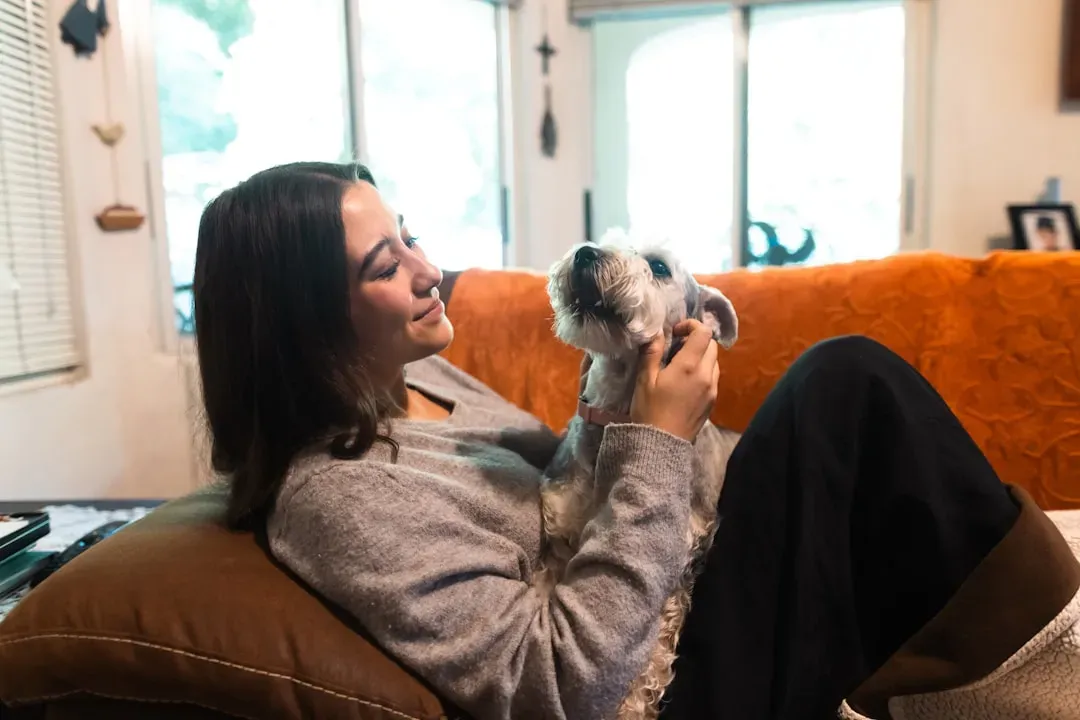
Has your dog ever let out a big sigh after they got really cozy next to you? Soft vocalizations, like sighs and groans, are signs of contentment in dogs. When you hear your furry buddy do that, it means they’re happy. It’s one of those sounds that, once you know what it means, becomes genuinely moving.
While sighs can sometimes be a sign of annoyance or frustration in dogs, they’re most commonly a sign of contentment, especially when you’re relaxing with them. It can be shocking, comical even, to hear your dog sighing like they’ve worked a long, hard week, but it’s truly a sign of love. They’re feeling safe, comfortable, and happy. Honestly, there’s no better compliment your dog can give you.
The Belly Rollover Is One of the Deepest Gestures of Trust
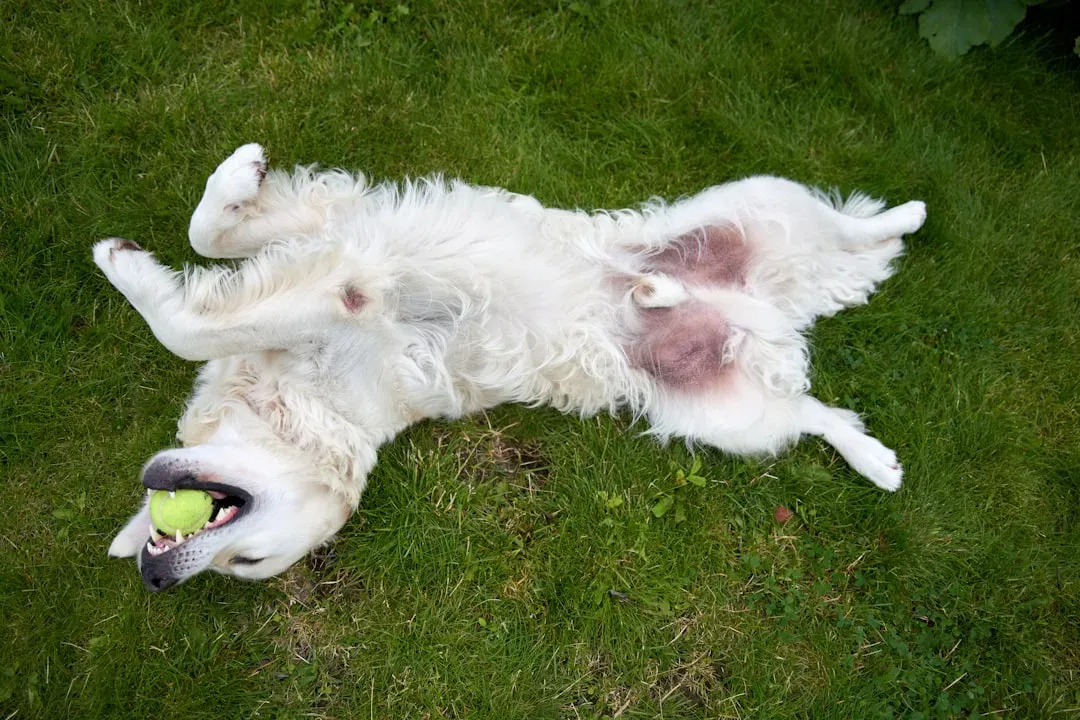
A dog exposing their belly is showing major vulnerability. If they roll over and invite you in, that signals deep trust and comfort. Belly rubs are both affectionate and bonding. Think about what that means biologically. The belly is the most unprotected part of any animal. Rolling over is the canine equivalent of saying, “I trust you completely.”
It’s important to read the full picture, though. When a dog feels threatened, one way they can show that is by rolling onto their back and showing their belly. Fearful dogs will likely display other red-flag body language, such as freezing, tail tucking or avoiding eye contact. A happy belly rollover looks relaxed, wiggly, and inviting. A fearful one looks stiff and tense. Learn the difference. It matters.
Mirroring Your Emotions Because They’ve Learned to Love You That Deeply
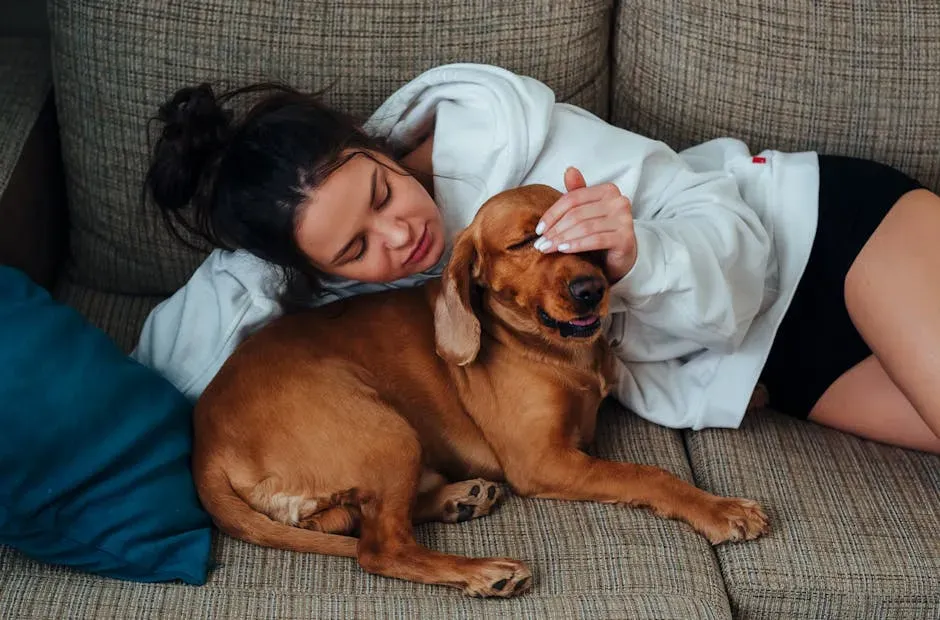
Research has shown that dogs often mimic our emotions, a phenomenon known as emotional contagion, which is another way they show love. If you’ve ever cried and had your dog rest their head in your lap without being called, you’ve felt this firsthand. When you’re feeling down or upset, your dog may sense this and bring you comfort. Studies showed that dogs explored and played more with their owner present, while still remaining close. Put simply, “a dog’s owner is a unique person from whom it seeks comfort, security and reassurance.”
Dogs have been living alongside humans for thousands of years. Over time, they’ve developed the ability to read human emotions, understand our body language, and even anticipate our needs. That emotional attunement didn’t happen by accident. It evolved because of love, or something remarkably close to it. Respond to their empathy by being consistent, calm, and present. Your emotional state is something they carry, too.
The Love Was There All Along
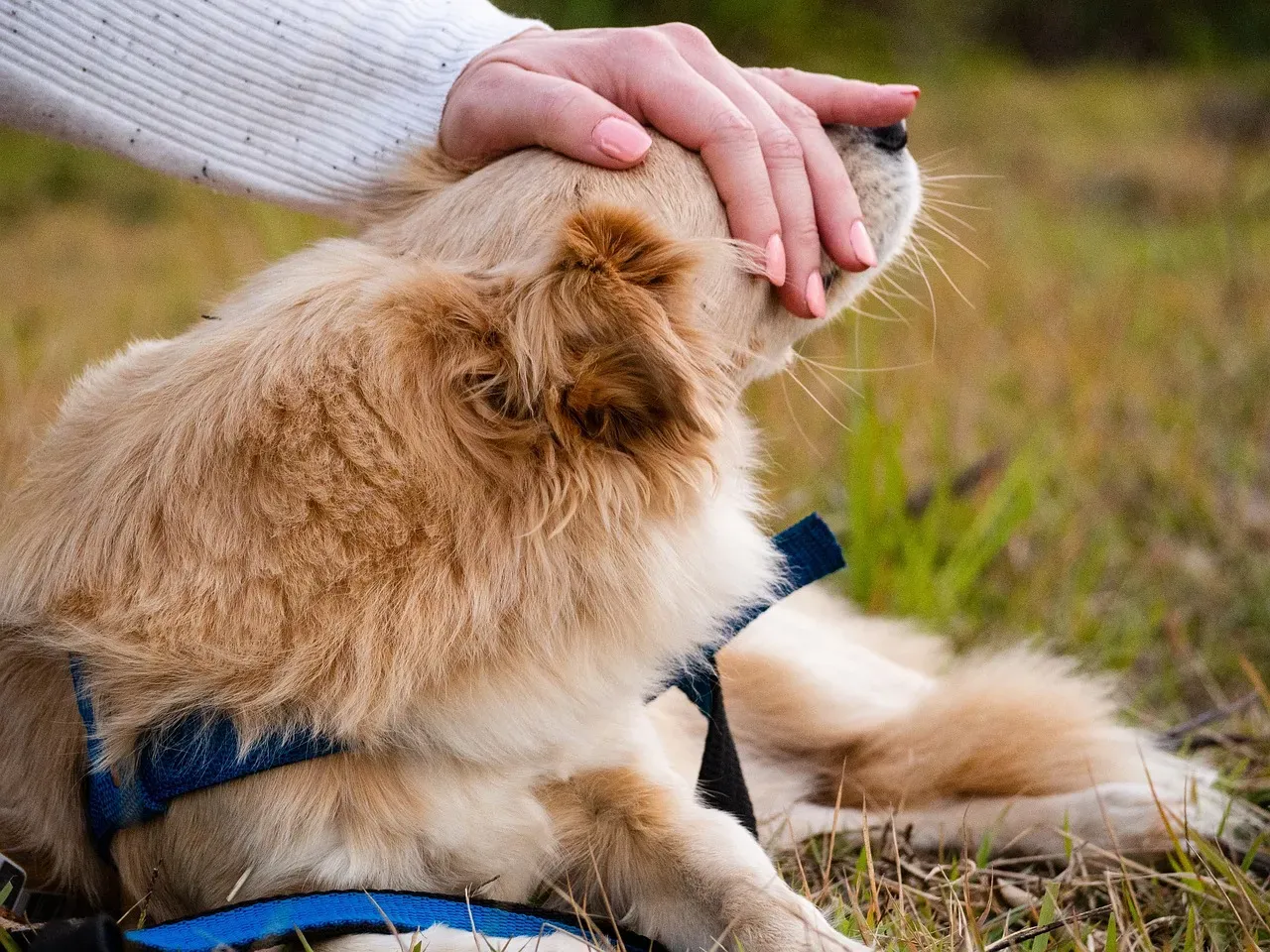
Your dog has never needed flowers, grand speeches, or elaborate gestures to tell you how they feel. Every soft sigh against your leg, every deliberate lean into your body, every toy dropped at your feet is a sentence in a language they’ve been speaking fluently their whole lives. When we learn their language, we love them better, and they feel safer with us. Every lick, tail wag, lean, or toy drop is your dog’s way of saying, “You matter to me.”
The most powerful thing you can do with all of this knowledge is slow down. Stop scrolling past the quiet moments. Notice the nose nudge. Hold the gaze a second longer. Accept the soggy toy with actual gratitude. Trust isn’t automatic, it’s earned through daily interaction, positive reinforcement, and honoring your dog’s needs. Your dog has already chosen you. Now it’s your turn to truly see them back.
Which of these signs does your dog show most often? Drop a comment below and let us know – we’d love to hear about the little ways your pup says “I love you” every day.


