
You walk through the front door after a long day, and before you can even set your bag down, your dog is already doing something completely ridiculous. Maybe they’re spinning in circles, shoving a chewed-up tennis ball into your hand, or collapsing dramatically on top of your feet like a furry anchor. Sound familiar?
Here’s the thing most of us don’t stop to realize: those weird, goofy, sometimes baffling behaviors are not random. They’re a language. A love language, to be exact. Dogs have been living alongside humans for thousands of years, and in that time they’ve developed a remarkable and surprisingly rich way of expressing deep affection. Sometimes it just doesn’t look the way we expect it to. Let’s dive in and decode the adorable madness together.
1. Following You Absolutely Everywhere (Yes, Even to the Bathroom)
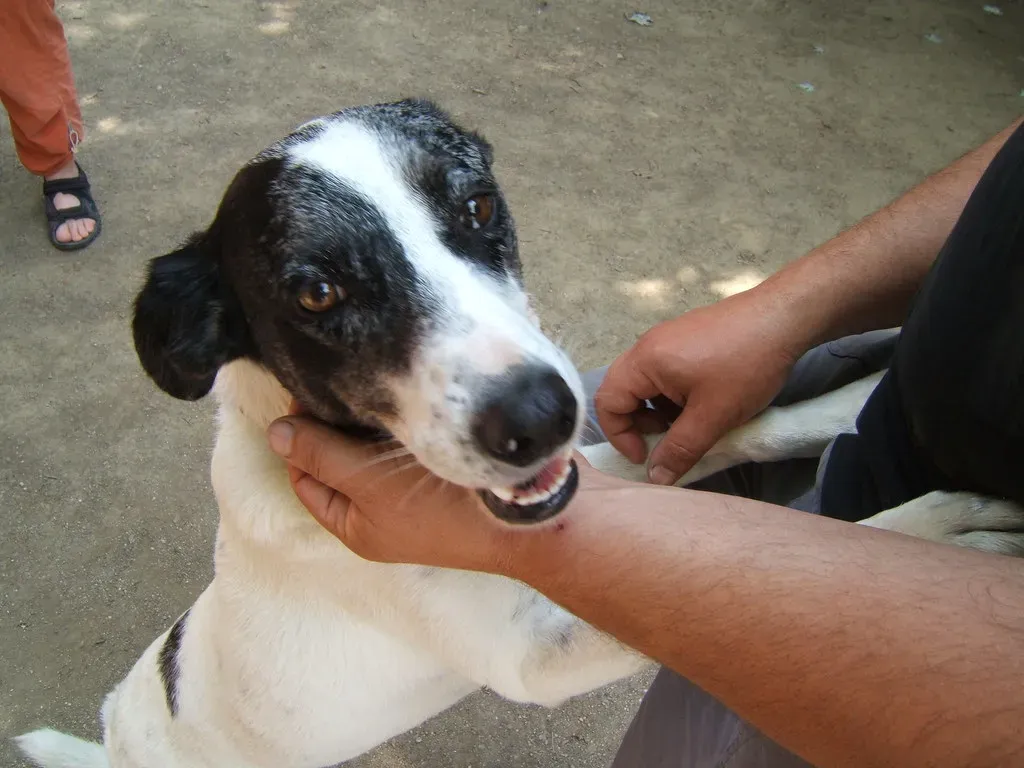
You’ve probably heard the term “Velcro dog,” and honestly, it’s the most accurate description of certain pups ever coined. Dogs who follow you from room to room as if it’s their full-time job, including accompanying you to the bathroom, the kitchen, or even just from one side of the couch to the other, are displaying something deeply rooted in their biology. It’s not just a quirky personality trait.
The fact that dogs are drawn to humans is deeply encoded in their genes. Dogs who bonded well with humans were more likely to be fed, protected, and bred, meaning that thousands of years of selective breeding produced dogs who are uniquely adapted to live alongside us, read our faces, and follow our gestures. Your shadow of a dog is literally the product of ancient love.
They want to be part of the action, whether you’re cooking, cleaning, or just relaxing. This companionship showcases their love and trust, and being near you provides them a sense of security. That said, there’s an important distinction to make: a dog who loves being with you is different from a dog who panics when you’re gone. It’s important to distinguish between a dog who craves being with you and one who can’t function without you. Warning signs of a potential problem include the inability to settle after you leave and signs of separation-related distress, which is a welfare concern that needs attention.
2. Sleeping on Your Feet (or As Close to You as Physically Possible)
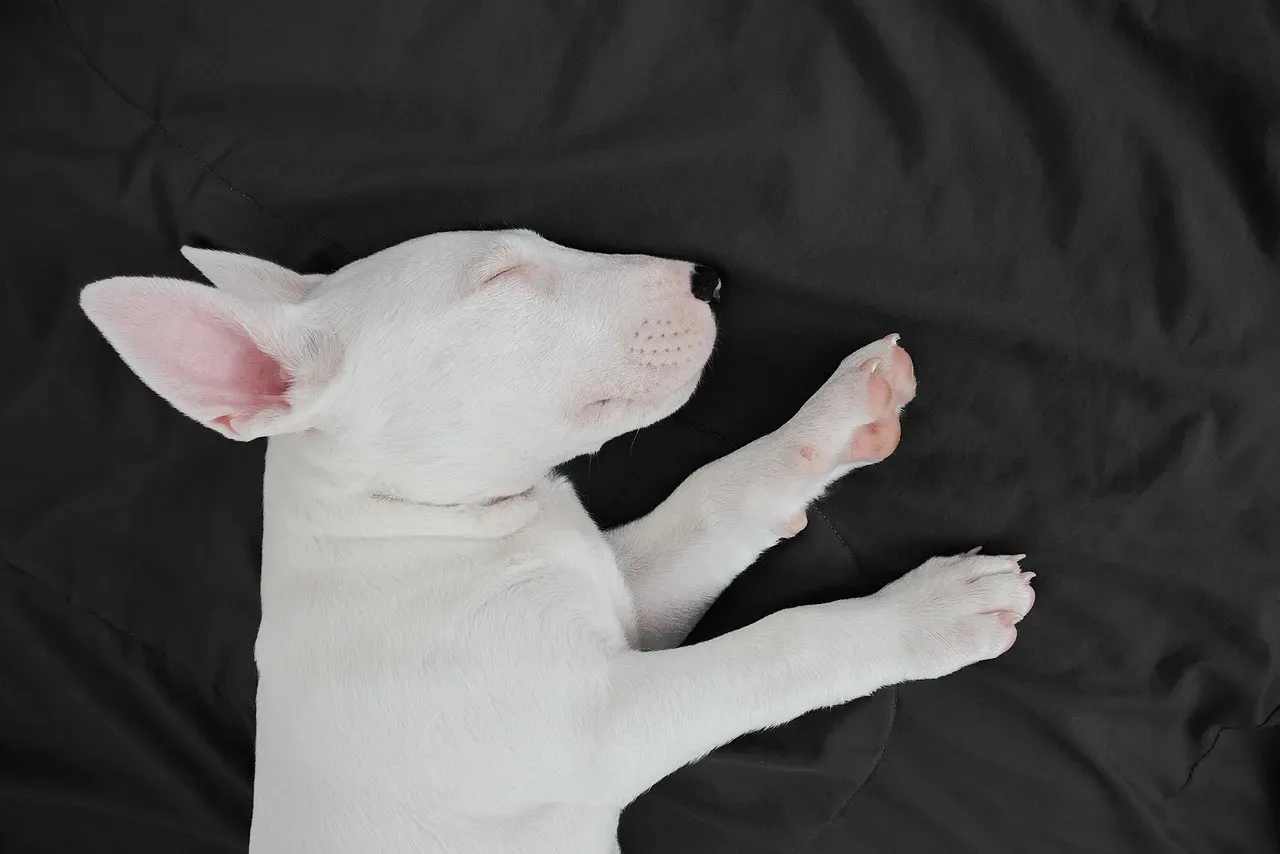
There’s something oddly touching about your dog choosing your feet, of all spots, as their preferred resting place, especially when they have a perfectly good dog bed nearby. Sleep is a vulnerable time for your dog, so when your pup curls up right next to you or near your feet, it’s an act of love and trust. They’re not trying to be annoying. They’re telling you that you’re their safe place.
Dogs regard their owners and their family as part of their pack. In the wild, dogs would sleep close to their pack mates, and one of the reasons dogs sleep on you is because it reinforces their sense of security, provides comfort and warmth, and deepens the social bond between you. Think of it like having a very warm, slightly slobbery security blanket that adores you.
Worth keeping in mind: dog parents should ensure that the reason their dog sleeps close is not due to separation anxiety or hyper-attachment. Some dogs feel anxious when away from their owners, which may cause them to follow owners around and sleep extremely close. If your pup seems genuinely distressed when apart from you, a vet or certified behaviorist can help.
3. The Full-Body Lean
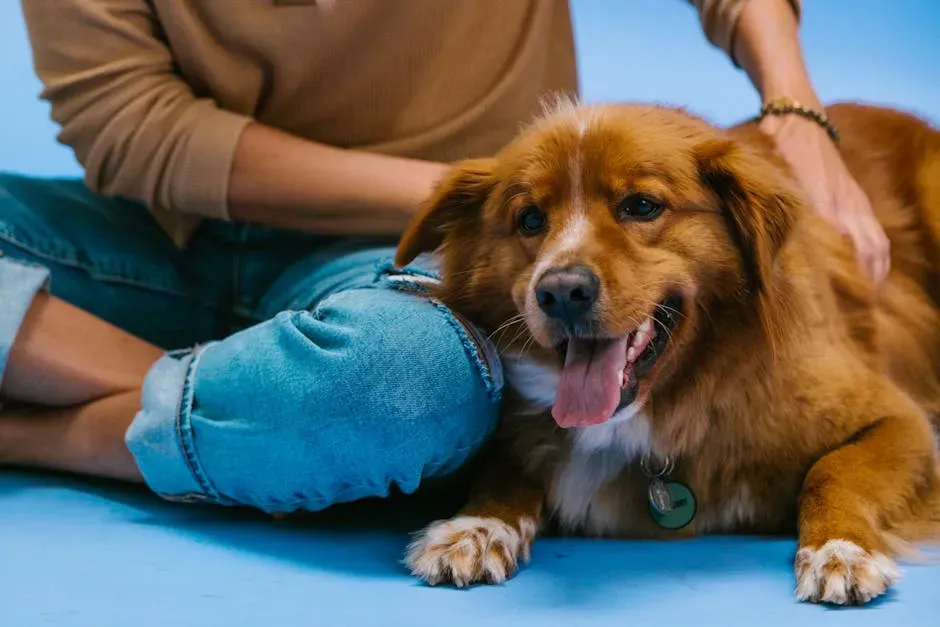
Your dog wanders over, presses their entire weight against your legs, and just… stays there. No barking, no jumping, just solid, warm, undeniable pressure. It’s one of my absolute favorite things dogs do, honestly. According to veterinary behaviorist Sagi Denenberg, DVM, dogs use leaning as an affiliative behavior, a way to forge social and emotional bonds. It’s the dog equivalent of someone leaning their head on your shoulder.
When dogs lean their full weight against you, it signifies complete trust and means your dog sees you as a protector. Your dog may do this for comfort, but when they lean against you it is the equivalent of a full-body hug. Try to think of it that way the next time a Great Dane nearly topples you over with affection.
A little nuance here: you need to look at your dog’s behavior as a whole, because if the leaning is paired with drooling, fast breathing, trembling, lowered posture, or a tucked tail, you should address the dog’s emotional state. A relaxed lean with soft eyes? Pure love. A tense, trembling lean? Your pup might be asking for help.
4. Bringing You “Gifts” (Including the Weirdest Objects Imaginable)

Your dog meets you at the door, tail going like a helicopter, with your left shoe proudly clenched in their mouth. Or maybe it’s a sock. Or a half-chewed squirrel toy from 2019. Whatever it is, they present it to you with an energy that says, “Look! I got you a thing!” When your dog brings you an object, it might not just be about playing fetch. Dogs often use this behavior as a way to communicate, and carrying over a toy, a sock, or something random might be their way of saying ‘pay attention to me’ or ‘I want something.’
Dogs may also bring their owners their favorite toys as a sign of trust. They can be possessive of their belongings, so trusting you with their treasures could be their way of expressing their faith in you to take care of their favorite toy for them. That’s a big responsibility and a big compliment! Let that sink in for a moment.
There’s also a breed factor at play. Breeds genetically shaped for hunting, like Golden Retrievers, Labradors, and Spaniels, are more likely to be predisposed to carrying items. It could also be a self-soothing behavior that comes about in times of stress or excitement, or simply a desire for social engagement. If the gift-giving involves your expensive shoes, redirect the habit with a dedicated toy kept near the door.
5. Stealing Your Socks and Dirty Laundry
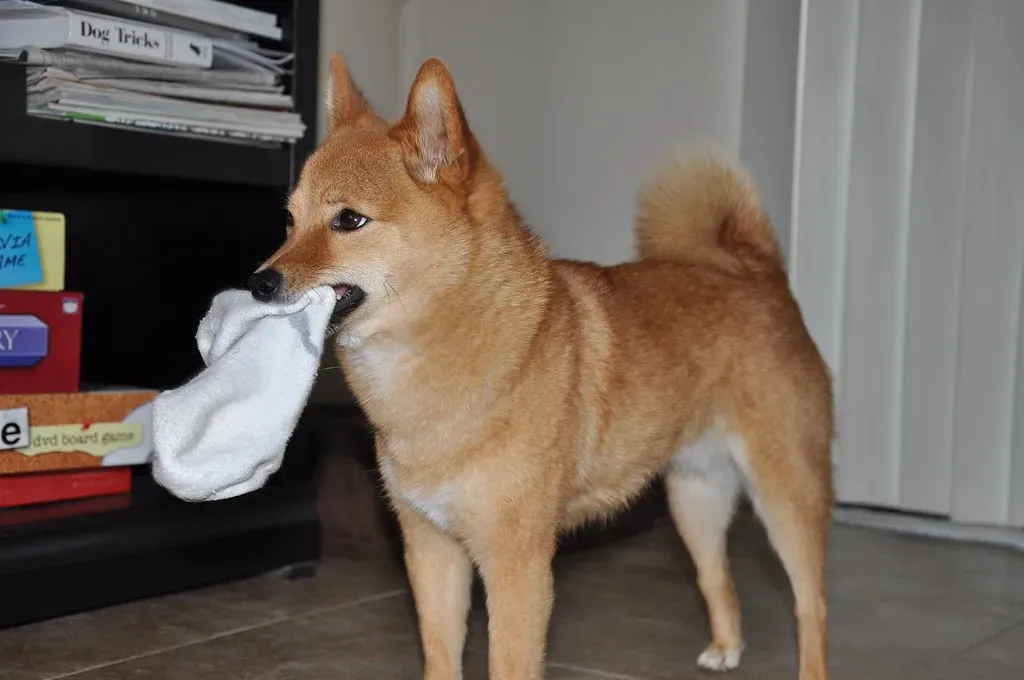
Okay, let’s be real. This one is both endearing and slightly disgusting. Your dog raids the laundry basket, snags the sock you wore to the gym, and trots off like they’ve found buried treasure. Here’s the surprisingly sweet truth behind it: from your dog’s point of view, that sock on the floor is basically a treasure. Dogs experience the world through scent first, and your worn socks are loaded with the smell of the person they love most.
If your dog raids your dirty laundry for your smelliest clothes, dirtiest shoes, and stinkiest socks, it’s a sign of love. It shows that they missed you while you were away and can’t get enough of your unique smell. It’s okay to discourage this behavior for the sake of your shoes and socks, but remember, they are doing it out of love.
Prevention tip: if your dog is stealing socks often, it may be a sign that they need more mental stimulation, more activity, or more structured play throughout the day. Dogs who are under-enriched tend to invent their own entertainment, and laundry is conveniently everywhere. More walks and puzzle toys can work absolute wonders here.
6. The Slow, Lingering Gaze (a.k.a. the Stare of Love)

You’re sitting on the couch and you glance over to find your dog just… staring at you. Not asking for food, not demanding a walk. Just looking at you with those big, soft eyes like you hung the moon. It might feel a little intense at first, but I promise it’s the most beautiful thing. Research by the University of Tokyo and others shows that mutual gaze between dogs and humans triggers oxytocin release, the “cuddle chemical,” and that eye contact, when relaxed and extended, builds the bond between dog and human.
Interestingly, this mutual oxytocin release is not observed in wolves, even hand-raised ones. This suggests that during thousands of years of domestication, dogs evolved a unique ability to socially bond with humans. So your dog’s loving stare is genuinely something no wild animal does. It’s uniquely yours.
Context matters though. When your dog stares, they might also want food, play, or simply want to understand what you’re doing next. Dogs are masters at reading human cues, so staring is also their way of monitoring your mood, routines, and intentions. Soft, relaxed eyes mean love. Hard, fixed staring with a tense body means something different, so always read the full picture.
7. Nudging You with Their Nose
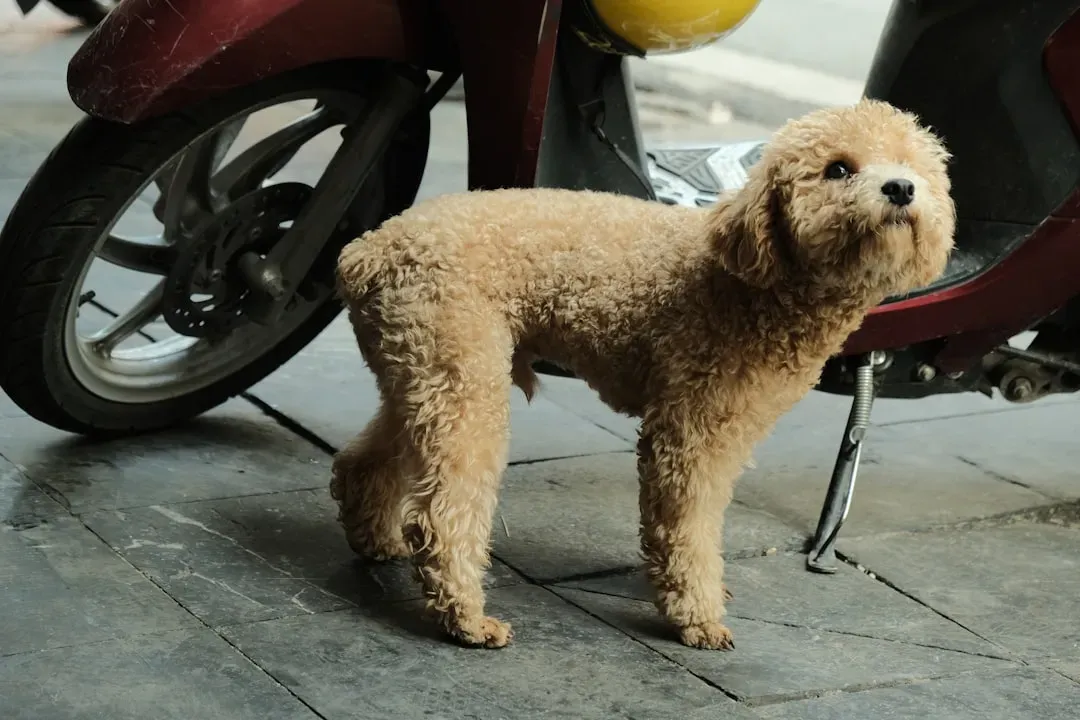
The cold, wet nose pressed firmly into your arm or leg. Sometimes it’s gentle. Sometimes it’s borderline rude. Either way, your dog has nudged you, and it almost always means the same thing: “Hey. I’m here. I want you.” Nose nudging can mean things like craving attention, wanting to be petted, or loving you. Any one of those is a sign that your dog wants to be near you and wants physical contact.
Dogs have scent glands in their cheeks, and when they rub their face against you, they’re mixing their scent with yours, a sign of bonding, comfort, and a declaration that you’re part of their family. That cold little nose nudge is basically your dog saying, “You’re mine and I’m yours.” Honestly, pretty adorable when you think about it that way.
Keep an eye on how the nudging feels, though. A gentle, soft bump with relaxed body language is pure affection. Repeated, insistent nudging paired with restlessness could signal your dog needs something more urgent, like a bathroom break or some relief from anxiety. Trust your instincts as a pet parent and learn your dog’s individual nudge vocabulary.
8. Contagious Yawning (Yes, Really)
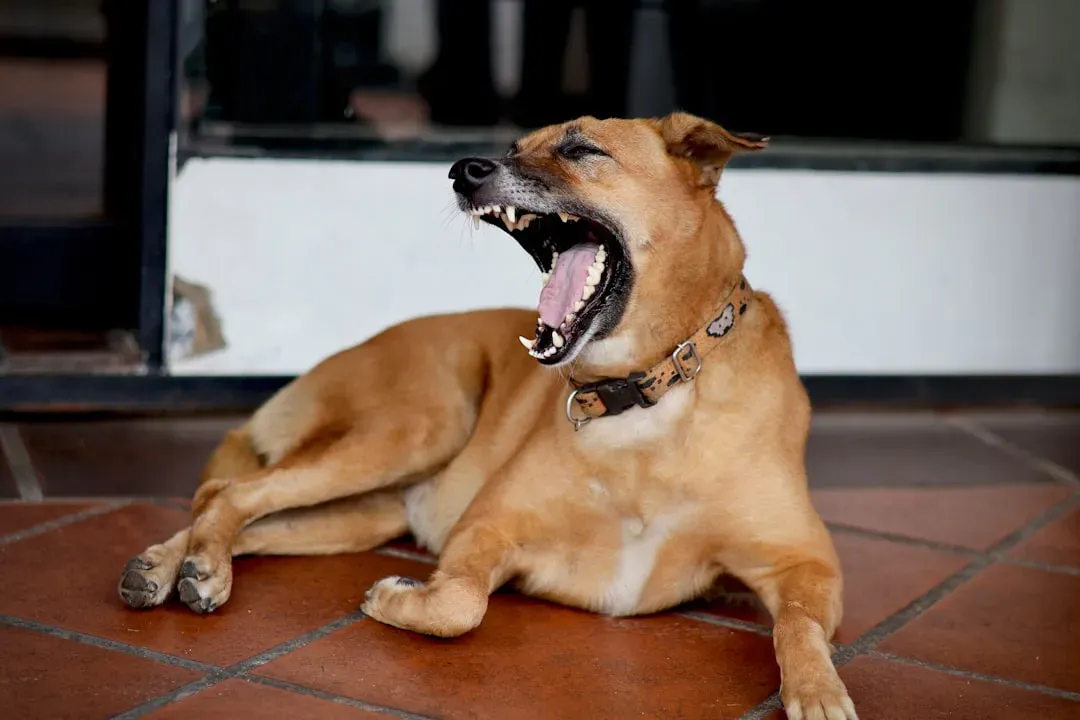
You let out a big yawn, and a few seconds later your dog opens their mouth wide in what looks like a dramatic mirror image. It seems silly, maybe even coincidental. It’s not. Research shows that dogs do participate in contagious yawning. It’s one of those behaviors that has quietly fascinated animal scientists for years.
In one study, scientist Nick Dodman found that dogs yawn more frequently when watching their owner yawn compared to watching an unfamiliar person yawn. This fact confirms that your pet is emotionally close to you and also means that dogs are self-aware and aware of the feelings of others. Your dog catching your yawn is essentially an act of empathy.
It’s worth knowing that not all dog yawns are warm and fuzzy. Dogs yawn when they are tired, but also to communicate emotions, manage stress, or as a form of submission in social situations. So while a slow, relaxed yawn after you yawn is a bonding moment, if your dog is yawning a lot and it’s accompanied by hiding, panting, pacing, or other behaviors, they may be experiencing anxiety or even depression. Always read the whole body, not just the yawn.
9. Licking Your Face (and Hands, and Feet, and Everything Else)
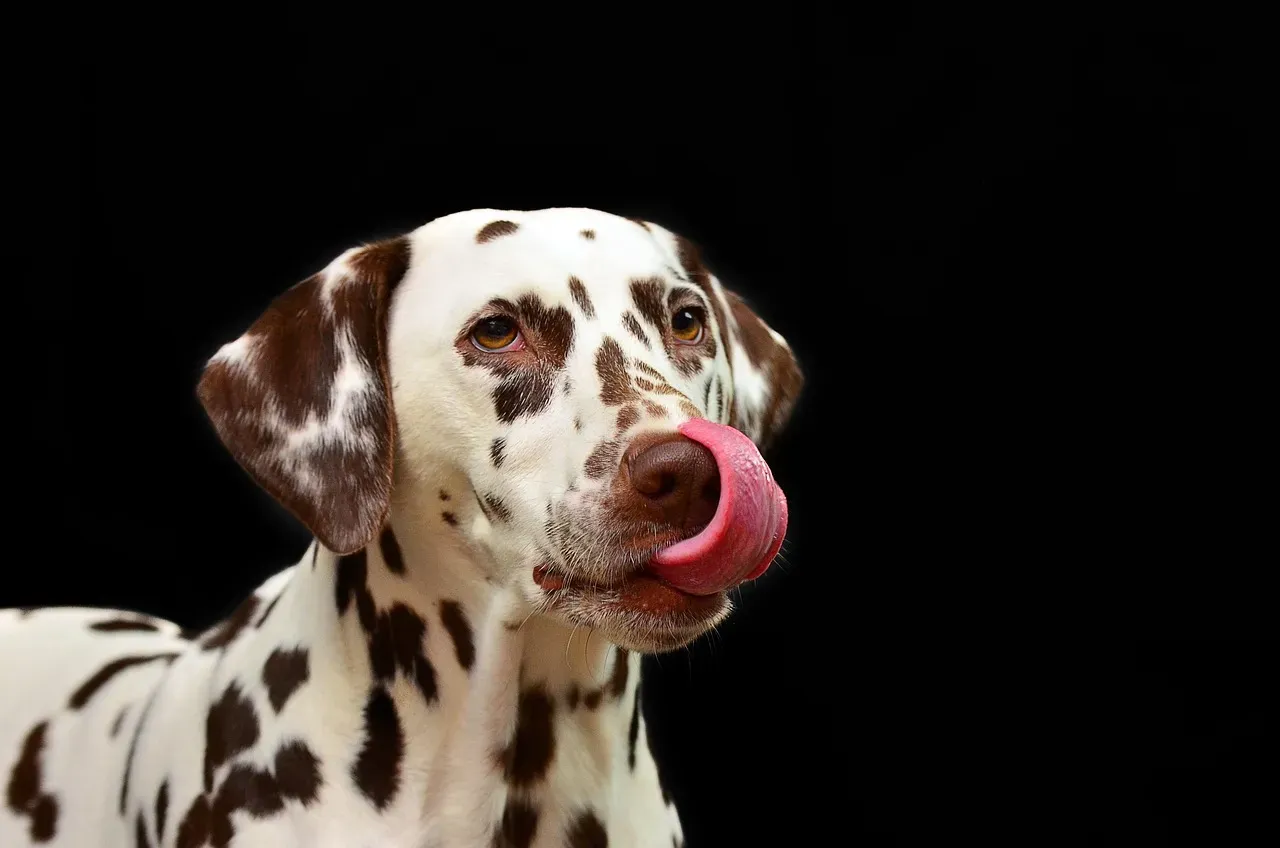
It’s not exactly everyone’s favorite greeting, but if your dog regularly tries to give you a full facial wash, it means something genuinely tender. Licking is one of your dog’s earliest bonding behaviors. Puppies lick their mothers; adult dogs lick each other for grooming, reassurance, or affection. When they lick you, they’re engaging in that same instinctive bonding practice. It’s ancient, deep, and surprisingly sweet once you get past the slobber.
When a puppy licks its mom’s and siblings’ faces, it prompts the release of the feel-good “love” hormone oxytocin in both the licker and lickee. So your dog isn’t just showing love. They’re chemically creating it. It’s like a two-way affection circuit running through every single lick.
Practically speaking, licking for dogs is also an attention-seeking behavior, so if your dog licks you, they might be asking you for playtime, cuddles, or pets. It’s hard to say for sure whether they always know exactly what they want, but responding with warmth and engagement will always strengthen the bond. If excessive licking becomes an issue, redirect gently with a toy rather than scolding.
10. Rolling Over for a Belly Rub (The Ultimate Act of Trust)
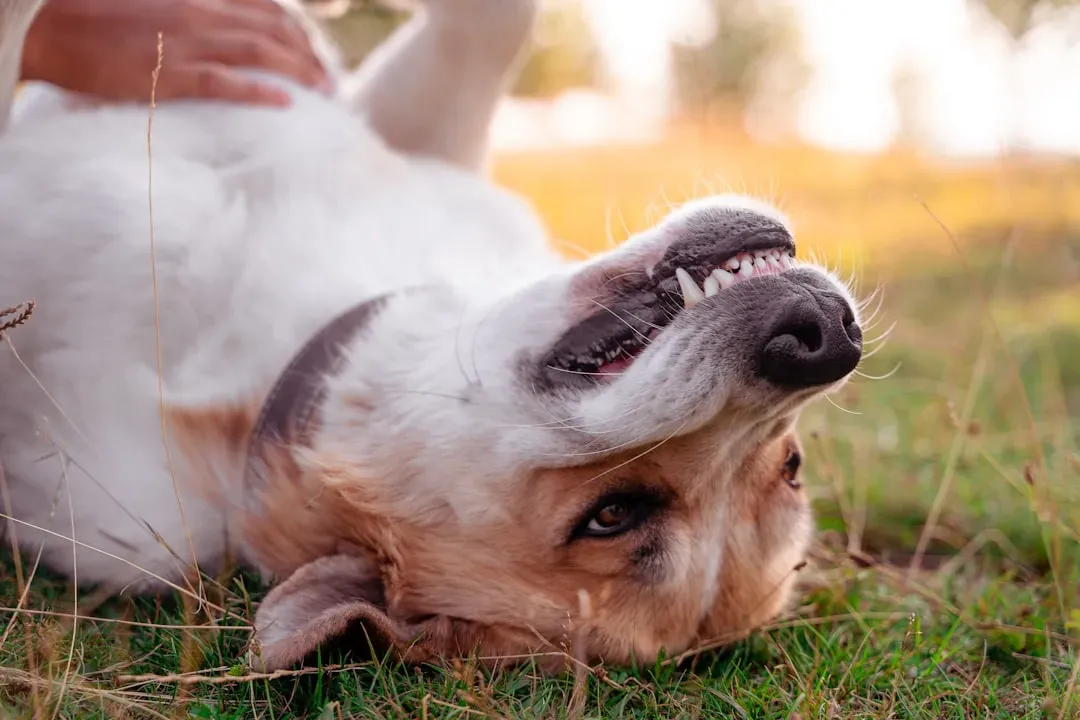
When your dog flops onto their back, paws in the air, belly completely exposed, they’re doing something that in the animal world requires enormous courage. The belly is a dog’s most vulnerable area, home to vital organs and entirely unprotected. Nothing says they trust you more than your dog rolling onto their back and asking for a belly rub. It’s the canine equivalent of handing someone the keys to your house.
Consider laying on top as generally being a sign of closeness and deep trust, as the dog is exposing its vulnerable underbelly when doing so. Think about what that means. Your dog looks at you and thinks, “I am completely safe with this person.” That’s not just affection. That’s unconditional faith in you as their person.
If your dog does this often, treasure it. Some dogs, particularly those with past trauma or fearful temperaments, may never fully relax into a belly-up position. Each dog has their own love language, so they will express themselves very differently. If your dog doesn’t love belly rubs, respect that boundary completely. Their love will show up in other ways, guaranteed.
Conclusion: Your Dog Is Talking to You All the Time
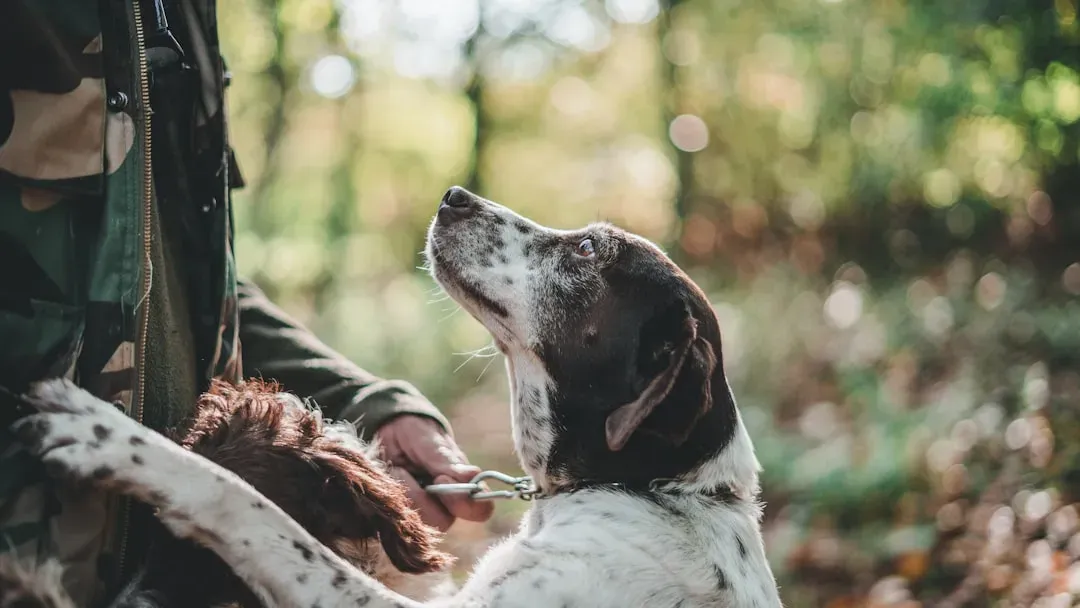
Here’s the beautiful truth: your dog never stops communicating with you. Every nudge, every sock heist, every dramatic flop onto your feet is a message. Neuroscientist Gregory Berns at Emory University conducted research that challenged the assumption that dogs only pretend to love humans for food. Fifteen dogs were put in MRI machines and given both praise and hot dogs, and interestingly, the vast majority of the dogs were as much or more excited to receive praise and human interaction as they were to receive food. The love is real. Science says so.
The more you learn to read these little quirks, the richer your relationship with your dog becomes. You stop seeing the stolen laundry as mischief and start seeing it as a love letter. You stop seeing the bathroom escort as weird and start seeing it as loyalty. The next time your canine companion gazes into your eyes or curls up beside you, remember that these are not just moments, they are silent declarations of love, affirming the extraordinary bond between humans and their beloved dogs.
So, which of these behaviors does your dog do? Drop it in the comments. We’d love to know what your pup’s personal love language looks like.


