
Sydney, Australia — When veterinarians delivered a terminal cancer diagnosis for his beloved rescue dog, Paul Conyngham refused to accept defeat. The tech entrepreneur, armed with no formal biology training but years of data analysis experience, turned to artificial intelligence for answers. What followed marked a pioneering effort in pet medicine, blending ChatGPT’s insights with scientific collaboration to produce a custom mRNA vaccine.[1][2]
A Heartbreaking Diagnosis Sparks Unlikely Action
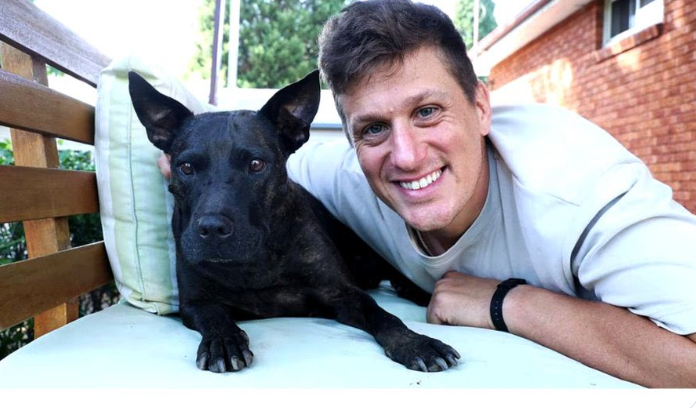
Paul Conyngham’s eight-year-old Staffy-Shar Pei cross, Rosie, faced a dire prognosis from mast cell tumors, a common yet aggressive skin cancer in dogs. Vets estimated she had mere months left after surgeries and chemotherapy yielded minimal results despite costing thousands.[1] Tumors, including a tennis-ball-sized mass on her leg, severely limited her mobility and quality of life.
Conyngham, a data analyst proficient in machine learning, sought unconventional paths. He fired up ChatGPT, querying it for potential cures beyond standard treatments. The AI suggested immunotherapy, prompting him to sequence Rosie’s tumor DNA at the University of New South Wales’ Ramaciotti Centre for Genomics.[3]
Decoding the Tumor: AI Takes the Lead
With tumor tissue in hand, Conyngham paid around $3,000 for sequencing, generating vast genetic data. ChatGPT guided him through analysis, identifying mutated proteins and neoantigens—unique tumor markers the immune system could target. Tools like Google DeepMind’s AlphaFold helped predict protein structures, refining vaccine candidates down to seven key targets.[3]
He processed the information through custom data pipelines honed from 17 years in tech. “We took her tumor, we sequenced the DNA… ChatGPT assisted throughout the entire process,” Conyngham later explained.[3] This blueprint formed the foundation for a tailored mRNA vaccine, instructing cells to produce antigens and rally Rosie’s immune response.
- Sequence tumor DNA to reveal mutations.
- Use AI to pinpoint neoantigens.
- Design mRNA code targeting specific cancer proteins.
- Collaborate for synthesis and delivery.
Scientific Partnership Turns Vision into Reality
Conyngham approached UNSW experts, including Associate Professor Martin Smith for sequencing support and Professor Pall Thordarson at the RNA Institute for production. Skeptical at first, the team embraced the project after reviewing his AI-generated design. They synthesized the mRNA, encapsulated it in lipid nanoparticles, and prepared it for injection.[4]
Ethics approval proved arduous, requiring a 100-page application Conyngham drafted over three months. Professor Rachel Allavena at the University of Queensland’s veterinary school administered the vaccine alongside an immune checkpoint inhibitor in Gatton, accelerating the timeline. The first dose arrived in December 2025, followed by boosters.[1]
Thordarson marveled at the speed: “Within a three-month time frame, we’ve gone from almost no hope to actionable results in a living organism.”
Tumors Shrink, Life Renewed—But Battle Continues
Results stunned observers. Rosie’s largest tumor halved in size, with overall shrinkage around 75 percent. Her coat gleamed anew, energy surged, and she leaped fences to chase rabbits—a far cry from her pre-treatment lethargy.[2] “It’s added considerable lifespan and healthspan to Rosie,” Conyngham noted, though some tumors persisted.[3]
Not a full cure, the treatment extended quality time. Plans advanced for boosters targeting resistant areas, with Conyngham sequencing additional tumors. Smith reflected, “If we can do this for a dog, why aren’t we rolling this out to all humans with cancer?”[1]
Pioneering Path Forward for Medicine
This case highlighted AI’s role in democratizing personalized medicine. mRNA technology, proven in COVID-19 vaccines, showed promise for cancers in pets and potentially humans. Experts like Thordarson envisioned broader applications, from oncology to neurology, emphasizing faster, cheaper production.[2]
Conyngham’s story inspired discussions on accessible therapies, though oncologists urged caution against bypassing professionals. It underscored persistence’s power when innovation meets desperation.
Key Takeaways
- AI tools like ChatGPT accelerated neoantigen identification without biology expertise.
- Personalized mRNA vaccines shrank tumors by 75% and boosted quality of life.
- Collaborations bridged tech and science, paving ways for future pet and human trials.
Paul Conyngham’s journey with Rosie proves one determined mind can spark medical progress. As research evolves, such breakthroughs offer hope for countless facing similar fights. What do you think about AI’s role in veterinary care? Tell us in the comments.


