
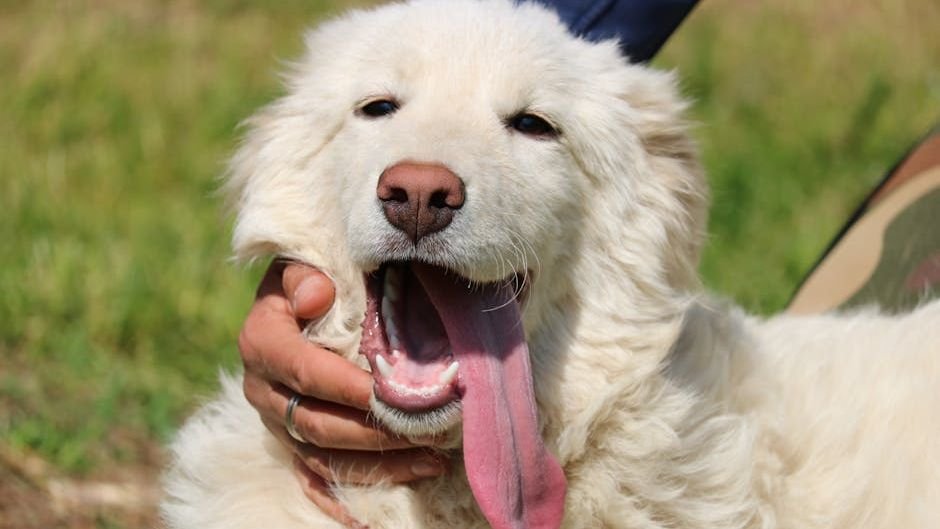
Picture this: it’s the middle of the night somewhere on a Montana ranch. The cattle are settled, the stars are out, and somewhere in the darkness a 400-pound grizzly is moving closer to the fence line. Silence. Then, a deep, thunderous bark splits the air, and the bear changes course without ever making contact. No weapons. No human intervention. Just a dog doing what it was born to do.
Research conducted in Montana found that the simple presence of a livestock guardian dog can reduce visits from grizzly bears by nearly 90 percent. That number is staggering. Honestly, I think most people still underestimate just how powerful these dogs truly are. Unlike herding dogs that move animals from place to place, livestock guardian dog breeds stay with their flocks around the clock, ensuring that no harm comes to them. These are not just pets. They are something much closer to a living shield. Ready to meet the 12 extraordinary breeds behind that shield? Let’s dive in.
1. Kangal Dog: The Heavyweight Champion of Bear Deterrence
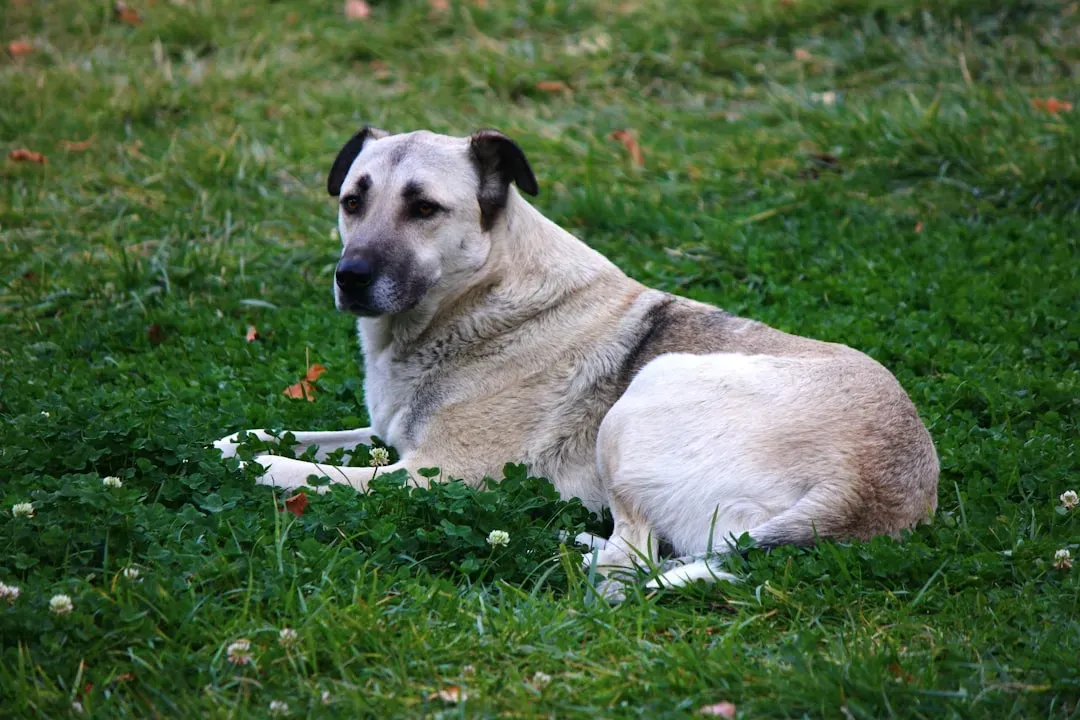
If there were a crown for the ultimate livestock guardian against bears, the Kangal would wear it without competition. The Kangal is often recognized as the strongest dog breed in the world, originally bred in Turkey to guard flocks from wolves and bears, and is revered for its strength and composure under pressure. That combination of raw physical power and remarkable calm is what sets this breed apart from every other dog on this list.
Kangals are the most athletic of the giant breeds, and they were specifically selected because they were bred to guard against large predators. Research teams have actively studied how Turkish breeds like the Kangal, the Boz, and the Anatolian can keep bears from infiltrating farms. The results have been remarkable. If you farm near bear country and you can only have one dog, this is the breed I would point you toward first.
2. Caucasian Shepherd Dog: The Bear Country Titan
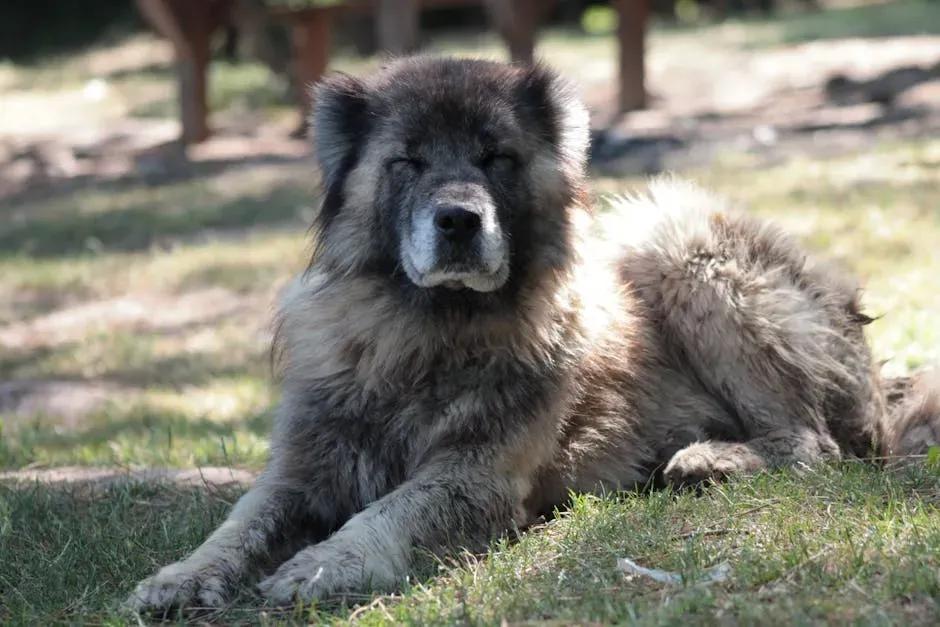
The Caucasian Shepherd Dog, also known as the Caucasian Ovcharka, hails from the rugged Caucasus Mountains. It is considered a serious guardian breed, historically bred to protect livestock from formidable predators, known for thick double coats, broad heads, and an imposing stature that gives it a commanding presence in any setting. Standing next to one of these dogs is a humbling experience. They are massive in every sense of the word.
Despite their fearless nature, these guard dogs are not impulsive. They calmly assess situations before acting, which helps them avoid unnecessary conflict while still being ready to confront predators head-on. This measured bravery allows them to stand their ground even against large threats like bears. These massive dogs are fearless protectors, standing up to wolves, bears, and other threats, though they require experienced handling due to their strong-willed nature. They are not a breed for beginners.
3. Great Pyrenees: The Gentle Giant With a Warrior’s Heart
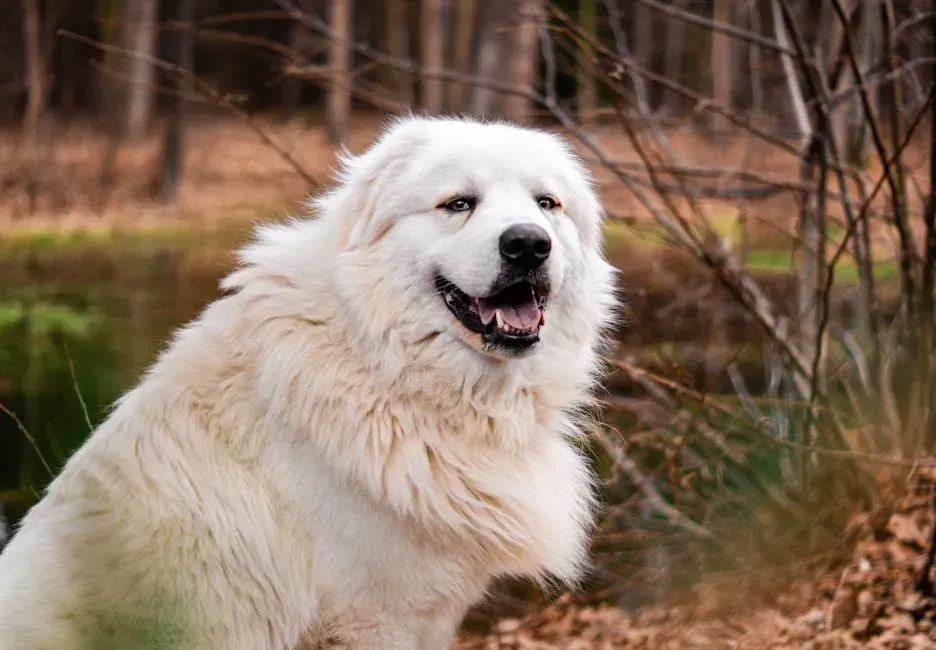
The Great Pyrenees, also known as the Pyrenean Mountain Dog, originates from the Pyrenees Mountains that separate France and Spain, where this ancient breed has served for generations to guard flocks from wolves and bears in harsh mountain conditions. In the 17th century, King Louis XIV was so impressed by this breed that he declared it the “Royal Dog of France.” That tells you something.
Their temperament is calm, patient, and gentle with livestock, but fearless and defensive against perceived threats. They bond closely with the herds they protect. Their naturally nocturnal behavior helps them guard against nighttime predators. Because the Great Pyrenees is less aggressive toward humans, they are a good choice for farms that will have regular visitors. They prefer to bark away threats and will only attack if the predator is insistent. That voice alone is enough to give most bears second thoughts.
4. Anatolian Shepherd: The Ancient Turkish Protector
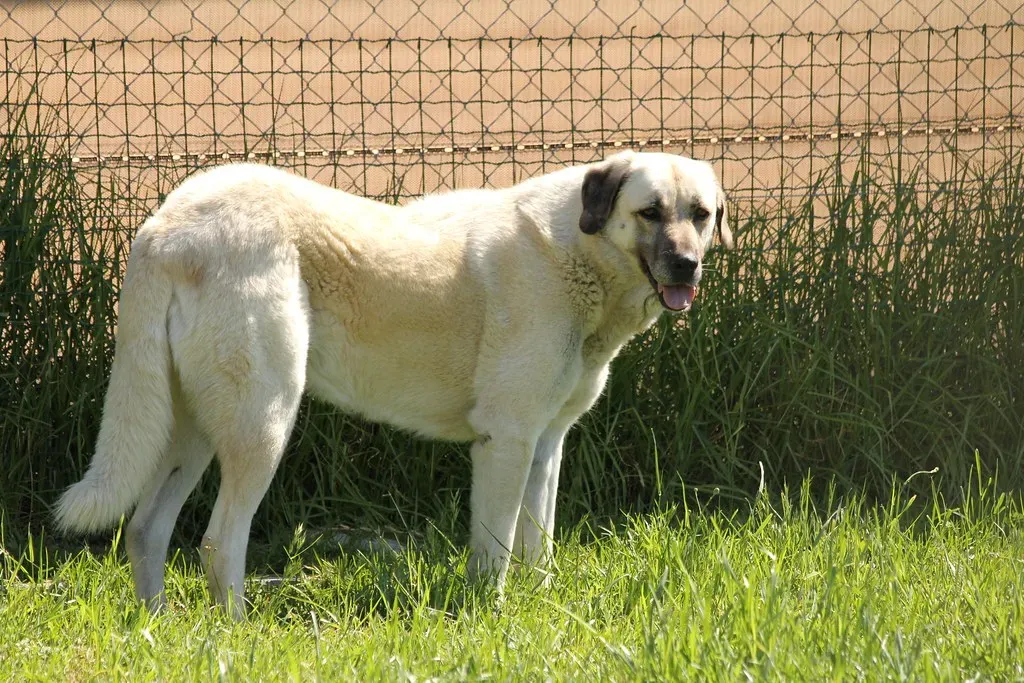
The Anatolian Shepherd Dog is an ancient livestock guardian breed originating from the rugged landscapes of Turkey. Their strong ability to guard livestock has made them a highly valued working breed, and Anatolian Shepherds have even been used in Namibia, Africa, to protect endangered cheetahs. Once companions to nomadic traders like the Assyrians and Sumerians, these dogs were prized for their ability to defend sheep and goats from formidable predators, including wolves and even bears.
According to breed standards, Anatolian Shepherds possess “great endurance, speed, and agility” and are described as “highly intelligent, courageous, adaptable, instinctively protective, and territorial.” These dogs are seriously good workers. They are independent and territorial, meaning they can work without being micromanaged, and as such, they can form deep bonds with their livestock. Think of them as autonomous security systems with fur and instinct built in over thousands of years.
5. Tibetan Mastiff: The Himalayan Legend
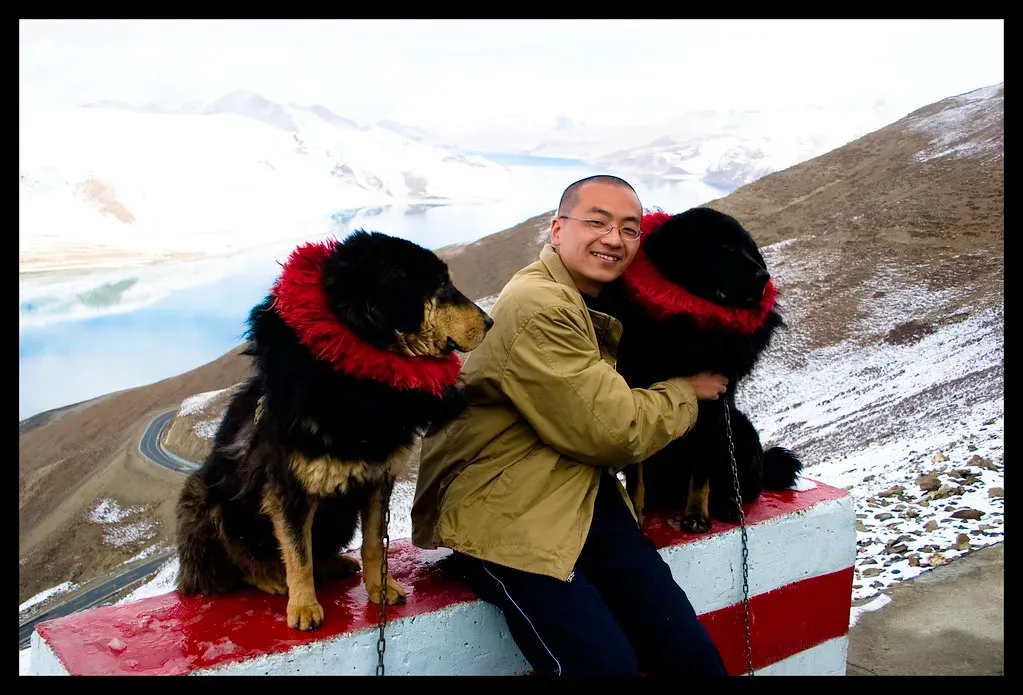
The Tibetan Mastiff is a legendary breed with roots tracing back to ancient Tibet, where it was primarily used to guard livestock and monasteries against predators like leopards, wolves, and bears. The breed dates back thousands of years, originating in the Himalayan region, and is considered one of the oldest and purest dog breeds. There is something genuinely awe-inspiring about a dog that has been doing the same job for thousands of years without losing a step.
Their immense size and strength make them capable of standing their ground against bears when defending livestock. Despite their intimidating presence, these dogs are calm and calculated in their responses, never wasting energy on needless aggression. This composed nature allows them to assess threats before acting. Bred to endure freezing alpine conditions, their thick coat insulates them as they patrol snowy landscapes for hours. They are, in a word, extraordinary.
6. Komondor: The “Mop Dog” With Serious Backup Plans
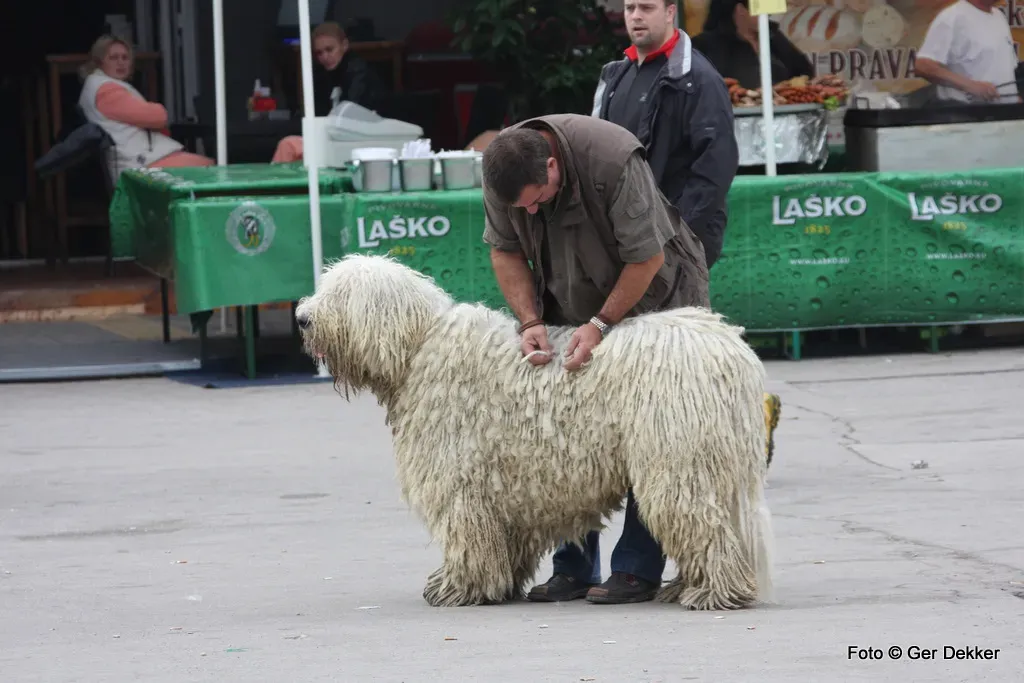
Don’t let the dreadlock appearance fool you. The Komondor is one of the most serious guardian dogs on earth. The AKC breed standard describes the Komondor’s temperament as “loyal, dignified, and brave,” and these qualities serve the breed well in its function to protect flocks and herds from predators. The heavy white cords that make up the Komondor’s unusual coat help the dogs blend in with the sheep they guard and serve to protect against extremes of weather as well as predators.
While this dog may look funny with its long cords of hair, it is not one to tolerate threats to its herd. The Komondor is highly reactive to predators including human intruders and must be well trained and socialized early. Although this is a very dominant breed, they do not respond well to harsh discipline. Those long dreadlocks protect the dog from the elements and even offer a measure of physical protection from predators. Komondors are native to Hungary, where they have served for hundreds of years as guardians for sheep and cattle. Early socialization is not optional with this breed. It is essential.
7. Kuvasz: The Fearless Hungarian Athlete
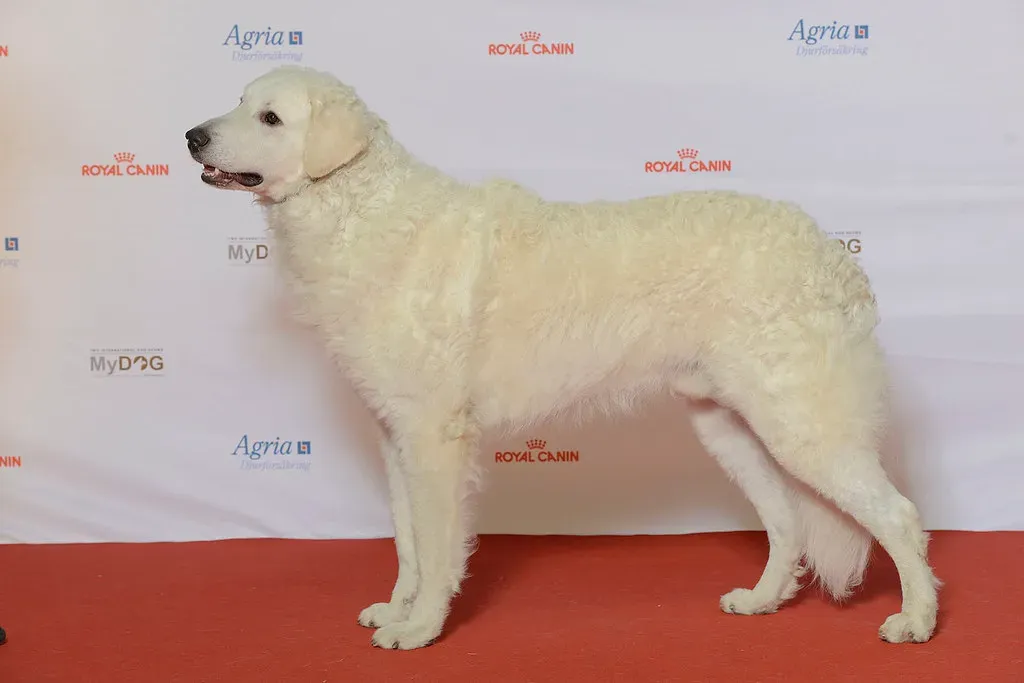
The Kuvasz is a member of an ancient group of sheep guardians that originated in northern Iraq, one of the places where sheep were first domesticated. Like other livestock guardian breeds, the Kuvasz is a large, powerful dog. The white coat helps them blend in with their flock. According to its breed standard, the Kuvasz is “loyal, fearless, and courageous,” a natural guardian who will not hesitate to protect family, house, and property. Today, the Kuvasz serves primarily as a livestock guardian, family companion, and occasional therapy dog.
The Kuvasz is a very impressive athlete, burning up more energy than some other breeds. It is a powerful, fast runner that charges a bear immediately upon detecting it. A dog pack combining both Great Pyrenees and Kuvasz works wonderfully, but the Kuvasz loves to patrol a very large area and can be harder to keep at home. If your pastures are wide and open, the Kuvasz’s patrolling style is honestly a perfect match.
8. Maremma Sheepdog: Italy’s Devoted White Guardian
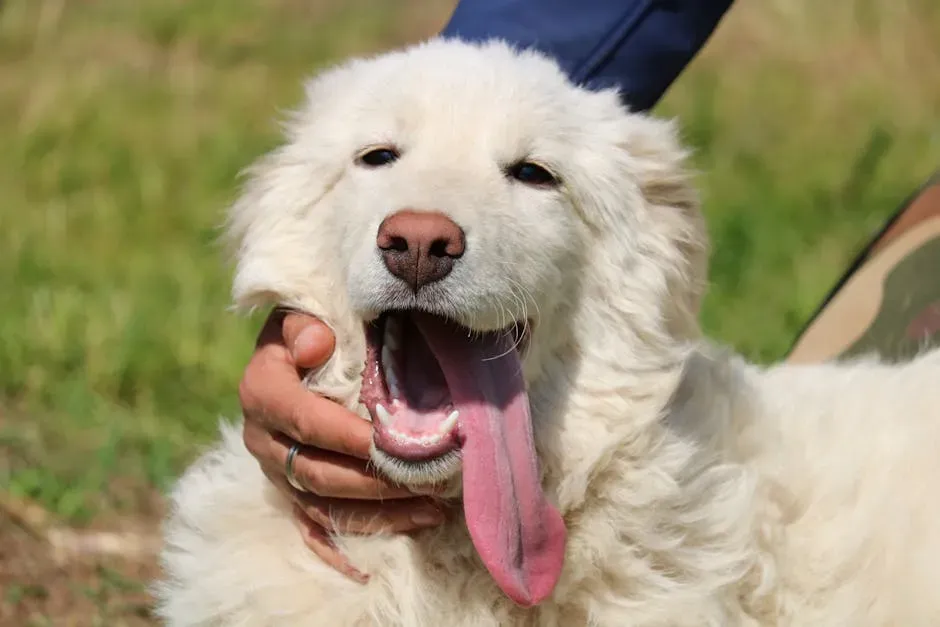
Hailing from Italy, the Maremma Sheepdog is a guardian dog breed that excels at protecting livestock in rural environments. These white-coated protectors blend in with their flocks, making them less visible to predators. They are affectionate with their family but take their job of protecting livestock very seriously. There’s something poetic about a dog that literally disguises itself among the animals it loves to protect.
The Italian Maremma is an excellent dog, similar in nature to the Pyrenees, powerful and effective. Shepherds who work with them consider them marvelous workers. This fluffy white Italian native is known for its fierce loyalty juxtaposed with a gentle nature within a family setting. The Maremma is also known to be particularly good with children, making it one of the more well-rounded guardian breeds for family farms with a real bear problem.
9. Akbash: Turkey’s Silent But Deadly Sentinel
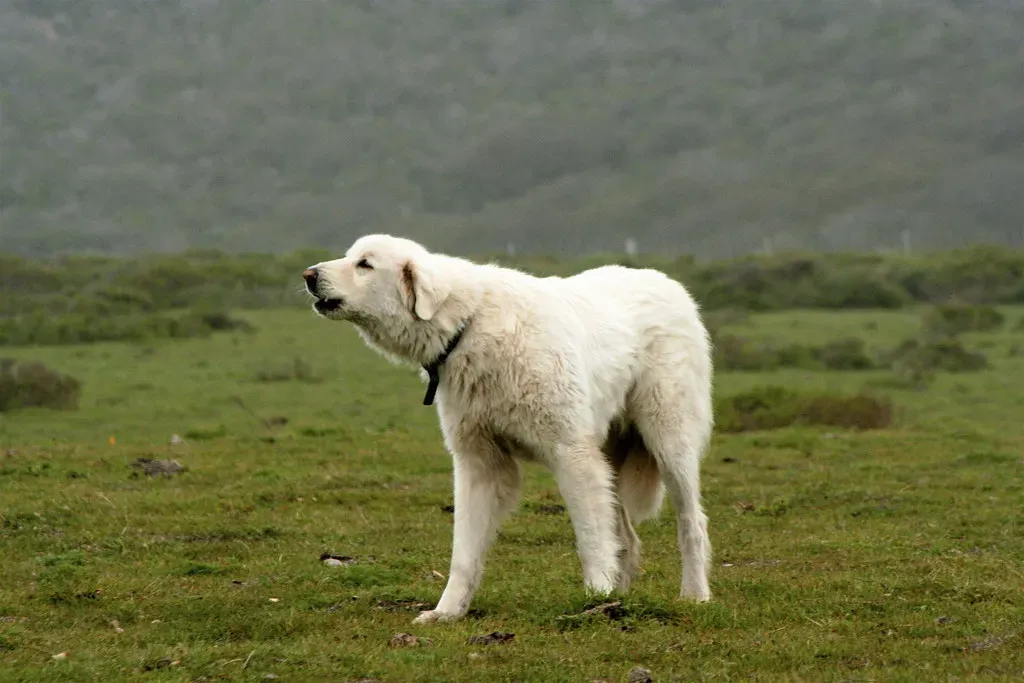
Akbash Dogs have the size, strength, and courage to challenge large predators and the speed and agility to chase fleet predators. Their temperament is calm, quiet, and steady. They are independent and capable of correctly responding to changing circumstances without human direction. That last part matters enormously on a large ranch where you cannot always be watching.
In the decades since Akbash Dogs were imported from their native Turkish countryside, their reputation as livestock or flock guardians has been well-established. USDA research in the early 1980s resulted in the breed being named one of the best predator control dogs available for guarding livestock. These dogs are intelligent in their own ways as livestock guardians. They know how to deter predators, not necessarily by fighting, but by leaving their mark in strategic places so that predators know about their presence. Strategic. That’s the word I would use for the Akbash.
10. Central Asian Shepherd Dog: The Ancient Steppe Warrior
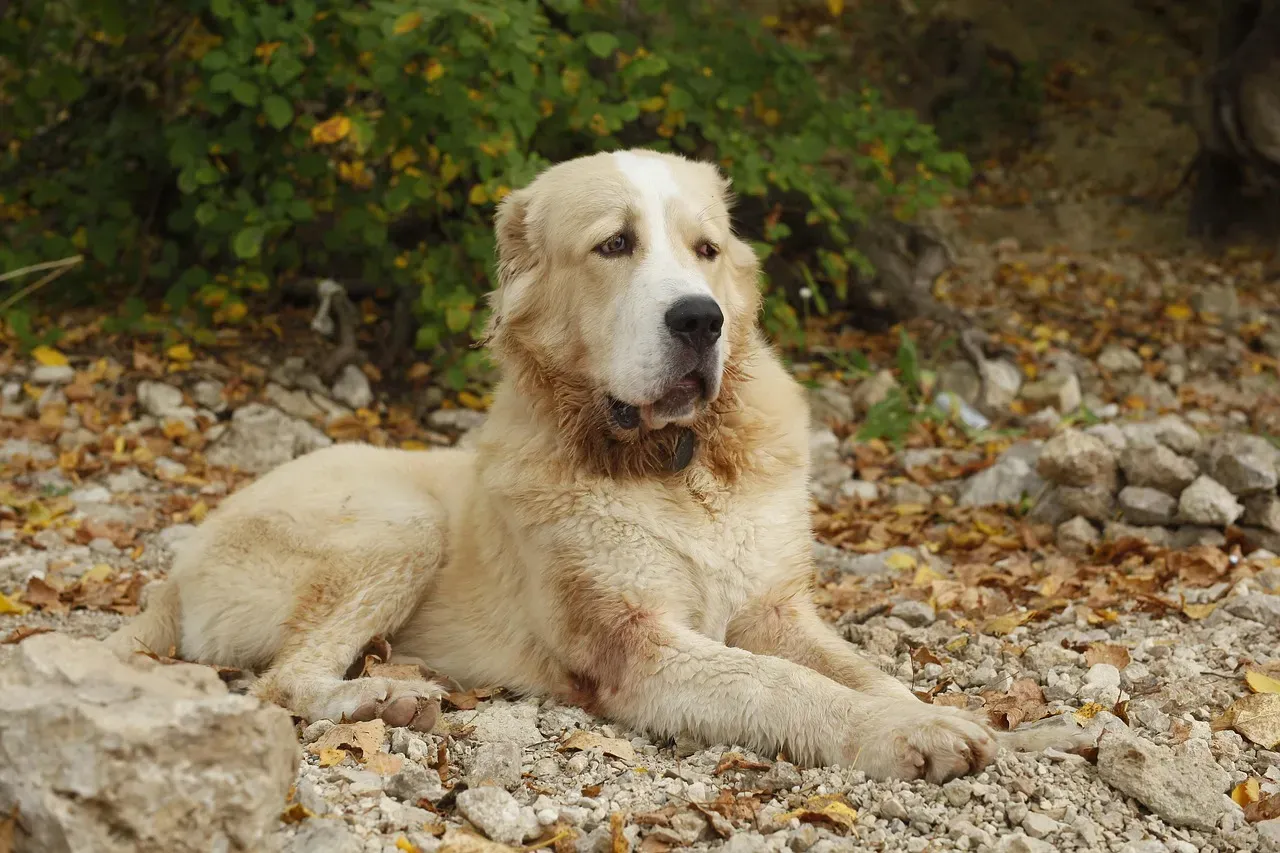
One of the oldest livestock guardian breeds, the Central Asian Shepherd Dog has been guarding flocks for thousands of years. These highly independent dogs are known for their resilience and ability to thrive in harsh conditions. Their fearless nature and strong protective instincts make them one of the best choices for livestock protection. Let’s be real, a breed that has survived millennia of working against apex predators in some of the world’s harshest climates is not easily impressed by a bear.
These dogs have been used for centuries to guard livestock against predators, and their natural wariness makes them excellent protectors. They are incredibly resilient and can thrive in harsh climates. They tend to be deeply territorial, which means they patrol their boundaries with remarkable consistency. For ranchers dealing with persistent bears in remote terrain, this breed’s ancient instincts can feel almost supernatural in their reliability.
11. Spanish Mastiff: The Slow Giant That Bears Learn to Respect
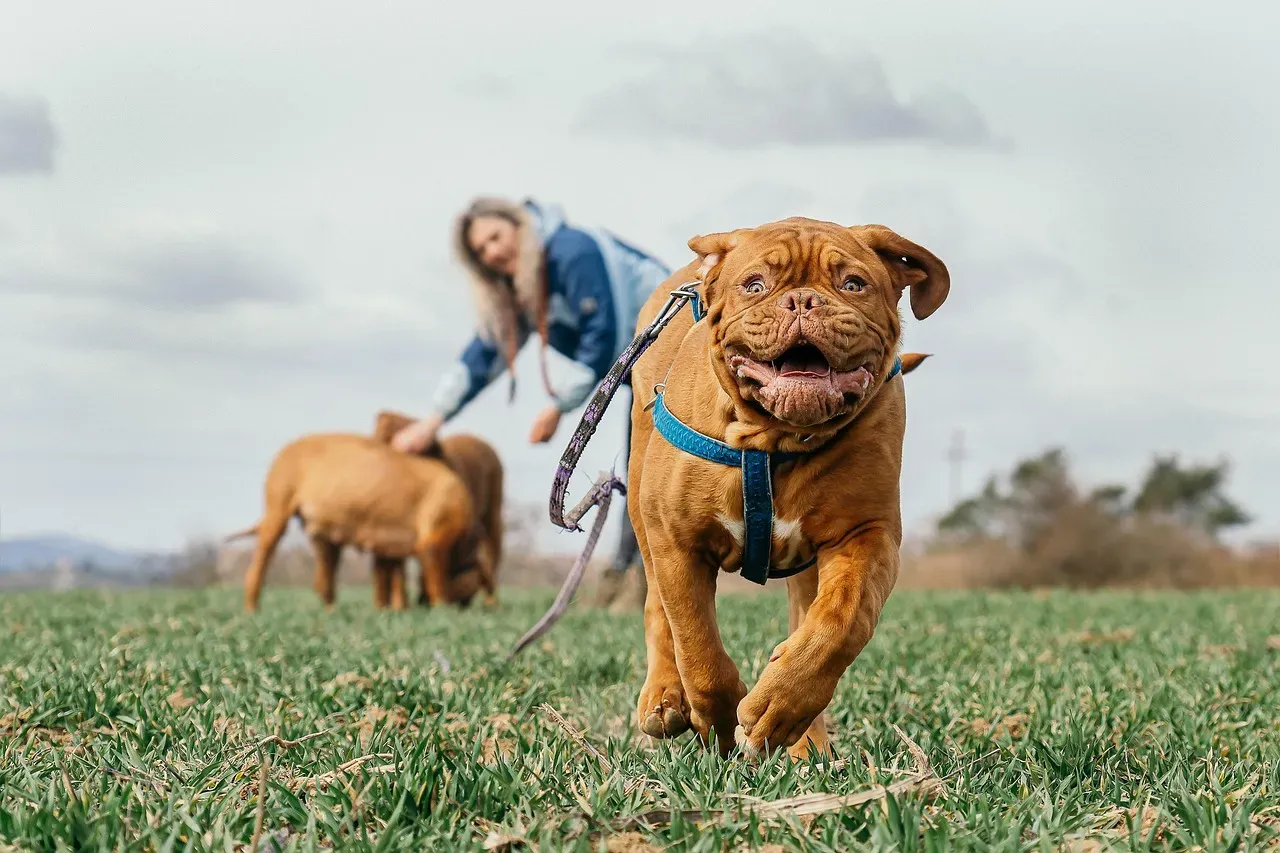
The Spanish Mastiff can weigh up to 220 pounds. While the Spanish Mastiff is slower to react, it can attack ferociously. They are not very affectionate and can be stubborn, but they do need regular human interaction. They work well in areas with large predators and seem less reactive toward humans. That slower, more deliberate energy might seem like a weakness. It isn’t. It’s patience.
Spanish Mastiffs are not just known for their massive size, sometimes reaching 200 pounds, but also for their double fold of skin around the neck. With their owner and families, these dogs are known for being gentle and docile but they can and will spring into action at the first sign of a threat. Think of the Spanish Mastiff as the old experienced rancher of the dog world. Unhurried, deliberate, and absolutely not someone you want to provoke.
12. Karelian Bear Dog: The Bold Bear Specialist
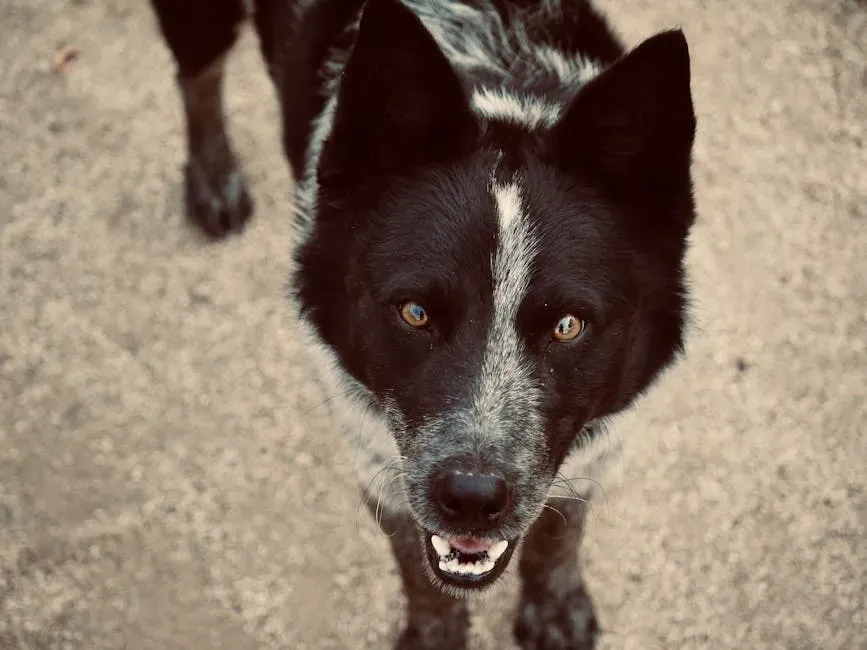
Traditionally used as bear and moose hunting dogs in Finnish Lapland, Karelian Bear Dogs’ bear-keen breeding makes them an effective tool for hazing and holding grizzly bears. Originally bred as all-around hunting and working farm dogs, the Airedale terrier and Karelian Bear Dog continue to be used by landowners in the West as a utility tool for protecting farmsteads and human safety in areas with dense grizzly populations. The Karelian is a very different type of bear guardian compared to the massive livestock breeds above. Smaller, faster, and almost absurdly brave.
In addition to their bear and mountain lion chasing prowess, Karelian Bear Dogs are good family dogs, making them well suited to support smaller ranching and farming operations that need an all-purpose utility dog to protect human safety and livestock around the farmstead. The Wind River Bear Institute has a Karelian Bear Dog puppy placement program available for those keen to take an expertly bear-bred guard and pursuit dog home. It’s hard to say for sure how many ranchers have been saved by this breed, but the program’s longevity speaks for itself.
Conclusion: More Than Just a Dog, a True Partner in the Field
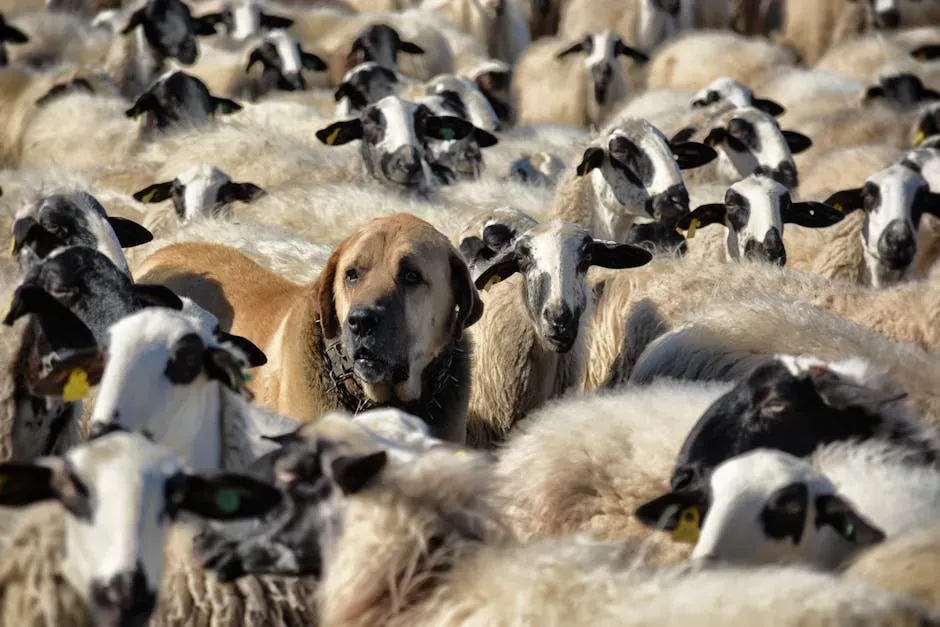
Worldwide, livestock guardian dogs have been used to ward off predators for over 2,000 years. That is not a trend. That is a proven, time-tested partnership between humans and dogs that no piece of technology has ever come close to replacing. Beyond their bravery, many of these guardian breeds are also gentle giants at heart. While they can fearlessly confront bears, they often display remarkable patience and affection with their human families and the livestock they defend. This rare blend of power and gentleness makes them not only reliable defenders but also deeply loyal companions on any farm.
If you live near bear country and your livestock are at risk, honestly, a well-chosen guardian dog may be the most effective and most humane solution you can find. Studies have found a roughly 90 percent decrease in bears within 1,000 feet of farms that received guardian dogs, with 58-fold fewer camera-trap detections of bears visiting farms with guardian dogs compared to farms without them. That is an astonishing number. These 12 breeds represent centuries of courage, loyalty, and instinct working together every single night so that farmers, flocks, and families can sleep a little easier. Which breed surprised you the most? Drop your thoughts in the comments below.


